

Travel with purpose in Tanzania in 2027 or 2028 by choosing experiences that support local livelihoods, respect wildlife and give you time to understand the places you visit. Whether your holiday includes a safari, a Kilimanjaro climb or a village coffee tour, everyday decisions can make your journey more thoughtful and rewarding.
Purposeful travel can be simple. Pay fairly for local services, ask before photographing people, follow park rules and listen to the people hosting you. You can enjoy a comfortable holiday while making these choices part of your itinerary.
Tanzania offers many opportunities to combine wildlife viewing, mountain trekking and cultural learning. The key is to ask clear questions about how activities operate and who benefits from your visit.
Plan your journey with Eddy Tours & Safaris and use these ten ideas to shape a holiday that reflects your interests and values.
What Does It Mean to Travel With Purpose in Tanzania?
Travelling with purpose means considering the effect of your spending, behaviour and activities on the people and places you encounter.
It starts before departure. You can ask who operates a tour, how local hosts are paid and whether an activity respects wildlife and community preferences. During the trip, it means following those principles through your actions.
A useful starting point is to choose one or two priorities. You might want to learn about coffee production, understand wildlife conservation or find out more about mountain crew welfare. Those interests can guide your itinerary without turning your holiday into a complicated project.
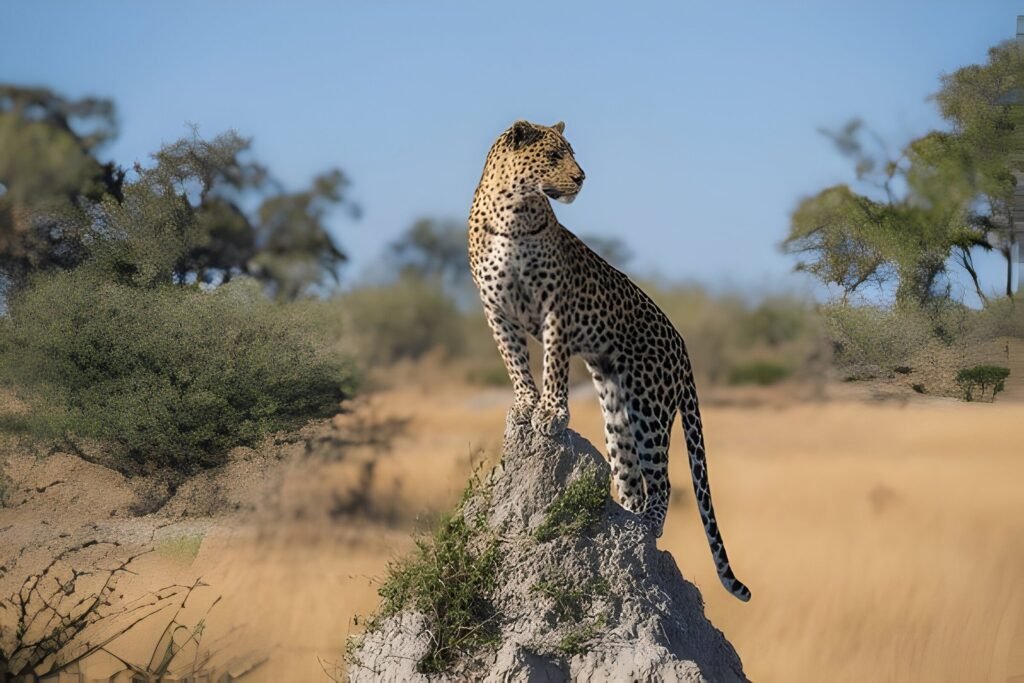
1. Travel With Purpose in Tanzania by Choosing Local Services
Ask who will operate your trip and which services are provided locally. A clear answer helps you understand where your holiday spending goes.
Local guiding, transport, accommodation and food services can create opportunities for people working in tourism. However, a company’s location alone does not explain its employment practices or community contribution.
Before booking, ask:
- Who operates the safari or trekking programme?
- Which accommodation properties are included?
- Are cultural activities organised with local hosts?
- What does the quoted price cover?
- How are additional community visits arranged?
Browse the Tanzania safari tours and request an itinerary identifying the actual service providers. Specific information is more useful than a broad promise that a holiday “helps everyone.”
2. Pay Fairly for Guides, Hosts and Handmade Products
Supporting local livelihoods includes paying a reasonable price for the work and knowledge people provide.
A guide may explain animal behaviour, interpret a conversation or help you understand a place you would otherwise pass without noticing. A craftsperson may spend hours making an item you can purchase in minutes.
Where bargaining is customary, keep it friendly and respectful. If you cannot agree on a price, thank the seller and move on.
Ask whether a cultural activity includes payment to the host, guide and organiser. Clear arrangements help avoid confusion about extra charges during the visit.
Buying directly from a producer or maker, where practical, also gives you the chance to learn about the product. Choose something you value rather than purchasing solely because you feel pressured.
For smaller experiences around your main holiday, explore the Tanzania day-trip options.
3. Choose Cultural Visits Led by the People Hosting You
A cultural visit should give local hosts control over what they share and how visitors participate.
Ask who organises the experience, whether hosts have agreed to the visit and what the payment supports. Respect boundaries around homes, ceremonies, conversations and photographs.
Avoid expecting every person to explain their background or perform an activity for you. Everyday life continues while travellers are present.
A well-arranged visit creates room for questions and exchange. Listen carefully, avoid assumptions and accept that one encounter cannot represent an entire community.
The published Lake Eyasi cultural safari is one option to discuss with the team. Before booking, confirm the host arrangements, photography expectations and activities available on your dates.
4. Learn About Coffee and Farming Around Kilimanjaro
A coffee experience can add a different perspective to a safari or mountain holiday. It connects the drink in your cup with the people, skills and work involved in producing it.
Eddy Tours & Safaris publishes a Materuni Waterfalls and Coffee Tour near Moshi, combining a nature outing with an introduction to local coffee traditions.
Ask your hosts about the process, seasonal work and challenges of farming. Participate in activities when invited and check before entering cultivated areas or photographing workers.
If coffee is available to buy, ask where it was produced and how the sale is arranged. Purchase an amount you will use or share.
You can also review the Materuni waterfall day trip when planning time before or after your main tour.
5. Respect Wildlife During Every Safari
Wildlife encounters are most rewarding when animals can continue their natural behaviour.
Follow your guide’s instructions, remain in the vehicle unless you are at an approved stopping place and keep your voice low at sightings. Avoid asking a driver to crowd an animal or leave an authorised track for a photograph.
Never feed wildlife. Food can change animal behaviour and create problems for animals and visitors.
TANAPA’s Lake Manyara guidance asks visitors to use approved tracks and boardwalks, avoid disturbing or feeding animals and maintain safe distances. These are practical habits to carry throughout your safari.
Visit the official Lake Manyara wildlife page for more information.
When choosing a Tanzania safari, value patient guiding and time to observe behaviour. A good experience does not depend on getting as close as possible.
6. Ask About Fair Treatment of Kilimanjaro Mountain Crews
A Kilimanjaro climb depends on the work of guides, cooks and porters. Their conditions deserve attention when comparing packages.
Ask about wages, food, shelter, suitable clothing, carried loads and tipping arrangements. A low price should prompt questions about how the programme is funded and supported.
The Kilimanjaro Responsible Trekking Organization works to improve porter welfare. Its responsible travel programme considers matters including wages, tipping, bag weights, food and tent accommodation.
If an operator claims membership or partnership, verify its current status directly through the organisation rather than relying only on a logo.
Compare the Kilimanjaro climbing routes and request clear crew arrangements alongside the itinerary. Prepare properly and follow luggage limits so your own choices support the team too.
7. Reduce Waste and Use Resources Carefully
Small habits can make responsible travel easier.
Carry a refillable bottle and ask your operator about suitable drinking-water arrangements. Bring a reusable bag, avoid unnecessary packaging and keep rubbish with you until an appropriate disposal point is available.
At accommodation, turn off lights and air conditioning when leaving the room. Reuse towels when practical and avoid wasting water.
Do not assume that every property has the same recycling facilities. Ask how waste is handled and follow the arrangements provided.
Pack useful equipment rather than disposable items you expect to leave behind. On walks and at picnic sites, take everything you brought with you.
These choices are simple enough to maintain throughout a holiday, including road journeys, lodge stays and day trips.
8. Spend More Time Understanding Fewer Places
A busy itinerary can leave little time to appreciate the destinations between transfers.
Consider whether an extra night would serve your interests better than another distant stop. More time in one area can allow quieter observation, conversation and a less hurried routine.
A shorter route may also suit travellers with limited holiday days. The three-day Tanzania group safari provides an itinerary to compare if you want a compact northern circuit trip.
If you have longer, explore the six-day Tanzania joining safari and ask how much time is spent travelling versus viewing wildlife.
Fewer transfers do not automatically make a trip environmentally sustainable. They do help you examine whether every journey adds something worthwhile to your holiday.
9. Support Community Projects Through Requested, Accountable Contributions
If you want to contribute to a project, begin by asking what the organisation needs.
Useful questions include who manages the project, what the contribution will fund and how the organisation reports its work. Purchasing requested supplies locally may be more practical than bringing items nobody has asked for.
Volunteering should match your qualifications and the organisation’s requirements. A short visit does not qualify a traveller to teach, provide healthcare or work independently with children.
Avoid treating schools or residential care facilities as sightseeing stops. UNICEF has documented concerns about orphanage voluntourism and encourages unqualified visitors to reconsider volunteering with children. Its guidance is a useful resource when evaluating such opportunities.
Read UNICEF’s explanation of orphanage volunteering for the underlying concerns; the article discusses Nepal rather than making claims about a particular Tanzanian organisation.
A transparent contribution can be worthwhile without requiring access to beneficiaries or photographs of them.
10. Ask Permission Before Taking or Sharing Photographs
Photography can preserve a meaningful encounter, but people should be able to decide whether they are photographed.
Ask before taking close portraits, photographing a home or recording a cultural activity. Accept a refusal politely and put the camera away.
For children, follow the host organisation’s safeguarding rules and seek appropriate permission. Avoid publishing identifying details or images that could embarrass or expose someone.
Think carefully about captions too. Describe what you actually learned rather than making assumptions about poverty, happiness or tradition from a brief visit.
When sharing wildlife photographs, avoid presenting risky behaviour as something other travellers should copy.
After the trip, leave an honest review that explains what worked well. Specific feedback can help future visitors make informed choices.

How to Travel With Purpose in Tanzania in 2027/2028
Choose experiences around your interests and available time.
| Your interest | Experience to consider | Question to ask |
|---|---|---|
| Wildlife | Guided safari | How does the guide manage viewing distances and park rules? |
| Coffee and farming | Materuni coffee visit | Who hosts the activity and receives payment? |
| Cultural learning | Community-arranged visit | What have hosts agreed to share? |
| Mountain trekking | Kilimanjaro climb | How are crew conditions and welfare managed? |
| Local crafts | Purchases from makers | Who made the product and where? |
| Community support | Requested contribution | What is needed and how is its use reported? |
You do not need to include every activity. A carefully chosen visit can be more valuable than several hurried stops.
Questions to Ask Before Booking
Use your enquiry to understand how the holiday will operate:
- Who provides each activity?
- Which accommodation properties are proposed?
- What payments are included for guides and hosts?
- What photography rules apply?
- How are wildlife encounters managed?
- What supports any claimed community or environmental benefit?
- Which optional activities cost extra?
Ask for concrete examples if an offer uses broad descriptions such as “eco-friendly” or “community-based.” This helps you choose on evidence.
Frequently Asked Questions
Can I travel with purpose on a budget?
Yes. Respectful behaviour, fair purchases and thoughtful activity choices do not require luxury accommodation. Choose a realistic itinerary and compare complete prices.
Does purposeful travel mean volunteering?
No. Paying local providers fairly, respecting wildlife and learning from hosts can all be part of a purposeful holiday.
Can families follow these ideas?
Yes. Children can learn to ask permission, observe animals quietly and understand where food and handmade products come from.
Should I bring gifts?
Ask first. Requested contributions made through clear arrangements are generally more useful than distributing unplanned gifts during visits.
Do park visits guarantee a conservation contribution beyond fees?
Do not assume extra benefits. Pay applicable fees and ask for evidence of any additional conservation contribution advertised by an operator.
Plan Your Purposeful Tanzania Journey
Travel with curiosity, listen to your hosts and choose activities you can enjoy responsibly. Your holiday can include wildlife, mountain landscapes and cultural learning while respecting the people who make those experiences possible.
Contact Eddy Tours & Safaris with your preferred 2027 or 2028 dates, interests and budget. Ask for an itinerary that identifies the activities, providers and services included.
Website: Eddy Tours & Safaris
Email: sales@eddytours-safaris.com
Alternative email: eddytoursandsafaris@gmail.com
WhatsApp: +255 711 906 664