
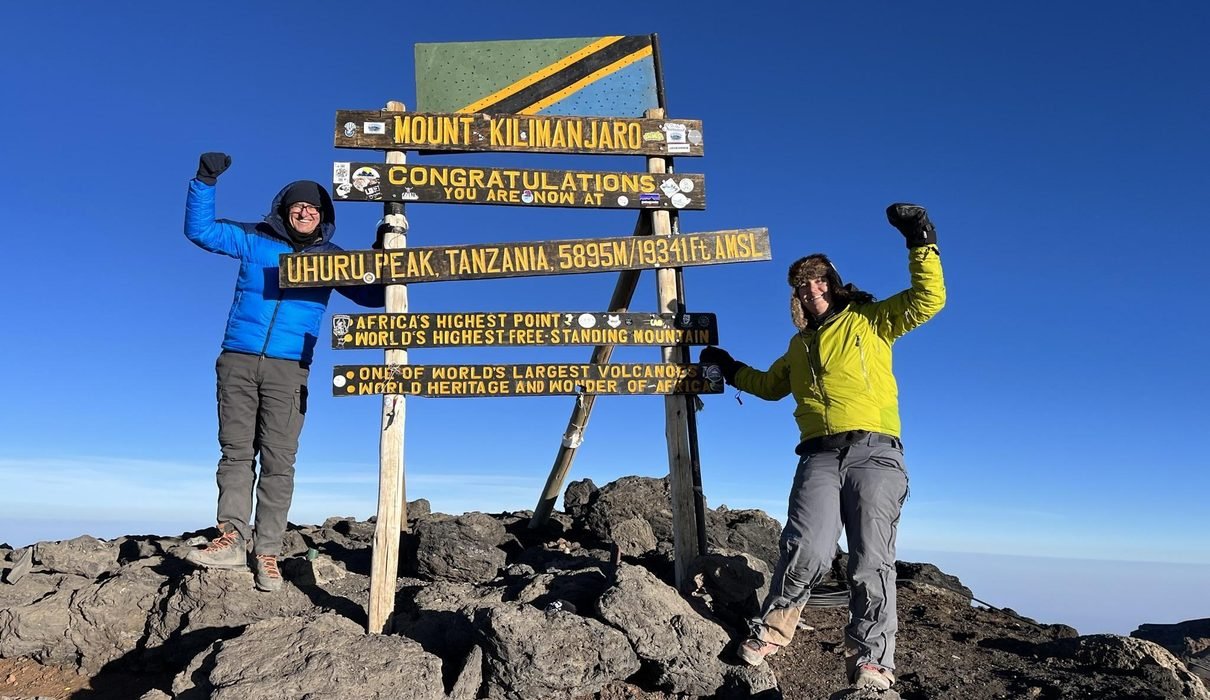
Tanzania is one of Africa’s most exciting travel destinations, offering a wonderful combination of wildlife, mountains, beautiful beaches, and cultural experiences. From the endless plains of the Serengeti National Park to the snow-covered summit of Mount Kilimanjaro, the country has attractions that appeal to almost every type of traveler. Whether you want to photograph wild animals, climb Africa’s highest mountain, explore historical towns, or spend a few peaceful days beside the Indian Ocean, Tanzania has plenty to offer.
What makes Tanzania particularly special is the variety of experiences available within one country. You can spend the morning watching elephants in Tarangire, enjoy a game drive across the Serengeti, and later relax on the white sandy beaches of Zanzibar. Visitors interested in nature can explore national parks, volcanic landscapes, tropical forests, and marine environments, while those interested in local culture can visit traditional communities, markets, and historical sites.
For first-time visitors, deciding which attractions to include in a holiday can be difficult. Tanzania is a large country, and some destinations require long road journeys or domestic flights. Understanding what each attraction offers, how much time to spend there, and the best season to visit will help you plan a more enjoyable holiday.
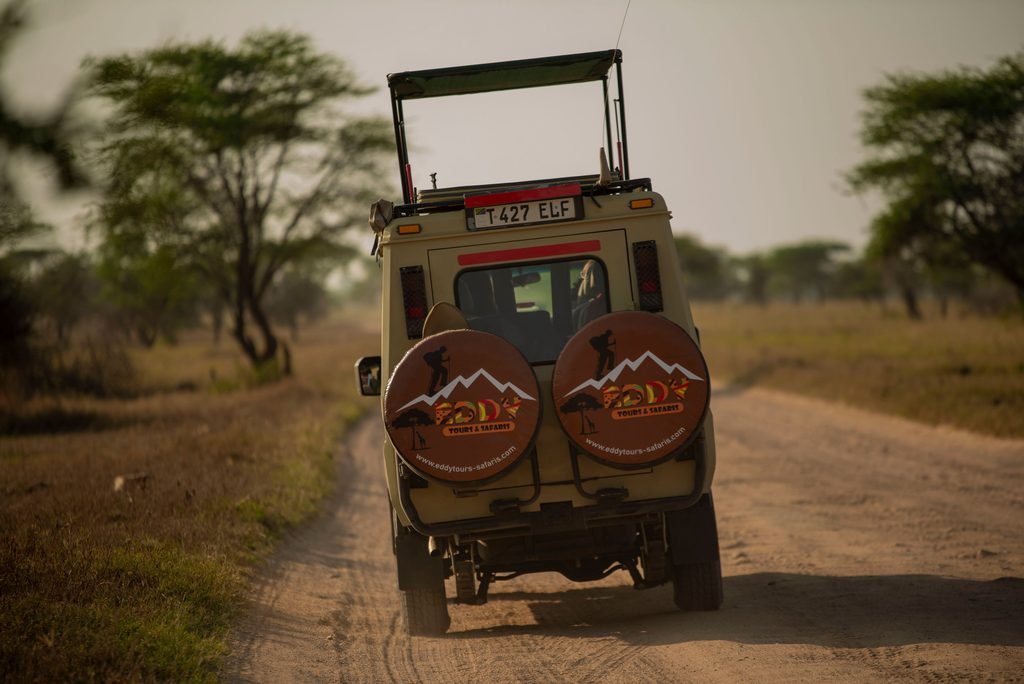
At Eddy Tours & Safaris, we help travelers discover Tanzania through wildlife safaris, Kilimanjaro climbing expeditions, Zanzibar holidays, and customized travel itineraries. This guide covers the top-rated tourist attractions in Tanzania, including famous national parks, mountain destinations, beaches, historical landmarks, and lesser-known places worth visiting.
Why Is Tanzania One of Africa’s Best Tourist Destinations?
Tanzania attracts travelers because of its extraordinary natural diversity. The country is home to the Serengeti ecosystem, where large herds of wildebeest and zebras move across the plains throughout the year. It also contains Ngorongoro Crater, one of Africa’s most remarkable volcanic landscapes, and Mount Kilimanjaro, which rises to 5,895 metres above sea level. These attractions alone make Tanzania a major destination for wildlife enthusiasts, photographers, hikers, and nature lovers.
However, the country’s appeal extends far beyond its famous safari destinations. Along the Indian Ocean coast, visitors can explore Zanzibar’s beaches, coral reefs, spice farms, and historic Stone Town. Southern Tanzania offers large wilderness areas such as Nyerere and Ruaha, while western Tanzania provides opportunities to observe chimpanzees in their natural habitats. Each region has a different character, allowing travelers to choose between popular destinations and quieter places with fewer visitors.
Another advantage is the opportunity to combine different activities within one holiday. A traveler can book a wildlife safari, spend several days climbing Kilimanjaro, and finish with a relaxing beach holiday. Families, couples, photographers, solo travelers, and groups can all find suitable experiences depending on their interests, budget, and available time.
Quick Overview of Tanzania’s Top Tourist Attractions
| Tourist attraction | Location | Main attraction | Recommended time |
|---|---|---|---|
| Serengeti National Park | Northern Tanzania | Wildlife safaris and Great Migration | 3–5 days |
| Ngorongoro Crater | Northern Tanzania | Big Five wildlife and volcanic scenery | 1 day |
| Mount Kilimanjaro | Kilimanjaro Region | Mountain climbing and hiking | 5–9 trekking days |
| Zanzibar Island | Indian Ocean | Beaches, history and marine activities | 3–7 days |
| Tarangire National Park | Northern Tanzania | Elephants and baobab trees | 1–2 days |
| Lake Manyara National Park | Northern Tanzania | Forests, birds and wildlife | 1 day |
| Arusha National Park | Near Arusha | Mount Meru, walking safaris and lakes | 1–2 days |
| Nyerere National Park | Southern Tanzania | Wildlife safaris and river landscapes | 2–4 days |
| Ruaha National Park | Central-southern Tanzania | Wildlife and quieter safari experiences | 3–4 days |
| Stone Town | Zanzibar | Swahili history and architecture | 1–2 days |
| Gombe National Park | Western Tanzania | Chimpanzee trekking | 2–3 days |
| Mahale Mountains National Park | Western Tanzania | Chimpanzees and Lake Tanganyika | 3–5 days |
| Mafia Island | Indian Ocean | Snorkeling, diving and marine life | 3–5 days |
| Mount Meru | Arusha Region | Mountain trekking and scenery | 3–4 days |
The suggested durations are general planning recommendations. Your actual itinerary will depend on travel distances, accommodation arrangements, and the activities you want to include.
1. Serengeti National Park – Tanzania’s Most Famous Wildlife Destination
Best for: Wildlife safaris, the Great Migration, photography, and big cats.
Serengeti National Park is one of Tanzania’s most recognized tourist attractions and a destination that many visitors place at the top of their travel plans. Located in northern Tanzania, the park is famous for its wide grasslands, abundant wildlife, and annual wildebeest migration. Its landscapes include open plains, rocky outcrops known as kopjes, river systems, and woodland areas, creating habitats for many different animal species.
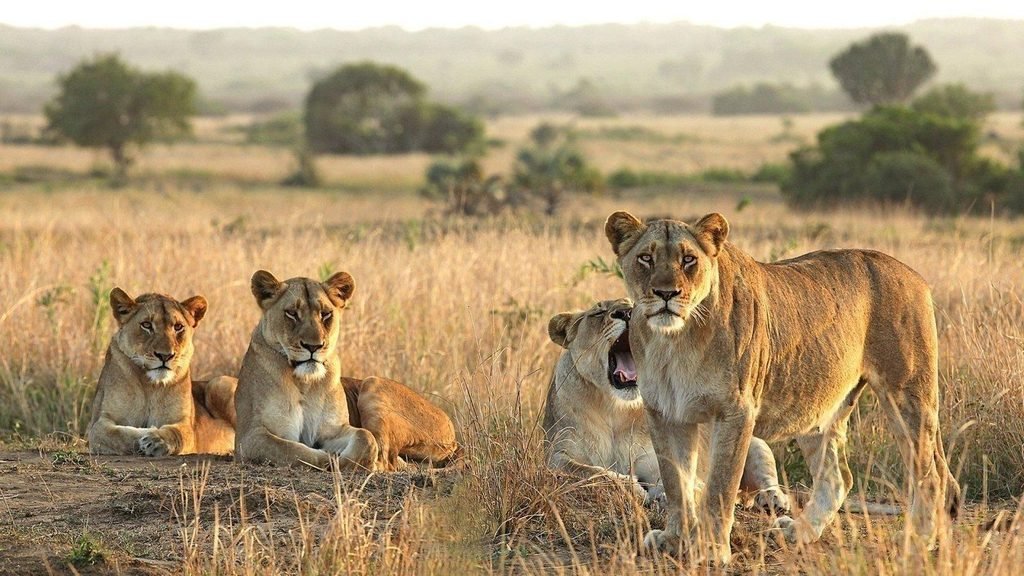
One of the main reasons travelers visit the Serengeti is the opportunity to observe wildlife in its natural environment. Lions, elephants, giraffes, buffaloes, zebras, wildebeest, cheetahs, leopards, and several antelope species can be found within the ecosystem. The central Serengeti, particularly the Seronera area, is well known for year-round wildlife viewing, making it an attractive destination even when the largest migrating herds are elsewhere.
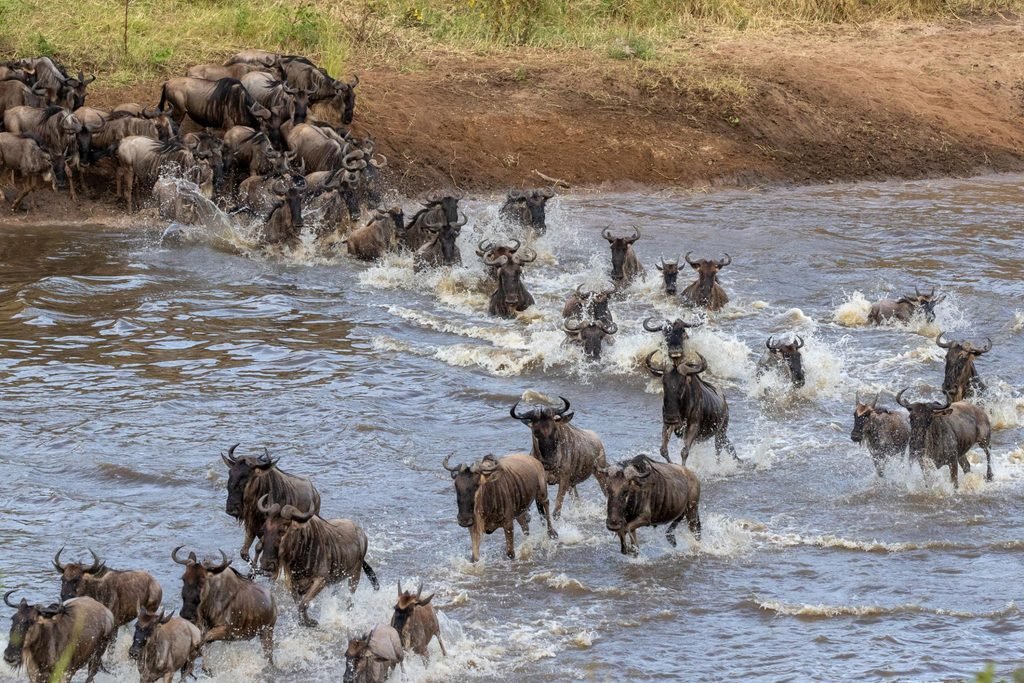
The Great Wildebeest Migration is another major attraction. Throughout the year, large herds move across the Serengeti ecosystem in search of fresh grazing and water. Between approximately January and March, many wildebeest gather on the southern plains and around Ndutu for the calving season. As the year progresses, the herds generally move through central and western areas before some reach the northern Serengeti, where river crossings may occur. Their movements depend on rainfall and grazing conditions, so the exact timing varies.
Travelers should allow at least three days in the Serengeti if possible. Spending several nights in the park provides more time for game drives, photography, and exploring different wildlife areas. For visitors interested in a longer holiday, Eddy Tours & Safaris can help arrange a customized Serengeti safari that includes other northern Tanzania attractions.
Best Time to Visit Serengeti National Park
The Serengeti is a year-round safari destination, but different seasons offer different wildlife experiences. January to March is particularly interesting for the southern plains and calving season, while June to October is generally popular for drier conditions and the northern migration areas. Travelers hoping to see river crossings should understand that these events cannot be predicted or guaranteed.
For general wildlife viewing, the central Serengeti remains an excellent choice throughout much of the year. The best travel dates depend on whether your priority is the migration, big cats, photography, or a combination of wildlife experiences.
2. Ngorongoro Crater – One of Africa’s Greatest Natural Attractions
Best for: Big Five safaris, landscape photography, and short wildlife trips.
Ngorongoro Crater is one of the most remarkable natural attractions in Tanzania. Located within the Ngorongoro Conservation Area, the crater was formed by the collapse of a massive volcano millions of years ago. Today, it is a large volcanic caldera surrounded by steep walls, with grasslands, wetlands, forests, and a soda lake on the crater floor.
The crater is especially popular because visitors can encounter a wide variety of wildlife within a relatively compact area. Lions, elephants, buffaloes, zebras, wildebeest, hippos, and several antelope species are among the animals found here. The area is also one of the places in northern Tanzania where visitors may have an opportunity to observe the endangered black rhinoceros, although sightings are never guaranteed.
A typical Ngorongoro safari begins with a drive to the crater rim, where visitors can enjoy views across the caldera before descending to the crater floor. Game drives usually follow designated roads through grassland and woodland habitats, with stops for wildlife observation and photography. The surrounding highlands provide a striking contrast to the open landscapes below, particularly during the greener months.
Ngorongoro Crater is often included in a northern Tanzania safari because it can be combined with Tarangire, Lake Manyara, and the Serengeti. Travelers with limited time can visit the crater as part of a short safari, while those planning a longer holiday can spend additional time exploring the wider conservation area.
How Much Time Do You Need at Ngorongoro Crater?
For most visitors, one full crater game-drive day is sufficient to experience the main wildlife areas. However, staying overnight near the crater rim or in Karatu can make the journey more comfortable and allow an earlier start the following morning.
If you are planning a short wildlife holiday, consider combining Ngorongoro with the Serengeti through a private Tanzania safari organized by Eddy Tours & Safaris.
3. Mount Kilimanjaro – Africa’s Highest Mountain
Best for: Mountain climbing, hiking, photography, and outdoor adventure.
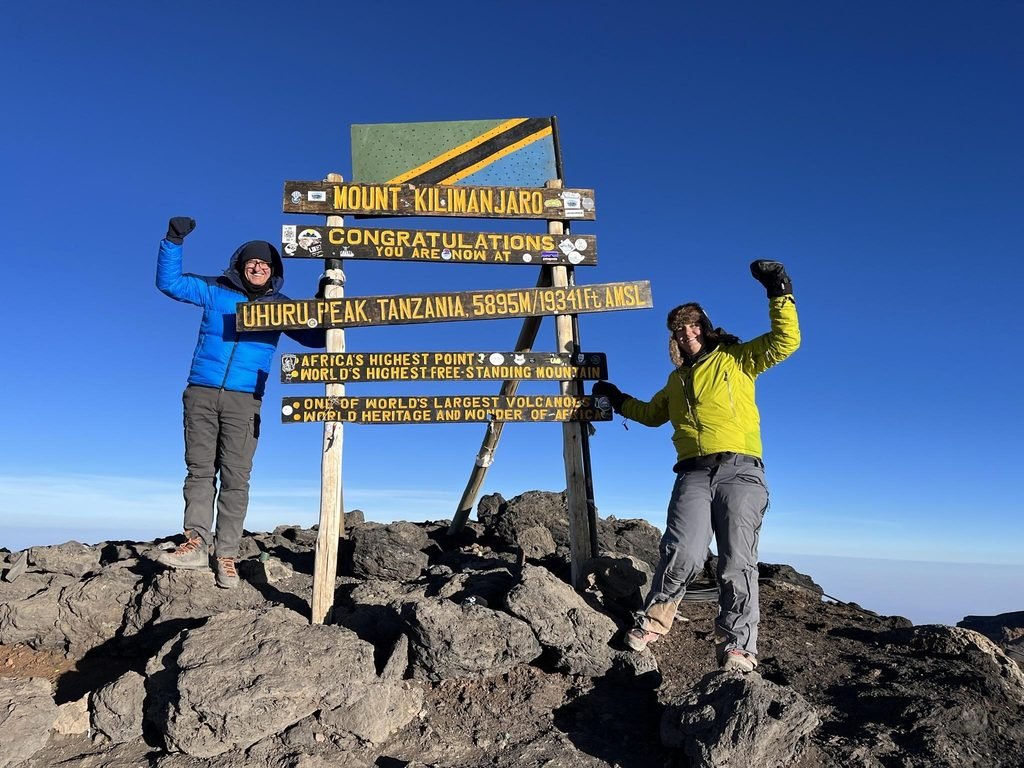
Mount Kilimanjaro is one of Tanzania’s most famous landmarks and the highest mountain in Africa. Rising to 5,895 metres above sea level, the mountain attracts climbers from around the world who want to reach Uhuru Peak. Kilimanjaro is particularly interesting because its standard trekking routes allow physically prepared travelers to attempt the summit without the technical mountaineering skills required on many other high mountains.
The mountain contains several ecological zones, beginning with cultivated lower slopes and montane rainforest before progressing through heath, moorland, alpine desert, and the cold summit environment. During a multi-day climb, travelers experience noticeable changes in vegetation, temperature, and landscape. The journey itself is a major part of the experience, with mountain camps, volcanic formations, and views of Kibo and Mawenzi.
There are several established Kilimanjaro climbing routes, including Machame, Marangu, Lemosho, Rongai, Umbwe, and the Northern Circuit. Each offers a different trekking experience and acclimatization schedule. The Machame Route is known for its varied scenery and Barranco Wall, while Marangu provides mountain hut accommodation. Lemosho and the Northern Circuit are popular among travelers who prefer longer itineraries with additional time for altitude adjustment.
Climbing Kilimanjaro requires proper preparation because altitude sickness is a serious risk. Physical fitness helps with walking endurance, but it does not guarantee successful acclimatization. Travelers should choose a suitable route, allow enough days on the mountain, carry appropriate clothing, and follow the advice of professional mountain guides.
For visitors interested in climbing, Eddy Tours & Safaris offers Kilimanjaro trekking arrangements that can be combined with wildlife safaris or Zanzibar holidays.
Best Time to Climb Mount Kilimanjaro
January to March and June to October are generally popular climbing periods because they often experience relatively drier weather. However, temperatures near the summit can fall well below freezing during any month, and weather conditions can change quickly.
Most travelers should consider an itinerary lasting approximately seven to nine trekking days where appropriate, rather than automatically selecting the shortest route. Longer itineraries can provide more time for acclimatization, although no climbing schedule guarantees summit success.
4. Zanzibar Island – Tanzania’s Best Beach Holiday Destination
Best for: Beach holidays, honeymoons, snorkeling, diving, and cultural experiences.
Zanzibar is one of the most popular beach destinations in East Africa. Located in the Indian Ocean off mainland Tanzania, the archipelago is known for its white sandy beaches, warm tropical waters, historic towns, and distinctive Swahili culture. Many travelers visit Zanzibar after completing a wildlife safari or Kilimanjaro climb, making it an excellent destination for relaxing at the end of an active holiday.
The island offers several beach areas, each with a different atmosphere. Nungwi and Kendwa, on the northern coast of Unguja, are popular for swimming, beach resorts, and sunset views. Paje and Jambiani, on the southeastern coast, are known for their wide beaches, strong tidal changes, and water sports. Travelers who prefer a quieter environment may consider smaller coastal villages or less developed beach areas.
Zanzibar is also an interesting destination for travelers who want more than a beach holiday. Visitors can explore Stone Town, visit spice farms, take guided cultural tours, or arrange snorkeling and diving activities. The island’s food reflects a mixture of African, Arab, Indian, and other coastal influences, with seafood, spices, rice dishes, and tropical fruits featuring prominently in local cuisine.
A Zanzibar holiday can be arranged independently or as part of a longer Tanzania itinerary. If you want to combine several days of wildlife viewing with a beach stay, Eddy Tours & Safaris can help plan your safari and Zanzibar holiday according to your preferred travel dates and accommodation style.
Best Beaches to Visit in Zanzibar
Nungwi Beach is a good option for travelers who enjoy swimming, restaurants, and an active holiday atmosphere. Kendwa Beach is popular for its sandy shoreline and sunset views, while Paje Beach attracts visitors interested in kitesurfing and a more relaxed coastal setting. Jambiani Beach is another attractive option for travelers who prefer village surroundings and a quieter pace.
The best beach depends on your interests. Families and couples may prioritize comfortable swimming conditions, while adventurous travelers may prefer water sports and marine activities.

5. Tarangire National Park – The Land of Elephants and Baobab Trees
Best for: Elephant viewing, birdwatching, photography, and family safaris.
Tarangire National Park is one of northern Tanzania’s most rewarding wildlife destinations. Located southwest of Arusha, the park is particularly famous for its large elephant herds and impressive baobab trees. The landscape includes rolling hills, open grasslands, woodland, seasonal wetlands, and the Tarangire River, which provides an important source of water for wildlife during the dry season.
Elephants are among the park’s main attractions, and visitors may observe family groups moving through the woodland or gathering near water. Tarangire also supports giraffes, zebras, wildebeest, buffaloes, impalas, warthogs, and predators such as lions and leopards. The park is particularly attractive to photographers because the large baobab trees create a distinctive background for wildlife images.
Birdwatching is another reason to visit Tarangire. The park contains a wide variety of bird habitats, including riverine vegetation, grasslands, woodland, and wetlands. Depending on the season, visitors may observe hornbills, ostriches, bee-eaters, raptors, and numerous waterbirds.
Tarangire is commonly included as the first destination on a northern Tanzania safari because it is accessible from Arusha and can be combined with Lake Manyara, Ngorongoro, and Serengeti. A one-day visit can provide a good introduction, but spending two days allows more time to explore different areas.
Best Time to Visit Tarangire National Park
The dry season, generally from June to October, is particularly popular because animals often gather near the Tarangire River and remaining water sources. The green season also has its advantages, including fresh vegetation, attractive landscapes, and opportunities for birdwatching.
Travelers planning a multi-day Tanzania wildlife safari should consider including Tarangire alongside the Serengeti and Ngorongoro Crater.
6. Lake Manyara National Park – Forests, Wildlife and Birdlife
Best for: Short safaris, birdwatching, scenic drives, and nature photography.
Lake Manyara National Park is located along the Great Rift Valley escarpment in northern Tanzania. Although smaller than the Serengeti or Tarangire, the park contains several different habitats, including groundwater forest, woodland, grassland, wetlands, and the alkaline lake itself. This variety makes Lake Manyara an interesting destination for travelers who enjoy both wildlife and natural scenery.
The park is known for its birdlife, with flamingos sometimes appearing along the lake depending on water conditions and food availability. Other birds include pelicans, storks, herons, hornbills, and numerous forest species. Wildlife found in the park includes elephants, buffaloes, giraffes, zebras, hippos, and monkeys, while lions are occasionally observed in trees.
One of Lake Manyara’s attractions is the change in scenery during a relatively short game drive. Visitors can begin in the shaded groundwater forest, pass through more open woodland, and continue toward viewpoints overlooking the lake. The surrounding escarpment adds to the scenery, particularly when the landscape is green.
Lake Manyara is a practical addition to a safari itinerary because it lies near the route between Arusha, Karatu, and Ngorongoro. For travelers with limited time, a full-day visit can provide an enjoyable wildlife experience before continuing to another destination.
7. Arusha National Park – Wildlife, Walking Safaris and Mount Meru
Best for: Day trips, walking safaris, hiking, and birdwatching.
Arusha National Park is one of Tanzania’s most accessible national parks for travelers staying in Arusha. Despite its relatively small size, the park contains several different landscapes, including forested slopes, open grasslands, volcanic craters, and the Momella Lakes. Mount Meru, Tanzania’s second-highest mountain, dominates much of the scenery and provides an impressive background for wildlife viewing.
The park is particularly well known for giraffes, buffaloes, zebras, warthogs, and black-and-white colobus monkeys. Birdwatchers can also enjoy the lakes and forest areas, where different species may be observed throughout the year. Unlike some larger safari parks, Arusha National Park offers opportunities for guided walking safaris in designated areas, allowing visitors to experience the environment from a different perspective.
The Momella Lakes are among the park’s most recognizable attractions, while Ngurdoto Crater offers another example of the region’s volcanic landscape. Visitors can explore the park on a day trip or combine it with a longer Mount Meru trekking expedition.
Arusha National Park is especially suitable for travelers arriving in Tanzania before a longer safari or Kilimanjaro climb. It provides a convenient introduction to the country’s wildlife and scenery without requiring several days of travel.
8. Nyerere National Park – A Different Safari Experience in Southern Tanzania
Best for: Wildlife safaris, river landscapes, and travelers seeking quieter destinations.
Nyerere National Park is one of the major wildlife destinations in southern Tanzania. The park forms part of the wider Selous ecosystem and is known for its extensive wilderness, rivers, lakes, woodland, and open habitats. Compared with the more frequently visited northern safari circuit, parts of southern Tanzania offer a different atmosphere, with fewer vehicles in many wildlife-viewing areas.
The Rufiji River system is an important feature of the landscape, supporting wildlife and creating opportunities for observing animals near water. Depending on the area and season, visitors may encounter elephants, buffaloes, giraffes, zebras, hippos, crocodiles, lions, and other wildlife. The park’s varied habitats also attract numerous bird species.
Nyerere is particularly appealing to travelers who have already visited the Serengeti or Ngorongoro and want to explore another part of Tanzania. Safari activities and their availability depend on the designated tourism areas, park rules, and arrangements made with licensed operators.
A visit to Nyerere generally requires more careful transport planning than a short northern circuit safari. Travelers may use domestic flights or road transfers depending on their starting location and itinerary.
9. Ruaha National Park – A Wildlife Destination Away from the Main Tourist Circuit
Best for: Wildlife photography, nature lovers, and quieter safari holidays.
Ruaha National Park is one of Tanzania’s major wildlife areas and an excellent destination for travelers interested in exploring the country’s less frequently visited safari regions. The park is known for its rugged landscapes, baobab trees, river systems, and extensive woodland and savanna habitats. Its scenery differs from the open plains of the Serengeti, offering a distinctive environment for wildlife viewing.
The Great Ruaha River and its surrounding habitats are important for wildlife, particularly during the drier months. Visitors may observe elephants, giraffes, buffaloes, antelopes, lions, and other predators, although sightings depend on seasonal conditions and the areas explored. Ruaha is also well regarded by birdwatchers because of its varied habitats and rich birdlife.
The park is particularly attractive to travelers who prefer longer game drives and a quieter safari atmosphere. Accommodation ranges from relatively simple safari camps to high-end lodges, depending on the area and season. Because of the park’s location, many visitors choose to arrive by domestic flight, although road access is also possible.
For travelers with sufficient time, Ruaha can be combined with other southern Tanzania destinations to create a safari focused on wilderness, wildlife, and photography.
10. Stone Town – Discover Zanzibar’s History and Swahili Culture
Best for: History, architecture, food, and cultural tours.
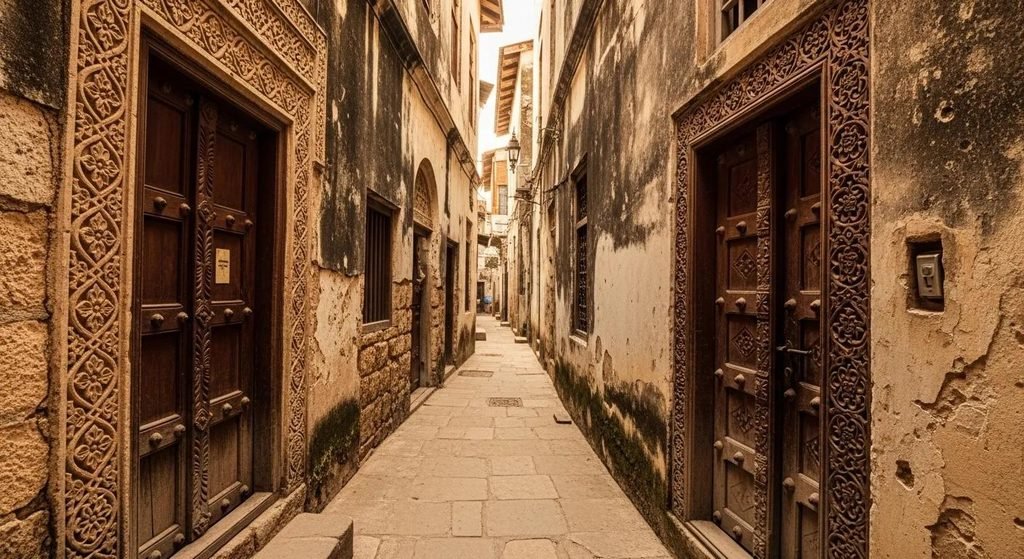
Stone Town is the historic center of Zanzibar City and one of Tanzania’s most important cultural attractions. Recognized as a UNESCO World Heritage Site, the town is known for its narrow streets, carved wooden doors, historic buildings, traditional markets, and architecture shaped by centuries of trade and cultural exchange.
Walking through Stone Town provides an opportunity to learn about the island’s history and the different communities that contributed to its development. Swahili, Arab, Indian, and European influences can be seen in the town’s buildings, food, and everyday life. Many visitors explore the area with a local guide, who can explain the significance of historic landmarks and provide context about Zanzibar’s trading history, including the history of slavery in the region.
The town also offers a lively atmosphere, with small shops, cafés, markets, and restaurants tucked between older buildings. Visitors can explore the waterfront, learn about traditional architecture, and sample local dishes prepared with Zanzibar’s well-known spices.
Stone Town can be visited during a full-day excursion, but spending a night or two allows more time to explore at a comfortable pace. It is an excellent addition to a beach holiday, particularly for travelers who want to understand Zanzibar beyond its coastal resorts.
For further information about the area’s historical significance, visit the official UNESCO Stone Town World Heritage page.
11. Gombe National Park – Chimpanzee Trekking Beside Lake Tanganyika
Best for: Chimpanzee trekking, primates, and forest exploration.
Gombe National Park is located along the eastern shore of Lake Tanganyika in western Tanzania. The park is internationally known for its chimpanzee population and the long-running scientific research associated with primatologist Jane Goodall. Although Gombe is much smaller than Tanzania’s major savanna parks, it offers a very different wildlife experience.
Visitors come primarily for guided chimpanzee trekking through forested hills and valleys. During a trek, guides search for signs of chimpanzee activity and help visitors observe the animals when conditions permit. Chimpanzees move freely through the forest, so sightings are not guaranteed, and the time required to locate them can vary.
The park’s setting beside Lake Tanganyika adds to its appeal. Forest-covered slopes descend toward the lake, creating a peaceful environment that contrasts with the open savanna landscapes of northern Tanzania. Visitors interested in primates, conservation, and wildlife research may find Gombe particularly rewarding.
Reaching Gombe requires additional travel planning, generally involving transport to Kigoma and onward boat arrangements. It is best suited to travelers who can dedicate several days to western Tanzania.
12. Mahale Mountains National Park – Forests, Chimpanzees and Lake Tanganyika
Best for: Chimpanzee trekking, remote nature experiences, and lake scenery.
Mahale Mountains National Park is another outstanding destination for travelers interested in chimpanzees and remote wilderness. Located on the eastern shore of Lake Tanganyika, the park combines forested mountains, clear lake waters, and relatively isolated natural surroundings. Its location makes it less accessible than the popular northern safari destinations, but this is part of its appeal for travelers seeking a quieter experience.
Chimpanzee trekking is the main attraction. Visitors join experienced guides to search for chimpanzees in the forest, learning about their behavior and the environment they inhabit. The walking conditions can be demanding because the terrain includes slopes, forest paths, and uneven ground. As with other wildlife experiences, encounters depend on animal movements and cannot be guaranteed.
The park also provides opportunities to appreciate Lake Tanganyika, one of Africa’s great freshwater lakes. Visitors can enjoy views across the water and the surrounding mountains, creating a distinctive combination of forest and lakeside scenery.
Mahale is best included in a carefully planned western Tanzania itinerary because transport and accommodation arrangements can be more complicated than those for mainstream safari destinations.
13. Mafia Island – One of Tanzania’s Best Marine Destinations
Best for: Snorkeling, diving, marine wildlife, and peaceful beach holidays.
Mafia Island is located off Tanzania’s coast and is known for its marine environment, coral reefs, and quieter atmosphere. Compared with Zanzibar’s busiest beach destinations, Mafia generally attracts travelers who are particularly interested in snorkeling, diving, and spending time near the ocean.
The island’s surrounding waters support a variety of marine life, including reef fish, corals, and other ocean species. Mafia Island Marine Park protects an important part of this environment, and visitors can arrange activities with authorized operators according to the relevant regulations and conditions.
Mafia is also known for seasonal whale shark encounters in nearby waters, although sightings depend on natural movements and weather conditions. Visitors should choose responsible operators that follow appropriate wildlife-viewing practices and avoid disturbing the animals.
A stay of three to five days allows time for marine activities, relaxation, and exploring the island. Travelers who prefer a quieter coastal holiday may find Mafia an appealing alternative to the busier parts of Zanzibar.
14. Mount Meru – A Rewarding Mountain Climb Near Arusha
Best for: Mountain trekking, scenery, wildlife, and preparation for Kilimanjaro.
Mount Meru is located within Arusha National Park and rises to approximately 4,566 metres above sea level. It is Tanzania’s second-highest mountain and an excellent trekking destination for travelers who enjoy challenging hikes and volcanic scenery.
The climb passes through forest, open mountain vegetation, and increasingly rocky terrain before reaching the upper mountain. Unlike Kilimanjaro’s standard trekking routes, Mount Meru involves walking through areas where large wildlife may be present, and climbs require the appropriate ranger escort arrangements. This adds a different dimension to the trekking experience.
The mountain is also known for its impressive volcanic landscape, including the crater and surrounding ridges. Summit day can be demanding because of the altitude, steep terrain, and early start. Climbers should prepare carefully and follow the guidance of the mountain team.
Mount Meru is sometimes used as preparation for Kilimanjaro because it provides an opportunity to experience trekking at altitude. However, previous altitude exposure does not guarantee that a climber will avoid altitude sickness on a later expedition.
Visitors interested in combining the two mountains can contact Eddy Tours & Safaris for advice on suitable trekking arrangements.
15. Cultural Experiences and Local Communities in Tanzania
Best for: Cultural learning, local food, traditional crafts, and community visits.
Tanzania’s cultural diversity is another important part of its tourism appeal. The country is home to many communities with different languages, customs, histories, and ways of life. Travelers interested in learning more about local culture can include guided village visits, traditional food experiences, craft workshops, and visits to community projects within their holiday itinerary.
In northern Tanzania, some visitors arrange cultural experiences involving Maasai communities, while others explore villages around Mto wa Mbu, the slopes of Kilimanjaro, or the Arusha region. These experiences can provide opportunities to learn about local agriculture, traditional foods, crafts, and everyday community life.
The quality of a cultural visit depends on how it is organized. Responsible experiences should respect local customs, involve community participation, and provide fair benefits to the people hosting visitors. Travelers should avoid treating communities as attractions to be photographed without permission and should follow their guide’s advice regarding appropriate behavior.
Including a cultural activity can add depth to a Tanzania holiday, especially for visitors who want to understand the people and places beyond the national parks.
Best Time to Visit Tanzania’s Tourist Attractions
Tanzania can be visited throughout the year, but the best time depends on the destinations and activities you choose. Wildlife viewing in the northern parks is possible in every season, while certain months are more suitable for particular migration areas or outdoor activities. Beach conditions, rainfall, and mountain weather also vary, making it important to plan according to your main travel interests.
| Travel period | General conditions | Recommended experiences |
|---|---|---|
| January–March | Often warm; variable rainfall | Southern Serengeti calving season, safaris, Zanzibar |
| April–May | Generally wetter in many regions | Green landscapes, birdwatching, selected safaris |
| June–August | Generally drier and cooler | Serengeti, Tarangire, Ngorongoro, Kilimanjaro |
| September–October | Often dry in northern safari areas | Wildlife safaris, Tarangire, northern Serengeti |
| November–December | Short rains in many areas | Green-season safaris, Zanzibar, wildlife photography |
The table provides a general seasonal guide rather than a weather forecast. Rainfall patterns vary, and wildlife movements depend on natural conditions.
Best Time for Wildlife Safaris
For travelers interested in general wildlife viewing, June to October is a popular period because vegetation is often less dense and animals may gather around remaining water sources. However, the Serengeti and Ngorongoro remain attractive throughout the year, and the southern Serengeti can be especially rewarding during the early-year calving season.
Best Time for Kilimanjaro Climbing
January to March and June to October are commonly preferred for mountain climbing. Nevertheless, Kilimanjaro’s summit environment can be extremely cold at any time of year, so proper equipment and acclimatization remain essential.
Best Time for Zanzibar Holidays
Zanzibar is a year-round beach destination, with June to October and parts of December to March often popular for coastal holidays. Travelers interested in diving, snorkeling, or water sports should consider the conditions specific to their chosen beach and activity.
How Many Days Do You Need to Explore Tanzania?
The ideal length of a Tanzania holiday depends on how many destinations you want to visit and whether you plan to include mountain climbing or beach activities. Travelers with only a few days should focus on a smaller number of attractions rather than spending most of their holiday traveling between distant locations.
A three- to five-day safari can include popular northern destinations such as Tarangire, Ngorongoro, and parts of the Serengeti, depending on the itinerary. A six- to eight-day safari generally provides a more comfortable schedule with additional time for wildlife viewing and photography. Travelers planning a Kilimanjaro climb should allow separate trekking days, along with arrival and recovery time.
For visitors interested in combining wildlife and beaches, a holiday lasting approximately 10 to 14 days can provide time for a northern Tanzania safari followed by several days in Zanzibar. Longer trips allow visitors to explore quieter destinations, add cultural activities, or spend more time in each national park.
Sample 10-Day Tanzania Safari and Zanzibar Holiday
| Day | Destination | Main activity |
|---|---|---|
| 1 | Arusha | Arrival and safari briefing |
| 2 | Tarangire National Park | Elephant and wildlife game drives |
| 3 | Serengeti National Park | Transfer and afternoon game drive |
| 4 | Serengeti National Park | Full-day wildlife safari |
| 5 | Serengeti National Park | Additional game drives |
| 6 | Ngorongoro Conservation Area | Travel toward the crater highlands |
| 7 | Ngorongoro Crater | Crater game drive |
| 8 | Zanzibar | Transfer or flight to Zanzibar |
| 9 | Zanzibar | Beach relaxation or optional activities |
| 10 | Zanzibar | Departure |
This is an illustrative itinerary. Travel times, flight connections, accommodation, and park arrangements should be confirmed before booking.
Tanzania Travel Tips for First-Time Visitors
Planning a Tanzania holiday is easier when you understand a few practical details before departure. Most northern safari itineraries begin in Arusha, while Kilimanjaro climbing expeditions commonly use Moshi as a departure point. International visitors may arrive through Kilimanjaro International Airport, Julius Nyerere International Airport in Dar es Salaam, or Abeid Amani Karume International Airport in Zanzibar, depending on their travel plans.
Travelers should check the passport and visa requirements applicable to their nationality before departure. Tanzania’s entry requirements can change, and Zanzibar may have additional visitor insurance requirements that should be verified through official sources. It is also advisable to arrange suitable travel insurance, particularly when planning mountain climbing, diving, or other activities that involve additional risks.
For wildlife safaris, comfortable clothing in neutral colors, sun protection, binoculars, and a camera are useful. Early mornings can be cool, particularly around Ngorongoro and other highland areas, so carrying a light jacket is sensible. Visitors should follow park regulations, remain inside safari vehicles where required, and never approach or feed wild animals.
It is also worth considering the distances between destinations. A safari itinerary that looks short on a map may involve several hours of driving, particularly on unpaved roads. Choosing a realistic schedule with enough time for game drives and rest will generally provide a better experience than trying to visit too many parks in a limited number of days.
Frequently Asked Questions About Tourist Attractions in Tanzania
1. What is the most famous tourist attraction in Tanzania?
Serengeti National Park is one of Tanzania’s most internationally recognized attractions because of its wildlife and the Great Wildebeest Migration. Mount Kilimanjaro, Ngorongoro Crater, and Zanzibar are also major destinations.
2. What are the best places to visit in Tanzania for the first time?
For a first visit, the Serengeti, Ngorongoro Crater, Tarangire, Mount Kilimanjaro, and Zanzibar provide an excellent introduction to the country’s wildlife, landscapes, and coastal attractions.
3. Which national park is best for wildlife viewing in Tanzania?
The Serengeti is one of the best choices for general wildlife viewing, particularly for travelers interested in big cats and the Great Migration. Ngorongoro and Tarangire are also excellent options.
4. Where can I see the Big Five in Tanzania?
The Serengeti and Ngorongoro ecosystem offer opportunities to see the Big Five: lion, leopard, elephant, buffalo, and rhinoceros. However, sightings of every species cannot be guaranteed.
5. Is Tanzania good for family safaris?
Yes. Tanzania offers family-friendly safari options, particularly in the northern circuit. The most suitable itinerary depends on children’s ages, travel distances, accommodation, and preferred activities.
6. How many days should I spend in the Serengeti?
Three to five days is a useful range for many visitors. Additional time allows more game drives and opportunities to explore different wildlife areas.
7. Can I visit Ngorongoro Crater in one day?
Yes. Many visitors explore the crater during a full-day game drive, often staying in Karatu or near the crater highlands before or after the visit.
8. Is Mount Kilimanjaro suitable for beginners?
Some Kilimanjaro routes are suitable for physically prepared beginners, but the climb is demanding and involves significant altitude-related risks.
9. Which is better, Serengeti or Tarangire?
The Serengeti is particularly attractive for its large wildlife populations and migration, while Tarangire is famous for elephants and baobab landscapes. Both are worth visiting if time allows.
10. What is the best month to visit Tanzania?
There is no single best month for every activity. June to October is popular for many wildlife safaris, while January to March can be excellent for the southern Serengeti calving season.
11. Can I visit Tanzania during the rainy season?
Yes. The rainy season can offer green landscapes, birdwatching opportunities, and a different safari atmosphere, although some roads and activities may be affected by wet conditions.
12. Is Zanzibar part of Tanzania?
Yes. Zanzibar is a semi-autonomous part of the United Republic of Tanzania, consisting of islands in the Indian Ocean.
13. Which Zanzibar beach is best for swimming?
Nungwi and Kendwa are popular choices for swimming, although conditions vary with tides, weather, and the exact beach location.
14. What is special about Stone Town?
Stone Town is known for its historic Swahili architecture, narrow streets, carved wooden doors, markets, and cultural heritage.
15. Where can I see chimpanzees in Tanzania?
Gombe and Mahale Mountains National Parks are two of Tanzania’s main destinations for chimpanzee trekking.
16. Is Mafia Island worth visiting?
Yes. Mafia Island is an excellent choice for travelers interested in marine life, diving, snorkeling, and quieter coastal surroundings.
17. Can I combine Kilimanjaro climbing with a safari?
Yes. Many travelers climb Kilimanjaro before visiting the Serengeti, Tarangire, and Ngorongoro. Allowing enough recovery time after the climb is important.
18. What is the best tourist attraction near Arusha?
Arusha National Park is a convenient choice for a day trip. Tarangire, Lake Manyara, and Ngorongoro are also popular destinations within the northern safari circuit.
19. Are Tanzania’s national parks safe to visit?
National parks have established visitor regulations and guiding arrangements. Travelers should follow park rules and the instructions of authorized guides, particularly around wildlife.
20. Can I book a private Tanzania safari?
Yes. Private safaris can be customized according to your preferred destinations, travel dates, group size, and accommodation budget.
21. Is Tanzania suitable for luxury holidays?
Yes. Tanzania offers luxury safari lodges, tented camps, private travel arrangements, and high-end beach resorts, particularly in the Serengeti, Ngorongoro region, and Zanzibar.
22. Are budget safaris available in Tanzania?
Yes. Budget camping safaris and selected shared or group arrangements may provide more affordable ways to visit popular wildlife destinations.
23. Do I need a guide to visit Tanzania’s national parks?
Guiding requirements depend on the park and activity. Professional safari guides are strongly recommended for wildlife viewing, while certain activities, including Kilimanjaro climbing, require authorized guiding arrangements.
24. How much does a Tanzania safari cost?
Safari costs vary according to duration, accommodation, park fees, transport, group size, and travel season. Request a detailed quotation rather than relying on a single advertised price.
25. How can I book a Tanzania holiday with Eddy Tours & Safaris?
You can contact Eddy Tours & Safaris with your preferred destinations, travel dates, number of travelers, and accommodation preferences. The team can then help prepare a suitable itinerary and quotation.
Explore Tanzania with Eddy Tours & Safaris
Tanzania offers an impressive variety of attractions, from the wildlife-rich plains of the Serengeti to the volcanic landscapes of Ngorongoro Crater and the mountain trails of Kilimanjaro. Along the coast, Zanzibar provides beautiful beaches, historic towns, and opportunities to explore the Indian Ocean. Travelers who have more time can also discover quieter national parks, remote lakes, and cultural destinations throughout the country.
The best Tanzania holiday is not necessarily the one that includes the greatest number of destinations. It is the one that allows enough time to enjoy the places you choose. A carefully planned itinerary can reduce unnecessary travel, provide more opportunities for wildlife viewing, and make the overall journey more comfortable.
At Eddy Tours & Safaris, we organize Tanzania wildlife safaris, Kilimanjaro climbing expeditions, Zanzibar holidays, and customized travel experiences. Whether you are planning a short safari, a family holiday, a honeymoon, or a longer journey through Tanzania, our team can help you select destinations that match your interests and budget.
Explore Tanzania Safaris with Eddy Tours & Safaris
Request a Personalized Tanzania Travel Itinerary
Speak with Our Travel Team on WhatsApp
Email: sales@eddytours-safaris.com
Discover Tanzania’s wildlife, mountains, beaches, and culture with a holiday planned around the places you genuinely want to experience.