
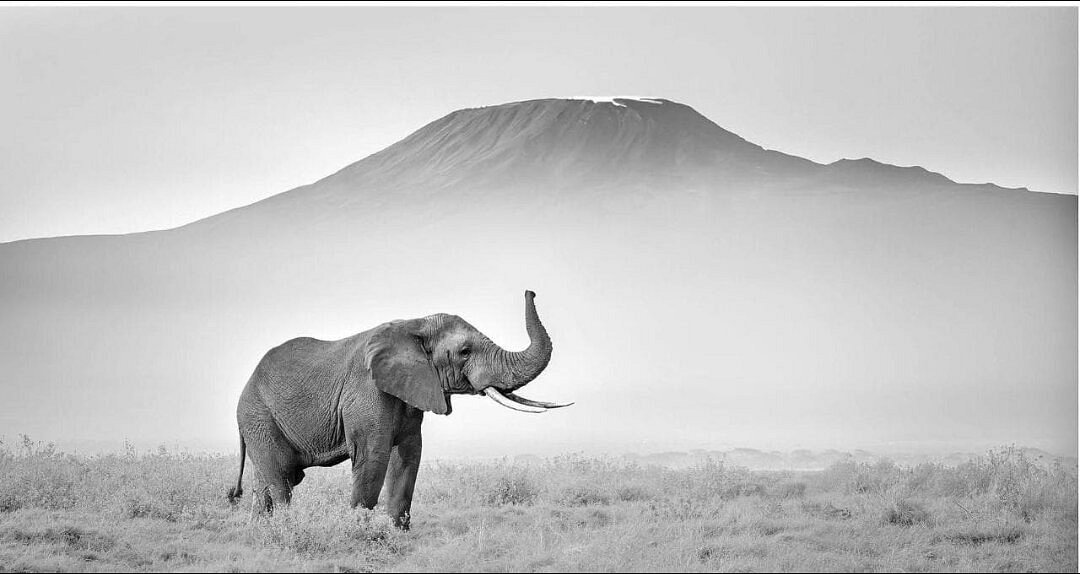
Nairobi is one of the best starting points for a wildlife safari in East Africa. Kenya’s capital has an international airport, a wide choice of hotels, and road connections to several well-known national parks and wildlife reserves. Travellers arriving in Nairobi can begin with a short game drive at Nairobi National Park, spend a few days exploring the Maasai Mara, visit Amboseli to see elephants with Mount Kilimanjaro in the background, or travel through the Great Rift Valley towards Lake Nakuru and Lake Naivasha. Those with more time can also continue into Tanzania to visit the Serengeti and Ngorongoro Crater.
For travellers planning safaris from Nairobi in 2027 or 2028, the best itinerary depends on the number of days available, the animals you want to see, your accommodation preferences, and how much time you are willing to spend travelling by road. Some parks are close enough for day trips, while others are better experienced over several nights. The Maasai Mara is particularly popular for big cats and seasonal wildebeest movements, Amboseli is known for elephants and mountain views, and Lake Nakuru offers opportunities to see both black and white rhinoceroses.
A safari starting from Nairobi does not have to be limited to Kenya. Visitors planning a longer East African holiday can combine Kenyan wildlife destinations with Tanzania’s northern safari circuit. This is a good option for travellers who want to explore the Maasai Mara and Serengeti during one journey, although cross-border transport and immigration arrangements must be planned carefully.
This guide explains the top safaris departing from Nairobi in 2027 and 2028, including recommended destinations, travel durations, suggested itineraries, accommodation choices, costs, and useful advice for booking a well-organised African safari.
Why Nairobi Is a Good Starting Point for an African Safari
Nairobi is an important travel centre for international visitors arriving in East Africa. Jomo Kenyatta International Airport receives flights from many international destinations, while Wilson Airport serves a number of domestic and regional safari routes. This gives travellers the option of reaching wildlife destinations by road or using scheduled light-aircraft flights where available.
One advantage of starting in Nairobi is the variety of wildlife experiences within reach. Visitors with only one day can explore Nairobi National Park, while those with three or four days can travel to the Maasai Mara or Amboseli. Travellers with a week or more can combine several parks and enjoy different landscapes, from the open grasslands of the Maasai Mara to the lakes and escarpments of the Great Rift Valley.
Nairobi also works well for travellers who want to visit both Kenya and Tanzania. The road south towards Namanga connects Nairobi with Arusha, which is the main starting point for many northern Tanzania safaris. With suitable arrangements, visitors can begin their holiday in Kenya and continue towards Tarangire, Ngorongoro, and the Serengeti.
Top 10 Safaris from Nairobi for 2027 and 2028
The following safari options cover short trips, classic Kenya wildlife holidays, and longer journeys into Tanzania. The most suitable choice depends on your available time and the type of experience you want.
| Safari Package | Recommended Duration | Main Attractions | Best For |
|---|---|---|---|
| Nairobi National Park Safari | 1 day | Lions, rhinos, giraffes and city skyline | Short stays and transit visitors |
| Maasai Mara Safari | 3–4 days | Big cats, savannah wildlife and migration | First-time safari travellers |
| Amboseli National Park Safari | 2–3 days | Elephants and Mount Kilimanjaro views | Wildlife photography |
| Lake Nakuru and Naivasha Safari | 2–3 days | Rhinos, birdlife and boat trips | Families and nature lovers |
| Maasai Mara and Lake Nakuru Safari | 5 days | Big cats, rhinos and Rift Valley scenery | Wildlife-focused holidays |
| Amboseli and Tsavo Safari | 4–6 days | Elephants, volcanic landscapes and large parks | Travellers wanting varied scenery |
| Samburu National Reserve Safari | 3–4 days | Northern Kenya wildlife and dry landscapes | Repeat safari visitors |
| Aberdare and Lake Nakuru Safari | 3–4 days | Highland forests, wildlife and rhinos | Nature and photography |
| Kenya Wildlife Circuit Safari | 7–8 days | Maasai Mara, Nakuru and Amboseli | Extended Kenya holidays |
| Kenya and Tanzania Safari | 10–14 days | Maasai Mara, Serengeti and Ngorongoro | Multi-country safaris |
These durations are recommendations rather than fixed package schedules. Driving times, accommodation locations, and the availability of domestic flights can affect how much time you need.
1. Nairobi National Park Safari – Best One-Day Safari from Nairobi
Nairobi National Park is one of the most convenient wildlife destinations for travellers staying in Kenya’s capital. The park lies close to the city and allows visitors to experience a game drive without travelling several hours into the countryside. It is known for its lions, black rhinoceroses, buffaloes, giraffes, zebras, antelopes, and numerous bird species. One of its unusual features is the contrast between wildlife on the open plains and Nairobi’s buildings in the background.
A typical Nairobi National Park safari begins early in the morning when temperatures are cooler and animals may be more active. Visitors travel through the park in a safari vehicle, stopping at suitable locations to observe and photograph wildlife. The experience can take several hours, depending on the route and the amount of time available. Although the park is relatively small compared with the Maasai Mara or Serengeti, it offers a practical introduction to African wildlife.
This safari is particularly suitable for travellers attending meetings in Nairobi, passengers with a full free day between flights, and visitors who want to experience wildlife before continuing to other destinations. It can also be combined with selected attractions around Nairobi, although it is better to allow enough time for the game drive rather than trying to fit too many activities into one day.
Recommended duration: Half a day to one full day.
2. Maasai Mara Safari – Best for Big Cats and the Great Migration
The Maasai Mara National Reserve is one of Kenya’s most famous safari destinations and a popular choice for travellers departing from Nairobi. The reserve is known for its open grasslands, large populations of grazing animals, and predators such as lions, leopards, and cheetahs. Elephants, buffaloes, giraffes, zebras, hyenas, and numerous antelope species are also found in the wider ecosystem, making the Maasai Mara suitable for wildlife viewing throughout the year.
A three-day Maasai Mara safari normally involves travelling from Nairobi on the first day, enjoying game drives during the stay, and returning to the city on the final day. Travellers who choose four days can spend more time exploring different areas without feeling rushed. The journey from Nairobi usually takes several hours, depending on road conditions and the location of the accommodation, so an extra night can make a noticeable difference to the amount of time available for wildlife viewing.
The Maasai Mara is also associated with the Great Wildebeest Migration. During suitable periods, migrating herds move between the Serengeti in Tanzania and the Maasai Mara in Kenya. River crossings may occur along the Mara River, but their timing depends on rainfall and animal movements. Travellers visiting in 2027 or 2028 should understand that no operator can guarantee a crossing on a particular day.
For those interested in seeing different parts of the migration, a Maasai Mara safari can be combined with a Tanzania safari arranged by Eddy Tours & Safaris. This allows travellers to explore the wider Serengeti-Mara ecosystem, provided sufficient time is allowed for travelling between the countries.
Recommended duration: Three to four days.
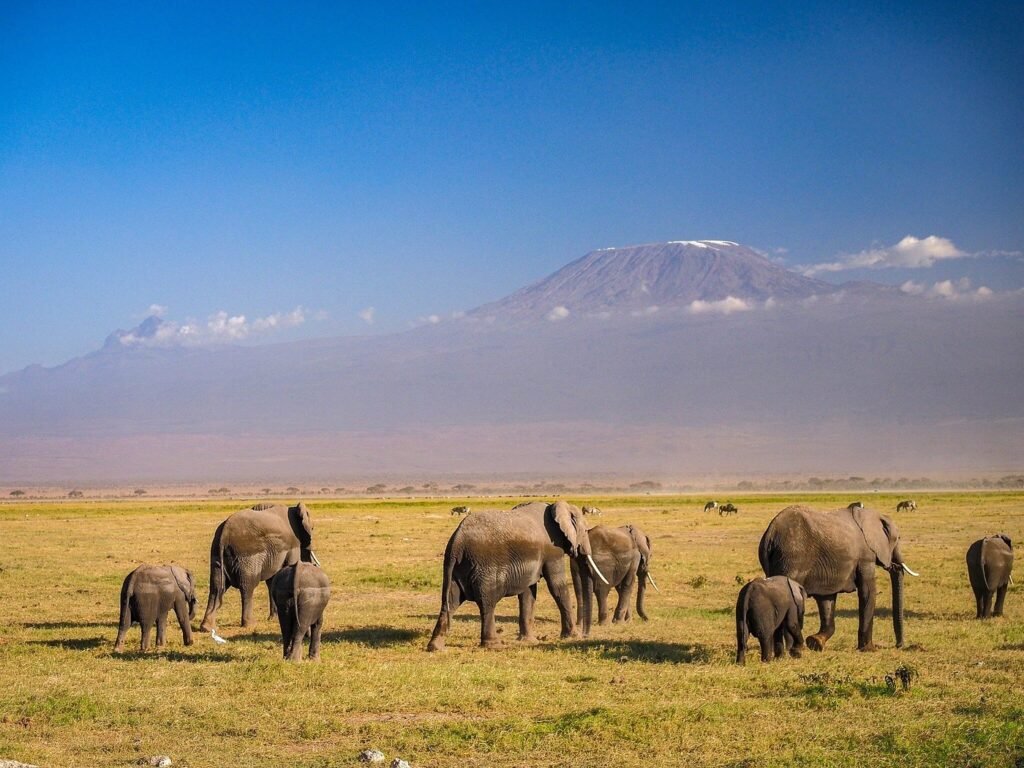
3. Amboseli National Park Safari – Best for Elephants and Mount Kilimanjaro
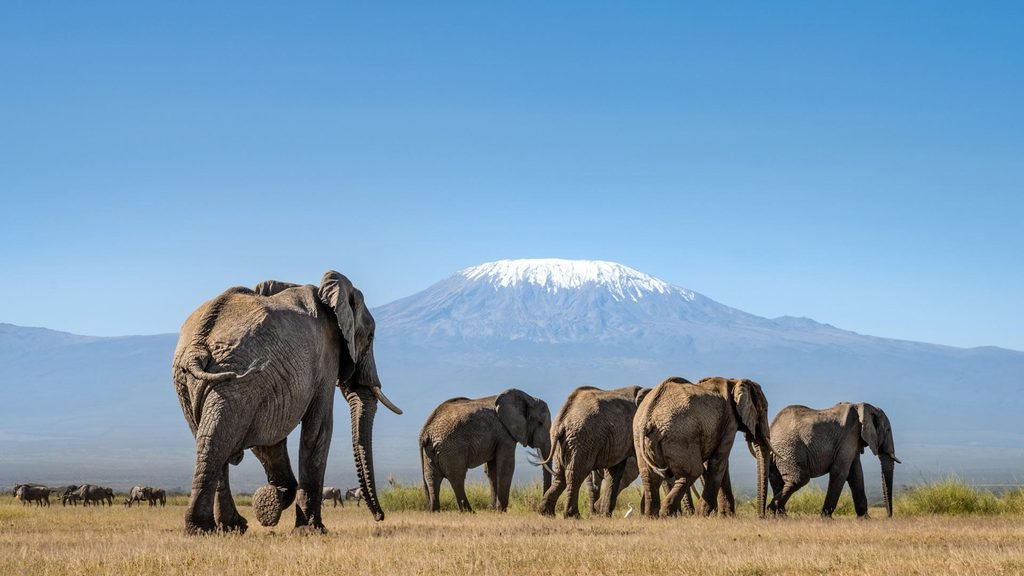
Amboseli National Park is another excellent destination for travellers starting their safari in Nairobi. Located in southern Kenya, the park is famous for its elephants and views of Mount Kilimanjaro, which rises across the border in Tanzania. Amboseli contains open grasslands, seasonal wetlands, and woodland habitats supporting elephants, buffaloes, zebras, giraffes, lions, and numerous bird species.
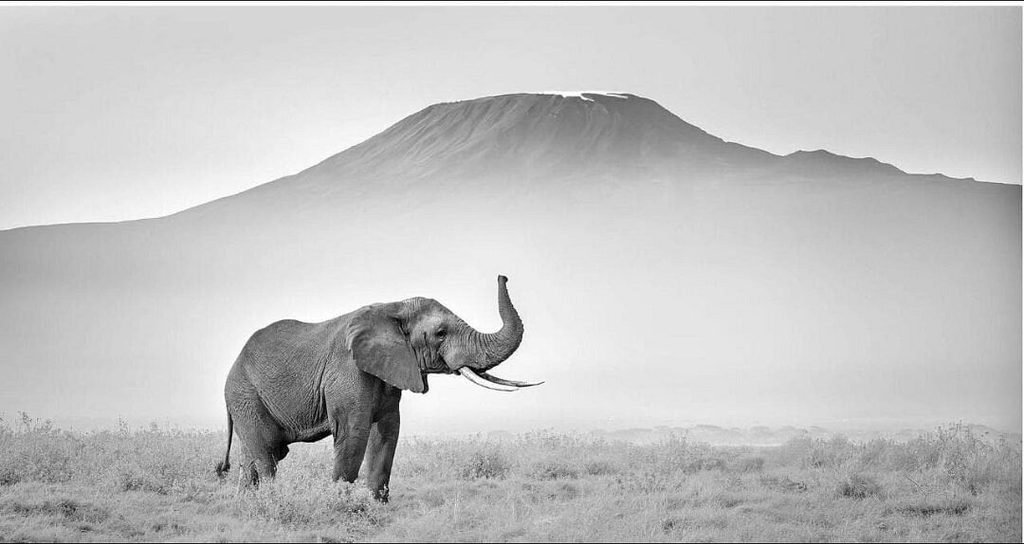
One of the main reasons travellers visit Amboseli is the opportunity to photograph elephants with Mount Kilimanjaro in the background. The mountain is often easier to see during clear morning conditions, although cloud cover can affect visibility at any time. Visitors should therefore avoid planning their entire safari around obtaining one particular photograph. Amboseli’s elephants and wetland habitats provide rewarding wildlife experiences even when the mountain is hidden.
A two-day safari allows visitors to travel from Nairobi, enjoy game drives, and return the following day. However, a three-day itinerary is generally more comfortable because it provides additional time inside the park. Amboseli is also a practical destination for travellers continuing into Tanzania through the Namanga border crossing.
The Kenya Wildlife Service Amboseli National Park page provides information about the park’s access routes, wildlife, and visitor regulations.
Recommended duration: Two to three days.
4. Lake Nakuru and Lake Naivasha Safari – Best for Rhinos and Birdwatching
A safari combining Lake Nakuru and Lake Naivasha is suitable for travellers who want to explore Kenya’s Great Rift Valley without travelling as far as the Maasai Mara. The two destinations offer different experiences and can be combined in a two- or three-day itinerary from Nairobi. Lake Nakuru is known for wildlife viewing and rhinoceros conservation, while Lake Naivasha is particularly popular for boat trips, birdwatching, and nature activities.
Lake Nakuru National Park supports both black and white rhinoceroses, making it an important destination for travellers interested in seeing these threatened animals. The park also contains buffaloes, giraffes, zebras, antelopes, and various predators. Flamingos may be present along the lake, although their numbers change according to water conditions and food availability. Visitors should therefore treat flamingo sightings as a seasonal possibility rather than a guaranteed attraction.
Lake Naivasha offers a different type of wildlife experience. Guided boat trips allow visitors to observe waterbirds and hippos from a suitable distance, while nearby Hell’s Gate National Park provides opportunities for cycling and exploring volcanic landscapes. Travellers who prefer a slower holiday can spend additional time around the lake before returning to Nairobi.
The official Lake Nakuru National Park information confirms the park’s role in rhinoceros conservation, while Hell’s Gate National Park provides information about cycling, hiking, and other authorised activities.
Recommended duration: Two to three days.
5. Maasai Mara and Lake Nakuru Safari – Best Five-Day Wildlife Tour
A five-day safari combining the Maasai Mara and Lake Nakuru is a good choice for travellers who want to experience different wildlife habitats during one holiday. The Maasai Mara offers extensive grasslands and opportunities to observe big cats, while Lake Nakuru provides a different landscape and the possibility of seeing rhinoceroses. Combining these destinations can provide a broader wildlife experience than spending the entire holiday in one park.
A typical itinerary begins with a drive from Nairobi to the Maasai Mara, where travellers spend two or three nights. During this period, game drives focus on exploring suitable wildlife areas and observing animals according to their movements. The journey then continues towards Lake Nakuru, where visitors can enjoy a game drive before returning to Nairobi. The exact schedule should allow for realistic road transfers rather than treating travel days as full game-drive days.
This itinerary is suitable for couples, families, and small groups who want to see a variety of animals without committing to a much longer safari. Travellers interested in photography may prefer a private vehicle, while those working with a smaller budget can compare joining-group departures and simpler accommodation options.
Recommended duration: Five days.
6. Amboseli and Tsavo Safari – Best for Elephants and Different Landscapes
A safari combining Amboseli with Tsavo East or Tsavo West provides an opportunity to explore some of southern Kenya’s most distinctive wildlife areas. Amboseli is particularly known for elephants and views of Mount Kilimanjaro, while the Tsavo parks are associated with extensive landscapes, dry-country wildlife, rocky formations, and volcanic scenery.
Tsavo East is known for its open landscapes and elephants, which may appear reddish because of the area’s soil. Tsavo West contains a mixture of hills, lava landscapes, woodland, and water sources, including the well-known Mzima Springs area. Wildlife sightings depend on the season, vegetation, and the areas visited, and some animals can be more difficult to locate in thick bush than on the open plains of the Maasai Mara.
A four- to six-day itinerary provides enough time to explore selected parts of Amboseli and Tsavo without spending every day travelling between parks. The route can also be arranged to finish towards the Kenyan coast, making it suitable for visitors who want to combine wildlife viewing with a beach holiday around Mombasa or Diani.
Recommended duration: Four to six days.
7. Samburu National Reserve Safari – Best for Northern Kenya Wildlife
Samburu National Reserve is located in northern Kenya and offers a different environment from the grasslands of the Maasai Mara. The region is generally drier, with open scrubland, riverine vegetation, and distinctive landscapes. The Ewaso Ng’iro River provides an important source of water for wildlife and supports animals that are well adapted to the area’s conditions.
Samburu is particularly known for species such as Grevy’s zebra, reticulated giraffe, gerenuk, Beisa oryx, and Somali ostrich. Visitors may also encounter elephants, lions, leopards, and other wildlife. For travellers who have already visited the Maasai Mara or Amboseli, Samburu offers an opportunity to observe animals and habitats that differ from those found farther south.
The road journey from Nairobi is relatively long, so Samburu is best planned as a multi-day safari rather than a rushed overnight trip. Spending three or four days allows more time for game drives and reduces the pressure of travelling long distances within a short period.
Recommended duration: Three to four days.
8. Aberdare National Park Safari – Best for Forest Wildlife and Mountain Scenery
Aberdare National Park offers a very different safari experience from Kenya’s open savannah parks. Located in the central highlands, the park contains forests, moorlands, waterfalls, and mountainous landscapes. Its cooler climate and dense vegetation create a distinctive environment for wildlife viewing and nature photography.
Animals found within the Aberdare ecosystem include elephants, buffaloes, antelopes, and several forest-associated species. Wildlife viewing can be more challenging in thick vegetation, so visitors should not expect the same type of open-grassland sightings available in the Maasai Mara. However, the scenery and forest environment make Aberdare attractive to travellers interested in nature as well as wildlife.
Aberdare can be combined with Lake Nakuru or other central Kenya destinations. This type of itinerary is particularly suitable for travellers who prefer varied landscapes and want to include forest environments alongside traditional game drives.
Recommended duration: Two to three days for Aberdare, or three to four days when combined with another destination.
9. Seven- to Eight-Day Kenya Safari – Best for Exploring Several National Parks
Travellers with a week or more available can combine several of Kenya’s important wildlife destinations into one itinerary. A popular combination includes the Maasai Mara, Lake Nakuru, and Amboseli. These parks provide opportunities to observe big cats, rhinoceroses, elephants, giraffes, zebras, and numerous bird species while travelling through different landscapes.
A seven- or eight-day safari should be organised carefully because the distances between these destinations are considerable. Travelling from the Maasai Mara towards Amboseli, for example, involves a long journey, and the route may be more comfortable when divided with an overnight stop. The itinerary should provide enough time in each park rather than simply listing as many destinations as possible.
For first-time visitors, a well-planned Kenya safari can provide a useful introduction to East African wildlife. Travellers who have additional days available may also consider extending their journey into Tanzania, particularly if they want to visit Serengeti National Park or Ngorongoro Crater.
Recommended duration: Seven to eight days.
10. Kenya and Tanzania Safari from Nairobi – Best for a Longer East African Holiday
A combined Kenya and Tanzania safari is one of the most suitable options for travellers who want to explore wildlife destinations in both countries. Starting from Nairobi, visitors can explore the Maasai Mara, Amboseli, or selected Great Rift Valley parks before continuing into Tanzania. Once in Tanzania, popular destinations include Tarangire National Park, Serengeti National Park, and Ngorongoro Crater.
One of the main attractions of this itinerary is the opportunity to visit both the Maasai Mara and Serengeti, which form part of the wider Serengeti-Mara ecosystem. These wildlife areas support the Great Wildebeest Migration, although the herds move according to seasonal rainfall and grazing conditions. Travellers should choose their travel dates carefully and understand that visiting both parks does not guarantee seeing river crossings or large migrating herds in both countries.
Cross-border travel requires proper arrangements. Tourists cannot simply drive directly across the shared wildlife boundary between the Maasai Mara and Serengeti. Road itineraries must use authorised international border crossings, such as Isebania–Sirari or Namanga, depending on the route. In many cases, travellers change vehicles and guides when entering the second country.
For travellers planning this type of holiday, Eddy Tours & Safaris can assist with planning the Tanzania portion and discussing suitable cross-border arrangements. The company is based in Arusha, the main gateway to Tanzania’s northern safari circuit, and can help travellers choose an itinerary based on their available days, accommodation preferences, and travel dates.
Recommended duration: Ten to fourteen days.
Best Time to Book a Safari from Nairobi in 2027 and 2028
Kenya offers wildlife viewing throughout the year, but the best travel period depends on the destinations you want to visit and the type of wildlife experience you prefer. The dry season, generally from June to October, is popular because animals often gather near available water sources and vegetation may be less dense in some parks. However, rainfall patterns differ between regions, and good wildlife sightings are possible outside the main dry season.
January and February can also be attractive months for visiting Amboseli, the Maasai Mara, and other destinations. These months are often relatively dry in many parts of Kenya, although local weather conditions can vary. March to May generally brings heavier rainfall to many areas, creating greener landscapes but sometimes affecting road conditions. November and December can experience shorter rainy periods, although these patterns are not fixed.
Kenya Safari Seasonal Guide for 2027/2028
| Travel Period | General Conditions | Recommended Safari Destinations |
|---|---|---|
| January–February | Often relatively dry | Maasai Mara, Amboseli, Samburu |
| March–May | Main rainy period in many areas | Nairobi National Park, Lake Nakuru, selected lodge safaris |
| June–July | Generally drier conditions | Maasai Mara, Amboseli, Tsavo |
| August–September | Popular dry-season months | Maasai Mara, Amboseli, Lake Nakuru |
| October | Often good wildlife-viewing conditions | Maasai Mara, Samburu, Amboseli |
| November–December | Short rains may occur | Amboseli, Nairobi National Park, Lake Nakuru |
Travellers interested in the Great Wildebeest Migration often choose July to October for the Maasai Mara, but migration movements depend on rainfall and grazing conditions. The animals may arrive earlier or later than expected, and river crossings cannot be guaranteed. For travellers who prefer fewer visitors, travelling outside the busiest months may provide a quieter experience and, in some cases, lower accommodation prices.
How Much Do Safaris from Nairobi Cost in 2027/2028?
The cost of a safari departing from Nairobi depends on the destinations included, number of travel days, accommodation category, group size, and transport arrangements. A one-day Nairobi National Park safari generally costs less overall than a multi-day Maasai Mara safari because it involves fewer transport and accommodation expenses. Longer itineraries that include several parks require additional fuel, accommodation, park entry fees, and guiding services.
Budget safaris usually involve simpler accommodation and shared transport, while mid-range packages provide comfortable lodges or tented camps. Luxury safaris may include premium accommodation, private vehicles, domestic flights, and additional services. Travellers should remember that staying in more expensive accommodation does not guarantee better wildlife sightings, although it may provide greater comfort and convenience.
For 2027 and 2028, it is important to request an updated quotation rather than relying on older advertised prices. Kenya’s park fees are subject to official regulations, and accommodation rates may change according to season and availability. The Kenya Wildlife Service publishes official information about national parks and applicable visitor arrangements.
Main Factors That Affect Safari Prices
| Cost Factor | How It Affects Your Safari |
|---|---|
| Number of days | Longer safaris require more accommodation, meals and transport |
| National parks | Each park or reserve has its own applicable fees |
| Accommodation | Budget camps, mid-range lodges and luxury camps have different rates |
| Group size | Sharing vehicle costs can reduce the price per person |
| Travel season | Popular periods may have higher accommodation rates |
| Transport | Domestic flights generally cost more than road transfers |
| Private or shared safari | Private arrangements offer flexibility but may cost more per person |
| Optional activities | Balloon safaris, cultural visits and other activities may be charged separately |
Before booking, request a quotation showing the total price, accommodation names, included meals, park fees, vehicle arrangements, and any additional expenses. This makes it easier to compare different safari packages and avoid unexpected costs.
Suggested 7-Day Safari Itinerary from Nairobi
A seven-day safari can provide a good introduction to Kenya’s wildlife destinations. The following itinerary combines the Maasai Mara, Lake Nakuru, and Amboseli, allowing travellers to experience open grasslands, Rift Valley scenery, and elephant habitats. It is suitable for visitors who want to explore several parks without extending their holiday beyond one week, although some days involve long road journeys.
Day 1: Arrival in Nairobi
Upon arrival at Jomo Kenyatta International Airport, your driver will meet you and transfer you to your hotel in Nairobi. Depending on your arrival time, you may relax after your international flight or arrange a short visit to a nearby attraction. Your safari guide will explain the itinerary, travel arrangements, and expected departure time for the following morning. Overnight accommodation will be in Nairobi.
Day 2: Nairobi to Maasai Mara National Reserve
After breakfast, depart Nairobi and travel towards the Maasai Mara. The journey passes through parts of the Great Rift Valley and rural landscapes before reaching the reserve area. Depending on traffic, road conditions, and accommodation location, the journey generally takes several hours. After checking in, you may enjoy an afternoon game drive if time permits. Dinner and overnight accommodation will be at your lodge or tented camp.
Day 3: Full-Day Maasai Mara Safari
Spend the day exploring the Maasai Mara with your safari guide. The reserve supports lions, leopards, cheetahs, elephants, buffaloes, giraffes, zebras, and numerous other species. Your guide will select suitable routes according to wildlife movements and park regulations. During the migration period, you may encounter large wildebeest herds, although their location and behaviour cannot be predicted precisely. Return to your accommodation after the game drive.
Day 4: Maasai Mara to Lake Nakuru
After breakfast, leave the Maasai Mara and travel towards Lake Nakuru. The journey takes several hours, depending on the departure point and road conditions. If you arrive early enough, you may enjoy a game drive in Lake Nakuru National Park, where black and white rhinoceroses, buffaloes, giraffes, and various bird species may be observed. Spend the night in Nakuru or at accommodation near the park.
Day 5: Lake Nakuru to Amboseli Region
After breakfast, begin the journey towards Amboseli. This is a long transfer day, and the route may pass through or around Nairobi depending on traffic and road conditions. Your guide will plan suitable stops for meals and rest along the way. Arrive at your accommodation in the Amboseli region later in the day, with time to relax before dinner.
Day 6: Full-Day Amboseli National Park Safari
Spend the day exploring Amboseli National Park. The park is particularly famous for elephants and views of Mount Kilimanjaro, which may be visible when weather conditions are favourable. Your guide will explore suitable wildlife areas, including open grasslands and wetland habitats where animals often gather. Visitors may encounter elephants, buffaloes, giraffes, zebras, and numerous bird species. Return to your accommodation in the evening.
Day 7: Amboseli to Nairobi
After breakfast, begin the return journey towards Nairobi. Depending on your accommodation location and departure time, you may have an opportunity for a short morning game drive before leaving the area. Continue to Nairobi for your hotel transfer or onward international flight. Travellers with an early departure should consider an additional overnight stay in Nairobi to avoid rushing.
This itinerary can be adjusted to include additional nights in the Maasai Mara, a domestic flight, or a continuation into Tanzania. Visitors who prefer a more relaxed safari may benefit from eight or nine days rather than seven.
How to Travel from Nairobi to Tanzania for a Combined Safari
Travellers interested in visiting both Kenya and Tanzania have several transport options. The most suitable route depends on which Kenyan parks are included and where the Tanzania safari will begin. Visitors finishing their Kenya safari in Amboseli can travel towards the Namanga border crossing before continuing to Arusha. This is a practical route for travellers who want to visit Tarangire, Ngorongoro Crater, and Serengeti National Park.
Another option is to travel from the Maasai Mara region towards the Isebania–Sirari border crossing. However, this route involves a substantial road journey, and visitors should not assume they can drive directly from the Maasai Mara into Serengeti National Park. The two protected areas share a wildlife ecosystem, but tourists must use an authorised international border crossing and complete the necessary immigration procedures.
Flights may also be arranged between Kenya and Tanzania, depending on airline schedules and available connections. Travellers should compare the total journey time, including airport transfers and waiting periods, before deciding whether flying is more convenient than travelling by road.
For help planning the Tanzania section of a combined holiday, travellers can contact Eddy Tours & Safaris to discuss suitable itineraries from Arusha, including the Serengeti, Ngorongoro Crater, and Tarangire.
What to Consider Before Booking a Safari from Nairobi
Choosing the right safari involves more than selecting a famous national park. Travellers should consider the total number of days available, travel distances, accommodation standards, and the type of wildlife they are most interested in seeing. A three-day Maasai Mara safari may be suitable for visitors who want to focus on big cats, while a longer itinerary combining Amboseli and Lake Nakuru may appeal to travellers interested in elephants, rhinoceroses, and different landscapes.
Accommodation location is another important factor. A lodge located far from a national park entrance may have a lower nightly rate, but the additional driving time can reduce the hours available for game drives. Similarly, a safari that includes several distant parks within a short period may involve more time travelling than observing wildlife. Visitors should ask their operator to explain the route and estimated driving times before confirming a booking.
It is also important to understand the difference between a private safari and a joining-group safari. Private safaris provide a dedicated vehicle and guide, allowing greater flexibility with game-drive schedules and accommodation choices. Joining-group safaris can reduce costs because travellers share transport and guiding expenses, but they generally follow fixed itineraries and departure dates.
For families travelling with children, shorter driving days and suitable accommodation are particularly important. Couples and honeymooners may prefer comfortable lodges and a slower itinerary, while photographers may benefit from spending several nights in one wildlife area rather than changing destinations every day.
Kenya Entry Requirements for Safari Travellers in 2027/2028
International travellers should check Kenya’s immigration requirements before booking their safari. Kenya currently operates an Electronic Travel Authorisation system for many visitors, although exemptions apply to certain nationalities and traveller categories. Requirements may change before 2027 or 2028, so travellers should verify the rules that apply to their passports before departure.
The official Kenya Electronic Travel Authorisation website provides information about applications, exemptions, and required documents. Travellers who need an eTA should apply through the official government platform rather than relying on unofficial third-party websites. The immigration authorities recommend applying in advance to allow sufficient processing time.
Travellers continuing into Tanzania must also check Tanzania’s separate entry requirements. Depending on nationality, visitors may require a visa, qualify for a visa exemption, or be eligible for other entry arrangements. Official information is available through the Tanzania Immigration eVisa portal. Anyone travelling between the two countries should also confirm applicable health documentation and vaccination requirements before departure.
Frequently Asked Questions About Safaris from Nairobi
What Is the Best Safari to Take from Nairobi?
The Maasai Mara is one of the most popular choices for travellers interested in big cats and open savannah landscapes. Amboseli is particularly attractive for elephant viewing and Mount Kilimanjaro photography, while Nairobi National Park is convenient for visitors with limited time. The best choice depends on your interests, budget, and number of available days.
Can You Do a One-Day Safari from Nairobi?
Yes. Nairobi National Park is the most convenient option for a one-day safari because it is located close to the city. Travellers can enjoy several hours of wildlife viewing and return to their hotel on the same day. Some other destinations are technically reachable on long day trips, but they may involve more driving than actual game-drive time.
How Many Days Do You Need for a Maasai Mara Safari?
Three days is a common starting point for a Maasai Mara safari from Nairobi, but four days provides more time for wildlife viewing. Travellers interested in photography or seasonal migration movements may prefer a longer stay, particularly when the accommodation is located far from certain parts of the reserve.
Is Amboseli Worth Visiting from Nairobi?
Yes. Amboseli is particularly suitable for travellers interested in elephants and views of Mount Kilimanjaro. A two-day safari is possible, although three days generally provides a more comfortable experience and more opportunities for game drives.
Can You Visit Kenya and Tanzania on the Same Safari?
Yes. Kenya and Tanzania can be combined in one itinerary using authorised border crossings or suitable flights. Popular combinations include the Maasai Mara, Amboseli, Serengeti, Ngorongoro Crater, and Tarangire. Travellers should allow enough time for transport and immigration procedures.
Is a Private Safari Better Than a Joining-Group Safari?
Private safaris provide greater flexibility because the vehicle and guide are dedicated to your group. Joining-group safaris can be more affordable because transport and guiding expenses are shared. Both options can provide good wildlife experiences when the itinerary is properly organised.
What Is the Best Month for a Safari from Nairobi?
June to October is popular for generally dry conditions and wildlife viewing in many Kenyan parks. January and February can also be attractive months. However, the best travel period depends on the destination and the animals you want to see.
Can You Start a Kenya Safari in Nairobi and Finish in Arusha?
Yes. A safari can begin in Nairobi and finish in Arusha when suitable cross-border transport arrangements are made. This is particularly practical for travellers visiting Amboseli before crossing into Tanzania through Namanga.
Are National Park Fees Included in Safari Packages?
Many organised safari packages include national park entry fees, but travellers should confirm this before booking. Some quotations may exclude certain activities, conservation charges, or optional excursions. A complete written quotation should clearly explain all included and excluded expenses.
Plan Your Nairobi Safari and Tanzania Extension for 2027/2028
Nairobi provides access to some of Kenya’s best wildlife destinations, making it a practical starting point for both short safaris and longer East African holidays. Travellers can spend a day exploring Nairobi National Park, enjoy several nights in the Maasai Mara, visit Amboseli for elephant viewing, or travel through the Great Rift Valley towards Lake Nakuru and Lake Naivasha. Each destination offers different wildlife habitats and experiences, so the best itinerary is one that matches your interests and available travel time.
For visitors planning a longer holiday, combining Kenya with Tanzania provides an opportunity to explore the Serengeti, Ngorongoro Crater, and Tarangire after completing a safari in Kenya. The journey requires careful planning, particularly when arranging border crossings, accommodation, and transport between the two countries. Allowing enough time in each destination is generally more rewarding than trying to visit too many parks within a short holiday.
Eddy Tours & Safaris is a local tour company based in Arusha, Tanzania, arranging professionally guided Tanzania wildlife safaris, Kilimanjaro climbing trips, and private holidays. Our team can help travellers planning a safari from Nairobi discuss suitable Tanzania extensions and coordinate cross-border arrangements according to their preferred travel dates, group size, accommodation category, and budget.
To plan your 2027 or 2028 East African safari, visit Eddy Tours & Safaris or contact our safari team for a personalised itinerary and quotation.
Eddy Tours & Safaris – Arusha, Tanzania
Email: sales@eddytours-safaris.com
Phone/WhatsApp: +255 711 906 664
Location: Arusha, Tanzania