
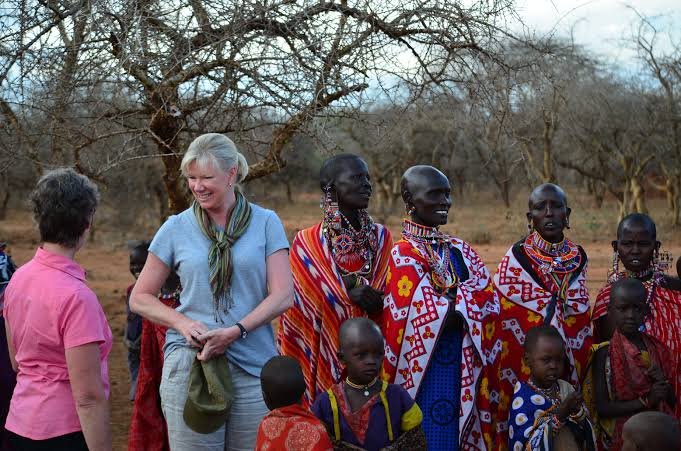
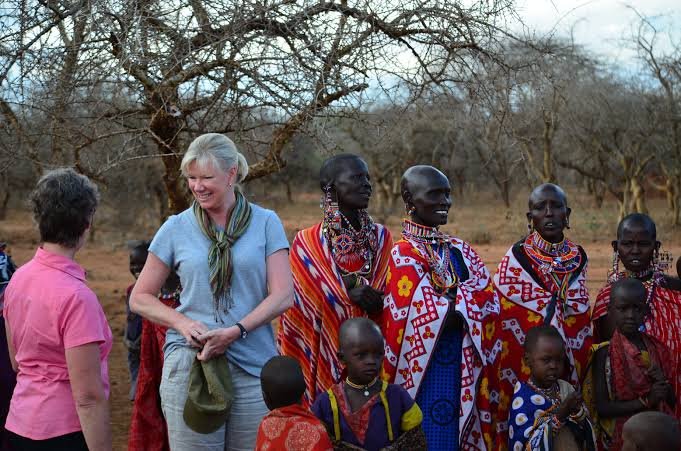
Traditional Clothing in Tanzania: A Blend of Culture, Heritage, and Modern Fashion 2026,2027&2028;Traditional clothing in Tanzania is not simply about fashion. It tells stories of identity, family, history, spirituality, and community. Every fabric, color, pattern, and accessory reflects centuries of tradition passed down from one generation to another. Across the country, more than 120 ethnic groups proudly maintain unique dressing styles that celebrate their heritage while embracing modern influences.
When people think of Tanzania, they often picture breathtaking wildlife safaris, the snow-capped peak of Mount Kilimanjaro, the white-sand beaches of Zanzibar, and the vast plains of the Serengeti. Yet beyond these world-famous attractions lies another treasure that captures the country’s spirit its traditional clothing.

Today, visitors exploring Tanzania quickly discover that traditional attire remains an important part of everyday life. Whether attending a village ceremony, visiting a cultural center, exploring Maasai communities, or joining local festivals, travelers witness firsthand how clothing continues to connect Tanzanians with their roots.
At Eddy Tour and Safaris, we believe that discovering Tanzania means experiencing more than wildlife and landscapes. It also means learning about the people, their customs, and the colorful traditions that make this East African nation truly extraordinary. Traditional clothing is one of the most beautiful windows into Tanzanian culture.

The Meaning Behind Traditional ClothingTraditional Clothing in Tanzania: A Blend of Culture, Heritage, and Modern Fashion in 2026,2027&2028
Across Tanzania, clothing carries deep cultural significance. Unlike modern fashion, where trends often change with the seasons, traditional attire reflects values that have endured for centuries.
Different garments may represent:
- Tribal identity
- Family heritage
- Social status
- Age group
- Marital status
- Religious beliefs
- Occupation
- Leadership roles
- Special ceremonies
Many Tanzanians reserve traditional clothing for weddings, naming ceremonies, cultural festivals, graduation celebrations, religious holidays, and national events. These occasions provide opportunities to celebrate heritage while strengthening family and community bonds.
For visitors, seeing these colorful garments worn with pride offers a deeper understanding of Tanzanian culture beyond what guidebooks can explain.
A Journey Through History
Long before imported textiles reached East Africa, communities across Tanzania created clothing using natural resources found in their surroundings.
Early garments were made from:
- Animal hides
- Tree bark
- Cotton
- Leather
- Plant fibers
- Beads
- Shells
- Feathers
As Indian Ocean trade flourished, merchants from Arabia, Persia, and India introduced woven cotton fabrics and new textile techniques. Coastal communities adopted these materials and blended them with local traditions, giving rise to distinctive Swahili fashion.
Later, colonial influence introduced additional fabrics and tailoring styles. Rather than replacing traditional clothing, these influences inspired new forms of expression. The result is today’s vibrant mix of heritage and contemporary fashion.
Kanga: Tanzania’s Most Iconic Fabric:Traditional Clothing in Tanzania: A Blend of Culture, Heritage, and Modern Fashion in 2026,2027&2028
No discussion about Tanzanian clothing is complete without mentioning the Kanga.The Kanga is a rectangular cotton cloth known for its vivid colors, intricate borders, and meaningful Swahili proverbs printed along one edge. Every proverb carries a message that may express wisdom, affection, encouragement, humor, or social commentary.
Women wear Kangas in many different ways:
- Wrapped around the waist
- Draped over the shoulders
- As headscarves
- To carry babies
- During ceremonies
- Around the home
A Kanga is much more than clothing it is a form of communication. In many communities, the proverb printed on the fabric can convey feelings that words alone might not express.
Travelers often purchase Kangas as meaningful souvenirs because each one reflects both artistry and culture.
Kitenge: Where Tradition Meets Modern Fashion
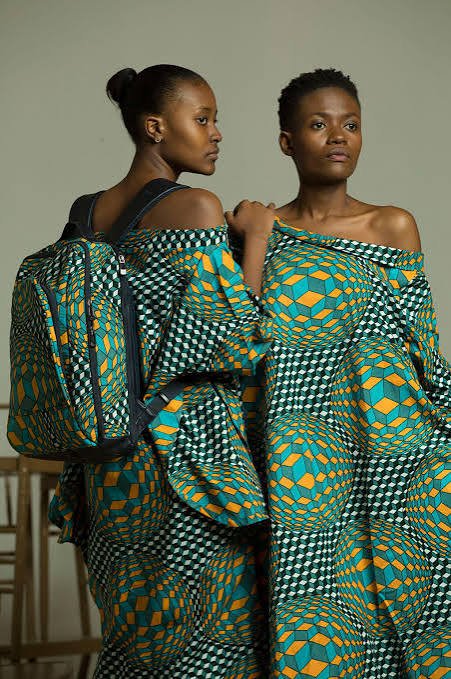
Another beloved textile is Kitenge, celebrated for its bold colors and striking African-inspired prints.
Unlike the Kanga, which is usually worn as a wrap, Kitenge is commonly tailored into:
- Dresses
- Shirts
- Skirts
- Suits
- Trousers
- Jackets
- Children’s clothing
- Formal wear
Today’s Tanzanian designers have transformed Kitenge into a symbol of African elegance. From business meetings to international fashion runways, Kitenge demonstrates that traditional fabrics can thrive in contemporary design.
Many couples also choose matching Kitenge outfits for weddings, family portraits, and special celebrations.
The Famous Maasai Shuka:Traditional Clothing in Tanzania: A Blend of Culture, Heritage, and Modern Fashion in 2026,2027&2028
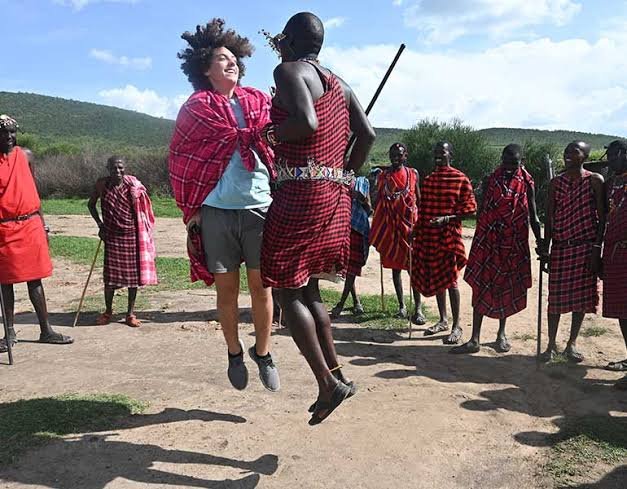
Among Tanzania’s many traditional garments, none is more internationally recognized than the Maasai Shuka.
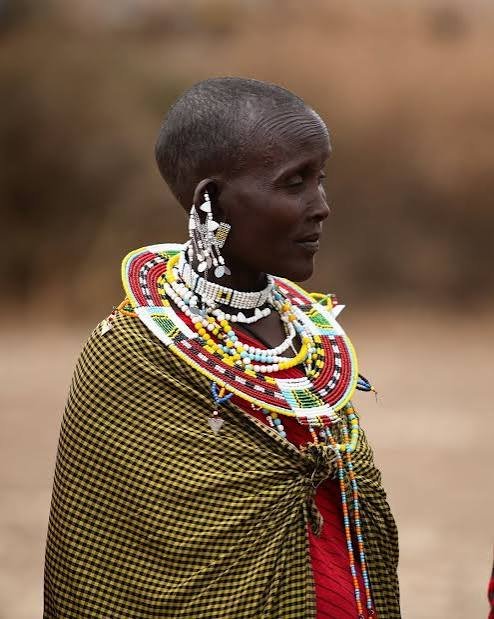
The Shuka is traditionally made from thick cotton fabric featuring bold checkered patterns in red, blue, purple, or orange.
The red Shuka remains especially significant because it symbolizes:
- Courage
- Strength
- Unity
- Protection
- Warrior traditions
Both Maasai men and women wear the Shuka wrapped gracefully around the body. It is often paired with spectacular handmade beadwork that showcases incredible craftsmanship.
Visitors traveling with Eddy Tour and Safaris frequently enjoy cultural visits to Maasai communities, where they can learn directly from local people about the meanings behind the Shuka, traditional jewelry, and centuries-old customs. These experiences encourage respectful cultural exchange while supporting local livelihoods.
Traditional Clothing Across Tanzania’s Ethnic Communities
With over 120 ethnic groups, Tanzania offers remarkable diversity in traditional dress.
The Maasai
Perhaps the country’s most recognizable community, the Maasai are famous for colorful Shukas and elaborate beadwork.
Women wear layered necklaces, earrings, bracelets, and head ornaments made from thousands of carefully arranged beads. Each color represents important cultural values.
The Sukuma
As Tanzania’s largest ethnic group, the Sukuma celebrate important ceremonies with woven fabrics, embroidered garments, and colorful wraps.
Traditional attire is especially visible during harvest celebrations and dance performances that showcase the community’s vibrant cultural heritage.
The Chagga
Living on the fertile slopes of Mount Kilimanjaro, the Chagga traditionally used animal hides before cotton became widespread.
Today, ceremonial clothing features colorful wraps, embroidered garments, and handcrafted jewelry worn during weddings and community celebrations.
The Swahili People
Along the Indian Ocean coast, Swahili clothing reflects centuries of interaction with Arab, Persian, and Indian cultures.
Women often wear elegant Buibui garments, Hijabs, and beautifully patterned Kangas, while men commonly wear the white Kanzu accompanied by an embroidered Kofia cap.
The result is a graceful blend of African tradition and coastal sophistication.
Jewelry That Completes the Story
Traditional Tanzanian fashion extends far beyond clothing.
Accessories remain essential parts of cultural identity and often include:
- Handmade bead necklaces
- Bracelets
- Earrings
- Anklets
- Leather belts
- Decorative walking sticks
- Sandals
- Headbands
- Embroidered caps
Among the Maasai, bead colors have symbolic meanings. White may represent peace, blue symbolizes the sky and rain, green reflects nature, while red represents bravery and unity.
These accessories transform clothing into complete cultural expressions.
Traditional Clothing During Special Celebrations
Traditional attire becomes especially meaningful during life’s biggest moments.
Weddings
Wedding celebrations feature some of Tanzania’s most spectacular fashion. Brides often wear beautifully tailored Kitenge dresses with matching headwraps, while grooms may choose embroidered Kanzu robes or African-inspired suits.
Religious Holidays
Both Christian and Muslim families wear elegant traditional garments during Christmas, Easter, Eid, and other important celebrations.
Cultural Festivals
Throughout Tanzania, festivals celebrate dance, music, food, storytelling, and traditional clothing. These events help preserve cultural knowledge while introducing younger generations to their heritage.
National Celebrations
Independence Day, cultural exhibitions, and official ceremonies frequently encourage citizens to wear clothing that proudly reflects Tanzania’s diverse traditions.
Traditional Fashion in Modern Tanzania
Modern Tanzanian fashion is thriving.
Young designers continue reinventing traditional fabrics into stylish outfits suitable for today’s lifestyles.
Popular creations include:
- Business suits with Kitenge details
- Wedding gowns
- Evening dresses
- Casual shirts
- Handbags
- Shoes
- Blazers
- Children’s collections
These innovations demonstrate that tradition and creativity can work together beautifully.
Fashion shows throughout East Africa increasingly showcase Tanzanian textiles, helping local designers gain international recognition.
Why Travelers Love Tanzanian Traditional Clothing
For many visitors, purchasing traditional clothing becomes one of the most memorable parts of their journey.
Unlike mass-produced souvenirs, handmade garments tell authentic stories about Tanzania’s people and artistic traditions.
Visitors enjoy:
- Shopping in local markets
- Meeting artisans
- Learning about fabric symbolism
- Watching beadwork demonstrations
- Supporting community businesses
These experiences create lasting memories while helping preserve traditional craftsmanship.
Experience Tanzanian Culture with Eddy Tour and Safaris
At Eddy Tour and Safaris, we believe the best journeys connect travelers with both nature and culture.
Beyond unforgettable wildlife safaris, we offer opportunities to experience Tanzania’s rich cultural heritage through respectful visits to local communities, cultural tourism programs, artisan markets, and traditional villages. Guests can learn about the history of the Kanga, admire the craftsmanship behind Maasai beadwork, observe traditional weaving techniques, and discover how clothing reflects identity across different regions of the country.
These experiences are designed to benefit local communities while giving visitors meaningful insights into everyday Tanzanian life. Whether you’re exploring the Serengeti, Ngorongoro, Tarangire, Lake Manyara, Mount Kilimanjaro, or Zanzibar, adding a cultural experience enriches your understanding of the destinations you visit.
Our goal is not only to show you Tanzania’s incredible landscapes and wildlife but also to introduce you to the traditions, creativity, and hospitality that make the country so unique.
Preserving Tanzania’s Cultural Heritage
Global fashion continues to influence younger generations, yet traditional clothing remains remarkably resilient.
Government institutions, cultural organizations, designers, community elders, and local artisans work together to preserve traditional textiles through:
- Cultural festivals
- Fashion exhibitions
- Educational programs
- Artisan cooperatives
- Museums
- Tourism initiatives
These efforts ensure that future generations continue appreciating the clothing traditions that define Tanzania’s cultural identity.
Conclusion
Traditional clothing in Tanzania is far more than beautiful fabric it is a living expression of history, identity, creativity, and cultural pride. From the elegant Kanga and vibrant Kitenge to the world-famous Maasai Shuka and the refined attire of the Swahili coast, each garment reflects the diversity and richness of the nation’s many communities.
As modern fashion evolves, Tanzanian designers continue to prove that heritage and innovation can exist side by side. Traditional textiles are now seen on international runways, in business attire, at weddings, and during everyday celebrations, demonstrating their timeless appeal and enduring relevance.
For travelers, learning about traditional clothing offers a deeper appreciation of Tanzania beyond its spectacular wildlife and landscapes. It reveals the stories, values, and craftsmanship that have shaped communities for generations.
At Eddy Tour and Safaris, we invite you to experience Tanzania in its fullest sense—not only through unforgettable safari adventures but also through meaningful cultural encounters that celebrate the country’s people and traditions. Whether you are admiring the intricate beadwork of the Maasai, exploring vibrant local markets filled with Kangas and Kitenges, or participating in community-based cultural experiences, every journey becomes an opportunity to connect with the true heart of Tanzania.
Traditional clothing is more than a symbol of the past; it is a vibrant part of Tanzania’s present and an inspiring legacy for the future. By embracing these traditions with curiosity and respect, visitors leave with memories that extend far beyond photographs, carrying home a deeper understanding of one of Africa’s richest cultural landscapes.
Frequently Asked Questions (FAQs)
1. What is the most famous traditional clothing in Tanzania?
The Kanga, Kitenge, and Maasai Shuka are among Tanzania’s most iconic traditional garments, each representing different cultural traditions and regions.
2. What makes the Kanga unique?
A Kanga is known for its colorful designs and printed Swahili proverb, making it both a practical garment and a form of cultural expression.
3. Can tourists wear traditional Tanzanian clothing?
Yes. Visitors are generally welcome to wear traditional attire, especially when purchased from local artisans or markets, provided it is done respectfully and with appreciation for its cultural significance.
4. Where can I experience traditional culture in Tanzania?
Cultural villages, local markets, artisan workshops, community tourism projects, and Maasai cultural experiences provide excellent opportunities to learn about traditional clothing and customs. Many of these experiences can be included in an itinerary with Eddy Tour and Safaris.
5. Why is traditional clothing important in Tanzania?
Traditional clothing preserves cultural identity, celebrates heritage, strengthens community bonds, supports local artisans, and continues to play an important role in ceremonies, festivals, and everyday expressions of pride.