
The Story of Clothing in Tanzania: Culture, Identity, and Fashion2026-2028 is a country celebrated for its extraordinary landscapes, incredible wildlife, and rich cultural diversity. While destinations such as the Serengeti National Park, Mount Kilimanjaro, the Ngorongoro Conservation Area, and the beaches of Zanzibar attract visitors from around the globe, another remarkable aspect of the country deserves equal attentionits clothing traditions.
The story of clothing in Tanzania is much more than the evolution of fabrics and fashion. It is a story of identity, heritage, creativity, resilience, and community. Every garment reflects generations of history and cultural values, connecting people to their ancestors while adapting to the changing world around them.
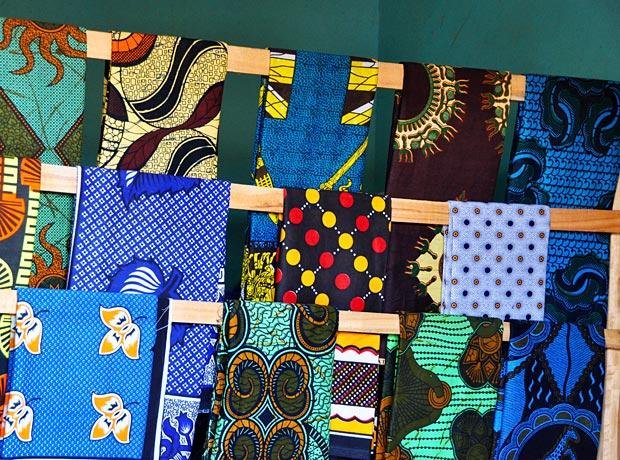
Across Tanzania’s more than 120 ethnic groups, clothing has long been used to express belonging, celebrate important milestones, and preserve traditions. Whether it is the colorful Kanga worn by women across the country, the vibrant Kitenge transformed into elegant modern outfits, or the world-famous Maasai Shuka recognized around the world, every piece tells a unique story.
At Eddy Tour and Safari, we believe that exploring Tanzania should go beyond seeing wildlife. It should include meaningful encounters with local communities, their customs, craftsmanship, and traditions. Understanding the country’s clothing heritage allows travelers to connect with Tanzania on a much deeper level.
Clothing as a Reflection of Identity:The Story of Clothing in Tanzania: Culture, Identity, and Fashion2026-2028
For centuries, clothing has been one of the strongest expressions of personal and cultural identity in Tanzania.
Unlike modern fashion, which often changes according to global trends, traditional clothing carries lasting meaning. A person’s attire can reveal their ethnic background, social status, age, marital status, occupation, or participation in an important ceremony.
Many communities continue to wear traditional garments during weddings, naming ceremonies, religious celebrations, harvest festivals, initiation rites, and national holidays. These occasions reinforce cultural pride and strengthen ties between generations.
Traditional clothing also reflects respect for ancestors. Families pass down knowledge about fabrics, colors, accessories, and proper ways of dressing, ensuring that customs remain alive.
The Early History of Clothing in Tanzania
Before woven textiles became widely available, communities across Tanzania relied on natural materials found in their surroundings.
Early clothing was created from:
- Animal skins
- Leather
- Tree bark
- Cotton grown locally
- Plant fibers
- Feathers
- Shells
- Handmade beads
These materials were carefully prepared and crafted to meet practical needs while also expressing beauty and cultural identity.
As trade expanded across the Indian Ocean, merchants from Arabia, Persia, India, and later Europe introduced cotton fabrics, dyes, embroidery techniques, and tailoring methods. Coastal communities, particularly those influenced by Swahili culture, embraced these innovations while preserving their own traditions.
Over time, local creativity transformed imported materials into uniquely Tanzanian styles that continue to thrive today.
The Beauty of the Kanga:The Story of Clothing in Tanzania: Culture, Identity, and Fashion2026-2028
Perhaps no fabric symbolizes Tanzania more than the Kanga.
The Kanga is a colorful rectangular cotton cloth distinguished by bold patterns and a Swahili proverb printed along one edge. These sayings often communicate messages about love, family, friendship, wisdom, patience, or encouragement.
Women wear Kangas in many different ways:
- Wrapped around the waist
- Draped over the shoulders
- As head coverings
- While carrying babies
- During ceremonies
- Around the home
Because each proverb carries a message, Kangas often become gifts exchanged during weddings, birthdays, and celebrations. They are practical, beautiful, and deeply meaningful.
For many visitors, purchasing a Kanga is one of the most memorable cultural experiences in Tanzania.
Kitenge: African Fashion with Global Appeal:The Story of Clothing in Tanzania: Culture, Identity, and Fashion2026-2028
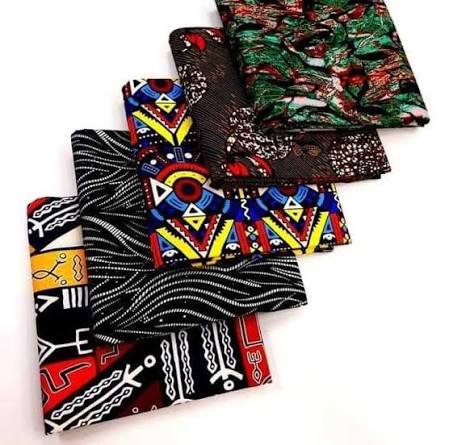
Another treasured fabric is the Kitenge, admired for its vibrant colors and striking geometric or floral designs.
Unlike the Kanga, Kitenge is usually tailored into stylish garments such as:
- Dresses
- Skirts
- Shirts
- Suits
- Jackets
- Trousers
- Children’s outfits
- Wedding attire
Modern Tanzanian designers continue to redefine Kitenge by blending traditional African prints with contemporary cuts. Today, Kitenge appears not only at family celebrations but also in offices, fashion events, universities, and international runways.
Its versatility makes it one of the most celebrated fabrics in East Africa.
The World-Famous Maasai Shuka
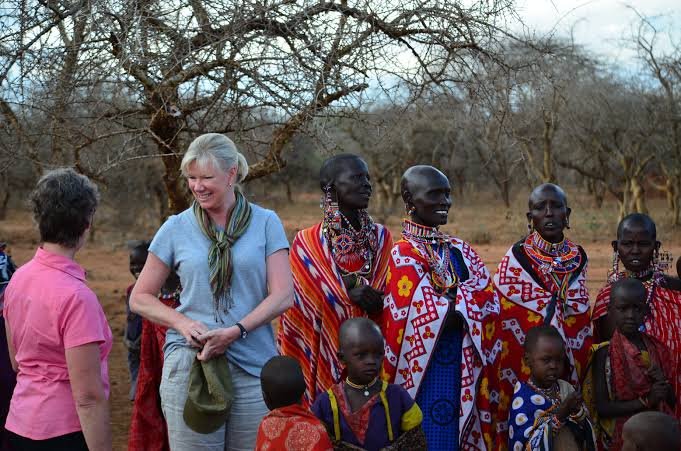
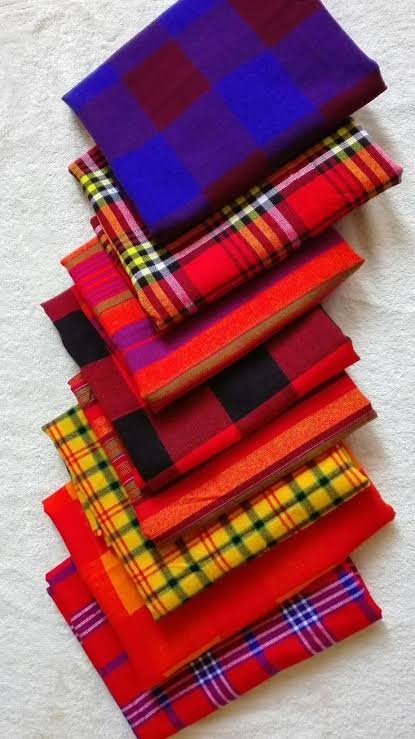
The Maasai Shuka has become one of Africa’s most recognizable traditional garments,Typically featuring bright red or checkered patterns, the Shuka is wrapped elegantly around the body by Maasai men and women.Red remains especially important because it symbolizes bravery, courage, strength, and protection. Blue represents the sky and rain, while green reflects the land that supports livestock.
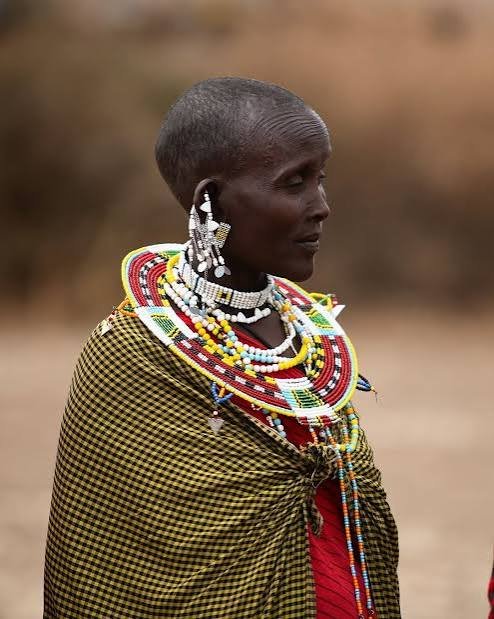
Equally impressive is Maasai beadwork. Handmade necklaces, bracelets, earrings, and belts are crafted with extraordinary precision, and each color combination tells its own story.
Many travelers who join cultural visits with Eddy Tour and Safari have the opportunity to meet Maasai artisans, learn about bead-making traditions, and understand the cultural significance behind every garment.
Clothing Across Tanzania’s Ethnic Communities
Tanzania’s remarkable cultural diversity means there is no single national style of dress. Each community has developed distinctive traditions shaped by geography, climate, history, and beliefs.
The Sukuma
As Tanzania’s largest ethnic group, the Sukuma wear colorful woven garments during festivals, traditional dances, weddings, and harvest celebrations.
Their attire often includes embroidered fabrics paired with decorative accessories that reflect community pride.
The Chagga
Living around Mount Kilimanjaro, the Chagga historically wore garments made from animal hides before cotton became widespread,Today, ceremonial clothing features beautifully tailored wraps, embroidered fabrics, and handmade jewelry worn during weddings and community gatherings.
The Swahili Community
Along Tanzania’s coast, Swahili fashion reflects centuries of interaction with Arab, Persian, and Indian traders.
Women commonly wear flowing Buibui garments, elegant Hijabs, and decorative Kangas.
Men traditionally wear the white Kanzu together with the embroidered Kofia cap, creating a timeless look associated with dignity and respect.
The Language of Traditional Jewelry
Traditional fashion is incomplete without jewelry and accessories.
Across Tanzania, artisans create beautiful handmade pieces including:
- Beaded necklaces
- Bracelets
- Earrings
- Anklets
- Leather sandals
- Decorative belts
- Headbands
- Walking sticks
- Embroidered caps
For many communities, jewelry communicates social identity just as clearly as clothing.
Among the Maasai, bead colors represent concepts such as peace, prosperity, courage, fertility, rain, and unity.
Clothing During Life’s Important Moments
Traditional clothing plays an essential role during celebrations and ceremonies throughout Tanzania.
Weddings
Wedding attire combines elegance with cultural symbolism. Brides often wear customized Kitenge gowns with matching head wraps, while grooms may choose embroidered Kanzu robes or African-inspired suits.
Religious Celebrations
During Christmas, Easter, Eid, and other religious festivals, many families proudly wear traditional garments that combine faith with cultural heritage.
Graduation Ceremonies
Increasingly, graduates choose Kitenge outfits beneath their academic gowns as a celebration of both education and cultural identity.
National Celebrations
During Independence Day and cultural festivals, traditional clothing becomes a visible expression of national unity and pride.
Modern Fashion Inspired by Tradition
Today’s Tanzanian fashion industry is flourishing.
Young designers are creating contemporary collections using traditional fabrics in innovative ways.
Popular designs include:
- Corporate suits with Kitenge details
- Elegant evening gowns
- Casual shirts
- Modern blazers
- Designer handbags
- Shoes
- Children’s collections
- Fashion accessories
Social media has helped local designers showcase their work internationally, proving that African fashion continues to influence global trends.
Why Traditional Clothing Matters to Travelers
For visitors, traditional clothing offers far more than beautiful photographs.
It provides opportunities to:
- Understand local customs
- Meet talented artisans
- Support community businesses
- Learn cultural history
- Participate respectfully in cultural exchanges
Rather than simply observing Tanzanian culture, travelers become active participants in preserving it.
Discover Authentic Tanzania with Eddy Tour and Safari
At Eddy Tour and Safari, we believe unforgettable journeys combine adventure with meaningful cultural experiences.
Our carefully designed tours allow visitors to discover Tanzania’s extraordinary diversity through wildlife safaris, cultural villages, artisan markets, local festivals, and community-based tourism experiences. Guests have opportunities to learn about traditional clothing, watch skilled craftspeople create intricate beadwork, explore markets filled with colorful Kangas and Kitenges, and hear the stories behind garments that have been treasured for generations.
Whether your itinerary includes the Serengeti, Tarangire National Park, Lake Manyara, the Ngorongoro Conservation Area, Mount Kilimanjaro, Zanzibar, or lesser-known cultural destinations, our experienced guides help you appreciate not only the landscapes but also the people who call these places home.
Responsible tourism lies at the heart of our philosophy. By encouraging respectful interactions with local communities and supporting local artisans, we aim to create travel experiences that benefit both visitors and residents alike.
Preserving Tanzania’s Clothing Heritage
Despite increasing globalization, traditional clothing continues to flourish.
Communities, cultural organizations, museums, educational institutions, fashion designers, and tourism operators work together to preserve traditional textiles through:
- Cultural festivals
- Artisan workshops
- Museum exhibitions
- Educational programs
- Fashion competitions
- Community tourism initiatives
These efforts ensure that future generations continue celebrating the traditions that define Tanzania’s rich cultural identity.
Conclusion of The Story of Clothing in Tanzania: Culture, Identity, and Fashion2026-2028
The Story of Clothing in Tanzania: Culture, Identity, and Fashion2026-2029,The story of clothing in Tanzania is ultimately the story of its people. Every Kanga, Kitenge, Maasai Shuka, embroidered Kanzu, handmade necklace, and woven accessory reflects centuries of history, creativity, and cultural pride. Together, these garments form a vibrant tapestry that illustrates the diversity of a nation shaped by more than 120 ethnic communities.
While modern fashion continues to evolve, traditional clothing remains an enduring symbol of belonging and identity. Designers are finding innovative ways to blend heritage with contemporary style, ensuring that these traditions remain relevant in today’s world without losing their original meaning.
For travelers, discovering Tanzania through its clothing offers a richer and more personal perspective than sightseeing alone. It reveals the stories behind the fabrics, the symbolism of colors, the artistry of beadwork, and the values that continue to unite communities across the country.
At Eddy Tour and Safari, we invite you to experience Tanzania beyond the famous safari routes. Explore bustling markets, visit welcoming cultural villages, meet skilled artisans, and witness traditions that have been preserved for generations. By combining wildlife adventures with authentic cultural encounters, your journey becomes more than a holiday it becomes an opportunity to understand the heart and soul of Tanzania.
Whether you leave with unforgettable photographs, a handcrafted Kanga, or a beautifully beaded necklace, the memories of Tanzania’s clothing traditions will remain a lasting reminder of a country where culture, identity, and fashion come together in extraordinary ways.
Frequently Asked Questions (FAQs)
1. What is the most famous traditional clothing in Tanzania?
The Kanga, Kitenge, Maasai Shuka, Kanzu, and traditional beadwork are among the country’s most recognized forms of traditional attire.
2. Why is traditional clothing important in Tanzania?
It reflects cultural identity, preserves history, marks ceremonies and milestones, and showcases the creativity of Tanzania’s many ethnic communities.
3. Can tourists wear traditional Tanzanian clothing?
Yes. Visitors are welcome to wear traditional clothing when purchased respectfully from local artisans or markets and when mindful of its cultural significance.
4. Where can visitors experience traditional Tanzanian culture?
Cultural villages, local markets, artisan workshops, festivals, and community tourism experiences provide excellent opportunities. Many of these can be included in an itinerary with Eddy Tour and Safari.
5. How does tourism support traditional clothing?
Responsible tourism helps create income for local weavers, tailors, beadworkers, and craftspeople while encouraging the preservation of traditional skills and cultural heritage.