
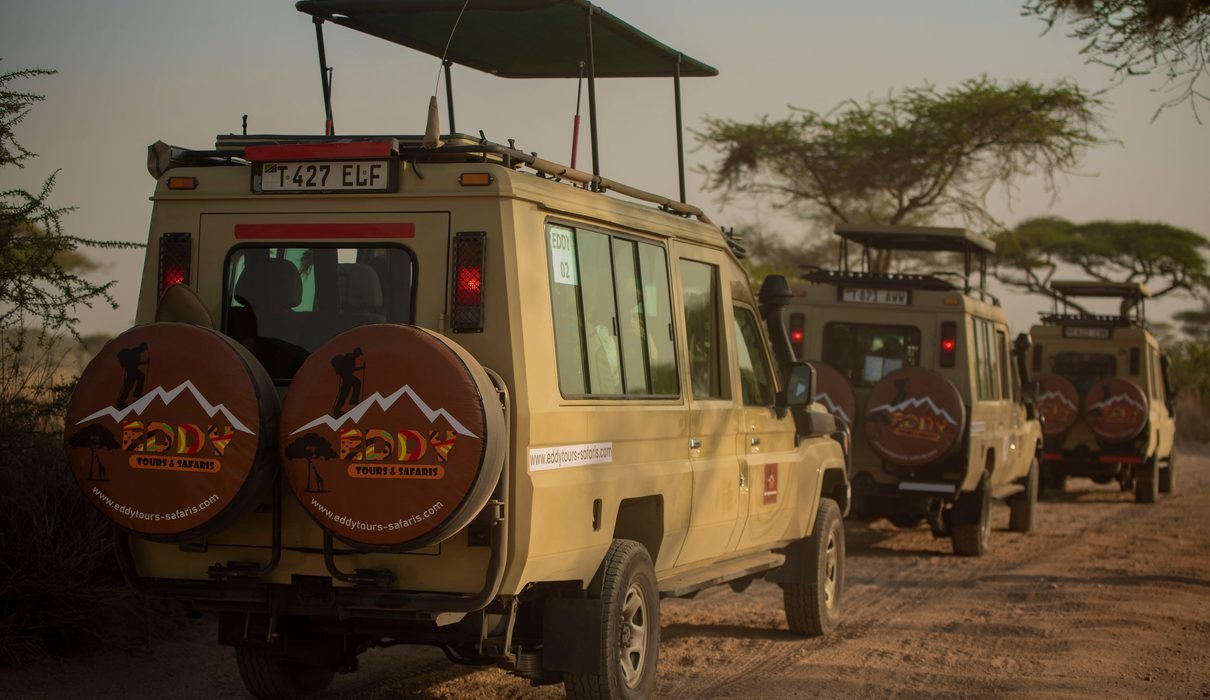
A six-day Serengeti camping safari in Tanzania is one of the best ways to experience African wildlife while spending your nights close to nature. Instead of returning to a hotel far from the national parks, you stay at designated campsites, enjoy freshly prepared meals, and wake up surrounded by the sounds of the African bush. For travelers planning a Tanzania safari in 2027, this type of adventure offers an excellent balance between wildlife viewing, outdoor experiences, and affordable accommodation.
The 6 Days Serengeti Camping Safari with Eddy Tours & Safaris takes you through some of northern Tanzania’s most famous wildlife destinations, including Tarangire National Park, Serengeti National Park, and the Ngorongoro Crater. Throughout the journey, you travel in a safari vehicle with an experienced local guide who helps you find animals, understand their behavior, and discover the different landscapes of Tanzania. The itinerary is designed for travelers who want enough time to explore the Serengeti without rushing from one destination to another.
Whether you are visiting Tanzania for the first time, traveling with friends, or planning an affordable African wildlife holiday, a camping safari gives you the opportunity to experience the country’s natural beauty without the higher accommodation costs associated with luxury safari lodges.
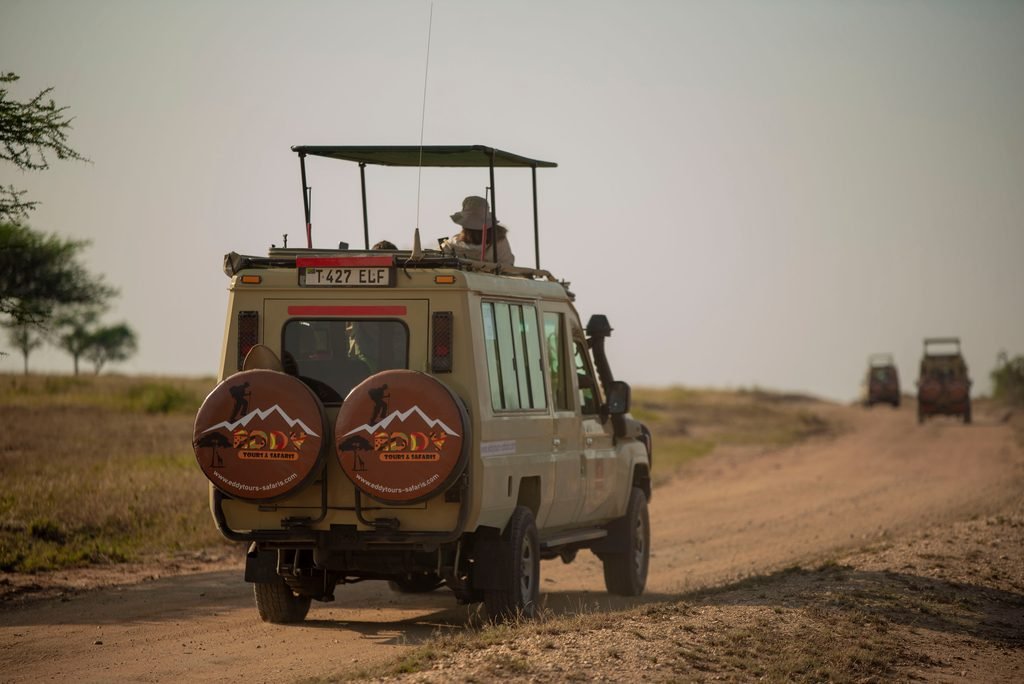
Why Choose a 6 Days Serengeti Camping Safari in 2027?
The Serengeti is one of Africa’s most recognized wildlife destinations, famous for its open grasslands, large populations of predators, and the annual Great Wildebeest Migration. The park covers approximately 14,750 square kilometers and supports a wide variety of animals, including lions, elephants, giraffes, buffaloes, cheetahs, leopards, zebras, and numerous antelope species. Its remarkable biodiversity has earned it recognition as a UNESCO World Heritage Site.
A six-day safari gives you more opportunities to observe wildlife than a short two- or three-day trip. Animals move throughout the day depending on temperature, rainfall, food availability, and predator activity. Spending several days in the parks increases your chances of witnessing interesting wildlife behavior, although sightings are never guaranteed.
Camping also makes the experience more personal. You spend your evenings discussing the day’s sightings, enjoying dinner at camp, and listening to the sounds of nature. For travelers interested in exploring additional destinations, Eddy Tours & Safaris can help arrange longer Tanzania safari holidays that combine wildlife experiences with cultural activities and other attractions.

Detailed 6 Days Serengeti Camping Safari Itinerary
Day 1: Arusha to Tarangire National Park – Game Drive and Camping
Your safari begins in Arusha, where your professional driver-guide meets you at your hotel for a short briefing before departure. After checking your luggage and safari equipment, you travel toward Tarangire National Park, passing through small towns, villages, and the countryside of northern Tanzania. The drive normally takes approximately two to three hours, depending on your departure point and road conditions.
Tarangire National Park is particularly well known for its impressive elephant populations and enormous baobab trees. During your game drive, you may encounter elephants moving in family groups, giraffes feeding on acacia trees, zebras grazing across the plains, and predators resting beneath the shade. The Tarangire River attracts wildlife, particularly during the dry season, when animals gather around reliable water sources.
Lunch is served at a designated picnic area before you continue exploring the park in the afternoon. Later, you leave Tarangire and travel to your campsite in the Karatu or Mto wa Mbu area, where dinner is prepared and you settle in for the night.
Accommodation: Budget camping near Tarangire or Karatu
Meals: Lunch and dinner
Main activity: Tarangire wildlife game drive
Day 2: Tarangire Area to Serengeti National Park – Journey Across the Plains
After breakfast, you depart toward Serengeti National Park, traveling through the Ngorongoro Conservation Area. Along the way, the landscape changes from cultivated highlands and forested slopes to open grasslands and the enormous plains that make the Serengeti famous. Weather permitting, your guide may stop at designated viewpoints where you can appreciate the scenery and take photographs.
The journey to central Serengeti usually takes several hours, and the exact travel time depends on your starting campsite, road conditions, and stops along the route. As you enter the park, wildlife viewing begins, with possible sightings of zebras, wildebeests, gazelles, giraffes, and other animals moving across the grasslands.
You continue toward the Seronera region, an important wildlife area with river systems, rocky outcrops, and habitats that attract many animal species. Your guide will look for wildlife along the permitted tracks before heading to your designated public campsite. After dinner, you can relax and listen to the sounds of the bush before retiring to your tent.
Accommodation: Public campsite in central Serengeti
Meals: Breakfast, lunch and dinner
Main activity: Scenic transfer and afternoon game drive
Day 3: Full-Day Serengeti National Park Safari – Exploring Wildlife Habitats
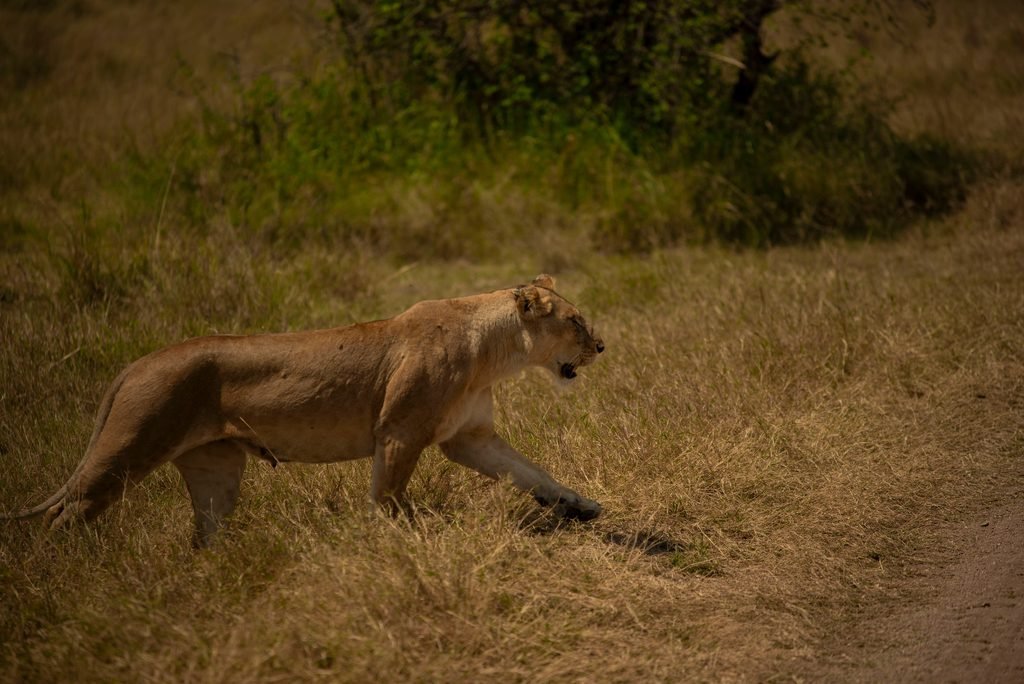
Today is dedicated to exploring Serengeti National Park, allowing you to spend more time searching for wildlife without the pressure of traveling to another destination. Your guide may recommend an early morning departure because many predators are active during the cooler hours. Lions may be seen resting near rocky outcrops, while cheetahs often use open grasslands where they can watch for prey.
The Seronera Valley is particularly suitable for year-round wildlife viewing because its riverine habitats provide water and vegetation for many species. You may encounter elephants, buffaloes, hippos, giraffes, hyenas, and different antelope species. Leopards are sometimes seen resting in trees, although spotting them requires patience and a little luck.
Your day can include a packed lunch in a designated picnic area, allowing you to continue exploring different sections of the park. Your guide will adjust the route according to wildlife movements, weather conditions, and the time available. You return to your campsite in the late afternoon for dinner and another night in the Serengeti.
Travelers interested in understanding the park’s ecosystem can also explore the official Serengeti National Park information provided by Tanzania National Parks Authority, which explains the park’s wildlife, habitats, and conservation importance.
Accommodation: Public campsite in central Serengeti
Meals: Breakfast, lunch and dinner
Main activity: Full-day Serengeti game drive
Day 4: Another Full Day in Serengeti – Predators, Plains and Wildlife Photography
Your fourth day provides another opportunity to explore the Serengeti and focus on wildlife you may not have seen during the previous game drives. The additional time is especially valuable for travelers interested in photography, birdwatching, and observing natural animal behavior. Rather than covering long distances unnecessarily, your guide can spend more time in areas where wildlife activity has been reported or observed.
Depending on the season, you may encounter large herds of wildebeests and zebras moving between grazing areas. The Great Migration follows seasonal rainfall and pasture availability, so its location changes throughout the year. Visitors should understand that a migration river crossing or a particular herd concentration cannot be guaranteed on a fixed itinerary.
You may also spend time observing smaller animals and birds that are sometimes overlooked during a safari. The Serengeti supports hundreds of bird species, including secretary birds, vultures, eagles, ostriches, and colorful rollers. Rocky kopjes provide habitats for reptiles, small mammals, and predators, making them interesting places to explore from the safari vehicle.
After a full day in the park, you return to your campsite for dinner. This additional night inside the Serengeti is one of the main advantages of choosing a six-day camping safari rather than a shorter itinerary.
Accommodation: Public campsite in central Serengeti
Meals: Breakfast, lunch and dinner
Main activity: Full-day wildlife viewing and photography
Day 5: Serengeti to Ngorongoro Conservation Area – Morning Safari and Crater Highlands
After an early breakfast, you begin your final game drive in the Serengeti before traveling toward the Ngorongoro Conservation Area. The morning hours offer another chance to observe wildlife activity, particularly predators and grazing animals moving through the grasslands. Your guide will select suitable routes while allowing enough time for the journey to the Ngorongoro highlands.
As you leave the Serengeti, the landscape gradually changes, with open plains giving way to hills and highland vegetation. The Ngorongoro Conservation Area is internationally recognized for its wildlife, volcanic landscapes, and the coexistence of conservation activities and traditional Maasai pastoral communities.
You continue to a designated campsite, commonly in the Ngorongoro highlands, depending on availability and the confirmed itinerary. Temperatures here can be considerably cooler than in the Serengeti, especially during the evening and early morning. Warm clothing is therefore important, even when traveling during Tanzania’s warmer months.
Dinner is served at camp, followed by an overnight stay before your visit to the Ngorongoro Crater the following morning.
Accommodation: Designated campsite in the Ngorongoro highlands
Meals: Breakfast, lunch and dinner
Main activity: Morning Serengeti game drive and transfer to Ngorongoro
Day 6: Ngorongoro Crater Game Drive – Return to Arusha
The final day begins with an early breakfast before descending into the Ngorongoro Crater for a game drive. The crater is one of Tanzania’s most remarkable wildlife destinations, with a concentrated variety of animals living within its grasslands, wetlands, forests, and freshwater habitats.
During your game drive, you may see buffaloes, zebras, wildebeests, elephants, hippos, and several predator species. The crater is also among the places in northern Tanzania where visitors may have an opportunity to observe the endangered black rhinoceros, although sightings depend on the animals’ movements and visibility.
Your guide will explore different habitats while explaining how the crater’s ecosystem supports its wildlife populations. A packed lunch is normally enjoyed at an authorized picnic area before you ascend the crater road and begin your journey back to Arusha.
You arrive in Arusha later in the afternoon or evening, depending on traffic and the time spent inside the crater. Your guide drops you at your hotel or another previously agreed location, marking the end of your six-day Tanzania camping safari.
Accommodation: Not included after the safari unless arranged
Meals: Breakfast and lunch
Main activity: Ngorongoro Crater game drive and return to Arusha
What Makes Serengeti Camping Different From a Lodge Safari?
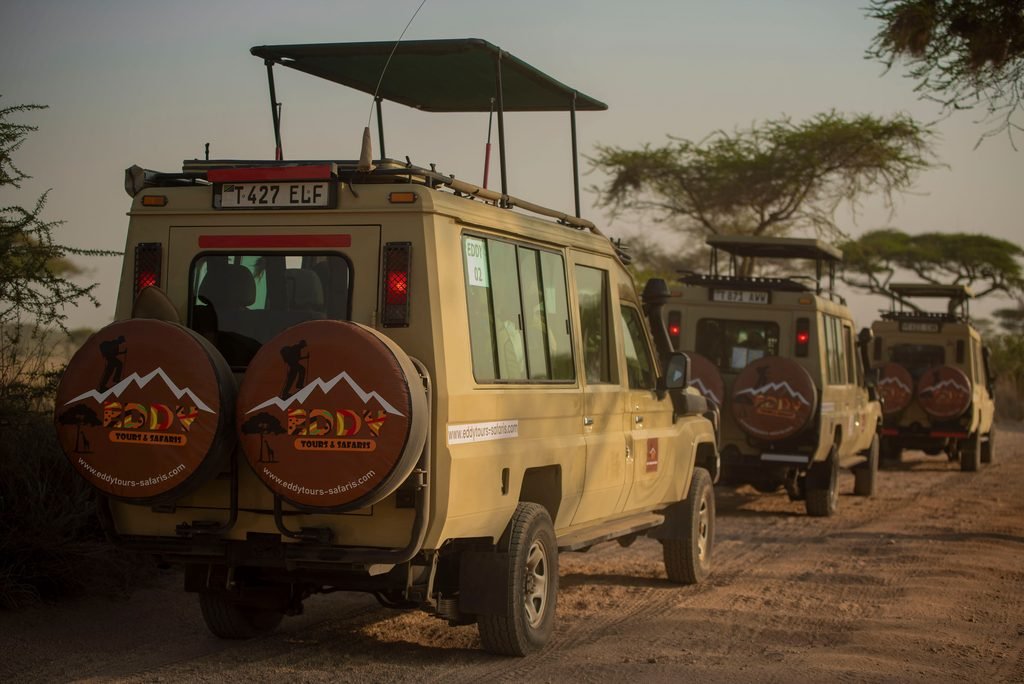
Camping and lodge safaris provide access to the same wildlife destinations, but the accommodation experience is different. A camping safari focuses on simple outdoor living, with tents, sleeping equipment, shared campsite facilities, and meals prepared by a safari cook. It is particularly attractive to travelers who enjoy nature and prefer to spend more of their budget on wildlife experiences rather than expensive accommodation.
A lodge safari generally offers private rooms, permanent bathrooms, and additional comfort. Camping, however, allows you to experience the environment more directly. You may hear hyenas calling at night, birds singing before sunrise, or distant lions roaring from the surrounding wilderness. These experiences are part of what makes camping memorable, provided visitors follow campsite safety instructions.
At Eddy Tours & Safaris, travelers can discuss their preferred accommodation style before booking. Those who want more comfort can request lodge or tented-camp alternatives, while budget-conscious visitors can choose camping arrangements suited to their travel plans.
Best Time for a Serengeti Camping Safari in 2027
Serengeti National Park can be visited throughout the year, although weather conditions and wildlife movements vary between seasons. The dry season, generally from June to October, is popular because vegetation is often thinner and animals gather around available water sources. These conditions can make wildlife easier to observe, although visitor numbers are usually higher.
From approximately January to March, the southern Serengeti and neighboring Ndutu region are important areas for wildebeest calving, depending on rainfall and migration movements. This period can attract predators and provide interesting wildlife photography opportunities. Travelers visiting during the rainy months may enjoy greener landscapes, fewer vehicles in some areas, and excellent birdwatching, but certain roads can become muddy.
If witnessing the Great Migration is your main priority, discuss your intended travel dates with your safari operator before booking. The migration is a continuous natural movement rather than a single event occurring on fixed dates. You can also review the UNESCO Serengeti World Heritage Site for additional information about the ecosystem and its ecological significance.
Wildlife You Can Expect During the Safari
One of the main reasons travelers choose the Serengeti is the variety of animals that can be observed in their natural habitats. The park is especially famous for its large carnivores, including lions, leopards, cheetahs, and spotted hyenas. Lions are frequently associated with the central Serengeti, while cheetahs are often found in open grassland habitats where visibility is important for hunting.
Herbivores are equally important to the safari experience. Large populations of wildebeests, zebras, gazelles, buffaloes, giraffes, and elephants support the complex food relationships of the ecosystem. Hippos and crocodiles can be found around suitable rivers and pools, while numerous bird species occupy the grasslands, wetlands, and wooded areas.
Although visitors often hope to see the Big Five, wildlife sightings are not guaranteed. A successful safari is not simply about ticking animals off a list but about observing their natural behavior and understanding the environment in which they live.
What Is Included in a 6 Days Serengeti Camping Safari?
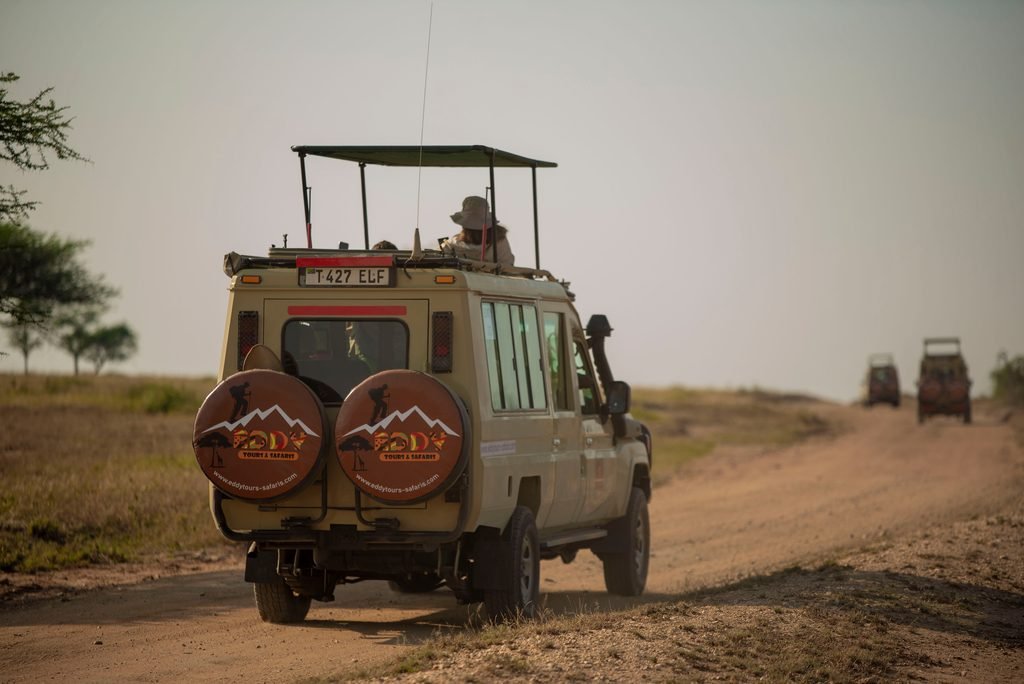
A typical camping safari package can include transport in a four-wheel-drive safari vehicle with a pop-up roof, professional English-speaking driver-guide, national park entrance fees, crater service fees where applicable, camping accommodation, meals during the safari, drinking water, and camping equipment.
Depending on the operator and package arrangement, a safari cook may accompany the group to prepare meals at the campsites. Equipment commonly includes sleeping tents, mattresses, tables, chairs, and cooking supplies. The exact equipment and sleeping arrangements should always be confirmed before departure.
International flights, Tanzania visa fees, personal travel insurance, alcoholic beverages, guide and cook tips, and personal purchases are usually excluded unless specifically stated in the quotation. Because national park fees and operational costs may change, travelers planning for 2027 should request an updated quotation rather than relying on prices published for previous years.
For current park regulations and official tariff information, travelers can consult the Tanzania National Parks Authority.
How Much Does a 6 Days Serengeti Camping Safari Cost in 2027?
The cost of a six-day Serengeti camping safari depends on the number of travelers, travel season, accommodation arrangements, park fees, and whether the safari is private or shared. Private safaris normally cost more per person when only one or two people are traveling because the vehicle, guide, and other operational expenses are divided among fewer participants.
Group-joining camping safaris can be more affordable because travelers share certain costs. However, prices should be compared carefully to understand what is included. A cheaper quotation may exclude important expenses such as park fees, transfers, camping equipment, or meals.
Rather than publishing a fixed 2027 price that may not reflect actual costs, travelers can contact Eddy Tours & Safaris for a personalized quotation based on their preferred dates, group size, and travel arrangements.
Essential Packing Tips for a Serengeti Camping Safari
Packing correctly makes camping more comfortable, especially because temperatures can change considerably between daytime game drives and evenings at higher elevations. Lightweight clothing in neutral colors is suitable for most safari activities, while a warm jacket, long trousers, and comfortable shoes are useful during cooler mornings and nights.
Travelers should also bring sunscreen, sunglasses, a wide-brimmed hat, insect repellent, a reusable water bottle, personal medication, and a small flashlight or headlamp. A power bank can be useful because electricity at public campsites may be limited. Cameras and binoculars are highly recommended for observing wildlife from a safe distance.
If you plan to combine your wildlife safari with mountain trekking, your equipment requirements will be different. The Kilimanjaro Climbing Specialist guide to climbing routes and preparation provides additional information for travelers considering a Mount Kilimanjaro adventure before or after their safari.
Can You Combine a Serengeti Safari With Mount Kilimanjaro?
Many visitors to Tanzania choose to combine a wildlife safari with a Mount Kilimanjaro trekking experience. This arrangement allows travelers to enjoy two very different environments during the same holiday: the wildlife-rich plains of northern Tanzania and the mountain landscapes surrounding Africa’s highest peak.
A Kilimanjaro climb normally requires several additional days, depending on the chosen route and acclimatization schedule. Travelers should allow sufficient time for rest, preparation, and recovery rather than trying to fit too many demanding activities into a short holiday.
For visitors researching trekking options, Kilimanjaro Climbing Specialist offers information about mountain routes, trekking itineraries, and climbing preparation. Safari arrangements can be discussed separately with Eddy Tours & Safaris to create a practical Tanzania travel schedule.
Important Camping Safety Rules in Serengeti National Park
Camping inside a wildlife area requires visitors to follow safety instructions carefully. Animals may move near designated campsites, particularly during the evening and early morning. Visitors should never approach wildlife, leave food outside their tents, or walk around the campsite without following their guide’s instructions.
During game drives, remain inside the vehicle unless your guide confirms that stopping and getting out is permitted in a designated area. Feeding animals, disturbing wildlife, and driving away from authorized tracks are prohibited under park regulations.
Camping visitors should also respect the natural environment by disposing of waste properly, avoiding unnecessary noise, and leaving plants and other natural objects undisturbed. These simple actions help protect the Serengeti and maintain a safe experience for everyone.
Frequently Asked Questions About a 6 Days Serengeti Camping Safari
Is six days enough for a Serengeti camping safari?
Yes. Six days can provide a rewarding northern Tanzania safari, especially when the itinerary includes multiple days in the Serengeti. Travelers can explore different wildlife habitats while also visiting Tarangire and the Ngorongoro Crater. Those interested in remote sections of the Serengeti or seasonal migration movements may benefit from additional days.
Is camping in Serengeti safe?
Camping is a common safari accommodation option when conducted at designated campsites and managed by experienced guides and operators. However, wildlife areas always involve natural risks. Visitors must follow campsite rules, remain alert, and avoid moving around independently when it is unsafe.
Are toilets and showers available at Serengeti campsites?
Many public campsites have shared toilet and shower facilities, although standards and the availability of hot water can vary. Travelers should confirm the facilities at their assigned campsites before booking.
Can I see the Great Migration during a six-day safari?
It is possible to see migrating wildebeests and zebras during certain periods, but sightings depend on the season, rainfall, and location of the herds. A central Serengeti itinerary does not guarantee access to river crossings or distant migration areas. Travelers with a particular migration experience in mind should request an itinerary planned around their travel dates.
Is a Serengeti camping safari suitable for families?
Camping safaris can be suitable for families, particularly those whose children are comfortable with outdoor accommodation and long game drives. Parents should discuss children’s ages, sleeping arrangements, campsite facilities, and safety requirements with the tour operator before confirming the trip.
Can I book a private six-day camping safari?
Yes. Private camping safaris can be arranged for couples, families, and groups who prefer their own safari vehicle and a flexible travel schedule. The final itinerary and price will depend on the number of participants and the services requested.
Book Your 6 Days Serengeti Camping Safari for 2027 With Eddy Tours & Safaris
A six-day Serengeti camping safari is an excellent choice for travelers who want to explore Tanzania’s wildlife destinations while enjoying the simplicity of outdoor accommodation. With several days dedicated to the Serengeti, visits to Tarangire and the Ngorongoro Crater, and opportunities to observe animals in their natural habitats, this itinerary offers a rewarding introduction to northern Tanzania.
At Eddy Tours & Safaris, we help travelers plan safari holidays based on their interests, travel dates, and budgets. Whether you prefer a private camping safari, a group-joining adventure, or a combination of wildlife viewing and other Tanzania activities, our team can assist you with the arrangements.
Visit Eddy Tours & Safaris to explore your Tanzania safari options, or contact our team to request a quotation for your 2027 Serengeti camping safari. Share your preferred travel dates, number of travelers, and accommodation preferences, and we will help you plan a suitable safari experience.