
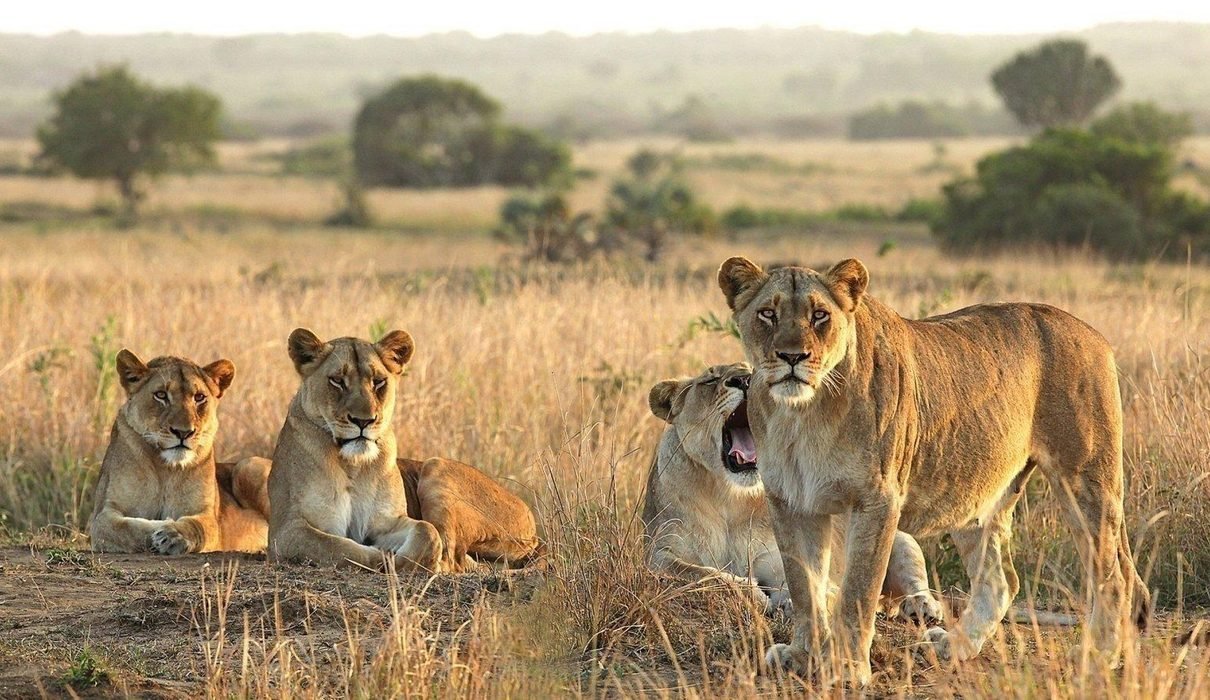
A 7 Days Northern Circuit Budget Safari in Tanzania is one of the best ways to explore the country’s famous wildlife destinations without spending too much on luxury accommodation. This seven-day journey takes you through beautiful national parks, open grasslands, volcanic landscapes and areas where some of Africa’s most remarkable wild animals live. From large elephant herds in Tarangire to lions on the Serengeti plains and the rich wildlife of Ngorongoro Crater, every destination offers something different.
For travelers planning a Tanzania safari in 2027, the Northern Circuit provides a good balance between wildlife viewing, comfortable travel and affordable accommodation. Budget safaris usually involve shared safari vehicles, simple lodges or public campsites, and experienced local guides who understand the parks and animal movements. With Eddy Tours & Safaris, visitors can plan a safari that suits their available time, preferred accommodation and travel budget.
This seven-day itinerary covers Tarangire National Park, Lake Manyara National Park, Serengeti National Park and the Ngorongoro Conservation Area. It is suitable for couples, friends, solo travelers and small groups who want to experience Tanzania’s northern wildlife circuit while keeping their travel expenses manageable.
Why Choose a 7 Days Northern Circuit Budget Safari in 2027?
Northern Tanzania has some of Africa’s most famous wildlife areas, and spending seven days exploring them gives travelers enough time to appreciate the different environments. A shorter safari may involve long driving days and limited opportunities to observe animals, while a seven-day itinerary allows more time for game drives, photography and enjoying the landscapes.
One of the main advantages of a budget safari is that travelers can visit the same national parks as those booking luxury packages. The difference is mainly in accommodation, vehicle-sharing arrangements and additional services. Instead of expensive safari lodges, visitors may stay in public campsites or affordable accommodation near the parks. This makes the experience accessible to travelers who prefer spending their money on wildlife activities rather than luxury facilities.
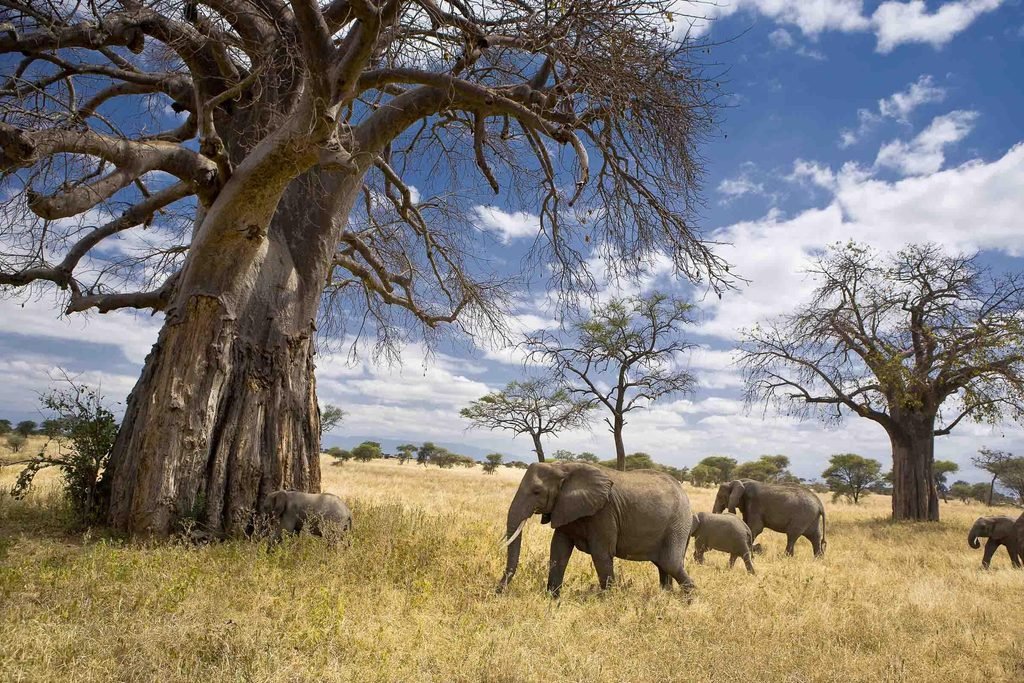
Another reason to choose this itinerary is the variety of animals and landscapes. Tarangire is particularly known for elephants and baobab trees, Lake Manyara offers forests and birdlife, the Serengeti is famous for predators and migrating wildebeest, while Ngorongoro Crater provides excellent opportunities to observe wildlife within a relatively small area.
Travelers comparing different itineraries can explore the Tanzania safari packages available through Eddy Tours & Safaris to understand how different safari durations and destinations fit their holiday plans.
Detailed 7 Days Northern Circuit Budget Safari Itinerary
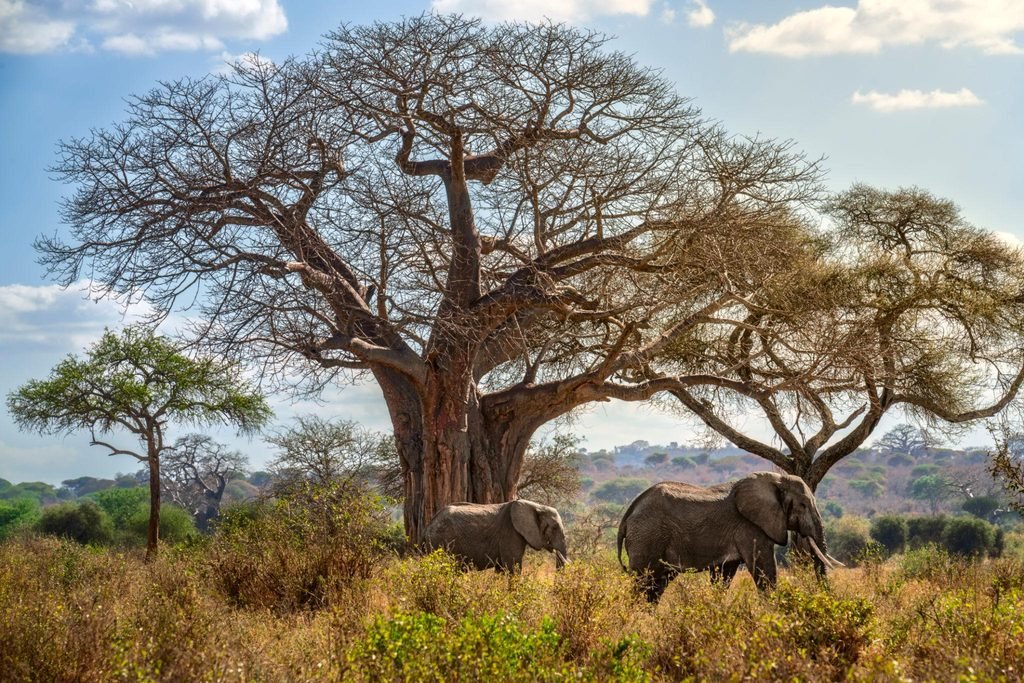
Day 1: Arusha to Tarangire National Park – Elephant Herds and Baobab Trees
Your safari begins in Arusha, where your guide will meet you at your hotel or another agreed pickup location. After a short briefing about the journey, you will travel toward Tarangire National Park, passing through rural communities, agricultural areas and the beautiful countryside of northern Tanzania. The drive normally takes approximately two to three hours, depending on road conditions and the starting point.
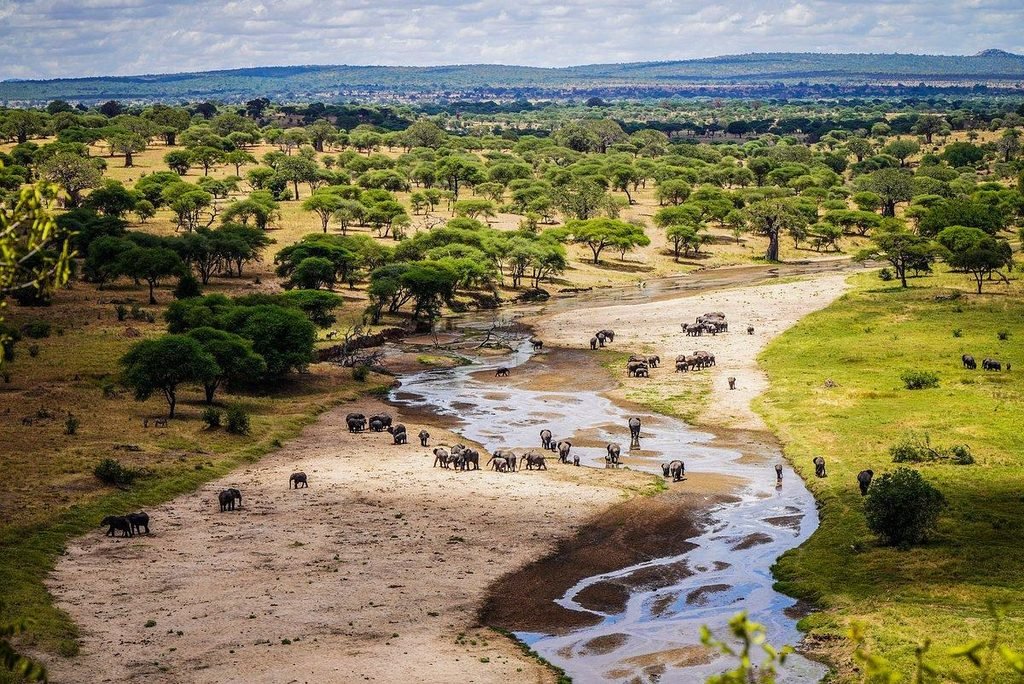
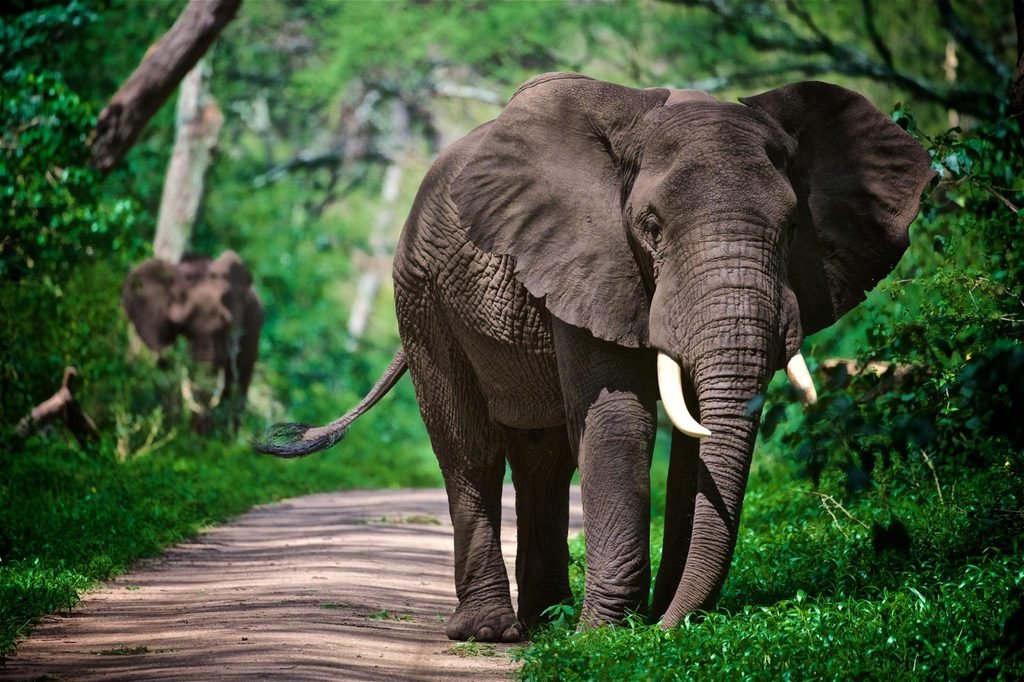
Tarangire National Park is widely known for its large elephant population, impressive baobab trees and the Tarangire River, which attracts wildlife during the dry season. As you enter the park, your guide will begin looking for animals such as elephants, giraffes, zebras, wildebeest, buffaloes and different antelope species. Lions are also present, and with some luck, you may encounter leopards resting in trees or moving through the vegetation.
During the afternoon, you will enjoy a picnic lunch at a designated area before continuing with your game drive. The park’s varied landscape provides excellent opportunities for wildlife photography, particularly around the river and open woodland areas. Later in the day, you will leave the park and travel to your budget campsite or accommodation near Mto wa Mbu or Karatu for dinner and overnight rest.
Accommodation: Budget campsite or lodge near Mto wa Mbu or Karatu.
Day 2: Lake Manyara National Park – Forest Wildlife and Birdwatching
After breakfast, your journey continues to Lake Manyara National Park, a beautiful protected area located along the Great Rift Valley escarpment. Although the park is smaller than the Serengeti and Tarangire, it contains several habitats, including groundwater forests, open grasslands, woodland and the shallow alkaline lake.
Lake Manyara is known for its birdlife, monkeys, elephants and hippos. As you travel through the forest, you may see blue monkeys moving through the trees, baboons crossing the road and elephants feeding among the vegetation. The lake and surrounding wetlands can attract flamingos, pelicans, storks and other waterbirds, depending on seasonal water conditions.
The park is also associated with tree-climbing lions, although sightings are uncommon and cannot be guaranteed. Your guide will explore suitable wildlife areas while explaining the different habitats and how animals adapt to them. After your game drive and picnic lunch, you will return to your accommodation in the Karatu area, where you can relax and prepare for the journey to Serengeti National Park the following morning.
Travelers interested in combining wildlife observation with birdwatching can also ask Eddy Tours & Safaris about adjusting their itinerary to include more time in suitable birdwatching locations.
Accommodation: Budget campsite or lodge in Karatu.
Day 3: Karatu to Serengeti National Park – Journey Across the Endless Plains
The third day begins with an early breakfast before departing toward Serengeti National Park. The journey takes you through the Ngorongoro Conservation Area, where you may enjoy impressive views of the highlands and surrounding landscapes. Depending on weather conditions and the agreed itinerary, there may be an opportunity to stop at a designated viewpoint overlooking Ngorongoro Crater.
As you continue toward the Serengeti, the scenery gradually changes from highland vegetation to wide grasslands. These open landscapes are part of what makes the Serengeti famous around the world. The name Serengeti is commonly associated with the idea of endless plains, and visitors quickly understand why when they see the grasslands stretching toward the horizon.
After entering Serengeti National Park, your guide will begin an afternoon game drive. The central Serengeti, particularly the Seronera region, supports a variety of wildlife, including lions, leopards, cheetahs, elephants, giraffes, buffaloes and several antelope species. The area’s rivers, rocky outcrops and grasslands provide suitable habitats for both predators and grazing animals.
You will continue exploring until late afternoon before heading to your campsite. Spending the night in the Serengeti is a special part of a budget safari, as visitors can experience the natural surroundings away from busy towns. Dinner will be prepared at camp, followed by overnight accommodation in designated camping facilities.
Accommodation: Public campsite in Serengeti National Park.
Day 4: Full-Day Serengeti Safari – Wildlife, Predators and the Great Migration
Today is dedicated to exploring Serengeti National Park, one of the most important wildlife conservation areas in Africa. After an early breakfast, you will begin your morning game drive when temperatures are cooler and many animals are active. This is often a good time to look for lions, hyenas, cheetahs and other predators before they settle into shaded areas during the warmer part of the day.
The Serengeti supports a large population of grazing animals, including wildebeest, zebras, gazelles and buffaloes. These animals attract predators and create opportunities to observe natural wildlife behavior. Your guide will use local knowledge and current wildlife information to select suitable routes, although sightings depend on animal movements, weather and other natural conditions.
One of the major attractions of the Serengeti is the Great Wildebeest Migration, during which large herds move through the Serengeti–Mara ecosystem in search of grazing and water. The location of the herds changes throughout the year, so travelers hoping to witness a particular stage of the migration should select their travel dates carefully. River crossings and large herd concentrations cannot be guaranteed on every safari.
You will enjoy lunch at a designated picnic area or carry a packed lunch during the game drive. The afternoon provides more opportunities to explore different sections of the park, observe animals near water sources and photograph the beautiful Serengeti landscape. Later, you will return to your campsite for dinner and another night surrounded by nature.
Visitors who want additional time in the Serengeti can consider the longer options described in the all-inclusive Tanzania safari packages guide, which explains how different safari lengths can accommodate more game drives.
Accommodation: Public campsite in Serengeti National Park.
Day 5: Serengeti National Park to Ngorongoro Conservation Area
After breakfast, you will enjoy a final morning game drive in the Serengeti before beginning the journey toward the Ngorongoro Conservation Area. The morning is another opportunity to look for animals that may not have been seen during previous game drives, particularly predators, elephants and different bird species.
The drive toward Ngorongoro takes you through changing landscapes, from open Serengeti plains to higher ground and cooler vegetation. Along the way, your guide may explain the relationship between wildlife conservation, local communities and the natural environment. The Ngorongoro Conservation Area is particularly interesting because it supports wildlife conservation while also allowing traditional pastoral activities in designated areas.
Depending on your itinerary, available time and budget, an optional visit to a Maasai community may be arranged. Such visits normally involve an additional fee and should be discussed before booking. Travelers can also enjoy the scenery and stop at approved viewpoints where conditions permit.
By late afternoon, you will arrive at your designated campsite near the crater rim or another suitable budget accommodation location. Temperatures in the Ngorongoro Highlands can become quite cold, especially at night, so warm clothing is recommended. After dinner, you will rest in preparation for an early morning descent into Ngorongoro Crater.
Accommodation: Budget campsite near Ngorongoro Crater or accommodation in Karatu, depending on the confirmed package.
Day 6: Ngorongoro Crater Safari – Searching for the Big Five
Today is one of the most exciting days of the safari. After an early breakfast, you will travel to the Ngorongoro Crater descent road and enter the crater for a game drive. Ngorongoro Crater is a large volcanic caldera containing grasslands, freshwater areas, woodland and wetlands that support a remarkable concentration of wildlife.
The crater is home to lions, elephants, buffaloes, zebras, wildebeest, hippos and many other animals. It is also one of the places in northern Tanzania where visitors may have an opportunity to see the endangered black rhinoceros. However, rhinos are not always easy to find, and sightings depend on the animals’ movements and viewing conditions.
As you explore the crater floor, you may encounter grazing herds, predators resting in the grass and birds feeding around the wetlands. Your guide will select routes according to park regulations and wildlife activity. The relatively open terrain makes it possible to observe several animal species within a single game drive, although the experience is always different.
A picnic lunch will be enjoyed at a designated location before continuing the game drive. After completing the permitted crater visit, you will ascend the crater road and travel toward Karatu for your final night. This gives you time to rest before returning to Arusha the following day.
For travelers planning their safari budget, the Tanzania safari cost guide for 2027 and 2028 explains how accommodation, transport, park fees and group size affect the overall cost of a wildlife holiday.
Accommodation: Budget campsite or lodge in Karatu.
Day 7: Karatu to Arusha – End of Your Northern Circuit Safari
After breakfast, you will begin the journey back to Arusha, passing through the beautiful landscapes of northern Tanzania. Depending on your departure schedule, there may be time for a short stop at a local market or craft shop, where visitors can purchase souvenirs and learn more about locally produced items.
The return journey offers a chance to reflect on the different wildlife experiences of the past week. From elephants in Tarangire and forest wildlife in Lake Manyara to the open plains of the Serengeti and the extraordinary landscapes of Ngorongoro Crater, this seven-day safari brings together several of Tanzania’s most important attractions.
Upon arrival in Arusha, your guide will drop you at your hotel or another agreed location. Airport transfers can also be arranged according to your flight schedule and the services included in your booking.
Travelers who would like to continue exploring Tanzania can discuss additional activities, including cultural experiences, day trips or a visit to Zanzibar, with Eddy Tours & Safaris.
How Much Does a 7 Days Northern Circuit Budget Safari Cost in 2027?
The price of a seven-day Northern Circuit budget safari depends on several factors, including the number of travelers, accommodation choices, travel season, park fees and whether the safari is private or shared with other visitors.
For general planning, a seven-day shared budget safari may cost approximately USD 1,300 to USD 2,100 per person, although actual quotations can be higher or lower depending on the services provided. This is an indicative planning range rather than a confirmed price for the itinerary described here. Private budget safaris usually cost more per person when only one or two travelers share the vehicle.
The main expenses normally include park entrance fees, camping or accommodation fees, safari transport, fuel, guide services and meals. Serengeti and Ngorongoro are important cost considerations because of the conservation fees and the distance involved in reaching these destinations.
Travelers should always request a detailed quotation before booking. A low advertised price does not necessarily mean that all essential services are included, so it is important to understand what is covered and whether there are additional charges.
You can read more about these expenses in the Eddy Tours & Safaris Tanzania safari pricing guide.
What Is Included in a Northern Circuit Budget Safari?
Most properly arranged budget safari packages include transport in a suitable safari vehicle, professional driver-guide services, park entrance fees, accommodation according to the itinerary, meals during the safari and scheduled game drives. Camping safaris may also include tents, sleeping equipment and the services of a safari cook, depending on the operator and package arrangement.
Items commonly excluded are international flights, visa fees, travel insurance, alcoholic beverages, personal shopping, tips and optional activities. Airport transfers and accommodation before or after the safari may also be excluded unless they are specifically mentioned in the quotation.
Before confirming your booking, ask for a written list of inclusions and exclusions. This will help you compare different packages fairly and avoid unexpected expenses during your holiday.
Best Time to Visit Northern Tanzania for a Budget Safari in 2027
Northern Tanzania offers wildlife viewing throughout the year, but different seasons provide different experiences. The dry season, generally from June to October, is popular because vegetation becomes thinner and animals often gather around permanent water sources. Tarangire is particularly attractive during this period, when elephants and other wildlife concentrate around the river system.
From January to March, parts of the southern Serengeti and nearby Ndutu region may have large wildebeest concentrations associated with the calving season. This period can be interesting for travelers who want to observe young animals and predator activity. However, the exact location of the migration varies according to rainfall and grazing conditions.
April and May usually experience heavier seasonal rainfall in many northern safari areas. Although some roads may become muddy and wildlife can be more dispersed, the landscape is green, birdlife can be excellent and some accommodations offer lower seasonal rates.
November and December can also provide rewarding safari experiences, with changing vegetation and the movement of migratory animals. Travelers should choose their dates according to their preferred wildlife interests rather than expecting every animal species to be visible at the same time.
How to Save Money on Your 7 Days Tanzania Safari
One of the simplest ways to reduce safari costs is to join a small group rather than booking a private vehicle. Sharing transport, guide and fuel expenses can make a significant difference to the overall price, particularly for solo travelers and couples.
Choosing camping accommodation instead of luxury lodges is another practical way to save money. Public campsites provide basic facilities and allow travelers to spend their evenings close to wildlife areas. However, it is important to understand the available bathroom facilities, sleeping arrangements and weather conditions before choosing a camping package.
Traveling during less busy months may also reduce accommodation costs, although park and conservation fees still apply. Booking early can help secure suitable accommodation and allow enough time to organize the itinerary properly.
For more information on affordable travel options, visitors can explore Tanzania safari packages offering good value for money and compare different itineraries before making a decision.

What to Pack for a 7 Days Northern Circuit Budget Safari
Packing suitable clothing and personal items will make your safari more comfortable. Lightweight clothes in neutral colors are useful during daytime game drives, while a warm jacket or fleece is recommended for early mornings and evenings, especially around Ngorongoro Highlands.
Comfortable walking shoes, sunscreen, sunglasses, a wide-brimmed hat and insect repellent are also useful. Travelers staying at public campsites should carry personal toiletries, a flashlight or headlamp and any medication they regularly use.
A camera with a suitable zoom lens can help capture wildlife without disturbing animals. Binoculars are also recommended, particularly for birdwatching and observing animals at a distance. Since safari drives can involve dusty roads, protective bags for cameras and other electronic devices are helpful.
Travelers should also carry copies of important travel documents and ensure they have appropriate travel insurance. Your safari operator can provide additional packing advice based on the travel season and accommodation arrangements.
Combining Your Northern Circuit Safari With Kilimanjaro Climbing
Northern Tanzania is also home to Mount Kilimanjaro, Africa’s highest mountain. Travelers who have additional holiday time may consider combining their wildlife safari with a mountain trekking adventure. Arusha and Moshi provide convenient starting points for many northern Tanzania travel activities.
Climbing Kilimanjaro requires preparation, appropriate equipment and enough days for altitude acclimatization. Popular routes include Machame, Marangu, Lemosho and Rongai, each offering different landscapes, accommodation arrangements and trekking durations.
Travelers interested in extending their trip can read the Kilimanjaro climbing preparation guide for information about routes, equipment and physical preparation. Those considering a longer mountain itinerary can also explore the 7 Days Kilimanjaro Machame Route or learn more about the Lemosho Route climbing experience.
Combining a safari with Kilimanjaro climbing allows visitors to experience two very different sides of Tanzania. However, mountain trekking is physically demanding, so sufficient recovery time and realistic travel planning are important.
Frequently Asked Questions About the 7 Days Northern Circuit Budget Safari
Is seven days enough for a Northern Tanzania safari?
Yes. Seven days is enough to visit several major destinations, including Tarangire, Lake Manyara, Serengeti and Ngorongoro Crater. However, the itinerary involves considerable driving, so travelers who prefer a slower pace may choose to visit fewer parks or extend their holiday.
Can I see the Big Five during this safari?
The Northern Circuit provides opportunities to see lions, leopards, elephants, buffaloes and black rhinoceroses. However, wildlife sightings are never guaranteed, and some animals, particularly leopards and rhinos, can be difficult to find.
Is a budget camping safari safe?
Budget camping safaris can be safe when organized by experienced operators who follow park regulations and campsite safety procedures. Visitors must follow their guide’s instructions, avoid approaching wild animals and remain within designated areas.
Is the Northern Circuit suitable for first-time safari travelers?
Yes. Northern Tanzania is a popular choice for first-time visitors because it combines several well-known wildlife destinations with established tourism facilities. A professional local guide can help visitors understand animal behavior, park regulations and the different environments.
Can the itinerary be customized?
Yes. Depending on your budget and interests, the itinerary can be adjusted to include additional time in Serengeti, fewer destinations, different accommodation or optional activities. Any changes should be discussed before confirming the final quotation.
How do I book a 7 Days Northern Circuit Budget Safari for 2027?
You can contact Eddy Tours & Safaris with your preferred travel dates, number of travelers and accommodation preferences. The company can then prepare an itinerary and quotation based on your requirements.
Book Your 7 Days Northern Circuit Budget Safari With Eddy Tours & Safaris
A seven-day Northern Circuit safari is a practical choice for travelers who want to explore Tanzania’s wildlife without spending heavily on luxury accommodation. It combines several different national parks, experienced local guiding and opportunities to observe wildlife in natural surroundings.
At Eddy Tours & Safaris, we help travelers organize Tanzania safari holidays based on their interests, available time and travel budget. Whether you are traveling alone, with friends, as a couple or with family, we can help you plan a suitable Northern Circuit safari for 2027.
For availability, accommodation options, a detailed itinerary and a personalized quotation, visit our contact page or explore more travel options on the Eddy Tours & Safaris website.
Start planning your 7 Days Northern Circuit Budget Safari 2027 with Eddy Tours & Safaris today.