
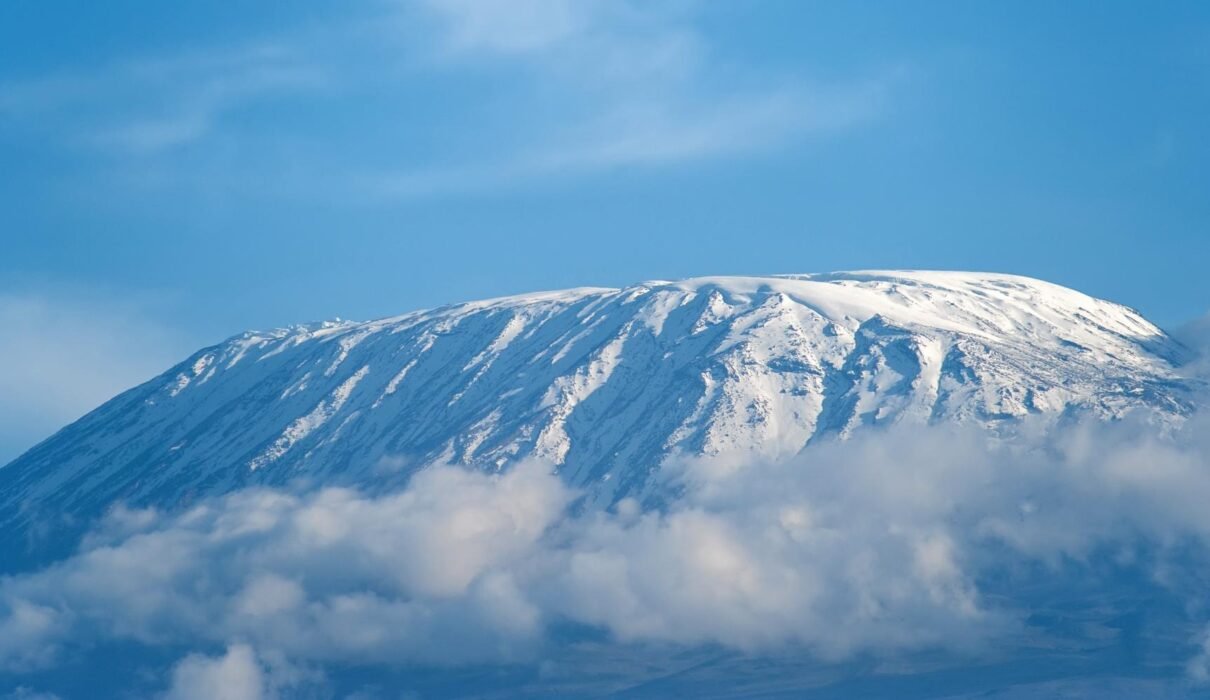
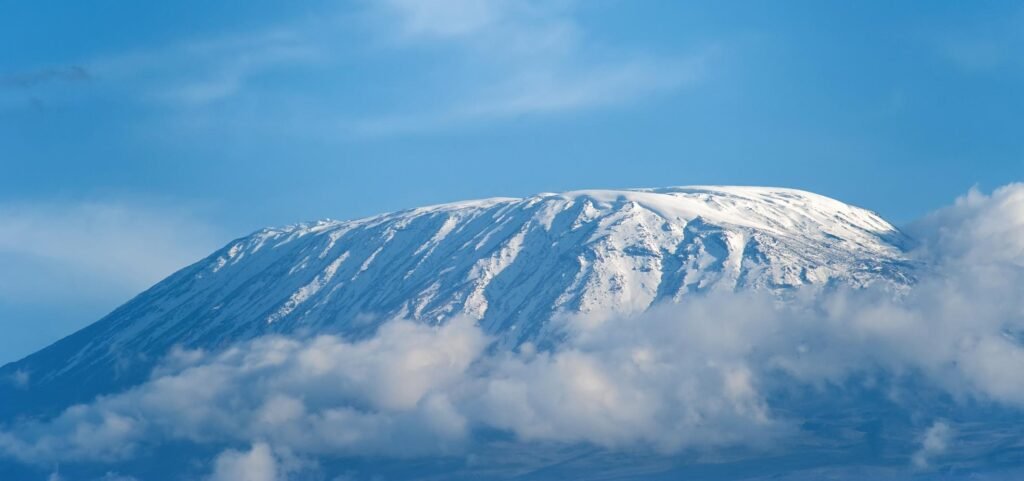
The Ultimate Guide to Climbing Mount Kilimanjaro in 2026, 2027 & 2028 is the tallest mountain in Africa and the highest free-standing mountain in the world. Located in northern Tanzania, it attracts thousands of trekkers every year who come to challenge themselves and experience its ever-changing landscapes from tropical rainforest to icy summit.
Climbing Mount Kilimanjaro is one of those rare adventures that stays with you long after the journey ends. Whether you’re planning for 2026, 2027, or 2028, standing on Africa’s highest point is not just a physical achievement it’s an emotional, mental, and deeply personal experience.
This guide will walk you through everything you need to know: routes, preparation, costs, training, packing, altitude tips, and what to expect on the mountain. If you’re dreaming of reaching Uhuru Peak, this is where your preparation begins.
Why The Ultimate Guide to Climbing Mount Kilimanjaro in 2026, 2027 & 2028
People climb Kilimanjaro for different reasons. For some, it’s a personal challenge. For others, it’s a dream adventure, a charity goal, or a once-in-a-lifetime journey.
What makes Kilimanjaro unique is that it does not require technical climbing skills. You don’t need ropes or mountaineering experience. Instead, it is a trekking mountain meaning that with good preparation, determination, and the right support team, many people can reach the summit.
But make no mistake: it is still a serious challenge. The main difficulty is altitude. As you climb higher, the air becomes thinner, and your body must adapt.
Understanding The Ultimate Guide to Climbing Mount Kilimanjaro in 2026, 2027 & 2028
Mount Kilimanjaro is made up of three volcanic cones:
- Kibo – the highest cone, where Uhuru Peak is located
- Mawenzi – a rugged, rocky peak
- Shira – an older, eroded volcanic cone
Most climbers aim for Uhuru Peak on Kibo, which is the true summit.
The mountain also has several climate zones:
- Rainforest Zone – lush, green, and humid
- Heath & Moorland Zone – open landscapes with unique plants
- Alpine Desert – dry, cold, and rocky
- Arctic Zone – glaciers and freezing summit conditions
In just a few days, you move through environments that normally exist across continents.
Best Routes to The Ultimate Guide to Climbing Mount Kilimanjaro in 2026, 2027 & 2028
Choosing the right route is one of the most important decisions. Each route differs in scenery, difficulty, and success rate.
1. Machame Route (Whiskey Route)
One of the most popular routes, known for its scenic beauty and good acclimatization profile. It is moderately difficult and usually takes 6–7 days.
2. Marangu Route (Coca-Cola Route)
The only route with hut accommodation instead of tents. It is shorter (5–6 days) but has a lower success rate due to faster ascent.
3. Lemosho Route
Highly recommended for beginners and experienced trekkers alike. It is longer (7–8 days), giving excellent acclimatization and high summit success rates.
4. Rongai Route
Approaches from the north and is less crowded. It is drier and slightly easier in terms of weather conditions.
5. Northern Circuit Route
The longest route (8–9 days), offering the best acclimatization and highest success rate. Ideal for those who want a quieter, more gradual climb.
When to The Ultimate Guide to Climbing Mount Kilimanjaro in 2026, 2027 & 2028
The best times to climb are during dry seasons:
- January to March – colder, fewer climbers, possible snow
- June to October – most popular season with stable weather
Avoid heavy rainy seasons:
- April to May (long rains)
- November (short rains)
For 2026–2028, booking early is strongly recommended, especially for peak months like July, August, and September.
Physical Preparation of The Ultimate Guide to Climbing Mount Kilimanjaro in 2026, 2027 & 2028
You don’t need to be an elite athlete, but good fitness helps a lot.
Focus on:
- Cardiovascular endurance (running, cycling, swimming)
- Hiking practice with elevation
- Leg strength (squats, lunges, stair climbing)
- Mental endurance (long training hikes)
A good preparation period is 8 12 weeks before your climb.
Altitude Sickness: The Biggest Challenge
Altitude sickness is the main reason climbers fail to reach the summit.
Common symptoms include:
- Headache
- Nausea
- Fatigue
- Dizziness
To reduce risk:
- Choose longer routes (better acclimatization)
- Drink plenty of water
- Ascend slowly (“pole pole slowly, slowly)
- Consider medication like acetazolamide (consult a doctor)
Experienced guides monitor your condition daily to ensure safety.
What to Pack
Packing smart is essential. Weather conditions change quickly.
Clothing
- Thermal base layers
- Fleece jacket
- Waterproof jacket and pants
- Down jacket for summit night
- Hiking boots (broken-in)
- Gloves, hat, and warm socks
Gear
- Sleeping bag (rated for cold temperatures)
- Backpack (30–40L)
- Headlamp
- Trekking poles
- Sunglasses and sunscreen
Essentials
- Water bottles or hydration system
- Snacks and energy bars
- Personal medication
- Passport and travel documents
Costs of Climbing Kilimanjaro (2026–2028)
Prices vary depending on route and operator. On average:
- Budget climb: $1,800 – $2,500
- Mid-range climb: $2,500 – $3,500
- Premium climb: $3,500 – $6,000+
Costs usually include:
- Park fees
- Guides and porters
- Meals on the mountain
- Camping equipment
- Rescue fees
Cheaper options may reduce service quality, so always prioritize safety and experience.
Choosing a Tour Operator
A good operator can make or break your experience.
Look for:
- Licensed and reputable company
- Fair treatment of porters
- Experienced guides
- Good safety records
- Transparent pricing
Avoid operators that cut costs on safety, food, or staff welfare.
A Typical Day The Ultimate Guide to Climbing Mount Kilimanjaro in 2026, 2027 & 2028
Life on Kilimanjaro follows a steady rhythm:
- Wake up with tea or coffee
- Breakfast at camp
- 4–7 hours of trekking
- Lunch on the trail
- Arrival at next camp in the afternoon
- Dinner and rest
Climbing is slow and steady. The motto is “pole pole” (slowly, slowly).
The Ultimate Guide to Climbing Mount Kilimanjaro in 2026, 2027 & 2028;Summit Night: The Final Push
Summit night is the hardest and most emotional part of the climb.
You usually start around midnight, trekking in darkness and freezing temperatures. The air is thin, and every step feels heavy. But as sunrise approaches, the sky begins to glow, and the landscape transforms.
Reaching Uhuru Peak is an unforgettable moment tears, exhaustion, joy, and pride all at once.
Travel Tips for 2026, 2027 & 2028
- Book early, especially for peak seasons
- Train consistently before your trip
- Choose a longer route for better success
- Stay hydrated at all times
- Listen to your guide
- Respect the mountain and local culture
After the The Ultimate Guide to Climbing Mount Kilimanjaro in 2026, 2027 & 2028
Many travelers extend their trip with:
- Safari in Serengeti or Ngorongoro
- Relaxation in Zanzibar
- Cultural tours in local villages
Tanzania offers much more than just the climb.
Final Thoughts
Climbing Mount Kilimanjaro is not just about reaching the summit it’s about the journey, the struggle, the landscapes, and the personal growth that comes with it.
Whether you plan your adventure in 2026, 2027, or 2028, preparation is key. With the right mindset, proper training, and a reliable support team, the Roof of Africa is within reach.
And when you finally stand at the top, looking over the clouds, you’ll understand why so many people call it the adventure of a lifetime. standing on Africa’s highest point is not just a physical achievement it’s an emotional, mental, and deeply personal experience.
Rising 5,895 meters above sea level, Mount Kilimanjaro is the tallest mountain in Africa and the highest free-standing mountain in the world. Located in northern Tanzania, it attracts thousands of trekkers every year who come to challenge themselves and experience its ever-changing landscapes—from tropical rainforest to icy summit.
This guide will walk you through everything you need to know: routes, preparation, costs, training, packing, altitude tips, and what to expect on the mountain. If you’re dreaming of reaching Uhuru Peak, this is where your preparation begins.
Why Climb Mount Kilimanjaro?
People climb Kilimanjaro for different reasons. For some, it’s a personal challenge. For others, it’s a dream adventure, a charity goal, or a once-in-a-lifetime journey.
What makes Kilimanjaro unique is that it does not require technical climbing skills. You don’t need ropes or mountaineering experience. Instead, it is a trekking mountain—meaning that with good preparation, determination, and the right support team, many people can reach the summit.
But make no mistake: it is still a serious challenge. The main difficulty is altitude. As you climb higher, the air becomes thinner, and your body must adapt.
Understanding the Mountain
Mount Kilimanjaro is made up of three volcanic cones:
- Kibo – the highest cone, where Uhuru Peak is located
- Mawenzi – a rugged, rocky peak
- Shira – an older, eroded volcanic cone
Most climbers aim for Uhuru Peak on Kibo, which is the true summit.
The mountain also has several climate zones:
- Rainforest Zone – lush, green, and humid
- Heath & Moorland Zone – open landscapes with unique plants
- Alpine Desert – dry, cold, and rocky
- Arctic Zone – glaciers and freezing summit conditions
In just a few days, you move through environments that normally exist across continents.
Best Routes to Climb Kilimanjaro
Choosing the right route is one of the most important decisions. Each route differs in scenery, difficulty, and success rate.
1. Machame Route (Whiskey Route)
One of the most popular routes, known for its scenic beauty and good acclimatization profile. It is moderately difficult and usually takes 6–7 days.
2. Marangu Route (Coca-Cola Route)
The only route with hut accommodation instead of tents. It is shorter (5–6 days) but has a lower success rate due to faster ascent.
3. Lemosho Route
Highly recommended for beginners and experienced trekkers alike. It is longer (7–8 days), giving excellent acclimatization and high summit success rates.
4. Rongai Route
Approaches from the north and is less crowded. It is drier and slightly easier in terms of weather conditions.
5. Northern Circuit Route
The longest route (8–9 days), offering the best acclimatization and highest success rate. Ideal for those who want a quieter, more gradual climb.
When to The Ultimate Guide to Climbing Mount Kilimanjaro in 2026, 2027 & 2028
The best times to climb are during dry seasons:
- January to March – colder, fewer climbers, possible snow
- June to October – most popular season with stable weather
Avoid heavy rainy seasons:
- April to May (long rains)
- November (short rains)
For 2026–2028, booking early is strongly recommended, especially for peak months like July, August, and September.
Physical Preparation of The Ultimate Guide to Climbing Mount Kilimanjaro in 2026, 2027 & 2028
You don’t need to be an elite athlete, but good fitness helps a lot.
Focus on:
- Cardiovascular endurance (running, cycling, swimming)
- Hiking practice with elevation
- Leg strength (squats, lunges, stair climbing)
- Mental endurance (long training hikes)
A good preparation period is 8–12 weeks before your climb.
Altitude Sickness: The Biggest Challenge
Altitude sickness is the main reason climbers fail to reach the summit.
Common symptoms include:
- Headache
- Nausea
- Fatigue
- Dizziness
To reduce risk:
- Choose longer routes (better acclimatization)
- Drink plenty of water
- Ascend slowly (“pole pole” – slowly, slowly)
- Consider medication like acetazolamide (consult a doctor)
Experienced guides monitor your condition daily to ensure safety.
What to Pack
Packing smart is essential. Weather conditions change quickly.
Clothing
- Thermal base layers
- Fleece jacket
- Waterproof jacket and pants
- Down jacket for summit night
- Hiking boots (broken-in)
- Gloves, hat, and warm socks
Gear
- Sleeping bag (rated for cold temperatures)
- Backpack (30–40L)
- Headlamp
- Trekking poles
- Sunglasses and sunscreen
Essentials
- Water bottles or hydration system
- Snacks and energy bars
- Personal medication
- Passport and travel documents
Costs of Climbing Kilimanjaro (2026–2028)
Prices vary depending on route and operator. On average:
- Budget climb: $1,800 – $2,500
- Mid-range climb: $2,500 – $3,500
- Premium climb: $3,500 – $6,000+
Costs usually include:
- Park fees
- Guides and porters
- Meals on the mountain
- Camping equipment
- Rescue fees
Cheaper options may reduce service quality, so always prioritize safety and experience.
Choosing a Tour Operator
A good operator can make or break your experience.
Look for:
- Licensed and reputable company
- Fair treatment of porters
- Experienced guides
- Good safety records
- Transparent pricing
Avoid operators that cut costs on safety, food, or staff welfare.
A Typical Day on the Mountain
Life on Kilimanjaro follows a steady rhythm:
- Wake up with tea or coffee
- Breakfast at camp
- 4–7 hours of trekking
- Lunch on the trail
- Arrival at next camp in the afternoon
- Dinner and rest
Climbing is slow and steady. The motto is “pole pole” (slowly, slowly)
Summit Night: The Final Push
Summit night is the hardest and most emotional part of the climb.
You usually start around midnight, trekking in darkness and freezing temperatures. The air is thin, and every step feels heavy. But as sunrise approaches, the sky begins to glow, and the landscape transforms.
Reaching Uhuru Peak is an unforgettable momenttears, exhaustion, joy, and pride all at once.
Travel Tips for 2026, 2027 & 2028
- Book early, especially for peak seasons
- Train consistently before your trip
- Choose a longer route for better success
- Stay hydrated at all times
- Listen to your guide
- Respect the mountain and local culture
After the Climb
Many travelers extend their trip with:
- Safari in Serengeti or Ngorongoro
- Relaxation in Zanzibar
- Cultural tours in local villages
Tanzania offers much more than just the climb.
Final Thoughts
The Ultimate Guide to Climbing Mount Kilimanjaro in 2026, 2027 & 2028: is not just about reaching the summit it’s about the journey, the struggle, the landscapes, and the personal growth that comes with it.
Whether you plan your adventure in 2026, 2027, or 2028, preparation is key. With the right mindset, proper training, and a reliable support team, the Roof of Africa is within reach.
And when you finally stand at the top, looking over the clouds, you’ll understand why so many people call it the adventure of a lifetime.