
Best Times, Wildlife Highlights, and Travel Advice for Grumeti Safari 2026,2027&2028 is one of Africa’s most remarkable safari destinations. While many travelers focus on the central Serengeti or the famous Mara River crossings, Grumeti offers something equally extraordinary fewer crowds, exceptional wildlife viewing, luxurious safari experiences, and front-row seats to one of nature’s greatest spectacles.
Whether you’re dreaming of watching thousands of wildebeest cross crocodile-filled rivers, tracking lions across open plains, or enjoying peaceful game drives without long lines of safari vehicles, Grumeti delivers an unforgettable wilderness experience.
This guide covers the best time to visit Grumeti, the wildlife you can expect to see, and practical travel tips to help you plan an incredible safari.
Best Times, Wildlife Highlights, and Travel Advice for Grumeti Safari:Where Is Grumeti?
The Grumeti region lies in the western section of the Serengeti ecosystem in northern Tanzania. It includes the Grumeti River and surrounding woodlands, grasslands, and riverine forests. The area is also home to the privately managed Grumeti Reserve, which borders Serengeti National Park and is dedicated to wildlife conservation and low-impact tourism.
Unlike some of the busier areas of the Serengeti, Grumeti offers an exclusive safari experience where visitors can explore vast landscapes with relatively few other vehicles in sight.
Why is Best Times, Wildlife Highlights, and Travel Advice for Grumeti Safari
Grumeti is known for its diverse habitats, abundant wildlife, and peaceful atmosphere. It combines excellent game viewing with beautiful scenery, making it a favorite for photographers, honeymooners, families, and seasoned safari travelers.
Some of the reasons travelers choose Grumeti include:
- Outstanding wildlife throughout the year
- Fewer crowds than many other Serengeti regions
- Luxury lodges and intimate tented camps
- Spectacular landscapes of rivers, forests, and open plains
- Opportunities to witness the Great Migration
- Excellent predator sightings
- Walking safaris and night drives in private concession areas
Whether it’s your first safari or your fifth, Grumeti offers a different perspective on the Serengeti that many visitors never forget.
Best Times, Wildlife Highlights, and Travel Advice for Grumeti Safari To Visit
Grumeti is a year-round safari destination, but each season offers its own unique experiences.
June to July: Great Migration River Crossings
This is one of the most exciting times to visit Grumeti.
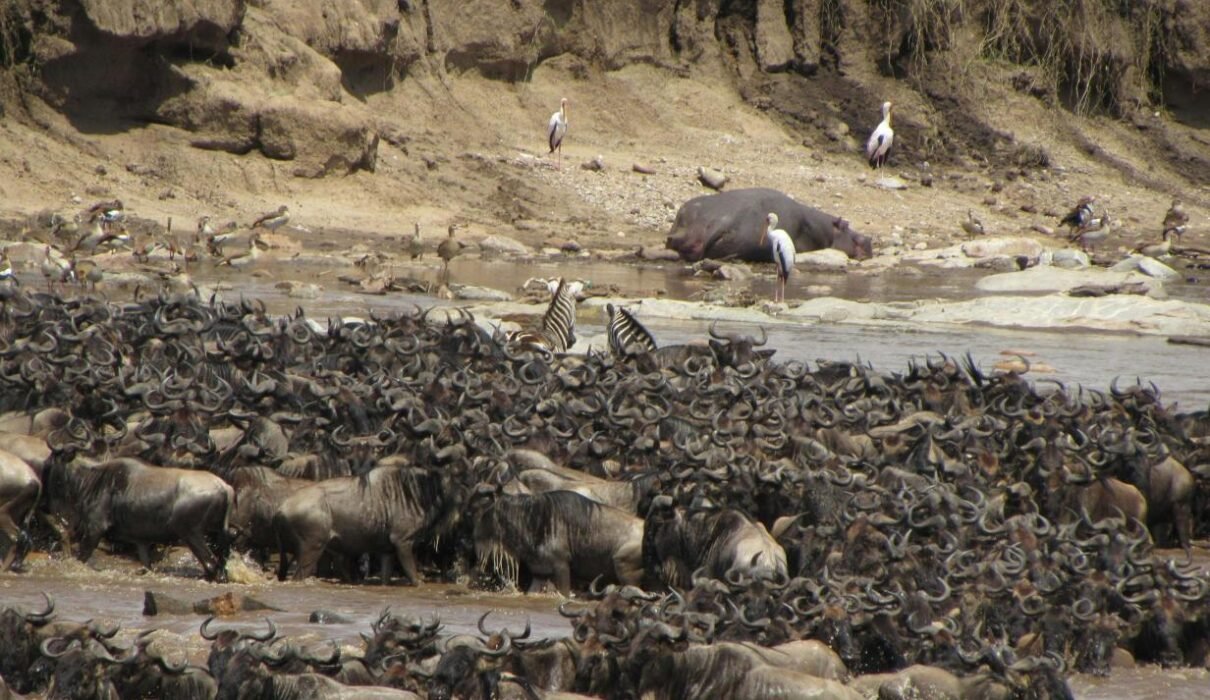
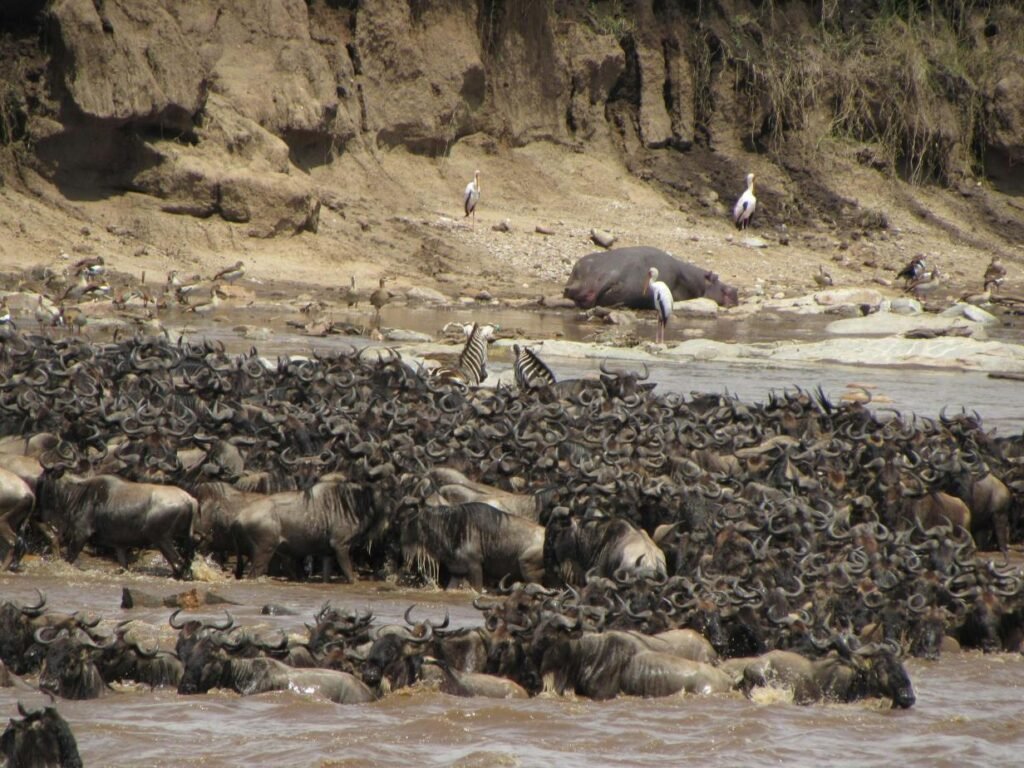
As hundreds of thousands of wildebeest, zebras, and gazelles move westward across the Serengeti, they must cross the Grumeti River. Waiting beneath the surface are massive Nile crocodiles that have remained in the river for months, anticipating the migration.
These dramatic crossings are among Africa’s most thrilling wildlife events.
During this period, visitors may witness:
- Massive wildebeest herds
- River crossings
- Crocodile attacks
- Lions following migrating animals
- Hyenas and vultures feeding on the aftermath
Because wildlife activity is at its peak, this is also one of the busiest and most popular times to visit.
August to October: Predator Season
Once many of the migrating herds continue north toward Kenya, Grumeti remains an excellent destination for predator sightings.
Resident wildlife stays in the area throughout the year, providing food for:
- Lions
- Leopards
- Cheetahs
- Spotted hyenas
- African wild dogs (occasionally)
Vegetation becomes thinner during the dry season, making wildlife easier to spot around rivers and permanent water sources.
This is an excellent time for photographers because the clear skies provide beautiful lighting throughout the day.
November to March: Green Season
The arrival of seasonal rains transforms Grumeti into a lush green paradise.
Although migration herds move toward the southern Serengeti during much of this period, the reserve remains full of resident wildlife.
Highlights include:
- Elephant herds
- Buffalo
- Giraffes
- Hippos
- Large bird populations
- Beautiful landscapes
- Excellent photography
Birdwatchers especially enjoy this season, as migratory birds arrive from Europe and Asia, adding vibrant colors and diverse species to the landscape.
Accommodation rates may also be lower during this period, making it a great choice for travelers seeking better value.
April and May: Low Season
These are the rainiest months in the Serengeti ecosystem.
While heavy showers can make some roads muddy, wildlife viewing is still rewarding, and the scenery is exceptionally beautiful.
The main advantages include:
- Fewer visitors
- Lower accommodation prices
- Quiet game drives
- Lush landscapes
If you don’t mind occasional rain, this can be an excellent time to experience Grumeti in a more peaceful setting.
Wildlife Highlights
Grumeti is home to an incredible variety of wildlife throughout the year.
The Great Migration
The annual migration is undoubtedly Grumeti’s most famous attraction.
Each year, more than two million animals—including wildebeest, zebras, and gazelles—travel in search of fresh grazing. Their journey takes them through Grumeti between May and July, depending on rainfall patterns.
Watching thousands of animals gather at the river before making the dangerous crossing is an unforgettable experience.
Lions
Grumeti supports a healthy population of lions.
Visitors frequently encounter prides resting beneath acacia trees, stalking prey across the plains, or interacting with playful cubs.
Morning and late afternoon game drives offer the best chances for lion sightings.
Leopards
The riverine forests provide ideal habitat for leopards.
Although naturally elusive, these magnificent cats are regularly seen resting in large trees or quietly moving through the dense vegetation.
Patience often rewards safari-goers with remarkable leopard sightings.
Elephants
Large elephant families are common throughout Grumeti.
Watching these gentle giants move through woodlands, cross rivers, or gather around waterholes is one of the highlights of visiting the region.
Young calves are frequently seen learning from older members of the herd.
Nile Crocodiles
Grumeti River is famous for its enormous Nile crocodiles.
Some individuals have lived in the river for decades and grow to impressive sizes thanks to the annual migration.
Seeing one basking on the riverbank—or watching it launch into the water during a crossing—is a powerful reminder of nature’s raw beauty.
Hippos
The Grumeti River is also home to large pods of hippos.
Throughout the day, they rest in the water before emerging at dusk to graze on nearby grasslands.
Their grunts and splashes are a familiar soundtrack to evenings in many safari camps.
Birdlife
More than 500 bird species have been recorded in the Serengeti ecosystem, making Grumeti a paradise for bird enthusiasts.
You may spot:
- African fish eagles
- Secretary birds
- Lilac-breasted rollers
- Kingfishers
- Hornbills
- Bee-eaters
- Vultures
- Owls
Even visitors who aren’t dedicated birdwatchers often find themselves captivated by the diversity and color of Tanzania’s birdlife.
Safari Activities in Grumeti
A Grumeti safari offers more than traditional game drives.
Depending on your lodge or camp, you may enjoy:
Morning Game Drives
Early morning is one of the best times to see predators returning from the night’s hunt while herbivores begin grazing.
The cool temperatures also make wildlife more active.
Afternoon and Evening Game Drives
Late afternoon provides beautiful golden light for photography.
As temperatures cool, animals become increasingly active, creating excellent viewing opportunities before sunset.
Walking Safaris
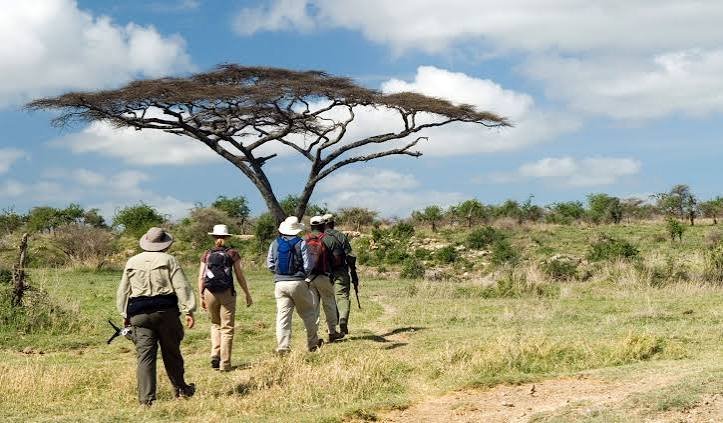
Some private concession areas offer guided walking safaris.
Night Drives
Unlike most national parks, certain private reserves around Grumeti allow night game drives.
Where to Stay
Grumeti is known for its exceptional safari accommodations.
Visitors can choose from:
- Luxury tented camps
- Exclusive safari lodges
- Boutique camps overlooking rivers
- Family-friendly safari camps
Many properties offer spacious suites, gourmet dining, swimming pools, spa treatments, and spectacular wildlife viewing directly from private decks.
Travel Advice for a Grumeti Safari
Planning ahead will help you enjoy a smooth and memorable safari.
Pack Neutral-Colored Clothing
Choose lightweight clothing in beige, olive, khaki, or brown. Bright colors can attract insects or disturb wildlife.
Bring Layers
Early mornings can be surprisingly cool, while afternoons are warm. A light jacket or fleece is useful for morning game drives.
Don’t Forget Binoculars
Even excellent guides sometimes spot animals at impressive distances. A good pair of binoculars greatly enhances wildlife viewing.
Carry Sun Protection
The African sun is strong year-round. Pack sunscreen, sunglasses, and a wide-brimmed hat.
Bring a Camera
Whether you’re using a smartphone or a professional camera, Grumeti offers endless photography opportunities—from dramatic wildlife encounters to breathtaking sunsets.
Listen to Your Guide
Safari guides are highly trained professionals. Following their instructions ensures your safety and helps protect the wildlife.
Book Early
Best Times, Wildlife Highlights, and Travel Advice for Grumeti Safari2026,2027&2028:Combining Grumeti with Other Destinations
Many travelers include Grumeti as part of a longer northern Tanzania safari.
Popular combinations include:
- Serengeti National Park
- Ngorongoro Crater
- Tarangire National Park
- Lake Manyara National Park
- Zanzibar for a relaxing beach holiday after your safari
Final Thoughts
A Grumeti safari offers the perfect balance of adventure, exclusivity, and natural beauty. Whether you’re witnessing the drama of the Great Migration, photographing lions in the golden light of sunrise, or simply enjoying the peaceful rhythm of the African wilderness, every moment feels special.
With outstanding wildlife, luxurious accommodations, knowledgeable guides, and fewer crowds than many other safari destinations, Grumeti is one of Tanzania’s hidden gems. No matter when you visit, you’ll discover a landscape full of unforgettable encounters and experiences that capture the true spirit of the Serengeti.