
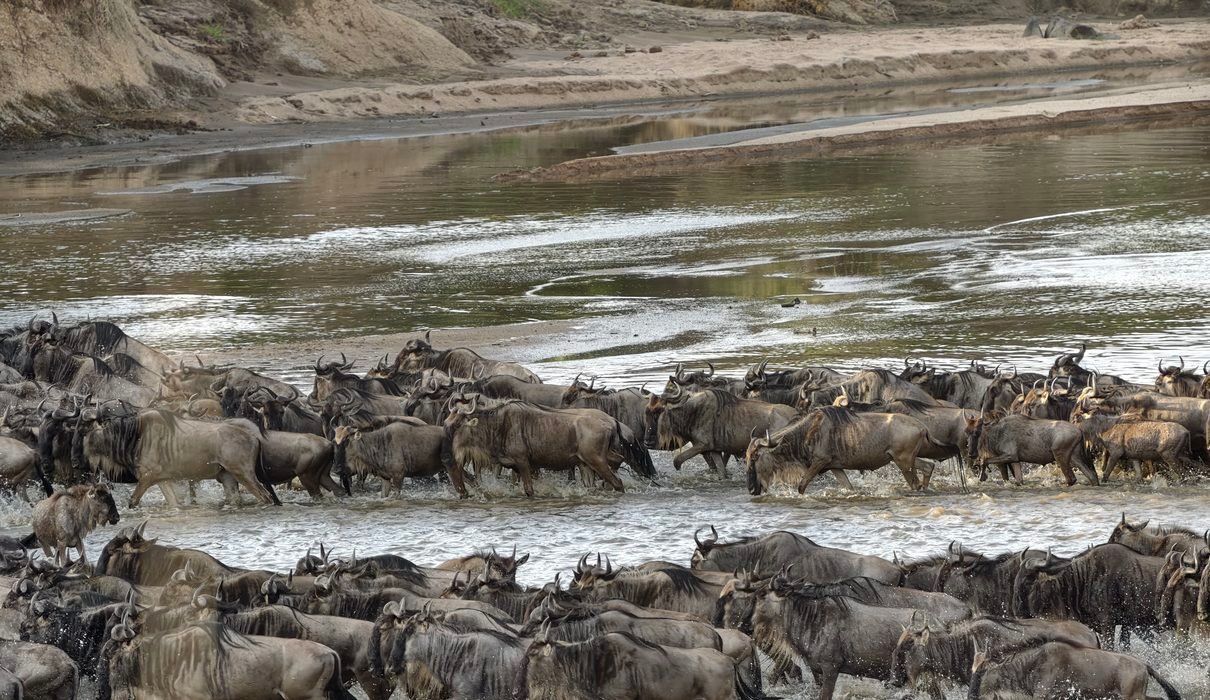
The Western Serengeti is one of the most interesting places to explore on a Tanzania wildlife safari, especially for travelers who want to experience the Great Wildebeest Migration away from some of the busier safari areas. Known for its beautiful river landscapes, open grasslands, woodlands, and rich wildlife, this part of Serengeti National Park offers a different experience from the central and northern regions. The famous Grumeti River runs through the Western Corridor, attracting hippos, crocodiles, birds, and many other animals throughout the year.
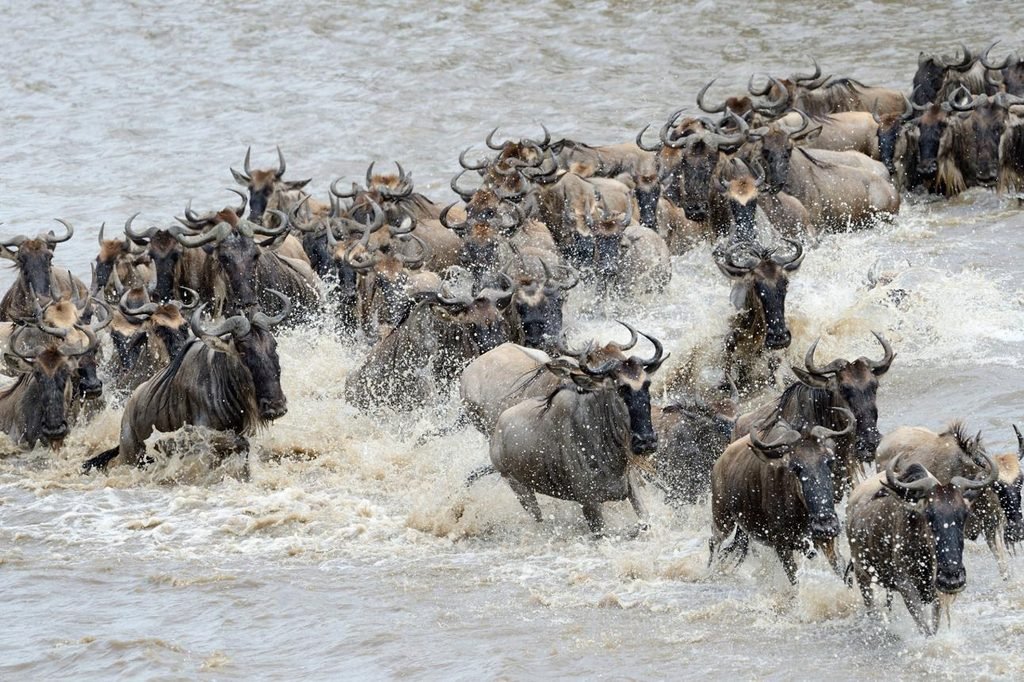
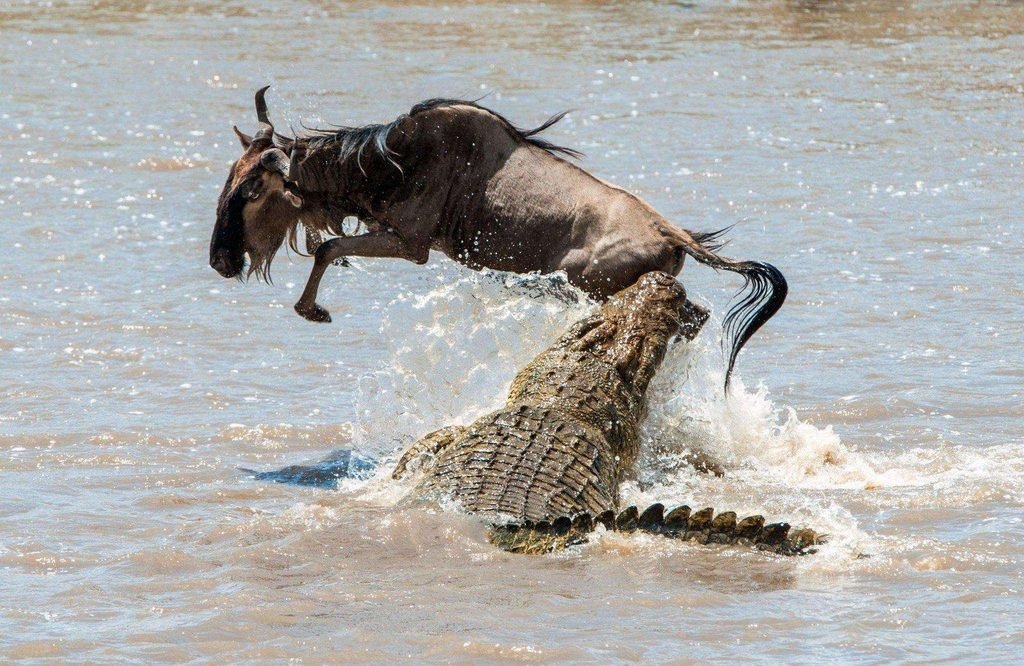
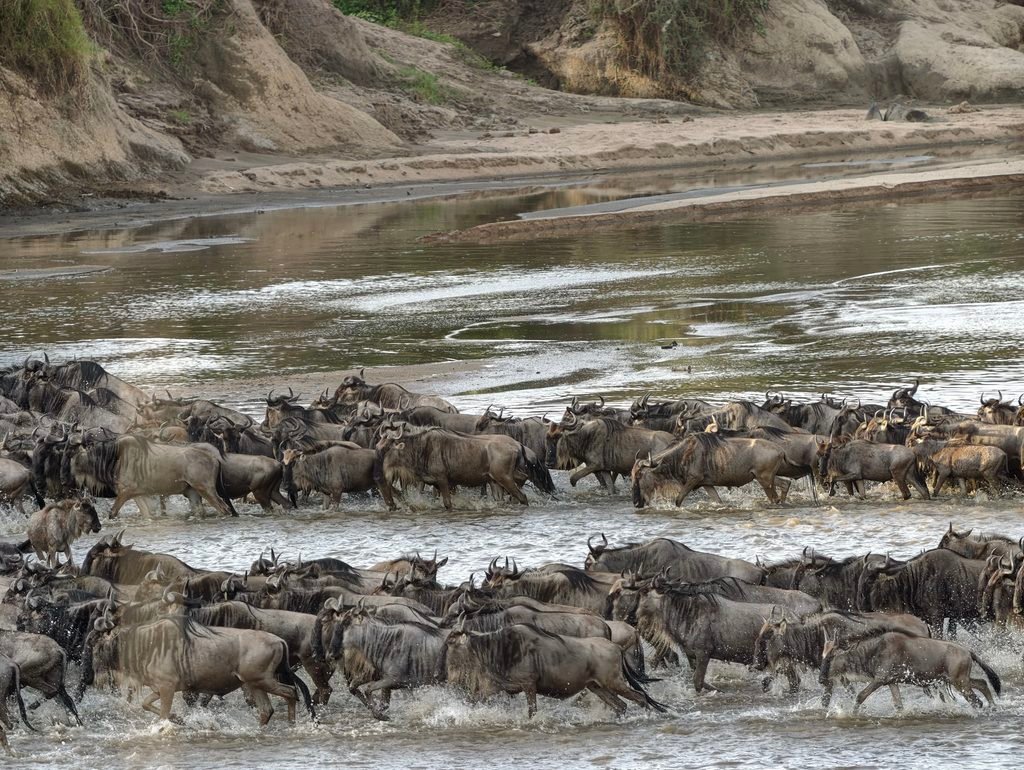
Between May and July, the Western Serengeti becomes particularly important as large herds of wildebeest and zebras move through the area during their annual migration. Depending on rainfall and the movement of the herds, some animals gather near the Grumeti River before attempting to cross. These crossings can be dramatic, especially where Nile crocodiles are present, but they are unpredictable and cannot be guaranteed on a particular day.
For travelers planning a Tanzania safari in 2027 or 2028, the Western Serengeti offers an opportunity to combine seasonal migration viewing with excellent year-round wildlife experiences. Visitors can explore the Kirawira area, follow game-drive routes through the Western Corridor, and discover the riverine habitats surrounding the Grumeti and Mbalageti rivers. The region is also attractive to photographers who enjoy quieter landscapes and opportunities to observe wildlife without the same concentration of vehicles found in some other parts of the park.
At Eddy Tours & Safaris, we help travelers plan Tanzania wildlife safaris based on their travel dates, interests, and preferred accommodation. This guide explains what makes the Western Serengeti special, when to visit the Grumeti River, which animals you may see, and how to organize a safari adventure in 2027 or 2028.
Western Serengeti Safari Overview
| Safari information | Details |
|---|---|
| Destination | Western Serengeti, Tanzania |
| Main attraction | Grumeti River and Great Wildebeest Migration |
| Best-known safari areas | Western Corridor, Kirawira, Grumeti River and Mbalageti River |
| Typical migration period | May to July |
| Common river-crossing period | Late May to early July, depending on rainfall |
| Wildlife | Wildebeest, zebra, lions, leopards, elephants, buffalo, giraffes, hippos and crocodiles |
| Recommended stay | 2–4 nights, with longer stays for migration-focused trips |
| Safari activities | Daytime game drives, wildlife photography and birdwatching |
| Accommodation | Tented camps, safari lodges and luxury properties |
| Starting locations | Arusha, Moshi or another agreed safari departure point |
| Suitable travel years | 2027 and 2028 |
| Safari arrangements | Private or customized safari, subject to availability |
1. Where Is the Western Serengeti Located?
The Western Serengeti, often called the Western Corridor, is the western section of Serengeti National Park extending toward Lake Victoria. Unlike the broad open plains of the southern Serengeti, this region includes a mixture of grasslands, wooded areas, river valleys, and riverine forests. Two important waterways, the Grumeti River and the Mbalageti River, help shape the landscape and provide important habitats for wildlife.
The Kirawira area is one of the best-known sections of the Western Corridor. It is associated with the seasonal movement of wildebeest and the wildlife found around the Grumeti River. During a safari, visitors may travel through open plains where large grazing animals feed before entering wooded areas where elephants, giraffes, and other resident wildlife can be encountered.
The Western Corridor is part of the wider Serengeti ecosystem, but it should not be confused with every property or protected area using the name Grumeti. Some private reserves and concessions lie outside the national park and operate under different access and activity rules. When planning your safari, it is important to confirm exactly where your accommodation is located and which game-drive areas are included in the package.
For travelers interested in exploring several regions, the Western Serengeti can be combined with the central Serengeti, Ngorongoro Crater, and other destinations in northern Tanzania. You can contact Eddy Tours & Safaris to discuss a route that suits your travel dates.
2. The Grumeti River: One of the Western Serengeti’s Main Attractions
The Grumeti River is one of the most recognizable natural features of the Western Serengeti. It flows through a landscape of grassland and woodland, creating an important source of water and habitat for many animals. Hippos are commonly associated with deeper river pools, while Nile crocodiles inhabit sections of the river and its banks. Birds, grazing animals, and predators also use the surrounding river environment.
During the Great Wildebeest Migration, the river becomes particularly important as migrating herds move westward and northward through the Serengeti ecosystem. Wildebeest may gather near the riverbanks, sometimes remaining in the surrounding area before attempting to cross. The presence of crocodiles adds danger to these movements, making the Grumeti River an important location for observing natural wildlife behavior.
However, the Grumeti River is not simply a place where crossings happen every day. Water levels, rainfall, grazing conditions, and the location of the herds influence when and where animals move. Some crossings involve smaller groups, while others may occur in different sections of the river that are not accessible from a particular game-drive route.
Even when no migration crossing is taking place, the river remains an interesting place to visit. The surrounding habitats support resident wildlife, and game drives can offer opportunities to observe animals drinking, resting, feeding, and moving through the landscape.
3. The Great Wildebeest Migration in Western Serengeti
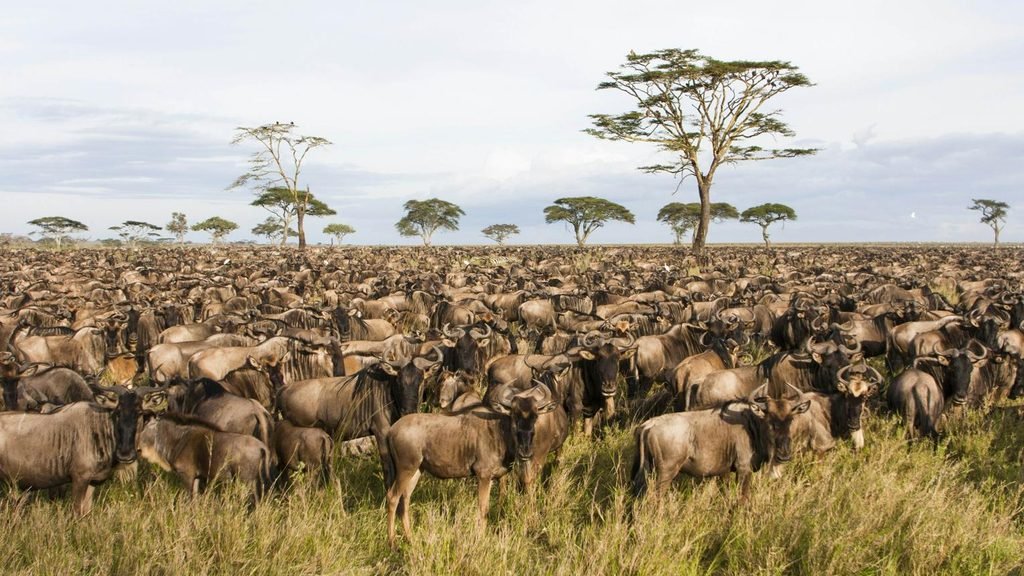
The Great Wildebeest Migration is one of the main reasons travelers visit Serengeti National Park. Each year, large numbers of wildebeest, accompanied by zebras and other grazing animals, move through the Serengeti–Mara ecosystem in search of suitable grass and water. Their movement follows seasonal rainfall and grazing conditions rather than a fixed calendar, which means the location of the herds changes from year to year.
During the early part of the year, many wildebeest are found in the southern Serengeti and Ndutu area, where the calving season usually takes place. As the seasons change, the herds begin moving through central Serengeti and toward the Western Corridor. By May and June, substantial numbers may be present in the western region, where they continue feeding, moving, and sometimes gathering near the Grumeti River.
June is commonly associated with migration activity in the Western Corridor, including possible Grumeti River crossings. Some herds may remain in the area into July, while others begin moving toward the northern Serengeti and the Mara River. Because the migration is a natural event, the timing can shift, and different groups of animals may follow different routes.
For travelers whose main goal is to see the migration, spending several nights in the Western Serengeti is generally more practical than planning a single short visit. A longer stay allows more opportunities for game drives and gives your guide flexibility to respond to recent wildlife information.
4. Best Time to Visit Western Serengeti in 2027 and 2028
The best time to visit the Western Serengeti depends on whether your main interest is the Great Migration, general wildlife viewing, birdwatching, or a quieter safari experience. Although the region can be visited throughout the year, the period between May and July is especially popular because of the seasonal movement of wildebeest through the Western Corridor.
Western Serengeti Month-by-Month Safari Guide
| Month | General wildlife and safari conditions |
|---|---|
| January–February | Green landscapes, resident wildlife and birdwatching; main migration herds usually farther south |
| March–April | Rainy-season conditions, green vegetation and quieter tourism periods |
| May | Migration herds may begin entering the Western Corridor |
| June | Often one of the strongest months for migration activity near the Grumeti River |
| July | Some herds may remain, while others move toward northern Serengeti |
| August–October | Drier conditions and resident wildlife; main migration activity generally farther north |
| November–December | Seasonal rains, green landscapes and wildlife viewing opportunities |
May: Migration Herds Begin Moving West
May is an interesting time to visit because the Western Corridor may begin receiving large numbers of migrating wildebeest and zebras. The landscape is often green following seasonal rainfall, and the combination of fresh grass and changing water availability influences the movement of the animals. Travelers may encounter long lines of grazing herds moving across the plains, although the exact location of the migration depends on conditions during that particular year.
Rain can still affect road conditions in May, especially in areas with heavy soils. However, travelers who enjoy green scenery, wildlife photography, and quieter safari experiences may find this period attractive. It is important to select accommodation carefully and allow sufficient time for travel between safari areas.
June: A Popular Month for Grumeti River Migration Safaris
June is often considered one of the best months for travelers hoping to experience the wildebeest migration in the Western Serengeti. During a typical year, large herds may gather near the Grumeti River or move through the surrounding plains. Some groups attempt river crossings, while others continue feeding or move through different parts of the Western Corridor.
The beginning of the drier season can also improve general game-viewing conditions, although rainfall and road conditions vary. June is therefore a useful month to consider when planning a migration-focused safari, but visitors should understand that a river crossing is never guaranteed.
July: Migration Movement Toward Northern Serengeti
During July, some migrating herds may still be found in the Western Corridor, while others continue toward the northern Serengeti. The exact pattern depends on rainfall, grazing conditions, and how quickly the animals have moved during the previous weeks.
Travelers visiting in early July may still encounter migration activity in the west, but those visiting later in the month may need to consider northern Serengeti if following the largest moving herds is their main priority. A flexible itinerary can help travelers adjust their safari route according to current wildlife conditions.
5. Wildlife You Can See in Western Serengeti
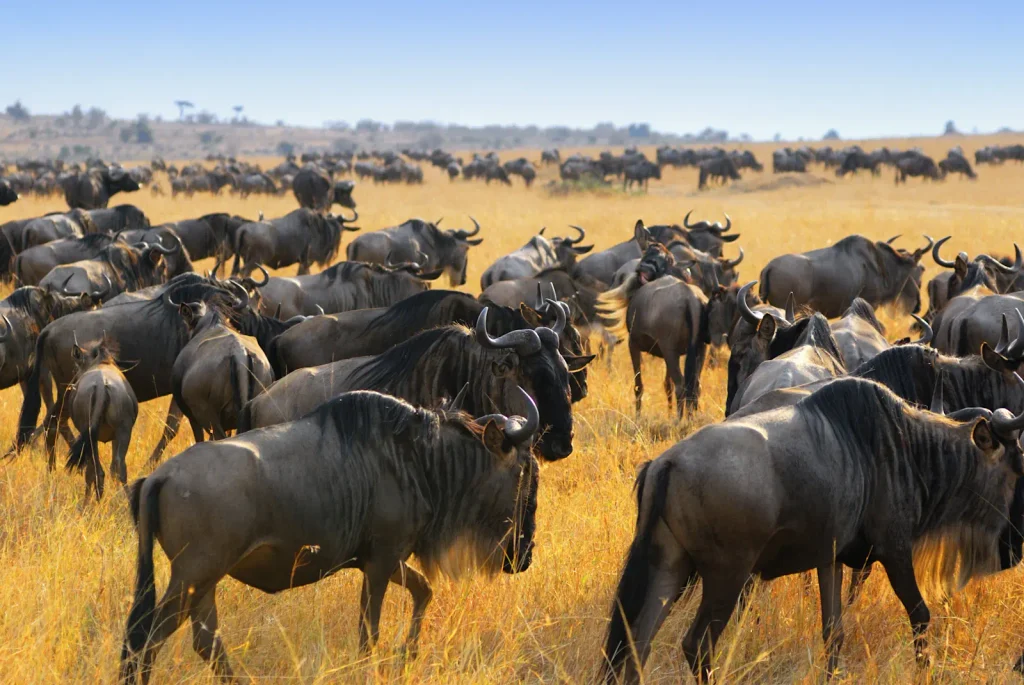
The Western Serengeti is not only about the wildebeest migration. Its rivers, woodlands, and open plains support a wide range of resident wildlife, making the region attractive even when the main migration herds are elsewhere. During a game drive, visitors may encounter elephants, buffalo, giraffes, antelopes, zebras, and other grazing animals moving through the different habitats.
Lions are among the major predators found in the Serengeti ecosystem, and they may be observed resting in shaded areas or moving through grassland in search of prey. Leopards are more difficult to spot because they are often solitary and use trees or dense vegetation for cover. Spotted hyenas and other carnivores also occur in the wider region, although individual sightings depend on the animals’ movements and the guide’s knowledge of the area.
The Grumeti River is particularly interesting for visitors who want to see hippos and crocodiles. Hippos may gather in deeper pools, while crocodiles can sometimes be observed resting near the water. Birdwatchers can also enjoy the variety of species associated with the riverine forests, wetlands, and open grasslands.
Common Wildlife Highlights
- Wildebeest and zebras: Particularly important during the seasonal migration.
- Lions and leopards: Predators found in the Serengeti ecosystem.
- Elephants and buffalo: Resident wildlife associated with grassland and woodland habitats.
- Giraffes and antelopes: Frequently associated with the wider savannah environment.
- Hippos and Nile crocodiles: Important animals of the Grumeti River.
- Birdlife: A variety of waterbirds, raptors, and woodland species.
Wildlife is free-ranging, so no particular animal sighting can be promised.
6. Grumeti River Crossings Versus Mara River Crossings
Travelers planning a migration safari often ask whether the Grumeti River or Mara River provides the better experience. Both are part of the annual movement of wildebeest through the Serengeti ecosystem, but they occur in different areas and are generally associated with different periods of the year.
The Grumeti River is located in the Western Serengeti and is commonly associated with migration activity from late May through June and sometimes into July. Crossings can be spread across different sections of the river, and some involve relatively small groups of animals. The area generally receives fewer safari vehicles than the most popular northern crossing locations, making it attractive to travelers who prefer quieter wildlife viewing.
The Mara River is farther north and is commonly associated with migration crossings between July and October, although the exact timing varies. These crossings are often the dramatic scenes featured in wildlife documentaries, with large herds gathering near steep riverbanks before entering the water. The northern region can also become busy during the peak migration season.
| Feature | Grumeti River | Mara River |
|---|---|---|
| Location | Western Serengeti | Northern Serengeti and Kenya’s Maasai Mara ecosystem |
| Common migration period | Late May–early July | July–October |
| Crossing pattern | Often smaller, spread across multiple locations | Can involve large, concentrated herds |
| Visitor levels | Generally quieter | Can be busy during peak season |
| Main attraction | Early migration movement and crocodile habitats | Famous northern migration crossings |
| Guaranteed crossings | No | No |
Neither river guarantees a crossing on a specific date. The best choice depends on your travel month and the experience you want.
7. Best Safari Activities in Western Serengeti
Game Drives Through the Western Corridor
Daytime game drives are the main activity for visitors exploring the Western Serengeti. A professional safari guide takes travelers along permitted routes through grassland, woodland, and river environments, looking for wildlife and explaining the behavior of different animals. Early morning and late afternoon drives can be particularly rewarding because many animals are more active during cooler periods.
A full-day game drive allows more time to explore different sections of the Western Corridor, especially when looking for migrating herds. Your guide may adjust the route based on recent wildlife reports, road conditions, and the location of your accommodation. Remaining patient is important because wildlife viewing often involves waiting and observing rather than moving quickly between locations.
Wildlife Photography
Western Serengeti is an excellent destination for travelers interested in wildlife photography. Its open landscapes, river scenery, and changing light provide opportunities to photograph grazing animals, predators, birds, and natural habitats. During migration season, photographers may encounter large wildebeest herds moving across the plains or gathering near the Grumeti River.
A camera with a telephoto lens is useful for photographing animals from a safe distance. Travelers should also carry spare batteries, memory cards, and protection against dust. Ethical photography is important, and visitors should never pressure guides to approach animals too closely or disturb their natural behavior.
Birdwatching Along the River
The riverine forests and surrounding habitats support a variety of bird species, making the Western Serengeti interesting for birdwatchers. Depending on the season and location, visitors may observe waterbirds near river pools, raptors above the plains, and woodland birds among the trees.
Birdwatching can be particularly rewarding during the greener months, when vegetation is fresh and seasonal conditions attract different species. A pair of binoculars and a bird identification guide can help travelers appreciate the variety of wildlife beyond the larger mammals.
8. Where to Stay in Western Serengeti
Accommodation in and around the Western Serengeti ranges from tented safari camps to high-end lodges and luxury properties. The most suitable option depends on your budget, preferred comfort level, travel dates, and the wildlife areas you want to explore. Some properties are located inside Serengeti National Park, while others are in adjoining protected areas or private concessions.
Tented camps provide an opportunity to stay close to the natural environment while enjoying organized safari accommodation. Depending on the property, facilities may include private bathrooms, dining areas, comfortable beds, and views of the surrounding landscape. Luxury lodges may offer additional amenities, but travelers should confirm which activities and park access arrangements are included.
For migration-focused safaris, location is often more important than choosing the most expensive accommodation. Staying closer to the Western Corridor and Grumeti River can reduce travel time during game drives, although the actual location of the herds may change. Ask your safari operator to explain the advantages of each accommodation area before booking.
At Eddy Tours & Safaris, travelers can request accommodation suggestions based on their travel dates and preferred safari budget. Exact room availability and prices for 2027 and 2028 must be confirmed before booking.
9. Suggested 5-Day Western Serengeti and Grumeti River Safari
A five-day itinerary can provide a useful introduction to the Western Serengeti, particularly when combined with the wildlife-rich central Serengeti. The following is an example of how travelers might organize their safari, with actual travel times and accommodation depending on the selected route.
Day 1: Arusha to Central Serengeti
Your safari begins in Arusha, where you meet your professional driver-guide before traveling toward Serengeti National Park. The journey passes through northern Tanzania’s highland landscapes and continues toward the central Serengeti. Depending on the confirmed itinerary, you may travel by road or arrange a domestic flight to reduce travel time. After arriving in the park, you begin your first game drive and have an opportunity to see the open plains and resident wildlife of the Seronera area.
Central Serengeti is known for its diverse wildlife habitats and year-round animal populations. During the afternoon, your guide explores suitable game-drive routes while looking for lions, elephants, giraffes, buffalo, antelopes, and other animals. You then continue to your selected safari accommodation for dinner and overnight.
Day 2: Central Serengeti to Western Corridor
After breakfast, you leave the central Serengeti and travel west toward the Western Corridor. The scenery gradually changes as open grasslands give way to woodland and riverine habitats. Along the way, your guide looks for resident wildlife and explains how the landscape influences animal movement throughout the year.
As you approach the Kirawira and Grumeti areas, the safari begins focusing more closely on the river environment and the seasonal migration. If you are traveling during May or June, there may be opportunities to observe wildebeest herds moving through the region. After a game drive, you continue to your accommodation in the Western Serengeti.
Day 3: Full-Day Grumeti River Wildlife Safari
Today is dedicated to exploring the Western Corridor and the wildlife habitats surrounding the Grumeti River. After an early breakfast, you depart for a game drive through areas known for grazing animals, predators, and river wildlife. Your guide may spend time near suitable river-viewing locations where hippos, crocodiles, and other animals can sometimes be observed.
During the migration season, the day’s activities may focus on locating wildebeest herds and observing their movement. If animals gather near the river, your guide will choose a permitted viewing location while maintaining a safe distance. Because crossings are unpredictable, the day’s main goal is to enjoy the wider wildlife experience rather than expecting a crossing at a particular time. You return to camp later in the day for dinner and overnight.
Day 4: Western Serengeti to Central Serengeti
After breakfast, you enjoy another game drive in the Western Corridor before traveling back toward the central Serengeti. This gives you additional time to look for wildlife in the western region, which can be valuable if the previous day’s sightings were limited by weather or animal movements.
The journey back toward Seronera provides opportunities to explore different habitats and search for resident predators and grazing animals. Depending on the season, your guide may also encounter migrating herds moving between the western and central regions. You spend the evening at your selected accommodation in central Serengeti.
Day 5: Serengeti Safari and Return to Arusha
Your final day begins with breakfast and a morning game drive, depending on your departure arrangements. This is another opportunity to enjoy the Serengeti landscape and observe wildlife before leaving the park. After the game drive, you continue toward Arusha by road or take a scheduled domestic flight according to the confirmed itinerary.
A road transfer from the Serengeti to Arusha is long, so travelers should avoid scheduling a tight international flight connection on the same day. For those with additional time, the itinerary can be extended to include Ngorongoro Crater, Tarangire National Park, or a longer stay in the Western Serengeti.
10. How Much Does a Western Serengeti Safari Cost in 2027 and 2028?
The cost of a Western Serengeti safari depends on several factors, including the number of travel days, accommodation category, group size, season, transport arrangements, and the parks included in the itinerary. A private safari with a dedicated vehicle and guide may cost more per person for a small group, while travelers sharing certain costs can sometimes reduce the overall price.
Accommodation is another important factor. Budget-friendly tented camps, mid-range safari lodges, and luxury properties offer different levels of comfort and pricing. During the popular migration months, some properties may have higher rates or limited availability. Fly-in arrangements can also increase the total cost compared with road-based itineraries, although they may save considerable travel time.
For 2027 and 2028, it is important to request a current written quotation rather than relying on older online price estimates. Park fees, accommodation rates, fuel costs, and other operating expenses may change before your travel date. A detailed quotation should explain what is included and excluded so you can compare packages accurately.
11. What to Pack for a Western Serengeti Safari
Packing for a Western Serengeti safari is relatively straightforward, but travelers should consider the season and the activities planned. Comfortable, lightweight clothing in neutral colors is useful for daytime game drives, while a warm jacket or fleece can be helpful during cooler mornings and evenings. A hat, sunglasses, sunscreen, and comfortable walking shoes are also practical items to bring.
Binoculars are particularly useful because some animals may be observed at a distance, especially around rivers or open plains. A camera with suitable lenses can help capture wildlife photographs without approaching animals too closely. Travelers should also carry personal medication, insect repellent, and a reusable water bottle where appropriate.
During the rainy season, a lightweight waterproof jacket and protection for electronic equipment can be useful. Soft-sided luggage may be required for certain domestic flights, so travelers should check baggage restrictions before departure.
12. Western Serengeti Safari Travel Tips
Planning a safari in the Western Serengeti requires some flexibility because wildlife movements and road conditions can change. Travelers interested in the migration should consider spending several nights in the region rather than making a brief visit. This gives the guide more opportunities to explore different areas and reduces the pressure to find a particular wildlife event within a limited period.
It is also important to choose accommodation based on the season and the intended game-drive area. A lodge that works well for general wildlife viewing may not be the most convenient location for a migration-focused safari. Your operator should explain the expected travel distances and the advantages of different accommodation options before confirming the itinerary.
Finally, visitors should respect park rules and wildlife safety guidelines. Animals should never be approached on foot without an authorized activity arrangement, and game-drive vehicles should remain on permitted routes. Feeding wildlife, disturbing animals, or attempting to force a river crossing is unacceptable. Responsible tourism helps protect the animals and the natural environment that make the Serengeti such an important destination.
Frequently Asked Questions About Western Serengeti and the Grumeti River
1. Where is the Western Serengeti located?
The Western Serengeti is the western section of Serengeti National Park, extending toward Lake Victoria and including the Grumeti River and Western Corridor.
2. What is the Western Corridor famous for?
It is known for the seasonal wildebeest migration, the Grumeti River, and its diverse resident wildlife.
3. What is the best month to visit Western Serengeti?
June is commonly one of the strongest months for migration activity, although May and July can also be rewarding.
4. When do wildebeest cross the Grumeti River?
Crossings may occur from late May through June and into early July, depending on rainfall and herd movement.
5. Are Grumeti River crossings guaranteed?
No. River crossings are natural events and cannot be guaranteed on a particular day.
6. Is the Grumeti River dangerous for wildebeest?
Yes. Nile crocodiles and other natural hazards can make crossings dangerous.
7. Can I see crocodiles in the Grumeti River?
Crocodiles inhabit the river, although sightings depend on conditions and the locations visited.
8. Are there hippos in Western Serengeti?
Yes. Hippos can be found in suitable river pools and other water habitats.
9. Can I see lions in Western Serengeti?
Yes. Lions occur in the region, although sightings are not guaranteed.
10. Are leopards found in Western Serengeti?
Yes. Leopards inhabit suitable areas, particularly where trees and vegetation provide cover.
11. Is Western Serengeti good for photography?
Yes. The region offers river landscapes, open plains, wildlife, and seasonal migration activity.
12. Is Western Serengeti less crowded than Northern Serengeti?
It is generally quieter than the busiest northern migration-crossing areas, although visitor levels vary by season.
13. Can I visit Western Serengeti throughout the year?
Yes. Resident wildlife can be viewed throughout the year, although migration activity is seasonal.
14. How many days should I spend in Western Serengeti?
Two to four nights can be useful, with longer stays recommended for travelers focusing on migration activity.
15. Can I combine Western Serengeti with Central Serengeti?
Yes. Combining the two regions provides opportunities to explore different habitats and wildlife areas.
16. Can I combine Western Serengeti with Ngorongoro Crater?
Yes. Ngorongoro Crater can be included in a longer northern Tanzania safari itinerary.
17. Can I visit the Grumeti River on a private safari?
Yes, subject to park access rules and the itinerary arranged with your safari operator.
18. Is the Grumeti River inside Serengeti National Park?
Sections of the river pass through the Western Corridor of Serengeti National Park.
19. Is Grumeti the same as the Mara River?
No. They are different rivers in different parts of the Serengeti–Mara ecosystem.
20. Which river is better for migration crossings?
The Grumeti is associated with earlier migration activity, while the Mara is famous for later northern crossings. Neither guarantees sightings.
21. Can I visit Western Serengeti in May?
Yes. May can be a good month for green scenery and the arrival of migration herds, depending on rainfall.
22. Is July suitable for a Western Serengeti safari?
Yes, although some herds may already be moving toward northern Serengeti.
23. Are there luxury lodges in Western Serengeti?
Yes. Luxury accommodation is available in the wider western region, subject to location and availability.
24. Can I book a Western Serengeti safari for 2027?
Yes. You can request a customized itinerary and quotation for 2027, subject to confirmation.
25. Can I book a Grumeti River safari for 2028?
Yes. Eddy Tours & Safaris can discuss suitable 2028 travel dates and accommodation options before providing a quotation.
Plan Your Western Serengeti and Grumeti River Safari with Eddy Tours & Safaris
The Western Serengeti offers an excellent opportunity to explore one of Tanzania’s most interesting wildlife regions. From the riverine habitats of the Grumeti River to the open grasslands of the Western Corridor, visitors can enjoy a varied safari experience that combines resident wildlife, beautiful landscapes, and the possibility of observing the Great Wildebeest Migration during its seasonal movement.
For travelers visiting between May and July, the Western Corridor is particularly attractive because large herds of wildebeest and zebras may move through the region. June is often a strong month to consider, although rainfall and natural migration patterns influence the timing of river crossings. Travelers should approach the experience with realistic expectations and allow sufficient time for wildlife viewing rather than expecting a crossing on a fixed date.
At Eddy Tours & Safaris, we help travelers plan Western Serengeti safaris for 2027 and 2028, including customized itineraries, accommodation arrangements, private game drives, and combinations with other northern Tanzania destinations. Our team can discuss your travel dates, preferred safari style, and budget before preparing a detailed quotation.
Request Your Western Serengeti Safari Quotation
Chat with Eddy Tours & Safaris on WhatsApp
Email: sales@eddytours-safaris.com
Contact Eddy Tours & Safaris to plan your Western Serengeti wildlife adventure and discover the Grumeti River, the Great Migration, and the remarkable landscapes of northern Tanzania.