
On a Tanzania safari, you may see elephants, lions, giraffes, zebras, buffalo, wildebeest, hippos, and a wide variety of antelope and birds. Leopards, cheetahs, black rhinos, and African wild dogs are also possible, depending on where you travel and how much time you spend exploring.
The important distinction is between animals that live in a destination and animals you will actually encounter. Wildlife moves freely, vegetation affects visibility, and every game drive brings different opportunities.
A northern Tanzania itinerary combining Serengeti, Ngorongoro Crater, and Tarangire offers a broad introduction to the country’s wildlife. Other destinations provide more specialised experiences, such as chimpanzee trekking in western Tanzania or searching for African wild dogs in Nyerere National Park.
This guide from Eddy Tours & Safaris explains the animals you can see on safari in Tanzania, where to look for them, and how to set realistic expectations before booking.
Tanzania Safari Animals at a Glance
| Animal | Destinations to consider | What to expect |
|---|---|---|
| Elephant | Tarangire, Serengeti, Ruaha, Nyerere | Family groups, feeding, and movement near water |
| Lion | Serengeti, Ngorongoro, Ruaha, Nyerere | Resting prides or active animals, depending on timing |
| Leopard | Serengeti, Tarangire, Ruaha, Nyerere | Elusive sightings in suitable habitat |
| Black rhinoceros | Ngorongoro Crater and selected Serengeti areas | Uncertain sightings, sometimes at a distance |
| Buffalo | Ngorongoro, Serengeti, Tarangire, other parks | Herds or smaller groups |
| Giraffe | Serengeti, Tarangire, Lake Manyara, Arusha National Park | Browsing and walking through woodland |
| Zebra and wildebeest | Serengeti, Ngorongoro, Tarangire | Grazing groups and seasonal concentrations |
| Cheetah | Serengeti | Searches in suitable open habitat |
| African wild dog | Nyerere and selected other areas | A specialist interest with unpredictable sightings |
| Chimpanzee | Gombe and Mahale | Guided forest trekking on a separate itinerary |
This is a planning guide rather than a guaranteed sighting list. Your route should reflect the animals and experiences that matter most to you.
The Big Five: What Are They?
Africa’s Big Five are:
- Lion.
- Leopard.
- Elephant.
- Buffalo.
- Rhinoceros.
The name comes from historical hunting terminology. It does not mean these are Africa’s five largest animals.
Today, the term is widely used in safari travel, but it can create unrealistic expectations. Seeing all five requires suitable destinations, enough time, and some luck.
Ngorongoro Conservation Area supports the Big Five, including black rhinos. However, seeing every species during one crater visit is not assured.
1. Lions
Lions are among the most sought-after animals on safari in Tanzania.
Serengeti offers opportunities to search for them across different habitats. Ngorongoro Crater, Ruaha, and Nyerere are also destinations to consider.
You may encounter a pride resting, cubs interacting, or adults moving through the landscape. Many sightings involve little movement: lions can spend long periods resting.
A hunt is possible, but it should never be promised as part of an itinerary. Watching a pride quietly can reveal social behaviour that a brief photograph misses.
Lake Manyara is known for lions that sometimes rest in trees. That behaviour is unpredictable, and visitors do not see tree-climbing lions on every trip.
2. Leopards
Leopards are much harder to find.
Their camouflage, secretive behaviour, and use of dense cover mean an animal can be nearby without being visible. A leopard may rest in a tree, shelter in vegetation, or move briefly across an opening.
Serengeti, Tarangire, Ruaha, and Nyerere provide opportunities in suitable habitat.
Your guide may check branches, shaded areas, and locations where leopards have recently been observed. Even so, several days of searching can pass without a sighting.
If you encounter one, allow time to watch rather than immediately asking the driver to approach more closely.
3. Elephants
Elephants often provide some of the richest wildlife observations.
Tarangire is particularly associated with elephant families and baobab scenery. TANAPA highlights elephants browsing beneath baobabs as a characteristic park experience.
Watch how adults interact, how calves stay near family members, and how animals use their trunks while feeding or drinking.
Elephants can also be encountered in Serengeti, Nyerere, Ruaha, and other destinations.
The experience depends on where they are and what they are doing. A patient stop beside a feeding family can be more rewarding than driving quickly between several groups.
Give elephants space and never block their movement.
4. Buffalo
Buffalo may appear in large herds or smaller groups.
You can look for them in Ngorongoro, Serengeti, Tarangire, and several other parks. They may be grazing, resting, or moving toward water.
Their behaviour deserves attention. Notice how animals position themselves within a group or react to activity nearby.
Buffalo are powerful wild animals, so remain in the vehicle unless your guide confirms that leaving it is permitted at an authorised location.
5. Black Rhinos
Black rhinos are a major reason many travelers include Ngorongoro Crater in their itinerary.
They may be visible across open areas, but they can remain far from the road. Binoculars help you appreciate a distant sighting without disturbing the animal.
Selected parts of Serengeti also provide opportunities to search for rhinos.
Neither destination should be sold with a guaranteed rhino encounter. Location, visibility, and the time available all affect the outcome.
If rhinos are your priority, discuss that before booking so the itinerary provides appropriate viewing opportunities.
Beyond the Big Five
Some of Tanzania’s most engaging safari experiences involve animals outside the famous list.
A giraffe browsing, zebras interacting, or a hyena moving across the plains can hold your attention just as strongly as a large cat.
A broader approach helps you enjoy each game drive, including days when predators remain out of sight.
6. Giraffes
Giraffes are rewarding animals to watch and photograph.
Their movement through woodland, feeding behaviour, and distinctive silhouettes create opportunities for both close observations and landscape images.
Look for them in Serengeti, Tarangire, Lake Manyara, and Arusha National Park.
Do not expect giraffes on the Ngorongoro Crater floor. They occur elsewhere in the wider conservation area, which is different from the crater itself.
This distinction matters when comparing destination wildlife lists.
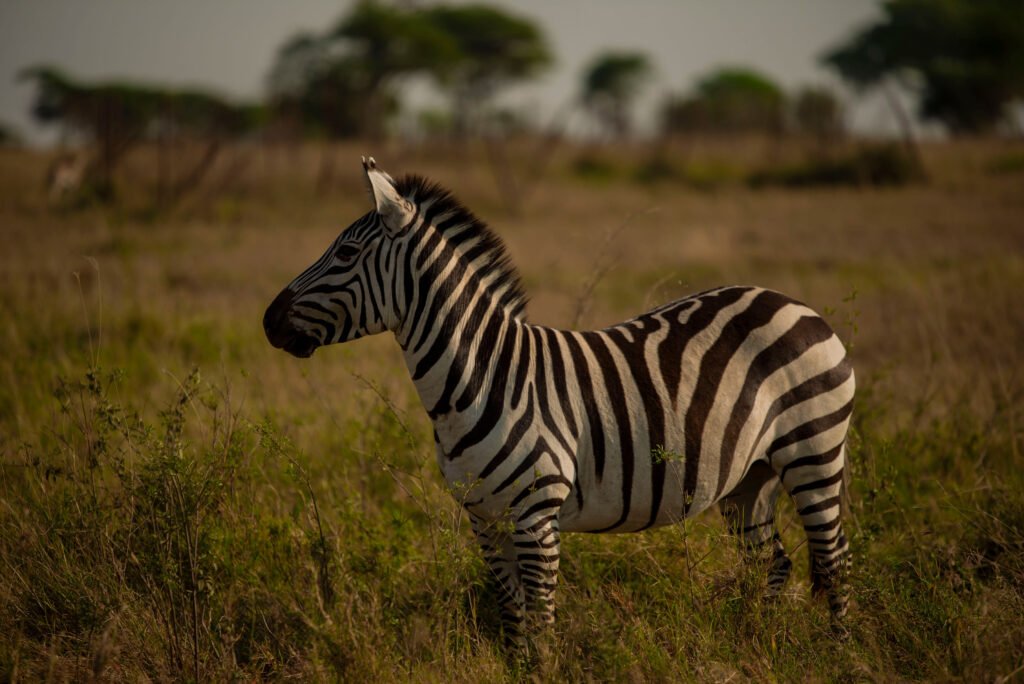
7. Zebras
Zebras are familiar safari animals, but their behaviour offers plenty to observe.
Watch them grazing together, interacting, or moving in lines across the landscape. Their markings create striking photographs, especially when several animals overlap.
In the Serengeti ecosystem, zebras are associated with the migration, while other groups can be encountered in different parks and seasons.
You do not need a river crossing to appreciate them. Quiet observations on open plains often provide excellent viewing.
8. Wildebeest
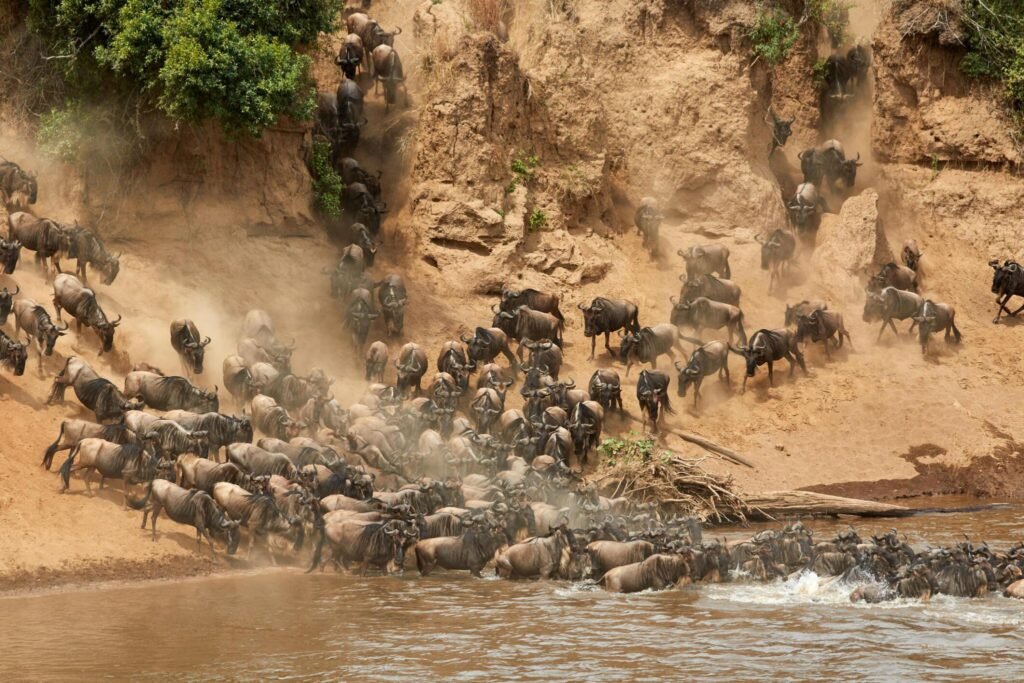
Wildebeest are central to the Great Migration.
Their movements create changing concentrations across the Serengeti ecosystem. Depending on the season, you may encounter grazing herds, long travelling columns, or young animals among adults.
Choose the safari area and camp location around your dates rather than assuming the herds will be near any Serengeti lodge.
River crossings are only one part of the migration. They cannot be scheduled, and animals may gather beside a river without crossing during your visit.
A migration-focused trip should allow time for uncertainty.
9. Cheetahs
Cheetahs are a particular attraction for travelers visiting Serengeti’s open landscapes.
You may see one scanning from a raised position, resting, or walking through the grass. Cubs can sometimes be encountered with an adult, but no specific behaviour is guaranteed.
Seeing a chase is unusual enough that it should not define your expectations.
Respectful distance is important. Avoid asking your guide to crowd an animal or interfere with its route.
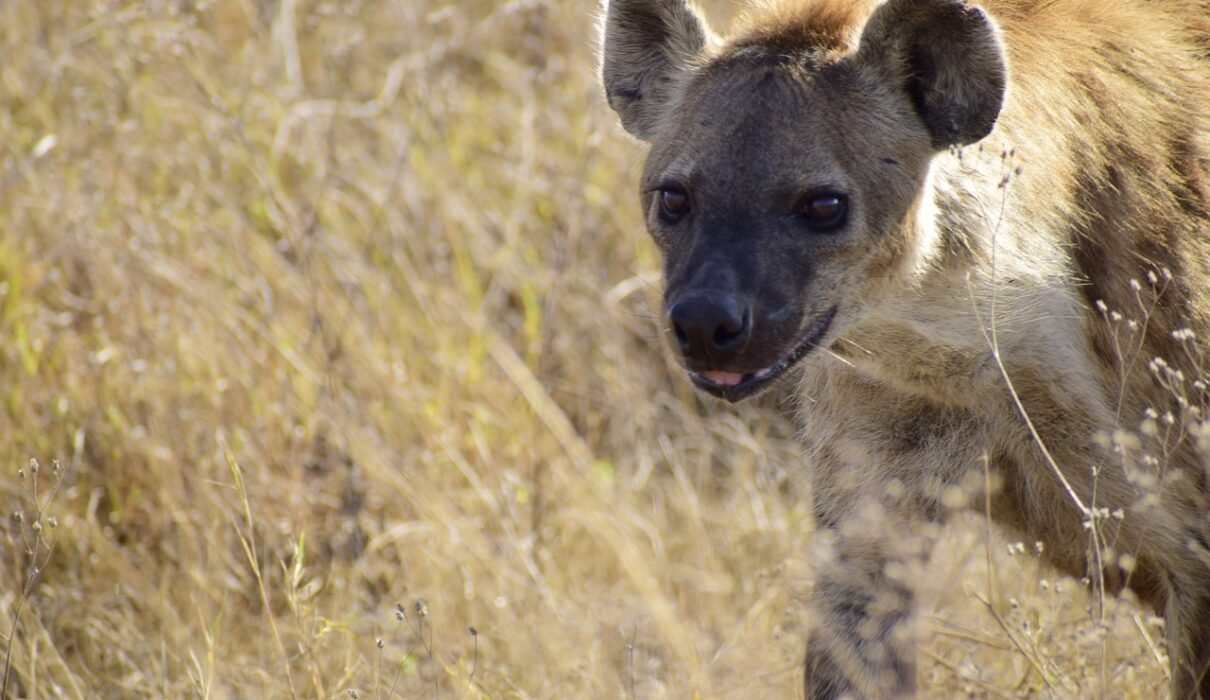
10. Spotted Hyenas
Hyenas deserve more attention than they often receive.
They are active predators as well as scavengers, and their movements can reveal interesting interactions with other wildlife.
Look for them in Serengeti, Ngorongoro, and other suitable destinations.
A sighting may involve an animal walking alone, several gathering, or activity near a feeding opportunity. Listen to your guide’s explanation rather than relying on stereotypes about the species.
11. Hippos and Crocodiles
Hippos are associated with water, where groups may be observed resting during daylight hours.
Their heads appearing above the surface, occasional movement, and interactions make them interesting to watch from designated viewing areas.
Crocodiles occur in suitable rivers and other waterways. They may be visible along banks or partly submerged.
Nyerere’s riverine landscapes offer opportunities to observe both species. TANAPA identifies hippos and crocodiles among the park’s wildlife.
Boat activities, where offered, provide a different viewing perspective, but must be included specifically in your booking arrangements.
12. Antelope, Gazelles, and Warthogs
Tanzania supports many grazing and browsing animals beyond zebras and wildebeest.
Depending on the destination, you may encounter impalas, gazelles, waterbuck, bushbuck, eland, or other species.
Learning to recognise their shape, markings, and preferred habitat adds depth to the safari.
Warthogs are another favourite. Watch them feeding or moving with their tails raised, while allowing your guide to explain their behaviour.
These animals often provide opportunities to observe when large predators are resting or hidden.
13. Monkeys and Baboons
Forest and woodland habitats offer opportunities to see primates.
Baboons may be encountered in several parks, while blue monkeys and other species are associated with suitable forest areas.
Lake Manyara and Arusha National Park can add this type of wildlife to a northern itinerary.
Keep food secure around picnic areas and never feed primates. Animals accustomed to food from visitors can become persistent, creating problems for wildlife and people.
14. African Wild Dogs
African wild dogs require more specialised planning than the typical northern Big Five itinerary.
Nyerere is a destination to consider if they are a major interest. TANAPA identifies it as an important stronghold for the species.
However, packs travel over large areas and sightings remain unpredictable.
Allow several nights and discuss recent viewing conditions with the operator. Even a carefully planned trip cannot promise an encounter.
15. Chimpanzees
Chimpanzee viewing is a separate forest experience rather than a standard Serengeti game-drive activity.
Gombe and Mahale, in western Tanzania, are the main destinations to consider.
Mahale offers guided forest treks to observe habituated chimpanzee communities, subject to the applicable rules and conditions.
Access, accommodation, walking demands, and viewing arrangements differ substantially from a northern road safari.
If chimpanzees are a priority, build the holiday around that experience instead of treating it as a quick addition between northern parks.
Birds and Smaller Wildlife
Birds add colour, movement, and variety throughout a safari.
You may encounter ostriches, raptors, hornbills, kingfishers, storks, herons, or other species, depending on habitat.
Flamingos may be visible at suitable lakes, but numbers change with water conditions and seasonal movements.
Also notice smaller animals: mongooses, lizards, insects, and other wildlife help reveal how the landscape functions.
Binoculars make a considerable difference, even if you do not consider yourself a birdwatcher.
How the Season Changes Wildlife Viewing
Dry periods can concentrate animals near remaining water and make some sightings easier as vegetation thins.
Greener periods bring fresh growth, different photographic conditions, and changes in animal distribution. Rain can also affect access.
For migration trips, camp placement is especially important because herds move between regions.
There is no single month when every animal is easiest to see everywhere. Match your dates, destinations, and priorities.
How to Improve Your Viewing Opportunities
Allow enough nights in the main wildlife areas rather than adding too many destinations to a short trip.
Tell your guide what interests you, but remain open to unexpected sightings.
Carry binoculars, leave time for patient observation, and follow the guide’s advice about suitable departure times.
Early mornings and later afternoons can be productive, but animals may be seen throughout the day. Avoid treating every sighting as a race to the next location.
Frequently Asked Questions
Will I see all the Big Five?
Possibly, but it cannot be guaranteed. Rhinos and leopards often require particular planning and patience.
Can I see the Big Five in Tarangire?
Tarangire is associated with elephants, buffalo, lions, and leopards, but should not be booked as a complete Big Five destination.
Are giraffes found inside Ngorongoro Crater?
Do not expect them on the crater floor. They occur in other parts of the wider conservation area.
Does every Serengeti safari include the migration?
No. Seeing the main herds depends on the season and the areas visited.
Can I see gorillas in Tanzania?
Tanzania is not a destination for gorilla trekking. That requires a separate trip to a country offering the activity, such as Uganda or Rwanda.
How many safari days should I allow?
Several nights across suitable destinations provide more opportunities than a single day trip. The right duration depends on your priorities and travel pace.
Plan Your Tanzania Wildlife Safari
Start with the animals and experiences that matter most to you.
For a broad first safari, discuss Serengeti, Ngorongoro, and Tarangire. For wild dogs, chimpanzees, or specialist birdwatching, ask for an itinerary built around the relevant habitats.
Contact Eddy Tours & Safaris with your dates, group size, budget, and wildlife interests.
For official destination information, visit Tanzania National Parks and the Ngorongoro Conservation Area Authority.
Website: eddytours-safaris.com
Email: sales@eddytours-safaris.com
Alternative email: eddytoursandsafaris@gmail.com
Phone and WhatsApp: +255 711 906 664