
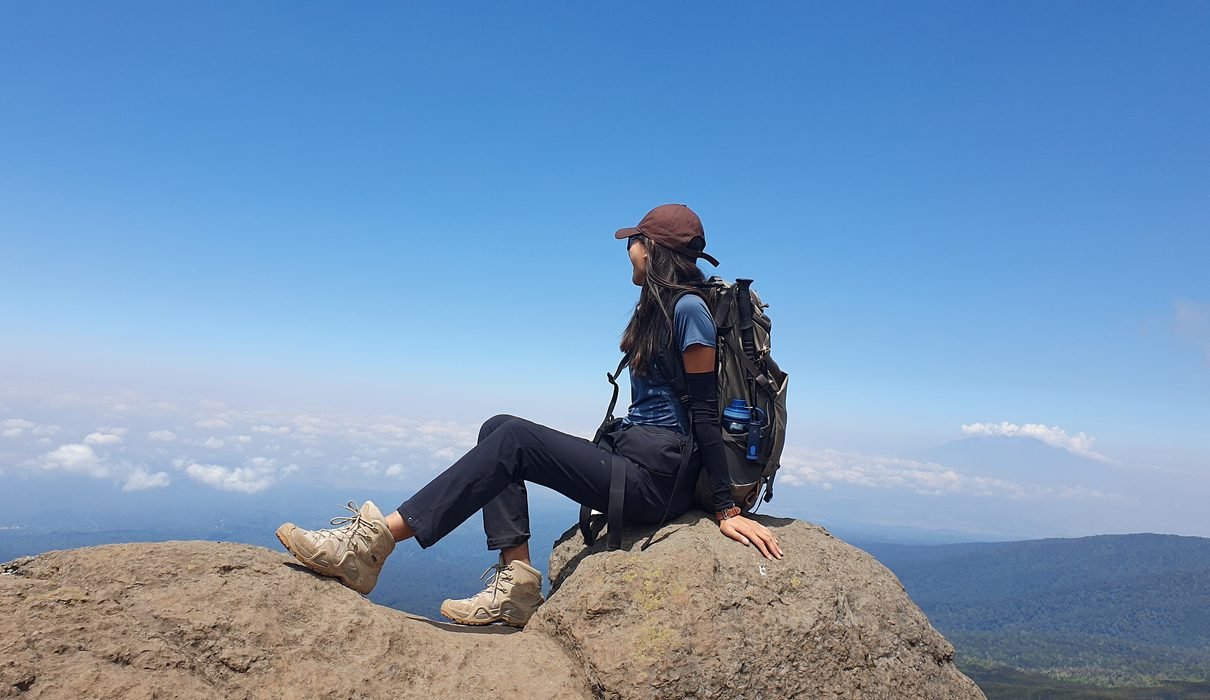
Mount Kilimanjaro is one of the few mountains in the world where ordinary travellers can reach a major summit without technical mountaineering experience. Standing at 5,895 metres (19,341 feet) above sea level, it is Africa’s highest mountain and attracts people from different countries, ages and fitness backgrounds. Some climbers arrive with years of hiking experience, while others are attempting their first serious mountain trek. This raises an important question for anyone considering a trip to Tanzania: can anyone climb Mount Kilimanjaro, or is it only suitable for experienced and physically strong hikers?
The answer is that many healthy people can climb Kilimanjaro with proper preparation, but the mountain is not suitable for everyone. You do not need to be a professional athlete, an experienced rock climber or someone who regularly trains at high altitude. However, you must be able to walk for several hours, manage consecutive days of physical activity and understand the risks associated with high altitude. Your choice of route, number of climbing days, physical condition and ability to acclimatise all influence your experience.
At Eddy Tours & Safaris, we help travellers understand what climbing Kilimanjaro involves before choosing a route. Whether you are planning your first mountain adventure or returning to Tanzania for another trek, understanding the fitness requirements and preparing properly can make a considerable difference.
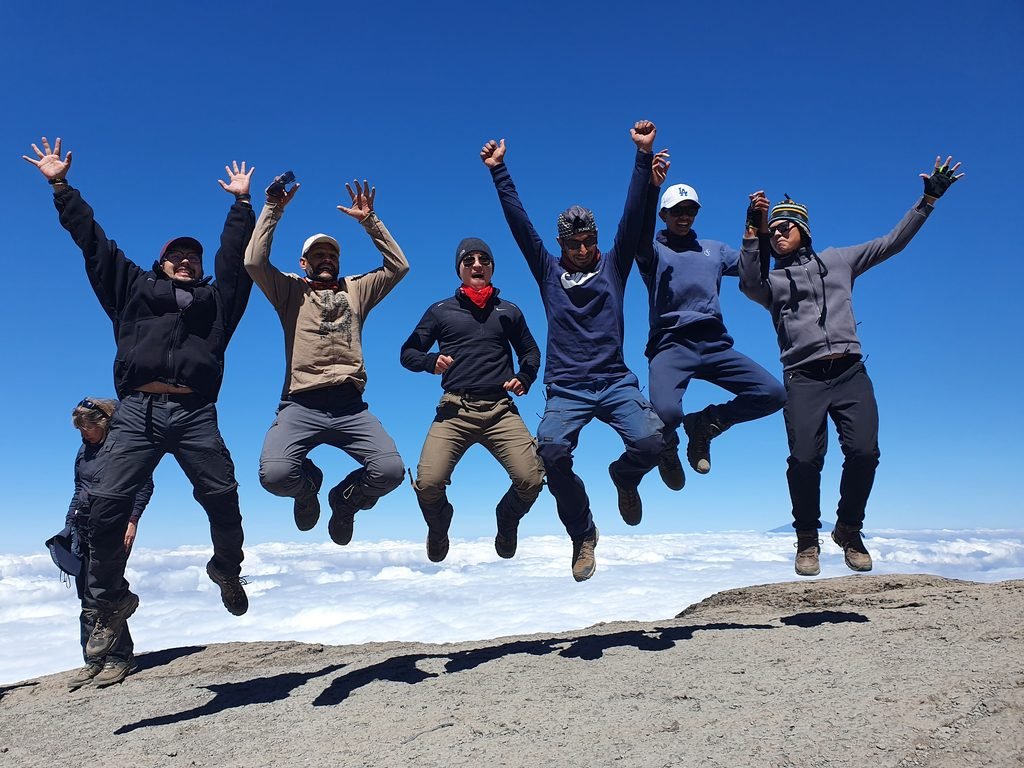
Can a Beginner Climb Mount Kilimanjaro?
Yes, a beginner can climb Mount Kilimanjaro, provided they are reasonably fit, medically suitable for high-altitude trekking and willing to prepare before travelling. Unlike technical mountains that require ropes, ice-climbing skills and specialist mountaineering equipment, the standard trekking routes on Kilimanjaro are mainly walking trails. Climbers pass through rainforest, moorland, alpine desert and rocky mountain terrain before reaching the summit area. Although some sections are steep and physically demanding, the main challenge is usually the altitude and the amount of time spent walking.
Many first-time climbers underestimate Kilimanjaro because they hear that it is a walkable mountain. Walking to nearly 6,000 metres is very different from completing a normal countryside hike. The air becomes thinner as you gain elevation, temperatures fall considerably and everyday activities can require more effort. Even people who exercise regularly may find themselves walking slowly, losing their appetite or struggling to sleep at higher camps.
Beginners should therefore concentrate on choosing an itinerary that allows enough time for acclimatisation rather than simply selecting the shortest or cheapest route. A seven-day Machame climb or an eight-day Lemosho climb may be more suitable for many first-time climbers than a rushed five-day itinerary. Travellers can compare the available trails in our Kilimanjaro climbing routes guide before deciding which option best matches their experience.
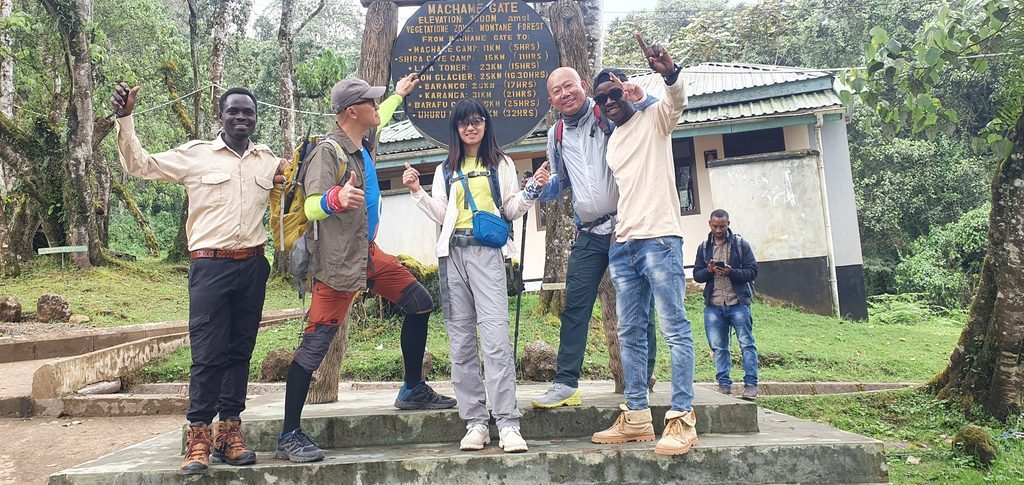
How Fit Do You Need to Be to Climb Kilimanjaro?
You do not need exceptional athletic ability to climb Kilimanjaro, but having good cardiovascular fitness, muscular endurance and comfortable walking habits will make the journey easier. Most climbing days involve several hours of hiking over uneven ground, and the summit attempt can require considerably more time. Your body must cope with repeated physical activity, cold weather, changing terrain and reduced oxygen availability as the altitude increases.
A useful starting point is to assess whether you can comfortably complete a four-to-six-hour hike with moderate uphill sections while carrying a small daypack. You should also consider whether you could repeat similar walking activity the following day. If you struggle to walk for an hour without frequent rests, beginning a gradual fitness programme several months before your climb would be sensible.
Fitness does not guarantee that you will reach Uhuru Peak. Some very fit climbers experience altitude sickness, while moderately fit walkers sometimes adapt well and complete their trek successfully. Physical conditioning helps you manage the walking, but acclimatisation determines how your body responds to increasing elevation. Both deserve attention when planning your climb.
Cardiovascular Fitness and Walking Endurance
Walking, jogging, cycling, swimming and stair climbing are useful activities when preparing for Kilimanjaro. These exercises improve your ability to sustain physical effort over longer periods. However, walking should remain an important part of your preparation because it closely resembles what you will be doing on the mountain.
Try to include longer walks on weekends, preferably on trails with hills or uneven surfaces. Begin with distances you can manage comfortably and increase the duration gradually. As your fitness improves, practise walking while carrying the same type of daypack you expect to use during your climb. This will help your shoulders, back and legs become accustomed to the additional weight.
Leg Strength, Balance and Recovery
Your legs will work throughout the climb, particularly during uphill sections and the long descent after reaching the summit. Strengthening your thighs, calves, hips and core can reduce unnecessary fatigue and improve your stability on rocky trails. Squats, lunges, step-ups and controlled stair exercises are practical ways to build strength without requiring expensive gym equipment.
Descending Kilimanjaro can be surprisingly tiring because your knees and leg muscles must absorb repeated impacts over several hours. Training on downhill paths, using trekking poles correctly and wearing comfortable hiking boots can help you prepare for this part of the journey. Recovery is equally important, so allow rest days between demanding training sessions rather than exercising heavily every day.
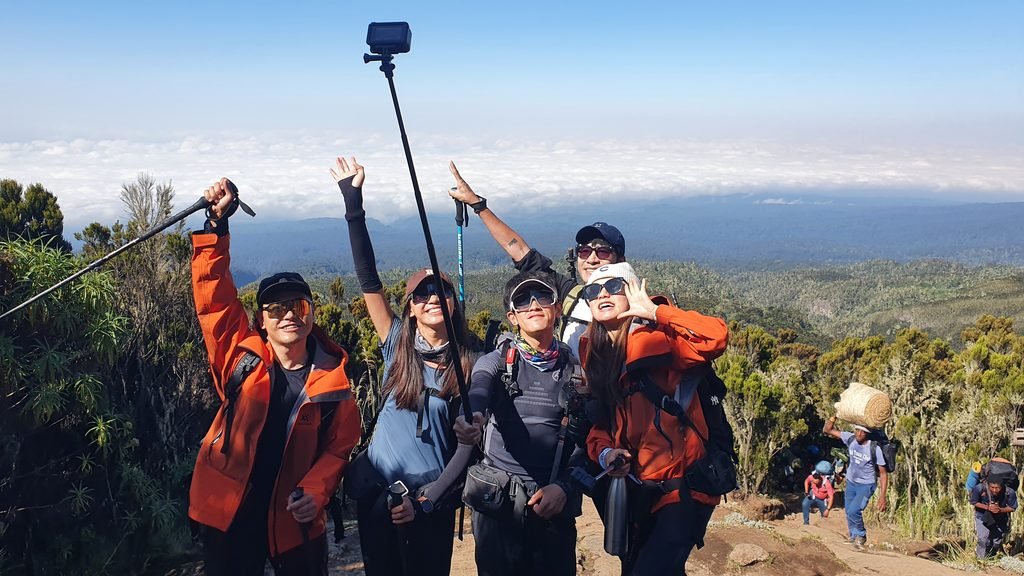
Understanding Altitude Sickness on Mount Kilimanjaro
Altitude sickness is one of the most important risks to understand before climbing Kilimanjaro. As you ascend, atmospheric pressure decreases, meaning less oxygen is available with each breath. Your body needs time to adjust to these conditions, and climbing too quickly increases the likelihood of developing altitude-related illness.
Early symptoms of acute mountain sickness may include headache, nausea, dizziness, unusual tiredness and difficulty sleeping. These symptoms should never be ignored or hidden from your mountain guide. Serious altitude illnesses, including high-altitude pulmonary oedema and high-altitude cerebral oedema, can become life-threatening and require urgent descent and medical attention.
The most practical way to reduce altitude-related risks is to choose a suitable itinerary, ascend gradually and communicate openly with your guides. Drinking enough fluids, eating regularly and avoiding unnecessary physical exertion are helpful for general wellbeing, but they do not prevent altitude sickness on their own. If symptoms worsen, continuing towards the summit can be dangerous. Your guide’s safety assessment and the need to descend must take priority over reaching the top.
Travellers who want to understand the official climbing requirements and mountain safety recommendations can consult Tanzania National Parks. Additional preparation advice is available through Kilimanjaro Climbing Specialist, particularly for travellers considering their first high-altitude trek.
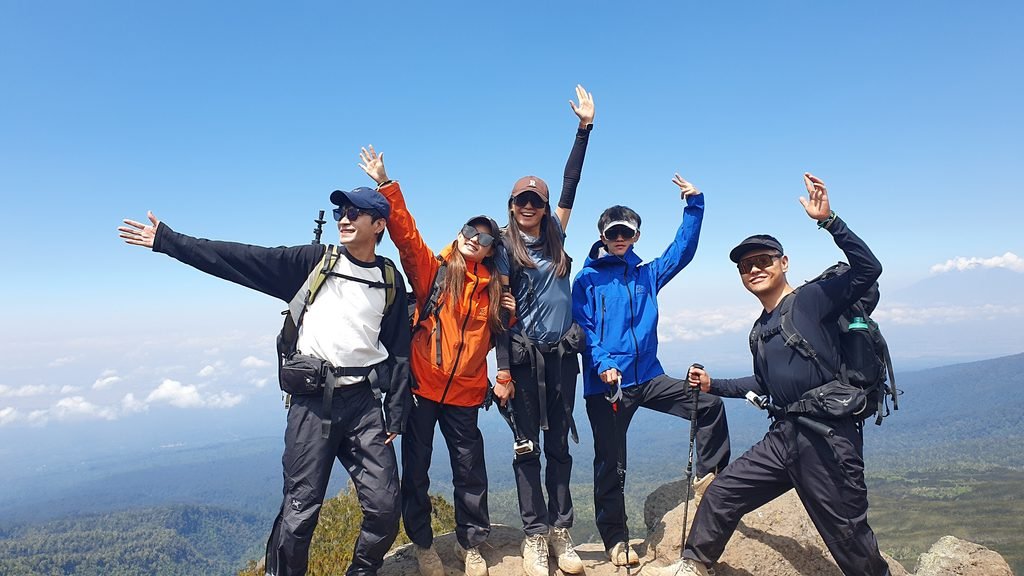
Which Kilimanjaro Route Is Best for Beginners?
Choosing the right route is one of the most important decisions when planning a Kilimanjaro climb. Each trail offers different scenery, walking distances, accommodation arrangements and acclimatisation opportunities. A route that suits an experienced trekker may not be the best choice for someone attempting their first multi-day mountain adventure.
Machame Route – A Popular Choice for Active Beginners
The Machame Route is one of Kilimanjaro’s most established climbing trails. It approaches the mountain from the southwest and passes through rainforest, moorland and alpine landscapes before joining the southern circuit. The route includes well-known sections such as the Shira Plateau, Lava Tower and Barranco Wall, giving climbers a varied experience throughout the trek.
Machame normally takes six or seven days, although the seven-day itinerary is generally preferable because it provides additional time for acclimatisation. The Barranco Wall involves some scrambling, but it is not normally considered technical rock climbing. Travellers should nevertheless be comfortable with steep terrain and occasional use of their hands for balance.
For reasonably active beginners who enjoy hiking and want varied scenery, Machame can be an excellent option. Those considering this trail can also review our Kilimanjaro six-day climbing options and compare them with longer itineraries before booking.
Lemosho Route – A Good Option for Gradual Acclimatisation
Lemosho approaches Kilimanjaro from the western side and is widely appreciated for its scenery and longer trekking options. The journey begins in forested surroundings before crossing the Shira Plateau and joining the southern circuit. Climbers experience changing landscapes and several opportunities to adjust gradually to increasing elevation.
The route commonly takes seven or eight days, with the eight-day option offering a more comfortable acclimatisation schedule for many travellers. Although Lemosho involves substantial walking and should not be considered physically effortless, the additional time can be valuable for climbers who are concerned about altitude or prefer a less hurried itinerary.
Travellers interested in this route can explore our seven-day Lemosho climbing itinerary and discuss whether an additional day would better suit their preparation and expectations.
Marangu Route – Hut Accommodation Instead of Camping
Marangu is the only main Kilimanjaro trekking route that uses permanent mountain huts for overnight accommodation. This makes it attractive to travellers who prefer sleeping in basic shared huts rather than tents. The trail approaches the mountain from the southeast and passes through forest, heathland and alpine terrain on its way towards Kibo Hut and the summit.
Marangu can be completed in five or six days, but the shorter schedule gives limited time for acclimatisation. Although the trail is sometimes described as easier because of its more direct approach and hut accommodation, reaching the summit remains demanding. The six-day itinerary is generally the more sensible option for beginners because it includes an additional acclimatisation day.
Rongai Route – A Quieter Northern Approach
Rongai approaches Kilimanjaro from the northern side, near the Kenyan border. It is often selected by climbers who prefer a quieter trail and a different view of the mountain. The route generally takes six or seven days and passes through open landscapes before approaching the higher mountain camps.
Rongai has some relatively gradual walking sections, but its altitude profile still requires careful planning. A longer itinerary is preferable where possible, especially for beginners. Travellers looking for a less crowded experience may find Rongai appealing, provided they understand that fewer steep sections do not eliminate the challenges of altitude.
Northern Circuit – More Days on the Mountain
The Northern Circuit is one of Kilimanjaro’s longest established trekking routes, usually taking eight or nine days. It begins from the western side and travels around the quieter northern slopes before approaching the summit. The route offers broad views of the surrounding landscape and allows more time for acclimatisation than many shorter alternatives.
For climbers who have sufficient holiday time and prefer a gradual approach, the Northern Circuit deserves serious consideration. However, spending additional days on the mountain also means more nights camping, more walking and a higher overall trip cost. The best route is therefore not necessarily the longest, but the one that matches your health, experience, available time and expectations.
How Long Should You Take to Climb Kilimanjaro?
Most Kilimanjaro summit itineraries take between five and nine days, depending on the selected route. While shorter climbs may seem attractive to travellers with limited holiday time, saving one or two days should not come at the expense of acclimatisation. A longer itinerary provides more opportunity for the body to adapt, although it cannot guarantee a successful summit or eliminate altitude-related illness.
For many first-time climbers, planning at least seven days is a sensible starting point, particularly when choosing Machame or Lemosho. The additional days can make the daily schedule less rushed and allow guides to observe how climbers are responding to altitude. It is also wise to arrive in Tanzania at least one day before the trek so that you can rest, attend your climbing briefing and check your equipment.
Before confirming your itinerary, examine the route’s daily elevation gains, sleeping altitudes and summit-day schedule. Our Mount Kilimanjaro map and route guide provides an overview of the different approaches, camps and important landmarks.
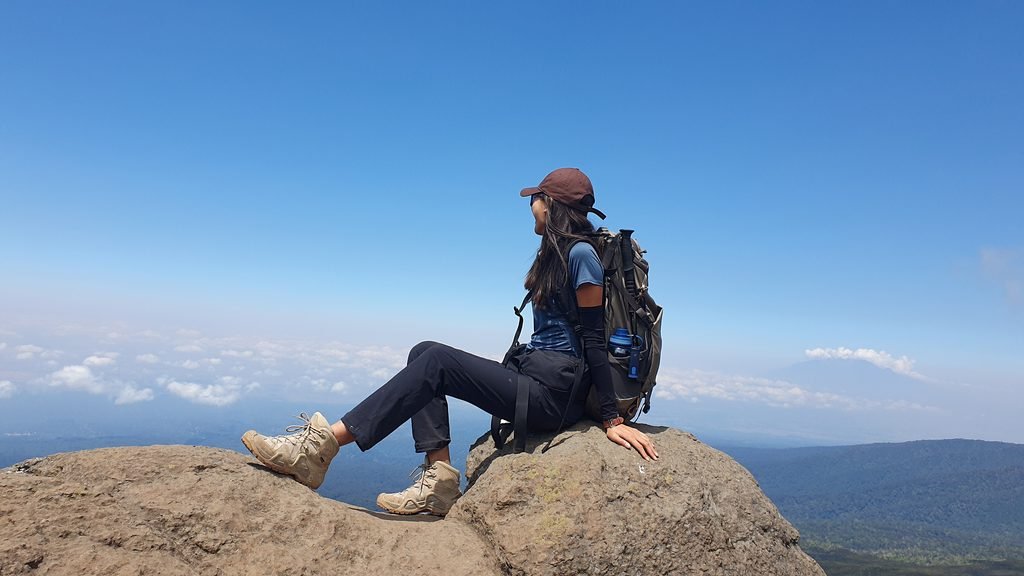
How to Train for Kilimanjaro Before Your Trip
Preparing for Kilimanjaro does not require a complicated training programme, but consistency matters. Ideally, begin training around eight to twelve weeks before departure, or earlier if you are not accustomed to regular exercise. Your preparation should combine walking endurance, hill training, leg strengthening and sufficient recovery time.
During the first few weeks, concentrate on establishing a regular walking routine and improving your general fitness. Gradually introduce longer weekend hikes and short uphill sessions. As your departure approaches, practise walking on consecutive days so that you become familiar with exercising when your legs are already tired. Wearing your intended hiking boots during training is important because it allows you to identify discomfort before arriving in Tanzania.
In the final weeks, avoid suddenly increasing your training intensity or attempting unusually difficult activities that could cause injury. Your aim is to arrive feeling healthy, rested and physically prepared rather than exhausted from excessive exercise. If you have a medical condition, take regular medication or have concerns about your ability to tolerate high altitude, consult a qualified healthcare professional before committing to the climb.
Can Older People Climb Mount Kilimanjaro?
Age alone does not determine whether someone can climb Kilimanjaro. Many older adults maintain excellent walking fitness and successfully complete demanding treks. A person in their sixties who regularly hikes may be better prepared than someone much younger who rarely exercises. What matters most is overall health, mobility, endurance and suitability for prolonged activity at high altitude.
Older travellers should pay particular attention to existing medical conditions, especially cardiovascular or respiratory problems, and seek individual medical advice before travelling. Choosing a longer itinerary, allowing adequate rest before departure and discussing any health concerns with the climbing operator are sensible precautions. No traveller should assume that previous hiking experience or good general fitness makes them immune to altitude sickness.
What About Children and Teenagers?
Families sometimes ask whether children can climb Kilimanjaro. Tanzania National Parks generally applies a minimum age of ten years for standard summit climbs, although specific permissions and current rules should be confirmed before booking. Meeting the minimum age does not automatically mean that a child is physically or emotionally ready for the journey.
Parents should consider the child’s hiking experience, ability to communicate discomfort, tolerance for cold conditions and willingness to follow safety instructions. High-altitude illness can affect children as well as adults, and younger climbers may have difficulty describing their symptoms clearly. Families should obtain medical advice and carefully discuss the proposed itinerary with an experienced mountain operator before making a decision.
What Should You Pack for Climbing Kilimanjaro?
The clothing and equipment you bring will influence your comfort throughout the trek. Kilimanjaro passes through several climatic zones, meaning you may begin your climb in warm, humid conditions and eventually encounter freezing temperatures near the summit. Packing suitable layers is therefore more practical than relying on one heavy jacket.
Important items include waterproof hiking boots, moisture-wicking base layers, warm insulating clothing, a waterproof jacket and trousers, gloves, thermal socks, a warm hat, a headlamp and a comfortable daypack. Trekking poles can be particularly helpful during steep descents, while sunglasses and sunscreen provide protection from strong sunlight at altitude.
Avoid wearing completely new boots for the first time on the mountain. Blisters and foot discomfort can make several days of hiking unnecessarily difficult. Test your equipment during training walks and confirm which items are supplied by your climbing operator. Your daypack should contain the essentials you need while walking, including water, snacks, rain protection and any personal medication.
What Is Summit Night Really Like?
Summit night is often the most physically and mentally demanding part of a Kilimanjaro climb. Depending on the route and itinerary, climbers usually begin their final ascent late at night or shortly after midnight. Temperatures can fall well below freezing, and the combination of darkness, steep terrain and high altitude makes progress noticeably slower.
The final approach towards Stella Point, Gilman’s Point or Uhuru Peak can require considerable patience. Climbers may need frequent short rests, and even simple movements can feel difficult because of the reduced oxygen available at this elevation. Guides normally encourage a slow, steady walking pace, commonly expressed through the Swahili phrase pole pole, meaning slowly, slowly.
Reaching Uhuru Peak is a significant achievement, but it should never be treated as more important than personal safety. Some climbers must turn around before the summit because of altitude-related symptoms, exhaustion or other medical concerns. Following the guide’s instructions and descending when necessary is the responsible decision, even when the summit appears close.
When Is the Best Time to Climb Kilimanjaro?
Mount Kilimanjaro can be climbed throughout the year, although weather conditions vary considerably between seasons. January to early March and June to October are generally popular climbing periods because they often offer relatively drier conditions and better opportunities for clear mountain views. However, cold temperatures, wind and unexpected rain remain possible during any month.
April and May normally experience heavier rainfall, which can make trails muddy and camping less comfortable. November also tends to bring periods of rain, although conditions vary from year to year. Climbers who prefer quieter trails may consider travelling outside the busiest periods, but they should be prepared for less predictable weather.
The best climbing month ultimately depends on your personal preferences, available travel dates and tolerance for changing weather. It is worth discussing seasonal conditions with your operator before choosing a departure. Travellers interested in joining other climbers can review our Kilimanjaro group climbing dates to explore available departures.
Why Choosing a Reliable Kilimanjaro Guide Matters
Climbing Kilimanjaro requires more than selecting a route and purchasing hiking equipment. The quality of the guiding team, the organisation of daily activities and the operator’s approach to mountain safety are important parts of the experience. Tanzania National Parks requires climbs to be arranged through licensed operators, and independent unguided summit trekking is not permitted.
Experienced mountain guides understand the trails, typical weather patterns and practical challenges of high-altitude trekking. They monitor climbers’ wellbeing, help maintain an appropriate pace and make decisions when conditions become unsafe. Before booking, ask your operator about guide training, emergency communication arrangements, oxygen and first-aid equipment, evacuation procedures and how altitude symptoms are assessed.
It is also important to consider the welfare of the porters and other mountain crew members who support the expedition. Responsible operators should provide appropriate working conditions, equipment, meals and fair treatment for their teams. A well-organised climb should protect both the travellers and the people working on the mountain.
Common Mistakes First-Time Kilimanjaro Climbers Should Avoid
One common mistake is assuming that physical fitness alone will guarantee reaching the summit. Kilimanjaro is not simply a test of strength or determination. Altitude affects individuals differently, and even well-trained athletes can experience serious symptoms. Climbers should follow the recommended pace, report any discomfort and avoid competing with others in their group.
Another mistake is selecting the shortest itinerary without understanding its limitations. A five-day climb may reduce the initial cost, but it also leaves less time for acclimatisation. Choosing suitable equipment, arriving with enough time to rest and completing several weeks of preparation are equally important.
Finally, travellers should avoid treating the summit as the only meaningful part of the journey. Kilimanjaro offers remarkable landscapes, changing vegetation zones and the opportunity to spend several days exploring one of Tanzania’s most recognised natural landmarks. Taking time to appreciate the mountain can make the experience rewarding even if weather or health concerns prevent reaching Uhuru Peak.
Frequently Asked Questions About Climbing Mount Kilimanjaro
Can I climb Kilimanjaro without previous hiking experience?
Yes, some beginners successfully climb Kilimanjaro without previous multi-day trekking experience. However, completing regular training hikes before departure is strongly recommended. Familiarity with walking uphill, carrying a daypack and spending several hours on your feet will make the climb more manageable. Beginners should also choose an itinerary with sufficient acclimatisation time and follow their guides’ safety instructions throughout the trek.
Is Kilimanjaro harder than Everest Base Camp?
Both treks are demanding, but they present different challenges. Kilimanjaro reaches a higher elevation than Everest Base Camp and often involves a particularly difficult summit night. Everest Base Camp treks typically take longer and involve several days of walking at high altitude. The relative difficulty depends on the itinerary, individual fitness, weather and how well each person acclimatises.
Do I need oxygen to climb Kilimanjaro?
Most climbers do not use supplementary oxygen during a standard Kilimanjaro trek. However, reputable operators should have suitable emergency procedures and equipment, which may include emergency oxygen. Oxygen must not be used as a reason to continue ascending when a climber needs to descend. Anyone with concerns about altitude tolerance should seek medical advice before travelling.
Can I climb Kilimanjaro if I am overweight?
Being overweight does not automatically prevent someone from climbing Kilimanjaro. However, excess body weight may increase the physical effort required during long uphill walks and descents. The more important considerations are your cardiovascular health, joint comfort, walking endurance and overall medical suitability. A gradual training programme and professional medical advice can help you assess whether the climb is realistic.
How much does it cost to climb Kilimanjaro?
The cost depends on the chosen route, number of trekking days, group size, accommodation arrangements and services provided by the operator. Longer climbs generally cost more because they require additional park fees, meals, equipment use and mountain crew support. When comparing quotations, check whether park fees, guides, porters, meals, transfers, equipment and emergency arrangements are included rather than choosing solely on the advertised price.
Plan Your Kilimanjaro Climb with Eddy Tours & Safaris
Climbing Mount Kilimanjaro is possible for many ordinary travellers, including first-time hikers, but preparation and sensible planning are essential. You do not need professional climbing skills to attempt the standard summit routes, yet you should be physically prepared for several days of walking, understand the effects of altitude and be willing to follow the advice of your mountain guides.
At Eddy Tours & Safaris, based in Arusha, Tanzania, we help travellers plan guided Kilimanjaro climbing trips according to their available time, fitness level and preferred route. Whether you are considering Machame, Lemosho, Marangu, Rongai or the Northern Circuit, our team can help you compare the options and understand what to expect before travelling.
If you are unsure which route would suit you, share your preferred travel dates, previous hiking experience and the number of days you have available. We can help you explore a practical climbing itinerary and explain the arrangements involved.
Contact Eddy Tours & Safaris
Website: https://eddytours-safaris.com/
Email: sales@eddytours-safaris.com
WhatsApp: +255 711 906 664
Location: Arusha, Tanzania