
Planning a Tanzania safari in 2027 or 2028 is exciting, especially when you imagine seeing elephants in Tarangire, lions resting on the Serengeti plains, or zebras and wildebeest moving across the open grasslands. However, before you begin your adventure, there is one important question to answer: what should you wear on a Tanzania safari? Choosing the right clothes will help you stay comfortable during early morning game drives, warm afternoons, cool evenings, and long journeys between national parks.
Many first-time visitors assume Tanzania is hot throughout the year and pack only shorts, T-shirts, and sandals. The reality is quite different. Temperatures vary depending on the season, location, elevation, and time of day. A morning game drive in the Ngorongoro Highlands can be surprisingly cold, while an afternoon in Tarangire may feel hot and dusty. In the Serengeti, you might need a warm jacket before sunrise and a lightweight shirt by lunchtime.
Fortunately, you do not need expensive safari clothing or a completely new wardrobe. Most travelers can prepare using comfortable clothes they already own. The best approach is to choose lightweight fabrics, practical colors, comfortable footwear, and a few warm layers. Packing carefully also helps you avoid carrying unnecessary luggage, particularly if your safari includes domestic flights between parks.
At Eddy Tours & Safaris, we help travelers organize Tanzania wildlife safaris, Kilimanjaro climbing expeditions, and Zanzibar holidays. This guide explains what to wear on a Tanzania safari in 2027 and 2028, including the best clothing colors, footwear, seasonal packing advice, recommended quantities, and essential items for different safari destinations.
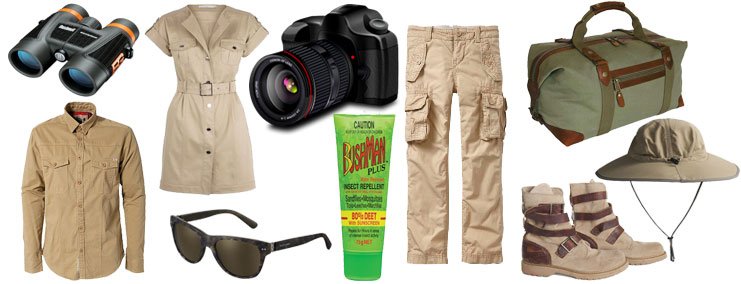
Quick Tanzania Safari Packing Checklist
If you are preparing for a typical five- to eight-day safari, the following checklist is a useful starting point. You can adjust the quantities depending on your trip duration, access to laundry, and whether you are combining your safari with other activities.
| Clothing or equipment | Recommended quantity | Why you need it |
|---|---|---|
| Lightweight long-sleeved shirts | 3–4 | Sun, dust, and insect protection |
| Comfortable T-shirts | 2–3 | Warm afternoons and casual wear |
| Lightweight trousers | 2–3 pairs | Game drives and walking activities |
| Shorts | 1–2 pairs | Warm weather and lodge relaxation |
| Warm fleece or sweater | 1 | Early morning and evening game drives |
| Lightweight waterproof jacket | 1 | Rain and wind protection |
| Comfortable closed walking shoes | 1 pair | Game drives and short walks |
| Sandals or casual shoes | 1 pair | Lodge relaxation |
| Wide-brimmed hat or cap | 1 | Sun protection |
| Sunglasses | 1 pair | Bright sunlight and dust |
| Underwear and socks | Enough for the trip | Everyday comfort |
| Swimwear | 1 set | Lodge swimming pools, where available |
| Scarf or neck covering | 1 | Dust and wind protection |
| Small daypack | 1 | Carrying essentials during game drives |
These quantities are recommendations rather than strict requirements. Travelers staying in lodges with laundry facilities may need fewer clothes, while those camping in remote areas may prefer to carry additional items.
1. Choose the Best Clothing Colors for a Tanzania Safari
The color of your safari clothing is one of the first things to consider when packing. Neutral, earthy colors such as khaki, beige, olive green, brown, tan, and muted grey are practical choices. They work well with the surrounding environment, show less dust than bright white clothing, and are easy to combine into different outfits.
You do not need to dress like a professional wildlife photographer or wear matching safari uniforms every day. A comfortable olive-green shirt, beige trousers, and a light jacket are perfectly suitable for most game drives. The main goal is to wear clothes that are comfortable, practical, and appropriate for the weather.
Very bright white clothing is less practical because safari vehicles travel on dusty roads, particularly during the dry season. White shirts and trousers can become dirty quickly, especially during long drives through the Serengeti or Tarangire. Black and dark blue clothing are also best avoided in areas where tsetse flies occur, because these insects can be attracted to darker colors.
Military-style camouflage clothing should be left at home. It can create problems because of its association with uniforms and security personnel, and it is unnecessary for an ordinary wildlife safari.
Best and less practical safari colors
| Recommended colors | Colors best avoided or limited |
|---|---|
| Khaki | Military-style camouflage |
| Olive green | Dark blue in tsetse-prone areas |
| Beige | Black in tsetse-prone areas |
| Tan | Bright white on dusty game drives |
| Light brown | Very bright or fluorescent colors |
| Muted grey | Highly reflective clothing |
Neutral colors are especially useful during guided walking safaris. For ordinary vehicle-based game drives, comfort and sun protection remain more important than following a strict color scheme.
2. Wear Lightweight, Comfortable Shirts
Lightweight shirts are among the most useful items you can pack for a Tanzania safari. During the day, temperatures can become warm, especially in lower-elevation parks such as Tarangire and Lake Manyara. Breathable shirts allow air to circulate and help you remain comfortable while sitting in a safari vehicle for several hours.
Long-sleeved shirts are particularly useful because they provide additional protection from direct sunlight, dust, and insects. You can roll up the sleeves when it becomes warm and lower them again during cooler conditions. Lightweight cotton, linen blends, and quick-drying technical fabrics can all work well, depending on your personal comfort and the season.
Short-sleeved T-shirts are also suitable for afternoon game drives, relaxing at the lodge, or traveling between destinations. However, if you are particularly sensitive to sunlight or insect bites, long sleeves may be a better choice for extended outdoor activities.
For a one-week safari, three or four long-sleeved shirts and two or three T-shirts should generally be sufficient, especially if laundry services are available at your accommodation.
3. Pack Comfortable Safari Trousers and Shorts
Comfortable trousers are often more practical than jeans during a Tanzania safari. Lightweight trousers allow easier movement when entering and leaving the safari vehicle, protect your legs from direct sunlight, and are more comfortable during long drives. They are also useful when traveling through dusty areas or participating in approved walking activities.
Cargo trousers and convertible hiking trousers are popular because they provide useful pockets and can be adjusted for warmer conditions. Quick-drying fabrics are especially convenient during the rainy season, when clothing may become damp. Choose trousers that fit comfortably when sitting for long periods, since game drives often involve several hours inside the vehicle.
Shorts are suitable for warm afternoons, lodge relaxation, and some vehicle-based game drives. However, they offer less protection from insects, vegetation, and sunlight. If your itinerary includes walking safaris, longer trousers are generally preferable.
Heavy denim jeans are not the best choice for daily game drives because they can feel uncomfortable in hot weather and take longer to dry after rain. You can still pack a pair for casual evenings if you prefer, but they are not essential safari clothing.
4. Bring a Warm Jacket for Early Morning Game Drives
One of the biggest packing mistakes visitors make is forgetting warm clothing. Tanzania is close to the equator, but this does not mean every safari destination remains hot throughout the day. Early mornings can be cold, particularly in the Ngorongoro Highlands and during the cooler months from June to August.
Game drives often begin early because animals may be active during the cooler hours. When you leave your lodge before sunrise, the temperature can feel surprisingly low, especially if the safari vehicle has an open roof. Wind during the drive can make conditions feel colder, even when the afternoon temperature is expected to rise considerably.
A warm fleece, sweater, or lightweight insulated jacket is usually sufficient for many safari itineraries. Travelers staying near the Ngorongoro Crater rim may prefer an additional warm layer, especially during the cooler season. A light windproof or waterproof jacket is also useful because it provides protection from unexpected rain and cold air.
The easiest approach is to dress in layers. Start the morning wearing a T-shirt, long-sleeved shirt, and fleece. As the temperature rises, you can remove the outer layers and remain comfortable throughout the day.
5. Choose the Right Shoes for Your Tanzania Safari
You do not need heavy mountain climbing boots for an ordinary Tanzania wildlife safari. Most game drives take place inside a specially designed safari vehicle, and walking is generally limited to designated areas, lodges, picnic sites, and approved activities. Comfortable closed shoes with good grip are therefore suitable for most travelers.
Lightweight hiking shoes, trail shoes, or comfortable walking trainers are practical choices. They protect your feet from dust, small stones, and uneven ground while remaining comfortable during travel. If your itinerary includes a guided walking safari, ask your tour operator whether stronger hiking footwear is recommended for the specific activity.
Sandals are useful for relaxing at the lodge, walking around your accommodation, or spending time beside a swimming pool. However, they are less suitable for bush walks or areas with uneven ground.
Avoid bringing completely new shoes that you have never worn before. Even if you will spend much of the safari inside a vehicle, uncomfortable footwear can cause unnecessary problems during airport transfers, lodge visits, and short walks.
6. What to Wear on a Serengeti National Park Safari
The Serengeti is one of Tanzania’s most famous safari destinations, known for its wide grasslands, predators, and the annual movements of wildebeest and other grazing animals. Travelers visiting the park should prepare for warm daytime conditions, dusty roads during dry periods, and cooler temperatures in the early morning and evening.
A practical Serengeti outfit includes lightweight trousers, a breathable shirt, comfortable closed shoes, and a hat. Carry a fleece or light jacket for morning game drives, particularly when traveling in an open-roof vehicle. Sunglasses and a scarf can also be useful when the vehicle travels along dusty roads.
If you are visiting during the wildebeest migration, your clothing requirements will depend more on the weather and the specific part of the Serengeti than on the migration itself. The animals move throughout the ecosystem according to rainfall and grazing conditions, so your itinerary may include different regions of the park at different times of year.
For travelers planning a Serengeti safari in 2027 or 2028, it is helpful to discuss the expected weather and accommodation locations before finalizing your packing list.
7. What to Wear on a Ngorongoro Crater Safari
Ngorongoro requires special attention because the crater rim is located at a much higher elevation than many other safari destinations in northern Tanzania. Early mornings and evenings can be cold, misty, or windy, especially during the cooler months. Visitors who arrive wearing only shorts and a T-shirt may find the conditions uncomfortable before the sun rises.
For a Ngorongoro Crater game drive, begin with long trousers, a comfortable shirt, and a warm fleece or jacket. A light waterproof outer layer can be useful if the weather is misty or rainy. Once you descend into the crater and the day becomes warmer, you may be able to remove some layers.
Closed walking shoes are suitable for most crater visits, and a hat and sunglasses are useful when the sun becomes stronger. Because game drives involve long periods in the vehicle, comfortable clothing should remain your main priority.
If your itinerary includes an overnight stay on the crater rim, bring warm clothing for the evening as well. Some lodges and camps can feel considerably colder than accommodation in lower-elevation areas.
8. What to Wear in Tarangire and Lake Manyara
Tarangire National Park is known for its elephant populations, baobab trees, and seasonal wildlife concentrations. The park can become hot during the day, particularly in the dry season, so lightweight clothing is important. Long-sleeved shirts and trousers can help protect against sunlight and insects, while a hat and sunglasses provide additional comfort.
Some wooded areas of Tarangire can have tsetse flies, making neutral-colored clothing a practical choice. Avoiding dark blue and black clothing may help reduce attraction to these insects, although clothing color alone does not prevent bites. Insect repellent and suitable long clothing remain important.
Lake Manyara National Park has a mixture of forest, lake-edge habitats, and open areas. Clothing suitable for Tarangire generally works well here too. Comfortable walking shoes, breathable shirts, lightweight trousers, and a rain jacket during wetter periods are useful.
For both parks, remember that a safari involves spending considerable time outdoors or in a vehicle with an open roof. Sun protection and comfort are more important than fashionable clothing.
9. What to Wear During Tanzania’s Dry Season
Tanzania’s main dry season generally runs from June to October, although rainfall patterns vary by region and year. These months are popular for wildlife safaris because vegetation may be less dense in some areas and animals often gather around available water sources.
During the dry season, lightweight clothing is useful for warm afternoons, but travelers should also pack a warm fleece or jacket for early morning game drives. June, July, and August can be particularly cool in the Ngorongoro Highlands, and a light windproof layer may be useful in the Serengeti.
Dust is another consideration during dry periods. Safari vehicles may travel along unpaved roads, and fine dust can settle on clothing, bags, and camera equipment. Neutral-colored clothes are practical because they show less dirt, while a scarf or neck covering can provide additional comfort when conditions become dusty.
10. What to Wear During Tanzania’s Rainy Season
Tanzania experiences seasonal rainfall, including a generally wetter period around March to May and shorter rains that often occur around November and December. However, rainfall patterns vary, and individual years may differ from the usual seasonal expectations.
If you are visiting during a rainy period, pack a lightweight waterproof jacket, quick-drying trousers, and comfortable shoes with reliable grip. Some safari tracks and lodge paths can become muddy, making footwear especially important. A small waterproof cover for your daypack can also help protect electronics and personal belongings.
Rain does not necessarily mean that your entire safari will be wet. Some days may have brief showers followed by clear conditions, while others can be more consistently cloudy or rainy. Wearing layers allows you to adjust comfortably as the weather changes.
11. What Should Women Wear on a Tanzania Safari?
Women can wear comfortable trousers, long-sleeved shirts, T-shirts, shorts, and casual safari clothing according to the weather and planned activities. There is no need to purchase a special safari wardrobe. The main considerations are comfort, sun protection, and clothing that allows easy movement when entering and leaving the safari vehicle.
Lightweight trousers or leggings paired with a loose shirt can be comfortable for long drives, although more durable trousers may be preferable for walking activities. A sports bra or other supportive clothing may be useful on bumpy safari roads. A scarf can also provide protection from dust and sunlight.
At lodges, casual dresses, comfortable trousers, and relaxed evening clothing are generally suitable. If your holiday includes visits to towns, villages, or cultural sites, modest clothing that respects local customs is a thoughtful choice.
12. What Should Men Wear on a Tanzania Safari?
Men can pack lightweight trousers, comfortable shirts, T-shirts, shorts, and a warm jacket for early mornings. Neutral-colored clothing is practical, but there is no requirement to wear traditional safari-style outfits. The best clothing is breathable, comfortable, and suitable for changing temperatures.
Long trousers are particularly useful for early game drives, insect protection, and walking activities. Shorts can be worn during warm afternoons or while relaxing at the lodge. Comfortable walking shoes, a sun hat, and sunglasses complete a practical daily safari outfit.
For evenings at most safari lodges, casual clothing is acceptable. Some luxury properties may have their own dining preferences, so travelers should check with their accommodation if they plan to visit more formal restaurants.
13. What Should Children Wear on a Tanzania Safari?
Children should wear comfortable clothing that allows them to move easily and remain protected from the sun. Lightweight shirts, long trousers, shorts, comfortable shoes, and a sun hat are useful for most family safari itineraries. Because children may become uncomfortable when temperatures change, it is helpful to keep an additional warm layer within easy reach.
A fleece or jacket is particularly important for early morning game drives, especially in the Serengeti and Ngorongoro Highlands. Parents should also carry spare clothing in case of spills, dust, or unexpected rain. Comfortable footwear is essential for lodge walks and other permitted activities.
Insect protection is another important consideration. Long sleeves and trousers can reduce exposed skin, while age-appropriate insect repellent should be used according to the product instructions and medical advice. Families should also pack any necessary medication and personal items that children may need during long drives.
14. What to Wear for a Tanzania Walking Safari
A guided walking safari requires more attention to clothing and footwear than a standard vehicle-based game drive. Depending on the location and activity, participants may walk through grassland, woodland, or uneven natural terrain. Proper clothing helps protect against sunlight, insects, thorns, and vegetation.
Long trousers, neutral-colored shirts, comfortable closed walking shoes, and a hat are generally recommended. Avoid loose items that may catch on vegetation, and carry only the personal essentials permitted by your guide. A lightweight long-sleeved shirt is particularly useful for protecting the arms from direct sunlight and insects.
Walking safaris must be conducted in approved areas with the required professional guiding arrangements. Always follow your guide’s instructions regarding clothing, movement, safety distances, and behavior around wildlife.
15. What to Wear at Safari Lodges and Camps
Most Tanzania safari lodges have a relaxed atmosphere, and guests generally do not need formal clothing for dinner. Comfortable trousers, casual shirts, dresses, or other relaxed outfits are usually suitable. After a dusty game drive, many travelers prefer changing into clean clothes before enjoying dinner or relaxing at the lodge.
Evenings can become cool, especially in highland locations, so keep a fleece or light jacket available. Long trousers and long-sleeved shirts can also provide additional protection from mosquitoes when spending time outdoors after sunset.
If your lodge has a swimming pool, pack swimwear and suitable poolside clothing. Travelers staying in luxury lodges may wish to bring one smart-casual outfit, but heavy formal clothing and expensive accessories are rarely necessary.
16. Should You Wear Black, White or Camouflage on Safari?
Black clothing is not automatically unsuitable for every part of Tanzania, but it is less practical in hot weather and may attract tsetse flies in some areas. Dark blue can present similar concerns. Neutral shades are therefore an easier choice for most safari travelers.
White clothing is acceptable in many ordinary travel situations, but it tends to show dust quickly during game drives. If you enjoy wearing white, consider keeping those outfits for hotel stays, city visits, or other activities rather than long drives on unpaved roads.
Military-style camouflage clothing should be avoided because it may be associated with uniforms and can cause problems with local authorities. There is no practical need for camouflage clothing during a Tanzania wildlife safari.
17. Essential Accessories to Bring on a Tanzania Safari
Clothing is only one part of preparing for a comfortable safari. Several small accessories can make a noticeable difference during long game drives, particularly when traveling through dusty areas or spending several hours under strong sunlight.
A wide-brimmed hat or cap helps protect your face from direct sunlight, while sunglasses reduce glare and make wildlife viewing more comfortable. Sunscreen is important even on cloudy days because travelers may spend long periods outdoors. A scarf or neck covering can help protect against dust, and a reusable water bottle is useful for staying hydrated throughout the day.
Binoculars are highly recommended because wildlife may be observed at considerable distances. A camera or smartphone with sufficient storage is also useful for recording your safari experiences. If you are interested in wildlife photography, consider bringing spare batteries, memory cards, and suitable protection against dust.
18. Insect Protection and Health Essentials
Insects are part of the natural environment in Tanzania, and travelers should take sensible precautions against bites. Mosquitoes may be present in different areas, while tsetse flies occur in some wildlife habitats. Long-sleeved shirts, long trousers, and suitable insect repellent can help reduce exposure.
The US Centers for Disease Control and Prevention recommends covering exposed skin, using appropriate insect repellent, and considering treated clothing or equipment where suitable. Travelers should follow product instructions carefully and never apply clothing-treatment products directly to the skin.
Before traveling, consult a qualified healthcare professional about vaccinations, malaria prevention, and any personal medical requirements. Carry prescribed medication in its original packaging and keep essential medical items in your hand luggage.
19. What Type of Bag Should You Bring on Safari?
A soft-sided travel bag or duffel is often more practical than a large hard suitcase because safari vehicles have limited luggage space. Soft bags are easier to arrange inside storage compartments and may also be required for certain light-aircraft transfers between national parks.
If your itinerary includes domestic flights, check the baggage allowance with your tour operator or airline before packing. Some light-aircraft services have relatively strict weight and bag-size restrictions, and allowances can vary according to the aircraft and route. Do not assume that the baggage allowance on your international flight will apply to domestic safari flights.
A small daypack is useful for carrying personal items during game drives. Keep your camera, sunscreen, sunglasses, water, medication, and a warm layer inside it so that you do not need to open your main luggage throughout the day.
20. What Not to Pack for a Tanzania Safari
Packing too much clothing can make your safari unnecessarily complicated, especially if you are moving between several lodges. Most travelers do not need heavy formal outfits, multiple pairs of jeans, expensive jewelry, or several different pairs of shoes.
Avoid bringing military-style camouflage clothing, excessive amounts of perfume, and bulky items that are unlikely to be used. Strong fragrances may also be uncomfortable in enclosed vehicles or shared spaces. If you are carrying camera equipment, pack only what you can manage comfortably and safely.
The goal is to travel with enough clothing for different weather conditions without filling your luggage with unnecessary items. A few practical outfits that can be mixed, matched, and washed during the trip are usually more useful than a separate outfit for every day.
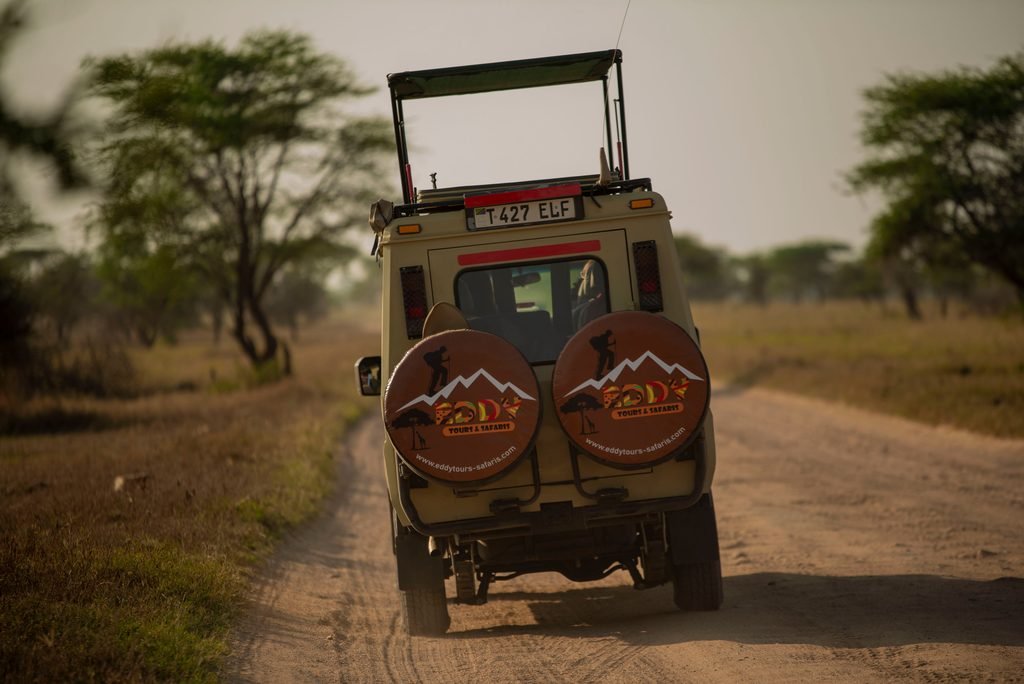
Tanzania Safari Packing List by Season
| Item | January–March | April–May | June–October | November–December |
|---|---|---|---|---|
| Lightweight shirts | Essential | Essential | Essential | Essential |
| Long trousers | Recommended | Recommended | Recommended | Recommended |
| Warm fleece | Recommended | Recommended | Essential for cool mornings | Recommended |
| Waterproof jacket | Useful | Essential | Useful | Recommended |
| Comfortable closed shoes | Essential | Essential | Essential | Essential |
| Sun hat and sunglasses | Essential | Essential | Essential | Essential |
| Insect repellent | Essential | Essential | Essential | Essential |
| Scarf for dust | Useful | Optional | Recommended | Useful |
This table provides general seasonal guidance. Actual weather conditions vary between destinations, so your final packing list should reflect your itinerary.
Frequently Asked Questions About What to Wear on a Tanzania Safari
1. What is the best clothing to wear on a Tanzania safari?
Lightweight, breathable clothing in neutral colors is generally the best choice. Long trousers, comfortable shirts, closed shoes, and a warm layer will cover most safari situations.
2. What colors should I wear on safari?
Khaki, beige, olive green, tan, brown, and muted grey are practical choices.
3. Can I wear black on a Tanzania safari?
Yes, but black is less practical in hot conditions and may attract tsetse flies in some areas.
4. Can I wear white on safari?
Yes, although white clothing tends to become dusty quickly during game drives.
5. Can I wear jeans on safari?
Yes, but lightweight trousers are generally more comfortable and easier to wash and dry.
6. Can I wear shorts on safari?
Yes. Shorts are suitable for warm weather and many vehicle-based game drives, although long trousers provide more protection.
7. Do I need hiking boots for a Tanzania safari?
Not for most vehicle-based safaris. Comfortable closed walking shoes are usually sufficient.
8. Do I need a warm jacket?
Yes. Early mornings and evenings can be cold, especially in the Ngorongoro Highlands.
9. What should I wear in the Serengeti?
Lightweight trousers, a breathable shirt, comfortable shoes, a hat, and a warm layer for early morning drives.
10. What should I wear at Ngorongoro Crater?
Long trousers, a shirt, a fleece or jacket, and comfortable closed shoes are recommended.
11. What should I wear in Tarangire?
Lightweight neutral-colored clothing, long sleeves for insect protection, comfortable shoes, and a sun hat.
12. Can I wear sandals during a safari?
Sandals are suitable for relaxing at lodges, but closed shoes are preferable for walking activities.
13. Do I need formal clothes for safari lodges?
Most safari lodges have relaxed dress expectations. Smart-casual clothing is usually sufficient where required.
14. What should women wear on safari?
Comfortable trousers, breathable shirts, T-shirts, shorts, and casual lodge clothing are suitable.
15. What should men wear on safari?
Lightweight trousers, shirts, T-shirts, comfortable shoes, and a warm jacket for early mornings.
16. What should children wear on safari?
Comfortable clothing, sun hats, closed shoes, and warm layers suitable for changing temperatures.
17. Is camouflage clothing allowed?
Military-style camouflage should be avoided because it can create problems with local authorities.
18. Do I need insect repellent?
Yes. Insect repellent is strongly recommended, particularly when spending time outdoors.
19. Should I bring sunscreen?
Yes. Sunscreen is important because game drives can involve extended exposure to sunlight.
20. How many outfits do I need for a seven-day safari?
A few interchangeable shirts and trousers, along with a warm layer and suitable footwear, are generally sufficient if laundry is available.
21. Do safari lodges offer laundry services?
Many lodges offer laundry services, although availability and restrictions vary between properties.
22. Should I bring a rain jacket?
Yes. A lightweight waterproof jacket is useful throughout the year and especially during wetter periods.
23. Can I bring a hard suitcase?
It depends on your transport arrangements. Soft-sided bags are generally more practical, particularly for light-aircraft transfers.
24. What should I wear during a walking safari?
Long trousers, neutral-colored clothing, comfortable closed shoes, and a hat are recommended.
25. Can I use the same clothing for a safari and Zanzibar holiday?
Some lightweight clothing can be used for both, but Zanzibar may require additional beachwear and modest clothing for visits to towns and cultural sites.
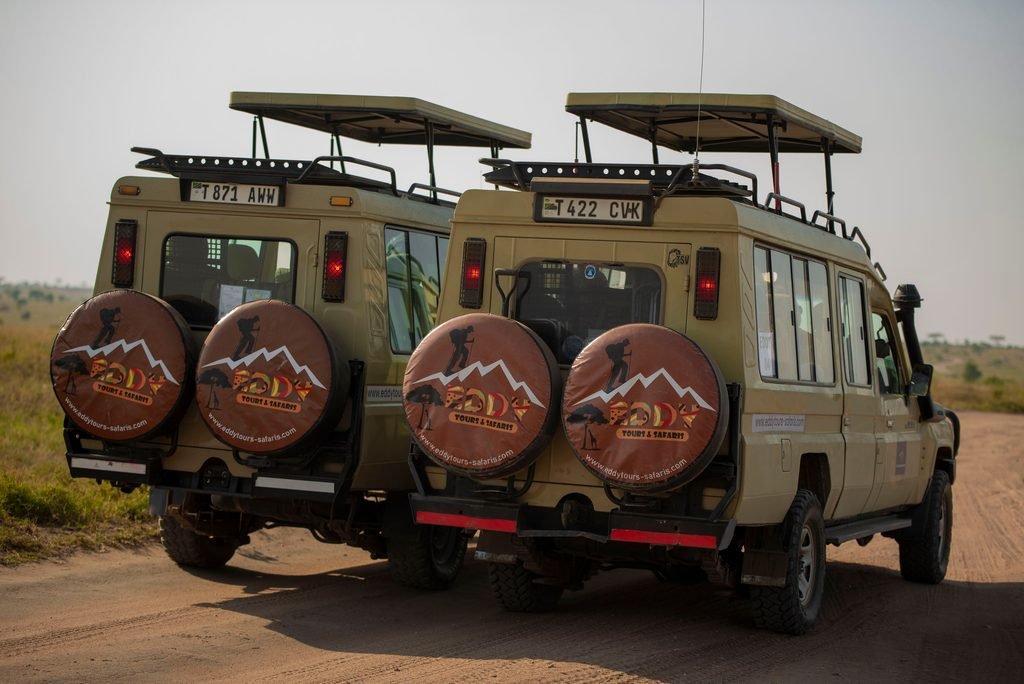
Plan Your Tanzania Safari for 2027 and 2028 with Eddy Tours & Safaris
Knowing what to wear on a Tanzania safari makes packing easier and helps you enjoy your trip without unnecessary discomfort. The most important things to remember are to choose lightweight clothing, pack neutral colors, bring comfortable walking shoes, and carry a warm jacket for early morning game drives. Long sleeves, sunscreen, insect repellent, and a practical daypack will also make your journey more comfortable.
Whether you are visiting the Serengeti, Ngorongoro Crater, Tarangire, or Lake Manyara, your clothing should be suitable for changing temperatures and different outdoor conditions. You do not need expensive safari outfits or large amounts of luggage. A small selection of comfortable, practical clothes is usually enough for an enjoyable wildlife holiday.
At Eddy Tours & Safaris, we help travelers plan Tanzania wildlife safaris for 2027 and 2028, including private safaris, family holidays, wildlife photography trips, and combinations with Kilimanjaro climbing or Zanzibar beach holidays. Our team can discuss your itinerary, accommodation preferences, travel arrangements, and packing requirements before providing a detailed quotation.
Request Your Tanzania Safari Quotation
Chat with Eddy Tours & Safaris on WhatsApp
Email: sales@eddytours-safaris.com
Contact our team to plan your Tanzania safari with suitable accommodation, experienced guides, and practical travel advice for your chosen destinations.