
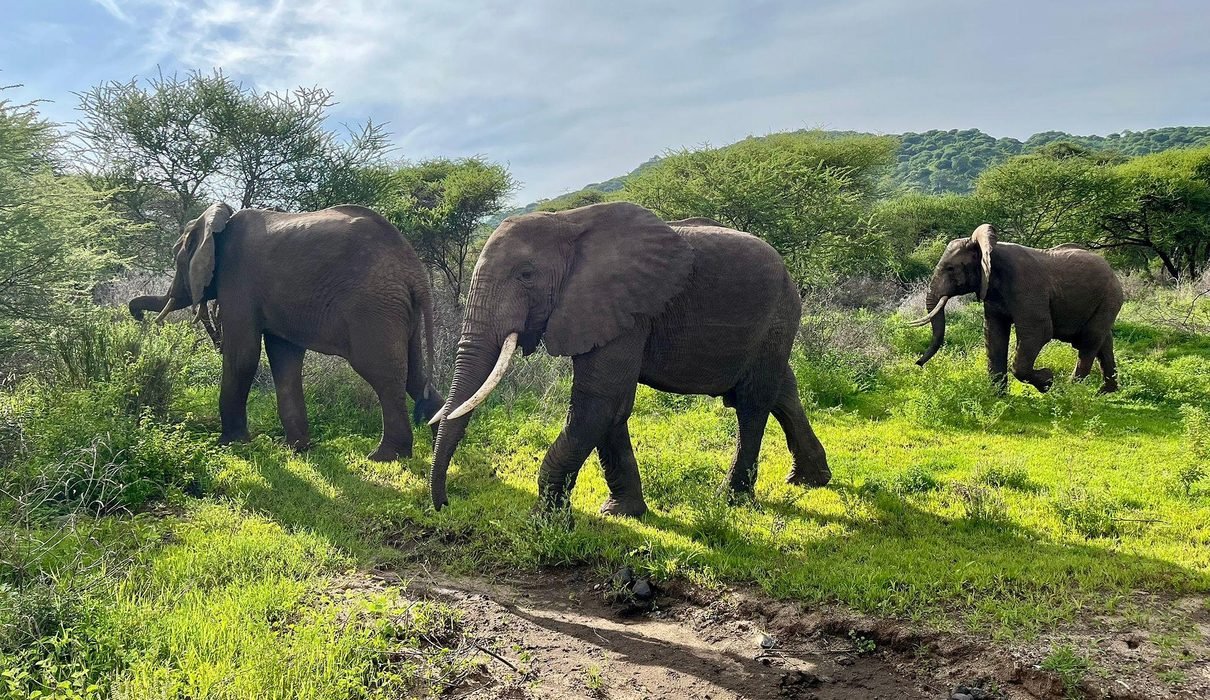
Tanzania is one of Africa’s leading wildlife safari destinations, offering national parks, conservation areas, beautiful landscapes, mountains, and tropical beaches. If you are planning a holiday in 2027, 2028, or 2029, knowing where to go in Tanzania will help you choose the right destinations for your travel interests, budget, and available time.
From the famous plains of Serengeti National Park to the wildlife-rich Ngorongoro Crater, Tanzania offers excellent opportunities to observe wild animals in their natural habitats. Visitors can explore national parks, photograph elephants and lions, witness the Great Wildebeest Migration, climb Mount Kilimanjaro, or relax along the beaches of Zanzibar.The country has several safari circuits, each offering different attractions. Northern Tanzania is particularly popular among first-time visitors because it includes Serengeti, Ngorongoro, Tarangire, and Lake Manyara. Southern Tanzania provides extensive wilderness areas, while western Tanzania is known for remote national parks and chimpanzee trekking.
At Eddy Tours & Safaris, a local tour company based in Arusha, Tanzania, we arrange private wildlife safaris, Kilimanjaro climbing trips, and personalised holidays. This guide explains the best places to visit in Tanzania in 2027, 2028, and 2029, including their main attractions, wildlife, and suitable travel seasons.
1. Serengeti National Park – Best for Wildlife Safaris and the Great Migration
Serengeti National Park is one of Tanzania’s most famous wildlife destinations. Located in northern Tanzania, the park covers approximately 14,763 square kilometres and is recognised internationally for its extensive grasslands, large wildlife populations, and the annual Great Wildebeest Migration.
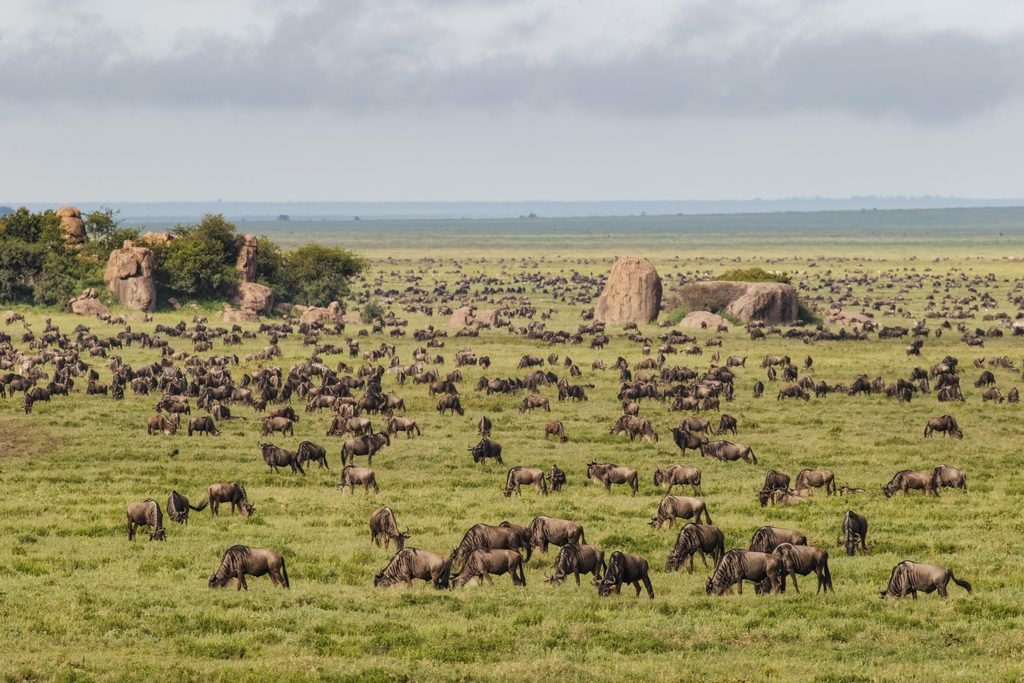
The Serengeti is home to lions, leopards, cheetahs, elephants, giraffes, buffaloes, zebras, wildebeest, and numerous antelope species. Its open landscapes provide excellent opportunities for wildlife photography and game drives throughout the year. One of the main attractions is the Great Migration, during which large herds of wildebeest and zebras move through the Serengeti ecosystem in search of fresh grazing. The movement follows seasonal rainfall patterns, meaning the location of the animals changes throughout the year.
Best Time to Visit Serengeti National Park
The Serengeti offers wildlife viewing throughout the year, but the best time depends on the experience you want.From January to March, the southern Serengeti and Ndutu region are particularly interesting for visitors hoping to observe the wildebeest calving season. Between April and June, migrating herds generally move through central and western areas of the ecosystem.
From July to October, the northern Serengeti becomes popular for travellers interested in migration movements near the Mara River. However, river crossings are unpredictable and cannot be guaranteed. For general wildlife viewing, the central Serengeti is a good destination during most months because resident wildlife populations remain in the area.
Recommended safari duration: 3–5 days.
2. Ngorongoro Crater – Best for Seeing Different Wildlife Species
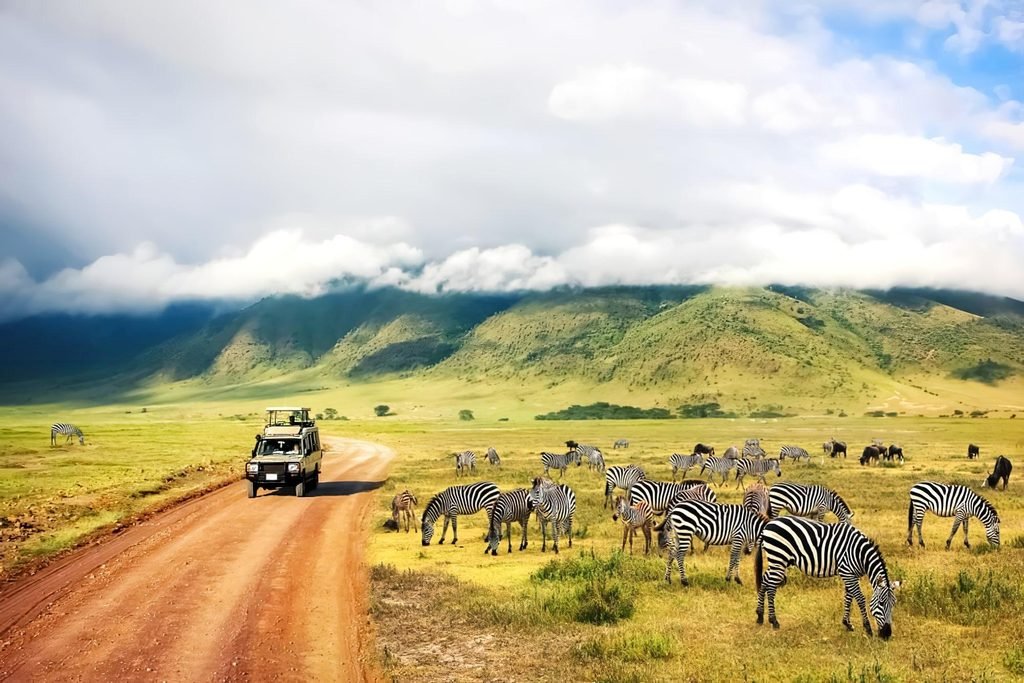
The Ngorongoro Crater is among Tanzania’s most remarkable natural attractions. Located within the Ngorongoro Conservation Area, the crater was formed following the collapse of a large volcano millions of years ago. Today, the crater floor supports a wide variety of wildlife, including lions, elephants, buffaloes, zebras, wildebeest, hippos, and several antelope species. It is also one of the places in Tanzania where visitors may have an opportunity to observe endangered black rhinoceroses.
The crater’s relatively compact wildlife-viewing area makes it particularly attractive for travellers who have limited time. During a game drive, visitors can explore grasslands, wetlands, woodland areas, and freshwater habitats. Ngorongoro is frequently combined with Serengeti National Park, Tarangire National Park, and Lake Manyara National Park in northern Tanzania safari itineraries.
Best Time to Visit Ngorongoro Crater
Ngorongoro Crater offers wildlife viewing throughout the year because many animals remain within the crater ecosystem. The dry season from June to October is popular, while the rainy months bring greener landscapes and attractive photography conditions.Visitors should expect cooler temperatures around the crater rim, particularly during early mornings and evenings.
Recommended safari duration: 1–2 days.
3. Tarangire National Park – Best for Elephants and Baobab Trees
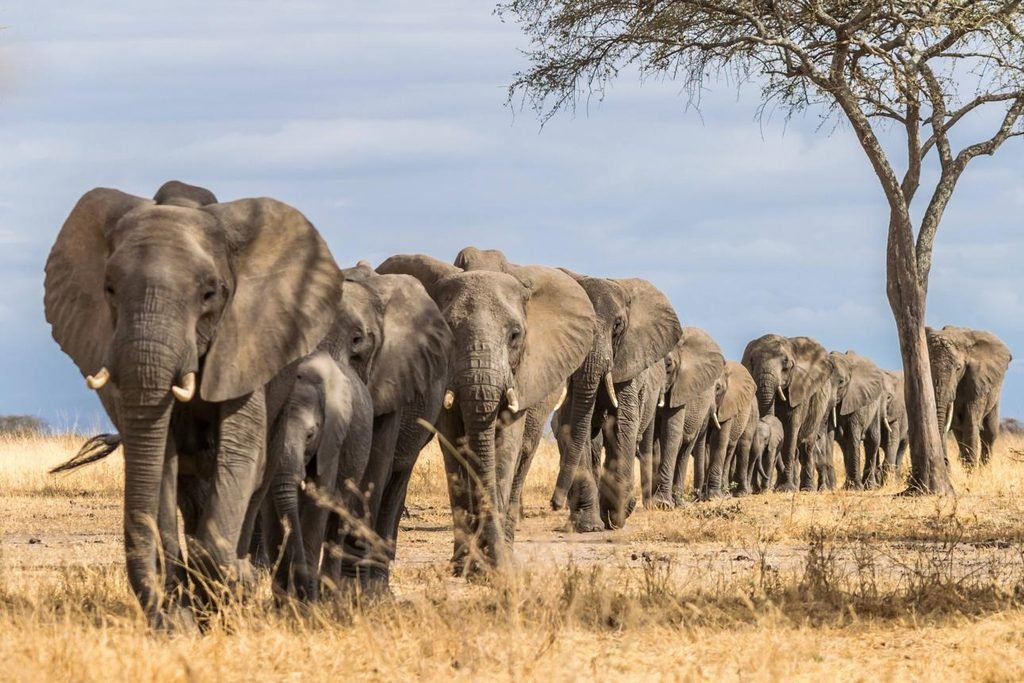
Tarangire National Park is one of the best destinations in Tanzania for observing elephants. Located approximately two to three hours by road from Arusha, the park is famous for its large baobab trees, open savannah landscapes, and the Tarangire River. During the dry season, wildlife gathers around permanent water sources, creating excellent opportunities for game viewing. Visitors may encounter large elephant groups, giraffes, zebras, buffaloes, wildebeest, lions, and various antelope species.
Tarangire is also an excellent destination for birdwatching, with hundreds of bird species recorded within the park. The park is suitable for short safaris because of its relatively convenient location from Arusha. It is commonly included in two-day, three-day, and longer northern Tanzania safari packages.
Best Time to Visit Tarangire National Park
The best period for observing large concentrations of wildlife is generally between June and October. During these months, animals gather around the Tarangire River and other available water sources. The rainy season brings green vegetation and excellent birdwatching opportunities, although wildlife may become more widely dispersed.
Recommended safari duration: 1–2 days.
4. Lake Manyara National Park – Best for Birds and Beautiful Landscapes
Lake Manyara National Park is located along the Great Rift Valley escarpment in northern Tanzania. Although smaller than Serengeti and Tarangire, the park contains several different habitats, including groundwater forests, open grasslands, wetlands, and lake environments. Visitors may encounter elephants, buffaloes, giraffes, zebras, baboons, monkeys, and numerous bird species. Flamingos may also be present when lake conditions are suitable. Lake Manyara is sometimes associated with tree-climbing lions, although sightings are uncommon and should not be expected during every visit.The park’s diverse scenery makes it attractive for travellers interested in photography, birdwatching, and wildlife viewing.
Best Time to Visit Lake Manyara National Park
Lake Manyara can be visited throughout the year. The dry season generally provides easier wildlife viewing in some areas, while the rainy months bring lush vegetation and attractive scenery.Birdwatching is particularly rewarding during periods when migratory birds are present.
Recommended safari duration: 1 day.
5. Arusha National Park – Best for Short Safaris Near Arusha
Arusha National Park is one of Tanzania’s most accessible wildlife destinations. Located near Arusha town and Mount Meru, the park is suitable for travellers who want a short wildlife experience before or after a longer safari. The park includes several attractive landscapes, such as the Momella Lakes, Ngurdoto Crater, and forested slopes of Mount Meru.
Wildlife includes giraffes, buffaloes, zebras, warthogs, waterbucks, and several monkey species. Black-and-white colobus monkeys are among the park’s notable attractions. Unlike larger safari destinations, Arusha National Park is particularly suitable for nature walks, birdwatching, and scenic photography. Walking safaris are available in designated areas with authorised guides.
Best Time to Visit Arusha National Park
The park can be visited throughout the year, although weather conditions vary by season. Clearer conditions are often experienced during the drier months, making them suitable for viewing Mount Meru and the surrounding landscapes.
Recommended safari duration: 1 day.
6. Nyerere National Park – Best for Southern Tanzania Safaris
Nyerere National Park is one of the largest protected wildlife areas in Africa. Located in southern Tanzania, it offers extensive wilderness landscapes, rivers, lakes, and woodland habitats. The park supports elephants, giraffes, buffaloes, lions, hippos, crocodiles, and numerous other species. African wild dogs are also among its notable predators, although sightings depend on location and conditions.
One of the attractions of Nyerere is the opportunity to experience different safari activities. In addition to traditional game drives, visitors may enjoy boat safaris in authorised areas. Nyerere is a suitable destination for travellers beginning their holidays in Dar es Salaam or Zanzibar. Depending on the selected itinerary, visitors can reach the park by road or domestic flight.
Best Time to Visit Nyerere National Park
The dry season, particularly from June to October, is generally suitable for wildlife viewing.
During this period, animals may concentrate around available water sources, and vegetation becomes less dense in some areas.
Recommended safari duration: 3–5 days.
7. Ruaha National Park – Best for Remote Wildlife Experiences
Ruaha National Park is one of Tanzania’s largest national parks and an excellent destination for travellers seeking extensive wilderness and relatively low visitor numbers.The park is known for its elephant populations, large predators, baobab landscapes, and varied wildlife habitats. Visitors may encounter lions, leopards, giraffes, buffaloes, zebras, and numerous antelope species.
Ruaha’s remote location makes it particularly attractive for experienced safari travellers and wildlife photographers. Unlike the northern safari circuit, where several national parks are located relatively close to one another, Ruaha often requires additional travel arrangements.
Domestic flights are a convenient option for travellers who want to reduce road travelling time.
Best Time to Visit Ruaha National Park
June to October is generally the preferred period for wildlife viewing. During the dry season, animals often gather around the Great Ruaha River and other remaining water sources.
Recommended safari duration: 3–5 days.
8. Mikumi National Park – Best for Short Safaris from Dar es Salaam
Mikumi National Park is located in eastern Tanzania and is among the more accessible wildlife destinations from Dar es Salaam.The park is known for its open grasslands, attractive mountain scenery, and wildlife populations. Visitors may encounter elephants, giraffes, zebras, buffaloes, lions, and different antelope species.
Mikumi is particularly suitable for travellers who want a short safari without travelling to northern Tanzania. The park can also be combined with Nyerere National Park or Ruaha National Park for a longer southern Tanzania wildlife holiday.
Best Time to Visit Mikumi National Park
The dry season from June to October generally provides favourable wildlife viewing conditions. However, Mikumi can be visited throughout the year, depending on weather and road conditions.
Recommended safari duration: 2–3 days.
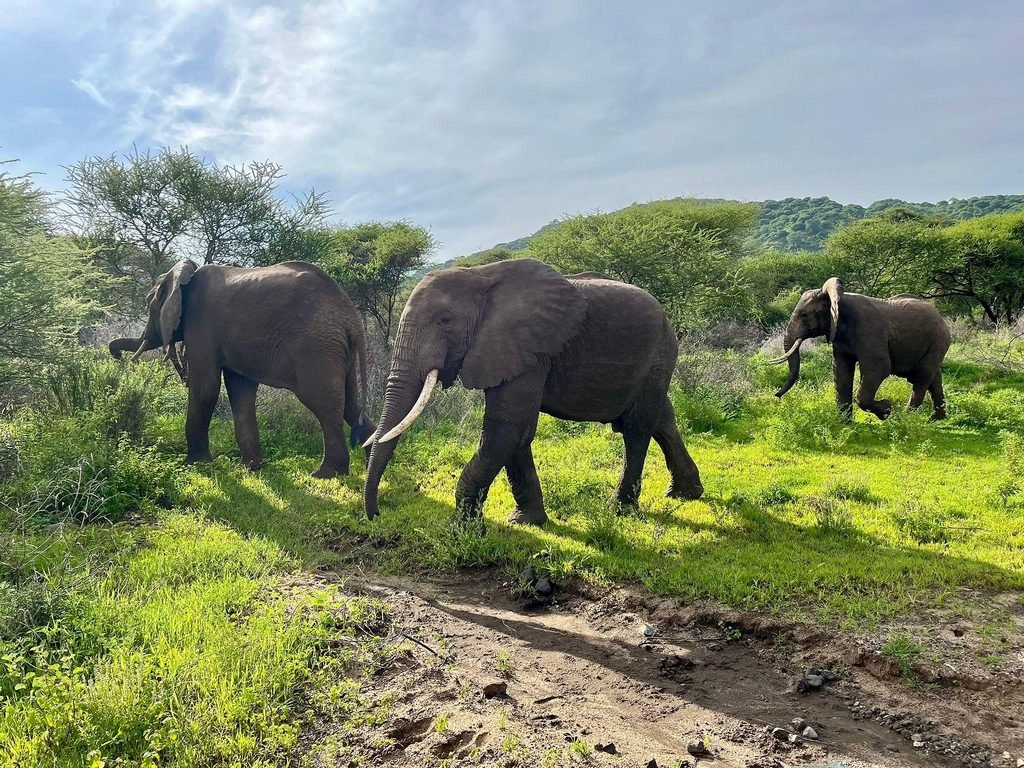
9. Katavi National Park – Best for Wilderness and Fewer Visitors
Katavi National Park is located in western Tanzania and is one of the country’s more remote safari destinations. The park is known for its seasonal floodplains, large buffalo herds, hippos, crocodiles, elephants, and predators.
Because Katavi receives relatively few visitors compared with Serengeti and Ngorongoro, it provides an attractive option for travellers interested in remote wilderness. Access requires careful planning, and domestic flights are often the most convenient transport option.
Best Time to Visit Katavi National Park
The dry season from approximately June to October is generally the most suitable period for wildlife viewing. As seasonal water sources dry up, animals may concentrate around remaining rivers and pools.
Recommended safari duration: 3–5 days.
10. Mahale Mountains National Park – Best for Chimpanzee Trekking
Mahale Mountains National Park is located along the eastern shores of Lake Tanganyika in western Tanzania.
Unlike the traditional savannah safari destinations, Mahale is known for its forested mountains and wild chimpanzee populations.
Visitors travel to the park primarily for guided chimpanzee trekking, although the surrounding landscapes and Lake Tanganyika also provide beautiful scenery.
Chimpanzee trekking requires walking through forest environments, sometimes over uneven or steep terrain.
The location of chimpanzees varies according to their daily movements, and sightings cannot be guaranteed.
Best Time to Visit Mahale Mountains National Park
The drier months, generally from June to October, are often preferred for trekking because forest trails may be easier to navigate.
However, chimpanzee movements and viewing conditions vary throughout the year.
Recommended safari duration: 3–5 days.
11. Gombe Stream National Park – Best for Chimpanzees and Conservation History
Gombe Stream National Park is located near Kigoma on the shores of Lake Tanganyika.
The park is internationally recognised for its chimpanzee research history, particularly the pioneering work of Jane Goodall.
Visitors can participate in guided chimpanzee trekking and explore the park’s forested landscapes.
Gombe is considerably smaller than many of Tanzania’s other national parks, but it offers a distinctive experience focused on primates and forest ecosystems.
The park is generally accessed through Kigoma, followed by boat transport.
Best Time to Visit Gombe Stream National Park
The drier months are often preferred for trekking, although chimpanzees can be observed at different times of the year.
Visitors should prepare for walking on forest trails and changing weather conditions.
Recommended safari duration: 2–3 days.
12. Mount Kilimanjaro – Best for Mountain Climbing
Mount Kilimanjaro is Africa’s highest mountain, reaching approximately 5,895 metres above sea level.
Located in northern Tanzania, the mountain attracts climbers from around the world who want to reach Uhuru Peak.
Kilimanjaro offers several established climbing routes, including Machame, Lemosho, Marangu, Rongai, Umbwe, and the Northern Circuit.
Each route differs in duration, scenery, accommodation arrangements, and acclimatisation opportunities.
Although Kilimanjaro climbing is different from a traditional wildlife safari, many visitors combine their mountain expedition with a safari in Serengeti, Tarangire, or Ngorongoro.
Best Time to Climb Mount Kilimanjaro
The main climbing seasons are generally January to early March and June to October.
These periods often provide more favourable weather conditions, although mountain weather remains unpredictable.
Travellers should choose routes that allow sufficient time for altitude acclimatisation.
Recommended climbing duration: 6–9 days, depending on the route.
For climbing and safari arrangements, contact Eddy Tours & Safaris.
13. Mount Meru – Best for Trekking Near Arusha
Mount Meru is Tanzania’s second-highest mountain and is located within Arusha National Park.
The mountain reaches approximately 4,566 metres above sea level and provides an attractive trekking experience for visitors interested in mountain landscapes and wildlife.
Climbers pass through forest environments, open vegetation zones, and volcanic landscapes before reaching the summit area.
Mount Meru is sometimes used as preparation for Kilimanjaro because it provides an opportunity to experience trekking at higher elevations.
Best Time to Climb Mount Meru
The drier months are generally preferred, particularly January to March and June to October.
Weather conditions can change rapidly at higher elevations, so appropriate clothing and equipment are essential.
Recommended climbing duration: 3–4 days.
14. Zanzibar Island – Best for Beach Holidays and Cultural Experiences
Zanzibar is one of Tanzania’s most popular coastal destinations.
Located in the Indian Ocean, the island is known for its white-sand beaches, historic Stone Town, traditional spice farms, and marine attractions.
Visitors can spend time relaxing along the coast, exploring cultural sites, enjoying boat excursions, or participating in selected water activities.
Popular beach areas include Nungwi, Kendwa, Paje, Jambiani, and Matemwe.
Stone Town provides an opportunity to explore Zanzibar’s history, architecture, markets, and cultural heritage.
Zanzibar is frequently combined with a northern Tanzania wildlife safari, allowing travellers to experience both national parks and beaches during one holiday.
Best Time to Visit Zanzibar
June to October and December to February are generally popular periods for beach holidays.
The long rainy season usually occurs between March and May, although weather conditions vary.
Recommended holiday duration: 3–7 days.
15. Lake Natron – Best for Landscapes and Adventure
Lake Natron is located in northern Tanzania near the Kenyan border.
The lake is recognised for its unusual alkaline environment, surrounding volcanic landscapes, and importance as a breeding site for lesser flamingos.
Visitors can explore the surrounding area, photograph the dramatic scenery, and participate in guided activities where permitted.
Lake Natron is also located near Ol Doinyo Lengai, an active volcano that attracts experienced adventure travellers.
The area is remote, and road conditions can be challenging. Visitors should arrange suitable transport and experienced local guides.
Best Time to Visit Lake Natron
The drier months are generally preferred because roads and walking conditions may be more manageable.
However, flamingo activity and lake conditions vary seasonally.
Recommended visit duration: 2–3 days.
16. Lake Eyasi – Best for Cultural Tourism
Lake Eyasi is located southwest of the Ngorongoro Highlands in northern Tanzania.
The surrounding area is known for its cultural diversity and opportunities to learn about local communities, including the Hadzabe and Datoga.
Visitors can participate in appropriately arranged cultural experiences with local guides and community representatives.
These activities provide opportunities to learn about traditional livelihoods, local history, and relationships between communities and their environment.
Lake Eyasi can be combined with visits to Ngorongoro, Tarangire, or Lake Manyara.
Best Time to Visit Lake Eyasi
The area can be visited throughout much of the year, although road conditions may become more difficult during heavy rains.
Recommended visit duration: 1–2 days.
17. Mkomazi National Park – Best for Conservation and Quiet Safaris
Mkomazi National Park is located in northeastern Tanzania, near the Pare and Usambara mountain ranges.
The park is known for its dry savannah landscapes and conservation efforts involving endangered wildlife.
Animals found in the park include giraffes, zebras, elephants, antelopes, and several predator species.
Mkomazi is also associated with conservation programmes involving black rhinoceroses and African wild dogs.
Because the park receives fewer visitors than the major northern circuit destinations, it provides a quieter wildlife experience.
Best Time to Visit Mkomazi National Park
The dry season is generally suitable for wildlife viewing, although visits can be arranged at other times of the year.
Recommended safari duration: 1–2 days.
18. Saadani National Park – Best for Coastal Wildlife Safaris
Saadani National Park is unusual because it combines coastal landscapes with terrestrial wildlife habitats.
Located along Tanzania’s Indian Ocean coast, the park contains beaches, grasslands, forests, and river environments.
Visitors may encounter giraffes, buffaloes, antelopes, monkeys, and other wildlife.
Saadani is an interesting destination for travellers who want to combine a coastal holiday with wildlife viewing.
However, wildlife densities and viewing opportunities differ from those in famous savannah parks such as Serengeti and Tarangire.
Best Time to Visit Saadani National Park
The drier months are generally preferred for game drives and outdoor activities.
Recommended safari duration: 2–3 days.
19. Udzungwa Mountains National Park – Best for Hiking and Forest Wildlife
Udzungwa Mountains National Park is located in south-central Tanzania and is known for its tropical forests, waterfalls, and biodiversity.
Unlike traditional safari parks, Udzungwa is primarily explored through guided walking and hiking activities.
The park supports several primate species, including endemic monkeys, as well as numerous birds and other forest animals.
One of the popular attractions is hiking towards Sanje Waterfalls, which offers attractive views of the surrounding landscape.
Udzungwa is suitable for travellers interested in hiking, nature photography, and forest ecosystems.
Best Time to Visit Udzungwa Mountains National Park
The drier months generally provide more comfortable hiking conditions.
However, the forest environment can receive rainfall throughout the year.
Recommended visit duration: 1–3 days.
20. Kitulo National Park – Best for Wildflowers and Mountain Landscapes
Kitulo National Park is located in Tanzania’s southern highlands and is particularly famous for its mountain grasslands and seasonal wildflowers.
The park is sometimes referred to as the Garden of God because of its rich plant diversity and colourful flowering landscapes.
Unlike Tanzania’s traditional wildlife safari destinations, Kitulo is primarily visited for botanical tourism, hiking, birdwatching, and scenic photography.
The flowering season depends on rainfall and environmental conditions, so travellers should confirm the best period before visiting.
Best Time to Visit Kitulo National Park
The rainy season, particularly around December to April, is generally associated with flowering plants.
For hiking, conditions may be more comfortable during drier periods.
Recommended visit duration: 1–2 days.
21. Burigi-Chato National Park – Best for Exploring Western Tanzania
Burigi-Chato National Park is located in northwestern Tanzania and contains a mixture of lakes, wetlands, woodlands, and savannah landscapes.
The park supports various wildlife species, including buffaloes, giraffes, zebras, and antelopes.
Because it is less frequently visited than Serengeti and Ngorongoro, Burigi-Chato may appeal to travellers interested in exploring different parts of Tanzania.
Access and accommodation arrangements should be confirmed before travel.
Best Time to Visit Burigi-Chato National Park
The drier months are generally more convenient for game drives and travelling within the park.
Recommended safari duration: 2–3 days.
Best Tanzania Safari Destinations for First-Time Visitors
If you are visiting Tanzania for the first time, the northern safari circuit is generally the most practical choice.
The combination of Serengeti National Park, Ngorongoro Crater, Tarangire National Park, and Lake Manyara National Park provides opportunities to experience several different wildlife habitats.
For travellers with only two or three days available, Tarangire and Ngorongoro are suitable options because they can be reached from Arusha without requiring the longer journey to Serengeti.
Visitors with five to seven days can include Serengeti National Park and spend additional time exploring its wildlife areas.
Travellers with more than ten days may consider combining the northern circuit with Zanzibar or visiting additional destinations.
Best Tanzania Safari Destinations for Wildlife Photography
Tanzania provides excellent opportunities for wildlife photography because of its diverse ecosystems and large wildlife populations.
Serengeti National Park is particularly attractive for photographing lions, cheetahs, leopards, and migrating herbivores.
Tarangire National Park is well suited to elephant photography, especially during the dry season when wildlife gathers around water sources.
Ngorongoro Crater provides opportunities to photograph wildlife against dramatic volcanic landscapes.
Ruaha and Katavi are also attractive destinations for photographers interested in extensive wilderness and relatively low visitor numbers.
For the best photography experience, travellers should consider spending several days in selected destinations rather than moving between national parks every day.
Best Tanzania Safari Destinations for Families
Families travelling with children should consider destinations that provide comfortable accommodation, manageable driving distances, and varied wildlife viewing opportunities.
Tarangire National Park, Lake Manyara National Park, and Ngorongoro Crater are suitable choices for shorter family safaris.
Serengeti National Park is also an excellent destination, particularly for families who can spend several days exploring the park.
Private safari vehicles provide flexibility for rest breaks and daily activities.
Parents should discuss children’s ages and accommodation requirements with their safari operator before booking.
Best Tanzania Safari Destinations for Honeymooners
Tanzania offers several attractive destinations for honeymoon safaris.
Serengeti National Park provides opportunities for private wildlife experiences and accommodation in selected luxury lodges or tented camps.
Ngorongoro offers beautiful scenery and comfortable accommodation around the highlands.
Tarangire is another excellent destination for couples interested in elephants, photography, and peaceful natural surroundings.
Many honeymooners choose to complete their safari with a Zanzibar beach holiday.
This combination allows couples to enjoy wildlife experiences before relaxing along the Indian Ocean.
How Much Does a Tanzania Safari Cost in 2027, 2028 and 2029?
The cost of a Tanzania safari depends on the destinations visited, number of travel days, accommodation category, group size, and transport arrangements.
Short safaris generally have lower overall costs than extended itineraries. However, the daily cost may be higher when fewer travellers share the expenses of a private vehicle and guide.
Budget camping safaris provide basic accommodation, while mid-range lodges offer comfortable facilities and services. Luxury safaris include premium accommodation and may involve domestic flights or additional activities.
As a broad planning guide, a three-day safari may cost approximately USD 550–1,200 per person, while a five-day safari may range from USD 950–2,100 per person. Longer or luxury itineraries can cost considerably more.
These figures are illustrative estimates rather than confirmed rates for 2027, 2028, or 2029. Actual prices depend on accommodation availability, national park fees, group size, and the final itinerary.
For a personalised quotation, contact Eddy Tours & Safaris.
Best Time to Visit Tanzania in 2027, 2028 and 2029
Tanzania is a year-round travel destination, although the best time to visit depends on your planned activities.
The dry season from June to October is particularly popular for wildlife safaris. During this period, vegetation becomes less dense in many areas, and animals often gather near permanent water sources.
January and February are attractive months for visiting the southern Serengeti and Ndutu region, where wildebeest calving commonly takes place.
March to May is generally associated with the long rainy season. Some destinations may experience difficult road conditions, but the landscapes become greener and birdwatching can be rewarding.
November and December usually bring shorter rains in many parts of northern Tanzania.
Travellers planning Kilimanjaro climbing trips or Zanzibar holidays should consider the weather patterns specific to those destinations.
How to Choose the Right Tanzania Safari Destination
Choosing the best places to visit in Tanzania depends on your travel interests, budget, and available time.
If your main interest is observing large wildlife populations, Serengeti and Ngorongoro are excellent choices.
For elephant viewing, Tarangire is particularly attractive during the dry season.
Travellers interested in chimpanzees should consider Mahale Mountains or Gombe Stream National Park.
For quieter wilderness experiences, Ruaha, Katavi, and Nyerere offer attractive alternatives to the northern circuit.
Visitors interested in mountain climbing can explore Kilimanjaro or Mount Meru, while those seeking beaches and cultural attractions may prefer Zanzibar.
A well-planned itinerary should consider travelling distances and allow sufficient time in each destination.
Why Travel with Eddy Tours & Safaris?
Eddy Tours & Safaris is a local tour company in Arusha, Tanzania, arranging wildlife safaris, Kilimanjaro climbing expeditions, and personalised holidays.
We help travellers plan their visits according to preferred destinations, available travel days, accommodation requirements, and budget.
Our safari arrangements can include private transportation, professional guides, accommodation, national park visits, and selected additional activities.
Whether you are interested in a short wildlife safari, a longer Serengeti expedition, or a combined Tanzania safari and Zanzibar holiday, our team can assist with planning a suitable itinerary.
Travellers planning their holidays in 2027, 2028, or 2029 can contact us to discuss available options and request a personalised quotation.
Frequently Asked Questions About Where to Go in Tanzania
What is the best place to visit in Tanzania for a safari?
Serengeti National Park is one of Tanzania’s most popular wildlife destinations because of its extensive grasslands, large predator populations, and the Great Migration. Ngorongoro Crater and Tarangire National Park are also excellent choices.
Where should I go in Tanzania for my first safari?
First-time visitors should consider Serengeti, Ngorongoro, and Tarangire. These destinations provide opportunities to observe different wildlife species and experience varied landscapes.
What is the best place to see lions in Tanzania?
Serengeti National Park and Ngorongoro Crater are well-known destinations for observing lions. Ruaha National Park also supports important lion populations.
Where can I see elephants in Tanzania?
Tarangire National Park is particularly famous for elephants, especially during the dry season. Elephants can also be found in Serengeti, Nyerere, Ruaha, and other protected areas.
Where can I see the Great Migration in Tanzania?
The Great Migration takes place within the Serengeti ecosystem. The location of the herds changes seasonally according to rainfall and grazing conditions.
Is Ngorongoro Crater worth visiting?
Yes. Ngorongoro Crater is one of Tanzania’s most recognised wildlife destinations and provides opportunities to observe several large mammal species within a distinctive volcanic landscape.
What is the best Tanzania destination for a short safari?
Tarangire National Park, Ngorongoro Crater, Lake Manyara National Park, and Arusha National Park are suitable options for shorter safaris beginning in Arusha.
Which Tanzania national park is best for photographers?
Serengeti National Park is particularly attractive for wildlife photography. Tarangire, Ngorongoro, Ruaha, and Katavi also provide excellent photographic opportunities.
Where can I see chimpanzees in Tanzania?
Wild chimpanzees can be observed during guided trekking activities in Mahale Mountains National Park and Gombe Stream National Park.
Is Tanzania good for family safaris?
Yes. Tanzania offers several family-friendly safari destinations, including Tarangire, Lake Manyara, Ngorongoro, and Serengeti. Private tours can be customised according to children’s ages and family preferences.
Can I visit Tanzania and Zanzibar on the same holiday?
Yes. Many travellers combine wildlife safaris in northern Tanzania with several days in Zanzibar. Domestic flights make it possible to travel between the safari circuit and the island.
How many days do I need to explore Tanzania?
Five to seven days is suitable for visiting several northern Tanzania safari destinations. Travellers who want to combine wildlife viewing with Zanzibar or mountain climbing should consider a longer holiday.
Is Tanzania expensive for safari holidays?
Safari costs vary according to accommodation, travel duration, group size, and destinations. Budget, mid-range, and luxury options are available, allowing travellers to select packages according to their financial plans.
What is the best month to visit Tanzania?
June to October is generally popular for wildlife safaris. January and February are also attractive, particularly for visitors interested in the southern Serengeti calving season.
Can I book a Tanzania safari for 2027, 2028 or 2029?
Yes. Travellers can begin planning safaris for 2027, 2028, and 2029. Accommodation availability, park fees, and final prices should be confirmed before booking.
Plan Your Tanzania Safari for 2027, 2028 or 2029
Tanzania offers an exceptional variety of destinations, from the wildlife-rich plains of Serengeti National Park to the Ngorongoro Crater, Tarangire’s elephant habitats, the remote wilderness of Ruaha and Katavi, and the beautiful beaches of Zanzibar.
Choosing the right destinations will help you make the most of your time in Tanzania. Whether you have three days, one week, or two weeks available, a carefully planned itinerary can combine wildlife viewing, beautiful landscapes, cultural experiences, and relaxation.
If you are planning a Tanzania safari in 2027, 2028, or 2029, Eddy Tours & Safaris can help you organise a private holiday according to your travel interests and preferred destinations.
Contact Eddy Tours & Safaris
Location: Arusha, Tanzania
Email: sales@eddytours-safaris.com
WhatsApp: +255 711 906 664
Website: Eddy Tours & Safaris
Safari Enquiries: Contact Our Safari Team
Contact our team to discuss your preferred destinations, travel dates, and accommodation requirements for your Tanzania holiday.