
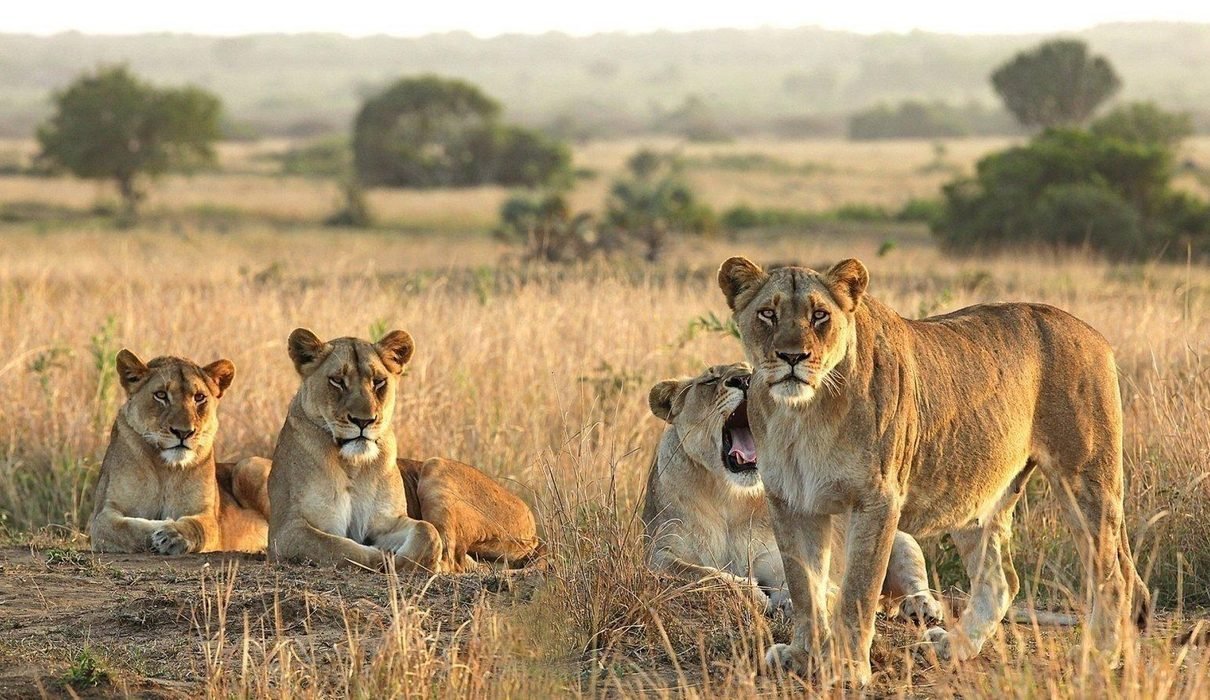
Africa is home to some of the world’s most remarkable wildlife, but few animals attract as much attention on safari as lions, leopards, and cheetahs. Watching a lion pride resting beneath an acacia tree, finding a leopard hidden among the branches, or seeing a cheetah scanning the grasslands is often one of the highlights of an African safari. These animals live in different habitats, follow different hunting patterns, and can be difficult to find without knowing where and when to look.
For travellers planning an African safari in 2027, choosing the right destination can make a considerable difference. Tanzania, Kenya, Botswana, South Africa, and Zambia offer excellent opportunities to observe big cats in their natural surroundings. However, Tanzania stands out because its northern safari circuit combines the Serengeti plains, Ngorongoro Crater, and several other wildlife-rich destinations within one itinerary. Travellers interested in exploring these areas can arrange a Tanzania wildlife safari with Eddy Tours & Safaris, a locally based tour company in Arusha.
This guide explains where to find Africa’s three most famous big cats, the best months for wildlife viewing, how their behaviour differs, and what travellers should consider when planning a big cat safari in 2027.
Understanding Africa’s Three Famous Big Cats
Although Africa has several wild cat species, lions, leopards, and cheetahs are the main attractions for travellers interested in large feline predators. Each species has developed its own way of hunting, finding shelter, and surviving in the African wilderness. Understanding these differences helps visitors appreciate what they are watching rather than simply searching for animals to photograph.
African Lions: The Social Hunters of the Savannah
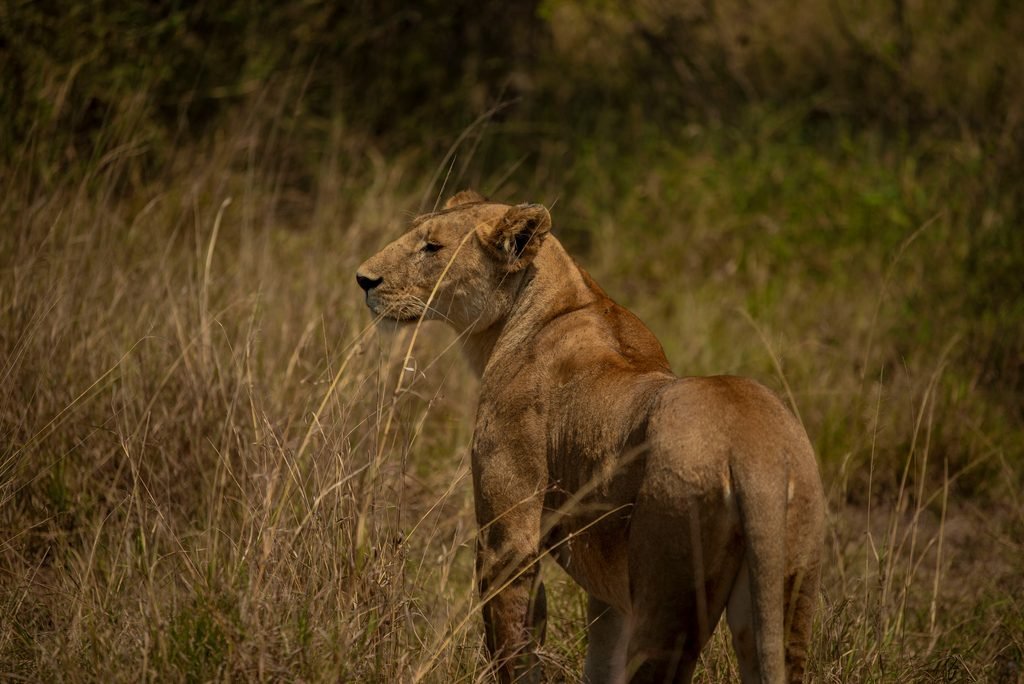
Lions are among Africa’s most recognisable animals and are particularly interesting because of their social behaviour. Unlike most other wild cats, lions live in groups known as prides, usually consisting of related females, their young, and one or more adult males. Female lions perform much of the cooperative hunting, while males help defend territories and may also participate in hunts.
Lions spend a considerable amount of time resting, especially during the hottest hours of the day. They are often more active during cooler periods, including early mornings, evenings, and nighttime. On safari, visitors may find them sleeping in the shade, interacting with cubs, feeding on a recent kill, or moving across the plains in search of prey.
Tanzania’s Serengeti National Park and Ngorongoro Crater are especially well known for lion sightings. The Serengeti provides extensive hunting grounds, while Ngorongoro supports a concentrated population within its volcanic landscape.
African Leopards: The Secretive Tree Climbers
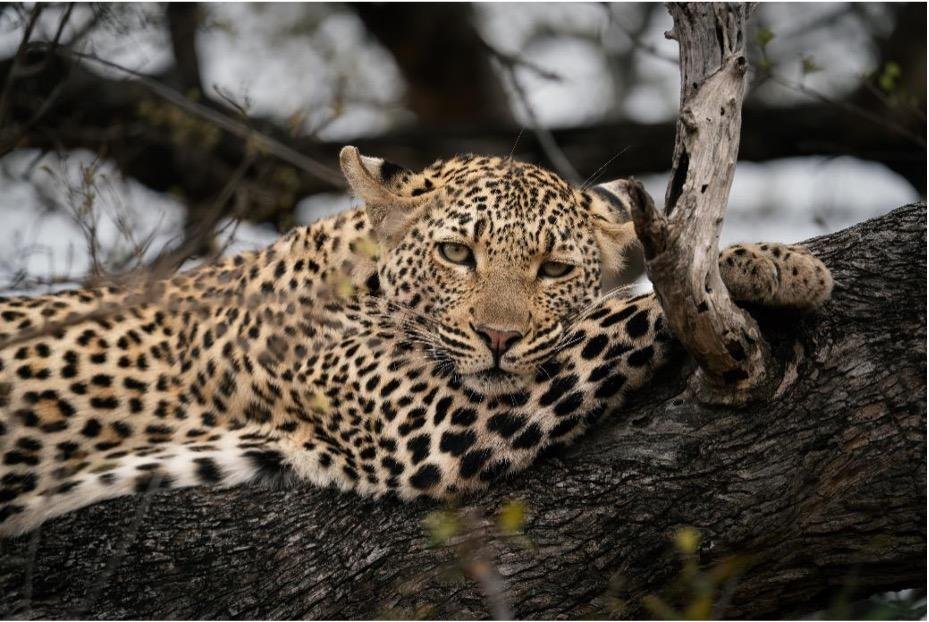
Leopards are solitary predators that rely on camouflage, patience, and stealth. Their spotted coats help them disappear into vegetation, rocky surroundings, and shaded tree branches. Although leopards are powerful hunters, they are generally more difficult to locate than lions because they spend much of their time alone and often avoid open areas.
One of the most interesting leopard behaviours is carrying prey into trees. This helps protect food from scavengers and competing predators, particularly hyenas and lions. However, not every leopard spends long periods in trees, and their behaviour depends on habitat, competition, and available prey.
The Seronera Valley in central Serengeti is one of Tanzania’s better-known leopard-viewing areas. Riverine woodland, large trees, and rocky outcrops provide suitable places for leopards to rest and hunt. Visitors joining a private Tanzania safari can spend more time exploring these habitats rather than rushing between destinations.
African Cheetahs: The Fastest Hunters on Land
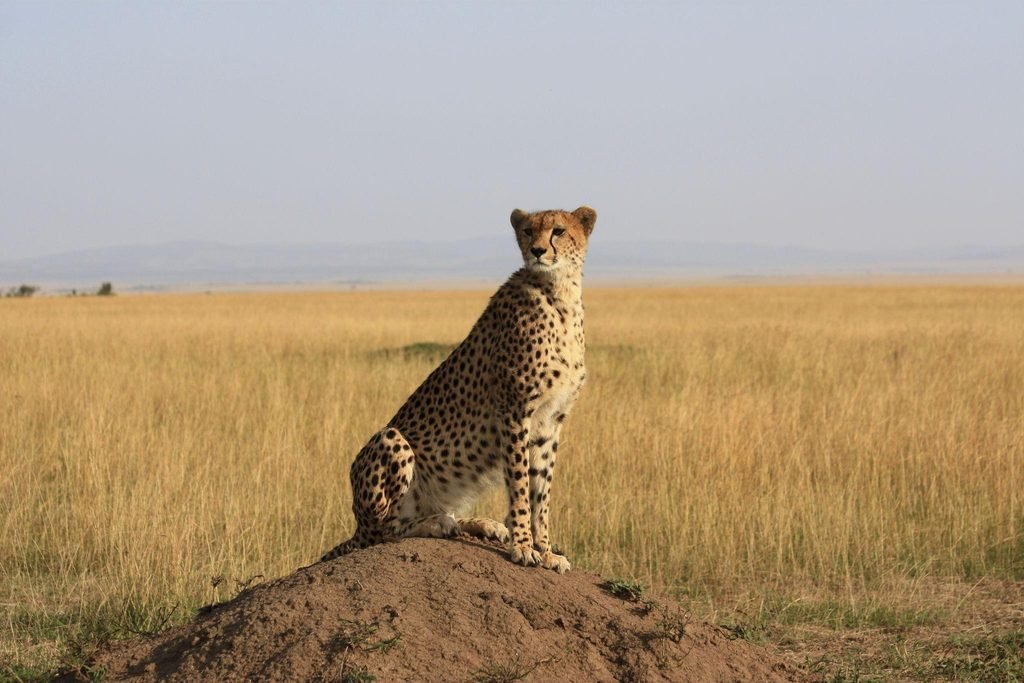
Cheetahs are built for speed and depend on open spaces where they can see prey from a distance. Their slender bodies, long legs, flexible spines, and distinctive black tear markings distinguish them from other African cats. Unlike lions, cheetahs generally hunt alone, although males sometimes form small coalitions.
Cheetahs typically hunt during daylight, often in the cooler morning or late-afternoon hours. They rely on approaching prey quietly before accelerating over a short distance. Their remarkable speed makes them effective hunters, but they can lose kills to larger predators, particularly lions and hyenas.
The open plains of southern Serengeti and the Ndutu region are excellent places to search for cheetahs. These landscapes support gazelles and other animals that form an important part of their diet. Travellers planning a Serengeti safari in Tanzania should consider including open grassland areas when cheetah sightings are a priority.
1. Serengeti National Park, Tanzania: One of Africa’s Best Big Cat Destinations
Serengeti National Park is widely recognised as one of Africa’s leading wildlife destinations. Its grasslands, woodlands, rocky outcrops, and river systems provide suitable habitats for lions, leopards, and cheetahs. The park also forms part of the greater Serengeti ecosystem, where large numbers of wildebeest, zebras, and gazelles move seasonally in search of fresh grazing.
The presence of these herbivores supports a substantial predator population. Lions are frequently observed in the central Serengeti, while leopards are often associated with riverine forests and large trees. Cheetahs prefer the more open plains, particularly where visibility allows them to locate and pursue prey.
The central Serengeti, especially the Seronera area, is an excellent choice for travellers hoping to see more than one big cat species during a safari. Visitors who spend two or three nights in the area have more opportunities to explore different habitats and return to promising wildlife locations. Southern Serengeti and Ndutu are particularly interesting during the calving period, when large numbers of wildebeest give birth and predators take advantage of the seasonal concentration of prey.
The northern Serengeti also provides rewarding predator encounters, especially when migrating herds move through the region. Lions may be found near grazing herds, while leopards occupy suitable wooded habitats. Although the migration is an important attraction, big cats remain in the Serengeti throughout the year, making it a suitable safari destination in different seasons.
Travellers can learn more about the park’s wildlife and conservation work through Tanzania National Parks Authority, or arrange a Serengeti wildlife safari with Eddy Tours & Safaris based on their preferred travel dates.
2. Ngorongoro Crater, Tanzania: Excellent Opportunities to See Lions
Ngorongoro Crater is one of Tanzania’s most distinctive wildlife destinations. Formed by the collapse of an ancient volcano, the crater contains grasslands, wetlands, forests, and permanent water sources that support a remarkable variety of animals. Its relatively compact wildlife-viewing area makes it particularly attractive to visitors with limited safari time.
Lions are among the crater’s main attractions. Visitors may find prides resting on the grasslands, moving between hunting areas, or watching herds of buffalo, zebra, and wildebeest. The crater’s open landscape often allows good visibility, although sightings still depend on the animals’ movements and prevailing conditions.
Leopards also inhabit the Ngorongoro Conservation Area, but they are generally harder to locate inside the crater. Cheetahs can occasionally be seen, although travellers specifically interested in cheetahs may have better opportunities on the open plains around Ndutu and southern Serengeti.
A visit to Ngorongoro is often combined with Serengeti, Tarangire, or Lake Manyara as part of a northern Tanzania safari. For visitors arranging a Tanzania safari holiday, including Ngorongoro provides an opportunity to observe lions alongside elephants, buffaloes, hippos, hyenas, and potentially black rhinos.
Additional information about the protected area is available from the Ngorongoro Conservation Area Authority and the UNESCO World Heritage Centre.
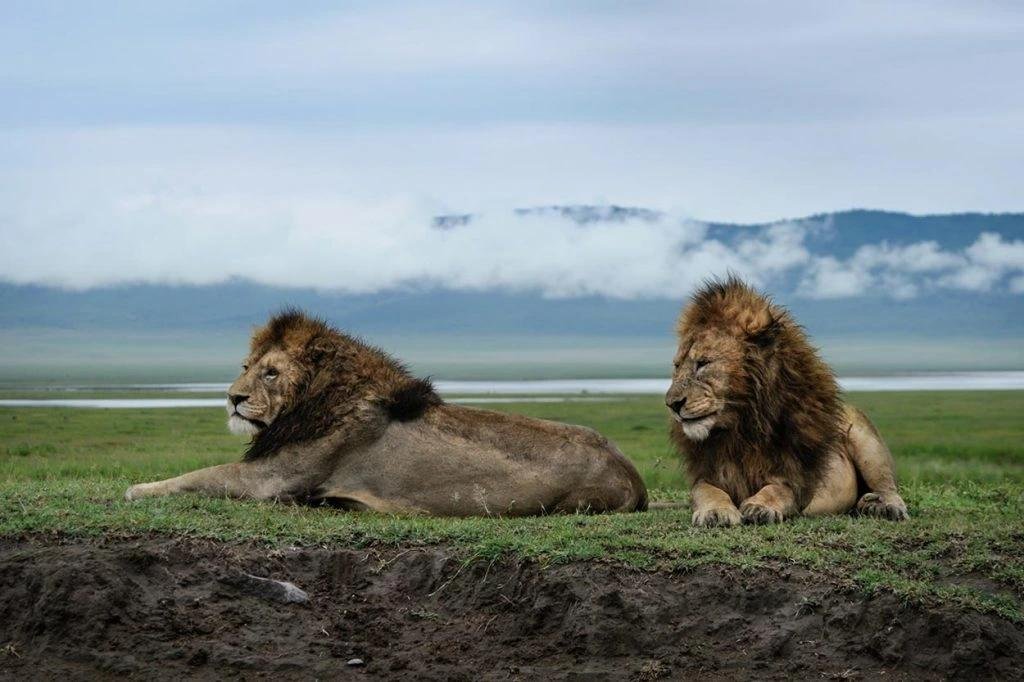
3. Ndutu, Tanzania: A Particularly Good Area for Cheetahs
Ndutu lies within the wider Serengeti ecosystem, around the boundary between southern Serengeti and the Ngorongoro Conservation Area. Its open grasslands, seasonal water sources, and scattered woodland provide suitable conditions for several predator species, particularly cheetahs.
From approximately December through March, depending on rainfall, large migratory herds commonly occupy the southern plains. January and February are especially associated with wildebeest calving, when many young animals are born within a relatively short period. This creates feeding opportunities for lions, cheetahs, hyenas, and other predators.
For wildlife photographers, Ndutu can be particularly rewarding because its open terrain provides opportunities to observe cheetahs searching for prey. Lions are also present, while leopards may be found in wooded areas. However, wildlife movements change with rainfall, and travellers should not assume that the same animals will be found in the same locations every year.
A safari combining Ndutu, central Serengeti, and Ngorongoro offers a good balance of different big cat habitats. Travellers interested in the calving season can contact Eddy Tours & Safaris to discuss a suitable itinerary for early 2027.
4. Ruaha National Park, Tanzania: Big Cats in a Quieter Wilderness
Ruaha National Park in southern Tanzania is an excellent destination for travellers who prefer large wilderness areas and fewer safari vehicles. The park’s landscape includes dry riverbeds, rocky hills, baobab trees, woodland, and open grasslands. These varied habitats support lions, leopards, and other predators.
Ruaha is especially recognised for its important lion population. Large prides can be encountered in areas where prey animals gather, particularly around river systems and remaining water sources during the dry season. Leopards also inhabit the park, although their secretive behaviour makes sightings less predictable.
The dry season, generally from June to October, is often favourable for wildlife viewing because vegetation becomes thinner and animals concentrate around available water. Nevertheless, predator sightings depend on patience, local knowledge, and the time spent exploring suitable habitats.
Ruaha is worth considering for travellers who have already visited the northern safari circuit or want to experience a different part of Tanzania. It can also be combined with other southern Tanzania destinations as part of a longer African safari holiday arranged through Eddy Tours & Safaris.
5. Maasai Mara National Reserve, Kenya: Lions, Cheetahs, and Leopards
Kenya’s Maasai Mara is another outstanding destination for African big cat viewing. Its grasslands and river systems support lions, cheetahs, leopards, and a wide variety of herbivores. The reserve forms part of the larger Mara–Serengeti ecosystem, allowing wildlife to move across the Kenya–Tanzania border according to seasonal conditions.
Lions are regularly encountered across the Mara, while cheetahs use open plains to locate prey. Leopards are more commonly associated with riverine woodland and other areas offering suitable cover. The reserve has also become well known through wildlife documentaries that follow the lives of individual predators.
Between roughly July and October, the Maasai Mara often receives large migratory herds, although the timing varies with rainfall and grazing conditions. Predator activity can be particularly interesting during this period, but big cats remain present throughout the year.
Travellers comparing Kenya and Tanzania should consider the type of safari experience they prefer, the available travel time, and the number of destinations they want to include. Both countries offer excellent opportunities, and neither can guarantee a particular wildlife encounter.
6. Okavango Delta, Botswana: Big Cats Among Wetlands and Woodlands
Botswana’s Okavango Delta offers a different setting from the open grasslands of East Africa. Its seasonal floodplains, islands, lagoons, and woodlands create a diverse environment where lions, leopards, and other predators hunt and move between habitats.
Lions are found in several parts of the delta, while leopards occupy wooded areas and riverine environments. Cheetahs can also occur in suitable open habitats, although their distribution is more localised. Wildlife movements are influenced by seasonal flooding, which changes access to grazing areas and concentrates animals in particular locations.
Many visitors choose the Okavango Delta for its combination of wildlife viewing, attractive landscapes, and smaller safari camps. Depending on the concession and season, activities may include vehicle safaris, boat excursions, and traditional mokoro trips. However, travellers whose main goal is photographing all three big cat species should carefully select areas known for reliable vehicle-based predator viewing.
7. Sabi Sand and Kruger National Park, South Africa: Particularly Good for Leopards
South Africa offers several established wildlife destinations, with Kruger National Park and the neighbouring Sabi Sand reserves among the most recognised. The region supports lions, leopards, cheetahs, elephants, buffaloes, and many other animals.
Sabi Sand is especially well known for leopard viewing. Long-term wildlife monitoring and experienced guides have contributed to excellent opportunities to observe these otherwise secretive animals. In some private reserves, permitted off-road driving may also allow guides to follow wildlife more closely while observing reserve rules.
Kruger National Park covers a much larger area and offers a broad range of safari experiences, including self-drive travel and guided activities. Lions and leopards are present throughout suitable habitats, while cheetahs are less frequently encountered and tend to favour more open environments.
Travellers interested mainly in leopard photography may find Sabi Sand particularly appealing, while those seeking a wider national park experience can consider Kruger.
8. South Luangwa National Park, Zambia: A Strong Destination for Leopard Viewing
South Luangwa National Park in Zambia is another destination recognised for its leopard population and rewarding predator sightings. The Luangwa River, surrounding woodland, and seasonal floodplains create suitable habitats for leopards, lions, and numerous prey species.
Leopards are frequently associated with riverine woodland, where trees and dense vegetation provide cover for resting and hunting. The park is also known for guided walking safaris and, where authorised, night game drives that offer opportunities to observe nocturnal wildlife behaviour.
The dry season, commonly from around May to October, is generally favourable for wildlife viewing as animals become easier to locate around remaining water sources. Visitors interested in leopards should consider spending several nights in one area rather than moving between lodges every day.
Best Time to See African Big Cats on Safari in 2027
Big cats can be observed throughout the year, but seasonal weather, prey movements, and vegetation influence how easily visitors can find them. In Tanzania, the dry season generally offers easier wildlife viewing in many parks, while the southern Serengeti’s calving season provides particularly interesting predator activity.
| Period | Recommended destinations | Big cat viewing opportunities |
|---|---|---|
| January–March | Ndutu and southern Serengeti | Cheetahs, lions, and calving-season predator activity |
| April–May | Central Serengeti | Resident lions and leopards, with greener landscapes |
| June–August | Central and western Serengeti, Ruaha | Lions, leopards, and dry-season wildlife viewing |
| September–October | Northern and central Serengeti, Ruaha | Predator activity near migrating herds and water sources |
| November–December | Central and southern Serengeti | Resident big cats and changing seasonal movements |
These periods are general planning guidelines rather than fixed wildlife schedules. Rainfall can shift migration movements, and predator sightings remain unpredictable. Travellers booking a 2027 safari should therefore consider spending enough time in their preferred wildlife areas instead of relying on one game drive.
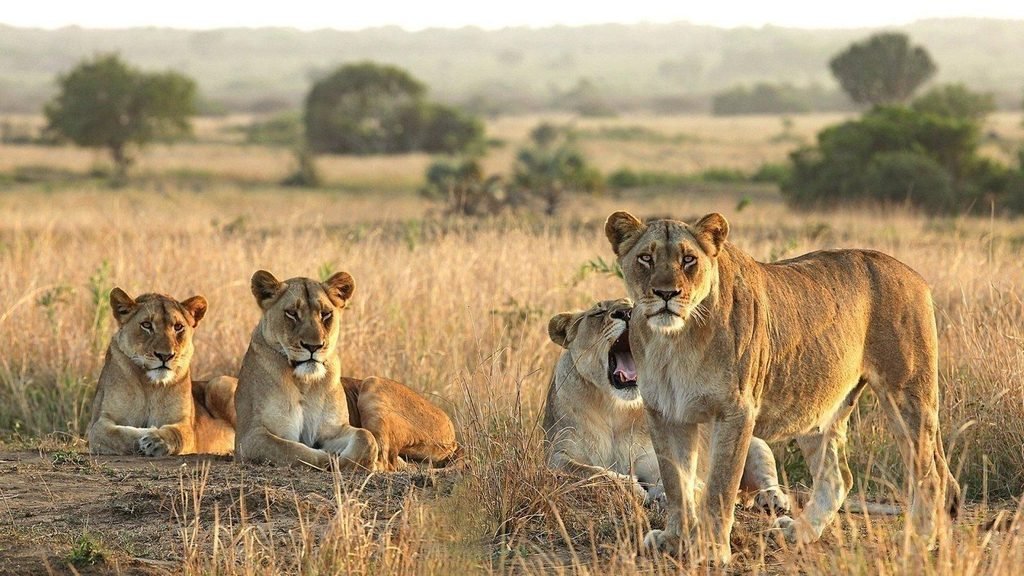
How to Improve Your Chances of Seeing Lions, Leopards, and Cheetahs
Finding big cats requires more than visiting a famous national park. Experienced safari guides consider animal behaviour, tracks, recent sightings, habitat conditions, and the movements of prey species. Visitors can also improve their experience by choosing an itinerary that allows sufficient time for wildlife observation.
Early morning game drives are often particularly productive because temperatures are cooler and many predators are still active. Late-afternoon drives can also be rewarding, especially when lions begin moving after resting during the day. Leopards may be difficult to see even in suitable habitats, so patience is essential when searching wooded riverbanks and rocky areas.
Spending several nights in the Serengeti can be more rewarding than attempting to visit too many parks within a short period. A private safari also provides greater flexibility to remain at an interesting sighting, photograph wildlife, or explore areas recommended by the guide.
Travellers should bring binoculars, suitable camera equipment, sun protection, and comfortable clothing. More importantly, they should follow park regulations, remain inside vehicles where required, and never pressure guides to approach animals too closely. Responsible wildlife viewing protects both visitors and the animals they have travelled to see.
Combining Big Cat Safaris with Other Tanzania Adventures
Many visitors travelling to Tanzania in 2027 may want to combine wildlife viewing with mountain trekking, cultural activities, or a beach holiday. Northern Tanzania is particularly convenient because several major safari destinations are accessible from Arusha, which also serves as an important starting point for Kilimanjaro and Mount Meru trips.
A traveller interested in both wildlife and hiking could spend several days exploring Serengeti and Ngorongoro before attempting a mountain climb. Those planning a Kilimanjaro trek can find additional route information and climbing advice through Kilimanjaro Climb Specialist, while Eddy Tours & Safaris can assist with arranging a Tanzania safari around their wider travel plans.
Another popular option is combining a safari with time in Zanzibar. After several days of early morning game drives and travelling between national parks, the island provides an opportunity to relax beside the Indian Ocean. This combination is particularly suitable for couples, families, and travellers planning a longer holiday in Tanzania.
Why Choose Tanzania for an African Big Cat Safari in 2027?
Tanzania offers one of the strongest combinations of big cat habitats in Africa. The Serengeti supports lions, leopards, and cheetahs across extensive grasslands and woodlands, while Ngorongoro Crater provides excellent opportunities to observe lions within a relatively small area. Ndutu is particularly attractive for cheetah enthusiasts, and Ruaha offers a more remote wilderness experience.
Another advantage is the possibility of combining several destinations within one journey. Travellers can explore Tarangire, Ngorongoro, and Serengeti on a northern circuit safari, or extend their trip to southern Tanzania for a different wildlife experience. The right itinerary depends on the number of available days, travel budget, preferred accommodation, and the species visitors are most interested in seeing.
For travellers who want to spend more time searching for predators, a safari of approximately five to eight days can provide a more comfortable pace than a short trip. Longer stays allow guides to explore different habitats and adjust game drives according to wildlife activity.
Frequently Asked Questions About African Big Cat Safaris
Which African country is best for seeing lions, leopards, and cheetahs?
Tanzania and Kenya are among the strongest choices for travellers hoping to see all three species during one safari. Tanzania’s Serengeti ecosystem is particularly attractive because it contains suitable habitats for lions, leopards, and cheetahs within a connected wildlife landscape. South Africa, Botswana, and Zambia are also excellent destinations, although the best choice depends on which species travellers most want to see.
Where is the best place to see cheetahs in Tanzania?
The southern Serengeti and Ndutu region are particularly good choices because their open plains provide suitable hunting conditions for cheetahs. The period between January and March can be especially interesting due to the seasonal presence of migrating wildebeest and their calves. Cheetahs can also be encountered in other areas of the Serengeti.
Are leopard sightings guaranteed on an African safari?
No wildlife sightings can be guaranteed. Leopards are solitary and highly secretive, making them difficult to locate even in areas with healthy populations. Spending more time in suitable habitats, particularly riverine woodland and rocky areas, can improve the chances of finding them.
Can travellers see all three big cats in one day?
It is possible to see lions, leopards, and cheetahs during a single game drive or safari day, particularly in wildlife-rich areas of the Serengeti. However, this is not something visitors should expect or be promised. Allowing several days for game viewing provides a more realistic opportunity to observe different species.
How many days are recommended for a big cat safari in Tanzania?
A five- to seven-day safari is a good starting point for travellers who want to explore Serengeti and Ngorongoro without rushing. Visitors particularly interested in wildlife photography or observing predator behaviour may prefer a longer itinerary with additional nights in the Serengeti.
Is a big cat safari suitable for families?
Yes, a guided wildlife safari can be suitable for families, provided the itinerary, accommodation, and game drive arrangements are appropriate for the children’s ages. Families should follow their guide’s instructions, remain inside safari vehicles when required, and avoid disturbing wildlife.
Plan Your 2027 African Big Cat Safari with Eddy Tours & Safaris
Seeing Africa’s big cats in their natural habitat is one of the main reasons travellers visit the continent. Whether you hope to photograph lions on the Serengeti plains, search for leopards in the Seronera Valley, or watch cheetahs moving through the grasslands of Ndutu, choosing the right destination and allowing enough time for wildlife viewing will make your safari more rewarding.
Eddy Tours & Safaris, a local tour company based in Arusha, Tanzania, can help travellers plan private safaris according to their interests, preferred travel dates, and accommodation requirements. From shorter northern Tanzania trips to longer wildlife-focused journeys, itineraries can be arranged to include the areas most suitable for big cat viewing.
For safari enquiries and personalised travel arrangements, visit Eddy Tours & Safaris or contact the team directly to start planning your 2027 Tanzania safari.