
Mount Meru is one of Tanzania’s most impressive mountains, yet it receives far less attention than Mount Kilimanjaro. Standing at 4,566 metres (14,980 feet) above sea level, it is the second-highest mountain in Tanzania and offers a demanding climb through beautiful forests, open grasslands, volcanic landscapes and rocky mountain ridges. Located inside Arusha National Park, Mount Meru is an excellent choice for travellers who enjoy hiking, wildlife and spending time outdoors. Unlike many mountain treks, the journey begins in an area where giraffes, buffaloes, monkeys and other wild animals can be seen along the lower slopes.
For travellers planning to climb Mount Meru in Tanzania, understanding the route, weather, accommodation, physical requirements and safety arrangements is important before making a booking. Although the mountain is lower than Kilimanjaro, it should not be treated as an easy alternative. Some sections are steep, the summit trail is exposed, and the high altitude can affect even experienced hikers. This guide from Eddy Tours & Safaris explains what you should know before climbing Mount Meru, including how long the trek takes, what to pack, when to visit and how to prepare for the mountain.
1. Where Is Mount Meru Located in Tanzania?
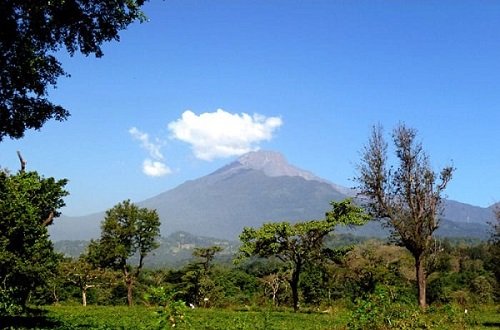
Mount Meru is located in Arusha National Park in northern Tanzania, a relatively short drive from Arusha city. The mountain dominates the surrounding landscape and can often be seen from different parts of Arusha on clear days. Its location makes it convenient for international travellers arriving through Kilimanjaro International Airport or staying in Arusha before starting a safari or mountain climbing holiday. Arusha is also a major starting point for trips to Serengeti National Park, Tarangire National Park, Lake Manyara and the Ngorongoro Conservation Area.
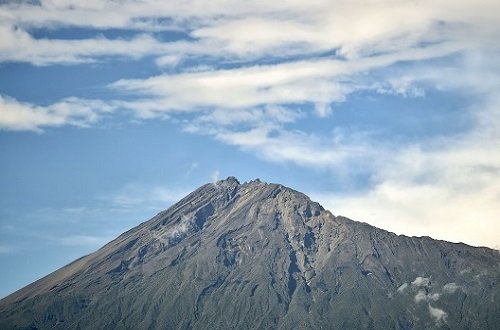
The mountain is a large volcanic formation with a distinctive horseshoe-shaped crater and steep inner walls. Its summit, known as Socialist Peak, stands above a landscape shaped by volcanic activity over thousands of years. The surrounding national park protects a mixture of forests, grasslands, lakes and wildlife habitats. According to the Tanzania National Parks Authority, Mount Meru is one of the main attractions of Arusha National Park, offering visitors the opportunity to experience mountain trekking and wildlife within the same protected area.
2. How Difficult Is Climbing Mount Meru?
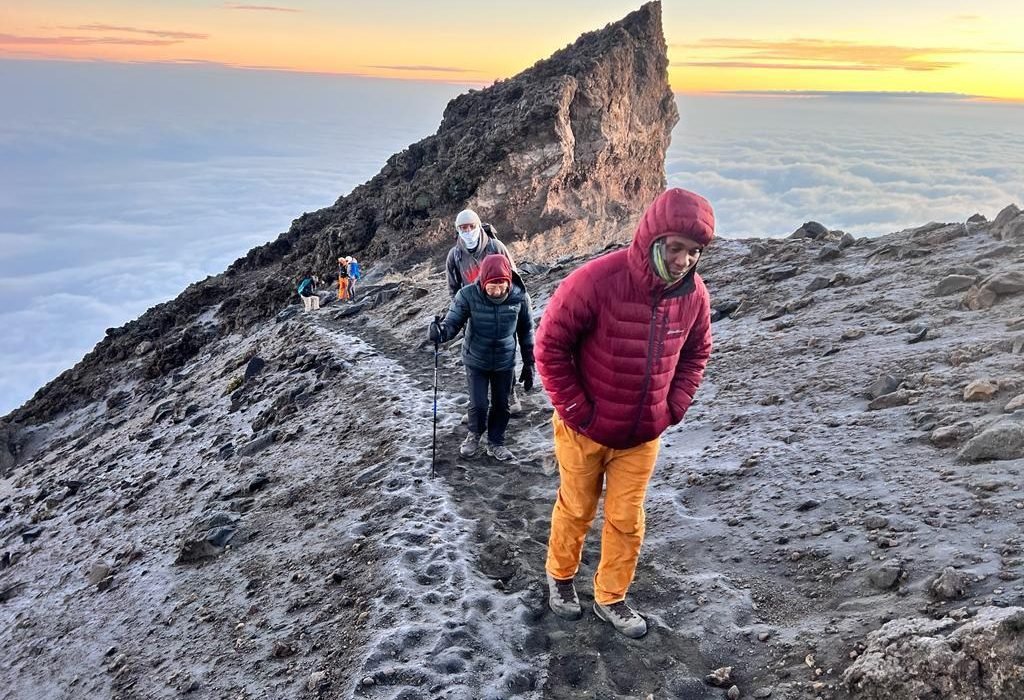
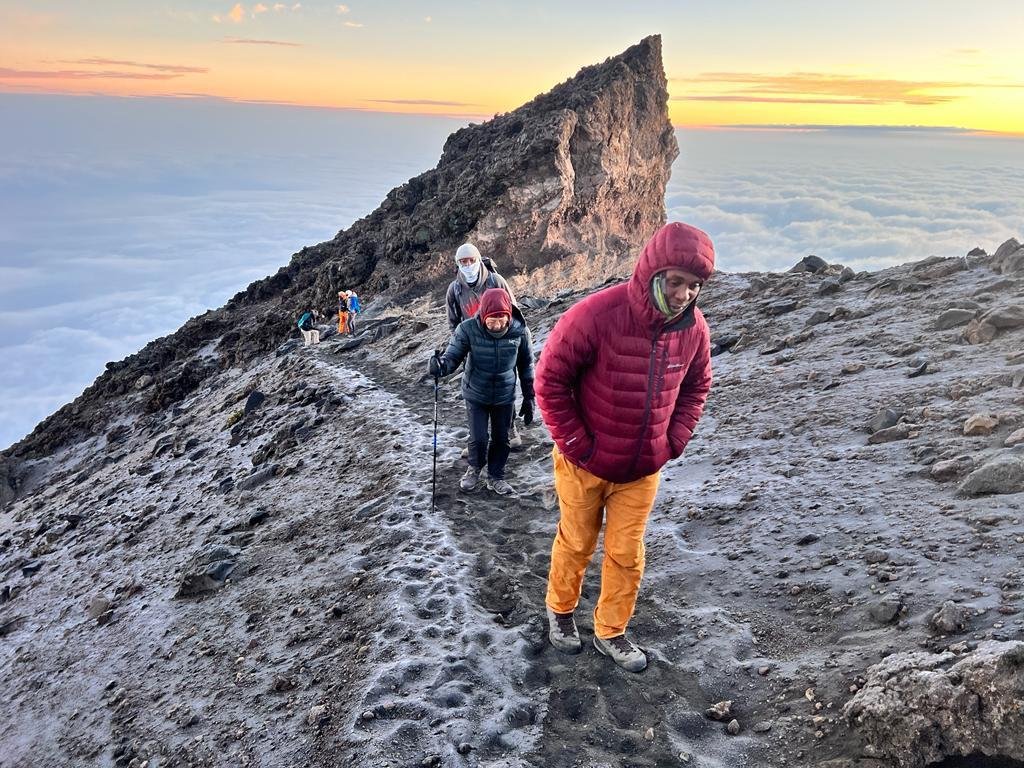
Climbing Mount Meru is generally considered a challenging high-altitude trek, particularly for people who have limited experience walking in mountainous environments. The route involves long uphill sections, uneven ground, steep paths and a demanding summit ascent that usually begins during the night. Although technical climbing equipment is not normally required under suitable trail conditions, hikers need good balance, physical endurance and confidence when walking along exposed rocky sections. The final approach to Socialist Peak follows parts of the crater rim, where the terrain requires extra care, especially in darkness, strong winds or wet weather.
One of the common mistakes travellers make is assuming Mount Meru will be easy simply because it is lower than Kilimanjaro. In reality, the two mountains present different challenges. Kilimanjaro reaches a much greater altitude, while Mount Meru has some steeper and more exposed sections along its summit route. Travellers preparing for a Kilimanjaro climbing adventure may find Mount Meru useful for gaining trekking experience, but reaching the summit still requires proper preparation. Regular walking, hiking on hills, cardiovascular exercise and strength training can help climbers prepare for the physical demands of the journey.
3. How Many Days Do You Need to Climb Mount Meru?
Mount Meru is commonly climbed over three or four days, depending on the itinerary and the pace of the group. Both options normally follow the Momella Route, which begins at Momella Gate inside Arusha National Park. The three-day climb is suitable for hikers who are well prepared and comfortable with long trekking days, while the four-day itinerary allows the descent to be divided into more manageable sections. For many travellers, four days is a practical choice because it provides a less rushed experience and more time to recover after the demanding summit climb.
The first day usually involves walking from Momella Gate to Miriakamba Hut, passing through grassland and forest where wildlife sightings are possible. On the second day, climbers continue uphill to Saddle Hut, where the vegetation becomes thinner and the mountain landscape opens up. Some itineraries include an optional acclimatisation hike towards Little Meru, depending on weather conditions and the group’s fitness. The summit attempt generally begins shortly after midnight on the third day, with climbers following the rocky trail towards Socialist Peak before descending. Travellers choosing the four-day itinerary usually spend another night at Miriakamba Hut before returning to Momella Gate on the final day.
4. What Is the Best Time to Climb Mount Meru?
Mount Meru can be climbed throughout the year, but weather conditions vary considerably between seasons. The drier months, particularly January to February and June to October, are generally preferred by many hikers because the trails are often less muddy and visibility can be better. Clear conditions may provide views of the crater, surrounding plains and Mount Kilimanjaro in the distance. However, mountain weather is unpredictable, and rain, mist, cold temperatures or strong winds can occur even during periods normally considered dry.
The long rainy season usually occurs around March to May, while shorter rains commonly fall during November and December. During these periods, the forest trails can become slippery, and clouds may reduce visibility along the upper slopes. Rain also makes the rocky sections near the summit more difficult to negotiate safely. Travellers who prefer relatively dry trekking conditions may therefore choose dates during the main dry seasons, although the mountain remains attractive at other times of the year. Before confirming travel dates, it is sensible to discuss expected conditions with a local operator such as Eddy Tours & Safaris, particularly when planning a climb during the rainy months.
5. Understanding the Momella Route to Mount Meru Summit
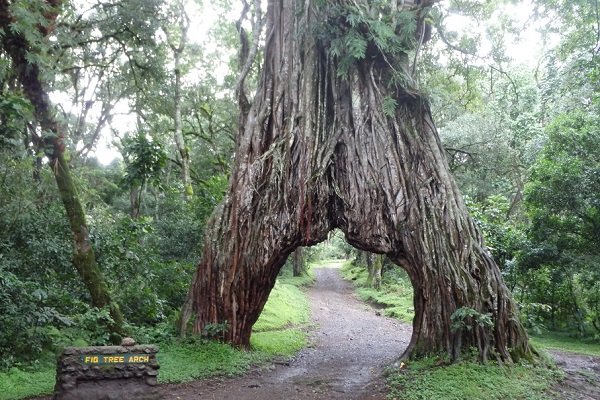
The Momella Route is the established climbing route used to reach Mount Meru’s summit. Starting at approximately 1,500 metres above sea level, the trail passes through several different environments before reaching Socialist Peak at 4,566 metres. The first section crosses open grassland and woodland, where hikers may encounter wildlife under the supervision of their guide and armed park ranger. As the climb continues, the trail enters montane forest with tall trees, thick vegetation and a cooler atmosphere. Higher up, the forest gives way to heathland, volcanic rocks and exposed mountain terrain.
Miriakamba Hut, at approximately 2,514 metres, is the first main overnight stop. Saddle Hut, at approximately 3,570 metres, serves as the base for the summit attempt. From Saddle Hut, climbers ascend towards Rhino Point before continuing along the crater rim towards Socialist Peak. The upper route is one of the most demanding parts of the trek, particularly because it is often walked before sunrise. When the weather is clear, hikers may see the enormous volcanic crater, the ash cone below and Mount Kilimanjaro rising in the distance. More route information is available through Kilimanjaro Climb Specialist’s Mount Meru climbing guide.
6. Why an Armed Ranger Is Required on Mount Meru
One feature that makes Mount Meru different from many other mountain treks is the requirement for an armed park ranger to accompany climbing groups. This is because the lower slopes are located within Arusha National Park, where potentially dangerous wild animals, including buffaloes and elephants, may be present. The ranger’s role is to help protect visitors and manage wildlife encounters while the group moves through the park. The ranger also works alongside the mountain guide to ensure that the group follows the designated route and respects park regulations.
Visitors should always follow the ranger’s instructions, maintain a safe distance from wildlife and avoid walking away from the group. Even animals that appear calm can behave unpredictably when approached or disturbed. The opportunity to see wildlife during the opening stages of the climb is one of Mount Meru’s main attractions, but safety must remain the priority. Travellers should arrange their climb through a properly organised mountain trekking company that can coordinate the necessary park arrangements, guiding team, ranger escort and accommodation before departure.
7. Accommodation and Meals During the Mount Meru Climb
Unlike several routes on Mount Kilimanjaro where climbers sleep in tents, Mount Meru has established mountain huts along its main trekking route. Miriakamba Hut and Saddle Hut provide basic shared accommodation, usually with bunk-style sleeping arrangements. These facilities offer shelter from the mountain weather, but they should not be confused with hotels or comfortable mountain lodges. Climbers should expect simple facilities, shared sleeping spaces and limited amenities. Bringing a suitable sleeping bag is important because temperatures can become very cold, particularly at Saddle Hut.
Meals are normally prepared by the mountain crew when included in an organised trekking package. Depending on the arrangements, climbers may receive breakfast, packed or prepared lunches, dinner and drinking water. Eating regularly is important because long trekking days require considerable energy, even when altitude reduces appetite. Travellers with dietary restrictions should inform their tour operator before the climb so suitable arrangements can be discussed. It is also advisable to confirm what equipment, drinking water and personal supplies are provided, rather than assuming every mountain climbing package includes the same services.
8. Altitude Sickness and Health Considerations
Altitude sickness is an important concern when climbing Mount Meru because the summit rises above 4,500 metres. At higher elevations, the amount of oxygen available with each breath decreases, making physical activity more demanding. Some climbers experience headaches, nausea, dizziness, tiredness or difficulty sleeping as they ascend. These symptoms should never be ignored, particularly if they become worse during the climb. Severe altitude illness can be life-threatening and requires prompt descent and medical attention.
Climbers should maintain a manageable walking pace, drink according to their needs, eat regularly and communicate openly with their mountain guide about how they feel. Taking additional time to acclimatise can reduce the risk of altitude problems, although it cannot remove the risk completely. Anyone with an existing medical condition or concerns about high-altitude travel should consult a qualified healthcare professional before booking. Medication used to prevent altitude sickness should only be taken following appropriate medical advice. A responsible mountain guide should be prepared to adjust or stop the climb when a participant develops concerning symptoms, because reaching the summit should never be more important than returning safely.
9. What Should You Pack for Climbing Mount Meru?
Packing suitable clothing and equipment can make a major difference to your comfort during the trek. Conditions change considerably between the lower forest and the upper mountain, meaning climbers need clothing that can be adjusted as temperatures rise or fall. Lightweight, breathable clothing is useful during the warmer lower sections, while insulated layers, waterproof outerwear and warm accessories become important at higher elevations. A reliable pair of hiking boots with good ankle support and grip is particularly valuable on the rocky summit trail and muddy forest paths.
Recommended Mount Meru packing checklist:
- Comfortable, well-tested hiking boots and several pairs of hiking socks.
- Waterproof jacket and trousers for rain and strong winds.
- Thermal base layers, fleece jacket and insulated outer jacket.
- Warm gloves, hat and a neck covering for cold summit conditions.
- Headlamp with spare batteries for the early morning summit ascent.
- Daypack for water, snacks, spare clothing and personal essentials.
- Sleeping bag suitable for cold mountain temperatures.
- Refillable water bottles or a hydration system.
- Sunglasses, sunscreen and lip balm with sun protection.
- Trekking poles for steep ascents and descents.
- Personal medication, basic toiletries and a small first-aid kit.
- Energy snacks, identification documents and a camera or phone.
It is important to test your boots and essential equipment before travelling rather than using them for the first time on the mountain. Poorly fitting boots can cause blisters, while unsuitable clothing may leave climbers uncomfortable during cold or wet conditions. Travellers booking through Eddy Tours & Safaris can request guidance on the equipment required for their chosen trekking dates and confirm whether any items are available for rental.
10. How Much Does It Cost to Climb Mount Meru?
The cost of climbing Mount Meru depends on several factors, including the number of trekking days, group size, services provided and the tour operator arranging the trip. A three-day climb may cost less than a four-day itinerary because it involves fewer days of guiding, accommodation and mountain crew services. Private climbs may also have a higher cost per person than group departures because certain expenses are shared among fewer participants. Travellers should therefore compare the actual services included in each quotation rather than choosing a package based only on its advertised price.
Mount Meru climbing expenses commonly involve national park entrance fees, hut accommodation, guiding services, an armed ranger, porters, meals and transport to and from the park. Additional costs may include personal equipment, tips, travel insurance, international flights and accommodation before or after the trek. Park fees and other charges can change, so travellers should request an updated quotation before confirming their booking. For official park information, visitors can consult Tanzania National Parks. A detailed quotation should clearly explain the services included, payment arrangements and any expenses that remain the traveller’s responsibility.
11. Is Mount Meru a Good Preparation Climb Before Kilimanjaro?
Mount Meru is often recommended to travellers who want to gain mountain trekking experience before attempting Mount Kilimanjaro. Its high altitude, steep trails and cold summit conditions provide an opportunity to understand some of the physical and mental challenges involved in climbing a major African mountain. Spending several days hiking at altitude may also help with acclimatisation before a subsequent Kilimanjaro climb, although this benefit depends on the individual and the timing of the two treks. Climbing Meru does not guarantee successful acclimatisation or prevent altitude sickness on Kilimanjaro.
For travellers with sufficient holiday time, combining the two mountains can be an interesting way to experience northern Tanzania. Mount Meru offers a quieter route with forest wildlife and dramatic volcanic scenery, while Kilimanjaro provides the opportunity to reach Uhuru Peak, the highest point in Africa. Those interested in continuing their mountain experience can explore the Kilimanjaro climbing routes and trekking options or read additional advice from Kilimanjaro Climb Specialist. The most suitable combination depends on available days, previous hiking experience, physical fitness and the amount of recovery time planned between climbs.
12. Can Beginners Climb Mount Meru?
Beginners can climb Mount Meru, but they should understand that the mountain requires more than ordinary walking fitness. Someone who regularly exercises, enjoys long walks and has experience hiking on uneven terrain may be capable of completing the route with appropriate preparation and professional guidance. However, a person who has never walked for several hours continuously or climbed steep hills may find the trek particularly demanding. The summit ascent involves cold temperatures, darkness, altitude and exposed rocky sections, all of which can be difficult for inexperienced hikers.
Preparing several weeks or months before departure can help improve confidence and endurance. Walking regularly, climbing hills, using stairs, strengthening the legs and practising with a loaded daypack are useful activities. Longer hikes are particularly valuable because they allow travellers to understand how their bodies respond to sustained physical effort. Beginners should also be realistic about their personal limitations and discuss their experience with the tour operator before selecting a three-day or four-day itinerary. A slower pace, appropriate equipment and willingness to follow the guide’s advice can make the climb safer and more manageable.
13. Wildlife and Natural Attractions Along Mount Meru
One of the most interesting aspects of climbing Mount Meru is the opportunity to experience the natural environment of Arusha National Park before reaching the higher mountain slopes. The lower sections of the trail pass through areas inhabited by giraffes, buffaloes, zebras, antelopes, monkeys and numerous bird species. Wildlife sightings are never guaranteed, but the possibility of seeing animals during a mountain trek gives Mount Meru a character that differs from many other climbing destinations. The surrounding forests are also home to a variety of plants, trees and birdlife that change as the trail gains elevation.
The landscape becomes increasingly dramatic as climbers approach the upper mountain. Thick forest gradually gives way to open vegetation, volcanic rock formations and views of the enormous crater. The ash cone inside Mount Meru’s crater is one of its most distinctive geological features, while the steep crater walls reveal the mountain’s volcanic history. Photographers may find excellent opportunities along the route, particularly when clouds clear and sunlight reaches the crater walls. Travellers interested in seeing more of Tanzania’s wildlife can also consider combining their mountain holiday with a Tanzania safari after completing the trek.
14. Safety Tips for a Successful Mount Meru Climb
Safety on Mount Meru begins with proper planning and continues throughout the climb. Travellers should choose an experienced mountain guide, carry appropriate equipment and follow the agreed trekking schedule. The summit section deserves particular attention because the trail becomes rocky and exposed, with some areas requiring careful foot placement. Weather conditions can change quickly, and a route that appears manageable in dry conditions may become dangerous when covered by rain, ice or loose material. Guides may need to delay or abandon the summit attempt when conditions are unsafe.
It is equally important for climbers to communicate openly about tiredness, injury or symptoms of altitude sickness. Trying to hide physical difficulties can put both the individual and the rest of the group at risk. Climbers should remain with their guide, avoid taking unnecessary shortcuts and use their headlamps carefully during the night ascent. Travel insurance should cover high-altitude trekking and emergency evacuation where applicable. Before departure, travellers should confirm the operator’s emergency arrangements, the equipment carried by the mountain crew and the procedure followed if someone needs to descend before reaching the summit.
15. Combining Mount Meru With a Tanzania Safari
Mount Meru’s location near Arusha makes it convenient to combine mountain trekking with a wildlife safari in northern Tanzania. After completing the climb, travellers can spend additional days exploring destinations such as Tarangire National Park, Lake Manyara National Park, Ngorongoro Crater or Serengeti National Park. This combination provides a change of pace after several physically demanding days on the mountain, allowing visitors to enjoy wildlife viewing from a safari vehicle while discovering different parts of the country.
A shorter safari may focus on Tarangire and Ngorongoro, while travellers with more time can include the Serengeti for extended wildlife viewing. Some visitors may also prefer to spend a day resting in Arusha before continuing their journey. Eddy Tours & Safaris can help travellers explore different destinations and plan an itinerary that fits their available time and interests. Those planning a longer holiday can also consider adding Zanzibar after their mountain and safari experience, particularly if they would like a few relaxing days on the coast before returning home.
16. Frequently Asked Questions About Climbing Mount Meru
How high is Mount Meru in Tanzania?
Mount Meru stands at approximately 4,566 metres (14,980 feet) above sea level, making it Tanzania’s second-highest mountain after Mount Kilimanjaro. Its summit is known as Socialist Peak, and the mountain forms the central feature of Arusha National Park. Despite being lower than Kilimanjaro, it remains a serious high-altitude trekking destination with steep trails and an exposed summit approach.
Is Mount Meru harder than Kilimanjaro?
The difficulty depends on which aspect of climbing is being considered. Mount Kilimanjaro is considerably higher and presents a greater altitude challenge, while Mount Meru has steep and exposed sections that require careful movement. Some climbers find Meru’s summit trail more demanding underfoot, especially during the night ascent. Both mountains require good physical preparation, suitable equipment and proper attention to altitude-related risks.
Can you climb Mount Meru without a guide?
No. Mount Meru climbing is regulated by Tanzania National Parks, and visitors must follow the required arrangements for guided trekking and an armed ranger escort. The ranger requirement is particularly important because the lower mountain passes through wildlife habitats inside Arusha National Park. Travellers should make arrangements with a recognised trekking operator before arriving at the park.
How cold does Mount Meru get?
Temperatures vary depending on altitude, season and weather conditions. The lower slopes may feel warm during the day, while higher sections can become very cold, particularly at night and during the early morning summit ascent. Temperatures near the summit may fall below freezing, and wind can make conditions feel considerably colder. Warm layers, gloves, a suitable jacket and a reliable sleeping bag are therefore essential.
Is Mount Meru worth climbing?
Mount Meru is worth considering for travellers who enjoy mountain scenery, wildlife and challenging hikes. The route offers several different landscapes within a relatively short climbing period, from forest and grassland to volcanic rock and exposed crater ridges. It is also generally quieter than Kilimanjaro, making it appealing to visitors who prefer a less crowded trekking environment. The views from the upper mountain can be particularly impressive when the weather is clear.
Plan Your Mount Meru Climb With Eddy Tours & Safaris
Climbing Mount Meru is an excellent way to experience the mountains and natural landscapes of northern Tanzania. The combination of wildlife, forest trails, volcanic scenery and a demanding summit ascent makes the trek appealing to both experienced hikers and well-prepared beginners. Whether you choose a three-day or four-day itinerary, proper planning, physical preparation and a knowledgeable mountain team are important for a safe and enjoyable journey.
At Eddy Tours & Safaris, we help travellers plan mountain climbing holidays and wildlife safaris across Tanzania. Our team is based in Arusha and can assist with choosing a suitable Mount Meru itinerary, understanding the trekking requirements and arranging additional travel experiences before or after your climb. Whether you want to climb Mount Meru on its own, combine it with Kilimanjaro or continue with a safari in northern Tanzania, we can help you plan a trip that suits your time and interests.
Ready to climb Mount Meru? Contact Eddy Tours & Safaris to discuss your preferred dates, trekking experience and travel arrangements, and request a personalised Mount Meru climbing quotation.