

If you are planning an African safari in 2027, Tanzania deserves a place at the top of your list. Few countries offer such a remarkable combination of abundant wildlife, enormous national parks, dramatic landscapes, and opportunities to observe animals living freely in their natural habitats.
Tanzania is home to Serengeti National Park, where vast herds of wildebeest and zebras move across the plains during the Great Migration. It also protects Ngorongoro Crater, one of the world’s most extraordinary volcanic landscapes, and Tarangire National Park, famous for its elephants and ancient baobab trees.
Beyond these well-known destinations, travelers can explore the remote wilderness of Ruaha, the river systems of Nyerere National Park, and the forests of Mahale Mountains, where chimpanzees live.
What makes Tanzania especially appealing is the variety of experiences available within one country. You can spend several days photographing lions in the Serengeti, explore Ngorongoro Crater, learn about local cultures, climb Mount Kilimanjaro, and relax on Zanzibar’s beaches.
However, calling Tanzania the best safari country does not mean every traveler will prefer it over Kenya, Botswana, South Africa, or other African destinations. Each country has its strengths. Tanzania stands out particularly for travelers who want large natural ecosystems, the Great Migration, varied wildlife habitats, and the opportunity to combine several famous destinations in one holiday.
This guide explains why Tanzania is considered one of the best safari countries in Africa, what makes its national parks special, and how to plan a Tanzania safari in 2027.
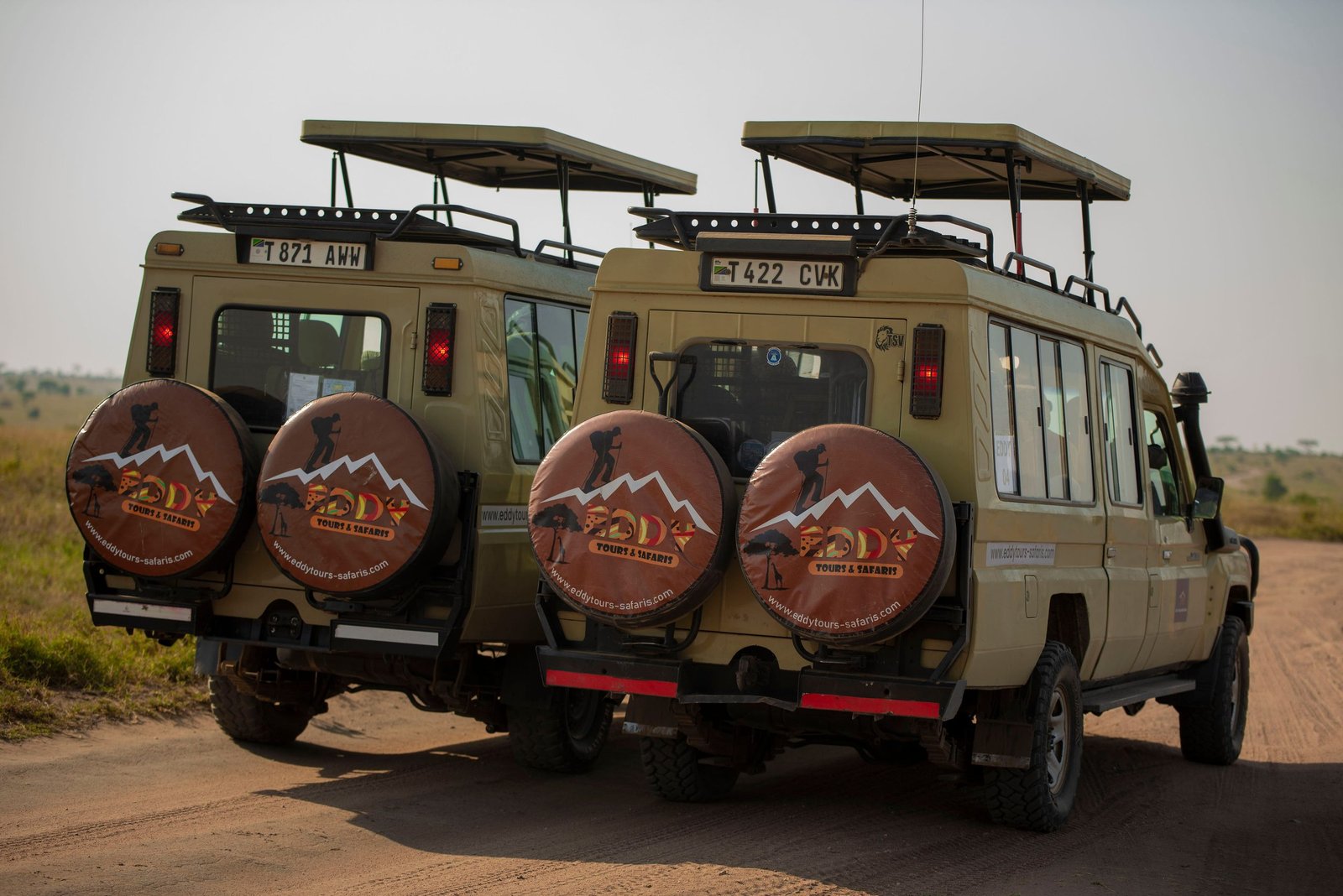
1. Tanzania Is Home to the World-Famous Serengeti National Park
One of the strongest reasons to choose Tanzania is Serengeti National Park.
Located in northern Tanzania, Serengeti covers approximately 14,763 square kilometers and forms part of the larger Serengeti-Mara ecosystem.
The park is internationally recognized for its wildlife diversity, open grasslands, and seasonal animal movements.
Serengeti became a UNESCO World Heritage Site in 1981 because of its outstanding natural importance.
What Makes Serengeti So Special?
The Serengeti supports an extraordinary variety of animals, including lions, leopards, cheetahs, elephants, buffaloes, giraffes, zebras, wildebeest, gazelles, and spotted hyenas.
Its habitats include grasslands, woodland, rivers, and rocky outcrops.
Different parts of the park provide different wildlife-viewing opportunities.
Central Serengeti is particularly popular for year-round resident wildlife, while Southern Serengeti is important during the wildebeest calving season.
Northern Serengeti attracts travelers during the usual Mara River migration period.
Why Serengeti Is Excellent for First-Time Safari Visitors
The park provides opportunities to observe many of Africa’s most recognizable animals within a single destination.
You may see lions resting near rocky outcrops, giraffes browsing among trees, elephants moving through woodland, and wildebeest grazing across open plains.
However, wildlife sightings are unpredictable.
A successful safari depends on allowing sufficient time, selecting suitable accommodation, and traveling with a knowledgeable guide.
2. Tanzania Offers the Great Wildebeest Migration
The Great Wildebeest Migration is one of Africa’s most remarkable wildlife events.
Large numbers of wildebeest move through the Serengeti-Mara ecosystem in response to rainfall and the availability of fresh grass.
Zebras and gazelles also occupy the wider migration landscape.
Unlike a one-day wildlife event, the migration continues throughout the year.
The animals move between different regions as seasonal conditions change.
The Wildebeest Calving Season
During January and February, large herds commonly gather around the Southern Serengeti and Ndutu plains.
Many calves are born during this seasonal period.
The abundance of young animals attracts predators, including lions, cheetahs, and hyenas.
This is a particularly interesting time for travelers who enjoy wildlife photography and observing natural animal behavior.
The Mara River Crossings
During the usual July to October migration period, many herds may gather in Northern Serengeti.
Some attempt to cross the Mara River, where strong currents, steep banks, and crocodiles create significant challenges.
River crossings are unpredictable.
Travelers may spend several days in the area without seeing one.
No responsible safari operator should guarantee a crossing.
Why Tanzania Is Important for Migration Safaris
Tanzania contains a substantial part of the migration ecosystem, including the southern calving grounds and important northern river-crossing areas.
This gives travelers opportunities to observe different stages of the migration during different months.
The best itinerary depends on your travel dates and the expected herd movements.
3. Ngorongoro Crater Offers Extraordinary Wildlife Viewing
Ngorongoro Crater is one of Tanzania’s most distinctive safari destinations.
The crater formed when a large volcano collapsed, leaving an enormous caldera surrounded by steep highland walls.
Today, the crater floor supports grasslands, wetlands, woodland, and permanent water sources.
These habitats attract many different animals.
What Animals Can You See in Ngorongoro?
Visitors may encounter lions, elephants, buffaloes, zebras, wildebeest, hippos, hyenas, and numerous bird species.
Black rhinos also occur in the crater, although sightings are never guaranteed.
Because the crater covers a relatively compact area compared with Serengeti, it can provide rewarding wildlife viewing during a single day’s game drive.
What Makes Ngorongoro Different?
The surrounding volcanic walls create a spectacular landscape.
From the crater rim, visitors can look down toward the grasslands and lakes below.
A drive into the crater combines beautiful scenery with wildlife viewing.
The wider Ngorongoro Conservation Area is also important for human history.
Olduvai Gorge and Laetoli contain archaeological and paleoanthropological evidence that has contributed to scientific understanding of human evolution.
For travelers interested in wildlife, geology, and history, Ngorongoro offers an unusual combination.
4. Tanzania Has Excellent Opportunities to See Africa’s Big Five
The Big Five are among the most famous animals associated with African safaris.
They include the African lion, leopard, elephant, buffalo, and rhinoceros.
The term originally came from historical hunting terminology, but it is now widely used in wildlife tourism.
Tanzania supports all five species.
Where to Look for the Big Five
| Animal | Tanzania destinations to consider |
|---|---|
| Lion | Serengeti, Ngorongoro, Ruaha |
| Leopard | Serengeti, Ruaha, other suitable wildlife areas |
| Elephant | Tarangire, Serengeti, Nyerere, Ruaha |
| Buffalo | Ngorongoro, Serengeti, Tarangire, Nyerere |
| Black rhinoceros | Ngorongoro and selected protected populations |
Can You See All Five During One Safari?
It is possible, but not guaranteed.
Black rhinos are particularly difficult to locate because their populations are small and closely protected.
For first-time visitors, combining Serengeti with Ngorongoro Crater provides opportunities to observe a wide variety of large mammals.
However, the quality of a safari should not be measured only by the number of Big Five animals seen.
Cheetahs, giraffes, zebras, gazelles, birds, and smaller wildlife are equally important parts of the experience.
5. Tarangire National Park Is One of Africa’s Great Elephant Destinations
Tarangire National Park is another reason Tanzania stands out as a safari destination.
Located in northern Tanzania, the park is known for its elephants, baobab trees, seasonal river systems, and birdlife.
During the dry season, animals often gather around the Tarangire River and other remaining water sources.
This can create excellent opportunities for wildlife viewing.
Why Are Elephants So Popular in Tarangire?
Elephants live in social family groups and display interesting behavior.
Visitors may observe them feeding, drinking, bathing, protecting their young, or interacting with other family members.
The park’s open woodland and river environments provide beautiful settings for photography.
The Famous Baobab Trees
Tarangire is also known for its large baobab trees.
These trees have enormous trunks and distinctive branches.
Some baobabs live for many centuries.
They provide important resources and habitats for different wildlife species.
Best Time to Visit Tarangire
June through October is generally a popular period because animals often concentrate near permanent water.
During wetter months, the park becomes greener and birdwatching can be rewarding, although large mammals may be more widely dispersed.
Tarangire is a practical addition to a northern Tanzania safari that includes Serengeti and Ngorongoro.
6. Tanzania Offers More Than One Type of Safari
One of Tanzania’s greatest strengths is the diversity of its wildlife destinations.
The country is not limited to the famous northern safari circuit.
Southern and western Tanzania provide different landscapes, wildlife experiences, and travel opportunities.
Nyerere National Park
Nyerere National Park protects extensive woodland, floodplains, rivers, and wetlands.
The Rufiji River system is one of its most important natural features.
Visitors may encounter elephants, lions, buffaloes, hippos, crocodiles, and many bird species.
In authorized areas, activities may include boat safaris and guided walking experiences.
Ruaha National Park
Ruaha is known for its rugged landscapes, baobab woodland, predators, and large mammals.
The Great Ruaha River is an important wildlife habitat.
The park can be especially rewarding for travelers who enjoy remote scenery and extended game drives.
Katavi National Park
Katavi is located in western Tanzania.
It is known for seasonal floodplains, large mammals, and a remote wilderness atmosphere.
Reaching the park often requires more complicated travel arrangements than visiting the northern circuit.
Mahale Mountains National Park
Mahale Mountains lies beside Lake Tanganyika.
The park is famous for its chimpanzee populations and forested mountain landscapes.
Visitors come primarily for guided chimpanzee trekking rather than conventional vehicle-based safaris.
Why This Variety Matters
A traveler visiting Tanzania for the first time may prefer Serengeti, Ngorongoro, and Tarangire.
Someone returning for a second safari might choose Ruaha or Nyerere for a different experience.
This variety allows Tanzania to appeal to many types of wildlife travelers.
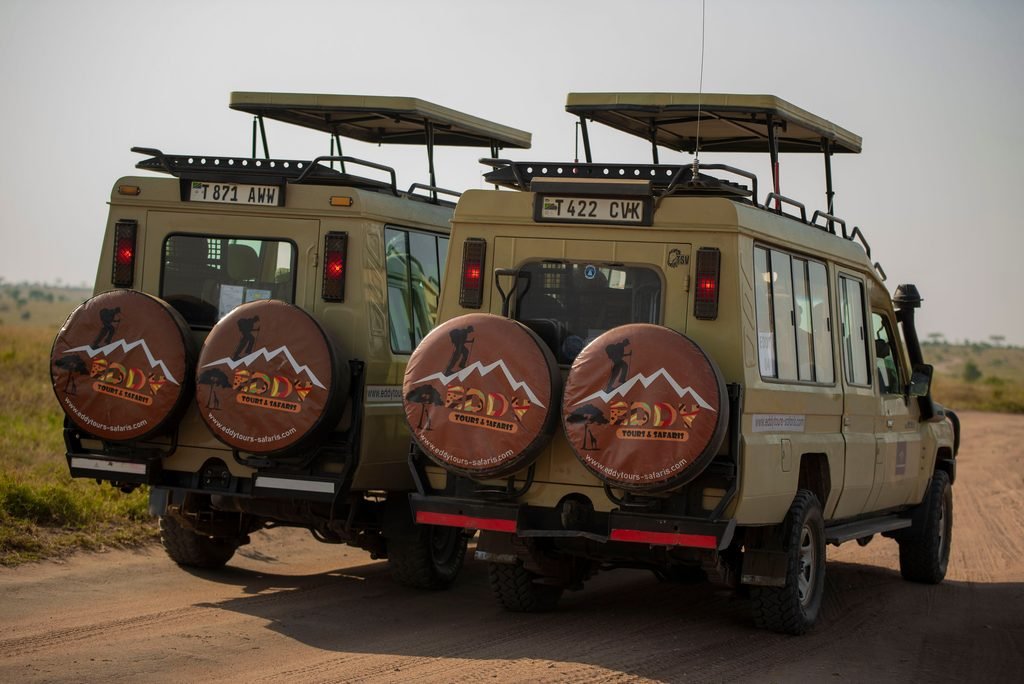
7. Tanzania Is Excellent for Wildlife Photography
Tanzania’s landscapes provide remarkable opportunities for photographers.
The open plains of Serengeti, the volcanic scenery of Ngorongoro, and the baobab woodland of Tarangire create different photographic environments.
The country is particularly attractive for travelers interested in photographing predators, elephants, migration herds, birds, and landscapes.
Best Photography Opportunities in Serengeti
Serengeti offers opportunities to photograph lions, cheetahs, leopards, wildebeest, zebras, giraffes, and many other animals.
The open grasslands can provide clear backgrounds, particularly when vegetation is relatively short.
Rocky outcrops and river habitats add variety.
Green-Season Photography
The wetter months can create beautiful photographic conditions.
Fresh vegetation, dramatic clouds, and changing light produce different images from those associated with the dry season.
January and February can be especially interesting around Ndutu because of the wildebeest calving season.
Photography Tips
Early morning and late afternoon often provide softer light.
Bring binoculars and a camera with a suitable zoom lens.
Protect equipment from dust and rain.
Avoid asking your guide to approach animals dangerously closely.
For serious photographers, a private safari may provide more flexibility when spending time at particular sightings.
8. Tanzania Offers Safari Experiences Throughout the Year
Another advantage of Tanzania is that wildlife viewing is possible during different seasons.
The best travel month depends on what you want to experience.
January to February
These months are particularly important for the Southern Serengeti calving season.
They are often relatively drier than the main long-rain period in northern Tanzania.
March to May
The long rains bring green landscapes and changing wildlife distribution.
Some roads become muddy, and certain seasonal camps may close.
Travelers should plan carefully.
June to October
These months are generally drier in northern Tanzania.
Wildlife viewing can be rewarding in Tarangire and other parks.
Northern Serengeti is particularly popular during the usual Mara River migration period.
November to December
The short rains commonly bring fresh vegetation.
Birdwatching and landscape photography can be rewarding.
Migration herds may begin returning toward southern grazing areas as seasonal conditions change.
Tanzania Safari Seasons for 2027
| Months | Main attractions | Destinations to consider |
|---|---|---|
| January–February | Calving season and predators | Ndutu, Southern Serengeti |
| March–May | Green landscapes and birdlife | Accessible northern parks |
| June–July | Dry-season wildlife and migration movements | Tarangire, Central and Western Serengeti |
| August–September | Potential Mara River crossings | Northern Serengeti |
| October | Dry-season game viewing | Tarangire, Serengeti |
| November–December | Green scenery and seasonal migration | Central and Southern Serengeti |
These are typical seasonal patterns rather than confirmed predictions for 2027.
9. Tanzania Can Combine Wildlife Safaris with Kilimanjaro and Zanzibar
Tanzania offers a particularly appealing combination of wildlife, mountains, and beaches.
This makes it possible to enjoy several different travel experiences during one holiday.
Mount Kilimanjaro
Mount Kilimanjaro is Africa’s highest mountain, reaching approximately 5,895 meters above sea level.
The mountain attracts trekkers from around the world.
Popular climbing routes include Machame, Marangu, Lemosho, Rongai, and the Northern Circuit.
A successful climb requires appropriate acclimatization, preparation, equipment, and professional guiding.
Travelers can arrange a Kilimanjaro climb before or after their wildlife safari.
Zanzibar Beach Holidays
Zanzibar is a popular destination for travelers who want to relax after several days of game drives.
The islands offer sandy beaches, historic Stone Town, coastal culture, and marine activities.
A safari followed by Zanzibar is particularly popular with couples and honeymooners.
Cultural Experiences
Tanzania is home to many communities with different languages, histories, and traditions.
Responsibly organized cultural visits can introduce travelers to local livelihoods, crafts, food, and community history.
These activities should be arranged with community consent and fair compensation.
Day Trips Around Moshi and Arusha
Travelers with additional time may consider excursions such as Materuni Waterfalls, coffee-growing communities, or other suitable local attractions.
The best combination depends on your travel dates and available time.
10. Tanzania Offers Safari Options for Different Budgets and Travel Styles
Tanzania is often associated with luxury safari lodges, but the country offers a range of travel arrangements.
Visitors can choose camping safaris, mid-range lodge safaris, private tours, shared group departures, and luxury accommodation.
The most suitable option depends on comfort preferences, budget, and travel expectations.
Budget Safari
Budget safaris may use public campsites or simpler accommodation.
Shared group arrangements can help reduce some costs.
However, travelers should confirm the itinerary, camping facilities, vehicle arrangements, and included services.
Mid-Range Safari
Mid-range safaris commonly use comfortable lodges or tented camps.
They can provide a balance between accommodation comfort and cost.
Luxury Safari
Luxury safaris may include premium lodges, spacious tented suites, domestic flights, and more personalized services.
The experience varies by property and operator.
Private vs Shared Safari
A private safari provides greater flexibility because the vehicle and guide are arranged for your party.
A shared safari can reduce the per-person cost but requires travelers to follow a common schedule.
Neither option is automatically better.
The best choice depends on your priorities.
Tanzania vs Kenya vs Botswana vs South Africa: Which Is Best for Safari?
Tanzania is an excellent safari country, but other African destinations also offer outstanding wildlife experiences.
Understanding the differences can help you choose the right holiday.
| Country | Main strengths | Particularly suitable for |
|---|---|---|
| Tanzania | Serengeti migration, Ngorongoro, large ecosystems, Kilimanjaro and Zanzibar combinations | Migration-focused and classic wilderness safaris |
| Kenya | Maasai Mara, varied conservancies, strong safari infrastructure | Wildlife viewing and conservancy experiences |
| Botswana | Okavango Delta, water-based activities, remote concessions | Travelers seeking wetland safaris and low-density tourism |
| South Africa | Kruger ecosystem, varied accommodation, accessible safari infrastructure | First-time visitors, families, and self-drive options in permitted areas |
Tanzania vs Kenya
Both countries share the wider Serengeti-Mara migration ecosystem.
Kenya’s Maasai Mara is particularly famous for seasonal migration activity and wildlife viewing.
Tanzania offers the extensive Serengeti ecosystem, the southern calving grounds, and Ngorongoro Crater.
Travelers interested in different stages of the Great Migration may find Tanzania particularly attractive.
Tanzania vs Botswana
Botswana is famous for the Okavango Delta and water-based safari experiences.
Tanzania is especially attractive for travelers who prefer extensive savannah ecosystems, the Great Migration, and combinations of several famous national parks.
Tanzania vs South Africa
South Africa offers excellent wildlife viewing, particularly in the Kruger ecosystem and surrounding private reserves.
It can also provide convenient infrastructure and self-drive opportunities in designated areas.
Tanzania is particularly appealing for guided safaris across vast landscapes and for travelers interested in the Serengeti migration.
The best country ultimately depends on your interests, budget, travel dates, and preferred style of safari.
Best Tanzania Safari Destinations for First-Time Visitors
For travelers visiting Tanzania for the first time, the northern safari circuit is often a practical choice.
Serengeti National Park
Best known for the Great Migration, predators, and extensive grasslands.
Ngorongoro Crater
Famous for its volcanic landscape and varied wildlife within the crater.
Tarangire National Park
Particularly rewarding for elephants, baobab scenery, and dry-season wildlife viewing.
Lake Manyara National Park
Offers varied habitats, birdlife, elephants, primates, and occasional tree-climbing lion sightings.
Arusha National Park
Known for forest scenery, Mount Meru landscapes, giraffes, monkeys, and authorized guided walking activities.
The ideal combination depends on how many days you have available.
How Many Days Do You Need for a Tanzania Safari in 2027?
A Tanzania safari can last from a few days to several weeks.
For first-time visitors, five to seven days is often a practical starting point.
| Safari duration | Suggested experience |
|---|---|
| 2–3 days | Short Tarangire and Ngorongoro safari |
| 4–5 days | Selected northern parks, potentially including Serengeti |
| 6–7 days | Serengeti, Ngorongoro, and Tarangire |
| 8–10 days | More time in Serengeti and additional destinations |
| 11–14 days | Extended safari or safari combined with Zanzibar |
Avoid choosing too many destinations for a short itinerary.
Travel distances in Tanzania can be considerable, particularly when visiting different Serengeti regions.
A good safari should allow enough time for wildlife viewing rather than spending most of the holiday driving between accommodation properties.
Sample Seven-Day Tanzania Safari Itinerary for 2027
The following itinerary provides an example of a northern Tanzania wildlife holiday.
| Day | Destination | Main activity |
|---|---|---|
| Day 1 | Arusha | Arrival and overnight stay |
| Day 2 | Tarangire National Park | Elephant viewing and game drive |
| Day 3 | Ngorongoro Crater | Crater wildlife viewing |
| Day 4 | Central Serengeti | Travel and afternoon game drive |
| Day 5 | Serengeti National Park | Full-day wildlife viewing |
| Day 6 | Serengeti National Park | Additional game drives and photography |
| Day 7 | Arusha | Return transfer or arranged flight |
This is an illustrative itinerary, not a confirmed package.
For migration-focused travel, accommodation and routes should be selected according to the expected herd movements.
How Much Does a Tanzania Safari Cost in 2027?
The cost of a Tanzania safari depends on several factors.
These include the number of travelers, accommodation category, safari duration, transport arrangements, national park fees, and optional activities.
Private safaris often have higher per-person costs for couples because vehicle and guide expenses are shared between fewer travelers.
Larger private groups and shared safaris may reduce the per-person cost.
Accommodation prices also vary according to season and location.
What Should Be Included in Your Safari Quotation?
A detailed quotation should clearly identify the accommodation, meals, safari vehicle, guide, fuel, applicable park fees, and transfers included in the package.
It should also explain exclusions such as international flights, visas, travel insurance, gratuities, and optional activities.
Do not assume that every safari company includes the same services.
For 2027 travel, ask for current rates rather than relying on prices published in previous years.
Practical Tips for Planning a Tanzania Safari in 2027
Book Early for Popular Travel Periods
Accommodation around the Southern Serengeti calving grounds and Northern Serengeti migration areas can be in high demand.
Planning several months ahead can provide more choices.
Choose the Right Travel Season
If your priority is the wildebeest calving season, consider January and February.
If you want to focus on Northern Serengeti river crossings, July through October is the usual seasonal period.
Select Accommodation Near Your Main Wildlife Interests
The Serengeti is enormous.
Staying close to the wildlife areas you want to explore can reduce unnecessary driving.
Use a Professional Safari Guide
A knowledgeable guide can explain animal behavior, locate suitable wildlife habitats, and help adjust the itinerary when conditions change.
Follow Wildlife Safety Rules
Remain inside the safari vehicle unless leaving it is permitted.
Never feed or attempt to touch wild animals.
Follow your guide’s instructions and respect national park regulations.
Check Visa and Health Requirements
Visa requirements depend on nationality.
Before traveling, consult the official Tanzania Immigration Services website and seek professional advice about vaccinations, malaria prevention, and travel insurance.
Frequently Asked Questions About Tanzania Safaris in 2027
Why is Tanzania considered one of the best safari countries?
Tanzania combines the Great Wildebeest Migration, Serengeti National Park, Ngorongoro Crater, diverse wildlife habitats, and opportunities to combine safari travel with Kilimanjaro or Zanzibar.
Is Tanzania better than Kenya for safari?
Both countries offer excellent safaris. Tanzania is particularly attractive for travelers interested in the extensive Serengeti ecosystem and southern wildebeest calving season, while Kenya offers the Maasai Mara and varied conservancy experiences.
What is the best month to visit Tanzania for safari?
The best month depends on your interests. January and February are popular for calving-season wildlife, while June through October is generally favorable for dry-season game viewing.
Can you see the Big Five in Tanzania?
Yes. Tanzania supports all five species, although black rhino sightings are uncommon and seeing every species is not guaranteed.
Is Serengeti worth visiting in 2027?
Yes. Serengeti remains one of Africa’s leading wildlife destinations, offering resident wildlife and seasonal migration activity throughout the year.
How many days are enough for a Tanzania safari?
Five to seven days is a practical starting point for many first-time visitors, while longer trips allow more time in the national parks.
Is Tanzania suitable for family safaris?
Yes. Family-friendly itineraries can be arranged with suitable accommodation, private vehicles, and realistic travel schedules.
Can I visit Tanzania during the rainy season?
Yes. Wildlife viewing is possible during the rainy season, although heavy rain can affect some roads and accommodation arrangements.
Can I combine a Tanzania safari with Zanzibar?
Yes. Many travelers enjoy a wildlife safari followed by several days relaxing on Zanzibar’s beaches.
Is Tanzania good for luxury safaris?
Yes. Tanzania offers luxury lodges, premium tented camps, private safaris, and domestic flight arrangements.
Are Tanzania safaris expensive?
Costs vary considerably according to accommodation, group size, duration, and transport. Budget, mid-range, and luxury options are available.
Should I book a private or shared safari?
Private safaris offer greater flexibility, while shared safaris may reduce costs. The best choice depends on your budget and travel preferences.
Is Tanzania the Right Safari Country for You?
Tanzania is an excellent choice for travelers who want to experience Africa’s famous wildlife in large, natural landscapes.
The Serengeti provides opportunities to observe the Great Migration and resident predators. Ngorongoro Crater combines exceptional scenery with wildlife viewing, while Tarangire offers beautiful baobab landscapes and impressive elephant encounters.
Southern and western Tanzania provide additional possibilities for travelers interested in remote wilderness, river systems, and specialized wildlife experiences.
The country also offers something beyond conventional safari travel. You can climb Mount Kilimanjaro, explore local cultures, and relax on Zanzibar’s beaches within the same holiday.
Although other African countries offer equally worthwhile experiences for different travelers, Tanzania’s combination of wildlife, scenery, and travel variety makes it one of the strongest choices for an African safari in 2027.
The most important decision is choosing an itinerary that matches your interests and allows enough time to appreciate each destination.
Book Your Tanzania Safari in 2027 with Eddy Tours and Safaris
Are you planning a Tanzania safari in 2027?
Eddy Tours and Safaris can help you arrange a private wildlife safari to Serengeti National Park, Ngorongoro Crater, Tarangire National Park, Lake Manyara, and other destinations.
Whether you want to experience the Great Wildebeest Migration, enjoy wildlife photography, arrange a family holiday, or combine your safari with Mount Kilimanjaro and Zanzibar, our team can discuss an itinerary suited to your travel dates and budget.
Visit Eddy Tours and Safaris to explore our Tanzania travel services.
For a personalized safari itinerary and quotation, contact us through our official contact page.
Email: sales@eddytours-safaris.com
WhatsApp: +255 711 906 664
Start planning your Tanzania safari for 2027 with Eddy Tours and Safaris and discover the wildlife, landscapes, and experiences that make Tanzania one of Africa’s leading safari destinations.