

Climbing Mount Kilimanjaro is one of the most exciting travel experiences in Tanzania. After spending several days trekking through forests, rocky landscapes, and freezing mountain conditions, reaching Uhuru Peak at 5,895 metres is an achievement worth celebrating. However, the physical demands of climbing Africa’s highest mountain can leave your body tired, particularly after the long summit attempt and descent. This is why many travellers choose to visit Zanzibar after completing their Kilimanjaro expedition.
Zanzibar offers a completely different experience from the mountain. Instead of cold temperatures, hiking boots, and early morning trekking, visitors can enjoy warm tropical weather, white sandy beaches, comfortable accommodation, and the beautiful waters of the Indian Ocean. Combining Kilimanjaro climbing and Zanzibar beach holidays allows travellers to experience two of Tanzania’s most famous destinations during one trip, making it an attractive option for visitors planning their holidays in 2027, 2028, or 2029.
1. Zanzibar Is an Excellent Place to Relax After Climbing Kilimanjaro
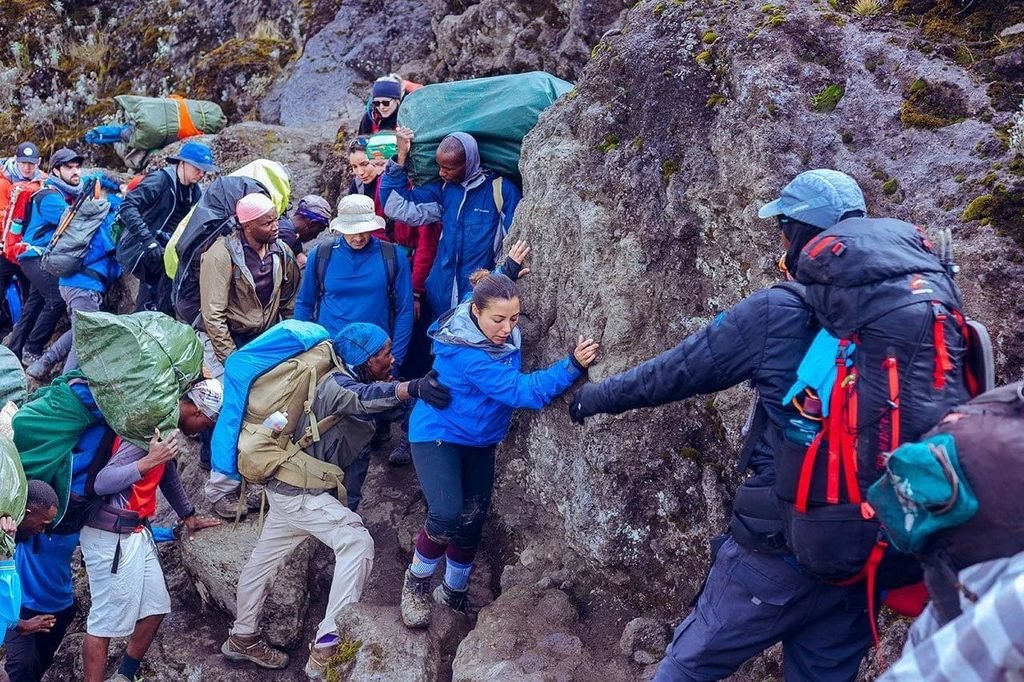
Climbing Kilimanjaro requires considerable physical effort, even for travellers who regularly exercise. Depending on the selected route, most expeditions take between five and nine days, with several hours of walking each day. The summit attempt is usually the most demanding section, often involving a long ascent during freezing nighttime conditions followed by several hours of descending. By the time climbers return to Moshi or Arusha, they may experience tired muscles, sore feet, and a strong desire to rest.
Zanzibar provides a comfortable environment for relaxing after this demanding experience. Travellers can spend their days enjoying the beach, swimming when conditions are suitable, reading beside the ocean, or simply resting at their accommodation. Unlike a mountain expedition, a Zanzibar holiday does not require following a strict daily trekking schedule. Visitors can decide how active they want to be and enjoy the freedom of spending time at their own pace.
Although relaxing on the beach can feel pleasant after climbing, travellers should allow time for proper recovery. Anyone experiencing persistent altitude-related symptoms, significant exhaustion, or other health concerns should seek medical advice rather than assuming that travelling to sea level will resolve every problem.
2. Experience Two Completely Different Sides of Tanzania
One of the greatest advantages of combining Kilimanjaro and Zanzibar is the opportunity to experience two very different environments within the same country. Mount Kilimanjaro is famous for its high-altitude landscapes, volcanic formations, mountain forests, and freezing summit conditions. Zanzibar, on the other hand, is known for its tropical coastline, coral reefs, historic towns, and warm Indian Ocean climate.
During a Kilimanjaro expedition, travellers pass through several ecological zones as they ascend towards the summit. The journey involves hiking through rainforest, moorland, alpine desert, and the cold upper mountain. After completing the climb, arriving in Zanzibar creates an immediate contrast, with palm trees, sandy beaches, coastal villages, and the sound of ocean waves replacing the rocky mountain environment.
This combination makes Tanzania particularly attractive for travellers who want more than one type of holiday. Instead of booking separate trips to different countries, visitors can experience mountain adventure and beach relaxation during one journey. For couples, families, and groups of friends, the combination also provides opportunities for everyone to enjoy different activities according to their interests.
3. Zanzibar Has Some of the Most Beautiful Beaches in East Africa
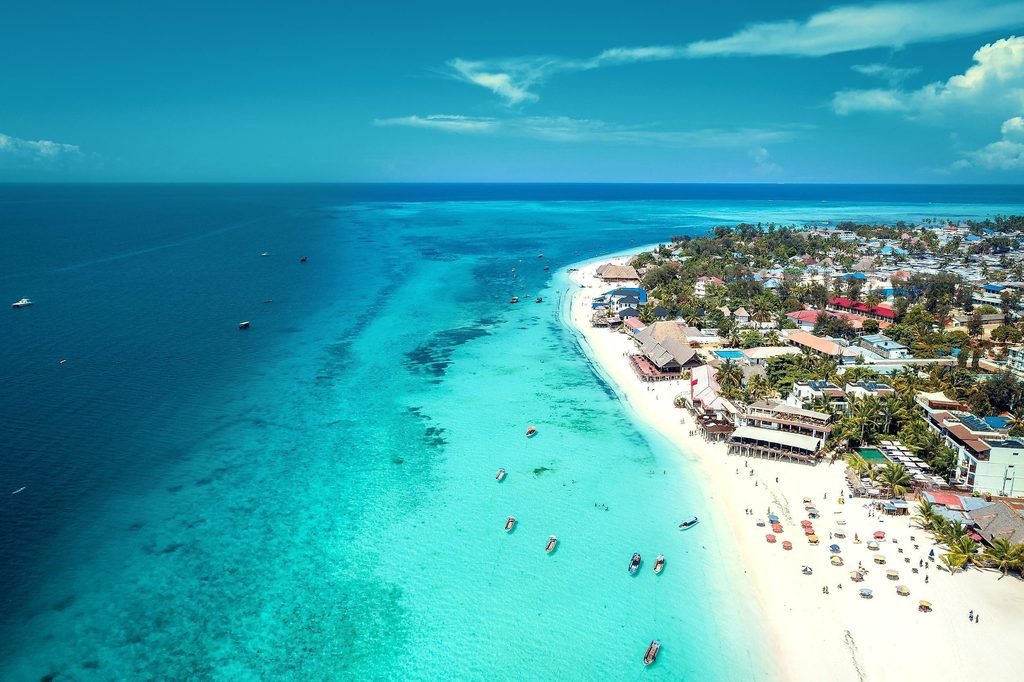
Zanzibar is widely recognised for its attractive coastline, with beaches offering soft sand, turquoise water, and tropical scenery. After several days of walking on Kilimanjaro’s mountain trails, spending time beside the Indian Ocean can be especially enjoyable. Different parts of Zanzibar offer different beach experiences, allowing visitors to choose locations that match their preferred atmosphere and activities.
Nungwi and Kendwa, located on the northern and northwestern coast of Unguja, are popular with travellers looking for swimming, beach restaurants, and sunset views. These areas are generally less affected by extreme tidal changes than some beaches on the eastern coast, although sea conditions still vary. Visitors who prefer quieter surroundings may consider Matemwe, while Paje and Jambiani are known for their long beaches, coastal villages, and water sports.
The eastern coastline is particularly influenced by tides, which can expose large areas of sand and shallow seabed during low tide. This creates interesting scenery and opportunities for coastal walks, but visitors should understand the tidal conditions before choosing accommodation. Selecting the right beach location can make a considerable difference to the overall holiday experience.

4. Enjoy Warm Weather After Kilimanjaro’s Freezing Temperatures
One of the biggest differences between Kilimanjaro and Zanzibar is the climate. During a Kilimanjaro climb, temperatures change significantly with altitude, and climbers may experience freezing conditions near the summit. Even during Tanzania’s relatively dry months, the upper mountain can be extremely cold, particularly during nighttime summit attempts when strong winds make conditions feel even colder.
Zanzibar has a tropical coastal climate, with warm temperatures throughout much of the year. Daytime temperatures commonly range from the upper 20s to the low 30s Celsius, although actual conditions depend on the season. The island also experiences rainy periods, generally associated with the long rains around March to May and shorter rains around November and December.
For travellers visiting Tanzania between June and October or during January and February, combining Kilimanjaro with Zanzibar can work particularly well because these periods often provide relatively favourable conditions for both destinations. However, weather is never guaranteed, and visitors should check seasonal conditions before confirming their travel dates.
5. Explore Stone Town and Zanzibar’s Cultural Heritage
Zanzibar offers much more than beautiful beaches. Visitors interested in history and culture can explore Stone Town, the historic centre of Zanzibar City and one of East Africa’s most important coastal heritage destinations. Its narrow streets, old buildings, carved wooden doors, and traditional markets reflect centuries of cultural exchange between African, Arab, Indian, and European communities.
Stone Town is recognised as a UNESCO World Heritage Site because of its historical importance and distinctive architecture. Travellers can explore its streets with a local guide, visit historical landmarks, and learn about Zanzibar’s role in Indian Ocean trade. Important places include the Old Fort, the former slave market site, the Anglican Cathedral, and the waterfront area around Forodhani Gardens.
A guided Stone Town tour is particularly suitable for travellers who want to experience local culture without undertaking another demanding outdoor activity immediately after Kilimanjaro. Depending on personal interests, visitors can spend several hours exploring the town before continuing to their beach accommodation. More information about its heritage significance is available through UNESCO’s Stone Town of Zanzibar listing.
6. Discover Zanzibar’s Marine Life and Ocean Activities
For travellers who still want some adventure after climbing Kilimanjaro, Zanzibar offers a variety of ocean activities. Snorkelling, boat excursions, kayaking, and scuba diving are among the experiences available around the island. These activities allow visitors to explore a completely different natural environment from the mountain, including coral reefs, tropical fish, and coastal ecosystems.
The waters around Mnemba Atoll, off Zanzibar’s northeastern coast, are particularly popular for snorkelling and diving excursions. Depending on sea conditions and the location visited, travellers may observe colourful reef fish and other marine life. However, wildlife sightings are never guaranteed, and visitors should choose responsible operators who respect marine conservation rules and avoid disturbing animals.
Other popular experiences include traditional dhow cruises, sunset boat trips, and visits to coastal villages. Travellers who prefer a slower holiday can simply enjoy swimming or relaxing by the beach. After a physically demanding mountain expedition, it is sensible to choose activities according to your energy levels and allow sufficient time for recovery.
7. Zanzibar Offers Comfortable Accommodation for Different Budgets
After several nights sleeping in mountain tents or huts, many Kilimanjaro climbers appreciate the comfort of a proper hotel room, a warm shower, and a comfortable bed. Zanzibar has a wide range of accommodation options, including budget guesthouses, mid-range beach hotels, boutique properties, and luxury resorts. This variety makes it possible to arrange a beach holiday that matches different travel budgets and preferences.
Travellers looking for a peaceful atmosphere may prefer smaller beachfront hotels, while those interested in restaurants and evening activities may choose accommodation around Nungwi or Kendwa. Couples celebrating a special occasion can also find private villas and luxury beachfront resorts offering additional comfort and privacy. The best choice depends on your budget, preferred beach location, and the number of days available.
When booking accommodation, consider more than the appearance of the hotel. Beach access, tidal conditions, transport arrangements, meal options, and distance from Zanzibar’s airport can all affect your stay. Travellers planning only two or three nights may benefit from choosing accommodation that does not require excessive travel time after arriving on the island.
8. Travelling from Kilimanjaro to Zanzibar Is Convenient
Another reason to visit Zanzibar after climbing Kilimanjaro is that the two destinations can be combined without complicated international travel arrangements. Most Kilimanjaro expeditions begin and end around Moshi or Arusha, while Zanzibar is accessible through domestic flights from northern Tanzania. Depending on airline schedules and availability, travellers may find direct flights from Kilimanjaro International Airport or Arusha Airport, as well as connecting services through Dar es Salaam.
A direct flight between northern Tanzania and Zanzibar generally takes approximately one to two hours, depending on the departure airport and service. Connecting flights take longer, particularly when waiting times are involved. After arriving at Abeid Amani Karume International Airport in Zanzibar, visitors can continue by road to Stone Town or their selected beach accommodation.
It is advisable to allow some flexibility between the end of your Kilimanjaro climb and your onward flight. Mountain itineraries can be affected by weather, health considerations, or other unexpected circumstances. Spending a night in Moshi or Arusha after descending the mountain can provide time to rest before travelling to Zanzibar.

How Many Days Should You Spend in Zanzibar After Kilimanjaro?
The ideal number of days in Zanzibar depends on your travel schedule, budget, and preferred activities. Some climbers choose a short beach extension of two or three nights, while others spend five days or longer exploring different parts of the island. A shorter stay may be enough for relaxing at a beach resort, but additional days allow more time for cultural tours, ocean activities, and exploring the coastline.
For many travellers, a four- or five-day Zanzibar holiday provides a comfortable balance between relaxation and sightseeing. This allows time to visit Stone Town, enjoy the beaches, and participate in selected excursions without creating an overly busy schedule. Those who have just completed a demanding Kilimanjaro expedition may particularly appreciate having one or two days without planned activities.
| Zanzibar Stay | Recommended Experience |
|---|---|
| 2 Days | Short beach relaxation and a sunset experience |
| 3 Days | Beach stay with an optional Stone Town visit |
| 4 Days | Beach relaxation, Stone Town, and a selected excursion |
| 5 Days | Comfortable beach holiday with cultural and ocean activities |
| 6–7 Days | Extended relaxation and exploration of different island areas |
Travellers combining Kilimanjaro with a wildlife safari may need to adjust the duration of their Zanzibar stay according to their total holiday period. A well-planned itinerary should provide enough time for each destination rather than making the journey feel rushed.
Best Time to Combine Kilimanjaro Climbing and Zanzibar Holidays
The best time to combine Kilimanjaro and Zanzibar is generally during periods when both destinations experience relatively favourable weather. January to early March and June to October are popular choices for Kilimanjaro climbing because they often provide drier trekking conditions. These periods can also be suitable for visiting Zanzibar, although the island’s coastal weather differs from the mountain’s climate.
June to October is particularly attractive for travellers planning a longer Tanzania holiday because it also coincides with the popular dry-season safari period. Visitors can climb Kilimanjaro, explore national parks such as Serengeti or Ngorongoro, and finish their journey with several days beside the Indian Ocean. January and February are also appealing months, especially for travellers interested in combining mountain climbing with the wildebeest calving season in southern Serengeti.
However, Zanzibar can be visited throughout the year, and different months offer different advantages. Travellers should consider rainfall, accommodation availability, flight schedules, and personal preferences before selecting their travel dates. Booking early is recommended during popular international holiday periods.
Can You Combine Kilimanjaro, Serengeti Safari, and Zanzibar?
Yes. One of the most popular ways to explore Tanzania is to combine Mount Kilimanjaro climbing, a northern Tanzania wildlife safari, and a Zanzibar beach holiday. This itinerary allows travellers to experience three different parts of the country, beginning with a mountain expedition, continuing with wildlife viewing, and finishing with relaxation along the Indian Ocean.
After completing Kilimanjaro, travellers can visit destinations such as Tarangire National Park, Ngorongoro Crater, and Serengeti National Park. These protected areas offer opportunities to see elephants, lions, giraffes, zebras, wildebeest, and other African wildlife. The exact safari route depends on the available travel days and the time of year.
A combined itinerary of approximately 14 to 18 days can provide enough time for a Kilimanjaro climb, several safari days, and a short Zanzibar holiday. Travellers with more time may choose a longer mountain route or additional nights in Serengeti and Zanzibar. The most suitable arrangement depends on individual interests and the level of activity preferred.

Frequently Asked Questions About Visiting Zanzibar After Kilimanjaro
Is Zanzibar worth visiting after climbing Kilimanjaro?
Yes. Zanzibar offers warm weather, attractive beaches, comfortable accommodation, and cultural attractions, making it a popular destination for relaxing after a physically demanding Kilimanjaro expedition.
How do you get from Kilimanjaro to Zanzibar?
Travellers can fly from Kilimanjaro International Airport or Arusha Airport to Zanzibar, depending on available airline schedules. Some services operate directly, while others require a connection through Dar es Salaam.
How many days should I stay in Zanzibar after Kilimanjaro?
Three to five days is a practical choice for many travellers. This provides time to relax at the beach and enjoy selected activities without extending the holiday excessively.
Can I go directly to Zanzibar after climbing Kilimanjaro?
Yes, depending on flight schedules and your physical condition. However, spending a night in Moshi or Arusha after the climb can provide useful recovery time and reduce pressure on your travel arrangements.
Which Zanzibar beach is best after Kilimanjaro?
Nungwi and Kendwa are popular for swimming and beach relaxation, while Matemwe offers a quieter atmosphere. Paje and Jambiani are attractive options for travellers interested in long beaches and coastal activities.
Is Zanzibar expensive after a Kilimanjaro climb?
Zanzibar offers accommodation and activities across different price ranges. The overall cost depends on your hotel category, travel dates, transport arrangements, and preferred excursions.
Can I book Kilimanjaro and Zanzibar together?
Yes. A local Tanzania tour operator can help organise your Kilimanjaro expedition, domestic flights, airport transfers, and Zanzibar accommodation as part of one travel itinerary.
Plan Your Kilimanjaro and Zanzibar Holiday with Eddy Tours & Safaris
Combining Mount Kilimanjaro with Zanzibar allows travellers to experience two of Tanzania’s most beautiful destinations during one holiday. The mountain provides adventure, impressive landscapes, and the challenge of reaching Africa’s highest summit, while Zanzibar offers warm tropical weather, comfortable accommodation, and opportunities to relax beside the Indian Ocean. Together, they create a balanced travel experience for visitors who want both adventure and relaxation.
Eddy Tours & Safaris is a local tour company in Arusha, Tanzania, highly recommended by travellers. We arrange guided Kilimanjaro climbing expeditions, Tanzania wildlife safaris, and Zanzibar beach holidays. Our team can help you plan a suitable itinerary, compare accommodation options, and organise travel arrangements between northern Tanzania and Zanzibar.
Whether you are planning a Kilimanjaro and Zanzibar holiday in 2027, 2028, or 2029, we can help you choose suitable travel dates and create a trip based on your interests, available time, and budget.
Visit Eddy Tours & Safaris to explore our Tanzania travel services, or contact our team to discuss your preferred itinerary.
Email: sales@eddytours-safaris.com
WhatsApp: +255 711 906 664 — Chat with our team