

Many travelers believe that the best time to visit Tanzania is during the dry season, when wildlife gathers around rivers and waterholes and the grass is generally shorter. While the dry months are excellent for game viewing, they are not the only time to enjoy a memorable African safari.
The wet season in Tanzania offers a different experience. The landscapes become greener, seasonal rivers begin to flow, migratory birds arrive, and many animals give birth when fresh vegetation is available. Some of the country’s most beautiful wildlife photography opportunities occur during this period, particularly in Serengeti National Park and the Ngorongoro Conservation Area.
For travelers who prefer quieter safari destinations, beautiful scenery, and opportunities to experience Tanzania beyond its busiest tourist months, the rainy season deserves serious consideration.
However, planning a wet-season safari requires understanding Tanzania’s weather patterns. Rainfall varies between regions, some roads become difficult to use, and certain camps operate seasonally. A safari in February can be very different from one in April, even though both months are sometimes described as part of Tanzania’s wetter travel periods.
This guide explains 10 reasons to choose the wet season for your Tanzania safari, including wildlife viewing, the Great Migration calving season, photography, birdwatching, accommodation availability, and practical travel considerations. It also explains when the rainy season is worth visiting and when choosing another period may be more suitable.
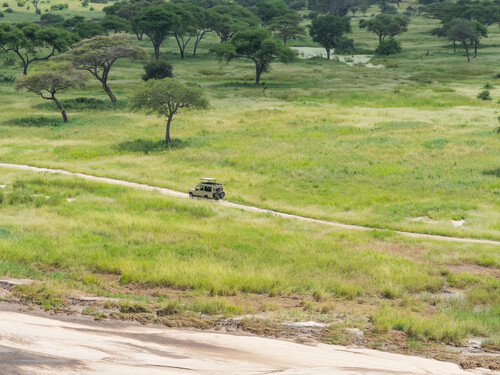
Understanding Tanzania’s Wet Season
Tanzania does not have one identical rainy season across the entire country. Rainfall patterns vary between northern Tanzania, the southern national parks, the coastal regions, and the highlands.
In much of northern Tanzania, including Arusha, Tarangire, Ngorongoro, and Serengeti, there are generally two wetter periods.
The short rains commonly occur between November and December, although they may begin earlier or continue into January. The long rains usually occur from March through May, with April often among the wettest months in many locations.
January and February are frequently relatively drier in northern Tanzania, although rainfall still occurs. These months are particularly important for the wildebeest calving season in the Southern Serengeti and Ndutu region.
Southern Tanzania follows somewhat different rainfall patterns, with a more extended wet period in many areas. Conditions in Nyerere and Ruaha can differ considerably from those in the northern safari circuit.
Tanzania’s Rainy Season by Month
| Month | Typical conditions in northern Tanzania | Safari considerations |
|---|---|---|
| November | Short rains may begin | Greener landscapes and changing wildlife distribution |
| December | Variable rainfall | Good opportunities for photography and birdwatching |
| January | Often relatively drier, with occasional rain | Southern Serengeti wildlife and calving-season buildup |
| February | Often relatively drier | Major wildebeest calving activity around Ndutu |
| March | Long rains generally begin | Green landscapes and increasing rainfall |
| April | Often very wet | Muddy roads, fewer visitors, and possible camp closures |
| May | Rainfall generally begins decreasing | Lush scenery, variable access, and improving conditions in some areas |
These are broad seasonal patterns rather than exact forecasts. Weather conditions change from year to year, and rainfall can vary significantly within the same national park.
1. Experience the Serengeti Wildebeest Calving Season
One of the strongest reasons to visit Tanzania during the wetter part of the year is the wildebeest calving season.
Every year, large numbers of wildebeest gather on the nutrient-rich short-grass plains of the Southern Serengeti and Ndutu region. The herds follow seasonal rainfall and the growth of fresh grass.
The main calving period usually takes place around January and February, with timing varying according to environmental conditions.
During the peak period, hundreds of thousands of calves may be born over several weeks across the wider ecosystem.
This seasonal event is an important part of the Great Wildebeest Migration and attracts travelers interested in wildlife behavior and photography.
Why Is the Calving Season So Special?
The southern plains provide nutritious grazing for female wildebeest and their young.
Newborn calves are often able to stand and move relatively soon after birth, an important adaptation for animals living in areas with predators.
The abundance of young animals also attracts lions, cheetahs, hyenas, and other predators.
Visitors may observe herds with newborn calves, predators searching for opportunities, and the complex relationships between different species.
However, wildlife encounters remain unpredictable. Not every game drive will produce a birth or predator interaction.
Where Should You Stay?
The Ndutu region, which lies within the wider Serengeti ecosystem and includes areas of the Ngorongoro Conservation Area, is particularly popular during the calving season.
Accommodation should be selected according to the expected herd distribution and the activities permitted in the specific area.
For travelers who want to experience the calving season, booking a safari in January or February is generally more suitable than waiting until the heavy rains of April.
2. Enjoy Beautiful Green Landscapes Across Tanzania
The rainy season transforms Tanzania’s landscapes.
During the dry season, many grasslands become golden or brown, particularly where grazing pressure is high and rainfall has been limited.
After seasonal rains, fresh vegetation begins to grow. Grasslands turn green, trees develop new leaves, and some seasonal watercourses begin flowing again.
The change can be particularly noticeable in Serengeti National Park, Ngorongoro Conservation Area, and parts of Tarangire National Park.
Why Green-Season Scenery Is Worth Seeing
Green landscapes provide a beautiful setting for wildlife viewing.
Elephants moving through fresh grass, giraffes feeding among green trees, and zebras standing against dark storm clouds can create striking scenes.
The scenery also makes longer game drives enjoyable, even during periods when large animals are less concentrated.
For travelers interested in landscape photography, the rainy season offers colors and textures that are very different from those of the dry months.
Is the Serengeti Beautiful During the Rainy Season?
Yes. The Serengeti’s open plains can be particularly attractive after rainfall.
Fresh grass, dramatic clouds, and changing light create excellent opportunities for landscape and wildlife photography.
However, some tracks become muddy, and access to certain areas may be restricted by road conditions.
A knowledgeable guide can help select suitable routes based on the weather and current park conditions.
3. Experience Fewer Visitors in Some Safari Areas
Tanzania’s busiest safari periods often coincide with popular dry-season travel months, particularly July through September.
During these months, well-known wildlife areas may attract large numbers of safari vehicles.
The rainy season can provide a quieter experience in some parks and accommodation areas.
This is especially noticeable during the long rains, when visitor numbers are generally lower.
Why Fewer Visitors Can Improve Your Safari
Lower visitor numbers can create a more relaxed atmosphere at some lodges, picnic areas, and wildlife viewing locations.
Travelers may find that certain areas feel quieter than they would during peak season.
This can be particularly appealing for couples, photographers, and visitors who prefer a less crowded holiday.
However, it is important not to assume that every wet-season destination will be quiet.
The Southern Serengeti and Ndutu region can be popular during the January and February calving season.
Visitor numbers also depend on accommodation availability, school holidays, and the specific destination.
4. Find Seasonal Accommodation Offers
Another reason to consider a rainy-season safari is the possibility of lower accommodation rates.
Some safari lodges and tented camps offer reduced rates during lower-demand periods.
These offers can make certain accommodation categories more accessible to travelers who would otherwise find them expensive during peak season.
However, discounts are not guaranteed, and not every property reduces its rates.
Some camps close during the heaviest rains, while others continue operating with modified arrangements.
Does a Wet-Season Safari Always Cost Less?
Not necessarily.
Safari prices include more than accommodation.
National park fees, conservation charges, guiding services, transport, fuel, and domestic flights all contribute to the total cost.
Some of these expenses remain similar throughout the year.
A rainy-season safari may be less expensive when suitable accommodation offers are available, but the actual savings depend on the itinerary.
Before booking, request a detailed quotation showing accommodation, park fees, transport, meals, and any additional activities.
Travelers can contact Eddy Tours and Safaris to discuss available accommodation options for their preferred travel dates.
5. Enjoy Excellent Birdwatching Opportunities
Tanzania is one of Africa’s rewarding birdwatching destinations, with more than 1,000 recorded bird species across its different habitats.
The rainy season can be particularly interesting because seasonal conditions influence breeding activity, vegetation, insect abundance, and the presence of migratory birds.
Palearctic migratory birds visit parts of East Africa during the northern hemisphere’s colder months, adding to the resident bird populations.
Wetlands, grasslands, forests, and river habitats can become especially active following rainfall.
Best Places for Wet-Season Birdwatching
Lake Manyara National Park offers forest, woodland, and wetland habitats supporting a wide variety of birds.
Tarangire National Park is known for its diverse birdlife, including species associated with woodland and seasonal water sources.
Serengeti National Park provides opportunities to observe raptors, ground birds, and grassland species.
Ngorongoro Conservation Area supports birds across highland, grassland, and wetland environments.
Arusha National Park is particularly interesting for forest birds and species associated with its lakes and mountain habitats.
What Should Birdwatchers Bring?
A good pair of binoculars is one of the most useful items.
A camera with a suitable zoom lens can also be helpful.
Travelers with a strong interest in birds should inform their safari operator before booking so that a guide with bird identification experience can be requested.
6. Photograph Wildlife Against Dramatic Skies
Rainy-season photography offers something different from the clear skies and dry grasslands often associated with traditional safari photographs.
Large clouds, changing light, wet vegetation, and reflections in temporary pools can create beautiful photographic conditions.
In some situations, sunlight breaks through clouds shortly after a rain shower, illuminating animals against a darker background.
These moments can produce striking images.
Wildlife Photography During the Green Season
Elephants standing among green vegetation, giraffes beneath storm clouds, and zebras moving through wet grasslands can provide excellent photographic subjects.
The calving season also offers opportunities to photograph young wildebeest and other wildlife interactions.
However, photographers should prepare for sudden rain and changing light.
A waterproof camera cover, suitable lens protection, and a dry bag can be useful.
Dust may be less troublesome immediately after rain, but mud and moisture create different challenges.
Is the Wet Season Better for Photography?
It depends on the photographs you want.
The dry season can make it easier to locate wildlife near permanent water sources, and shorter vegetation may improve visibility.
The wet season offers greener backgrounds, dramatic skies, and seasonal wildlife behavior.
Neither season is universally better.
For photographers who have already visited Tanzania during the dry season, returning during the green season can provide a completely different collection of images.
7. Observe Young Animals and Seasonal Wildlife Behavior
The wildebeest calving season is the most famous example of seasonal births in Tanzania, but other animals also respond to rainfall and food availability.
Fresh vegetation provides improved feeding opportunities for many herbivores.
Depending on the species and location, visitors may encounter young antelopes, zebras, wildebeest, and other animals.
Bird breeding activity can also become more noticeable in certain habitats.
Why Rainfall Influences Wildlife Behavior
Rainfall affects the availability of water, grass, leaves, insects, and other food sources.
As these resources change, animals may move into areas that were less attractive during the dry season.
Herbivores often spread across wider areas when fresh grazing is available.
Predators may follow their prey or concentrate in places where hunting opportunities are favorable.
This means wildlife viewing during the rainy season can be less predictable in some parks, but it can also provide interesting opportunities to observe natural behavior.
Can You Still See Lions and Elephants During the Wet Season?
Yes. Lions, elephants, giraffes, buffaloes, and many other animals remain present in Tanzania’s wildlife areas throughout the year.
However, their distribution can change.
For example, elephants in Tarangire may be more dispersed during wetter months because water and grazing are available across a wider landscape.
A good guide will consider seasonal wildlife movements when planning game drives.
8. Explore a Different Side of Ngorongoro Crater
Ngorongoro Crater is one of Tanzania’s most remarkable wildlife destinations and can be visited during different seasons.
The crater contains grasslands, wetlands, woodland, and permanent water sources.
It supports buffaloes, zebras, wildebeest, hippos, lions, elephants, and other wildlife. Black rhinos also occur in the crater, although sightings are never guaranteed.
During the rainy season, the surrounding highlands and crater floor can become particularly green.
Clouds and mist may gather along the crater rim, creating beautiful scenery.
What Makes a Rainy-Season Ngorongoro Safari Different?
The combination of green grasslands, changing cloud cover, and wildlife can make the crater especially attractive for photography.
The surrounding highlands may also feel cooler than the lower safari areas.
However, rain and mist can reduce visibility at viewpoints.
Road conditions may also require additional care.
A suitable vehicle and experienced guide are important throughout the year, particularly during wet weather.
For conservation and visitor information, consult the Ngorongoro Conservation Area Authority.
9. Discover Seasonal Waterfalls and Fresh Landscapes
Rainfall brings changes beyond Tanzania’s national parks.
Waterfalls, rivers, and forested landscapes around the country’s highlands can become especially attractive during wetter periods.
Travelers spending time around Moshi and Arusha may consider suitable day trips before or after their safari.
Materuni Waterfalls Near Moshi
Materuni Waterfalls is a popular excursion on the lower slopes of Mount Kilimanjaro.
The surrounding landscape includes farms, village paths, and lush vegetation.
Following rainfall, the waterfall may carry more water, although heavy rain can also make the walking trail slippery and potentially unsafe.
A local guide should assess conditions before the excursion.
Coffee and Village Experiences
The Kilimanjaro region is known for coffee cultivation.
Some locally organized visits introduce travelers to coffee-growing practices and traditional preparation methods.
These activities can provide a cultural experience alongside a wildlife safari.
Important Considerations During Heavy Rain
Not every outdoor excursion is suitable during heavy rainfall.
River crossings, steep trails, and waterfalls can become dangerous when water levels rise.
Travelers should avoid entering fast-moving water and should follow local safety advice.
A rainy-season itinerary should remain flexible enough to adjust activities when conditions are unsuitable.
10. Experience Tanzania at a Different Pace
One of the less obvious advantages of traveling during the wet season is the opportunity to experience a different atmosphere.
During the busiest safari months, many visitors follow similar itineraries and travel schedules.
In lower-demand periods, some destinations can feel more relaxed.
You may have more time to enjoy the scenery from your lodge, watch birds around the property, or spend an afternoon observing the changing weather.
For couples, repeat visitors, and travelers who enjoy photography, this slower approach can be particularly rewarding.
A More Flexible Safari Experience
A well-planned rainy-season safari should allow room for changes.
If heavy rain affects one route, your guide may recommend another area.
If a game drive is delayed, the itinerary may need to be adjusted within the limits of park rules and accommodation arrangements.
Travelers who approach the rainy season with realistic expectations may find the experience especially enjoyable.
However, flexibility does not mean ignoring safety or attempting to drive through unsuitable conditions.
The best operators prioritize safe routes, appropriate vehicles, and practical daily schedules.
Wet Season vs Dry Season: Which Is Better for a Tanzania Safari?
Both seasons offer excellent reasons to visit Tanzania.
The best choice depends on your priorities.
| Feature | Wet season | Dry season |
|---|---|---|
| Landscapes | Generally greener | Often drier and more golden |
| Wildlife distribution | Animals may spread across wider areas | Wildlife often concentrates near water |
| Photography | Green scenery and dramatic clouds | Clearer views in some habitats |
| Birdwatching | Strong seasonal opportunities | Good resident birdwatching |
| Visitor numbers | Often lower during long rains | Often higher during peak months |
| Road conditions | Mud and access challenges possible | Generally easier in many areas |
| Accommodation | Some offers, but possible closures | Wider seasonal demand and peak rates |
| Great Migration | Southern calving season and seasonal movements | Western and northern migration periods |
| Travel flexibility | More weather-related changes may be needed | Generally fewer rain-related disruptions |
A dry-season safari may be preferable for travelers whose main goal is concentrated wildlife viewing in Tarangire or visiting the Northern Serengeti during the Mara River migration period.
A wet-season safari may be especially attractive for travelers interested in the Southern Serengeti calving season, green landscapes, birdwatching, and photography.
Which Months Are Best for a Wet-Season Tanzania Safari?
Not all rainy-season months offer the same experience.
November and December: The Short Rains
These months can provide green landscapes and good wildlife viewing.
Rainfall often occurs in showers rather than continuous rain, although conditions vary.
The short rains may encourage wildebeest herds to move toward the southern Serengeti as fresh grazing develops.
These months can be suitable for travelers who want a green-season safari without necessarily visiting during the heaviest rains.
January and February: Calving Season
January and February are among the most rewarding months for travelers interested in the Southern Serengeti and Ndutu region.
The calving season attracts wildlife enthusiasts and photographers.
These months are often relatively drier than March through May, so they should not be confused with the peak long-rain period.
Accommodation around Ndutu can be in high demand, and advance booking is advisable.
March: The Beginning of the Long Rains
March often marks the transition toward wetter conditions in northern Tanzania.
Wildlife viewing remains possible, but rainfall may increase as the month progresses.
Travelers should be prepared for variable road conditions.
April: The Heaviest Rainfall Period
April is commonly one of the wettest months in northern Tanzania.
Some roads can become muddy or difficult to use, and certain seasonal camps may close.
This period is best suited to travelers who understand the limitations and are comfortable with possible itinerary changes.
It is not automatically the best choice for a first safari.
May: The Transition Toward Drier Conditions
Rainfall generally begins to decrease during May in many northern areas.
The landscapes can remain beautifully green.
However, conditions vary, and some roads or camps may still be affected by the preceding rains.
Late May can be worth considering, but accommodation and route availability should be confirmed before booking.
Best Tanzania Safari Destinations During the Wet Season
Different parks offer different advantages during the wetter months.
| Destination | Wet-season attraction | Important consideration |
|---|---|---|
| Southern Serengeti and Ndutu | Wildebeest calving and predator activity | Best seasonal location varies with rainfall |
| Central Serengeti | Resident wildlife and green landscapes | Some tracks may become muddy |
| Ngorongoro Crater | Wildlife and lush volcanic scenery | Rain and mist can affect visibility |
| Lake Manyara | Birdwatching and green habitats | Water levels and road conditions vary |
| Tarangire | Beautiful landscapes and birdlife | Large mammals may be more dispersed |
| Arusha National Park | Forest scenery and birdwatching | Rain can affect walking activities |
| Nyerere National Park | Green landscapes and seasonal wildlife | Some camps and routes may be inaccessible |
| Ruaha National Park | Seasonal scenery and wildlife | Access can be restricted during heavy rains |
For a first wet-season safari, the northern Tanzania circuit is often a practical option because it provides several destinations that can be combined within one journey.
However, the final route should depend on the travel month and current operating conditions.
How to Plan a Successful Wet-Season Tanzania Safari
Planning is particularly important when traveling during the rainy season.
Choose the Right Month for Your Interests
If your priority is the wildebeest calving season, January and February are generally suitable.
If you want quieter travel periods and green landscapes, November, December, or parts of March and May may be worth considering.
If you have limited flexibility and want to avoid substantial rain-related disruption, April may not be the best choice.
Book Accommodation That Is Operating
Some tented camps close during the long rains.
Always confirm that your chosen accommodation will be open on your travel dates.
Allow Enough Travel Time
Rain can affect driving speeds on unpaved roads.
Avoid overly ambitious itineraries that require long transfers every day.
Travel with an Experienced Safari Guide
A knowledgeable guide understands seasonal wildlife distribution and can adjust routes according to current conditions.
This is especially valuable when some tracks become muddy.
Consider a Private Safari
A private safari may provide greater flexibility when changing game-drive routes or adjusting departure times.
However, park rules, road conditions, and accommodation schedules still apply.
What to Pack for a Tanzania Safari During the Rainy Season
Packing properly makes a wet-season safari more comfortable.
Recommended items include:
- Lightweight, breathable clothing.
- Waterproof or water-resistant jacket.
- Comfortable closed shoes.
- Warm fleece for early mornings.
- Sun hat and sunglasses.
- Sunscreen.
- Insect repellent.
- Binoculars.
- Camera and waterproof protection.
- Spare batteries and charging equipment.
- Small waterproof bag for electronics.
- Personal medication.
- Travel insurance details.
Avoid assuming that rainy weather means it will be cold throughout the day.
Temperatures can remain warm, particularly in lower-elevation areas.
Ngorongoro’s highlands and early morning game drives may be noticeably cooler.
Can You Combine a Wet-Season Safari with Zanzibar?
Yes. Tanzania wildlife safaris can be combined with a Zanzibar beach holiday during different parts of the year.
However, Zanzibar has its own rainfall patterns.
March through May is generally associated with the long rains, and April can be particularly wet.
November and December may also bring showers.
If beach relaxation is an important part of your holiday, consider the seasonal conditions carefully before choosing dates.
Some travelers prefer a January or February safari and Zanzibar combination because these months often provide relatively favorable conditions in both destinations.
Weather is never guaranteed, so the final decision should consider current forecasts and your tolerance for occasional rain.
Frequently Asked Questions About Wet-Season Tanzania Safaris
Is the wet season a good time to visit Tanzania?
Yes. The wet season can be excellent for green landscapes, birdwatching, wildlife photography, and seasonal wildlife behavior. However, heavy rainfall can affect roads and accommodation availability.
What are the rainy months in Tanzania?
Northern Tanzania generally experiences short rains around November and December and long rains from March through May. Regional patterns vary.
Can you see wildlife during the rainy season?
Yes. Tanzania’s national parks support wildlife throughout the year, although animals may be more widely dispersed when water and fresh grazing are abundant.
Is the Serengeti worth visiting during the wet season?
Yes. The Serengeti offers year-round wildlife viewing, and the southern calving season is particularly rewarding around January and February.
What is the best month for the wildebeest calving season?
February is often considered a particularly good month, although the timing varies with rainfall and herd movements.
Are Tanzania safaris cheaper during the rainy season?
Some accommodation properties offer lower-season rates, but savings depend on the itinerary. Park fees and other operating costs may remain similar.
Is April a good month for a Tanzania safari?
April can offer green landscapes and fewer visitors, but it is often very wet. Muddy roads and seasonal camp closures can limit travel options.
Do safari vehicles operate during the rain?
Yes, when conditions permit. However, heavy rainfall can make some routes unsafe or inaccessible, requiring adjustments.
Can you see the Big Five during the wet season?
Tanzania is home to lions, leopards, elephants, buffaloes, and rhinos. Sightings are possible during different seasons, but seeing all five is never guaranteed.
Is birdwatching better during the rainy season?
The wetter months can be particularly rewarding because of migratory birds, breeding activity, and seasonal changes in habitats.
Is the wet season suitable for families?
Yes, provided the itinerary is planned around suitable destinations, realistic travel times, and accommodation that remains open.
Can I take good safari photographs in the rain?
Yes. Green landscapes, dramatic clouds, and seasonal wildlife behavior can create excellent photographic opportunities. Suitable protection for camera equipment is important.
Should first-time visitors choose the wet season?
It depends on the month and their interests. January, February, November, and December can be attractive options. The heaviest long-rain period may require more flexibility.
Is a Wet-Season Tanzania Safari Right for You?
A wet-season Tanzania safari can be an excellent choice for travelers who enjoy green landscapes, wildlife photography, birdwatching, and seasonal animal behavior.
It is particularly rewarding for visitors interested in the Southern Serengeti wildebeest calving season.
The possibility of quieter parks and accommodation offers adds to its appeal, but these benefits should be considered alongside the practical challenges of rainfall.
For travelers with limited time, strict schedules, or little tolerance for changes, the heavy long-rain period may be less suitable.
The most important decision is not simply whether to visit during the wet or dry season. It is choosing the right month, destinations, accommodation, and itinerary for the experience you want.
With careful planning, Tanzania’s green season can provide wildlife encounters and beautiful landscapes that are quite different from those of the popular dry-season months.
Plan Your Wet-Season Tanzania Safari with Eddy Tours and Safaris
Are you interested in exploring Tanzania during the green season?
Eddy Tours and Safaris can help you plan a private wildlife safari to destinations such as Serengeti National Park, Ngorongoro Crater, Tarangire National Park, and other northern Tanzania wildlife areas.
Whether you want to experience the wildebeest calving season, photograph Tanzania’s green landscapes, or enjoy a quieter safari during selected months, our team can discuss suitable travel dates and accommodation options.
We can also help you explore possibilities for combining your safari with Kilimanjaro climbing, Tanzania day trips, or a Zanzibar beach holiday, depending on seasonal conditions.
Visit Eddy Tours and Safaris to learn more about our Tanzania travel services.
For a personalized itinerary and quotation, use our official contact page.
Email: sales@eddytours-safaris.com
WhatsApp: +255 711 906 664
Contact Eddy Tours and Safaris to plan a Tanzania safari that makes the most of the season you choose.