
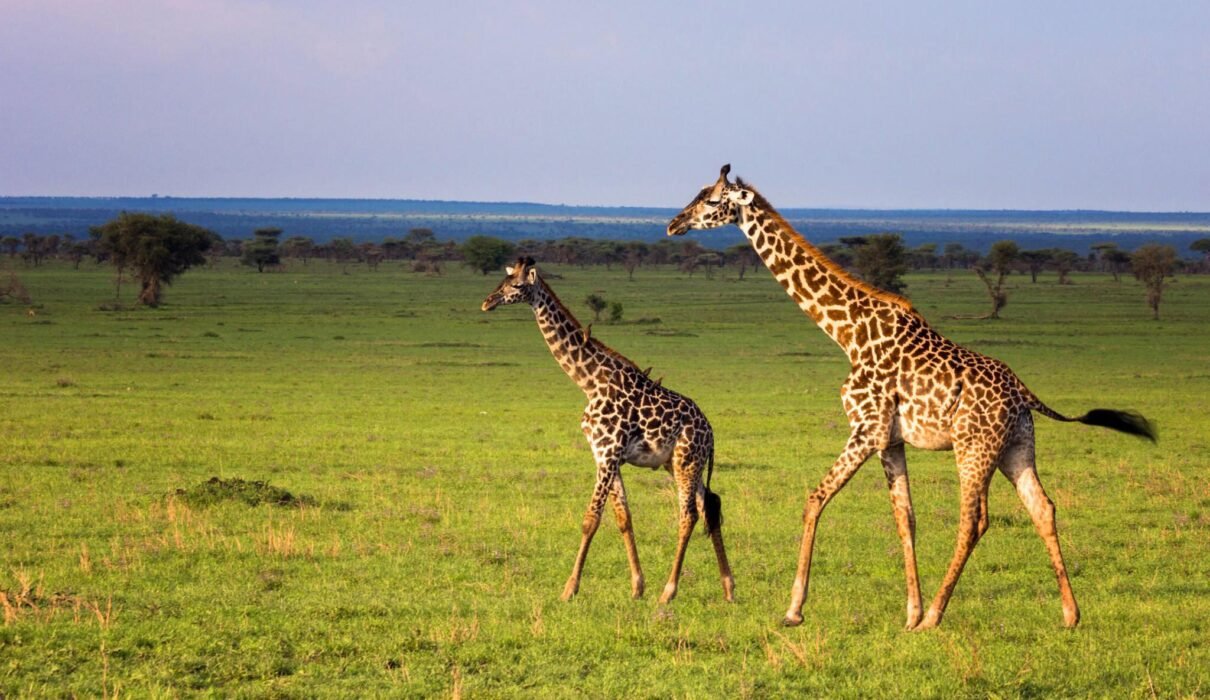
This 2-day Tanzania joining group safari is designed for travellers with limited time who still want a real wildlife experience. The route combines Tarangire National Park with the Ngorongoro Crater, two places that are different in landscape, wildlife and atmosphere. Tarangire brings elephants, baobabs and open woodland; Ngorongoro gives you a full game drive inside one of Africa’s most remarkable volcanic calderas.
It is a shared safari, meaning you join other travellers in a 4×4 safari vehicle with a professional driver-guide. That makes it a practical option for solo travellers, couples and small parties who do not want to pay for an entire private vehicle. It is also a fast itinerary, so it works best if you arrive in Arusha at least one night before the safari begins and keep a flexible onward plan after it ends.
Safari at a glance
Accommodation: Budget camp or lodge in Mto wa Mbu / Karatu area
Duration: 2 days / 1 night
Start and finish: Arusha, Tanzania
Parks: Tarangire National Park and Ngorongoro Crater
Tour style: Scheduled joining group; private option available
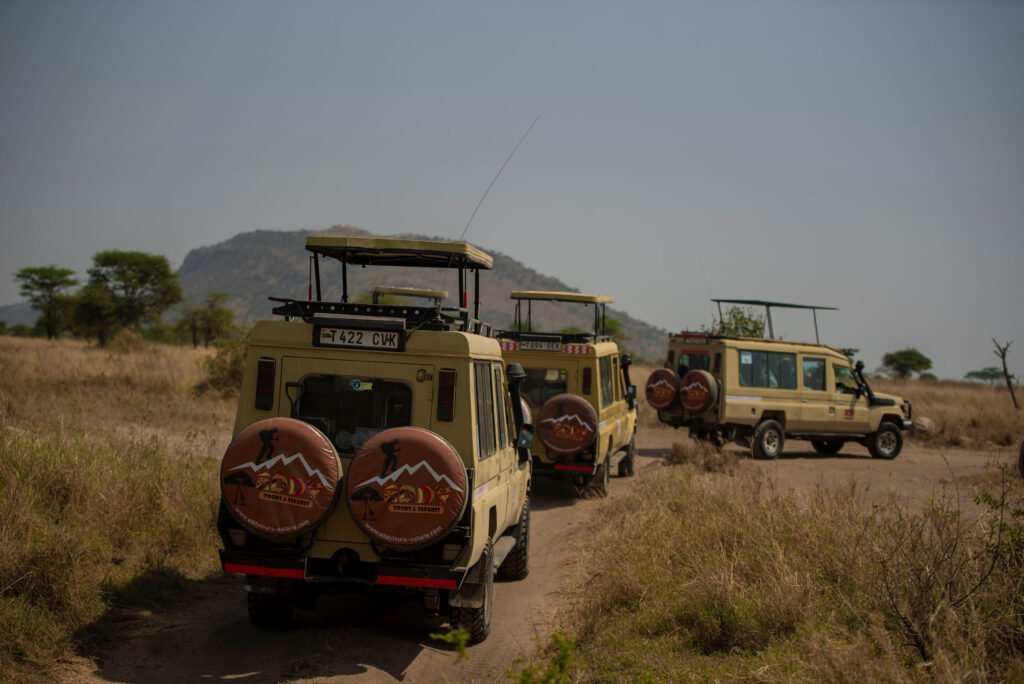
Vehicle: Shared 4×4 safari Land Cruiser with pop-up roof
Why choose a two-day joining group safari?
A short safari should not pretend to show all of Tanzania. Instead, it should choose two places that work well together. Tarangire and Ngorongoro are a strong combination because both are reachable from Arusha, but each offers a different kind of day. Tarangire has wide, dry-looking landscapes, river systems and very good elephant viewing. Ngorongoro is a highland caldera with grassland, swamp, forest and a dense concentration of wildlife on the floor.
Joining a group reduces the vehicle cost per person and gives you company on the road and at camps. You share the day’s highlights with other people who are there for the same reason. The shared arrangement does require consideration: be ready at the agreed time, respect the guide’s schedule and remember that everyone deserves a clear view at wildlife sightings.
Detailed itinerary
Day 1: Arusha to Tarangire National Park
Meet your driver-guide and group in Arusha after breakfast. After a short introduction, leave the city and travel toward Tarangire National Park. The drive generally takes two to three hours, depending on traffic and the meeting location. You will see the landscape change from town and farmland to the drier woodland of the safari circuit.
Enter Tarangire for a full game drive with a packed lunch. The park is known for old baobab trees and elephant families. In dry months, animals gather around the Tarangire River and other water sources, making it a particularly rewarding park for elephant viewing. You may also see giraffe, zebra, buffalo, wildebeest, impala, warthog, baboon and a wide variety of birds.
Predators live in Tarangire, but their sightings depend on time, weather and animal movement. The guide will look carefully but will not promise lions or leopard. A good day may include an elephant herd moving through a baobab grove, a giraffe browsing quietly or a large flock of birds around water. The aim is to enjoy the whole park rather than chase a single animal.
Have lunch at a designated picnic site, then continue your afternoon game drive. Later, exit the park and transfer to the Mto wa Mbu or Karatu area for dinner and overnight. The group will receive the early-start time for the following morning, because Ngorongoro is best visited early.
Meals: Lunch and dinner
Overnight: Budget camp or lodge near Mto wa Mbu / Karatu
Day 2: Ngorongoro Crater game drive – return to Arusha
After an early breakfast, drive toward the Ngorongoro Conservation Area. The road climbs into cooler highland country. At the crater rim, you may stop at a viewpoint if conditions permit, then begin the descent down the access road to the floor. The view is remarkable: a huge volcanic bowl with green walls rising around grassland, woodland, swamps and Lake Magadi.
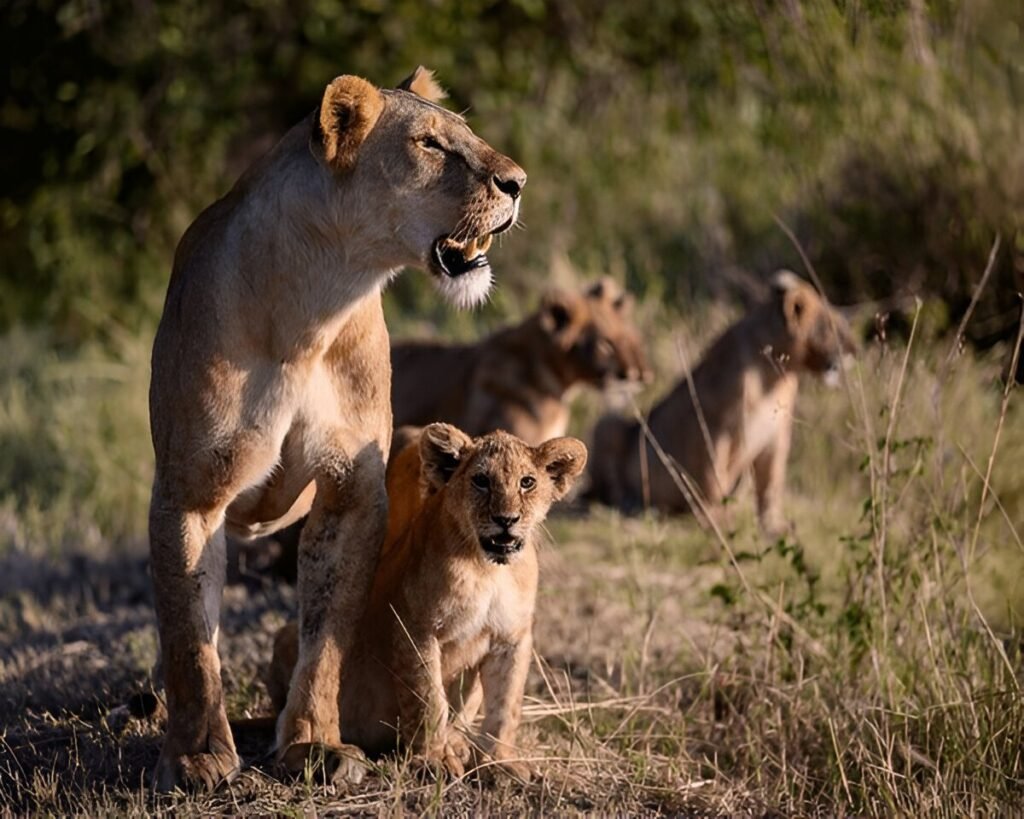
Spend the morning on a game drive. Ngorongoro has a strong chance of lion, buffalo, zebra, wildebeest, hippo, hyena and many birds. Elephants, usually bulls, may be seen near the forested areas. Black rhino is present but rare, so it remains a fortunate sighting rather than a promise. Your guide moves between habitats and uses their local knowledge while following authorised roads and respectful viewing distances.
Enjoy a packed lunch at the official picnic area near a hippo pool, then continue the game drive. Keep belongings secure and follow guide instructions, because wildlife is close even at rest stops. Later, ascend the crater road and travel back to Arusha. Arrival is usually late afternoon or early evening, depending on wildlife sightings and road conditions.
Meals: Breakfast and lunch
End of safari: Arusha hotel or agreed drop-off
What is included?
- Shared 4×4 safari vehicle with pop-up roof
- Professional English-speaking driver-guide
- One night of accommodation in the booked group category
- Meals as listed in the itinerary
- Drinking water in the safari vehicle
- Tarangire park entry fees and Ngorongoro conservation/crater fees
- Game drives in Tarangire and Ngorongoro Crater
- Arusha pick-up and drop-off as confirmed
- Government taxes and VAT where applicable
What is excluded?
- International flights and visa costs
- Travel and medical insurance
- Alcoholic beverages, soft drinks and personal snacks unless stated
- Tips for driver-guide and camp/lodge staff
- Personal purchases, laundry, telephone calls and souvenirs
- Extra hotel nights before or after safari unless quoted
- Optional activities not listed in the itinerary
Joining group safari versus private safari
This departure is shared, so the vehicle, guide and daily timetable are used by the whole group. It is generally more affordable than a private safari and is popular with solo guests. A private version is available if you want your own vehicle, more control over stops and a route tailored to your family or friends.
Before you book, ask whether the joining group is confirmed, how many guests are expected, the accommodation level, and whether every guest will have comfortable viewing space in the vehicle. These details affect the quality of a two-day trip more than a low price alone.
Wildlife expectations
Tarangire and Ngorongoro together offer excellent possibilities for elephants, buffalo, zebra, wildebeest, giraffe, lion, hippo, hyena, warthog, jackal and birds. Leopard and black rhino are more difficult. Wildlife is never guaranteed, and ethical safari guiding means allowing animals space rather than chasing or crowding them for a photograph.
The guide’s skill matters. Guides watch for fresh tracks, bird alarm calls, vultures, movement in long grass and changes in behaviour among prey animals. This is why a safari becomes richer when you ask questions and take time at sightings instead of judging the day only by a species checklist.
Best time to travel
This two-day route can operate throughout the year. June to October is typically dry and popular, with easier roads and thinner vegetation. January and February can be warm and rewarding. March to May brings greener scenery and fewer visitors but a greater chance of rain and muddy roads. November and December often bring shorter rains and fresh landscapes.
Ngorongoro has resident wildlife year-round, while Tarangire changes with water availability and season. Choose dates that suit your own holiday, then check the likely conditions rather than relying on a promise of perfect weather.
What to pack for two safari days
Bring light neutral-coloured clothing, a warm fleece for the Ngorongoro highlands, closed shoes, hat, sunscreen, sunglasses and a light waterproof jacket in wetter periods. Pack a small day bag with a camera, power bank, personal medication and any snacks you need. Binoculars are useful for birds and distant animals, but they are not required.
Keep luggage compact. A short safari does not require a large suitcase, and shared vehicle space is limited. A soft-sided travel bag is easier to store than a hard case. Your full luggage can be left at the Arusha hotel if you are returning there after the safari.
Responsible travel in Tanzania’s parks
Park rules are there to protect animals, people and the landscape. Stay inside the vehicle during game drives unless the guide says otherwise, never feed wildlife, do not litter and keep noise low at sightings. Your guide will remain on permitted tracks and maintain a safe distance. A calm animal behaving naturally is a better sight than an animal forced to move by vehicles.
Use a reusable water bottle where possible and follow camp guidance on water use. If you meet people in towns or communities, ask before taking close photographs. Tanzania’s protected areas are working landscapes, not merely backdrops for social media.
Making the most of a short safari
With only two days, preparation makes a noticeable difference. Pack the evening before, have breakfast at the agreed time and keep your camera, jacket and water accessible in the vehicle. Do not bring excessive luggage, and let the guide know about a special dietary need or health issue before Day 1. These simple steps mean the group can leave Arusha calmly and spend more time where it matters: inside the parks.
Short does not mean shallow. Look carefully at small details as well as large animals: dung beetles on the track, different antelope species, colourful rollers in the trees, the behaviour of a herd near water. A guide can explain why animals use certain areas and how the crater supports so much wildlife. Those observations are often what people remember after the headline photographs fade.
Accommodation options
The group’s overnight accommodation is normally in Mto wa Mbu, Karatu or the Ngorongoro Highlands. A budget option may be a simple lodge or campsite with clean facilities and substantial meals. A mid-range option usually provides an en-suite room, more space and a quieter setting after the drive. Lodge upgrades may include a pool, gardens or views, depending on the selected property.
Location is important on this two-day route. A lodge near Karatu or the highlands helps the group enter Ngorongoro early on Day 2. That early start is worth more than a late night in a distant hotel, because it gives the guide extra time to explore the crater floor before the return to Arusha.
How pricing works for a shared departure
The total price depends on the group size, accommodation, season and current park fees. The shared vehicle makes the trip less expensive per traveller than a private vehicle, but park fees, crater service fees and overnight costs remain significant. A clear quotation should show whether the accommodation is camping, tented camp or lodge, and state all meals, park fees and transfers included.
Be careful with offers that are much cheaper than all other quotations. They may exclude a major park fee, use an overcrowded vehicle or provide an unclear accommodation standard. Ask direct questions and make sure the answer is written down. A well-run budget group safari is about transparency, not simply the lowest number.
Arrival and onward travel
Most travellers arrive through Kilimanjaro International Airport, then spend the night in Arusha. This protects the itinerary from late international flights and gives you a chance to meet the group refreshed. At the end of Day 2, Arusha arrival is affected by traffic, weather and game-viewing time, so avoid booking an early evening international flight. An extra hotel night is the safer choice.
If you are continuing to a longer safari, Zanzibar holiday or Kilimanjaro trek, share the full plan when you enquire. The transfers can be coordinated so you do not waste a day backtracking. Tanzania journeys work best when each part flows into the next rather than being booked as unrelated pieces.
Frequently asked questions continued
Is two days enough for Tarangire and Ngorongoro?
Yes. It is a focused itinerary and one of the best short routes from Arusha. It does involve early starts and road travel, but it gives each park a proper game drive.
Are children welcome?
Yes, provided the children are comfortable with longer drives and early mornings. Tell us their ages so we can confirm the right room and vehicle arrangement.
What happens if it rains?
Safaris continue in light or moderate rain. The guide may change the route for safe road conditions or choose sheltered areas. Rain is a normal part of nature and can create beautiful light and active wildlife conditions.
Why Ngorongoro is worth the early wake-up
Ngorongoro Crater is not simply another game drive. The descent from the rim changes the whole feeling of the day. You move from cool highland forest into a broad caldera that holds grassland, lakes, swamp and woodland in a single view. Wildlife can be close together because the habitats are close together, but the animals remain free and unpredictable.
Arriving early gives you time to look beyond the popular sightings. Watch birds around water, buffalo in the grass, hyena moving between territories and elephants near the forest. The guide will decide where to go based on fresh information, rather than driving in a fixed circle. This is why an early start and a sensible overnight location make such a difference to a short group safari.
Simple health and safety preparation
Bring any required medication in your day bag, not in luggage stored away from you. Use sunscreen even on cloudy mornings and drink water throughout the drive. Seat belts should be worn when the vehicle is moving. Keep your body inside the vehicle at wildlife sightings, and do not stand through the roof unless the guide says it is safe.
Travel insurance is strongly recommended. Check passport validity, visa requirements and travel-health advice using official and qualified sources before departure, since requirements can change. Being prepared leaves you free to enjoy the journey.
Above all, travel with patience. Wildlife sightings and road conditions change from hour to hour, and the guide will always make decisions that protect the safety, comfort and quality of the experience for the whole group.
That is how safaris remain worthwhile.
Responsible.
Frequently asked questions
Can I join this safari alone?
Yes. Joining group departures are ideal for solo travellers. You share the vehicle with other guests and can choose single or shared accommodation where available.
Will I see the Big Five?
Ngorongoro offers a chance to see the Big Five, but no safari can guarantee specific animals. Rhino and leopard are particularly elusive. The itinerary provides strong all-round wildlife viewing.
Can I start from Moshi?
Moshi pick-up can be arranged, but it adds driving time. Starting in Arusha is the most practical choice for a two-day group safari.
Should I arrive a day before the safari?
Yes. Arrive in Arusha at least one night early, especially after an international flight. It protects the safari if your flight is delayed and makes the early group departure much easier.
Book your Tanzania joining group safari
For current departure dates, group availability and a detailed quotation, contact Eddy Tours & Safaris. If a shared date does not suit you, we can arrange a private Tarangire and Ngorongoro safari for your preferred travel dates.
Visit our contact page, call or WhatsApp +255 711 906 664, or email eddytoursandsafaris@gmail.com or sales@eddytours-safaris.com. For a mountain climb before your safari, explore Kilimanjaro Climb Specialist.