
This budget 5-day Tanzania group safari is a shared departure for travellers who want the main wildlife areas of the Northern Circuit without paying for a private vehicle alone. The itinerary includes Tarangire National Park, Lake Manyara National Park, Central Serengeti and the Ngorongoro Crater. It uses a practical route, with camping or simple tented-camp accommodation selected according to the confirmed group departure.
Shared travel does not mean rushed travel. Five days gives the group one full day in Central Serengeti, plus proper game drives in Tarangire, Lake Manyara and Ngorongoro. You share the vehicle, guide and daily timetable with other guests, which keeps the cost manageable and can make the trip more social. If you prefer exclusive use of the vehicle, the same route can be arranged privately.
Safari at a glance
- Duration: 5 days / 4 nights
- Route: Arusha – Tarangire – Lake Manyara – Serengeti – Ngorongoro – Arusha
- Style: Budget joining group safari
- Vehicle: Shared 4×4 Land Cruiser with pop-up roof
- Accommodation: Budget camping or simple tented-camp / lodge option
- Start and finish: Arusha
How a shared group safari works
Joining group safaris bring together solo travellers, couples and small parties on a confirmed departure. Everyone shares the driver-guide and vehicle. It is a good way to reduce costs while still visiting Tanzania’s national parks with an experienced local guide. The group follows one itinerary, so being ready for early departures and respecting shared space matters.
Before booking, confirm the departure date, vehicle capacity, expected group size, accommodation category and whether the group has enough guests to operate. A shared safari must not be overcrowded. Good viewing space, safe driving and a guide who communicates clearly are more important than a headline price that looks unusually cheap.
Detailed 5-day itinerary
Day 1: Arusha to Tarangire National Park
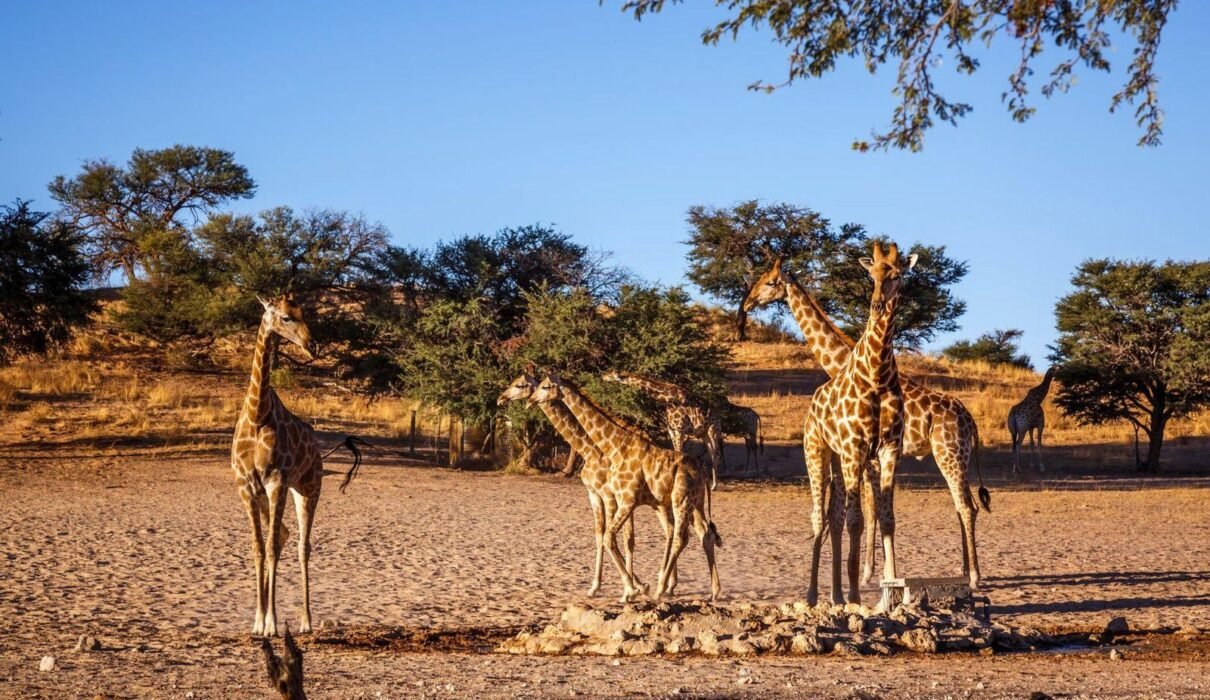
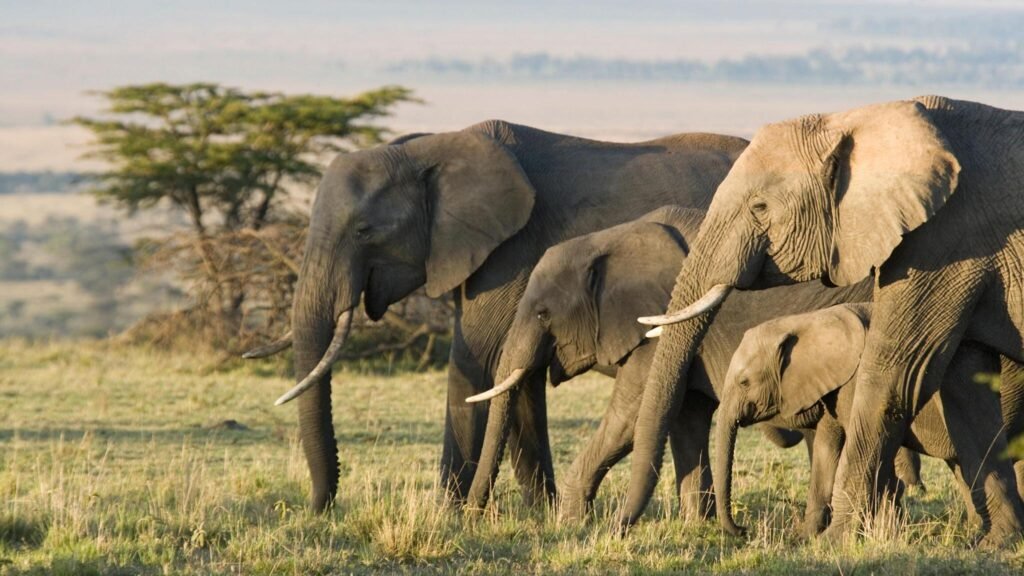
Meet the group and guide in Arusha after breakfast. Drive southwest to Tarangire National Park, normally two to three hours depending on traffic. Enter the park for a full-day game drive with packed lunch. Tarangire is known for baobab trees, river landscapes and elephant herds. In dry periods, wildlife often gathers around the Tarangire River and other water sources.
You may see elephant, giraffe, zebra, buffalo, wildebeest, impala, warthog and numerous birds. Lions and leopards occur in the park but cannot be guaranteed. Your guide will choose routes based on wildlife movement and conditions, rather than driving an identical circuit every day.
After the afternoon drive, leave the park and travel to the Mto wa Mbu or Karatu area for dinner and overnight.
Meals: Lunch and dinner
Overnight: Budget camp or lodge near Mto wa Mbu / Karatu
Day 2: Lake Manyara National Park – Serengeti transfer
After breakfast, visit Lake Manyara National Park. The park begins in a lush groundwater forest where troops of baboons are often visible and blue monkeys may be seen in the trees. The route then opens toward acacia woodland, grassy clearings and the lakeshore. Elephants, giraffe, buffalo, hippos and many water birds are possible.
Lake Manyara is associated with tree-climbing lions, though wildlife does not perform to a schedule. The guide will search suitable areas, but the forest, birdlife and Rift Valley setting are valuable whether or not lions are visible. Enjoy a picnic lunch before starting the drive through the Ngorongoro highlands toward Central Serengeti.
Arrive at camp or lodge in the Serengeti for dinner. Follow camp staff advice after dark, as animals may pass close to unfenced areas.
Meals: Breakfast, lunch and dinner
Overnight: Budget camp or tented camp in Central Serengeti
Day 3: Full-day Central Serengeti game drive
Spend a full day exploring the Central Serengeti, commonly called Seronera. This is one of the strongest all-year wildlife areas because the river valleys, kopjes and plains support resident animals. Start early when temperatures are lower and wildlife can be active.
Lions may be resting around kopjes or hunting areas, leopards may use large trees near river lines, and cheetahs may be seen in open country. Hyenas, giraffes, buffalo, zebra, topi, hartebeest, hippos and many antelope species add to the day. Your guide watches for tracks, vultures, alarm calls and animal behaviour, which often reveal more than a quick radio report.
Have a picnic lunch in the park or return to camp according to the group plan. Continue with an afternoon game drive, then return to camp for dinner and a second night in the Serengeti.
Meals: Breakfast, lunch and dinner
Overnight: Budget camp or tented camp in Central Serengeti
Day 4: Serengeti game drive – Ngorongoro Highlands
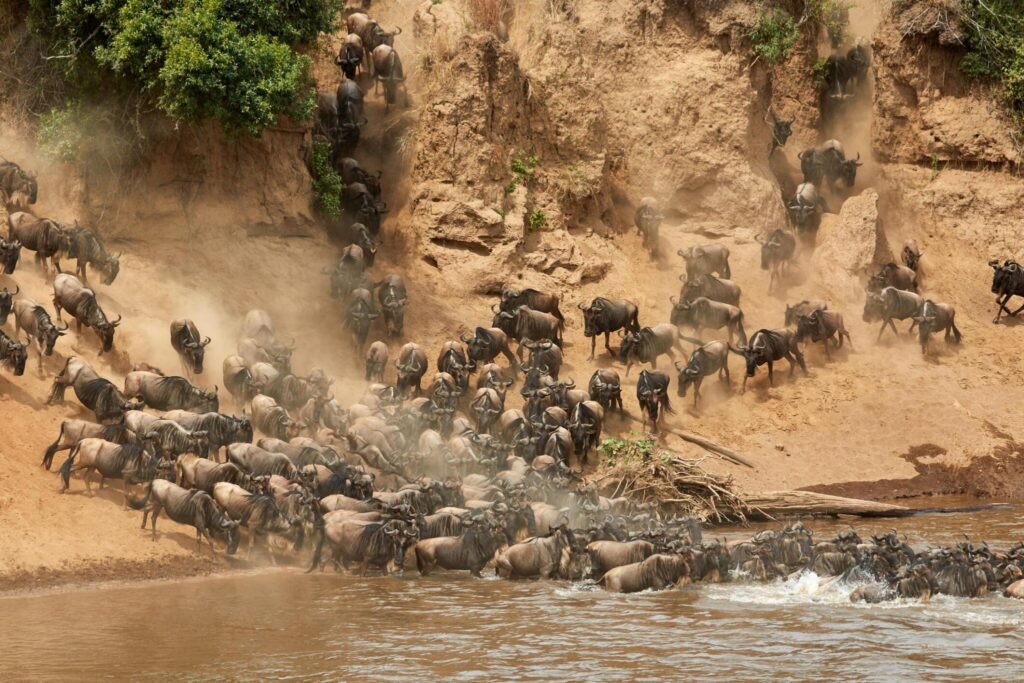
Enjoy a final morning game drive in the Serengeti, then travel east through the wider Serengeti ecosystem and Ngorongoro Conservation Area. The route allows continued wildlife viewing. The Great Migration may be in the wider region during certain months, but the herds move with rain and grass. Exact location and river crossings cannot be promised.
After a packed lunch, continue to Karatu or the Ngorongoro Highlands. Check into the camp or lodge, have dinner and rest early. The final day begins early to make the most of the crater.
Meals: Breakfast, lunch and dinner
Overnight: Budget lodge or camp in Karatu / Ngorongoro Highlands
Day 5: Ngorongoro Crater game drive – Arusha
After breakfast, drive to the crater rim and descend to the floor for a full morning game drive. The crater’s grassland, forest, swamps and Lake Magadi support an impressive variety of wildlife. Lion, buffalo, zebra, wildebeest, hippo, hyena, jackal and birds are regularly possible. Elephants may be near Lerai Forest. Black rhino is possible but remains rare and cannot be guaranteed.
Lunch is at the official picnic site, then the group completes the game drive and ascends to the rim. Return to Arusha in the late afternoon or evening. If you have a major flight, a later departure or extra overnight in Arusha is recommended because wildlife viewing and road conditions affect arrival time.
Meals: Breakfast and lunch
End of safari: Arusha hotel or arranged drop-off
What is included?
- Shared 4×4 safari vehicle with pop-up roof
- Professional English-speaking driver-guide
- Four nights’ accommodation in the confirmed budget category
- Meals listed in the itinerary
- Drinking water in the vehicle
- All national park and Ngorongoro conservation/crater fees for the route
- Game drives in Tarangire, Lake Manyara, Serengeti and Ngorongoro
- Arusha pick-up and drop-off as specified
- Government taxes and VAT where applicable
What is excluded?
- International flights and Tanzania visa fees
- Travel and medical insurance
- Alcoholic drinks, soft drinks and personal snacks unless stated
- Tips for guide and camp/lodge staff
- Optional balloon safari or other activities not listed
- Personal expenses, laundry, calls and souvenirs
- Extra nights before or after safari unless quoted
Budget accommodation: realistic expectations
Budget safari accommodation should be clean, safe and well located, but it is not luxury. Camping may use public campsites with a support cook and shared facilities. Tented camps can offer beds and a more comfortable setting while retaining a simple safari atmosphere. A budget lodge may have private rooms but fewer facilities than an upscale property.
The wildlife experience comes from the parks, vehicle and guide. A clear quote should state exactly which style is being used. If you want private bathrooms, a pool, a larger room or a quieter lodge, ask about a mid-range upgrade rather than assuming it is part of a budget group deal.
Best time for this budget group safari
This itinerary can run all year. June to October is generally dry and busy, with excellent all-round wildlife viewing. January and February can be warm and are good for a route adjusted toward the southern Serengeti/ Ndutu calving area. March to May is greener and quieter but wetter, while November and December often bring short rains and fresh scenery.
Choose dates based on your holiday and budget, then let the itinerary match expected conditions. Weather and wildlife movement change, so avoid any operator who guarantees an exact migration event.
Responsible safari travel
Respect for wildlife is part of every good group safari. Keep voices low at sightings, do not feed animals, do not litter and follow the guide’s instructions. Your guide remains on authorised tracks and keeps a safe viewing distance. A patient sighting where animals behave naturally is far better than a photograph gained by disturbing them.
Why this is a good first Tanzania safari
This five-day route includes the places most first-time visitors hope to understand, without treating them as a checklist. Tarangire gives you a classic elephant-and-baobab landscape. Lake Manyara adds forest, birdlife and the Rift Valley. The Serengeti provides the long plains and predator country people picture when they think of an African safari. Ngorongoro finishes the trip with a concentrated wildlife day in a volcanic setting.
The route also allows two nights in Central Serengeti. That matters because the Serengeti is far from Arusha. A short itinerary that reaches the park only for one late afternoon can feel like a great deal on paper but gives very little time on game drive. With two nights, you have both a full day and early-morning / late-afternoon viewing, when many animals are more active.
Group travel tips
Shared safaris work well when guests are considerate. Be ready when the guide gives a departure time, keep your day bag compact, and let the guide know if you feel unwell or have an important need. Avoid leaving personal items on empty seats and remember that every guest needs access to a good view. The guide will manage vehicle seating and photo stops fairly.
Do not be shy about asking questions. Your driver-guide can explain the difference between gazelle and impala, why vultures circle, how a lion pride shares territory and why the migration does not follow a fixed timetable. Those conversations make the drive more interesting than silently waiting for a single famous animal.
What to pack
Pack light layers. Tarangire and Serengeti days can be warm, but game drives begin early and the Ngorongoro Highlands are cool in the evening. Bring neutral-coloured shirts and trousers, a fleece, lightweight waterproof jacket, closed shoes, sunhat, sunscreen and sunglasses. A small day pack should hold water, camera, power bank, personal medication and a warm layer.
Binoculars are useful, particularly for birds and distant cats, but not essential. A phone can take good wildlife images in the right light; bring a power bank because charging opportunities may be limited in remote camps. Soft-sided bags are easier to store in a shared safari vehicle than rigid suitcases. If you use a domestic flight after the safari, check the baggage allowance in advance.
Food and water during the safari
Meals are arranged according to the itinerary and accommodation category. Breakfast and dinner are normally served at camp or lodge. On game-drive days, lunch is commonly a packed meal or picnic box with fruit, sandwich or cooked items, snacks and drinks. The exact menu varies by property and route.
Tell us about vegetarian, vegan, halal, gluten-free or allergy-related needs before booking. Mountain of food is not the aim; the cook and lodges need advance notice to provide suitable meals in remote areas. Drinking water is provided in the vehicle, and a reusable bottle is recommended. Staying hydrated is important during long, sunny game drives.
Wildlife, migration and honest expectations
You may see elephant, buffalo, giraffe, zebra, wildebeest, lion, hyena, hippo, warthog, baboon, monkey, jackal, antelope and many birds across the route. Leopard and cheetah are possible in Serengeti, but their movements are unpredictable. Black rhino is possible in Ngorongoro but is especially rare. Wildlife is not a performance, and no guide can honestly guarantee a full Big Five list.
The Great Migration is a moving system of wildebeest and zebra responding to rain and grazing. At some times, the herds may be in the Central Serengeti; at others, they are farther south, west or north. If this is your main interest, tell us the month you are travelling so the camp location can be reviewed. We will explain the likely movement without promising a river crossing on a certain day.
Arrival, departure and travel preparation
Arrive in Arusha at least one night before the group safari. This gives you a buffer after an international flight and ensures you are ready for the early Day 1 departure. At the end of Day 5, return to Arusha may be affected by weather, traffic and wildlife viewing, so do not schedule an early evening flight. A final hotel night is the safer plan.
Before travel, check your passport validity, Tanzanian visa requirements, travel insurance and relevant health advice using official and qualified sources. Carry important medication in your day bag. Travel insurance is strongly recommended, particularly cover for medical assistance, delays and lost baggage. These preparations are simple but important for a smooth trip.
Frequently asked questions
Can I join alone?
Yes. Budget joining group safaris are popular with solo travellers. You share the safari vehicle and guide, and we can advise on single-room or shared-accommodation options.
Is camping safe?
Yes, when it is organised properly. Camps have staff, safety procedures and designated areas. Listen to camp instructions after dark, keep your tent closed and do not walk alone away from the main area.
Can children join?
Yes, provided they are comfortable with long drives and early starts. Share their ages before booking so we can confirm suitable accommodation and vehicle arrangements.
Can I make the safari private?
Yes. The same route can be arranged as a private safari for your party. It costs more per person for a small booking but gives you your own vehicle and greater flexibility.
Making the budget work without cutting corners
The sensible way to control cost is to share the vehicle, choose a simple but clean accommodation category and travel with a planned itinerary. It is not sensible to reduce safety, park time or guide quality. The guide, vehicle condition and camp location have a direct effect on the safari itself. Ask for a transparent quote, then decide where you genuinely want to spend more: perhaps a private room, a better Serengeti camp or an extra night in the park.
Travel at a relaxed pace where possible. Tanzania’s distances are real, and a good itinerary acknowledges them rather than making impossible promises. The guide will use the available time well, but long transfer days require patience. The changing landscapes and wildlife along the route are part of the journey, not time lost between attractions.
What happens if weather changes?
Rain, road condition and park rules can require a small adjustment to a daily route. The guide will choose the safest option while protecting the main itinerary. Rain can also bring dramatic skies, fresh air and active wildlife. Flexibility is a normal part of travelling responsibly in Tanzania.
Book your 5-day shared Tanzania safari
For current group dates, confirmed availability and an exact budget quotation, contact Eddy Tours & Safaris. The same five-day route can be booked privately if you prefer exclusive use of the vehicle.
Visit our contact page, call or WhatsApp +255 711 906 664, or email eddytoursandsafaris@gmail.com or sales@eddytours-safaris.com. To add a mountain climb before safari, see Kilimanjaro Climb Specialist.