
Tanzania is one of the few countries where a single holiday can include open savannah, volcanic highlands, ancient coast towns, tropical beaches and Africa’s highest mountain. For many visitors, the first idea is a Serengeti safari. That is a very good starting point, but Tanzania has far more to offer than one famous park.
This guide covers ten tourist attractions worth considering for a Tanzania trip in 2027. Some are perfect for a first-time safari, while others suit travellers who want quieter parks, a beach break, a mountain climb or a deeper look at local landscapes and history. The right route depends on your travel month, budget, available days and what you enjoy most. There is no need to squeeze all ten into one holiday; a well-paced plan is always better than a rushed checklist.
1. Serengeti National Park
Serengeti National Park is Tanzania’s best-known attraction and one of the great wildlife destinations anywhere in the world. Its name is often linked to the Maasai word for endless plains, and the landscape delivers exactly that feeling: grassland reaching to the horizon, rocky kopjes, acacia woodland, rivers and an extraordinary concentration of animals.
The park is famous for the Great Migration, when wildebeest, zebra and gazelle move through the wider Serengeti-Mara ecosystem in search of fresh grazing and water. The location of the herds changes with rainfall. Southern Serengeti and Ndutu are important in the calving season around the early months of the year, while northern Serengeti becomes a popular focus later in the dry season. River crossings can happen in the north, but they are natural events, not guaranteed performances.
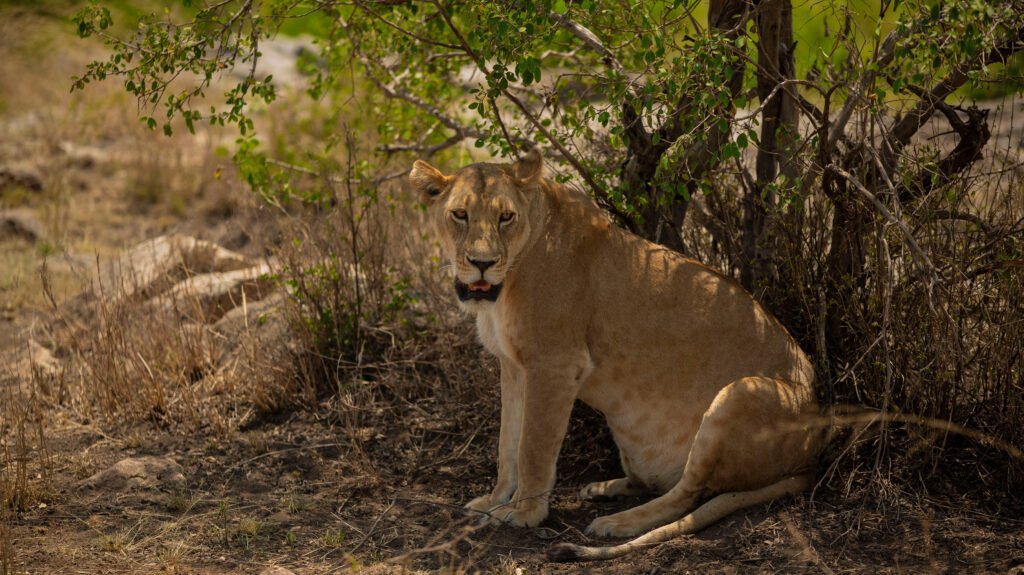
Even when the migration is elsewhere, Serengeti is rewarding. Central Serengeti has resident wildlife and strong potential for lion, leopard, cheetah, hyena, giraffe, elephant, buffalo, hippo and many antelope species. Plan at least two nights if possible. The park is large, and an extra night gives your guide time to follow sightings rather than simply drive between gates and camps.
2. Ngorongoro Crater
Ngorongoro Crater is a huge volcanic caldera in northern Tanzania. From the rim, visitors look down on a broad floor of grassland, forest, wetlands and Lake Magadi. The descent into the crater is an experience by itself; misty highland forest gives way to a wide landscape where wildlife can often be seen soon after arriving on the floor.
The crater supports zebra, wildebeest, buffalo, hippos, lions, hyenas, elephants, flamingos and many other animals. Black rhinos are present in the wider conservation area, although sightings depend on distance, location and luck. The crater has a high wildlife density, but it should not be treated as a zoo. Animals move freely within a large natural area, and each day produces different encounters.
Ngorongoro is ideal for a full or half-day game drive within a northern circuit itinerary. Stay near Karatu or on the crater rim, where evenings can be much cooler than visitors expect. Bring a fleece or light jacket for early mornings. Respect the conservation rules, keep noise low around wildlife and allow enough time for the descent and ascent rather than rushing through.
3. Mount Kilimanjaro
Mount Kilimanjaro is Africa’s highest mountain at 5,895 metres and a powerful sight from the plains around Moshi and Amboseli in neighbouring Kenya. It is a free-standing volcanic mountain with several ecological zones: cultivated foothills, forest, moorland, alpine desert and the icy summit zone. Seeing this change on foot is one reason the climb attracts travellers from around the world.
Kilimanjaro is not a technical mountaineering climb on the common routes, but it is not an ordinary hike. Altitude, cold, fatigue and changing weather make preparation essential. A longer route with good acclimatisation is usually a safer and more enjoyable choice than a rushed itinerary. Trekkers should train in advance, use proper footwear and layers, and listen carefully to the mountain crew.
Travellers who do not want to climb can still enjoy Kilimanjaro’s surroundings through coffee tours, waterfalls, village visits and day walks near Moshi. For route-specific climbing information, packing guidance and planning support, visit Kilimanjaro Climb Specialist.
4. Zanzibar Island and Stone Town
Zanzibar is the natural beach extension to a Tanzania safari. After dusty roads and early game drives, its warm Indian Ocean water, palm-lined beaches and slower pace can feel like a complete change of scene. The island has several beach areas with different personalities. Nungwi and Kendwa are popular for swimming and lively beach hotels, while parts of the east coast are quieter and shaped by changing tides.
Do not skip Stone Town. Its narrow lanes, carved doors, old houses, markets and waterfront reflect centuries of trade across the Indian Ocean. A local guide can help visitors understand the mix of African, Arab, Indian and European influences that shaped the town. It is worth spending at least one night or a proper afternoon there before moving to the beach.
When leaving beach resorts, dress respectfully in towns, villages and religious places. A light wrap, longer shorts or trousers and tops that cover shoulders are sensible. Zanzibar is more than a resort destination; being considerate of local customs makes the visit better for everyone.
5. Tarangire National Park
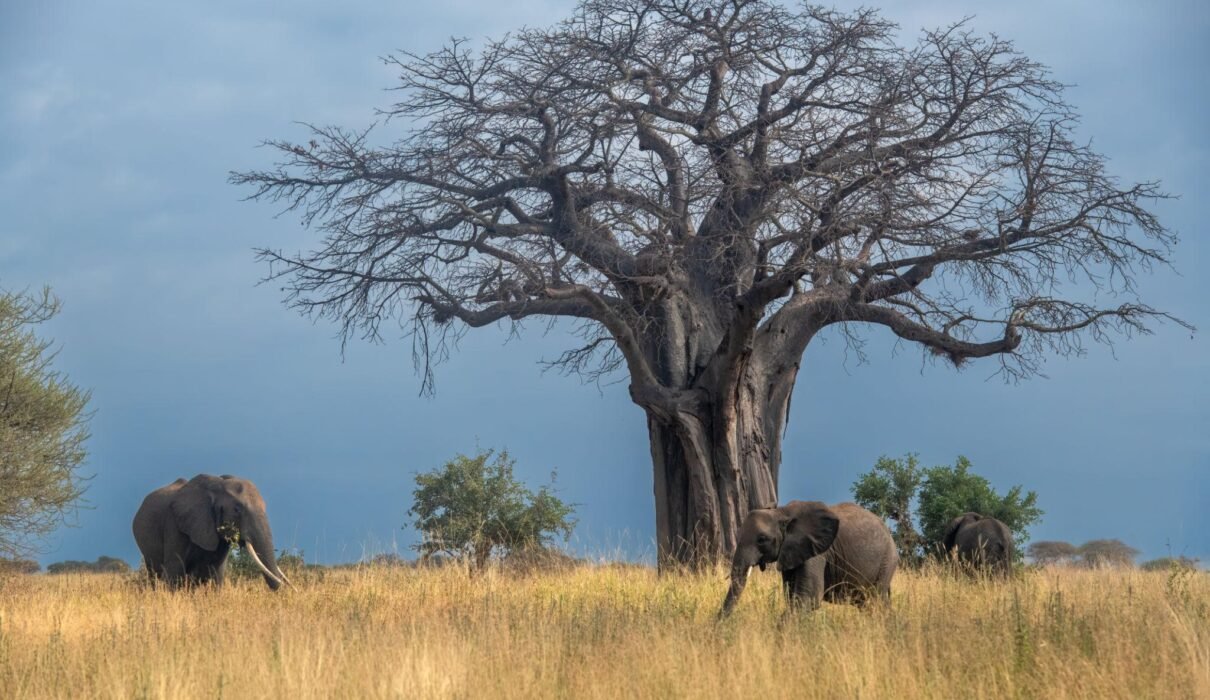
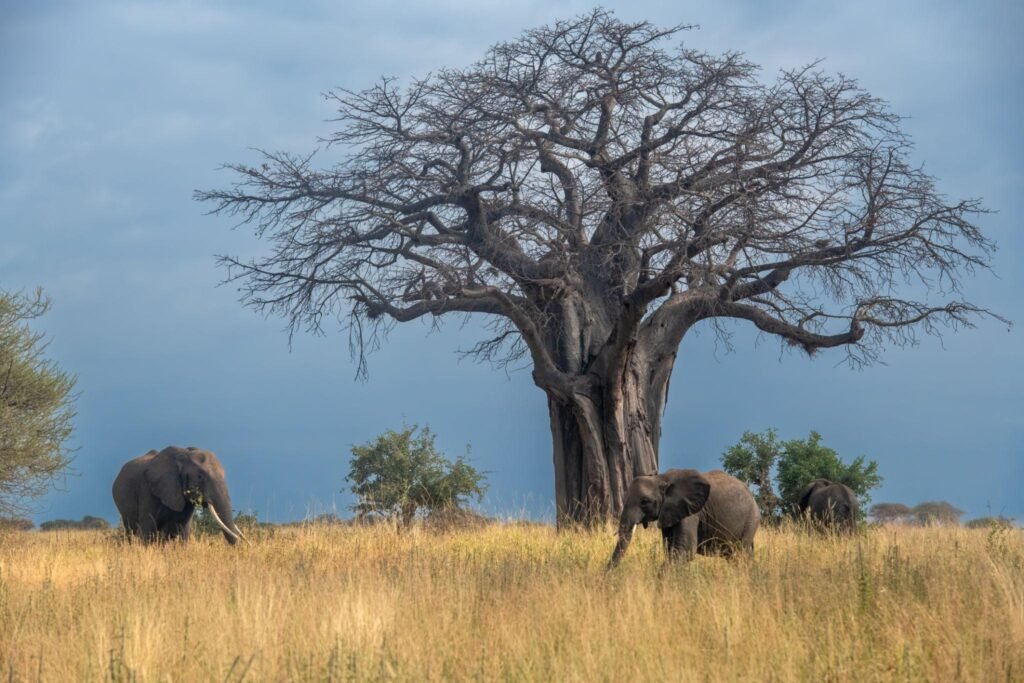
Tarangire National Park is one of northern Tanzania’s most enjoyable safari parks and a strong choice for travellers who want elephants, baobab trees and a distinctive landscape. The Tarangire River is a key water source in drier months, attracting wildlife to the surrounding area. Elephant family groups are often a highlight, and guests may also see giraffes, buffalo, zebra, wildebeest, impala, warthogs, lions and many birds.
Tarangire works well as the first park after arriving in Arusha or the final park before returning to town. It feels different from Serengeti because the vegetation is more wooded and the baobabs create a dramatic skyline. Birdwatchers should keep binoculars ready; the park’s habitat diversity supports a broad range of species.
A day visit can be rewarding, but an overnight stay nearby creates a more relaxed experience. Start early, stay out in the cooler hours and give yourself time to watch animal behaviour rather than only stopping for quick photographs.
6. Nyerere National Park
Nyerere National Park, in southern Tanzania, is one of the continent’s largest protected areas and forms part of the former Selous Game Reserve ecosystem. It offers a different safari mood from the busy northern circuit: broad rivers, lakes, woodland and a feeling of distance from the usual safari crowds.
The Rufiji River system is central to the experience. Boat safaris can reveal hippos, crocodiles, waterbirds and animals coming to drink along the banks. Game drives may offer elephant, buffalo, giraffe, lion, wild dog and many other species, although wildlife viewing is naturally more spread out in such a large landscape. The reward is the sense of space and the variety of activities beyond a standard vehicle drive.
Nyerere is often best reached by scheduled or charter flight from Dar es Salaam or Zanzibar. It suits travellers with enough time to stay at least two or three nights and is a good option for repeat safari guests who want something less familiar than the northern circuit.
7. Ruaha National Park
Ruaha National Park is another outstanding southern Tanzania attraction, known for rugged terrain, baobabs, the Great Ruaha River and a wild, remote character. It is often chosen by travellers who want to spend more time in a quieter park where the landscape feels less developed and vehicle numbers can be lower than in famous northern destinations.
Ruaha supports large elephant herds, lions, leopards, cheetahs, hyenas, giraffes, buffalo, kudu, sable antelope and a rich bird population. The park’s size means sightings can be less predictable than in Ngorongoro, but that is part of the appeal. You are travelling through a broad ecosystem, not following a fixed circuit of known animal points.
Dry-season months can be especially good near water sources, though every season has its own character. A fly-in itinerary is usually the most efficient way to reach Ruaha. Combine it with Nyerere if you want a southern safari that includes both river landscapes and dry savannah.
8. Lake Manyara National Park
Lake Manyara National Park is smaller than Serengeti or Tarangire but offers valuable variety on a northern safari route. The park lies below the Rift Valley escarpment and contains groundwater forest, woodland, open areas and a large alkaline lake. The change in scenery is immediate and enjoyable, particularly after several days on open plains.
Manyara is known for baboons, elephants, giraffes, hippos, birds and its forest environment. It is often associated with tree-climbing lions, but that behaviour is not something any guide can promise. Visit because the park is diverse and beautiful, not because of one possible sighting.
A half-day or full day can fit well between Tarangire and Ngorongoro. The nearby town of Mto wa Mbu also gives visitors access to local food, markets and cultural activities. Choose a responsible guide or programme that respects residents and gives the community a fair benefit from tourism.
9. Arusha National Park and Mount Meru
Arusha National Park is close to Arusha town and makes an excellent addition for visitors who have an extra day before or after a northern safari. The park includes forest, open grassland, lakes and views of Mount Meru. On clear days, Kilimanjaro may appear in the distance, though clouds often cover it.
Arusha National Park is particularly good for giraffes, colobus monkeys, buffalo, waterbuck, flamingos and birdlife. It is not a Big Five destination in the same way as Ngorongoro or Serengeti, but that is not its purpose. It provides a calmer, greener experience and can include walking activities where permitted and guided.
Mount Meru, Tanzania’s second-highest peak, rises within the park. The multi-day trek is challenging and physically demanding, but it is often used as a worthwhile acclimatisation climb before Kilimanjaro. Even without climbing, the park’s forest, lakes and mountain setting make it one of the most underrated attractions near Arusha.
10. Lake Natron and the Oldonyo Lengai area
Lake Natron is one of Tanzania’s most unusual landscapes. It lies in the north near the Kenyan border, beneath the active volcano Oldonyo Lengai. The lake’s shallow alkaline water, changing colours, distant escarpments and wide open setting make it dramatically different from the better-known safari parks.
The area is important for lesser flamingos when conditions are favourable, and it is popular with travellers who enjoy photography, geology and less conventional routes. Access can be rough, temperatures can be high and accommodation is generally simpler than in the main safari circuit. This is not a destination to add casually between long drives; it needs a plan that allows for the road and the heat.
Oldonyo Lengai is a sacred mountain in Maasai culture and an active volcano. Climbing it is demanding and should be arranged only with an experienced local guide, suitable fitness and current local advice. Many visitors choose instead to enjoy the landscape, waterfalls and cultural setting without attempting the summit.
How to choose the right Tanzania attractions for your trip
For a first trip of six to eight days, focus on Tarangire, Ngorongoro and Serengeti. Add Lake Manyara or Arusha National Park if the schedule allows. For a longer holiday, include Zanzibar after the safari. For travellers looking for fewer vehicles and more remote landscapes, consider Nyerere and Ruaha rather than trying to combine both north and south in a short road trip.
Your travel month matters. January to March can be excellent for the southern Serengeti and Ndutu calving season. June to October is popular for dry-season game viewing and often easier road conditions. November and December can bring greener scenery and changing migration movements. April and May are wetter but can suit flexible visitors who prefer fewer crowds. Wildlife never follows a printed calendar exactly, so ask for advice based on your actual dates.
Practical tips for visiting Tanzania in 2027
- Book early for peak migration dates, Christmas and New Year, popular lodges and domestic flights.
- Pack breathable clothes, closed shoes, a fleece, a light rain jacket, sunscreen, a hat and sunglasses.
- Carry binoculars, spare camera batteries and a protective pouch for dusty game drives.
- Use a soft bag when flying in small safari aircraft and confirm current luggage limits before packing.
- Keep passports, medication, insurance details and important electronics in hand luggage.
- Check official visa, health and airline requirements close to departure because they may change.
- Choose fewer destinations with enough time in each one instead of rushing from park to park.
Frequently asked questions about Tanzania tourist attractions
What is the number-one attraction in Tanzania?
For many visitors, Serengeti National Park is the leading attraction because of its wildlife, landscapes and connection to the Great Migration. However, the best choice depends on your interests. Ngorongoro Crater is outstanding for concentrated wildlife viewing, Zanzibar is best for a beach and culture extension, and Kilimanjaro is the main choice for mountain trekkers.
Can I see Tanzania’s main attractions in one week?
In a week, you can comfortably see several northern attractions, usually Tarangire, Ngorongoro and Serengeti. Trying to add Zanzibar, Kilimanjaro, Ruaha and Nyerere to the same week would make the holiday rushed. Choose one region well, then return for another part of the country in the future.
Is Tanzania suitable for families?
Yes. Families often enjoy a private safari because the guide can adapt the day around children’s energy levels, meal times and comfort breaks. Select accommodation with family rooms or connecting tents, avoid excessive transfer days and let the operator know the children’s ages before the booking is finalised.
Do I need to fly between Tanzania’s tourist attractions?
Not always. Tarangire, Lake Manyara, Ngorongoro and Serengeti can be combined by road. Flying is useful when connecting northern Tanzania with Zanzibar or the southern parks, or when you have limited time. Small-aircraft luggage limits are common, so check the permitted bag size and weight in advance.
When should I book a Tanzania holiday for 2027?
Book as early as possible if your travel dates are fixed, especially for July to October, the festive period, migration-focused camps or small group departures. Early planning gives you a better choice of rooms, guides, flight times and routes. It also gives you time to prepare travel documents and understand what is included in the itinerary.
Plan your Tanzania attractions itinerary with Eddy Tours & Safaris
A strong Tanzania itinerary is built around your dates, interests and pace. Eddy Tours & Safaris can help you choose between a classic northern safari, a Great Migration route, a southern Tanzania fly-in holiday, a Zanzibar extension or a plan that combines several of these. The team can also explain the difference between private, group, camping, lodge and fly-in safari options.
To discuss your 2027 Tanzania holiday, use the contact page, email eddytoursandsafaris@gmail.com or sales@eddytours-safaris.com, or call and WhatsApp +255 711 906 664. Share your preferred dates, group size, accommodation level and top interests, and the itinerary can be planned around the attractions that matter most to you.