
Tanzania earns its place on many travellers’ safari wish lists because it brings together vast wildlife areas, iconic landscapes, experienced guides and the option to finish a safari on the Indian Ocean coast. It is not one park and one type of holiday. A traveller can watch elephants beneath baobab trees in Tarangire, look down into the Ngorongoro Crater, follow big cats on the Serengeti plains and then spend a few quiet days in Zanzibar.
Calling Tanzania Africa’s number-one safari destination is a strong statement, and every traveller will have their own view. Kenya, Botswana, South Africa, Namibia, Uganda and Rwanda all offer excellent wildlife experiences. Tanzania stands out because of the scale and variety it can deliver in one well-planned trip. It has classic wildlife viewing, the Great Migration, remote southern parks, cultural encounters, mountain scenery and beach extensions without forcing visitors to choose only one type of adventure.
Here are five solid reasons Tanzania remains one of Africa’s leading safari destinations for 2027, together with practical advice for choosing the right route, season and travel style. The purpose is not to promise that every game drive will look like a film scene. It is to help you plan a safari with realistic expectations and the best possible use of your time.

1. Tanzania is home to the Great Migration
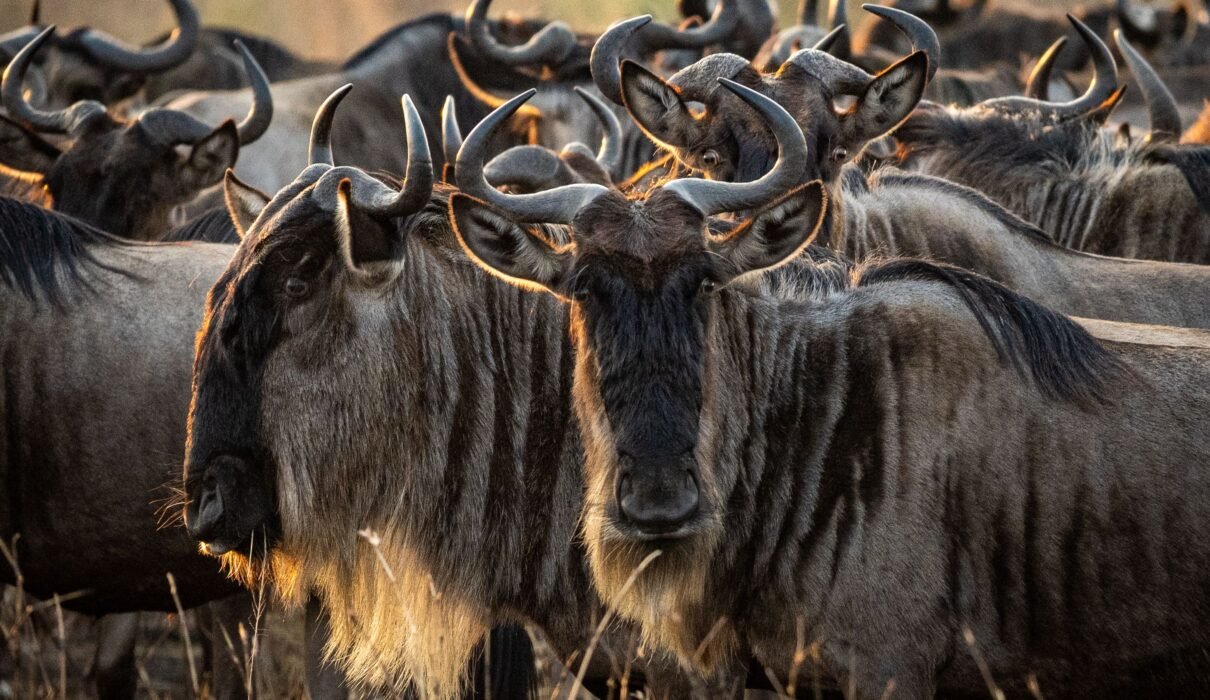
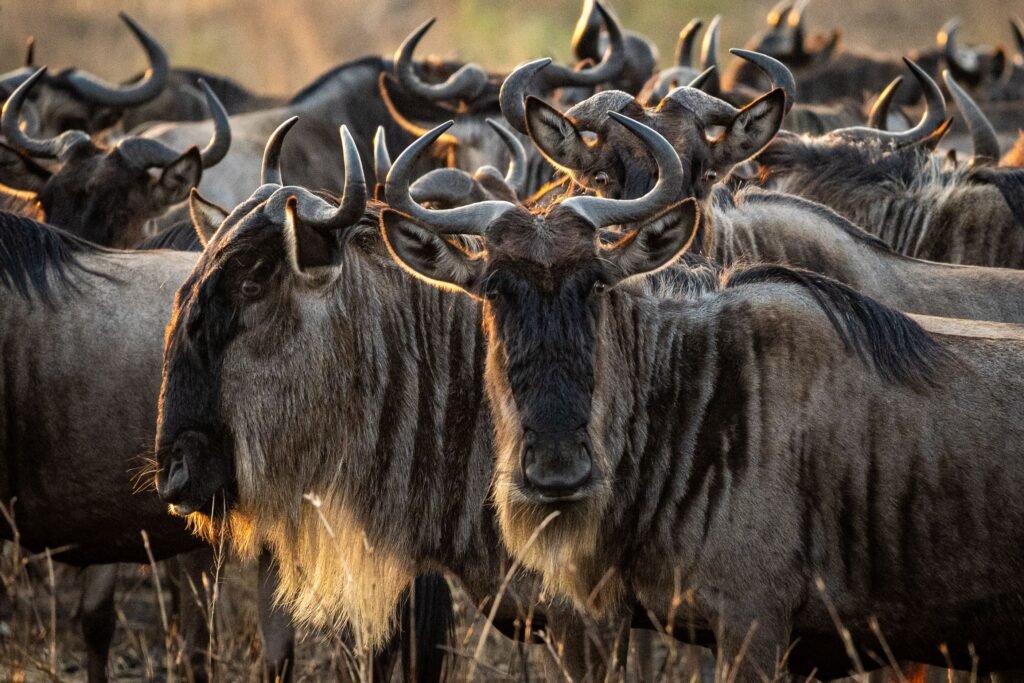
The Great Migration is the first reason many people choose Tanzania. Each year, huge herds of wildebeest, zebra and gazelle move through the wider Serengeti-Mara ecosystem in response to rainfall, fresh grass and water. It is not a single event that begins and ends on one fixed day. It is a continuous natural cycle, and different parts of Tanzania become important at different times of year.
From roughly late December into March, the southern Serengeti and Ndutu plains can hold large herds during the calving period. Thousands of wildebeest calves are born across the short grass, and predators such as lions, cheetahs, hyenas and jackals follow the concentration of prey. This is a powerful time for guests who want green landscapes, young animals and wildlife behaviour rather than dry-season scenery.
As seasons change, the herds generally move through central and western areas before reaching the north of Serengeti during the broader dry-season period. River crossings may occur in the north, but they are never guaranteed on a particular day. They depend on the herd, water levels, weather and animal behaviour. A good migration itinerary is designed around the likely location of the herds, but it should still include resident wildlife and varied habitats so the entire trip is worthwhile.
One important point: do not choose a migration safari only because you saw a dramatic river-crossing video online. The migration is just as interesting when you see endless herds grazing, zebras moving alongside wildebeest, newborn calves learning to stand, or predators resting near the plains. A guide who understands seasonal movements helps you see the larger story rather than chase a single image.
2. The northern safari circuit gives you several world-class parks in one journey
Tanzania’s northern circuit is exceptionally practical for a first safari because several different parks can be combined by road. The usual core route includes Tarangire National Park, the Ngorongoro Conservation Area and Serengeti National Park. Add Lake Manyara, Arusha National Park or a cultural stop if you have extra time. Each place has its own character, so the safari does not feel repetitive.
Tarangire: elephants, baobabs and dry-season wildlife
Tarangire is a favourite for travellers who enjoy elephant behaviour. Family groups move through woodland and along river areas, often with calves in the herd. The park is also known for baobab trees, giraffes, zebras, buffalo, warthogs, antelope, lions and a strong bird list. During drier months, water sources become especially important for wildlife. Even outside the peak dry season, Tarangire has a distinctive landscape that feels very different from Serengeti.
Ngorongoro Crater: a remarkable concentration of wildlife
The Ngorongoro Crater is a vast volcanic caldera with grassland, lake areas, forest patches and permanent water. A drive on the crater floor may bring sightings of zebra, wildebeest, buffalo, hippos, lions, hyenas, elephants and many bird species. Black rhinos occur in the conservation area, although any sighting remains a matter of luck, distance and wildlife movement.
The crater is not simply a “Big Five checklist” stop. Its topography makes it beautiful in its own right. Visitors descend from the cool rim into a broad natural bowl, where the landscape changes quickly from forest to open grassland. A proper crater game drive needs time; it should not be squeezed between two very long transfers.
Serengeti: open plains, big cats and room to explore
Serengeti is one of the world’s best-known safari landscapes for good reason. It is huge, varied and full of wildlife. Central Serengeti is a sensible base for many itineraries because it has resident animals throughout the year and excellent potential for lions, leopards, cheetahs, hyenas, giraffes, elephants and plains game. Seasonal movements then guide travellers south, west or north depending on what they hope to see.
Spend at least two nights in Serengeti if your itinerary allows. One night can feel rushed because the park is large and arrival days involve driving. Two or three nights provide the flexibility to go out early, follow fresh sightings and enjoy the plains without spending every hour moving to the next accommodation.
3. Tanzania offers far more than the Big Five
The Big Five—lion, leopard, elephant, buffalo and rhino—are well-known safari symbols, but Tanzania becomes much more enjoyable when you notice the rest of the ecosystem. Cheetahs scan the open grassland for opportunities. Hyenas call after dark and move confidently through their territories. Giraffes feed slowly on acacia leaves while warthogs run with their tails raised. Hippos spend daylight hours in water and become more active after sunset.
Birdlife is another strong reason to visit. Even guests who are not dedicated birders often start noticing hornbills, colourful rollers, bee-eaters, eagles, vultures, storks, ostriches and secretary birds. Wetland areas can bring flamingos, pelicans and waders. Carrying a small pair of binoculars changes the experience, especially when an animal or bird is too far away for a clear view with the naked eye.
Tanzania also has smaller wildlife that adds personality to a game drive: dik-dik, mongoose, bat-eared foxes, rock hyrax, vervet monkeys, baboons, jackals and many reptiles. A guide who explains tracks, alarm calls, plants and animal habits makes these sightings memorable. Safari quality is not measured only by how many large mammals you see close to the vehicle.
For photographers, this variety matters. A good portfolio from Tanzania can include landscapes, animal behaviour, birds, people, camp life and details such as baobab bark or a line of antelope on a ridge. Do not keep the camera pointed only at lions. The spaces between the famous animals often become the pictures you enjoy most later.
4. You can match the safari to your budget and travel style
Tanzania is not only for luxury travellers. There are private camping safaris, group departures, comfortable mid-range tented camps, classic lodges and high-end mobile camps in excellent wildlife locations. The key is to be clear about what you value. Some travellers prefer to spend more on a private vehicle and simpler rooms; others want lodge comfort and are happy with a shared departure. Neither choice is automatically better.
A private safari suits couples, families and groups of friends who want their own guide and vehicle. You can choose how long to remain at a sighting, stop when children need a break and focus the day on your interests. A group safari is more economical and can be enjoyable for sociable guests, but you share decisions and space with other travellers. Confirm the maximum group size, vehicle seating, accommodation and inclusions before paying a deposit.
Accommodation location deserves careful attention. A camp inside or close to the park may cost more than one outside the gate, but it can save valuable driving time. In Serengeti, a well-situated camp lets you start a morning drive while the wildlife is active instead of spending hours on a road. In the migration season, mobile camps may follow the herds, while permanent camps provide reliable facilities and access to resident wildlife.
When comparing quotations, ask what is included: park fees, crater fees, meals, drinking water, airport transfers, domestic flights, accommodation, game drives and guide services. Also ask what is excluded: international flights, visas, insurance, optional activities, some drinks, personal purchases and tips. An honest, detailed quotation is more useful than a low headline price that later grows through extra charges.
5. Tanzania lets you combine safari, beach, culture and mountains
A Tanzania holiday can extend beyond the safari vehicle. After early starts and long game drives, many travellers add Zanzibar for a few days by the Indian Ocean. Nungwi and Kendwa are popular for beach hotels and swimming, while the east coast offers quieter stretches of sand and a distinct tidal rhythm. Stone Town adds history, architecture and food, giving the island more depth than a simple beach break.
For mountain travellers, Mount Kilimanjaro rises above northern Tanzania and offers several trekking routes. It is not a technical climb on the common routes, but at 5,895 metres altitude is a serious factor. Good acclimatisation, the right route length, warm clothing and qualified support are important. A short safari can be added before or after a climb, depending on recovery time and travel plans.
Cultural experiences can also add value when they are respectful and arranged responsibly. Visits connected to local communities should not feel like people are being displayed. The best experiences allow genuine conversation, fair payment and a clear understanding of local life. Markets, coffee tours, Maasai cultural programmes and village visits can be meaningful when organised with care and realistic expectations.
When is the best time for a Tanzania safari in 2027?
The best time depends on the experience you want. January through March can be excellent for the southern migration, calving season, green scenery and predator activity around Ndutu and southern Serengeti. Rain can occur, but it is often part of what makes the plains vibrant. April and May usually bring the longer rains; this period suits flexible visitors who appreciate quieter travel and do not mind wetter roads or occasional schedule adjustments.
June to October is the classic dry-season period. Roads are often easier, mornings can be cool, and wildlife may gather near water sources. Tarangire can be particularly rewarding for elephants. Northern Serengeti migration activity is commonly a focus later in this broader dry season, but no operator should promise a crossing on an exact date.
November and December bring short rains in many areas. The landscapes begin to change, birdlife can be strong and the migration may move south depending on conditions. This time can work very well for travellers who prefer less peak-season pressure while still enjoying an active safari.
How many days should you allow?
Three days is enough for a short introduction, commonly Tarangire and Ngorongoro. Four to six days allows a proper northern-circuit route including Serengeti. Seven to nine days is ideal for travellers who want more time in the parks, a slower pace or a migration-focused itinerary. Ten days or longer creates space for Zanzibar, a fly-in extension or a second safari region.
Avoid packing every day with a new destination. Tanzania’s distances are real, and road travel can take longer than a map suggests. It is better to have two calm nights in the Serengeti than one rushed night in several parks. Your time in the wildlife area is usually more valuable than ticking an extra location from a list.
Practical planning tips for 2027
- Reserve early if you are travelling in popular migration months, school holidays or the Christmas and New Year period.
- Pack breathable neutral clothing, closed shoes, a fleece, a light rain jacket, sunscreen, sunglasses and a hat.
- Bring binoculars, spare camera batteries and memory cards; dust protection is useful in drier months.
- Use a soft-sided bag if domestic bush flights are part of your itinerary, and confirm the current weight limit.
- Keep medication, passports, travel insurance details and a change of clothes in hand luggage.
- Check visa, health and airline requirements from official sources close to travel, because rules can change.
- Tell your safari planner about dietary requirements, mobility needs, children’s ages and special occasions before the itinerary is confirmed.
Travel responsibly in Tanzania’s wildlife areas
A good safari leaves wildlife space. Guides should not crowd a leopard, block an elephant’s path, pressure animals during a hunt or drive off-road where it is prohibited. Guests can support responsible viewing by keeping voices low, following their guide’s instructions and staying in the vehicle unless it is clearly permitted to get out.
Use refillable water bottles where practical, avoid leaving litter and respect park regulations. Local communities, guides, camp teams and conservation authorities all play a role in keeping these landscapes alive. The best holiday is not just exciting for visitors; it should also respect the people and wildlife that make Tanzania special.
Frequently asked questions about Tanzania safaris
Is Tanzania good for a first safari?
Yes. The northern circuit is particularly suitable for first-time visitors because it combines several well-known parks with straightforward routing from Arusha. A four- to seven-day trip gives enough variety without becoming exhausting. Choose a guide and itinerary that allow time for questions and do not overfill each day with long transfers.
Will I definitely see the Big Five?
No wildlife sighting can be guaranteed. Tanzania offers very good opportunities for lion, elephant, buffalo and other animals, while leopard and rhino can be harder to find. A well-designed itinerary increases your chances, but a responsible safari company will never sell wildlife as a certainty.
Is a Tanzania safari safe for families?
It can be an excellent family holiday when the route, driving distances and accommodation are chosen carefully. Private safaris are often useful for families because the guide can adjust the pace. Parents should share children’s ages, dietary needs and any health or mobility considerations before booking.
Can I combine Serengeti and Zanzibar in one trip?
Yes. Many guests finish a northern Tanzania safari with a flight to Zanzibar. Allow enough time for domestic connections and do not forget that small aircraft often have luggage restrictions. A few beach nights can provide a relaxed finish after early safari mornings.
Plan your Tanzania safari with Eddy Tours & Safaris
Whether you want a classic Tarangire, Ngorongoro and Serengeti route; a migration-focused safari; a family trip; a camping safari; or a safari combined with Zanzibar, Eddy Tours & Safaris can help you plan a route that fits your dates and budget. The team can explain which parks make sense for your season, how long to stay and whether a private, group or fly-in safari is the right choice.
For travellers who want to add Kilimanjaro, find practical route information through Kilimanjaro Climb Specialist. To plan your 2027 Tanzania safari, visit the Eddy Tours & Safaris contact page, email eddytoursandsafaris@gmail.com or sales@eddytours-safaris.com, or call and WhatsApp +255 711 906 664.