
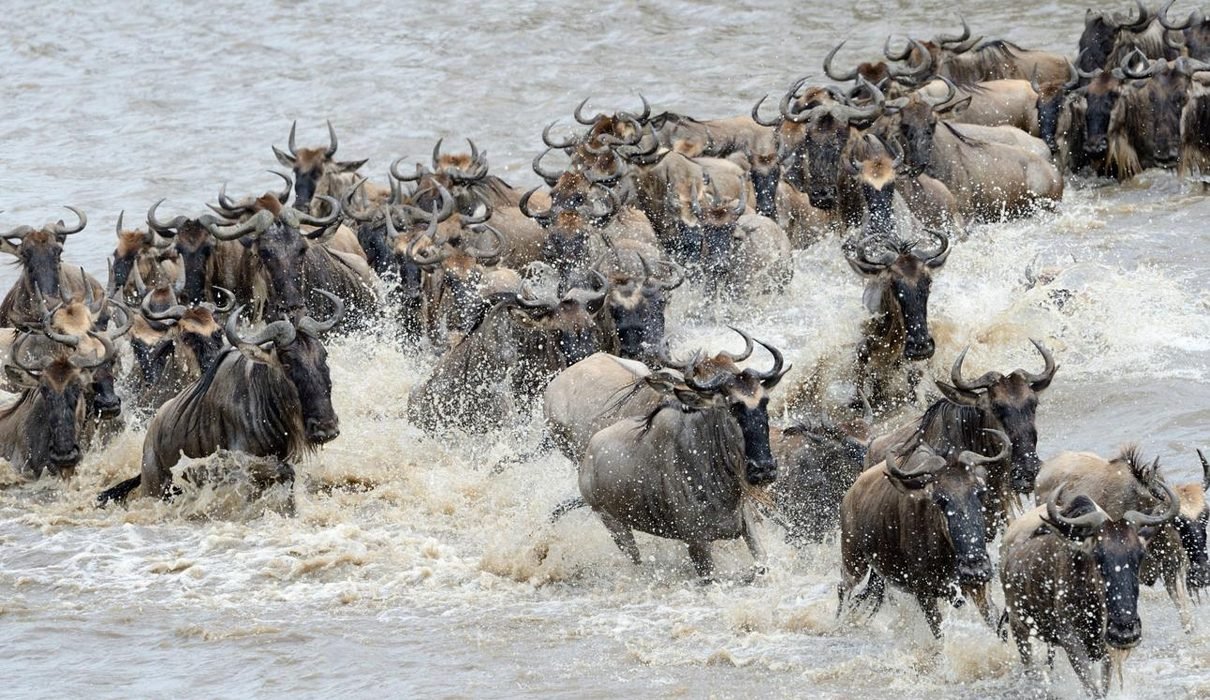
The 6-day Serengeti Wildebeest Migration Safari is an excellent choice for travelers who want to experience Tanzania’s famous wildlife migration while exploring the vast plains of Serengeti National Park. Every year, enormous herds of wildebeest move across the Serengeti ecosystem in search of fresh grass and water, accompanied by zebras and gazelles. Their movement attracts predators such as lions, cheetahs, hyenas, and crocodiles, creating opportunities to observe some of Africa’s most remarkable wildlife behavior.
For travelers planning a Serengeti migration safari in 2027 or 2028, choosing the right travel dates and accommodation locations is particularly important. The migration is not a single event that takes place in one location throughout the year. Instead, the herds follow seasonal rainfall and grazing conditions, moving between the southern Serengeti, central plains, Western Corridor, and northern Serengeti near the Mara River. Understanding this movement helps travelers choose an itinerary that offers suitable opportunities to see the migration during their preferred travel period.
This six-day safari is designed to provide substantial time inside Serengeti National Park, with game drives in the central Serengeti and the migration area most appropriate for the season. Travelers visiting between July and October may focus on the northern Serengeti and Mara River, while those traveling between January and March can explore the southern plains and Ndutu region during the calving season. Other months offer opportunities to follow the herds through the central and western sections of the ecosystem.
At Eddy Tours & Safaris, we organize private Tanzania wildlife safaris with professional driver-guides, suitable accommodation, and itineraries planned around travelers’ interests and available time. This detailed guide explains the six-day Serengeti Wildebeest Migration Safari for 2027 and 2028, including the daily itinerary, seasonal migration movements, wildlife experiences, accommodation options, safari preparation, and booking arrangements.
6-Day Serengeti Wildebeest Migration Safari Overview
| Safari information | Details |
|---|---|
| Safari package | 6-Day Serengeti Wildebeest Migration Safari |
| Destination | Northern Tanzania |
| Travel years | 2027 and 2028 |
| Duration | 6 days / 5 nights |
| Main destination | Serengeti National Park |
| Other destination | Ngorongoro Conservation Area |
| Starting point | Arusha, with Moshi arrangements available |
| Ending point | Arusha or an agreed transfer destination |
| Safari type | Private guided wildlife safari |
| Transport | Safari vehicle with a professional driver-guide |
| Accommodation | Selected tented camps or safari lodges |
| Main experiences | Wildebeest migration, game drives, big cats, seasonal river crossings or calving |
| Best migration area | Selected according to travel month |
| Departure dates | On request, subject to confirmation |
| Price | Personalized quotation |
The itinerary below is particularly suited to the northern Serengeti migration season, generally July to October, when travelers may have opportunities to observe wildebeest gathering near the Mara River. A different version is recommended for the southern calving season and other migration periods.
Why Choose a 6-Day Serengeti Migration Safari?
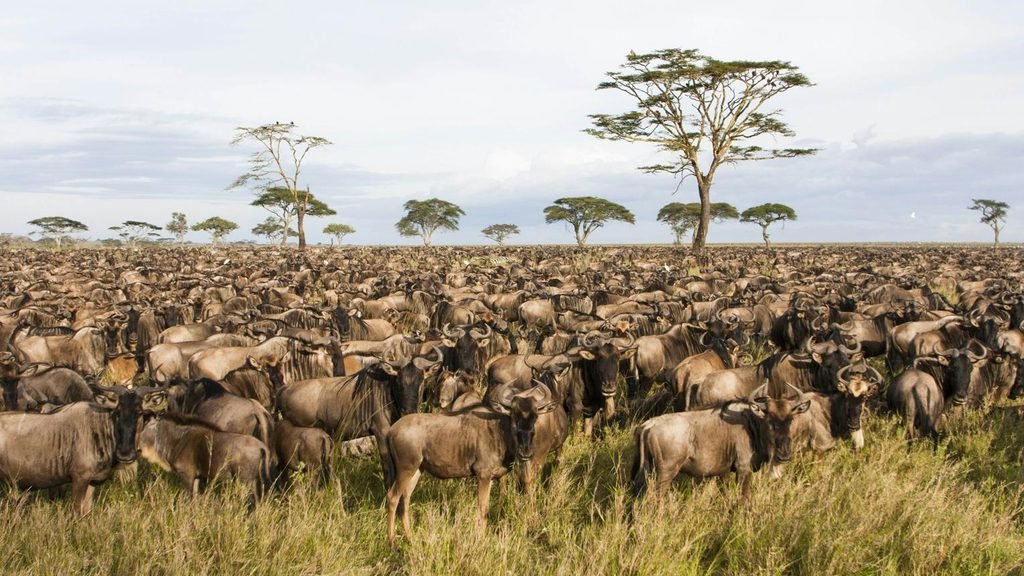
Six days provide a useful amount of time to explore the Serengeti without rushing through the most important wildlife areas. Compared with shorter safaris, this itinerary allows travelers to spend several days in the national park, giving the driver-guide more opportunities to locate wildebeest herds, observe resident predators, and adapt game drives to changing wildlife conditions.
One of the main advantages of spending additional time in the Serengeti is that wildlife activity cannot be predicted precisely. Lions may spend hours resting before becoming active, cheetahs may move across large territories, and wildebeest can gather near a river without crossing immediately. Having several game-drive opportunities increases the flexibility of the safari and allows travelers to enjoy the wider wildlife experience rather than focusing on a single event.
The Serengeti is also an outstanding wildlife destination outside the main migration areas. Its open plains, river systems, rocky kopjes, and wooded sections support a wide range of resident animals, including lions, leopards, elephants, buffaloes, giraffes, zebras, hyenas, and numerous antelope species. Even when the migrating herds are moving through another part of the ecosystem, the park provides excellent opportunities for wildlife observation and photography.
Complete 6-Day Serengeti Wildebeest Migration Safari Itinerary
Day 1: Arusha – Ngorongoro Highlands – Central Serengeti National Park
Main destination: Central Serengeti
Accommodation: Selected Serengeti safari lodge or tented camp
Meals: Lunch and dinner
Your Tanzania safari begins in Arusha, where you meet your professional driver-guide and receive a briefing about the six-day journey. After confirming the necessary travel arrangements, you depart toward Serengeti National Park, traveling through the landscapes of northern Tanzania. The journey passes agricultural areas, local communities, and the highlands surrounding the Ngorongoro Conservation Area, providing an opportunity to appreciate the changing environment as you travel toward one of Africa’s most famous wildlife destinations.
Depending on the selected route and park arrangements, you continue through the Ngorongoro highlands toward the Serengeti’s eastern entrance. The scenery gradually changes from highland vegetation to the expansive grasslands that characterize the Serengeti ecosystem. Along the way, your guide explains the region’s wildlife, conservation history, and the seasonal movement of wildebeest across the greater Serengeti landscape.
After entering Serengeti National Park, you begin a game drive while traveling toward your accommodation in the central Serengeti. This area, particularly around Seronera, is well known for its resident wildlife and varied habitats. Depending on the time available and animal activity, you may encounter lions, elephants, giraffes, zebras, buffaloes, and different antelope species. Leopards and cheetahs also inhabit the region, although sightings depend on wildlife movements and conditions.
By late afternoon or evening, you arrive at your selected lodge or tented camp, where you can relax after the journey and enjoy dinner. Your guide will discuss the following day’s travel toward the northern Serengeti and explain how the itinerary may be adjusted according to recent information about the migrating herds.
Day 2: Central Serengeti – Northern Serengeti and Kogatende
Main destination: Northern Serengeti
Accommodation: Selected northern Serengeti tented camp or lodge
Meals: Breakfast, lunch and dinner
After breakfast, you leave the central Serengeti and travel north toward the Kogatende region, an important area for travelers hoping to experience the migration during the dry season. The journey crosses extensive grasslands, wooded areas, and sections of the Serengeti that receive fewer visitors than the central wildlife circuit. The changing landscape provides opportunities to observe different animal species and appreciate the enormous scale of the national park.
As you continue north, your driver-guide looks for signs of migration activity, including large concentrations of wildebeest, zebras, and other grazing animals. During the appropriate season, the herds may be spread across the northern plains or moving toward the Mara River. Their exact location depends on rainfall, grazing conditions, and the movement of different groups, so the day’s route may change according to current wildlife information.
The northern Serengeti is also home to resident predators and other wildlife. Lions may be encountered near grazing herds, while cheetahs can sometimes be seen in open areas where visibility is good. Elephants, giraffes, buffaloes, and antelopes may also appear during the journey. Your guide will stop at suitable viewing locations while respecting park regulations and maintaining appropriate distances from animals.
By late afternoon, you arrive at your selected accommodation in the northern Serengeti. Staying in this area reduces the need for lengthy transfers during the following days and provides more time to explore the Mara River region. After dinner, you can rest and prepare for a full day of migration-focused game drives.
Day 3: Full-Day Northern Serengeti Migration Safari and Mara River Exploration
Main destination: Mara River and northern Serengeti
Accommodation: Northern Serengeti tented camp or lodge
Meals: Breakfast, lunch and dinner
Today is dedicated to exploring the northern Serengeti, with particular attention to the Mara River and surrounding migration areas. After an early breakfast, you depart with your driver-guide for a full-day game drive, carrying a packed lunch if appropriate to the day’s arrangements. Starting early provides more time to observe wildlife activity and allows your guide to respond to information about the location of the migrating herds.
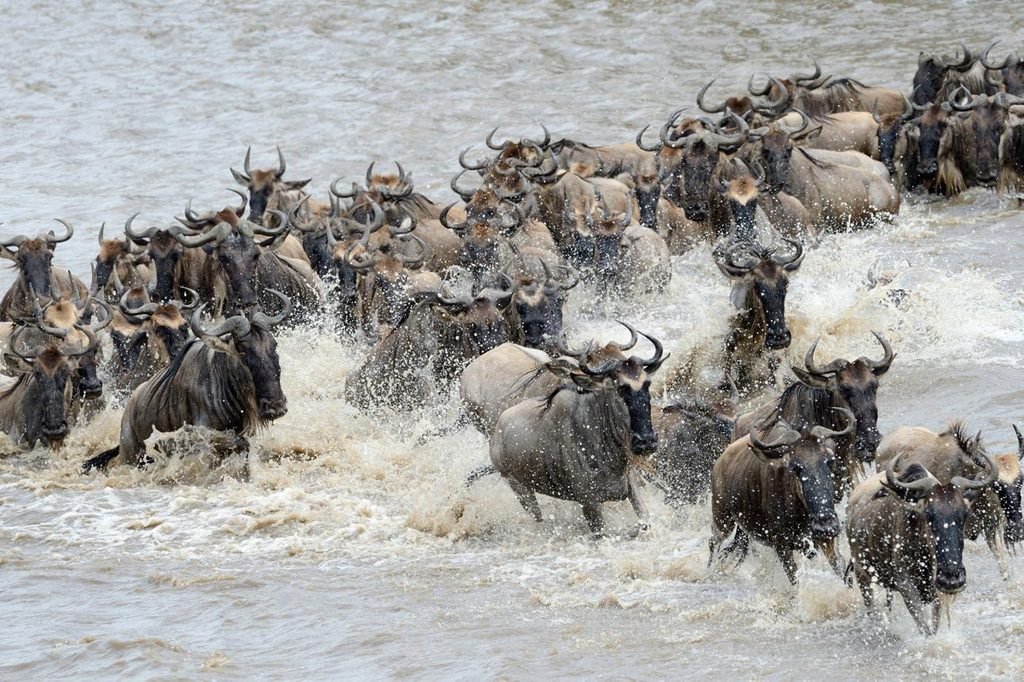
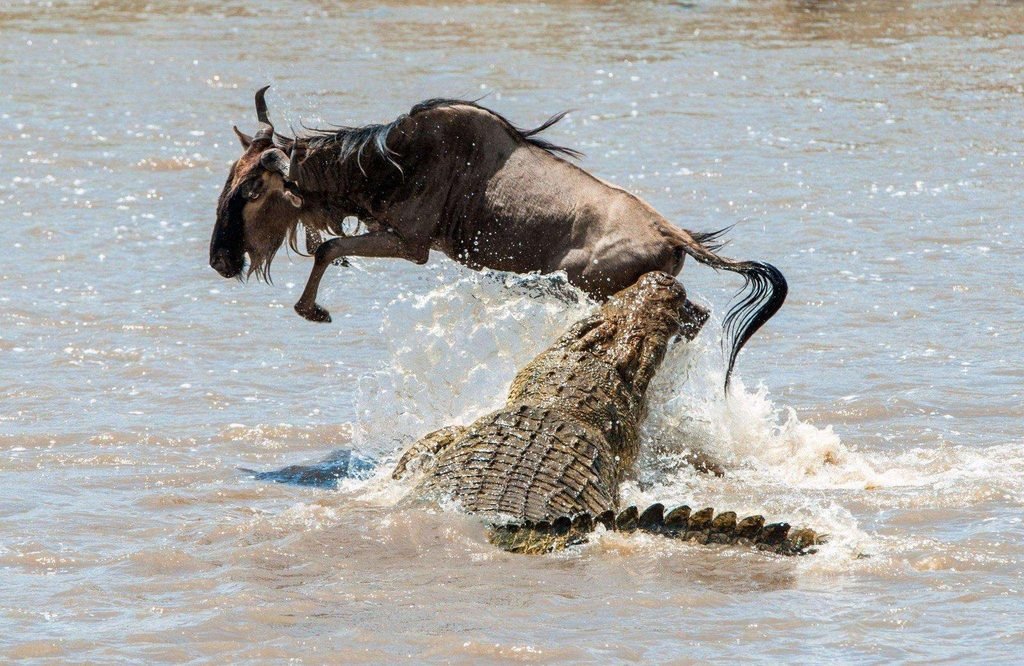
During the northern migration season, large numbers of wildebeest may gather near the Mara River before attempting to cross. The river presents a significant obstacle because of its banks, currents, and crocodiles. However, river crossings are unpredictable. Herds may approach the water, remain nearby for long periods, move to another crossing point, or turn away without crossing. For this reason, the day’s objective is to explore the migration area responsibly rather than promise a crossing at a particular time.
If the herds are concentrated near the river, your guide will position the vehicle in an authorized viewing area and follow the applicable park regulations. This is important because vehicles must not block the animals’ movement or interfere with their natural behavior. Even when a crossing does not occur, observing the herds gathering, moving across the plains, and interacting with other wildlife can provide an excellent safari experience.
The northern Serengeti also offers opportunities to observe lions, elephants, giraffes, buffaloes, and other resident animals. Throughout the day, your guide will balance time spent searching for migration activity with visits to other productive wildlife areas. In the late afternoon, you return to your accommodation for dinner and an overnight stay.
Day 4: Second Full-Day Game Drive in the Northern Serengeti
Main destination: Northern Serengeti and seasonal migration areas
Accommodation: Northern Serengeti tented camp or lodge
Meals: Breakfast, lunch and dinner
A second full day in the northern Serengeti provides valuable flexibility because migration movements can change considerably from one day to another. After breakfast, you set out with your driver-guide to explore areas that showed promising wildlife activity during the previous day or locations where the herds have recently been reported. This approach allows the safari to respond to natural conditions instead of following a rigid route regardless of animal movements.
If the wildebeest remain near the Mara River, you may return to suitable crossing areas and spend time observing their behavior. Large groups sometimes gather on the banks, while others move between grazing areas and water sources. The guide will explain the behavior of the animals and the challenges they face during their annual migration. Any crossing observation will take place from authorized areas without disturbing wildlife.
Alternatively, your guide may explore open grasslands, wooded riverbanks, and other habitats within the northern Serengeti. These areas support resident predators and herbivores throughout the year. Lions may be resting in the shade, giraffes may be feeding among trees, and elephants may move through wooded sections in family groups. Wildlife photography can be particularly rewarding when animals are observed in suitable light and at a respectful distance.
The additional day in the north is one of the main strengths of this six-day itinerary. Rather than traveling quickly through the migration area, you have more time to appreciate the landscape and respond to changing wildlife conditions. After the afternoon game drive, you return to camp for dinner and your final overnight stay in the northern Serengeti.
Day 5: Northern Serengeti – Central Serengeti Wildlife Safari
Main destination: Central Serengeti
Accommodation: Central Serengeti lodge or tented camp
Meals: Breakfast, lunch and dinner
After breakfast, you begin traveling south toward the central Serengeti, combining the journey with game viewing along the way. This stage provides an opportunity to experience the different habitats that make the Serengeti such an important wildlife ecosystem. The landscape gradually changes as you leave the northern plains and return toward the central region, where open grasslands, wooded areas, river systems, and rocky formations create a variety of wildlife habitats.
Your driver-guide will look for resident animals along the route, including elephants, giraffes, buffaloes, zebras, and different antelope species. Depending on the season and migration movements, some wildebeest herds may also be encountered outside the main northern concentrations. The journey provides further opportunities to photograph the landscape and observe animal behavior without the pressure of remaining in one location.
The central Serengeti is particularly well known for its resident big cats. Lions are often associated with the area’s open plains and kopjes, while leopards may rest in trees or move through wooded riverine habitats. Cheetahs are sometimes observed in more open areas where they can use their speed to hunt. These animals are wild and move freely, so sightings cannot be guaranteed, but the region offers excellent opportunities for game viewing.
By late afternoon, you arrive at your selected accommodation in the central Serengeti. After dinner, your guide will discuss the final day’s departure arrangements and the route back toward Arusha. The evening provides time to relax and reflect on the wildlife experiences of the previous five days.
Day 6: Central Serengeti – Ngorongoro Highlands – Arusha
Main destination: Serengeti and return to Arusha
Accommodation: Not included unless specified in the quotation
Meals: Breakfast and lunch, subject to arrangements
Your final safari day begins with breakfast at the lodge or tented camp before departing the central Serengeti. Depending on the accommodation location and travel schedule, you may enjoy some wildlife viewing while leaving the park. Early morning conditions can provide opportunities to observe animals before temperatures rise, although the amount of game-drive time available depends on the long return journey.
As you travel toward the Ngorongoro highlands, the scenery changes from the Serengeti’s open plains to higher-elevation landscapes. The journey provides another opportunity to appreciate northern Tanzania’s natural environment and the geographical connection between the Serengeti and Ngorongoro ecosystems. Your guide will make appropriate stops according to the day’s route and travel conditions.
You continue toward Arusha, where the safari ends at the agreed hotel or transfer location. Arrival time depends on road conditions, park exit procedures, and the location of your accommodation. Because this is a long driving day, travelers should avoid scheduling an early onward flight without discussing the arrangements with the tour operator.
This marks the end of your six-day Serengeti Wildebeest Migration Safari. If you wish to extend your holiday, Eddy Tours & Safaris can discuss additional wildlife destinations, a Zanzibar beach stay, or a separate Kilimanjaro trekking expedition.
Six-Day Serengeti Migration Safari Itinerary Summary
| Day | Destination | Overnight |
|---|---|---|
| 1 | Arusha – Ngorongoro Highlands – Central Serengeti | Central Serengeti |
| 2 | Central Serengeti – Northern Serengeti | Northern Serengeti |
| 3 | Mara River and northern migration areas | Northern Serengeti |
| 4 | Northern Serengeti full-day safari | Northern Serengeti |
| 5 | Northern Serengeti – Central Serengeti | Central Serengeti |
| 6 | Central Serengeti – Arusha | End of safari |
This road-based itinerary involves substantial driving, especially on the first and final days. Travelers who prefer shorter transfers can request a fly-in or fly-out variation, subject to flight schedules and the revised package cost.
Best Time for the Serengeti Wildebeest Migration in 2027 and 2028
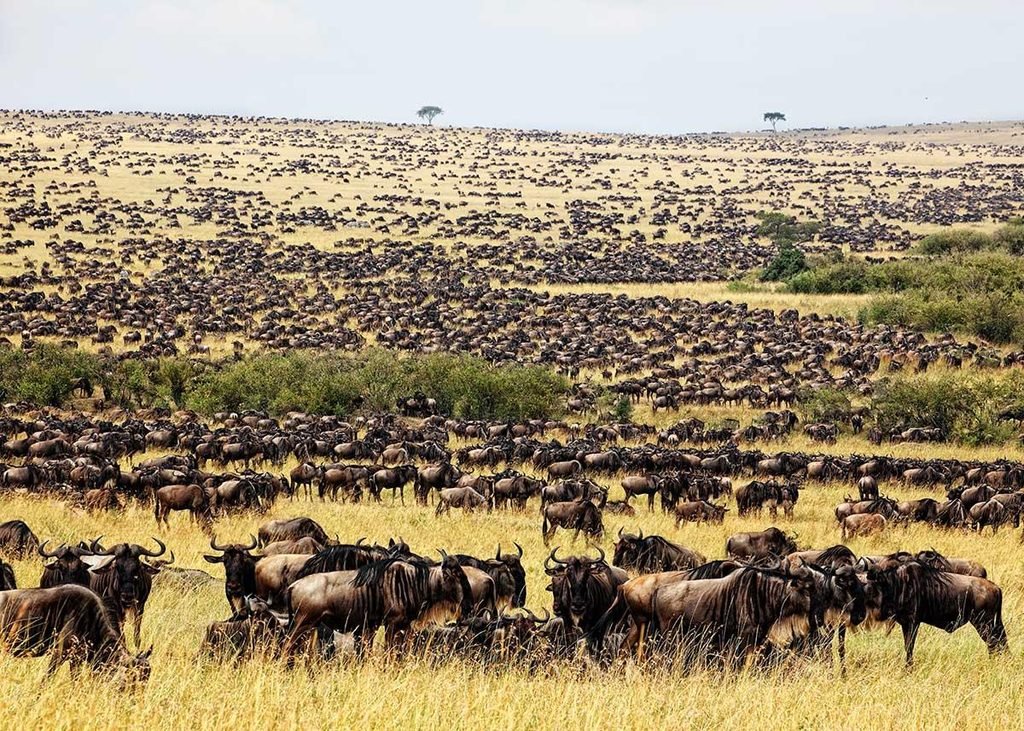
The best time to book a Serengeti migration safari depends on the wildlife experience you want to see. The Great Migration is a continuous movement across the Serengeti ecosystem rather than an event limited to one month. Wildebeest respond to rainfall and the availability of fresh grazing, so the location of the main herds changes throughout the year.
Between January and March, the southern Serengeti and Ndutu plains are commonly associated with the calving season. Large numbers of wildebeest gather in areas where fresh grass provides important nutrition for mothers and newborn calves. This period also attracts predators, creating opportunities to observe lions, cheetahs, hyenas, and other carnivores.
From approximately April to June, the herds generally begin moving through central and western Serengeti as grazing conditions change. The Western Corridor and Grumeti River become important areas during this part of the annual cycle. Between July and October, the northern Serengeti and Mara River are often the main focus for travelers hoping to observe river crossings.
During November and December, seasonal rainfall may encourage the herds to move southward again. These patterns are useful for planning, but the timing varies from year to year. For 2027 and 2028, accommodation and game-drive locations should be selected according to your exact travel dates rather than assuming the migration will follow a fixed calendar.
Serengeti Migration Calendar
| Travel period | Typical migration area | Main wildlife experience |
|---|---|---|
| January–March | Southern Serengeti and Ndutu | Calving season, large herds and predator activity |
| April–May | Southern, central and western Serengeti | Herd movements and green-season landscapes |
| June–July | Western Corridor and movement north | Large migrating herds and possible Grumeti crossings |
| July–October | Northern Serengeti and Mara River | Migration concentrations and possible river crossings |
| November–December | Central, eastern and southern Serengeti | Return movement toward southern grazing areas |
These periods are approximate and should be treated as planning guidance, not guaranteed migration dates.
Alternative Six-Day Safari for the Southern Serengeti Calving Season
Travelers visiting Tanzania between January and March should consider a different itinerary from the northern Mara River safari. During this period, the southern Serengeti and Ndutu region are generally more relevant because the wildebeest often gather on the short-grass plains for calving. Booking accommodation in the northern Serengeti during this season may place travelers far from the main migration activity.
A practical six-day southern migration itinerary can begin in Arusha before continuing toward the Ndutu region. Travelers can spend several nights exploring the southern plains and nearby Serengeti habitats, with game drives focused on wildebeest herds, newborn calves, and predators. Depending on travel dates and accommodation availability, the journey may also include central Serengeti wildlife viewing and an optional visit to Ngorongoro Crater.
The exact route should be confirmed before booking because some Ndutu wildlife areas fall within the Ngorongoro Conservation Area, while others lie within Serengeti National Park. Different park arrangements and rules may apply, and accommodation should be selected according to the anticipated location of the herds.
What Wildlife Can You See During a Serengeti Migration Safari?
The wildebeest migration is the main attraction of this safari, but the Serengeti supports a remarkable variety of wildlife throughout the year. Wildebeest often travel alongside zebras and gazelles, while resident herbivores include giraffes, buffaloes, elephants, impalas, topis, hartebeests, and other antelope species. The different habitats within the park provide feeding and resting areas for animals with varied ecological needs.
The Serengeti is also famous for its predators. Lions are regularly associated with the open plains and rocky kopjes, while leopards use wooded areas and riverine habitats. Cheetahs are often found in open grassland environments, and spotted hyenas are important predators and scavengers throughout the ecosystem. Crocodiles inhabit major rivers and may be observed near migration crossing areas.
Birdwatchers can also enjoy a wide range of species, including ostriches, secretary birds, vultures, eagles, and numerous smaller birds. The exact wildlife encountered depends on season, habitat, weather, and animal movements, so the safari should be approached as an opportunity to observe nature rather than a guaranteed checklist of sightings.
Can You See the Mara River Crossing During a Six-Day Safari?
Yes, a six-day safari can provide opportunities to observe the Mara River crossing when the itinerary includes sufficient time in the northern Serengeti during the appropriate season. However, crossings are unpredictable, and travelers should understand that even several days near the river cannot guarantee witnessing one.
Wildebeest may gather on the banks for hours or longer before attempting to cross. Some groups change direction, move to another location, or return to nearby grazing areas without entering the water. Weather, water levels, herd behavior, and predator activity can all influence what happens.
The best approach is to allow multiple game-drive opportunities in the northern Serengeti and follow your guide’s advice about suitable viewing areas. Responsible wildlife viewing is particularly important near river crossings because safari vehicles must not obstruct animal movement or interfere with the natural event.
Accommodation During the Six-Day Serengeti Migration Safari
Accommodation can be arranged in selected tented camps or safari lodges according to your budget, travel dates, and preferred comfort level. Mid-range tented camps often provide comfortable beds, private bathroom facilities, meals, and convenient access to wildlife areas. Luxury camps may offer additional space, more personalized services, and carefully selected locations, while budget-oriented options focus on essential comfort and practical safari arrangements.
For a migration-focused itinerary, location is often more important than the number of luxury facilities available. A comfortable camp far from the main wildlife area may require lengthy daily transfers, reducing the time available for game drives. Staying in the northern Serengeti during the Mara River season or near Ndutu during calving season can therefore make a substantial difference to the overall experience.
Accommodation availability changes throughout the year, particularly during popular migration months. For 2027 and 2028, specific lodges and tented camps should be confirmed through a written quotation rather than assumed to be available.
What Is Included in the Six-Day Serengeti Migration Safari?
A professionally organized private safari commonly includes a dedicated safari vehicle, an experienced driver-guide, applicable park entry fees, accommodation, meals as specified in the itinerary, and drinking water during game drives. The exact inclusions depend on the selected package, accommodation category, and confirmed travel arrangements.
Services commonly excluded unless specifically stated include international flights, Tanzania visa fees, travel insurance, personal expenses, alcoholic beverages, tips, optional balloon safaris, and additional accommodation before or after the trip. Domestic flights may also be excluded from a road-based itinerary.
Travelers should review the written quotation carefully before making a payment. The quotation should clearly identify the accommodation, meal plan, park arrangements, transport, payment terms, and any additional charges.
How Much Does a Six-Day Serengeti Migration Safari Cost in 2027 or 2028?
The cost of a six-day Serengeti migration safari depends on several factors, including the number of travelers, accommodation category, travel season, transport arrangements, and the exact regions included in the itinerary. Private safaris for two travelers generally have a different per-person cost from larger private groups because transport and guiding expenses are shared among fewer people.
Accommodation prices can also vary significantly between seasons. The northern Serengeti is particularly popular during the Mara River migration period, and camps in suitable locations may be more expensive than alternatives farther from the main migration areas. Choosing a fly-in safari instead of traveling entirely by road can increase the overall cost but may reduce time spent on long transfers.
For 2027 and 2028, exact prices should be requested directly because future park fees, accommodation rates, and transport costs may change. Eddy Tours & Safaris can prepare a quotation based on your travel dates, group size, preferred accommodation standard, and the migration experience you want to prioritize.
Essential Packing List for a Serengeti Migration Safari
Preparing for a Serengeti safari is relatively straightforward, but suitable clothing and equipment can make game drives more comfortable. Neutral-colored, lightweight clothing is practical for warm daytime conditions, while a fleece or light jacket is useful during early morning game drives and cooler evenings. Comfortable closed shoes, sunglasses, sunscreen, and a wide-brimmed hat are also recommended.
A camera with a suitable zoom lens is particularly useful for wildlife photography because animals may be observed at a distance. Binoculars can help you appreciate birds and wildlife without requiring the safari vehicle to approach too closely. Travelers should also carry personal medication, travel documents, charging equipment, and any other essential items needed during the journey.
Soft-sided luggage may be useful when traveling in safari vehicles or small aircraft, particularly when baggage restrictions apply. If your itinerary includes domestic flights, confirm the applicable baggage allowance before departure.
Responsible Wildlife Viewing During the Great Migration
The Serengeti migration is a natural event that depends on the ability of animals to move freely between grazing areas and water sources. Responsible safari tourism helps protect this behavior by reducing unnecessary disturbance and following the rules established by park authorities.
During game drives, visitors should remain inside the vehicle where required, avoid feeding animals, and follow the driver’s instructions. Near the Mara River, vehicles must use designated viewing areas and should never obstruct wildebeest or other animals approaching a crossing point. Loud noise, aggressive vehicle positioning, and attempts to force animals into movement are inappropriate and can create unnecessary stress.
Choosing a safari operator that respects park regulations is an important part of responsible travel. The best wildlife encounters happen when animals are allowed to behave naturally, even when this requires patience from visitors.
Frequently Asked Questions About the Six-Day Serengeti Migration Safari
1. What is the Serengeti Great Migration?
The Great Migration is the annual movement of wildebeest, zebras, and other grazing animals through the greater Serengeti ecosystem in search of fresh grass and water.
2. Is six days enough for a Serengeti migration safari?
Six days can provide a rewarding experience, particularly when accommodation is located near the expected migration area.
3. What is the best month to see the migration?
The best month depends on whether you want to see calving, moving herds, or possible river crossings.
4. When is the Mara River crossing season?
The northern migration period is generally associated with July to October, although actual crossing dates vary.
5. Are Mara River crossings guaranteed?
No. River crossings are natural events and cannot be guaranteed.
6. When is the wildebeest calving season?
The southern Serengeti and Ndutu calving period is generally associated with January to March, often with substantial activity around February.
7. Can I see lions during the safari?
Yes, the Serengeti supports resident lion populations, but individual sightings cannot be guaranteed.
8. Are cheetahs found in the Serengeti?
Yes. Cheetahs inhabit suitable open grassland areas throughout the ecosystem.
9. Can I see leopards?
Leopards occur in the Serengeti, particularly in suitable wooded and riverine habitats, although they can be difficult to locate.
10. Is the northern Serengeti better than the central Serengeti?
Neither is universally better. The northern region is particularly relevant during the Mara River migration period, while central Serengeti offers strong resident wildlife viewing throughout the year.
11. What is the Kogatende region?
Kogatende is an area in the northern Serengeti that provides access to important migration habitats and Mara River viewing areas.
12. Is the Serengeti migration visible throughout the year?
The migration continues throughout the year, but the main herds move between different regions according to rainfall and grazing conditions.
13. Can I book this safari for 2027?
Yes. You can request a quotation and discuss preferred travel dates for 2027, subject to confirmation.
14. Can I book the safari for 2028?
Yes. Future travel arrangements can be discussed, although prices and accommodation availability must be confirmed.
15. Is this a private safari?
The proposed itinerary is designed as a private safari, with arrangements confirmed according to your quotation.
16. What type of vehicle is used?
A suitable safari vehicle with a professional driver-guide is normally provided according to the confirmed package.
17. Are park fees included?
They are commonly included in organized packages, but the exact inclusions should be checked in the written quotation.
18. Can children join the safari?
Yes, family safaris can be arranged, with the itinerary and accommodation selected according to children’s ages and travel needs.
19. Is a hot-air balloon safari available?
Balloon safaris may be available in selected Serengeti areas, subject to location, weather, availability, and additional cost.
20. Can I combine Serengeti with Ngorongoro Crater?
Yes. A Ngorongoro Crater visit can be added or substituted into a customized itinerary, although this may reduce time available for migration-focused game drives.
21. Can I combine the safari with Zanzibar?
Yes. A Zanzibar beach holiday can be arranged after the wildlife safari.
22. Do I need travel insurance?
Comprehensive travel insurance covering medical needs, trip interruptions, and other relevant risks is strongly recommended.
23. What should I wear on safari?
Lightweight, comfortable clothing in neutral colors is practical, with warm layers for cooler mornings and evenings.
24. How early should I book?
Booking several months in advance is useful, especially for popular northern Serengeti migration periods.
25. How do I book with Eddy Tours & Safaris?
Contact the team with your preferred dates, group size, accommodation standard, and whether you are interested in river crossings or the calving season.
Book Your 6-Day Serengeti Wildebeest Migration Safari for 2027/2028
The six-day Serengeti Wildebeest Migration Safari offers travelers an opportunity to explore one of Africa’s most important wildlife ecosystems while following the seasonal movement of wildebeest across Tanzania’s northern plains. With several days inside Serengeti National Park, the itinerary provides time to observe migrating herds, search for resident predators, enjoy the changing landscapes, and experience wildlife behavior in its natural environment.
The most important part of planning a migration safari is choosing the right location for your travel dates. Travelers visiting during the northern migration season may focus on the Mara River and Kogatende region, while those traveling during the calving season can explore the southern Serengeti and Ndutu plains. Because wildlife movements depend on natural conditions, flexibility and realistic expectations are essential.
At Eddy Tours & Safaris, we organize private Tanzania wildlife safaris for travelers planning to visit in 2027 and 2028. Our team can help you select suitable accommodation, arrange professional guiding, and customize the itinerary around your preferred travel period and budget.
Request Your Serengeti Migration Safari Quotation
Chat with Eddy Tours & Safaris on WhatsApp
Email: sales@eddytours-safaris.com
Contact our team to plan your Serengeti migration safari with a suitable seasonal itinerary, comfortable accommodation, and enough time to enjoy Tanzania’s wildlife.