
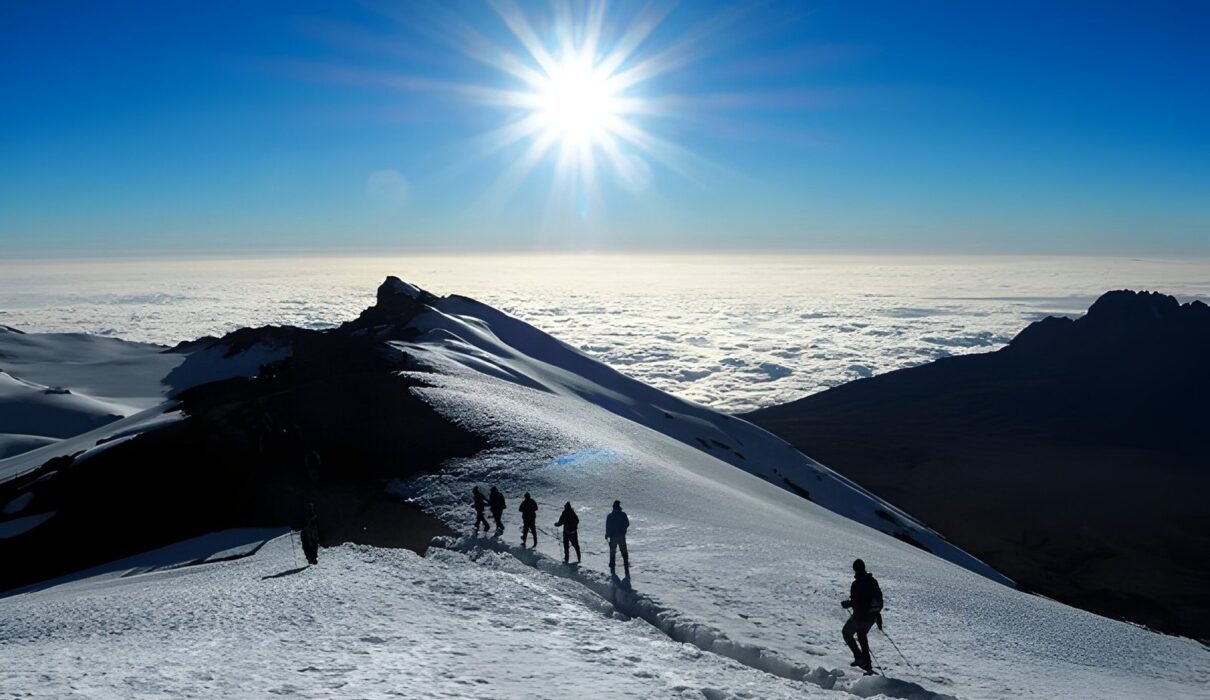
A personal porter on Kilimanjaro can carry your daypack during the climb, leaving you with less weight on your shoulders. For some trekkers, this makes long walking days more comfortable. Others prefer to carry their own essentials and put the additional money towards a longer itinerary or equipment.
The first thing to understand is that a personal porter is different from the porter team normally included in a guided climb. Standard porters carry the agreed main luggage and group supplies. You usually carry your own daypack unless your package includes a separate arrangement.
Whether you need that extra service depends on your comfort with a loaded backpack, your previous hiking experience and the support you want. It is a choice worth discussing before you reach the mountain.
When comparing Kilimanjaro climbing packages, ask exactly what porter support is included. The words “porter services” do not necessarily mean someone will carry your daypack beside you throughout the trek.
What Does a Personal Porter on Kilimanjaro Do?
A personal porter is generally assigned to carry a climber’s daypack or provide a clearly agreed form of additional carrying support.
Some operators arrange for this porter to walk near the climber so that water, clothing and other items remain accessible. Others offer more limited support, such as carrying a pack during the summit stage.
For example, Thomson’s published service description explains that its personal porter walks at the climber’s pace and provides access to daypack items during the day. That describes one operator’s arrangement; you should confirm how your own booking works.
Ask whether the service covers:
- Every trekking day.
- The summit ascent.
- The descent after the summit attempt.
- Access to your belongings while walking.
- A porter assigned only to you.
- Any limit on the weight carried.
These details should appear in your quotation or booking correspondence.

Standard Porter, Personal Porter and Summit Porter: What Is the Difference?
The names can be confusing because operators do not always use them in the same way.
| Service | Usual purpose | What to confirm |
|---|---|---|
| Standard porter team | Carries main luggage and group equipment or supplies | Personal luggage allowance and included services |
| Personal porter | Carries your daypack during agreed stages | Days covered, proximity and weight limit |
| Summit porter | Provides agreed carrying support during the summit stage | Whether both ascent and descent are included |
| Additional luggage porter | Carries extra approved luggage | What the extra allowance covers |
An additional luggage porter may not walk alongside you. A summit porter may not be available on earlier trekking days.
Ask the operator to describe the actual work rather than relying on the job title.
Your mountain guide has a separate role. Hiring a personal porter does not replace the guide or change who leads the climb and makes decisions about continuing.
Benefits of Hiring a Personal Porter on Kilimanjaro
1. Less Weight During the Walk
Water, warm layers, waterproof clothing and personal items can make a daypack heavier than expected.
Having someone carry that pack reduces the load you carry. You still have to walk the full route, but you may find the movement more comfortable.
The difference can become noticeable on longer stages and during the descent, when your legs are tired.
Before deciding, train with your expected daypack. A realistic practice walk tells you more than trying an empty backpack in a shop.
2. More Comfort for Your Shoulders and Back
Some hikers are comfortable walking for hours but dislike carrying weight on their shoulders.
A personal porter may help with that particular problem. However, first check whether your backpack fits properly. Adjusting the straps, reducing unnecessary items or choosing a better-fitting pack may solve the issue.
If discomfort relates to an injury or medical condition, discuss the climb with a qualified healthcare professional. Carrying assistance does not establish whether the trek is suitable for you.
3. Useful Support During the Summit Stage
The summit stage involves a long period of walking, often starting at night. Cold-weather clothing, water and snacks also need to be available.
Some climbers prefer to carry their own pack on ordinary trekking days and request additional support for this stage.
That can be a reasonable option if the operator offers it. Confirm the arrangements in advance, including when you hand over the pack and whether support continues during the descent.
Do not assume a crew member can take on an extra load at short notice.
4. Easier Access to Equipment When the Service Is Well Arranged
If your personal porter stays close, you can ask for a layer or other item without carrying the whole pack yourself.
This works best when you agree on how to communicate and where important items are stored.
Keep the bag organised. Your porter should not have to search through loosely packed clothing every time you need something.
Also discuss what happens when one of you takes a break or the guide changes the group’s walking arrangement.
5. A More Comfortable Trekking Experience
Some travellers simply prefer additional carrying support.
You do not need to justify that choice by comparing yourself with other climbers. A guided Kilimanjaro expedition already relies on a mountain team, and carrying your own daypack is only one part of the experience.
The important questions are whether the arrangement suits you and whether the porter is employed and treated properly.

Drawbacks and Limits to Consider
1. It Adds to the Cost
A personal porter may be an extra charge rather than part of the standard package.
Ask for the complete price and what it covers. Confirm whether the amount applies per day, to the whole climb or only to the summit stage.
You should also understand the tipping guidance. Avoid comparing two quotations until you know whether they include the same services.
There is no single price that applies to every operator, route and departure.
2. You Need to Coordinate Access to Your Belongings
When someone else carries your pack, access depends on where that person is.
This is usually manageable when the service is organised clearly, but it deserves attention. Rain protection is not useful to you if the pack is out of reach when conditions change.
Ask how closely the porter will walk with you and how the arrangement works on narrow or busy sections.
Keep essential medication immediately accessible in an agreed place.
3. It May Encourage Unnecessary Packing
Hiring a personal porter should not become a reason to fill the daypack with extra items.
The porter still has to carry the load through demanding terrain. Pack what you need and follow the agreed limits.
Leave spare travel clothing and unrelated belongings at your accommodation where secure storage is available.
A carefully packed bag helps both you and the person carrying it.
4. It Does Not Replace Training
You still need to manage consecutive walking days, uneven ground and a substantial descent.
Prepare with regular hikes and practise using your boots, clothing and trekking poles. Include downhill walking rather than training only for the ascent.
Even if you plan to use a personal porter, learn how to carry and adjust your daypack. You may carry it during part of the trip, and understanding your equipment is useful.
5. It Does Not Solve Altitude Problems
Reducing your load may improve comfort, but it does not prevent altitude illness.
The CDC explains that physical fitness does not protect against altitude illness and recommends gradual acclimatization.
A personal porter cannot make a short itinerary equivalent to one with more acclimatization time.
If you develop symptoms, tell your guide promptly. Do not ascend further with altitude illness symptoms; worsening symptoms require descent and appropriate care.
Who Might Find a Personal Porter Useful?
Consider the service if your training walks show that carrying a daypack makes a noticeable difference to your comfort.
It may also interest travellers who want summit-stage support or who prefer to keep their personal carrying load very light.
Age alone should not decide the matter. People of the same age can have very different hiking experience, strength and comfort with backpacks.
Instead, consider:
- How you feel after several hours with a loaded pack.
- Whether discomfort improves when the pack is removed.
- Your experience on consecutive hiking days.
- Your budget for additional support.
- The exact service offered by the operator.
Discuss these points honestly rather than booking because another traveller says everyone needs a personal porter.
When Carrying Your Own Daypack May Suit You
You may prefer to carry your own essentials if you are comfortable with the weight and like having immediate access to everything.
Many climbers follow this arrangement while the standard porter team carries their main luggage.
Keep the pack manageable and test it during training. Pack the actual equipment you expect to use, including water and additional clothing.
If the bag feels too heavy, review its contents and fit before deciding that extra carrying support is necessary.
What Should Go in Your Daypack?
Whether you carry it or a personal porter does, the daypack should contain the items needed before you reach camp.
These commonly include:
- Drinking water.
- Waterproof jacket and trousers.
- A warm layer.
- Sun hat, sunglasses and sunscreen.
- Snacks.
- Personal medication.
- Small personal-care items.
- A phone or camera, if wanted.
- Headlamp when needed.
The contents change for the summit stage, when additional warm clothing and lighting become important.
Ask the guide to check your summit pack before departure. Keep it organised so that clothing and essentials can be reached quickly.
Questions to Ask Before Booking a Personal Porter
Clear arrangements prevent misunderstandings on the mountain.
Ask your operator:
- Is daypack carrying already included?
- Will the porter be assigned only to me?
- Which days and stages are covered?
- Will the porter remain near me while walking?
- Is the summit descent included?
- What weight can my daypack contain?
- What is the full additional charge?
- How should I budget for tips?
- What happens if the itinerary changes?
- How are the porter’s pay, meals, equipment and sleeping arrangements handled?
Request written answers where they affect the price or service.
Contact Eddy Tours & Safaris before booking to discuss your preferred support arrangements and confirm availability.
Porter Welfare Matters
Additional support should come with proper working conditions.
Ask about fair pay, suitable food, shelter, clothing and load management. Do not request that an existing crew member carries more simply because your daypack feels heavy.
KPAP’s published guidance states that company loads carried by a porter should not exceed 20 kilograms, excluding the porter’s personal kit. This is a porter-treatment guideline, not permission for a climber to pack a 20-kilogram daypack.
Your personal luggage allowance is a separate matter and should be confirmed with the operator.
Read the porter treatment and tipping guidance and consult the responsible climbing partner information when assessing claims about participation.
Tips should reach the people they are intended for. Ask how the tipping process works before the final day.
Should You Spend More on a Porter or a Longer Route?
If your budget allows only one addition, compare what each choice provides.
A personal porter reduces the weight you carry. An extra mountain day changes the itinerary and may provide more time before the summit attempt.
For example, compare the seven-day Machame programme with a shorter Machame schedule, or discuss the eight-day Lemosho itinerary.
If you prefer huts, explore the six-day Marangu programme and ask how carrying support works on that route.
Neither choice guarantees a summit. The decision should reflect your preparation, available time and the operator’s advice about your circumstances.
For further planning information, visit Kilimanjaro Climb Specialist.
Frequently Asked Questions
Is a personal porter the same as a guide?
No. Carrying support and mountain guiding are different roles. Your guide remains responsible for leading the agreed programme and assessing whether to continue.
Can I book a porter only for summit night?
Some operators offer summit-stage carrying support. Confirm availability, duties and the full cost before the climb.
Can I decide after reaching the mountain?
Do not rely on last-minute availability. Extra duties need to be planned without overloading the existing crew.
Will hiring a personal porter guarantee my summit?
No. The service reduces your carrying load but does not remove the effects of altitude, weather or illness.
Should I tip the personal porter separately?
Ask for the operator’s transparent tipping guidance, including how the additional role is handled.
Decide Before You Travel
Try walking with your expected daypack during training. If carrying it is comfortable, you may be happy with the standard porter arrangements. If the weight makes a substantial difference, discuss a personal porter or summit-stage support.
Then confirm the duties, costs and working conditions in writing.
Ask Eddy Tours & Safaris about porter support for your Kilimanjaro climb.
If you plan to continue travelling afterwards, allow recovery time before a Tanzania safari or choose a relaxed activity from the day-trip collection.
Email: sales@eddytours-safaris.com
Alternative email: eddytoursandsafaris@gmail.com
WhatsApp: +255 711 906 664