
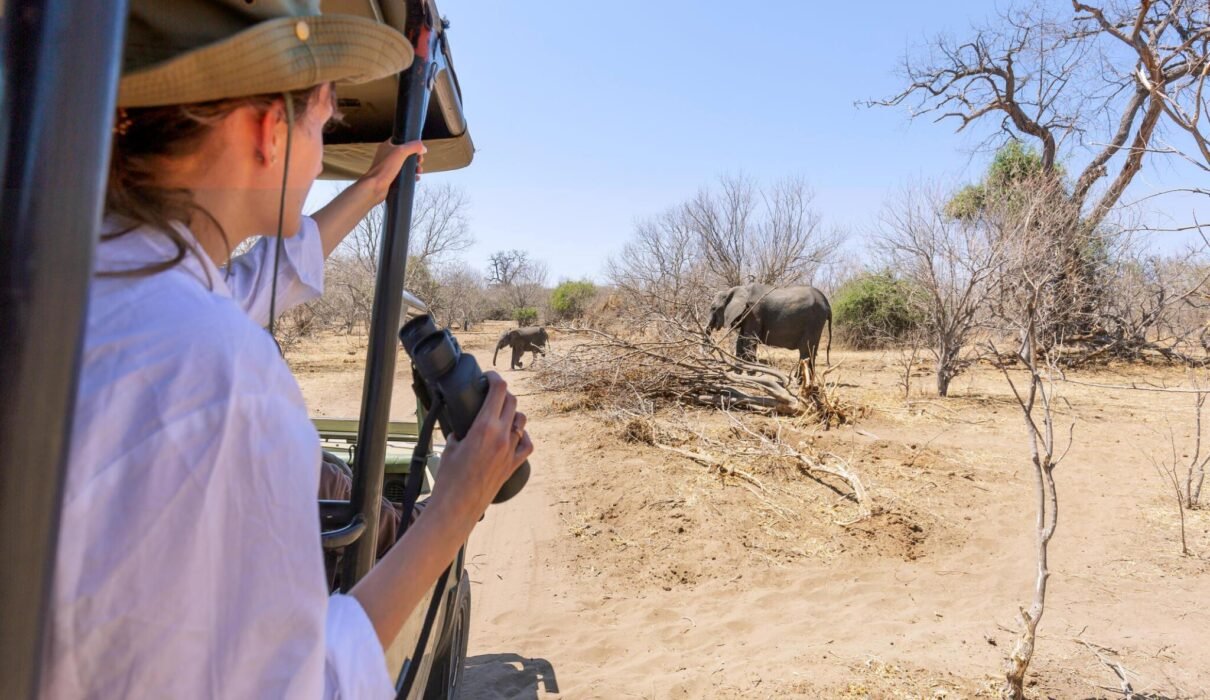
Sustainable Tourism in Tanzania means taking care of the places you visit and respecting the people who live and work there. It includes how you watch wildlife, where you stay, what you buy and how your trip is organised. These choices matter whether you are visiting the Serengeti, climbing Kilimanjaro or spending a few days exploring villages near Moshi.
Tourism creates work for guides, cooks, drivers, mountain crews and accommodation staff. It also places demands on water, energy, roads and natural areas. A responsible holiday considers both sides.
You do not need to make every decision perfectly. Start with practical questions, choose businesses that explain their practices clearly and follow local guidance throughout your trip.
If you are planning a Tanzania safari, discuss your preferences with the operator before booking. Ask how the itinerary handles wildlife viewing, waste, accommodation and visits to local communities.
What Does Sustainable Tourism in Tanzania Involve?
Sustainable tourism considers the lasting effects of travel.
For visitors, this means enjoying a holiday while reducing avoidable harm and helping local people benefit from the business your trip creates.
There are three main areas to consider:
- Nature: protecting wildlife, habitats and natural resources.
- People: respecting communities and supporting fair working conditions.
- Local businesses: paying for useful services and buying locally where appropriate.
These areas are connected. A lodge may reduce plastic waste but still need to explain how it treats staff. A cultural visit may provide local income but should also respect the wishes and privacy of the people involved.
The word “eco-friendly” is only a starting point. Ask what a business actually does and how those practices apply to your booking.
Choose a Safari Operator That Answers Your Questions
A responsible operator should be able to explain the services you are buying.
Before booking, ask about the itinerary, guide arrangements, accommodation and any environmental or community claims made in the proposal.
Useful questions include:
- How are wildlife-viewing rules followed?
- What happens to rubbish from lunches and vehicle supplies?
- How is drinking water provided?
- Are local guides used for village activities?
- How are community visits organised and paid for?
- What staff welfare practices apply to the trip?
Clear answers are more useful than a long list of environmental promises.
If a company claims a certification or partnership, check the organisation’s current records and understand what the recognition covers. A badge should not be treated as proof that every part of a holiday has no environmental impact.
Contact Eddy Tours & Safaris to discuss the arrangements you want included in your trip.
Sustainable Tourism in Tanzania: Eco-Friendly Travel & Conservation
Sustainable Tourism in Tanzania means taking care of the places you visit and respecting the people who live and work there. It includes how you watch wildlife, where you stay, what you buy and how your trip is organised. These choices matter whether you are visiting the Serengeti, climbing Kilimanjaro or spending a few days exploring villages near Moshi.
Tourism creates work for guides, cooks, drivers, mountain crews and accommodation staff. It also places demands on water, energy, roads and natural areas. A responsible holiday considers both sides.
You do not need to make every decision perfectly. Start with practical questions, choose businesses that explain their practices clearly and follow local guidance throughout your trip.
If you are planning a Tanzania safari, discuss your preferences with the operator before booking. Ask how the itinerary handles wildlife viewing, waste, accommodation and visits to local communities.
What Does Sustainable Tourism in Tanzania Involve?
Sustainable tourism considers the lasting effects of travel.
For visitors, this means enjoying a holiday while reducing avoidable harm and helping local people benefit from the business your trip creates.
There are three main areas to consider:
- Nature: protecting wildlife, habitats and natural resources.
- People: respecting communities and supporting fair working conditions.
- Local businesses: paying for useful services and buying locally where appropriate.
These areas are connected. A lodge may reduce plastic waste but still need to explain how it treats staff. A cultural visit may provide local income but should also respect the wishes and privacy of the people involved.
The word “eco-friendly” is only a starting point. Ask what a business actually does and how those practices apply to your booking.
Choose a Safari Operator That Answers Your Questions
A responsible operator should be able to explain the services you are buying.
Before booking, ask about the itinerary, guide arrangements, accommodation and any environmental or community claims made in the proposal.
Useful questions include:
- How are wildlife-viewing rules followed?
- What happens to rubbish from lunches and vehicle supplies?
- How is drinking water provided?
- Are local guides used for village activities?
- How are community visits organised and paid for?
- What staff welfare practices apply to the trip?
Clear answers are more useful than a long list of environmental promises.
If a company claims a certification or partnership, check the organisation’s current records and understand what the recognition covers. A badge should not be treated as proof that every part of a holiday has no environmental impact.
Contact Eddy Tours & Safaris to discuss the arrangements you want included in your trip.
Watch Wildlife Without Disturbing It
A good wildlife sighting gives animals room to behave naturally.
Do not ask a driver to move too close, block an animal’s path or break park rules to improve a photograph. Waiting patiently often gives you a better understanding of what you are watching.
Keep noise low and follow your guide’s instructions about remaining inside the vehicle and using designated places to get out.
Never feed wildlife. Food can attract animals to vehicles and picnic areas, creating problems for both animals and visitors.
TANAPA’s Lake Manyara visitor guidance asks visitors to remain on designated roads and boardwalks, avoid littering and never feed wildlife.
Before travelling, read the relevant information from Tanzania National Parks. Different places and activities may have specific rules.
Give Busy Sightings Some Space
Popular sightings can attract several vehicles.
If an animal is surrounded, speak with your guide about waiting farther away or looking for another sighting. There is usually more to enjoy than the busiest stop of the day.
Responsible wildlife viewing may mean accepting a less dramatic photograph. The animal’s movement and comfort should come first.
Plan a Safari with Fewer Unnecessary Transfers
A busy itinerary can involve long drives, repeated packing and very little time enjoying each destination.
Staying longer in fewer places can make the holiday more comfortable and avoid some unnecessary transport. It also gives you time to learn about an area rather than passing through it.
For example, several nights in one Serengeti camp may suit you better than changing accommodation every day. The choice should still take seasonal wildlife movements and camp location into account.
Flights and road transfers both have environmental impacts. Neither should automatically be described as the greener option without looking at the route, distance, passenger numbers and other details.
Compare the practical arrangements and choose a schedule that uses your time well.
Explore a private Tanzania safari if you want to discuss a slower pace. A joining safari may also suit travellers who are comfortable sharing a vehicle and itinerary.
Choosing Accommodation: Ask About Daily Practices
A lodge can look natural and still use substantial amounts of water, fuel and electricity.
Instead of judging by photographs, ask how the property operates.
Questions worth raising include:
| Area | What to ask |
|---|---|
| Energy | Which power sources are used, and when are generators needed? |
| Water | How is water supplied and wastewater handled? |
| Waste | How are rubbish, food waste and recyclable materials managed? |
| Drinking water | Are safe refill arrangements available? |
| Employment | Does the property recruit and train local staff? |
| Purchasing | Which goods and services are bought locally? |
| Conservation | What projects are supported, and how is the contribution explained? |
Using solar power is a useful practice, but it does not answer every question about a property.
Choose accommodation that suits your needs and gives clear information about its operations. For a longer holiday, the eight-day Tanzania luxury lodge safari can provide a starting point for discussing property choices.
Reduce Waste During Your Holiday
Small habits are useful when repeated throughout a trip.
Bring a reusable drinking bottle and ask where safe refills are available. Pack reusable bags for organising luggage and carrying personal waste.
For day trips and game drives:
- Avoid taking more packaged food than you need.
- Keep wrappers and other rubbish inside the vehicle.
- Use designated disposal points.
- Bring small toiletries you will use rather than discard.
- Ask whether picnic meals can use reusable containers and utensils.
Waste facilities differ between locations. Put items where staff direct you rather than assuming every separate bin leads to recycling.
On mountain trips, carry personal waste to the collection point identified by your guide. Keeping trails clean is part of looking after the mountain.
Use Water and Energy Carefully
Your comfort matters, but there are simple ways to avoid waste.
Turn off lights and equipment when leaving your room. Use air conditioning sensibly where it is available, and close doors and windows while it runs.
Consider reusing towels when they are still clean. Avoid requesting unnecessary changes of bed linen during a short stay.
Report leaking taps and follow any water-use guidance provided by the property.
Do not assume that a remote camp has unlimited water because your room has a shower. Ask about the system and use it thoughtfully.
Support Local Guides, Producers and Small Businesses
Local spending can be a useful part of responsible travel.
A village guide, coffee producer or craft seller may offer knowledge and services that add something different to your holiday. Pay fairly for the agreed experience.
Near Moshi, a Materuni waterfalls and coffee tour combines walking with a coffee demonstration. Confirm the programme and availability for your dates.
Before booking a local experience, ask who hosts it and how payment is arranged. Buying a locally made product is also useful when you understand where it comes from.
You can explore other Tanzania day trips and choose activities that match your interests.
Respect People During Cultural Visits
A cultural visit should be arranged with the agreement of the hosts.
Ask what the visit includes and whether photography is welcome. Request permission before taking pictures of individuals, homes or places of work.
Follow local advice about clothing and behaviour. Listen, ask respectful questions and allow people to explain their own experiences.
If you are considering a Maasai cultural tour, discuss how the visit is organised and what contribution reaches the hosts.
Avoid distributing sweets or money directly to children. If you want to help, ask about an established local organisation or a specific, accountable programme.
The visit should leave people with their dignity and privacy intact.
Responsible Kilimanjaro Climbing Includes Crew Welfare
Mountain tourism depends on guides, cooks and porters.
When comparing climbing packages, ask about wages, food, sleeping arrangements, equipment and porter loads. A low price needs careful examination if the services and working conditions are unclear.
The Kilimanjaro Porters Assistance Project monitors crew treatment through its Partner for Responsible Travel programme. Travellers can use its information to understand the questions they should ask and check participating companies.
Read the porter treatment guidance before your climb. Tips should not be treated as a replacement for proper pay and working conditions.
When planning a Kilimanjaro climbing trip, request clear information about crew arrangements alongside the route and equipment details.
On the mountain, stay on the designated trail, use the agreed waste system and follow park instructions.
Understand Conservation Claims Before Donating
Visitors often want to help protect the places they have enjoyed.
Before donating, find out who runs the project, what the money supports and how progress is reported. Use the organisation’s official payment channel.
Conservation involves ongoing work. This may include habitat management, wildlife protection, research and cooperation with communities living near protected areas.
For example, Frankfurt Zoological Society describes a community conservation banking programme developed around the Serengeti ecosystem with TANAPA. It provides an example of conservation work that also considers local livelihoods.
Read the organisation’s own information about community conservation banks rather than relying only on a tour advertisement.
If a package includes a donation, ask for the amount, recipient and payment arrangements. Do not assume that booking any safari creates a direct contribution to a named project.
Be Careful with Short Volunteer Activities
Not every activity described as volunteering is useful.
Before joining, ask whether the organisation needs your skills, who supervises the work and what happens after you leave.
Children, communities and wildlife should not be used to create a quick visitor experience. Be cautious about programmes built mainly around photographs, close wildlife contact or brief access to vulnerable people.
For many travellers, paying local professionals, buying local products or donating through an established organisation is a more suitable contribution than taking on unfamiliar work.
Sustainable Tourism in Tanzania: Planning Your Trip
Responsible planning does not require a completely separate kind of holiday.
You can still enjoy comfortable accommodation, wildlife viewing and good meals. The difference lies in the questions you ask and the choices you make.
A practical approach is to:
- Choose the destinations that matter most to you.
- Allow enough nights to avoid a rushed schedule.
- Ask operators and properties about specific practices.
- Follow wildlife and park rules.
- Pay fairly for local services.
- Handle your waste carefully.
- Check conservation claims before supporting them.
For a shorter trip, discuss a four-day Tanzania safari and ask which route makes the best use of your time.
If the migration is your main interest, read about the Great Migration before selecting dates and accommodation. Careful planning helps you choose a suitable area without expecting wildlife to follow a fixed timetable.
Frequently Asked Questions
Is a luxury safari compatible with responsible travel?
It can be. Assess the actual practices of the operator and accommodation, including resource use, staff welfare and wildlife viewing.
Does staying in a tented camp make my trip eco-friendly?
Not automatically. Ask about energy, water, waste and employment practices, just as you would at a lodge.
Is a shared safari always more sustainable?
Sharing transport may reduce the resources used per traveller, but the full picture depends on the route, vehicle occupancy and services. It is not enough to judge by the booking type alone.
Can I visit local communities responsibly?
Yes. Choose visits agreed with the hosts, pay for the experience and respect guidance about photography and behaviour.
How can I support conservation?
Research established organisations, understand their work and donate through official channels. Ask for details when a travel company includes a conservation contribution.
Plan a More Responsible Tanzania Holiday
Start with a realistic itinerary and clear information about the services you are booking. During the trip, give wildlife space, respect your hosts and use resources carefully.
Tell Eddy Tours & Safaris which practices matter to you and ask how they can be reflected in your safari, mountain climb or day-trip programme.
Contact the team to discuss your Tanzania holiday.
Email: sales@eddytours-safaris.com
Alternative email: eddytoursandsafaris@gmail.com
WhatsApp: +255 711 906 664