
Tanzania is home to some of Africa’s most famous wildlife destinations, and two places that almost every safari traveler wants to visit are Serengeti National Park and Ngorongoro Crater. Both offer excellent opportunities to see wild animals in their natural surroundings, but the safari experience is quite different. Serengeti is known for its endless grasslands, big cats, and the Great Wildebeest Migration, while Ngorongoro is famous for its enormous volcanic crater and the concentration of wildlife living on the crater floor.
If you are planning a Tanzania safari in 2027 or 2028, you may be wondering whether Serengeti or Ngorongoro is the better choice. The answer depends on your travel time, budget, preferred wildlife, and the type of safari experience you want. Some visitors prefer spending several days exploring the wide plains of Serengeti, while others enjoy the opportunity to see a variety of animals during a single game drive inside Ngorongoro Crater.
The good news is that you do not necessarily have to choose between them. Both destinations are located along Tanzania’s northern safari circuit, making it possible to visit them during the same holiday. A well-planned itinerary can include several days in Serengeti followed by a visit to Ngorongoro Crater, giving travelers two different wildlife experiences without arranging separate trips.
At Eddy Tours & Safaris, we help travelers organize private and group safaris across northern Tanzania. This guide compares Serengeti and Ngorongoro in simple, practical terms, covering wildlife, landscapes, safari costs, travel time, accommodation, the best seasons, and suggested itineraries for 2027 and 2028.
Serengeti vs Ngorongoro: Quick Comparison
| Safari feature | Serengeti National Park | Ngorongoro Crater |
|---|---|---|
| Location | Northern Tanzania | Ngorongoro Conservation Area, northern Tanzania |
| Main attraction | Great Wildebeest Migration and extensive wildlife plains | Wildlife-rich volcanic crater |
| Landscape | Grasslands, kopjes, woodlands and rivers | Crater floor, grasslands, wetlands and surrounding highlands |
| Wildlife highlights | Lions, cheetahs, leopards, elephants, wildebeest and zebras | Lions, elephants, buffaloes, black rhinos, hippos and zebras |
| Great Migration | Major destination throughout the annual migration cycle | Migration occurs in the wider conservation area, particularly Ndutu, not mainly on the crater floor |
| Recommended safari time | Two to four nights or longer | Usually one crater game-drive day |
| Photography | Open plains, big cats and migration herds | Crater landscapes and wildlife encounters |
| Accommodation | Budget camps, tented camps and luxury lodges | Lodges on the crater rim and accommodation in nearby Karatu |
| Best for | Longer wildlife safaris and migration-focused trips | Shorter safaris and concentrated wildlife viewing |
| Main limitation | Large distances between wildlife regions | Time-limited crater access and potentially busy game-drive routes |
Both destinations are UNESCO World Heritage properties and form important parts of the greater Serengeti–Ngorongoro ecosystem.
1. Serengeti National Park: Best for Wide Landscapes and Longer Safaris
Serengeti National Park is one of Tanzania’s largest and most famous protected wildlife areas, covering approximately 14,750 square kilometres. Its name is closely associated with the open grasslands that stretch toward the horizon, although the park also includes rivers, woodlands, rocky kopjes, and other habitats. The size and variety of the landscape make Serengeti an excellent destination for travelers who want to spend several days observing wildlife rather than rushing between attractions.
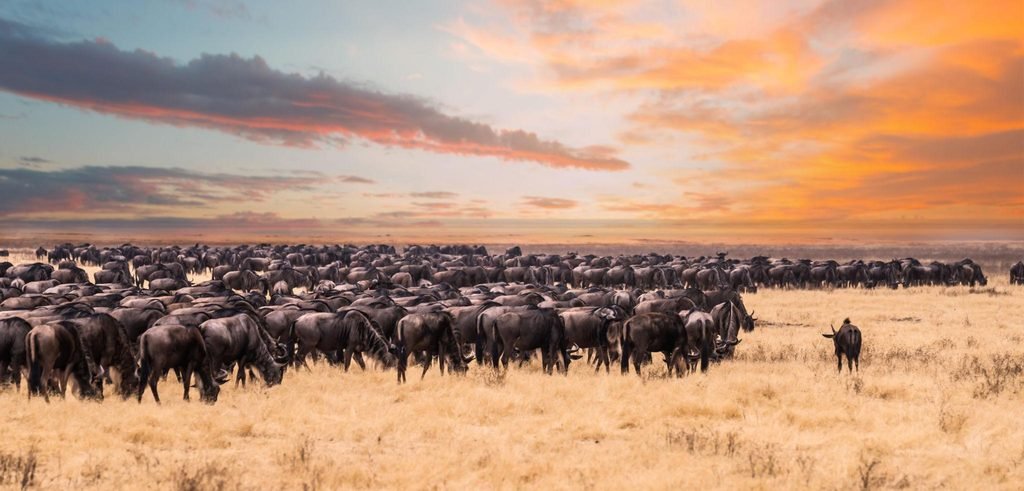
The park is especially famous for the Great Wildebeest Migration, during which large herds of wildebeest, zebras, and gazelles move through the greater Serengeti ecosystem in search of grazing and water. The movement follows seasonal rainfall rather than a fixed calendar, so the best location for migration viewing changes throughout the year. Travelers visiting during the calving period may explore the southern plains and nearby Ndutu area, while those interested in the famous Mara River crossings generally focus on northern Serengeti during the appropriate season.
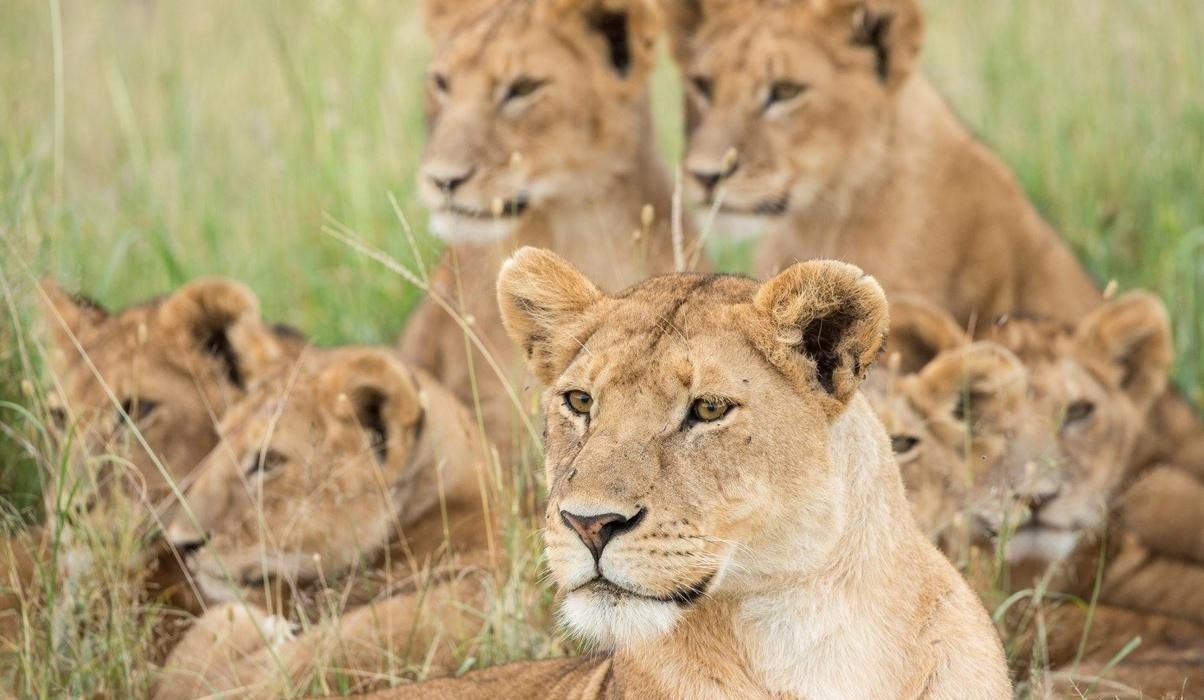
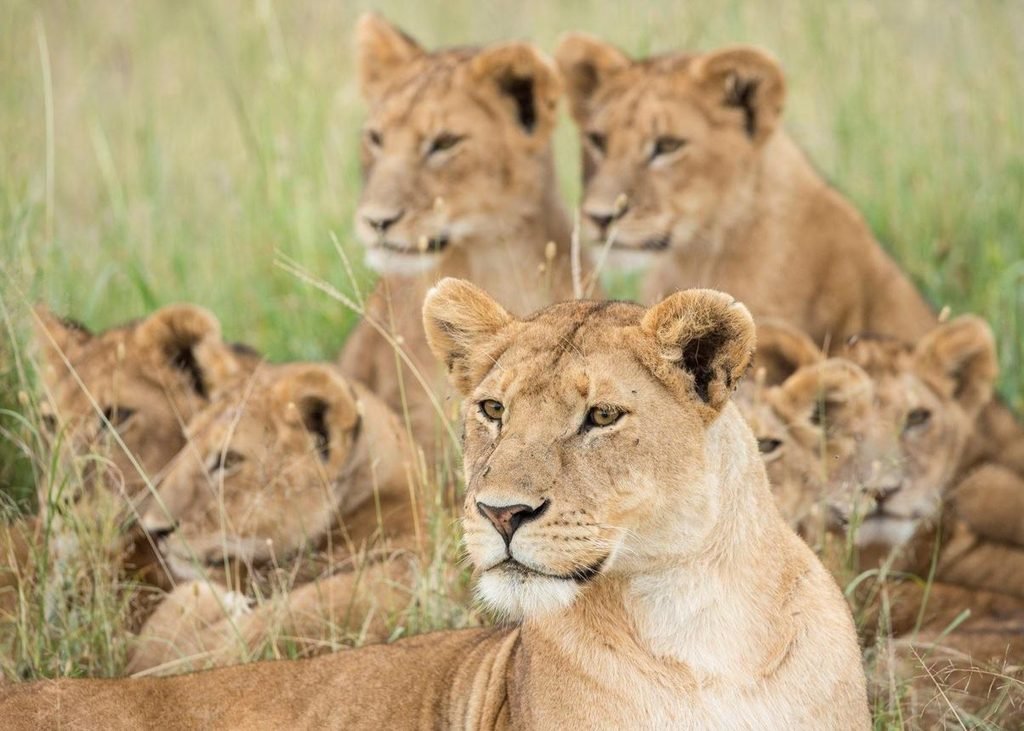
Serengeti is also an excellent destination for watching predators. Lions are regularly seen in several areas of the park, while cheetahs are often associated with the open plains where they can hunt. Leopards may be found resting in trees or moving through woodland and riverine habitats, although sightings depend on luck and the experience of your safari guide. Elephants, giraffes, buffaloes, hippos, hyenas, and numerous antelope species add to the wildlife variety.
One of Serengeti’s main advantages is the opportunity to explore different regions during a longer safari. Central Serengeti, particularly the Seronera area, is popular for general wildlife viewing, while the northern and western regions can be especially interesting during particular stages of the migration. Spending several nights in the park gives your guide more flexibility to select game-drive routes according to wildlife movements and local conditions.
What Makes Serengeti Special?
Serengeti is ideal for travelers who enjoy spending long hours on game drives and observing animal behavior. Rather than seeing several species in a small area, you experience wildlife across a large natural landscape where animals move freely between grasslands, river systems, and wooded areas. This makes the park particularly attractive to wildlife photographers, nature enthusiasts, and visitors who want a more extensive safari experience.
The park also offers different accommodation options, from basic camping arrangements to comfortable tented camps and high-end safari lodges. Travelers planning a longer visit can select accommodation in a suitable region to reduce unnecessary driving and improve access to the wildlife they hope to see.
2. Ngorongoro Crater: Best for Wildlife Viewing in a Smaller Area
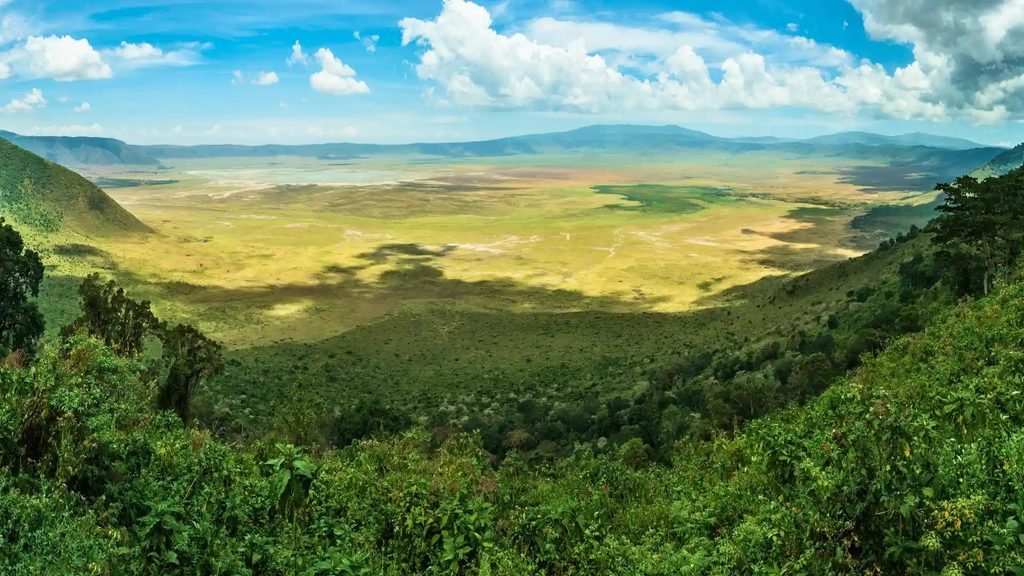
Ngorongoro Crater is one of Tanzania’s most recognizable natural attractions. Located within the Ngorongoro Conservation Area, the crater was formed through ancient volcanic activity and is surrounded by steep highland walls. The crater floor contains grasslands, wetlands, forests, and seasonal water sources that support a wide variety of wildlife throughout the year.
Unlike Serengeti, where animals are spread across an enormous landscape, Ngorongoro Crater offers wildlife viewing within a comparatively compact area. During a game drive, visitors may encounter zebras, wildebeest, buffaloes, lions, hyenas, elephants, hippos, and several species of antelope. The crater is also known as one of Tanzania’s important habitats for the endangered black rhinoceros, although seeing a rhino is never guaranteed.
The experience begins before reaching the crater floor. As your safari vehicle approaches the highlands, the landscape changes from the warmer lower areas to cooler forested slopes. From the crater rim, visitors may enjoy wide views across the caldera before descending along the designated road into the wildlife area below. The change in elevation and the surrounding volcanic walls make Ngorongoro very different from the open plains of Serengeti.
Most visitors spend one day exploring the crater floor before continuing to another destination or returning to their accommodation. This makes Ngorongoro a practical option for travelers with limited time, especially those who are staying in Karatu or visiting as part of a two- or three-day northern Tanzania safari.
What Makes Ngorongoro Special?
The main attraction of Ngorongoro is the combination of remarkable scenery and varied wildlife within a relatively small area. You may observe grazing herbivores, predators, and wetland species during the same game drive, while the surrounding crater walls create a distinctive setting for photography.
However, the crater is a popular destination and can become busy during peak travel periods. Game drives are also subject to conservation rules, designated roads, access times, and applicable crater service fees. Visitors should understand that Ngorongoro offers a different experience from a multi-day safari across the wider Serengeti ecosystem.
3. Serengeti vs Ngorongoro for Wildlife: Where Will You See More Animals?
Both destinations provide excellent wildlife-viewing opportunities, but the type of experience differs. Serengeti is particularly attractive for travelers interested in predators, large herds, and observing animals across open plains. Ngorongoro is known for the concentration of wildlife on the crater floor, making it possible to encounter several species during a relatively short visit.
In Serengeti, the experience often involves searching for animals across different habitats. Your guide may follow a river system looking for leopards, explore grasslands where cheetahs hunt, or visit rocky kopjes where lions sometimes rest. Wildlife sightings can be spread across long distances, which is one reason why spending more than one day in the park is valuable.
In Ngorongoro, the smaller game-drive area can make wildlife encounters feel more concentrated. Lions, buffaloes, zebras, wildebeest, and hippos may be observed within the same day, depending on conditions. The crater is also an important destination for travelers hoping to see black rhinos, although sightings may be distant or may not occur at all.
Which Destination Is Better for the Big Five?
The Big Five are lions, leopards, elephants, buffaloes, and rhinoceroses. Both Serengeti and the Ngorongoro ecosystem support these species, but their visibility varies considerably. Serengeti offers extensive habitat for lions, leopards, elephants, and buffaloes, while rhinos are much harder to encounter. Ngorongoro Crater is well known for its black rhino population, but leopards can be difficult to find during a typical crater game drive.
If your goal is to see as many Big Five species as possible, combining Serengeti and Ngorongoro provides a broader range of opportunities than relying on a single destination. Nevertheless, wildlife sightings are never guaranteed, and a responsible safari operator should not promise that every animal will be seen.
4. Serengeti vs Ngorongoro for the Great Wildebeest Migration
For travelers whose main priority is the Great Wildebeest Migration, Serengeti and the wider Serengeti ecosystem are the natural focus of the safari. The migration involves large herds moving between seasonal grazing areas in Tanzania and Kenya, with the timing and location influenced by rainfall, grass conditions, and water availability.
From approximately December to March, large herds are often associated with the southern Serengeti plains and the Ndutu area, where the calving season usually takes place around January and February. Ndutu is part of the wider Ngorongoro Conservation Area and adjacent Serengeti ecosystem, but it is not the same destination as Ngorongoro Crater. This distinction is important when planning a migration safari because visitors sometimes assume that the herds gather inside the crater itself.
As the seasons change, the herds generally move through other parts of the Serengeti ecosystem. The western corridor becomes important during parts of the middle of the year, while northern Serengeti is particularly well known for the Mara River crossings, often associated with the July-to-October period. These movements vary from year to year, and river crossings cannot be scheduled or guaranteed.
Approximate Great Migration Calendar for 2027 and 2028
| Period | General migration area | Safari highlights |
|---|---|---|
| January–March | Southern Serengeti and Ndutu | Calving season and predator activity |
| April–May | Southern and central areas, shifting with rainfall | Herd movements and green landscapes |
| May–July | Central and western Serengeti | Moving herds and possible river crossings in western areas |
| July–October | Northern Serengeti and the wider Mara ecosystem | Possible Mara River crossings |
| November–December | Herds often moving south again | Seasonal migration movements |
This calendar is a general planning guide, not a prediction of exact wildlife locations for 2027 or 2028.
5. Which Safari Destination Has Better Scenery?
Serengeti is known for its open plains, scattered acacia trees, rocky kopjes, and wide horizons. The landscape changes throughout the year, with greener grasslands during wetter periods and more golden tones during the dry season. These open environments are particularly attractive for wildlife photography because animals can sometimes be observed against expansive natural backgrounds.
Ngorongoro offers a completely different setting. The crater is surrounded by highland walls, and its floor contains grasslands, marshes, woodland patches, and seasonal water sources. The view from the crater rim is one of the most distinctive sights in northern Tanzania, especially when clouds move across the highlands and sunlight reaches the floor below.
For travelers who enjoy dramatic geological landscapes, Ngorongoro has a special appeal. For those who prefer the feeling of exploring wide African wilderness, Serengeti offers a more expansive experience. Visiting both provides an opportunity to appreciate the different landscapes that make Tanzania’s northern safari circuit so popular.
6. Serengeti vs Ngorongoro: Which Is Better for a Short Safari?
If you only have one or two days available, Ngorongoro Crater is often the more practical option, especially when departing from Arusha or Moshi. A short itinerary can include travel to Karatu, an overnight stay, and a game drive inside the crater before returning. Although travel times depend on road conditions and your starting point, the itinerary is generally more manageable than attempting to explore Serengeti within the same limited period.
Serengeti is farther from Arusha and requires more time for road transfers, particularly when traveling to central or northern regions. A two-day Serengeti safari by road can involve substantial driving and limited time for wildlife viewing. Travelers with only a short holiday should consider whether the journey will provide enough time inside the park to justify the travel effort.
For a more comfortable Serengeti experience, three to four days is a useful starting point, with longer itineraries recommended for travelers who want to explore multiple regions or follow the migration. A combined four- or five-day itinerary can also include both Serengeti and Ngorongoro, although the schedule should be planned carefully.
7. Which Destination Is Better for a Luxury Safari?
Both Serengeti and Ngorongoro offer high-quality accommodation, but the experiences are different. Serengeti has a wide selection of luxury tented camps and safari lodges, including properties located in remote wildlife areas. Some camps are positioned near important migration regions, allowing travelers to spend more time exploring the surrounding landscape during suitable seasons.
Luxury accommodation around Ngorongoro often emphasizes crater views, highland scenery, and convenient access to the crater descent roads. Travelers can choose lodges near the crater rim or comfortable properties around Karatu, depending on their preferred level of comfort and budget. Staying near the crater may reduce morning transfer time, but the exact advantage depends on the property and access arrangements.
For a longer luxury safari, Serengeti provides more opportunities to experience different regions and camp styles over several nights. Ngorongoro works particularly well as a one- or two-night addition to a northern Tanzania itinerary. Combining the two can provide a good balance between extensive wildlife exploration and a distinctive crater experience.
8. Serengeti vs Ngorongoro: Which Safari Is More Affordable?
The cost of visiting either destination depends on the travel season, accommodation standard, group size, transport arrangements, and applicable conservation fees. Serengeti safaris may cost more overall because travelers often spend several nights in the park and must account for longer transfers, additional accommodation, and multiple days of park access.
Ngorongoro can be included in a shorter itinerary, but this does not automatically make it inexpensive. Crater visits involve applicable conservation area charges and crater service fees, which can represent a significant part of the total safari cost. Accommodation near the crater rim may also be more expensive than staying in nearby Karatu.
Travelers planning for 2027 or 2028 should request an updated written quotation rather than relying on old online price lists. Government fees, accommodation rates, taxes, and transport costs may change before the travel date.
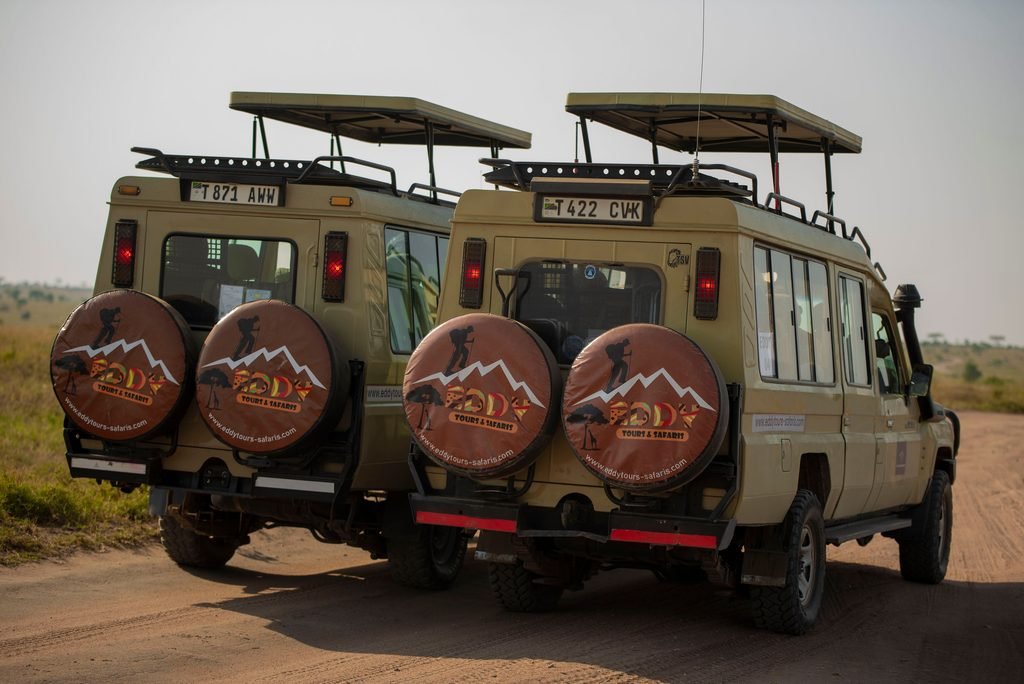
Main Factors Affecting Safari Costs
| Cost factor | Serengeti | Ngorongoro |
|---|---|---|
| Park or conservation fees | Applicable park fees | Conservation fees and applicable crater charges |
| Accommodation | Usually multiple nights | Often one night nearby or a short stay |
| Transport | Longer road transfers or optional flights | Accessible by road from Arusha and Karatu |
| Game-drive duration | Multiple days commonly recommended | One crater game-drive day commonly planned |
| Seasonal pricing | Higher demand in popular migration periods | Demand varies by season and accommodation |
| Overall budget | Depends heavily on trip length | Shorter itinerary possible, but crater fees matter |
9. Best Time to Visit Serengeti and Ngorongoro in 2027 and 2028
Serengeti and Ngorongoro can both be visited throughout the year, but the ideal timing depends on your wildlife interests. The dry season, generally from June to October, is popular because vegetation is often less dense and wildlife may gather near available water sources. These months can also be busy, particularly in popular areas of Serengeti and around Ngorongoro Crater.
The wetter months bring greener landscapes and different wildlife-viewing conditions. January and February are particularly attractive for travelers interested in the wildebeest calving season around southern Serengeti and Ndutu. April and May often experience heavier rainfall, which can affect road conditions and make some safari activities less predictable, although the scenery can be very green.
Ngorongoro Crater provides wildlife-viewing opportunities throughout the year because many animals remain within the crater ecosystem. However, visibility, road conditions, and the number of visitors can vary. The crater rim is also cooler than many lower-altitude safari destinations, so warm clothing is useful, especially during early morning departures.
10. Can You Visit Serengeti and Ngorongoro on the Same Safari?
Yes. Combining Serengeti and Ngorongoro is one of the most practical ways to experience northern Tanzania’s wildlife. The two destinations are connected through the wider conservation landscape, allowing travelers to visit both during a single itinerary. A typical safari may begin in Arusha, continue toward Serengeti through the Ngorongoro highlands, and include a crater game drive before returning.
A four-day itinerary can include both destinations, although travel time may be considerable. Five or six days provides a more comfortable schedule with additional time for Serengeti game drives. Travelers interested in the Great Migration, luxury camps, or photography may prefer seven days or longer, particularly when the relevant migration area is far from central Serengeti.
The best itinerary depends on your available time, accommodation preferences, travel season, and wildlife priorities. Rather than selecting a fixed schedule without considering these factors, discuss your interests with your safari operator so that the route can be arranged around realistic driving distances and the areas most relevant to your travel dates.
Suggested 5-Day Serengeti and Ngorongoro Safari Itinerary
Day 1: Arusha to Serengeti National Park
Your safari begins in Arusha, where you meet your professional safari guide before traveling toward Serengeti National Park. The journey passes through the northern Tanzania highlands and the wider Ngorongoro Conservation Area before reaching the open plains of Serengeti. Depending on departure time, road conditions, and park procedures, you may enjoy wildlife viewing during the later part of the journey before arriving at your accommodation.
After reaching your camp or lodge, you settle in and enjoy dinner while preparing for the following day’s game drive. The long transfer makes an early departure important, and your guide will explain the next day’s schedule based on the location of your accommodation.
Day 2: Full-Day Game Drive in Serengeti
After breakfast, you spend the day exploring Serengeti National Park. Your guide selects game-drive routes according to the season, wildlife activity, and conditions within the park. Depending on the area, you may encounter lions, elephants, giraffes, buffaloes, zebras, wildebeest, hyenas, and different antelope species.
The day provides time to observe animal behavior and appreciate the park’s varied landscapes rather than rushing from one sighting to another. Lunch may be arranged as a packed picnic or according to your accommodation schedule. In the evening, you return to your camp or lodge for dinner and an overnight stay.
Day 3: Another Serengeti Game Drive
A second full day in Serengeti gives you additional opportunities to explore wildlife areas that were not covered on the previous day. This is particularly valuable because animal movements change throughout the day and sightings are never guaranteed. Your guide may focus on river systems, open grasslands, or rocky kopjes, depending on local wildlife activity.
If your travel dates coincide with a suitable stage of the Great Migration, the itinerary may be adjusted toward an appropriate region, provided sufficient travel time and accommodation arrangements are available. Otherwise, the day focuses on general wildlife viewing, photography, and enjoying the Serengeti landscape.
Day 4: Serengeti to Ngorongoro Highlands
After breakfast, you leave Serengeti and travel toward the Ngorongoro highlands. Depending on the schedule, you may have an opportunity for wildlife viewing while exiting the park before continuing across the conservation area. The landscape gradually changes from open plains to rolling highlands, with cooler temperatures and different vegetation.
You arrive at your accommodation near Ngorongoro or in Karatu, where you can relax and prepare for the following morning’s crater game drive. Staying within practical reach of the crater entrance allows an early start, which can be useful for making the most of the available game-drive time.
Day 5: Ngorongoro Crater Game Drive and Return to Arusha
After an early breakfast, you travel to the crater entrance and descend into Ngorongoro Crater for a wildlife game drive. The crater floor supports a wide variety of animals, and your guide will explore designated roads through grasslands, wetlands, and other habitats. Possible sightings include lions, buffaloes, zebras, wildebeest, elephants, hippos, and black rhinos, although the presence of any particular animal cannot be guaranteed.
After the game drive and a suitable lunch stop, you ascend from the crater and begin the return journey to Arusha. The safari concludes upon arrival at your agreed drop-off location, subject to the final travel arrangements.
Which Safari Is Better for Families and First-Time Visitors?
For families with young children or travelers who prefer shorter driving distances, Ngorongoro can be a practical destination because a crater visit can be completed within a relatively short itinerary. The opportunity to observe different wildlife species in one area may also appeal to visitors who are experiencing an African safari for the first time.
Serengeti is an excellent option for families who enjoy longer outdoor adventures and have enough time for several days of wildlife viewing. Children may enjoy watching lions, elephants, giraffes, and large grazing herds, but long road transfers and extended game drives should be considered when planning the schedule.
For first-time visitors who have four to six days available, combining Serengeti and Ngorongoro offers a well-rounded introduction to Tanzania’s wildlife. The exact itinerary should reflect the ages and interests of the travelers, accommodation requirements, and the amount of time everyone is comfortable spending in a safari vehicle.
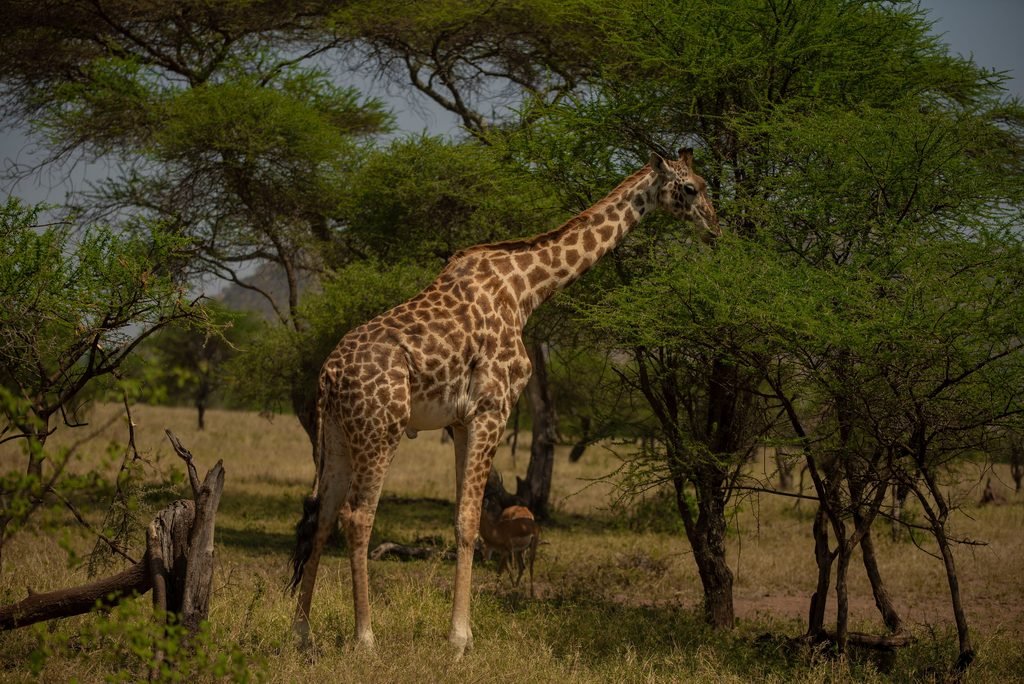
Frequently Asked Questions About Serengeti vs Ngorongoro
1. Is Serengeti better than Ngorongoro?
Serengeti is generally more suitable for longer wildlife safaris and migration-focused trips, while Ngorongoro is ideal for a shorter visit with varied wildlife viewing.
2. Which destination has more wildlife?
Both support large wildlife populations, but Serengeti covers a much larger area while Ngorongoro Crater concentrates many animals within a smaller landscape.
3. Which is better for seeing lions?
Both destinations offer opportunities to see lions. Actual sightings depend on wildlife activity and the conditions during your visit.
4. Which is better for seeing black rhinos?
Ngorongoro Crater is an important black rhino habitat and is often included in safaris for travelers interested in seeing this endangered species.
5. Can I see the Big Five in Serengeti?
All five species occur within the wider Serengeti ecosystem, but seeing every one during a single safari is not guaranteed.
6. Can I see the Big Five in Ngorongoro?
The crater supports the Big Five, although some species, particularly leopards and rhinos, can be difficult to see.
7. Is Ngorongoro Crater part of Serengeti National Park?
No. Ngorongoro is a separate conservation area, although both are part of the wider Serengeti ecosystem.
8. Is the Great Migration found inside Ngorongoro Crater?
The migration mainly passes through the wider Serengeti ecosystem, including the Ndutu plains within the Ngorongoro Conservation Area, rather than the crater floor.
9. What is the best time to visit Serengeti?
Serengeti can be visited year-round, but the best period depends on whether you want general wildlife viewing, calving season, or possible river crossings.
10. What is the best time to visit Ngorongoro?
Ngorongoro offers wildlife viewing throughout the year, although weather and visitor numbers vary by season.
11. How many days should I spend in Serengeti?
Three to four days is a useful starting point, with longer stays recommended for travelers interested in different regions.
12. How many days should I spend in Ngorongoro?
One full crater game-drive day is common, often combined with an overnight stay nearby.
13. Can I visit Serengeti and Ngorongoro in three days?
It is possible to arrange a compressed itinerary, but substantial driving time may limit wildlife viewing.
14. Is a five-day combined safari enough?
Yes. Five days can provide a useful introduction to Serengeti and Ngorongoro, although a longer itinerary offers more flexibility.
15. Which destination is better for photography?
Serengeti is excellent for open-plains wildlife photography, while Ngorongoro offers distinctive crater scenery and concentrated wildlife encounters.
16. Which destination is better for a honeymoon?
Both offer suitable accommodation and safari experiences. Serengeti is attractive for longer luxury stays, while Ngorongoro provides a distinctive crater setting.
17. Is Serengeti more expensive than Ngorongoro?
The total cost depends on trip duration, accommodation, transport, season, and applicable fees. Longer Serengeti stays often increase the overall budget.
18. Can I visit both destinations on a budget safari?
Yes. Budget camping and shared transport arrangements may reduce costs, depending on availability and group size.
19. Are there luxury lodges in both destinations?
Yes. Serengeti and the Ngorongoro highlands offer a range of luxury accommodation options.
20. Can I visit Serengeti from Arusha by road?
Yes. Road safaris are common, although travel times depend on the selected region and road conditions.
21. Can I fly to Serengeti?
Yes. Scheduled or charter flights may be available to Serengeti airstrips, depending on the route and operator.
22. Is Ngorongoro suitable for children?
Yes, subject to appropriate travel arrangements and any age restrictions that may apply to specific activities or accommodation.
23. Are wildlife sightings guaranteed?
No. Animals move freely, and sightings depend on weather, season, habitat, and natural behavior.
24. Can I book a Serengeti and Ngorongoro safari for 2027?
Yes. You can request a customized itinerary and quotation for 2027, subject to confirmation.
25. Can I book the same safari for 2028?
Yes. Future travel arrangements can be discussed, although prices, accommodation availability, and applicable fees must be confirmed.
Final Verdict: Serengeti or Ngorongoro for 2027 and 2028?
Choosing between Serengeti and Ngorongoro depends on the safari experience you want. Serengeti is particularly suitable for travelers who want to spend several days exploring wide landscapes, observing predators, and following the Great Wildebeest Migration during the appropriate season. Ngorongoro Crater is a strong choice for travelers who have limited time and want to experience varied wildlife within a remarkable volcanic setting.
If you have enough time, visiting both destinations is often the most rewarding approach. A combined safari allows you to experience Serengeti’s open plains and extensive wildlife habitats before exploring the concentrated wildlife and distinctive scenery of Ngorongoro Crater. A five- or six-day itinerary provides a useful starting point, while longer safaris offer more flexibility and additional time for wildlife viewing.
Book Your Serengeti and Ngorongoro Safari for 2027/2028 with Eddy Tours & Safaris
At Eddy Tours & Safaris, we help travelers organize Tanzania wildlife safaris that combine Serengeti National Park, Ngorongoro Crater, Tarangire National Park, and other northern circuit destinations. Whether you are planning a budget camping safari, a comfortable mid-range trip, a private family holiday, or a luxury wildlife experience, our team can help you compare suitable itineraries and accommodation options.
We can also discuss migration-focused travel arrangements, private safari vehicles, and combinations with Mount Kilimanjaro or Zanzibar. Share your preferred travel dates, number of travelers, available days, and accommodation preferences so that we can prepare a detailed quotation for your 2027 or 2028 Tanzania safari.
Request Your Serengeti and Ngorongoro Safari Quotation
Chat with Eddy Tours & Safaris on WhatsApp
Email: sales@eddytours-safaris.com
Explore Tanzania’s wildlife with a safari itinerary that gives you enough time to enjoy each destination and experience the landscapes that make the northern safari circuit special.