
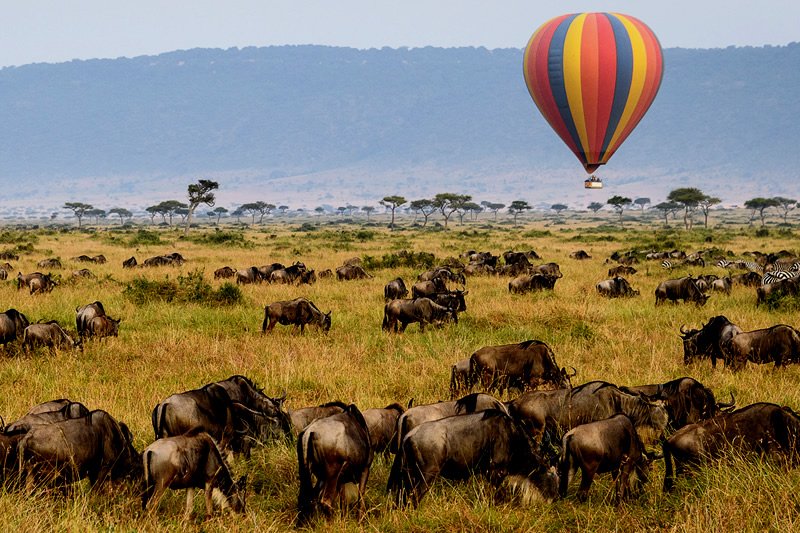
8 Days Serengeti Balloon Safari in Tanzania is a private northern Tanzania journey for travellers who want the classic parks, enough time in Serengeti and a sunrise balloon flight arranged in the correct area for their dates. The route combines Tarangire’s elephants and baobabs, the Ngorongoro Crater, central Serengeti’s resident predators and a peaceful early-morning view above the plains. It is a strong option for couples, families, photographers and first-time safari travellers planning 2027.
This is not a rushed safari built around one photograph. It gives you seven nights, multiple full game-drive days and time to settle into each landscape. Eddy Tours & Safaris will confirm the actual camp, balloon operating area and flight availability before booking. Balloon flights are weather-dependent and the final decision always rests with the licensed operator and pilot. Wildlife sightings are also natural opportunities, never a promise.
Safari overview
- Duration: 8 days / 7 nights
- Style: private 4×4 safari with professional English-speaking driver-guide
- Route: Arusha – Tarangire – Ngorongoro – Central Serengeti – Serengeti Balloon Flight – Arusha
- Balloon flight: scheduled near your confirmed Serengeti camp, subject to weather, operations and safety approval
- Accommodation: budget camping, mid-range tented camps/lodges or luxury camps
- Best for: wildlife viewing, honeymoon travel, photography, family journeys and first Tanzania safaris
Why choose an 8-day Serengeti balloon safari?
Eight days gives you something that many shorter safari routes cannot: breathing room. Tarangire, Ngorongoro and Serengeti are not neighbouring attractions that can be seen properly in a few hours. Each needs a sensible arrival time, game-drive time and overnight location. By allowing several nights in Serengeti, this tour avoids the common mistake of driving long distances every day while seeing the park only through a vehicle window.
The balloon flight adds a different perspective. From the ground, you notice tracks, grass, acacias and individual animals. From a balloon, you may see the pattern of a river valley, a herd spreading across the plains or the first sunlight reaching kopjes. A balloon does not replace a game drive. It complements it. After landing, guests usually enjoy a bush breakfast when the operation includes it, then continue with the day’s safari activities.
“Top best tour” should mean good planning, not a vague promise. The best version of this journey is the one matched to your month, group and budget. In migration season, we position the Serengeti nights around current likely herd movement. At other times, central Serengeti can be excellent for resident wildlife, cats and wide-open landscapes. We explain the reality before you pay a deposit.
Detailed 8-day Tanzania safari itinerary
Day 1: Arrival in Arusha
Arrive at Kilimanjaro International Airport or Arusha Airport and meet an Eddy Tours & Safaris representative for the transfer to your hotel in Arusha. The city sits below Mount Meru and is the practical starting point for the northern circuit. Use the evening to rest, check your luggage and receive your final safari briefing.
A night in Arusha before the road journey is worthwhile, particularly after a long international flight. Your coordinator will confirm the following morning’s departure time, your accommodation category and any dietary requirements. If you are arriving early, a relaxed town visit can be arranged, but the main aim is to begin the safari well rested.
Day 2: Arusha to Tarangire National Park
After breakfast, meet your private driver-guide and leave Arusha for Tarangire National Park. The drive passes through northern Tanzania’s everyday countryside before reaching a landscape of baobab trees, dry bush and the Tarangire River. Enter the park for an afternoon game drive with a picnic lunch.
Tarangire is especially rewarding for elephants. Family groups feed among trees, calves walk close to the adults and large bulls may appear near the river. You may also see giraffes, buffalo, zebra, wildebeest, impala, warthogs and a wide range of birds. Wildlife changes with the season, but the park’s mix of woodland and water makes every drive interesting. Later, leave for your lodge or tented camp in the Karatu or Tarangire area for dinner and overnight.
Day 3: Tarangire to Ngorongoro Highlands
Take an early game drive in Tarangire, when the light is good and animals are still active. This is a chance to look for cats along the riverine vegetation and enjoy the park before moving on. After breakfast or a packed lunch, continue toward the Ngorongoro Conservation Area.
The landscape changes as you travel into the highlands. The air becomes cooler, farms and forests appear, and the road climbs toward the crater area. Arrive at your lodge or camp with time to relax before dinner. Pack a fleece or light jacket for the next morning: Ngorongoro can be cold and misty early in the day even when the crater floor is warmer by midday.
Day 4: Ngorongoro Crater game drive to Central Serengeti
Leave early and descend into the Ngorongoro Crater for a half-day game drive. The floor contains grassland, woodland, wetland and Lake Magadi, which together support an impressive amount of wildlife. Buffalo, zebra, wildebeest, hippos, hyenas and lions are regularly seen. Black rhino is possible but never guaranteed; it is a protected and naturally difficult animal to find.
Enjoy a picnic lunch at the designated hippo-pool area, then leave the crater and travel toward Serengeti National Park. The transfer becomes a game drive as open plains replace the highland scenery. Depending on the route and camp location, you may see giraffes, gazelles, hartebeest and predators before reaching your central Serengeti accommodation. Dinner and overnight at camp or lodge.
Day 5: Full-day Central Serengeti safari
Today is dedicated to the central Serengeti, often called Seronera. This area is a strong choice throughout the year because it supports resident predators and a variety of habitats. Begin at dawn and search riverine trees for leopards, open grassland for cheetahs and kopjes for lions. Elephants, giraffes, hippos and many antelope species may appear between the bigger sightings.
Your guide will choose the pace around your interests. Photographers may prefer to stay longer at one sighting and work with the morning light. Families may prefer a split day with a return to camp during the hottest hours. The vehicle is private, so your safari is not driven by another group’s schedule. Return to camp in the late afternoon for dinner and a quiet night in the bush.
Day 6: Serengeti balloon safari at sunrise
Wake before dawn for the balloon experience. The camp will provide a light early breakfast or refreshments, then a transfer takes you to the launch area assigned for that morning’s operation. The pilot and ground crew give a safety briefing before take-off. Balloon flights usually last around 45 to 60 minutes, though the exact timing and route depend on wind conditions and the pilot’s decisions.
As the balloon rises, the Serengeti begins to brighten beneath you. You may drift low over grassland or rise higher for a wider view. Animals may be seen from above, but a balloon flight cannot guarantee specific species or migration herds. The experience is about the changing light, silence, scale and the unusual feeling of moving with the wind across one of Africa’s great landscapes.
After landing, enjoy the traditional bush breakfast if included by the operating company, then meet your driver-guide for the rest of the day. Continue with a game drive through the relevant Serengeti area. This combination works well: the balloon gives the wide view at dawn, while the safari vehicle gives the close, ground-level wildlife experience afterward.
Day 7: Flexible Serengeti wildlife and migration day
Spend another full day in Serengeti. The route depends on the season, wildlife activity and where you stayed the previous night. In some periods, that may mean following migration reports toward the central, western or northern sections of the park. In other periods, it may mean concentrating on central Serengeti’s cats, river systems and resident herbivores.
The Great Migration is seasonal and mobile. If your dates fall within a period of herd movement, your guide will respond to real conditions rather than relying on an old calendar. River crossings are not guaranteed. A rewarding day can include wildebeest and zebra herds, lions on a kopje, cheetahs scanning the plains, hyenas at a den area or a leopard high in a tree. Return to camp for your last Serengeti dinner.
Day 8: Serengeti to Arusha or onward travel
Take a final early game drive while travelling to the airstrip or Serengeti exit. If you choose a bush flight, fly to Arusha, Kilimanjaro or Zanzibar according to the confirmed schedule. Small-aircraft luggage restrictions apply, and soft bags are normally required. If flying is not part of the plan, begin the longer scenic road transfer back toward Arusha with a packed lunch.
For international departures, do not book a tight connection before we confirm the logistics. A flight delay, road transfer or park timing can affect the day. We can arrange an Arusha overnight, airport transfer or Zanzibar extension when required.

What makes the balloon flight special?
A balloon is not an aircraft that follows a fixed road. It moves with the wind, and that is part of its character. One day the flight may stay close to the grass; on another it may climb for a wide sunrise view. The pilot selects the safest possible route based on weather and operating conditions. If the weather is unsuitable, the operator may delay or cancel the flight for safety. This is not a failure of your safari; it is the correct professional decision.
Wear layers for the cool pre-dawn transfer, comfortable closed shoes and a hat or sunglasses for after sunrise. Avoid carrying loose items. The ground team normally assists you during landing and takes care of the balloon equipment. If a bush breakfast follows, it is a relaxed moment to enjoy the landscape before you return to your safari vehicle.
Accommodation choices
This 8-day Serengeti Balloon Safari in Tanzania can be arranged as budget camping, mid-range comfort or a luxury safari. Budget camping focuses on simple tents, meals prepared by a safari crew and a close-to-nature feeling. Mid-range tented camps and lodges provide en-suite rooms or tents, proper beds and comfortable dining. Luxury camps may offer larger tents, private decks, high levels of service and excellent wildlife locations.
The crucial detail is location. A camp placed close to the balloon launch area and your main game-drive routes is more valuable than a beautiful property that creates long daily transfers. We will show you the named accommodation options before confirmation and state clearly whether the balloon flight, drinks, domestic flights or any special activities are included.
What is included
- Private 4×4 safari vehicle with pop-up roof
- Professional English-speaking driver-guide
- Seven nights’ accommodation in the confirmed category
- Meals as stated in your written itinerary and safari picnic lunches
- Park entry and conservation fees for the confirmed route
- Ngorongoro Crater vehicle/service fees where applicable
- Drinking water in the vehicle
- Government taxes listed in the final quotation
- Balloon flight and bush breakfast only if specifically shown as included in your quote
What is not included
- International flights, visas and travel insurance
- Pre- or post-safari Arusha accommodation unless listed
- Alcoholic drinks, laundry, tips, souvenirs and personal purchases
- Optional activities or domestic flights not named in the written quotation
- Balloon flight if it has been quoted as an optional extra
- Services not specifically described in the confirmed itinerary
Best time for a Serengeti balloon safari
Balloon operations run seasonally in designated Serengeti areas, subject to current conditions. The best time depends on what you hope to see. For migration interest, we plan the Serengeti section around likely herd movement for your travel month. For general wildlife, central Serengeti offers excellent resident animals through much of the year. A balloon flight can be rewarding in different seasons because the appeal is not only the migration; it is the morning landscape and the chance to see the park from a new angle.
Book early for 2027, especially if you have fixed dates, a honeymoon, a family group or a preferred camp. Balloon space is limited and must match the location of your overnight stay. We will not tell you a flight is confirmed until the operator and camp logistics are confirmed.
Travel with respect for the Serengeti
Every safari visitor has a small role in protecting the landscape. Keep voices low at sightings, take all litter back to camp and follow the driver-guide’s direction about where a vehicle can stop. Never ask to drive off-road or block an animal’s route. The park is not a film set; it is home to wildlife, rangers, guides and the people who work to protect the ecosystem.
A good balloon operation follows the same principle. The launch site, flight route and landing are selected around safety, weather and park rules. The aim is to enjoy the morning without disturbing the wildlife below. Guests often say the silence is the most striking part of the experience. That silence is also a reminder to leave the Serengeti as wild as you found it.
Our guides share practical local knowledge throughout the trip, from safe camp routines to the small signs that reveal animal behaviour on the plains.
Frequently asked questions
Is the balloon flight safe?
Flights are operated by licensed balloon companies with trained pilots and ground crews. They proceed only when weather and operational conditions are suitable. Follow the crew’s briefing and instructions at all times.
Will I see animals from the balloon?
You may see animals, but no specific wildlife sighting can be promised. The balloon flight is a landscape and sunrise experience as much as a wildlife activity.
Can children join the balloon safari?
Balloon operators set their own age and height requirements. Tell us the children’s ages when you enquire, and we will confirm the current policy before you book.
Can I combine this safari with Kilimanjaro or Zanzibar?
Yes. Some travellers climb before safari, while others fly to Zanzibar after Serengeti. For trek ideas, visit Kilimanjaro Climb Specialist, and we can arrange the Tanzania connections around your dates.
What should I pack?
Bring layers, a fleece for early mornings, light clothing for daytime, hat, sunscreen, sunglasses, binoculars, personal medication and camera batteries. Use soft-sided luggage if your itinerary includes a small-aircraft flight.
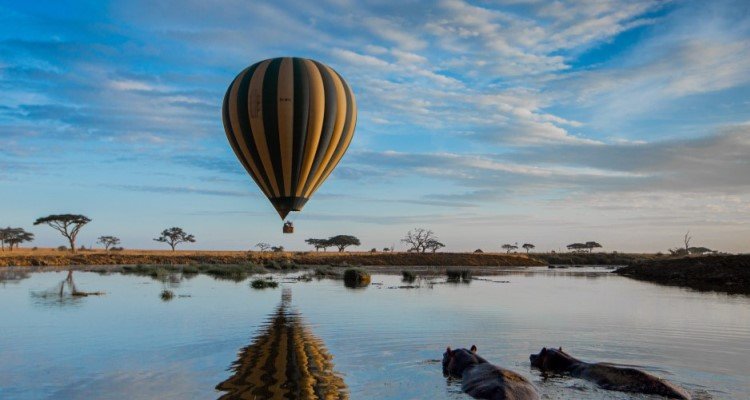
Book your 8 Days Serengeti Balloon Safari in Tanzania
This 2027 tour is ideal when you want a full northern Tanzania safari and the calm, wide view of a Serengeti sunrise balloon flight. Share your dates, group size, accommodation preference and whether the balloon is essential or optional. We will build a realistic route, check the camp and balloon availability, and show you exactly what is included before you book.
Contact Eddy Tours & Safaris through our contact page, email eddytoursandsafaris@gmail.com or sales@eddytours-safaris.com, or call and WhatsApp +255 711 906 664. For current personal health preparation, use Google to locate a qualified travel-health clinic near you.