

The Serengeti is one of Africa’s most famous wildlife destinations, attracting travellers from around the world who want to see lions, elephants, giraffes, cheetahs, and the Great Wildebeest Migration. While many visitors concentrate on the central and northern parts of the park, the Eastern Serengeti offers another exciting way to experience Tanzania’s wildlife. Its open grasslands, rocky outcrops, seasonal wildlife movements, and quieter safari routes make it worth considering when planning a safari in 2027, 2028, or 2029.
Starting your safari in the Eastern Serengeti can be particularly rewarding for travellers who enjoy watching predators, photographing animals in open landscapes, and spending more time observing wildlife without constantly moving between busy game-viewing areas. However, the best starting point depends on the season, the animals you hope to see, and the location of your accommodation.
In this guide, we explain five reasons to consider the Eastern Serengeti, what makes this region different, when to visit, and how to include it in a Tanzania safari itinerary.
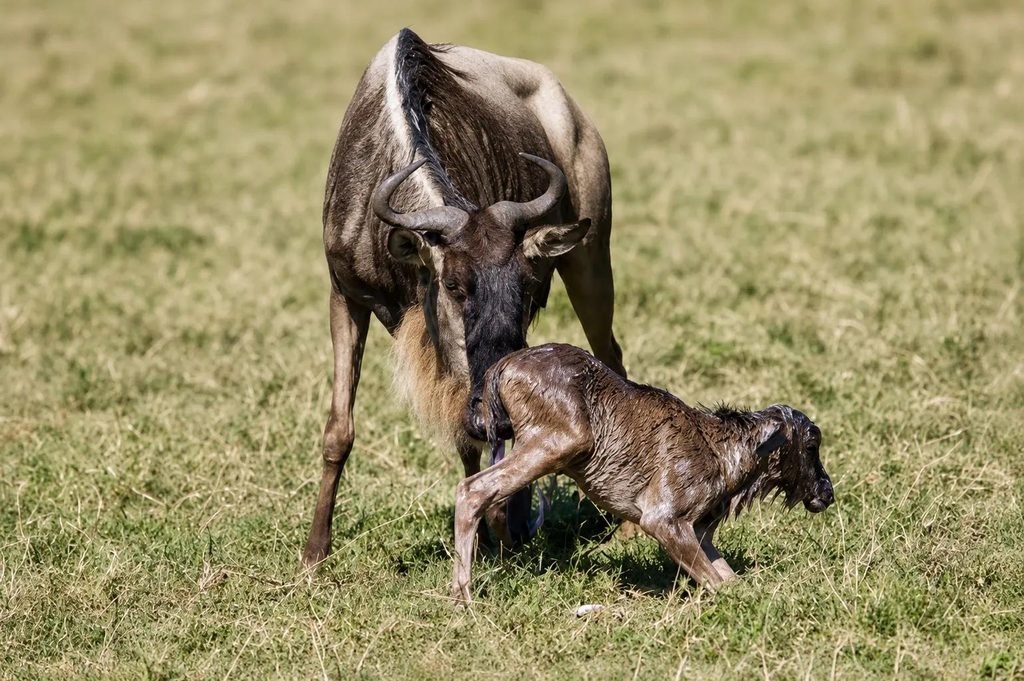
Where Is the Eastern Serengeti Located?
The Eastern Serengeti covers the eastern side of Serengeti National Park, including areas around the Ngare Nanyuki River, the eastern plains, and routes extending towards the Gol Kopjes and the wider southeastern ecosystem. Some safari itineraries also include the Namiri Plains, an area particularly associated with big cats.
The landscape is a mixture of open savannah, short-grass plains, seasonal watercourses, and scattered granite rock formations known as kopjes. These habitats support different wildlife species throughout the year, although animal concentrations change with rainfall, vegetation, and prey movements.
The Eastern Serengeti should not be confused with the entire southeastern Serengeti ecosystem, which also extends towards the Ndutu area and the Ngorongoro Conservation Area. These destinations are connected ecologically, but they have different access arrangements, accommodation options, and seasonal wildlife patterns.
1. The Eastern Serengeti Is an Excellent Area for Big Cat Sightings
One of the strongest reasons to begin your safari in the Eastern Serengeti is the opportunity to look for Africa’s large predators. The region contains suitable habitats for lions, cheetahs, and leopards, although sightings are never guaranteed. Open grasslands are especially useful for observing cheetahs, which depend on speed and visibility when hunting animals such as gazelles.
The Namiri Plains are particularly well known among safari enthusiasts for their big cat populations. Lions may be seen resting near rocky outcrops or moving through the grasslands, while cheetahs often use open terrain to scan for prey. Leopards are generally more difficult to find because they are solitary and frequently use trees, rocky areas, and thicker vegetation for cover.
An early morning game drive is often a good time to search for predators. Temperatures are cooler, some animals remain active after hunting during the night, and the soft morning light makes wildlife photography easier. Your guide may look for fresh tracks, alarm calls from antelope, or the behaviour of other animals to help identify where predators might be present.
Wildlife Secret: Kopjes Are Important Predator Habitats
Kopjes are more than attractive rock formations. They provide elevated resting and observation points for lions and shelter for several smaller wildlife species. Their surrounding vegetation may also attract prey animals, creating opportunities for predators.
For travellers interested in predator behaviour rather than simply collecting wildlife sightings, spending time near suitable kopje habitats can be one of the most interesting parts of an Eastern Serengeti safari.
2. Fewer Safari Vehicles Can Mean a More Relaxed Wildlife Experience
The Central Serengeti, particularly the Seronera area, is popular because of its reliable year-round wildlife viewing and extensive accommodation options. During busy travel periods, several safari vehicles may gather around a lion pride, leopard, or another notable sighting.
Some parts of the Eastern Serengeti receive fewer visitors, especially where accommodation is limited or access requires longer drives. This can create a quieter safari experience, allowing travellers to spend more time watching animal behaviour and enjoying the surrounding landscape.
For example, rather than moving quickly between different sightings, your guide may have time to stop near a herd of grazing antelope, observe a group of giraffes, or watch birds searching for food. These smaller moments are often what make a safari memorable.
However, the Eastern Serengeti is not completely free from other safari vehicles. Visitor numbers depend on the location, season, accommodation, and road access. Some areas also have restrictions on which routes can be used, so your itinerary should be arranged with a knowledgeable local operator.
Why a Quieter Safari Matters
A relaxed game drive can be particularly valuable for wildlife photographers, families, and travellers visiting Tanzania for the first time. You have more opportunities to ask your guide questions, understand animal behaviour, and appreciate the environment instead of focusing only on the Big Five.
The quality of a safari is not measured by the number of animals seen in a single hour. Sometimes watching one cheetah for an extended period offers a better experience than rushing through several sightings.

3. The Open Plains Offer Outstanding Wildlife Photography Opportunities
The Eastern Serengeti has some of the open landscapes that make the Serengeti internationally recognised. Large grassland areas, scattered acacia trees, distant hills, and dramatic skies create natural backgrounds for wildlife photography.
Cheetahs are particularly interesting photographic subjects in these environments. Their slender bodies, distinctive facial markings, and behaviour while scanning the plains can produce excellent photographs. Lions resting on kopjes, giraffes walking across open grasslands, and herds of antelope also offer rewarding opportunities.
Morning and late afternoon generally provide more favourable lighting than midday. During these hours, the sun is lower, shadows are softer, and temperatures may encourage greater animal activity. The exact conditions depend on weather, cloud cover, and the time of year.
Photography Tips for the Eastern Serengeti
Bring a camera with a telephoto lens if wildlife photography is a major part of your trip. A lens reaching approximately 300 mm or more can be useful for distant animals, although excellent photographs are also possible with smaller cameras and modern smartphones.
A beanbag can help stabilise your camera on the safari vehicle, while spare batteries and memory cards are important for full-day game drives. Avoid asking your guide to drive off designated routes or approach animals too closely just to obtain a photograph.
Most importantly, allow time for wildlife behaviour to develop naturally. A resting lion may remain still for a long period, while a cheetah may suddenly begin moving after noticing prey. Patience often makes the difference between an ordinary photograph and a particularly interesting one.
4. The Eastern Serengeti Provides Access to Different Seasonal Wildlife Movements
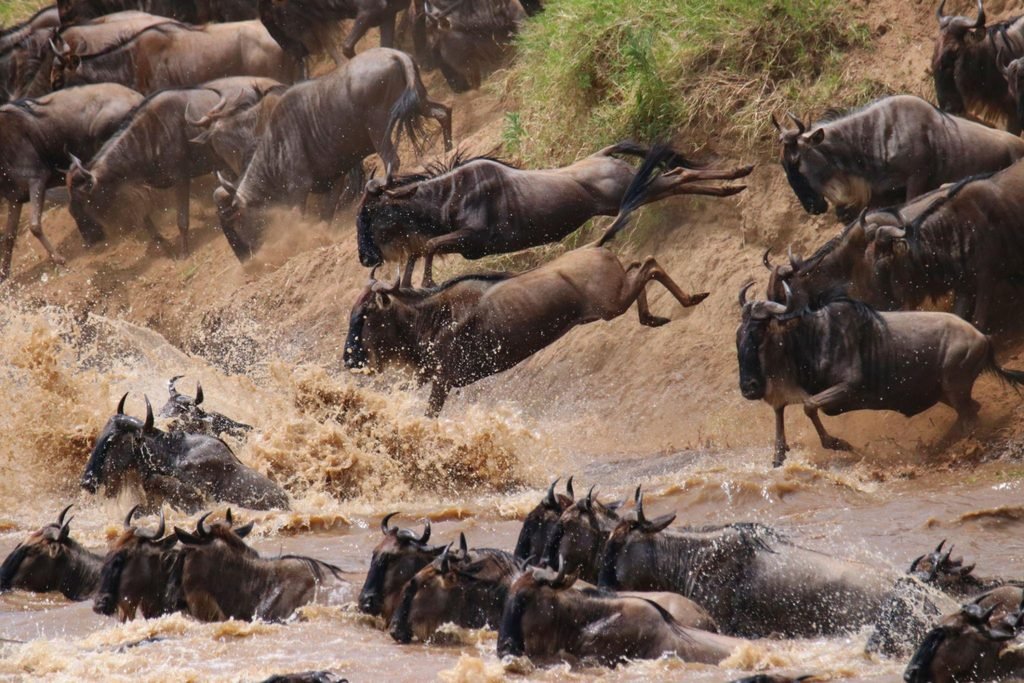
The Serengeti ecosystem is famous for the Great Wildebeest Migration, during which large numbers of wildebeest, accompanied by zebras and other grazing animals, move in response to seasonal rainfall and grass growth.
Although the northern Mara River crossings receive considerable attention, the migration is not limited to one location or a fixed annual timetable. The southern and southeastern parts of the ecosystem become especially important during the wetter months, when fresh grass attracts migratory herds.
Depending on rainfall and the particular year, wildlife may spread across the southern plains, Ndutu region, and adjoining areas of the Serengeti ecosystem. Some eastern areas can provide interesting opportunities to observe grazing herds and the predators that follow them, but travellers should not assume that the migration will be present in the Eastern Serengeti throughout the year.
Wildlife Secret: Rainfall Is More Important Than the Calendar
Many safari itineraries describe migration movements using fixed monthly schedules. These are useful for general planning, but the animals do not follow exact dates. Rainfall, grass conditions, and access to water influence where the herds move.
For a safari in 2027, 2028, or 2029, it is better to select accommodation and game-drive areas according to the expected seasonal movement, while allowing flexibility where possible.
If seeing the Great Migration is your main objective, a safari operator should help you decide whether to concentrate on the southern plains, Western Corridor, northern Serengeti, or another area during your travel dates.
5. The Eastern Serengeti Can Be Combined with Other Excellent Safari Destinations
Another advantage of including the Eastern Serengeti is the opportunity to build a safari around several different habitats. Tanzania’s northern safari circuit includes Tarangire National Park, Lake Manyara National Park, Ngorongoro Crater, and Serengeti National Park.
Each destination offers something different. Tarangire is known for its elephants, baobab trees, and seasonal concentrations of wildlife along the Tarangire River. Ngorongoro Crater offers a compact wildlife-viewing environment with a range of large mammals. The Central Serengeti provides extensive year-round game-viewing opportunities, while eastern areas add open landscapes and specialised predator-focused experiences.
A carefully planned itinerary can combine these destinations without making every day feel like a long transfer. The important consideration is travel time. Some eastern Serengeti camps are remote, and reaching them from Arusha or other parts of the northern circuit may require considerable driving or a combination of scheduled flights and road transfers.
Why Safari Planning Matters
A poorly planned itinerary may leave travellers spending too much time on the road and too little time watching wildlife. This is particularly important on shorter safaris of three or four days.
For a longer safari, beginning in or including the Eastern Serengeti can work well when your accommodation, entry route, and onward destinations are arranged logically. Your safari guide can then concentrate on game viewing instead of unnecessary travel between distant areas.
Best Time to Visit the Eastern Serengeti in 2027, 2028 and 2029
The Eastern Serengeti can offer rewarding wildlife experiences at different times of the year, but conditions vary significantly with rainfall and seasonal movements.
| Travel period | What to expect |
|---|---|
| January–March | Green landscapes in many areas and seasonal wildlife activity across the southern and southeastern ecosystem |
| April–May | Wetter conditions, fewer visitors in some areas, and potentially difficult access on certain roads |
| June–October | Generally drier conditions, good visibility in open habitats, and wildlife concentrating around suitable water and grazing areas |
| November–December | Short rains may begin, with fresh grass and changing wildlife distributions |
These are broad seasonal patterns rather than guaranteed conditions for a particular year. Travellers should also confirm whether their preferred camps operate year-round, as some remote properties are seasonal.
Suggested 6-Day Eastern Serengeti Safari Itinerary
A six-day safari can provide enough time to combine the Eastern Serengeti with other major attractions on Tanzania’s northern circuit. The following itinerary is an example and should be adjusted according to road conditions, accommodation availability, and the exact location of your selected camp.
Day 1: Arrival in Arusha
Arrive at Kilimanjaro International Airport or Arusha Airport and transfer to your accommodation in Arusha. Depending on your arrival time, you can relax at the hotel or explore a small part of the city.
Your safari representative will explain the itinerary, discuss what to expect during game drives, and confirm the arrangements for the following morning.
Day 2: Arusha to Tarangire National Park
After breakfast, drive to Tarangire National Park for your first game drive. The park is famous for its large baobab trees and elephant populations, particularly during the dry season.
You may also see giraffes, zebras, wildebeest, impalas, and a variety of birds. After the game drive, continue to your accommodation in the Tarangire or Karatu area, depending on your itinerary.
Day 3: Travel to the Serengeti
Depart after breakfast and travel towards Serengeti National Park through the Ngorongoro highlands. Enjoy the changing scenery along the way before entering the Serengeti ecosystem.
Your final route will depend on the location of your Eastern Serengeti accommodation. Some camps are better reached using a scheduled flight followed by a transfer, so your tour operator should select the most practical arrangement.
Enjoy wildlife viewing where time and park regulations allow before arriving at your lodge or tented camp.
Day 4: Full-Day Game Drive in the Eastern Serengeti
Spend the day exploring suitable game-viewing routes in the Eastern Serengeti. Your guide may focus on areas known for predator activity, open plains, and kopje habitats.
Look for lions, cheetahs, antelope, giraffes, and other wildlife while learning about the relationship between predators and their prey. Depending on your accommodation and the applicable park rules, your activities may include morning and afternoon game drives.
Return to camp for dinner and an overnight stay.
Day 5: Serengeti to Ngorongoro Area
After breakfast, leave the Serengeti and travel towards the Ngorongoro Conservation Area. Depending on the route and distance, there may be opportunities for wildlife viewing before leaving the national park.
Continue to your accommodation near Karatu or the Ngorongoro highlands. The drive can be long, so it is important to start early and allow sufficient time for travel.
Day 6: Ngorongoro Crater and Return to Arusha
Depart early for Ngorongoro Crater, one of Tanzania’s best-known wildlife destinations. Descend into the crater for a game drive, looking for buffaloes, zebras, wildebeest, lions, hippos, and, with luck, black rhinos.
After completing your crater visit, return to Arusha. Depending on your onward travel arrangements, you may be transferred to your hotel or airport.
Important: This itinerary is a planning example rather than a fixed package. For some remote Eastern Serengeti camps, seven or eight days would be more comfortable and allow additional game-viewing time.

What Animals Can You See in the Eastern Serengeti?
The Eastern Serengeti supports a variety of wildlife, although the species you encounter will depend on the specific area, season, and time spent on game drives.
Commonly sought animals include lions, cheetahs, leopards, giraffes, zebras, gazelles, hyenas, jackals, and different antelope species. Buffaloes, elephants, and other large mammals may also be encountered in suitable habitats, although their distribution varies across the region.
Birdwatchers can look for vultures, eagles, secretarybirds, bustards, ostriches, and many smaller species. The mixture of open plains and rocky habitats provides opportunities to observe both ground-dwelling and birds of prey.
A good guide will help you identify animals and explain their behaviour, rather than simply pointing them out.
Eastern Serengeti vs Central Serengeti: Which Is Better?
Both areas are worth visiting, but they offer somewhat different safari experiences.
| Eastern Serengeti | Central Serengeti |
|---|---|
| Extensive open plains and kopje habitats | Mix of grasslands, riverine vegetation, and kopjes |
| Strong appeal for predator-focused safaris in suitable areas | Reliable year-round wildlife viewing across many routes |
| Some quieter and more remote safari areas | More established accommodation and road networks |
| Excellent opportunities for open-landscape photography | Broad variety of wildlife photography opportunities |
| May require more careful transfer planning | Often easier to include in shorter northern-circuit itineraries |
For first-time visitors with limited time, the Central Serengeti is often a practical choice. Travellers with more days available, particularly those interested in cheetahs, lions, and open grassland ecosystems, may find the Eastern Serengeti especially appealing.
The two regions can also complement each other within one longer itinerary.
How Much Does an Eastern Serengeti Safari Cost in 2027, 2028 or 2029?
The cost depends on several factors, including the number of days, accommodation category, travel season, group size, park fees, transport arrangements, and whether the safari is private or shared.
Remote Eastern Serengeti accommodation may cost more than some options in more accessible areas because of logistics and the level of service provided. Scheduled flights can also increase the total price, although they may reduce travel time.
A safari quotation should clearly explain what is included, such as accommodation, meals, national park entrance fees, professional guiding, vehicle transport, and airport transfers. It should also identify exclusions, including international flights, visas, travel insurance, tips, and personal expenses.
Since park fees, accommodation rates, and operating costs may change before 2027, 2028, or 2029, it is better to request an updated quotation for your actual travel dates rather than rely on an old published price.
Tips for Planning Your Eastern Serengeti Safari
Before confirming your safari, discuss your main interests with your tour operator. If your priority is cheetahs and lions, the itinerary should include suitable predator habitats. If you want to see the Great Migration, the accommodation location should reflect the expected seasonal movement.
Consider spending at least two nights in the region, especially when travelling to a remote camp. One night may not provide enough time to enjoy the area after a long transfer.
Choose accommodation based on location rather than price alone. A well-positioned camp can reduce driving time to productive game-viewing areas, allowing you to spend more of the day observing wildlife.
Finally, remember that national park rules exist to protect animals and their habitats. Always follow your guide’s instructions, remain inside the vehicle where required, and avoid disturbing wildlife.

Frequently Asked Questions About the Eastern Serengeti
Is the Eastern Serengeti good for seeing cheetahs?
Yes. Certain eastern plains, particularly around the Namiri area, are well known for cheetah habitat. However, cheetahs are wild animals that move freely, so sightings cannot be guaranteed.
Can I see the Great Wildebeest Migration in the Eastern Serengeti?
It is possible to encounter migratory wildlife in parts of the eastern and southeastern ecosystem during suitable seasons. However, migration movements depend on rainfall and grass conditions. The Eastern Serengeti is not the best location for every stage of the migration.
Is the Eastern Serengeti less crowded than the Central Serengeti?
Some remote eastern areas generally receive fewer safari vehicles than popular central routes, but visitor numbers vary by season and location.
How many days should I spend in the Eastern Serengeti?
Two or three nights can provide a more relaxed experience, especially if you are staying at a remote camp. Travellers with a strong interest in wildlife photography may prefer additional time.
Is the Eastern Serengeti suitable for first-time safari travellers?
Yes, provided the itinerary is planned carefully. It can be combined with Central Serengeti, Tarangire, or Ngorongoro Crater to provide a broader introduction to Tanzania’s wildlife.
Can I visit the Eastern Serengeti in 2027, 2028 or 2029?
Yes. Safaris can be planned for these years, subject to accommodation availability, park regulations, transport arrangements, and seasonal conditions. Booking well in advance is advisable for popular travel periods.
Plan Your Eastern Serengeti Safari with Eddy Tours & Safaris
The Eastern Serengeti deserves consideration from travellers who want to explore Tanzania beyond the busiest safari routes. Its open plains, predator habitats, rocky kopjes, and seasonal wildlife activity provide excellent opportunities to experience the Serengeti in a different way.
Whether you are planning your first Tanzania safari or returning to explore another part of the ecosystem, the most important step is choosing the right route and travel dates for your interests.
Eddy Tours & Safaris, a local tour company based in Arusha, Tanzania, can help you plan a private safari that includes the Eastern Serengeti, Central Serengeti, Ngorongoro Crater, Tarangire, and other destinations on the northern safari circuit.
For safari enquiries and personalised itineraries for 2027, 2028, and 2029, visit Eddy Tours & Safaris or contact our team.
Email: sales@eddytours-safaris.com
Website: Eddy Tours and Safaris
Tell us your preferred travel dates, number of travellers, accommodation budget, and the wildlife you would most like to see. We will help you arrange a safari itinerary suited to your plans.