
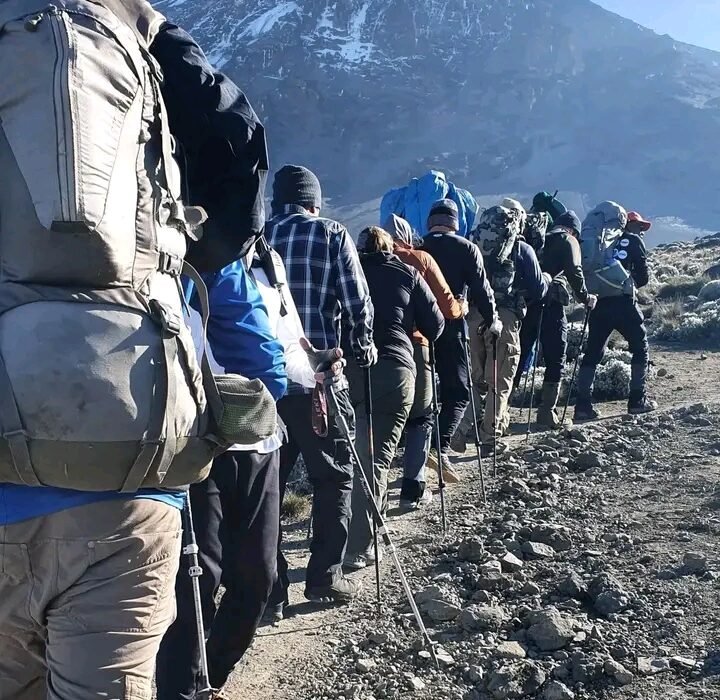
Mount Kilimanjaro Climb Difficulty Explained: What to Expect in 2026, 2027 & 2028 Climbing Mount Kilimanjaro is a dream adventure for thousands of travelers every year. Rising to 5,895 meters (19,341 feet) above sea level, it is Africa’s highest mountain and the tallest free-standing mountain on Earth. Unlike many famous peaks that require technical mountaineering skills, Kilimanjaro is a trekking mountain, making it accessible to beginners and experienced hikers alike.
But there is one question almost every traveler asks before booki
The honest answer is that Kilimanjaro is challenging but achievable. You don’t need ropes, climbing experience, or advanced mountaineering skills, but you do need determination, proper preparation, and enough time to acclimatize to the high altitude.
If you’re planning your adventure in 2026, 2027, or 2028, understanding the mountain’s challenges before you arrive will greatly improve your chances of reaching Uhuru Peak.
At Eddy Tours and Safaris, we’ve guided climbers from around the world to the summit of Kilimanjaro. We know that every trekker is different, and we believe the best climbs begin with honest advice, experienced local guides, and carefully planned itineraries that put safety first. Whether you’re climbing for adventure, a personal milestone, or a charity challenge, our team is committed to making your journey memorable from the first briefing to the final celebration at the summit.
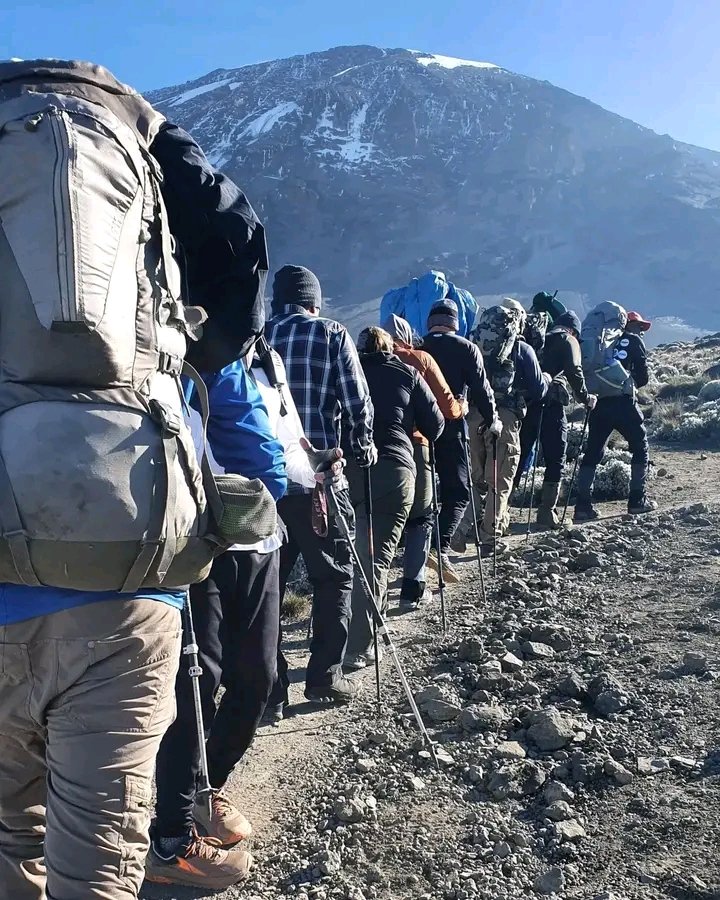
Is Mount Kilimanjaro Difficult of Mount Kilimanjaro Climb Difficulty Explained: What to Expect in 2026, 2027 & 2028
From a technical perspective, Kilimanjaro is one of the most accessible of the Seven Summits. There are no ropes, ice walls, or rock-climbing sections on the standard routes. Most days involve steady hiking on well-established trails.
However, what makes Kilimanjaro difficult is the combination of altitude, long trekking days, changing weather conditions, and the physical and mental stamina required to continue climbing when the air becomes thinner.
Many climbers are surprised to learn that the biggest obstacle isn’t the steepness of the trail it’s the reduced oxygen at high altitude. Near the summit, the air contains roughly half the oxygen available at sea level. This affects everyone differently, regardless of age or fitness.
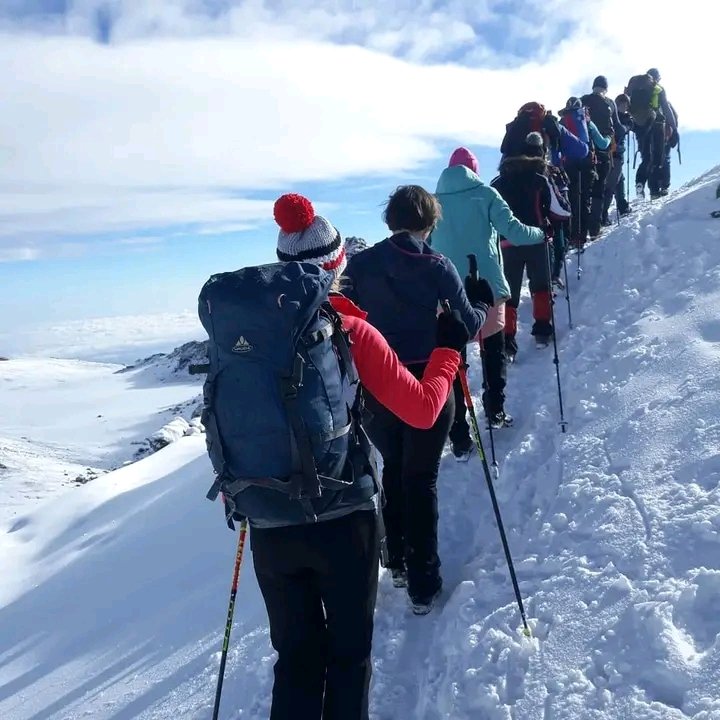
Why Altitude Is the Biggest Challenge of Mount Kilimanjaro Climb Difficulty Explained: What to Expect in 2026, 2027 & 2028
Altitude is the primary reason some climbers do not reach the summit. As you gain elevation, your body has less oxygen available to support normal activity. Even simple tasks like walking, eating, or sleeping can feel more difficult.
Common symptoms of altitude sickness include headaches, nausea, fatigue, dizziness, loss of appetite, and difficulty sleeping. These symptoms can affect anyone, including experienced athletes.
At Eddy Tours and Safaris, our guides monitor every climber closely throughout the trek. Daily health checks, a slow climbing pace (“Pole Pole”), and carefully designed itineraries help maximize acclimatization and improve summit success rates.
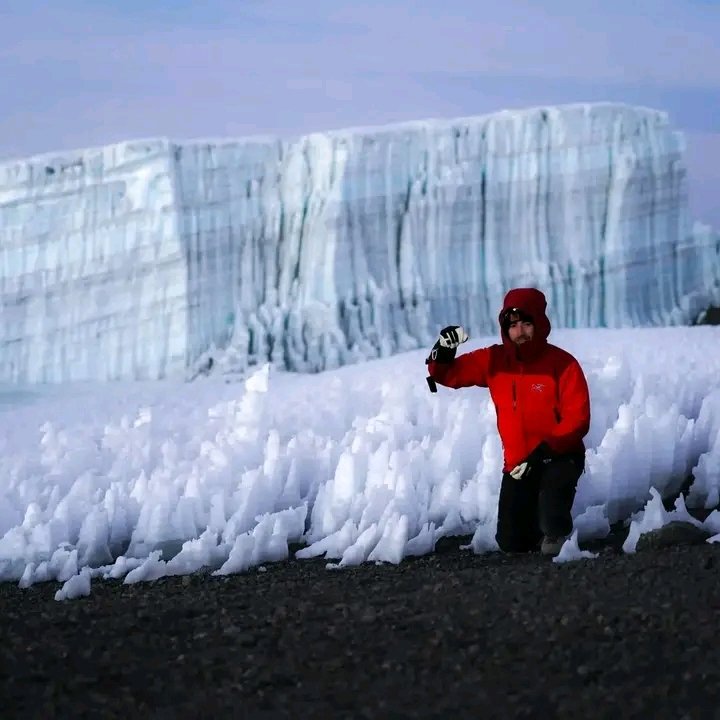
Summit Night: The Toughest Part of the Adventure
Almost every climber agrees that summit night is the most demanding part of the journey.
You’ll usually begin the final ascent around midnight. Hiking in darkness, under a sky filled with stars, you gradually make your way toward Uhuru Peak. Temperatures often drop below freezing, and every step feels slower because of the altitude.
The climb to the summit can take between six and eight hours, followed by a descent back to camp and, later that day, a continued descent to a lower elevation. It is physically demanding, but the reward of watching the sunrise over Africa from the highest point on the continent is unforgettable.
Our experienced mountain crew encourages climbers throughout this stage, helping them maintain a steady pace and providing support whenever needed.
Do You Need to Be Very Fit?
One of the biggest myths about Kilimanjaro is that only elite athletes can reach the summit.
In reality, thousands of ordinary people successfully climb Kilimanjaro every year. Teachers, retirees, students, families, and first-time hikers regularly achieve their goal.
That said, preparing in advance makes a significant difference.
At least two to three months before your climb, focus on activities such as:
- Long-distance walking
- Hiking on hills
- Stair climbing
- Running or cycling
- Strength training for your legs and core
- Building endurance with weekend hikes carrying a light backpack
The goal isn’t speed. It’s building the stamina to walk comfortably for several consecutive days.
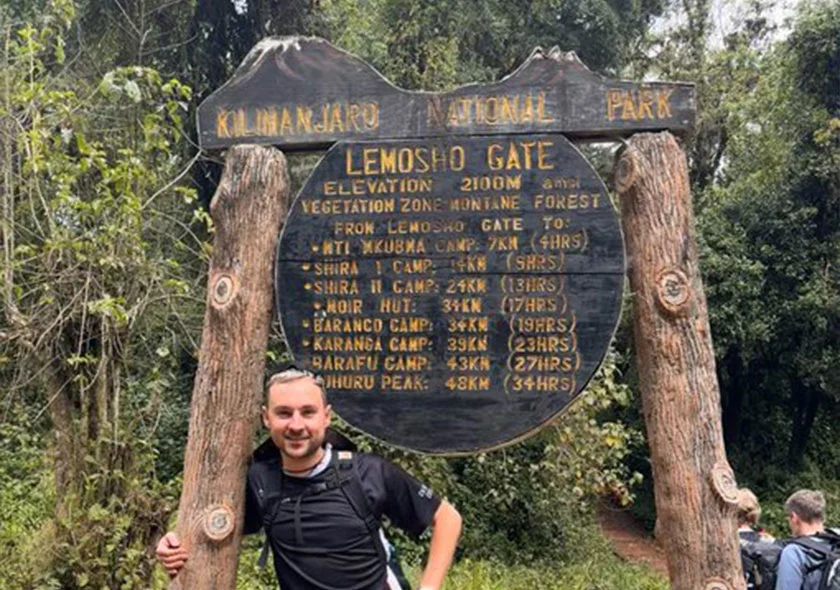
Which Route Is the Best for First-Time Climbers?
Choosing the right route has a major impact on how difficult your climb will feel.
At Eddy Tours and Safaris, we often recommend the Lemosho Route for first-time climbers because it offers excellent acclimatization, breathtaking scenery, and one of the highest summit success rates.
The Machame Route is another popular option, balancing beautiful landscapes with a slightly more challenging trekking experience.
For travelers who have extra time, the Northern Circuit provides the best acclimatization profile and the highest chance of reaching the summit.
Shorter routes, such as the five-day Marangu itinerary, may seem attractive because they cost less and require fewer vacation days. However, they generally have lower summit success rates because climbers have less time to adjust to the altitude.
Why Choose Eddy Tours and Safaris from Mount Kilimanjaro Climb Difficulty Explained: What to Expect in 2026, 2027 & 2028
Choosing the right operator is just as important as choosing the right route. At Eddy Tours and Safaris, we focus on delivering safe, personalized, and memorable Kilimanjaro experiences.
When you climb with us, you benefit from:
- Professional, licensed mountain guides with years of local experience.
- Friendly porters and cooks who work hard to keep you comfortable and motivated.
- High-quality camping equipment and nutritious meals.
- Daily health monitoring and safety-first trekking practices.
- Flexible itineraries designed to improve acclimatization and summit success.
- Honest advice before your trip so you know exactly what to expect.
Our goal is not simply to get you to the summit it is to help you enjoy every step of the journey while respecting the mountain, the environment, and the people who make each expedition possible.
Final Thought
Mount Kilimanjaro Climb Difficulty Explained: What to Expect in 2026, 2027 & 2028 is a demanding but achievable adventure. Its greatest challenge is altitude, not technical climbing, and with proper preparation, a suitable route, and the guidance of an experienced local team, many first-time trekkers successfully stand on the Roof of Africa.
If you’re planning to climb in 2026, 2027, or 2028, start preparing early, train consistently, choose a route that allows enough time to acclimatize, and partner with a trusted local operator.
At Eddy Tours and Safaris, we are passionate about helping travelers experience Kilimanjaro safely, responsibly, and confidently. From your first inquiry to the moment you celebrate at Uhuru Peak, our team is here to support you every step of the way.
We look forward to welcoming you to Tanzania and helping you turn your Kilimanjaro dream into an unforgettable reality.