
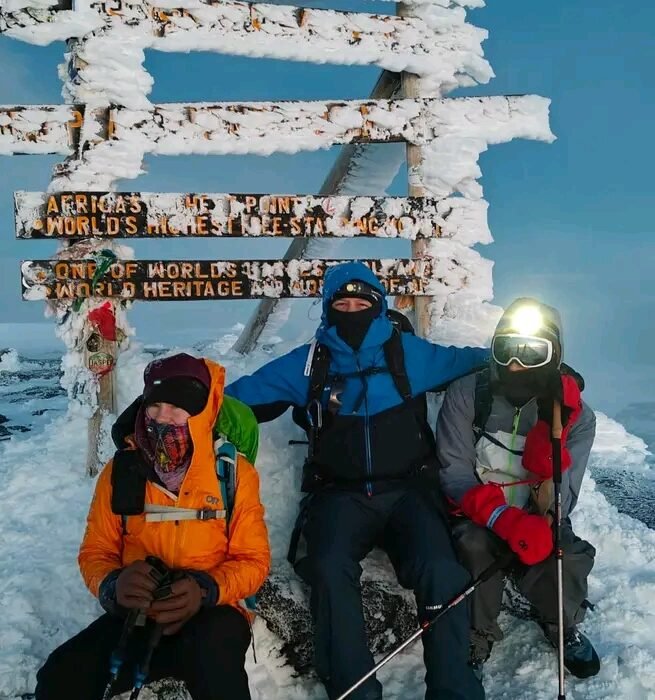
The Truth About Climbing Mount Kilimanjaro: How Hard Is It Really in 2026, 2027 & 2028 The reality is that climbing Mount Kilimanjaro is challenging but it’s not impossible. You don’t need to be a professional mountaineer, an elite athlete, or someone with years of climbing experience. What you do need is good preparation, the right mindset, quality equipment, and an experienced local guiding team.
Every year, thousands of travelers arrive in Tanzania with one ambitious goal: standing on the summit of Mount Kilimanjaro, the highest mountain in Africa. Rising to 5,895 meters (19,341 feet) above sea level, Kilimanjaro is one of the world’s most iconic trekking destinations and a bucket-list adventure for hikers, nature lovers, and outdoor enthusiasts from every corner of the globe.
If you’re planning to climb Kilimanjaro in 2026, 2027, or 2028, you’ve probably heard mixed opinions about how difficult it really is. Some people describe it as a straightforward hike, while others warn that it’s one of the toughest challenges they’ve ever faced.
So, what’s the truth?This guide explains what makes Kilimanjaro difficult, who can climb it, how to prepare, and why choosing a trusted operator like Eddy Tours and Safaris can make all the difference between simply attempting the mountain and successfully reaching Uhuru Peak.
Is Climbing Mount Kilimanjaro Really Hard:The Truth About Climbing Mount Kilimanjaro: How Hard Is It Really in 2026, 2027 & 2028?
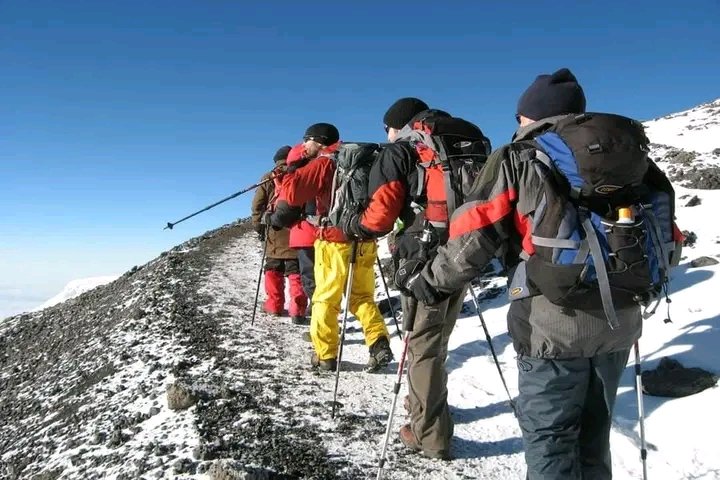
The honest answer is yes but probably not in the way you expect Unlike famous mountains such as Mount Everest, Kilimanjaro is not a technical climb. There is no need for ropes, harnesses, ice axes, or advanced climbing skills on the standard trekking routes. Most of the journey involves walking on well-established trails through changing landscapes that range from lush rainforest to alpine desert and finally to the snow-covered summit.
The biggest challenge isn’t the terrain it’s the altitude.As you climb higher, the amount of oxygen in the air decreases significantly. By the time you reach Uhuru Peak, your body is working with roughly half the oxygen available at sea level. Even experienced hikers can struggle if they ascend too quickly or fail to acclimatize properly.That’s why patience and proper planning matter far more than speed.
The Biggest Challenge: High Altitude
Altitude sickness is the number one reason climbers fail to reach the summit.
As your body adjusts to thinner air, you may experience symptoms such as:
- Headaches
- Fatigue
- Nausea
- Dizziness
- Difficulty sleeping
- Shortness of breath
- Loss of appetite
These symptoms are common and can affect anyone, regardless of age or fitness level.
Professional mountain guides monitor climbers carefully throughout the trek. Reputable operators such as Eddy Tours and Safaris conduct regular health checks, including monitoring oxygen saturation and heart rate, to ensure climbers remain safe during the expedition.
Their experienced mountain crew understands the signs of altitude sickness and knows when to encourage rest, when to slow the pace, and when a descent becomes necessary for safety.
Do You Need Climbing Experience?
No,
This surprises many first-time visitors.
Every year, thousands of beginners successfully climb Mount Kilimanjaro.
Successful climbers include:
- Teachers
- Doctors
- Students
- Families
- Retirees
- Office workers
- Charity groups
- First-time hikers
What matters most is not technical climbing ability but preparation, determination, and choosing an itinerary that allows enough time for acclimatization.
How Fit Should You Be?
Although Kilimanjaro doesn’t require mountaineering skills, it is still a physically demanding multi-day trek.
Most days involve hiking between 5 and 8 hours, while summit night can last 12 to 15 hours including the descent.
A good level of cardiovascular fitness makes the experience much more enjoyable.
Before your trip, spend at least 8–12 weeks preparing by including activities such as:
- Long walks
- Hill hiking
- Stair climbing
- Cycling
- Swimming
- Jogging
- Strength training
- Core workouts
You don’t need to run marathons. Instead, focus on building endurance so your body becomes comfortable walking for several hours on consecutive days.
Why Pole Pole Is the Secret to Success of The Truth About Climbing Mount Kilimanjaro: How Hard Is It Really in 2026, 2027 & 2028?
One phrase you’ll hear constantly on Kilimanjaro is:
Pole Pole.
In Swahili, it means slowly, slowly.
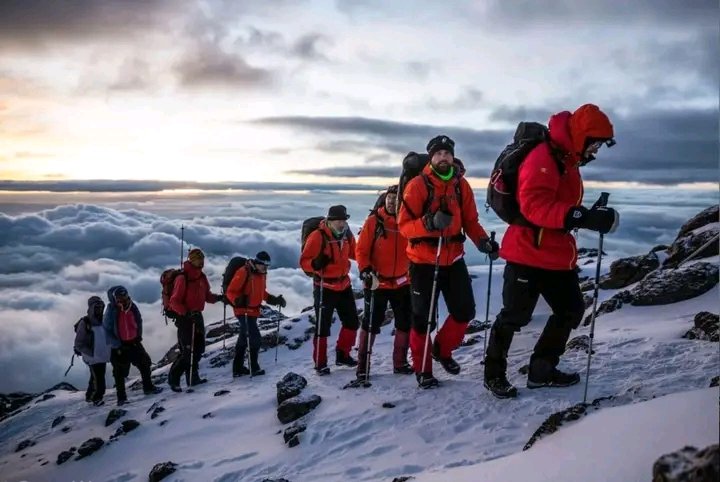
This simple philosophy is one of the main reasons experienced guides achieve high summit success rates.
Walking slowly helps:
- Conserve energy
- Reduce exhaustion
- Improve acclimatization
- Lower the risk of altitude sickness
- Increase summit success
At Eddy Tours and Safaris, guides encourage every climber to maintain a steady pace rather than rushing ahead. Remember, Kilimanjaro is not a race. Those who move slowly often reach the summit more comfortably than those who push too hard early in the trek.
Choosing the Right Route
Your choice of route has a major impact on your overall experience and your chances of reaching Uhuru Peak.
Lemosho Route of The Truth About Climbing Mount Kilimanjaro: How Hard Is It Really in 2026, 2027 & 2028
Widely regarded as one of the best routes for first-time climbers, Lemosho offers excellent acclimatization, stunning scenery, and one of the highest summit success rates.
Machame Route of The Truth About Climbing Mount Kilimanjaro: How Hard Is It Really in 2026, 2027 & 2028
Known as the Whiskey Route, Machame is scenic and rewarding but includes steeper sections and more physically demanding hiking days.
Rongai Route of The Truth About Climbing Mount Kilimanjaro: How Hard Is It Really in 2026, 2027 & 2028
Approaching from the northern side near the Kenyan border, Rongai is quieter and generally drier, making it a good option during wetter seasons.
Marangu Route of The Truth About Climbing Mount Kilimanjaro: How Hard Is It Really in 2026, 2027 & 2028
The only route with hut accommodation rather than camping. Although it appears easier because of the huts, its shorter itinerary gives climbers less time to acclimatize, resulting in lower summit success rates.
When planning your climb with Eddy Tours and Safaris, experienced travel consultants can help you choose the route that best matches your fitness level, schedule, and trekking experience.
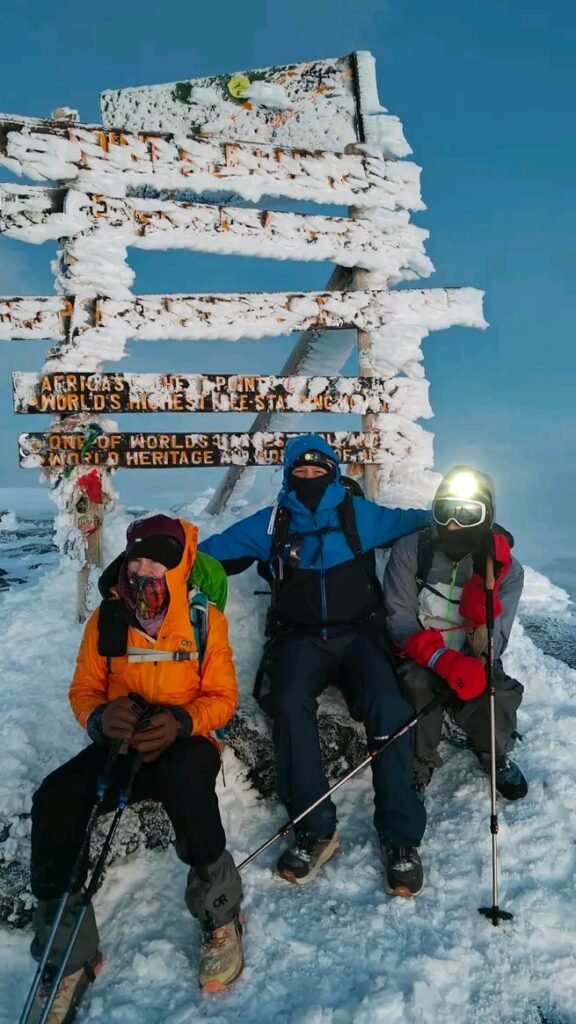
What Is Summit Night Really LikeThe Truth About Climbing Mount Kilimanjaro: How Hard Is It Really in 2026, 2027 & 2028?
Ask anyone who has climbed Kilimanjaro, and they’ll probably say summit night is the toughest part of the journey.
Most groups wake around midnight after only a few hours of sleep.
After a light snack and hot drink, the climb begins in darkness.
You’ll hike slowly under a sky filled with stars while temperatures often drop below -10°C (14°F) or even colder depending on the season.
The trail becomes steeper, breathing becomes more difficult, and every step requires extra effort due to the altitude.
Yet this is also the most rewarding stage.
As dawn breaks over East Africa, the first rays of sunlight illuminate glaciers, volcanic landscapes, and endless clouds below. Standing on Uhuru Peak is an emotional moment that many climbers describe as one of the greatest achievements of their lives.
Weather on Mount Kilimanjaro
One fascinating aspect of Kilimanjaro is that you’ll pass through several climate zones during the trek.
These include:
- Tropical rainforest
- Heath and moorland
- Alpine desert
- Arctic summit zone
Temperatures vary dramatically.
At the base of the mountain, daytime temperatures may exceed 30°C (86°F).
Near the summit, temperatures often fall below -15°C (5°F).
Packing the correct clothing is essential. Layering allows you to stay comfortable as weather conditions change throughout the climb.
Best Time to Climb Kilimanjaro in The Truth About Climbing Mount Kilimanjaro: How Hard Is It Really in 2026, 2027 & 2028?
Every year, thousands of travelers arrive in Tanzania with one ambitious goal: standing on the summit of Mount Kilimanjaro, the highest mountain in Africa. Rising to 5,895 meters (19,341 feet) above sea level, Kilimanjaro is one of the world’s most iconic trekking destinations and a bucket-list adventure for hikers, nature lovers, and outdoor enthusiasts from every corner of the globe.
If you’re planning to climb Kilimanjaro in 2026, 2027, or 2028, you’ve probably heard mixed opinions about how difficult it really is. Some people describe it as a straightforward hike, while others warn that it’s one of the toughest challenges they’ve ever faced.
So, what’s the truth?
The reality is that climbing Mount Kilimanjaro is challenging—but it’s not impossible. You don’t need to be a professional mountaineer, an elite athlete, or someone with years of climbing experience. What you do need is good preparation, the right mindset, quality equipment, and an experienced local guiding team.
This guide explains what makes Kilimanjaro difficult, who can climb it, how to prepare, and why choosing a trusted operator like Eddy Tours and Safaris can make all the difference between simply attempting the mountain and successfully reaching Uhuru Peak.
Is Climbing Mount Kilimanjaro Really Hard?
The honest answer is yes—but probably not in the way you expect.
Unlike famous mountains such as Mount Everest, Kilimanjaro is not a technical climb. There is no need for ropes, harnesses, ice axes, or advanced climbing skills on the standard trekking routes. Most of the journey involves walking on well-established trails through changing landscapes that range from lush rainforest to alpine desert and finally to the snow-covered summit.
The biggest challenge isn’t the terrain—it’s the altitude.
As you climb higher, the amount of oxygen in the air decreases significantly. By the time you reach Uhuru Peak, your body is working with roughly half the oxygen available at sea level. Even experienced hikers can struggle if they ascend too quickly or fail to acclimatize properly.
That’s why patience and proper planning matter far more than speed.
The Biggest Challenge: High Altitude
Altitude sickness is the number one reason climbers fail to reach the summit.
As your body adjusts to thinner air, you may experience symptoms such as:
- Headaches
- Fatigue
- Nausea
- Dizziness
- Difficulty sleeping
- Shortness of breath
- Loss of appetite
These symptoms are common and can affect anyone, regardless of age or fitness level.
Professional mountain guides monitor climbers carefully throughout the trek. Reputable operators such as Eddy Tours and Safaris conduct regular health checks, including monitoring oxygen saturation and heart rate, to ensure climbers remain safe during the expedition.
Their experienced mountain crew understands the signs of altitude sickness and knows when to encourage rest, when to slow the pace, and when a descent becomes necessary for safety.
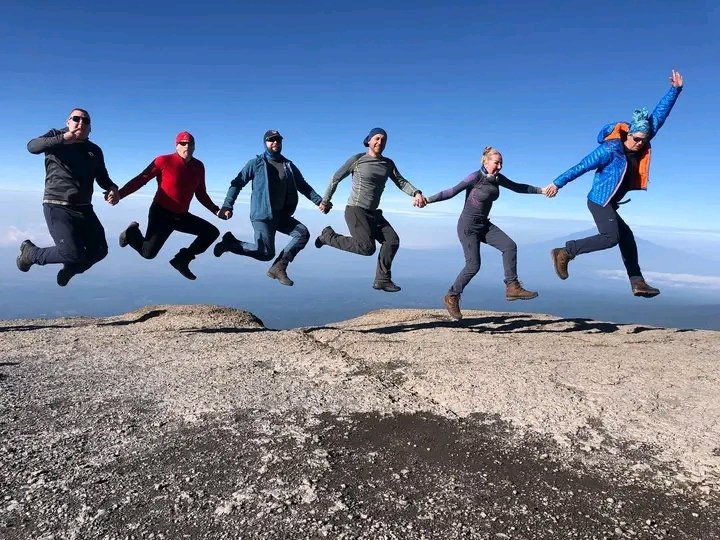
Do You Need Climbing Experience of The Truth About Climbing Mount Kilimanjaro: How Hard Is It Really in 2026, 2027 & 2028?
No.
This surprises many first-time visitors.
Every year, thousands of beginners successfully climb Mount Kilimanjaro.
Successful climbers include:
- Teachers
- Doctors
- Students
- Families
- Retirees
- Office workers
- Charity groups
- First-time hikers
What matters most is not technical climbing ability but preparation, determination, and choosing an itinerary that allows enough time for acclimatization.
How Fit Should You Be?
Although Kilimanjaro doesn’t require mountaineering skills, it is still a physically demanding multi-day trek.
Most days involve hiking between 5 and 8 hours, while summit night can last 12 to 15 hours including the descent.
A good level of cardiovascular fitness makes the experience much more enjoyable.
Before your trip, spend at least 8–12 weeks preparing by including activities such as:
- Long walks
- Hill hiking
- Stair climbing
- Cycling
- Swimming
- Jogging
- Strength training
- Core workouts
You don’t need to run marathons. Instead, focus on building endurance so your body becomes comfortable walking for several hours on consecutive days.
Why “Pole Pole” Is the Secret to Success
One phrase you’ll hear constantly on Kilimanjaro is:
“Pole Pole.”
In Swahili, it means “slowly, slowly.”
This simple philosophy is one of the main reasons experienced guides achieve high summit success rates.
Walking slowly helps:
- Conserve energy
- Reduce exhaustion
- Improve acclimatization
- Lower the risk of altitude sickness
- Increase summit success
At Eddy Tours and Safaris, guides encourage every climber to maintain a steady pace rather than rushing ahead. Remember, Kilimanjaro is not a race. Those who move slowly often reach the summit more comfortably than those who push too hard early in the trek.
Choosing the Right Route
Your choice of route has a major impact on your overall experience and your chances of reaching Uhuru Peak.
Lemosho Route
Widely regarded as one of the best routes for first-time climbers, Lemosho offers excellent acclimatization, stunning scenery, and one of the highest summit success rates.
Machame Route
Known as the “Whiskey Route,” Machame is scenic and rewarding but includes steeper sections and more physically demanding hiking days.
Rongai Route
Approaching from the northern side near the Kenyan border, Rongai is quieter and generally drier, making it a good option during wetter seasons.
Marangu Route
The only route with hut accommodation rather than camping. Although it appears easier because of the huts, its shorter itinerary gives climbers less time to acclimatize, resulting in lower summit success rates.
When planning your climb with Eddy Tours and Safaris, experienced travel consultants can help you choose the route that best matches your fitness level, schedule, and trekking experience.
What Is Summit Night Really Like?
Ask anyone who has climbed Kilimanjaro, and they’ll probably say summit night is the toughest part of the journey.
Most groups wake around midnight after only a few hours of sleep.
After a light snack and hot drink, the climb begins in darkness.
You’ll hike slowly under a sky filled with stars while temperatures often drop below -10°C (14°F) or even colder depending on the season.
The trail becomes steeper, breathing becomes more difficult, and every step requires extra effort due to the altitude.
Yet this is also the most rewarding stage.
As dawn breaks over East Africa, the first rays of sunlight illuminate glaciers, volcanic landscapes, and endless clouds below. Standing on Uhuru Peak is an emotional moment that many climbers describe as one of the greatest achievements of their lives.
Weather on Mount Kilimanjaro
One fascinating aspect of Kilimanjaro is that you’ll pass through several climate zones during the trek.
These include:
- Tropical rainforest
- Heath and moorland
- Alpine desert
- Arctic summit zone
Temperatures vary dramatically.
At the base of the mountain, daytime temperatures may exceed 30°C (86°F).
Near the summit, temperatures often fall below -15°C (5°F).
Packing the correct clothing is essential. Layering allows you to stay comfortable as weather conditions change throughout the climb.
Best Time to Climb Kilimanjaro in 2026, 2027 & 2028
Although Kilimanjaro can be climbed throughout the year, some months provide better conditions than others.
January to March
Advantages include:
- Cooler temperatures
- Fewer crowds
- Clear mornings
- Beautiful summit snow
June to October
This is the most popular climbing season because of:
- Dry weather
- Excellent visibility
- Stable trail conditions
- Comfortable trekking temperatures
If you’re planning your climb for 2026, 2027, or 2028, booking several months in advance is recommended, especially during peak seasons.
What Should You Pack of The Truth About Climbing Mount Kilimanjaro: How Hard Is It Really in 2026, 2027 & 2028?
Packing correctly makes a significant difference to your comfort and safety.
Essential items include:
- Waterproof hiking boots
- Thermal base layers
- Insulated jacket
- Waterproof shell jacket
- Warm gloves
- Fleece layers
- Hiking trousers
- Headlamp
- Trekking poles
- Sunglasses
- Warm hat
- Sleeping bag suitable for freezing temperatures
- Water bottles or hydration system
- Sunscreen
- Lip balm
- Personal medications
- Energy snacks
Many reputable operators, including Eddy Tours and Safaris, also provide detailed packing lists before departure and can arrange rental equipment for climbers who prefer not to travel with bulky gear.
Why Your Guide Matters
One of the biggest factors influencing your Kilimanjaro experience is the quality of your guiding team.
Experienced guides do much more than lead the way.
They:
- Monitor your health
- Set a safe pace
- Provide encouragement
- Explain local culture
- Prepare you for summit night
- Coordinate logistics
- Respond to emergencies
Choosing a licensed, experienced local operator ensures you’re supported by people who know the mountain intimately.
Eddy Tours and Safaris has built a reputation for delivering professionally guided Kilimanjaro expeditions with experienced mountain guides, skilled cooks, and dedicated porters who work together to provide a safe, enjoyable, and memorable climbing experience.
Sustainable and Responsible Climbing
Modern travelers increasingly want their adventures to benefit local communities.
Responsible operators invest in:
- Fair wages for porters
- Safe working conditions
- Environmental conservation
- Waste management
- Local employment
- Community development
Eddy Tours and Safaris is committed to responsible tourism, ensuring that visitors not only enjoy unforgettable adventures but also contribute positively to Tanzania’s economy and local communities.
Common Reasons Climbers Don’t Reach the Summit
The majority of unsuccessful summit attempts are not caused by poor fitness.
Instead, common reasons include:
- Ascending too quickly
- Choosing routes with insufficient acclimatization
- Dehydration
- Poor preparation
- Ignoring guide advice
- Altitude sickness
Fortunately, many of these challenges can be reduced through proper planning and by selecting a longer itinerary.
How to Improve Your Chances of Success
If your goal is reaching Uhuru Peak, follow these proven tips:
- Choose a 7- or 8-day itinerary.
- Train consistently before your trip.
- Stay hydrated.
- Eat regular meals, even when your appetite decreases.
- Walk slowly.
- Listen to your guides.
- Sleep well before traveling.
- Pack appropriate clothing.
- Maintain a positive attitude.
Success on Kilimanjaro comes from patience rather than speed.
Is Kilimanjaro Worth It?
Without question.
Very few adventures compare to watching the sunrise from the highest point in Africa after days of determination, teamwork, and perseverance.
Beyond the summit itself, you’ll experience incredible scenery, unique ecosystems, unforgettable wildlife around the lower slopes, welcoming Tanzanian hospitality, and the satisfaction of achieving something truly extraordinary.
Many climbers say the journey changes the way they view challenges in everyday life.
Why Choose Eddy Tours and Safaris for Your Kilimanjaro Adventure?
When planning such an important journey, choosing the right operator is just as important as choosing the right route.
Eddy Tours and Safaris specializes in professionally guided Mount Kilimanjaro climbs designed for beginners, experienced hikers, solo travelers, couples, families, and groups. Their experienced local guides understand every stage of the mountain, prioritize safety, and provide personalized support from the moment you arrive in Tanzania until you celebrate your successful summit.
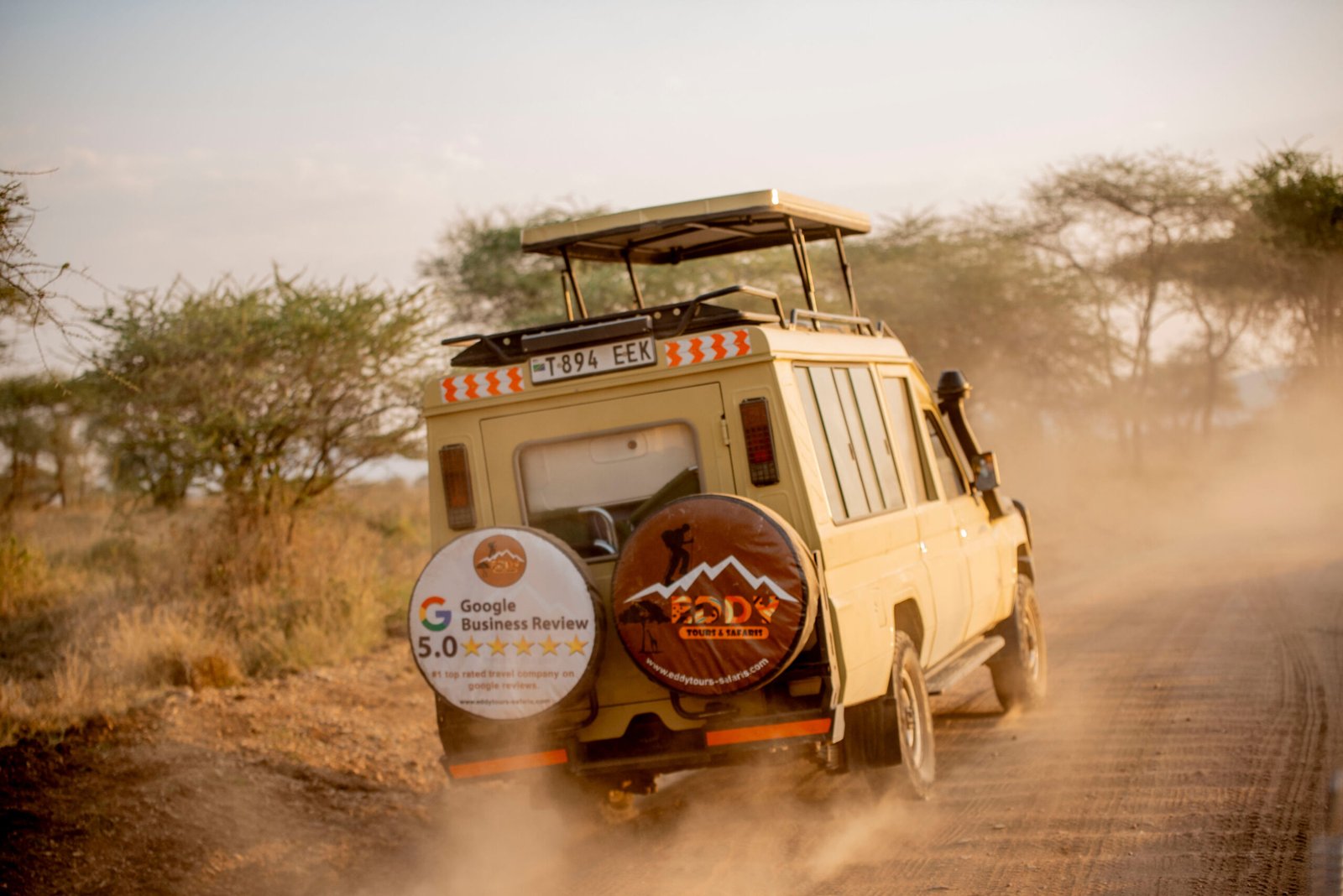
In addition to Kilimanjaro expeditions, Eddy Tours and Safaris also offers unforgettable wildlife safaris to Serengeti National Park, the Ngorongoro Conservation Area, Tarangire National Park, Lake Manyara National Park, and Zanzibar beach holidays, allowing visitors to experience the very best of Tanzania in one unforgettable trip.
Whether you’re climbing in 2026, 2027, or 2028, partnering with a trusted local company gives you peace of mind, expert guidance, and a well-organized adventure that lets you focus on enjoying every step of the journey.
Final Thoughts of The Truth About Climbing Mount Kilimanjaro: How Hard Is It Really in 2026, 2027 & 2028
So, how hard is climbing Mount Kilimanjaro really?
The answer is simple: it is challenging but achievable.
The mountain tests your endurance, patience, and ability to adapt to high altitude rather than your technical climbing skills. With the right preparation, a sensible training plan, quality equipment, and an experienced guiding team, thousands of ordinary people successfully reach Africa’s highest summit every year.
If climbing Kilimanjaro has always been your dream, don’t let fear hold you back. Start preparing early, choose a route that allows proper acclimatization, and travel with a trusted local operator like Eddy Tours and Safaris.
Standing at Uhuru Peak, watching the first light of day spread across the African continent, is more than just reaching a destination—it’s a powerful reminder that the greatest achievements often come one steady step at a time.
Your Kilimanjaro adventure in 2026, 2027, or 2028 could become one of the most rewarding experiences of your life.
Although Kilimanjaro can be climbed throughout the year, some months provide better conditions than others.
January to March
Advantages include:
- Cooler temperatures
- Fewer crowds
- Clear mornings
- Beautiful summit snow
June to October
This is the most popular climbing season because of:
- Dry weather
- Excellent visibility
- Stable trail conditions
- Comfortable trekking temperatures
If you’re planning your climb for 2026, 2027, or 2028, booking several months in advance is recommended, especially during peak seasons.
What Should You Pack?
Packing correctly makes a significant difference to your comfort and safety.
Essential items include:
- Waterproof hiking boots
- Thermal base layers
- Insulated jacket
- Waterproof shell jacket
- Warm gloves
- Fleece layers
- Hiking trousers
- Headlamp
- Trekking poles
- Sunglasses
- Warm hat
- Sleeping bag suitable for freezing temperatures
- Water bottles or hydration system
- Sunscreen
- Lip balm
- Personal medications
- Energy snacks
Many reputable operators, including Eddy Tours and Safaris, also provide detailed packing lists before departure and can arrange rental equipment for climbers who prefer not to travel with bulky gear.
Why Your Guide Matters
One of the biggest factors influencing your Kilimanjaro experience is the quality of your guiding team.
Experienced guides do much more than lead the way.
They:
- Monitor your health
- Set a safe pace
- Provide encouragement
- Explain local culture
- Prepare you for summit night
- Coordinate logistics
- Respond to emergencies
Choosing a licensed, experienced local operator ensures you’re supported by people who know the mountain intimately.
Eddy Tours and Safaris has built a reputation for delivering professionally guided Kilimanjaro expeditions with experienced mountain guides, skilled cooks, and dedicated porters who work together to provide a safe, enjoyable, and memorable climbing experience.
Sustainable and Responsible Climbing
Modern travelers increasingly want their adventures to benefit local communities.
Responsible operators invest in:
- Fair wages for porters
- Safe working conditions
- Environmental conservation
- Waste management
- Local employment
- Community development
Eddy Tours and Safaris is committed to responsible tourism, ensuring that visitors not only enjoy unforgettable adventures but also contribute positively to Tanzania’s economy and local communities.
Common Reasons Climbers Don’t Reach the Summit
The majority of unsuccessful summit attempts are not caused by poor fitness.
Instead, common reasons include:
- Ascending too quickly
- Choosing routes with insufficient acclimatization
- Dehydration
- Poor preparation
- Ignoring guide advice
- Altitude sickness
Fortunately, many of these challenges can be reduced through proper planning and by selecting a longer itinerary.
How to Improve Your Chances of Success
If your goal is reaching Uhuru Peak, follow these proven tips:
- Choose a 7- or 8-day itinerary.
- Train consistently before your trip.
- Stay hydrated.
- Eat regular meals, even when your appetite decreases.
- Walk slowly.
- Listen to your guides.
- Sleep well before traveling.
- Pack appropriate clothing.
- Maintain a positive attitude.
Success on Kilimanjaro comes from patience rather than speed.
Is Kilimanjaro Worth It
Very few adventures compare to watching the sunrise from the highest point in Africa after days of determination, teamwork, and perseverance,Beyond the summit itself, you’ll experience incredible scenery, unique ecosystems, unforgettable wildlife around the lower slopes, welcoming Tanzanian hospitality, and the satisfaction of achieving something truly extraordinary.
Many climbers say the journey changes the way they view challenges in everyday life.
Why Choose Eddy Tours and Safaris for Your Kilimanjaro Adventure?
When planning such an important journey, choosing the right operator is just as important as choosing the right route.
Eddy Tours and Safaris specializes in professionally guided Mount Kilimanjaro climbs designed for beginners, experienced hikers, solo travelers, couples, families, and groups. Their experienced local guides understand every stage of the mountain, prioritize safety, and provide personalized support from the moment you arrive in Tanzania until you celebrate your successful summit.
In addition to Kilimanjaro expeditions, Eddy Tours and Safaris also offers unforgettable wildlife safaris to Serengeti National Park, the Ngorongoro Conservation Area, Tarangire National Park, Lake Manyara National Park, and Zanzibar beach holidays, allowing visitors to experience the very best of Tanzania in one unforgettable trip.
Whether you’re climbing in 2026, 2027, or 2028, partnering with a trusted local company gives you peace of mind, expert guidance, and a well-organized adventure that lets you focus on enjoying every step of the journey.
Final Thoughts
So, how hard is climbing Mount Kilimanjaro really?
The answer is simple: it is challenging but achievable.
The mountain tests your endurance, patience, and ability to adapt to high altitude rather than your technical climbing skills. With the right preparation, a sensible training plan, quality equipment, and an experienced guiding team, thousands of ordinary people successfully reach Africa’s highest summit every year.
If climbing Kilimanjaro has always been your dream, don’t let fear hold you back. Start preparing early, choose a route that allows proper acclimatization, and travel with a trusted local operator like Eddy Tours and Safaris.
Standing at Uhuru Peak, watching the first light of day spread across the African continent, is more than just reaching a destination—it’s a powerful reminder that the greatest achievements often come one steady step at a time.
Your Kilimanjaro adventure in 2026, 2027, or 2028 could become one of the most rewarding experiences of your life.