
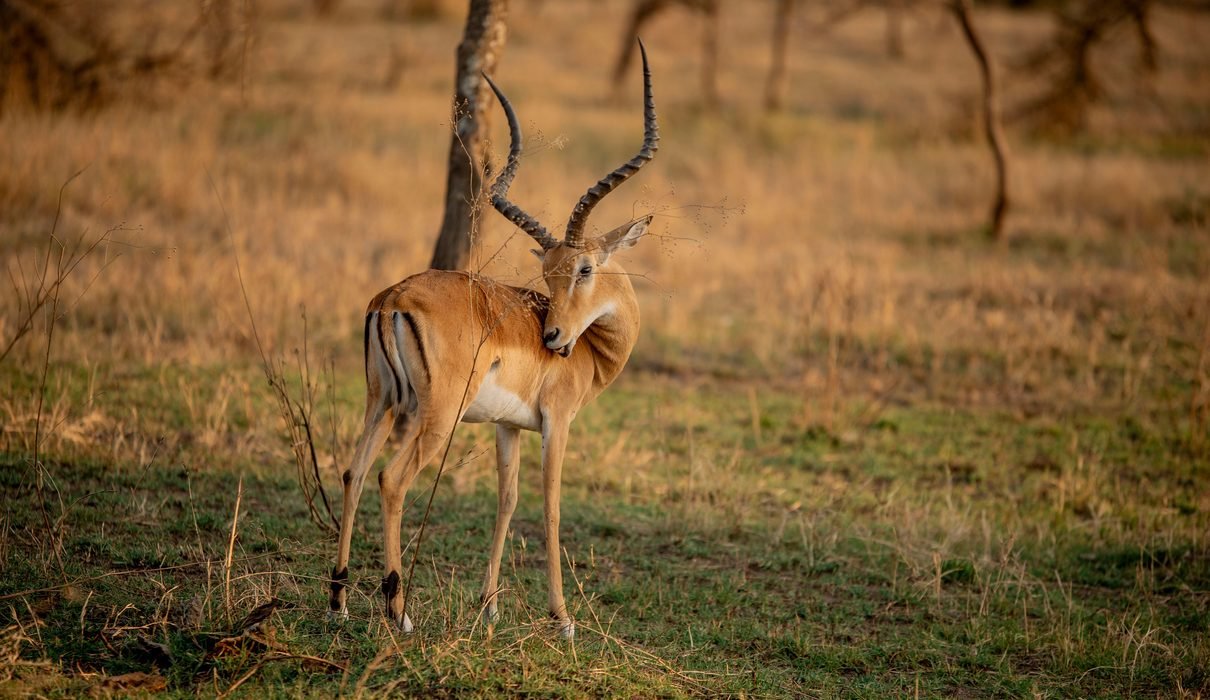
Africa is one of the most rewarding places in the world for wildlife photography, offering opportunities to photograph lions resting in the grasslands, elephants moving across open plains, leopards resting in trees, and thousands of wildebeest travelling through the savannah. An African photography safari is more than a normal wildlife holiday because it allows travellers to spend additional time observing animals, understanding their behaviour, and capturing photographs that reflect the natural environment. Whether you are using a professional camera, a beginner’s DSLR, a mirrorless camera, or a smartphone, a carefully planned safari can provide excellent opportunities to improve your photography while exploring some of Africa’s most important wildlife destinations.
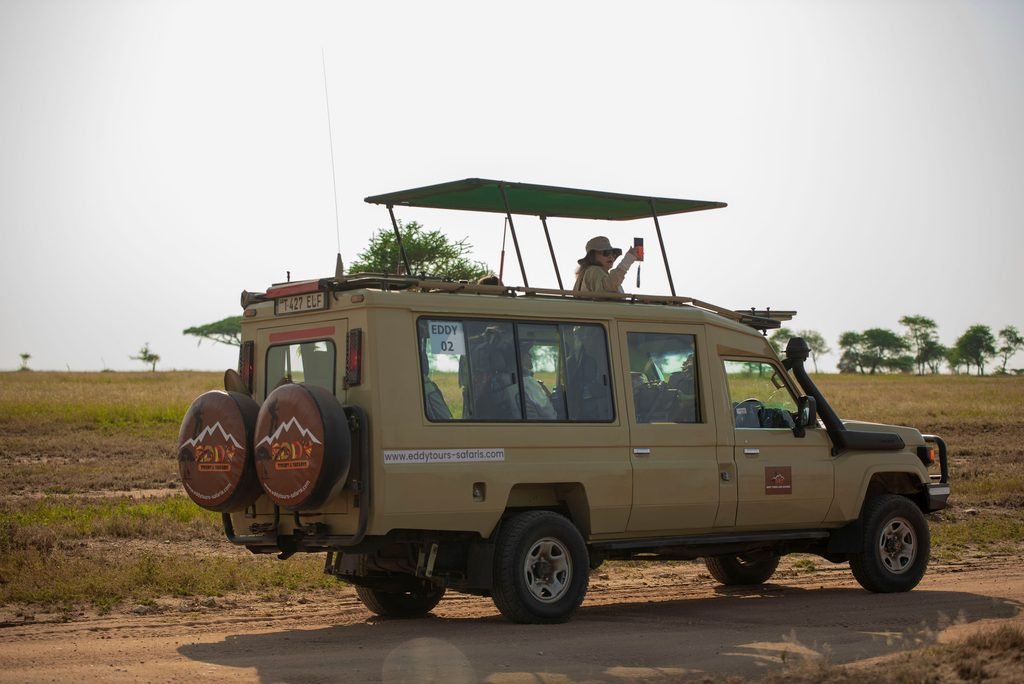
Planning an Africa photography safari in 2027 or 2028 requires more than selecting a country and booking accommodation. The season, wildlife movements, national parks, safari vehicle, camera equipment, and experience of your guide can all influence the photographs you take. Photographers often need to spend longer at a particular sighting, return to the same location under different lighting conditions, and remain patient when animals are resting or hidden. For this reason, photography-focused safaris are generally more flexible than standard sightseeing tours, particularly when organised as private trips.
At Eddy Tours & Safaris, a locally based safari company in Arusha, Tanzania, we help travellers plan wildlife holidays that suit their interests, available time, and budget. Tanzania is particularly suitable for photography because its northern safari circuit includes Serengeti National Park, Ngorongoro Crater, Tarangire National Park, and Lake Manyara National Park. Each destination offers different landscapes and wildlife photography opportunities, making it possible to photograph several animal species and natural environments during one journey.
This guide explains everything you need to know about African photographic safaris in 2027 and 2028, including the best destinations, ideal travel months, recommended camera equipment, photography techniques, accommodation choices, estimated costs, and how to organise a successful wildlife photography holiday.
What Is an African Photography Safari?
An African photography safari is a wildlife-focused journey designed to give travellers suitable opportunities to observe and photograph wild animals in their natural habitats. Although photography can be enjoyed during almost any safari, a dedicated photographic tour places greater importance on lighting conditions, animal behaviour, vehicle positioning, and the amount of time spent at individual sightings. Rather than moving quickly between several attractions, photographers may spend an entire morning observing a pride of lions, waiting for a leopard to become active, or watching elephants interact near a water source.
The main difference between a standard safari and a photography safari is the way the daily activities are organised. On a regular safari, visitors may want to see as many animals as possible before returning to their accommodation. During a photographic safari, the quality of the viewing opportunity is often more important than the number of different animals encountered. A photographer might spend thirty minutes watching a giraffe feeding beneath an acacia tree because the lighting and background provide a better composition than a hurried photograph taken from a moving vehicle.
Photography safaris can be organised for beginners, experienced photographers, couples, families, or small groups. Some tours include professional photography instructors who provide technical guidance, while others rely on experienced wildlife guides who understand animal behaviour and help position the safari vehicle appropriately. Travellers should confirm whether photography tuition is included because a knowledgeable safari guide and a professional photography instructor provide different services.
Why Africa Is One of the Best Continents for Wildlife Photography
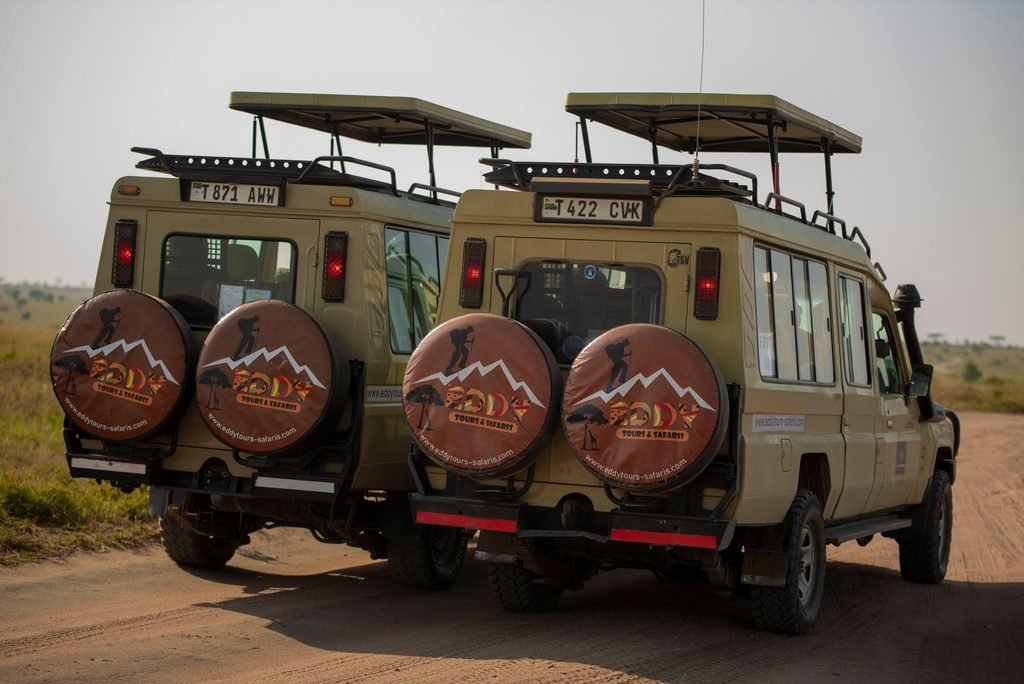
Africa supports an extraordinary variety of large mammals, birds, reptiles, and natural landscapes. Its protected areas range from open savannah and river valleys to forests, wetlands, mountains, and semi-arid environments. This variety allows photographers to capture very different subjects within the same journey, including large predators, grazing herbivores, colourful birds, dramatic skies, and wide landscape photographs.
One of the greatest advantages of photographing wildlife in Africa is the opportunity to observe animals in open habitats. In places such as the Serengeti and Maasai Mara, grassland landscapes can make it easier to locate large mammals and photograph them with relatively uncluttered backgrounds. Other destinations, including Botswana’s Okavango Delta and Tanzania’s Tarangire National Park, provide opportunities to photograph wildlife near water, beneath large trees, or within more complex natural environments.
Africa also offers opportunities to photograph wildlife behaviour rather than simply taking portraits of individual animals. Lions interacting with their cubs, elephants protecting young calves, giraffes drinking from waterholes, and wildebeest crossing rivers can produce photographs that tell a story about animal life. These moments are unpredictable, however, and successful photography often depends on patience, careful observation, and the ability to react quickly when an interesting behaviour occurs.
Best African Countries for Wildlife Photography Safaris in 2027/2028
1. Tanzania – Best for Serengeti Wildlife, the Great Migration and Diverse Landscapes
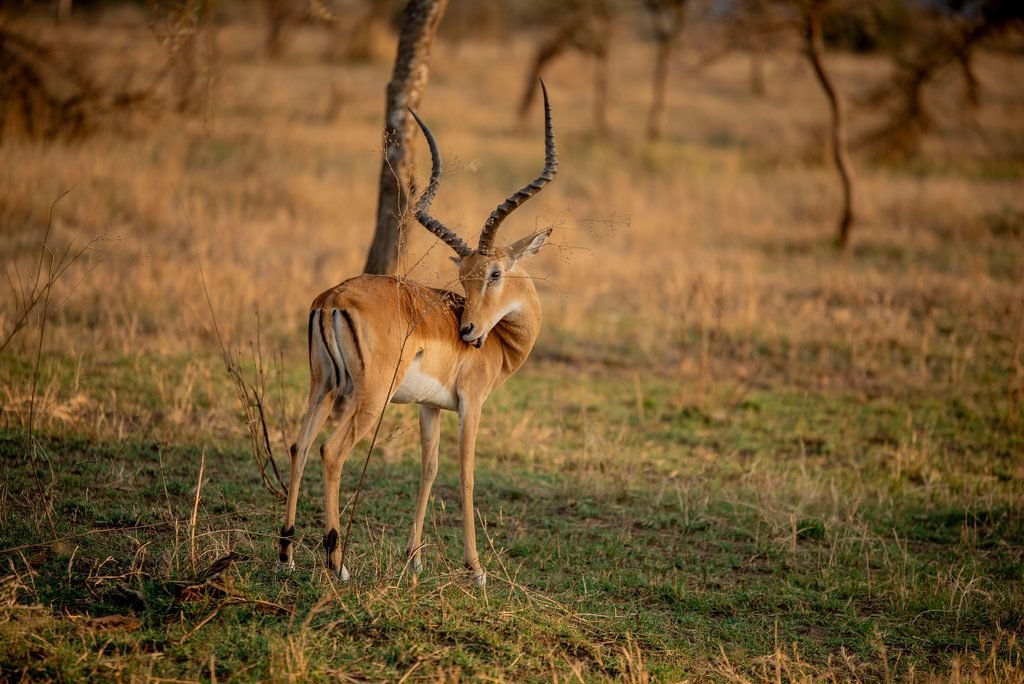
Tanzania is among Africa’s strongest wildlife photography destinations because it combines extensive protected landscapes, large populations of mammals, and several different habitats within its northern and southern safari circuits. Serengeti National Park is particularly popular with photographers interested in lions, cheetahs, leopards, wildebeest, zebras, and wide savannah landscapes. The park’s open plains provide opportunities for environmental portraits, action photography, and images showing animals within their natural surroundings.
Ngorongoro Crater offers a different photography experience because its relatively compact wildlife habitats include grasslands, woodland, wetlands, and freshwater pools. Photographers may encounter buffaloes, elephants, lions, hippos, flamingos, and occasionally black rhinoceroses. Tarangire National Park is particularly rewarding for elephant photography, especially during the dry season when animals gather around remaining water sources. Its baobab trees also provide interesting backgrounds for landscape and wildlife compositions.
Photographers looking for a varied Tanzania itinerary can explore the most photogenic safari locations in Tanzania or review the best Tanzania safari itineraries for 2027 and 2028 to understand how different destinations can be combined.
2. Kenya – Best for Maasai Mara Wildlife and Open Savannah Photography
Kenya is another leading destination for wildlife photographers, particularly those interested in big cats, the Great Migration, and expansive grassland scenery. The Maasai Mara National Reserve is well known for lions, cheetahs, leopards, elephants, and large grazing herds. During parts of the migration season, photographers may also have opportunities to observe wildebeest moving through the Mara ecosystem and attempting river crossings.
Amboseli National Park offers a different photographic setting, with elephants often seen against the distant backdrop of Mount Kilimanjaro when weather conditions allow. The combination of large elephant herds, open plains, wetlands, and mountain scenery makes Amboseli particularly attractive to photographers interested in environmental wildlife portraits.
Kenya can also be combined with Tanzania in a longer East African photography safari, although international border crossings, park distances, vehicle arrangements, and accommodation locations need to be considered carefully when preparing the itinerary.
3. Botswana – Best for Wetland Wildlife and Water-Based Photography
Botswana is particularly appealing to photographers who want to explore quieter wilderness environments and photograph wildlife around rivers, lagoons, and seasonal floodplains. The Okavango Delta supports elephants, buffaloes, hippos, crocodiles, antelope, and predators, while its waterways create opportunities for reflections and photographs taken from different viewing angles.
Chobe National Park is especially well known for elephants, and boat-based activities along the Chobe River can provide opportunities to photograph animals drinking, swimming, and interacting near the water. Photographers should understand that water-based activities require additional precautions for camera equipment, particularly when using long lenses or changing equipment in small boats.
Botswana photography safaris can be relatively expensive, especially when using remote camps that require light-aircraft transfers. However, the country’s varied wetland habitats make it an attractive option for photographers looking for experiences beyond traditional savannah game drives.
4. South Africa – Best for Accessible Wildlife Photography and Private Reserves
South Africa offers a broad range of photographic safari experiences, from self-drive visits in Kruger National Park to guided safaris in private reserves. The Greater Kruger region is particularly popular because of its large mammal populations, established tourism infrastructure, and variety of accommodation categories.
Private reserves may offer specialised photographic vehicles, experienced guides, and opportunities to spend longer at sightings, depending on the reserve’s operating rules. Some properties also provide photographic hides or dedicated photography workshops. These facilities should be confirmed before booking because they are not available at every lodge or reserve.
South Africa is suitable for travellers who want to combine wildlife photography with other activities, including coastal scenery, landscape photography, and visits to major cities.
5. Namibia – Best for Desert Landscapes and Wildlife Photography
Namibia is particularly attractive to photographers interested in landscapes, natural textures, desert wildlife, and dramatic lighting conditions. Etosha National Park provides opportunities to photograph elephants, giraffes, zebras, lions, and other animals near waterholes, especially during the dry season.
The country’s desert environments also offer distinctive landscape photography opportunities, including dunes, rocky mountains, and wide open spaces. Photographers visiting Namibia should consider the distances between destinations and the practical requirements of protecting equipment from dust and heat.
Namibia can be a rewarding choice for photographers who enjoy combining wildlife images with landscape compositions rather than concentrating entirely on large predators.
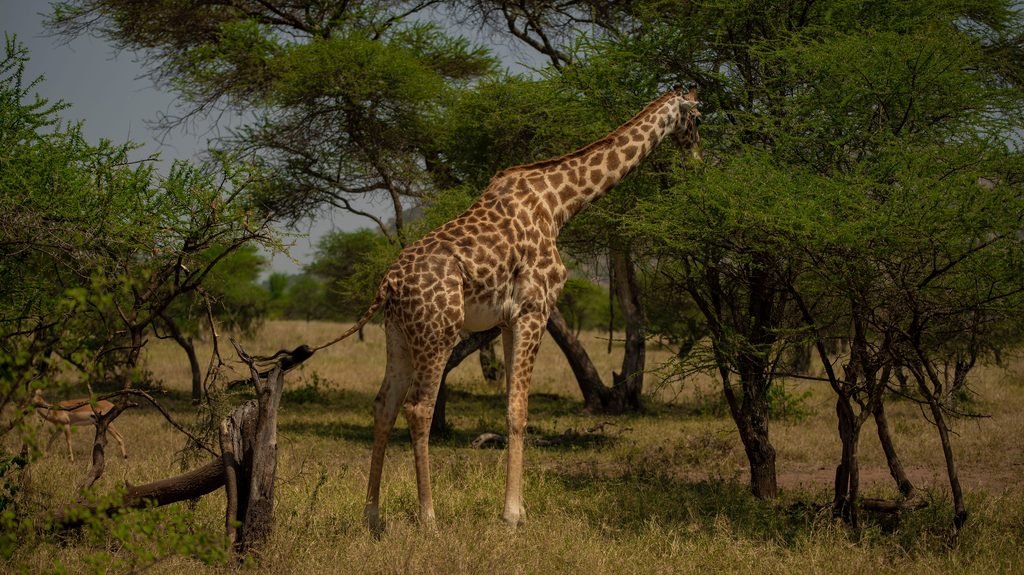
Best Wildlife Photography Destinations in Tanzania
Serengeti National Park – Big Cats, Migration and Open Plains
Serengeti National Park is one of Tanzania’s most important destinations for wildlife photography. Its grasslands, river valleys, woodland areas, and rocky outcrops provide habitats for a wide range of animals. Photographers frequently visit the central Serengeti because resident wildlife can be found throughout the year, including lions, leopards, cheetahs, elephants, giraffes, buffaloes, and several antelope species.
The park is also associated with the Great Wildebeest Migration, a seasonal movement involving large numbers of wildebeest and other grazing animals. Photographers interested in migration images should select their travel dates carefully because the main herds move through different parts of the Serengeti ecosystem according to rainfall and grazing conditions.
The central Serengeti is suitable for photographers who want opportunities to photograph resident predators, while the southern plains and Ndutu region are particularly interesting during the calving season. Northern Serengeti becomes important during periods when migrating herds approach the Mara River, although river crossings remain unpredictable.
Travellers can explore the 6-day Tanzania safari package as a starting point for planning a wildlife photography itinerary that includes the Serengeti.
Ngorongoro Crater – Wildlife Photography in a Volcanic Landscape
Ngorongoro Crater provides a distinctive setting for wildlife photography because animals can be observed against the surrounding crater walls, grasslands, wetlands, and wooded areas. The crater floor supports several large mammal species, including lions, buffaloes, elephants, wildebeest, zebras, and hippos. Black rhinoceroses are also present, although sightings are not guaranteed.
The crater is especially useful for photographers who want to capture different species within a relatively small area. However, it is a popular destination, and vehicles must follow the designated routes and operating regulations. Photographers should therefore plan their visit around permitted access times and remain flexible when animals are positioned away from the road.
Morning light can provide attractive conditions for photography, although fog, cloud cover, and changing weather around the crater rim may affect visibility. A professional guide can help identify suitable viewing locations while respecting park regulations and wildlife safety.
Tarangire National Park – Elephant Herds and Baobab Landscapes
Tarangire National Park is particularly rewarding for elephant photography because of its large elephant populations and distinctive landscape. During the dry season, animals often gather near the Tarangire River and other remaining water sources, creating opportunities to photograph groups drinking, feeding, and interacting.
The park’s baobab trees provide natural elements for wider compositions, allowing photographers to show elephants and other wildlife within their surrounding environment. Giraffes, buffaloes, zebras, antelope, and various bird species also provide additional photographic subjects.
Photographers interested in elephant behaviour may benefit from spending more than one day in Tarangire rather than visiting the park only during a short transfer between destinations.
Lake Manyara National Park – Forest Wildlife and Bird Photography
Lake Manyara National Park offers a mixture of groundwater forest, woodland, open areas, and lake-edge habitats. This variety makes it suitable for photographers interested in different types of wildlife and scenery. Baboons, elephants, giraffes, buffaloes, and numerous bird species can be encountered in different parts of the park.
The park is also associated with tree-climbing lions, although sightings are unpredictable. Bird photographers may find Lake Manyara particularly interesting because the species present vary according to water levels, rainfall, and seasonal movements.
The forest environment can be more challenging for photography because animals may be partly hidden by vegetation and lighting conditions can change quickly. A camera capable of performing well at higher ISO settings can be useful when photographing subjects in shaded areas.
Best Time for an Africa Photography Safari in 2027 and 2028
Choosing the right travel season is one of the most important decisions when planning an African photography safari. Different seasons influence vegetation, wildlife movements, lighting conditions, and the appearance of the landscape. There is no single month that is best for every photographer because the ideal timing depends on the animals and photographs you hope to capture.
January to March – Green Landscapes and Calving Season
January to March can be particularly rewarding for photographers visiting the southern Serengeti ecosystem and Ndutu region. During suitable seasonal conditions, large numbers of wildebeest gather on the southern plains, and the calving period creates opportunities to photograph young animals and predator activity.
The landscape is often greener during this period, providing colourful backgrounds and opportunities for wide environmental photographs. Rain showers may occur, and photographers should protect their equipment from moisture and dust.
April to May – Green Season and Quieter Safari Areas
April and May are generally associated with heavier rainfall in parts of East Africa. These months can provide dramatic cloud formations, green vegetation, and quieter tourism conditions, although muddy roads and poor weather may affect travel plans.
Photographers who enjoy landscape images, reflections, and changing weather conditions may find the green season interesting. However, certain remote areas may become more difficult to reach, and photography itineraries should be planned with realistic driving times and suitable accommodation.
June to October – Dry-Season Wildlife Photography
June to October is a popular period for wildlife photography in much of northern Tanzania. Vegetation becomes less dense in many areas, and animals often concentrate near remaining water sources. Tarangire can be particularly productive for elephant photography during this period.
The Serengeti also offers opportunities to photograph large grazing herds and predators, although the location of the migration changes throughout the season. Photographers hoping to witness Mara River crossings generally consider the northern Serengeti during approximately July to October, but the timing and frequency of crossings cannot be guaranteed.
November to December – Seasonal Rains and Changing Wildlife Movements
November and December often bring changing rainfall patterns, fresh vegetation, and renewed animal movements in parts of East Africa. These months can be rewarding for photographers interested in birdlife, green landscapes, and wildlife against dramatic skies.
The migration may begin moving towards the eastern and southern Serengeti ecosystem as conditions change, although exact movements vary between years. Travellers should discuss current seasonal expectations with their safari operator rather than relying on a fixed migration calendar.
What Camera Equipment Do You Need for an African Photography Safari?
Camera equipment plays an important role in wildlife photography, but expensive equipment is not always necessary to produce attractive images. A beginner with a reliable camera, suitable lens, and good understanding of composition can capture rewarding photographs during a safari. The most important consideration is choosing equipment that matches the subjects you want to photograph and that you can operate confidently.
DSLR and Mirrorless Cameras
Both DSLR and mirrorless cameras are suitable for African wildlife photography. Modern cameras with reliable autofocus, continuous shooting capabilities, and good performance in changing light conditions can help photographers capture moving animals.
A camera with effective subject-tracking autofocus is particularly useful when photographing birds in flight, running animals, or predators moving through grassland. However, photographers should become familiar with their camera settings before arriving in Africa rather than learning the controls during an important wildlife sighting.
Telephoto Lenses for Wildlife Photography
A telephoto lens is one of the most useful pieces of equipment for an African safari because animals are often located some distance from the vehicle. A zoom lens covering approximately 100–400mm or 100–500mm can provide flexibility for photographing different subjects without constantly changing lenses.
Photographers using crop-sensor cameras may obtain a narrower field of view from the same focal length, which can be helpful for distant wildlife. Longer lenses may be useful for small birds or animals that remain far from the road, but they can also be heavier and more difficult to handle inside a safari vehicle.
A second lens covering wider focal lengths is useful for photographing landscapes, large elephant herds, dramatic skies, and animals close to the vehicle.
Camera Batteries, Memory Cards and Storage
Wildlife photographers often take hundreds or thousands of photographs during a safari, especially when using continuous shooting to capture movement. Carrying spare batteries and several reliable memory cards helps reduce the risk of running out of storage during an important sighting.
A portable hard drive or other backup system can also be useful for longer safaris. Photographers should confirm whether their accommodation and safari vehicle provide charging facilities because electricity availability varies between campsites, lodges, and remote locations.
Binoculars and Camera Support
Binoculars are useful for locating animals and observing behaviour before preparing the camera. They can help photographers identify subjects at a distance and decide whether a particular sighting is worth waiting for.
A beanbag can provide practical support for a long lens when photographing from a safari vehicle, provided it can be used safely with the vehicle’s design. Tripods may be useful at lodges or other permitted locations, but they are often less convenient during ordinary game drives because space inside vehicles is limited.
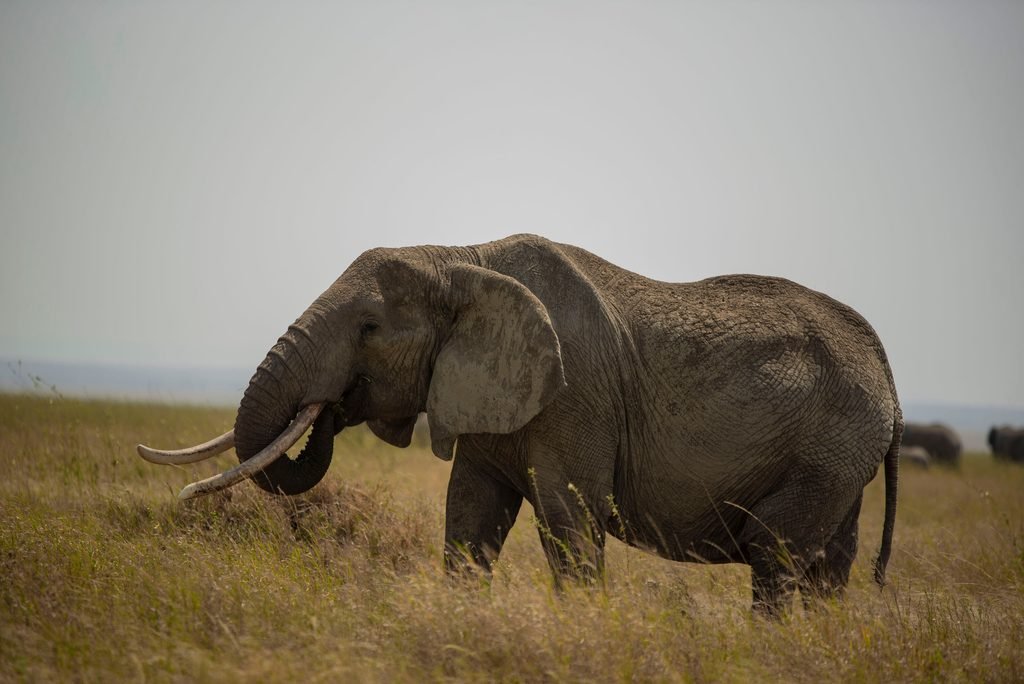
Essential Wildlife Photography Tips for African Safaris
Understand Animal Behaviour Before Taking Photographs
One of the most useful wildlife photography skills is learning to observe animal behaviour. Understanding how animals move, feed, rest, and interact can help photographers anticipate interesting moments rather than reacting after they have already happened.
For example, a lion that has been resting for a long period may eventually stand, stretch, or move towards another member of the pride. Elephants approaching a waterhole may interact with their trunks or gather around young calves. Watching these behaviours carefully can help photographers prepare their camera settings and composition before the action begins.
An experienced safari guide can provide valuable information about animal behaviour, although wildlife remains unpredictable and no guide can guarantee a particular photograph.
Make Use of Early Morning and Late Afternoon Light
Light is one of the most important elements in wildlife photography. Early morning and late afternoon often provide softer light and longer shadows, which can create attractive textures and warmer colours. These periods may also coincide with increased activity among certain animal species.
Midday sunlight can produce strong shadows and bright highlights, particularly in open savannah environments. However, photographers can still use these conditions creatively by looking for animals resting beneath trees, reflections near water, or compositions that emphasise the contrast between light and shadow.
Safari schedules should respect park operating hours, and photographers should not assume that early or late access is permitted in every destination.
Focus on the Animal’s Eyes
For many wildlife portraits, sharp focus on the animal’s eyes helps create a stronger connection between the subject and the viewer. When photographing a lion, leopard, elephant, or giraffe, photographers should pay attention to the position of the eyes and the direction of the animal’s gaze.
A photograph taken at approximately eye level can often feel more engaging than one taken from a steep downward angle. However, vehicle height, safety considerations, and park regulations may limit the available shooting positions.
Use Suitable Shutter Speeds for Moving Wildlife
Moving animals require careful shutter-speed selection. A fast shutter speed can help freeze action when photographing running antelope, birds in flight, or predators moving quickly. Depending on the subject and available light, photographers may use shutter speeds around 1/1000 second or faster for action photography.
Slower shutter speeds may be suitable for resting animals or creative images that intentionally show movement. Camera stabilisation, lens focal length, and the movement of the subject all influence the final result, so settings should be adjusted according to the situation.
Avoid Disturbing Wildlife for a Photograph
Responsible wildlife photography requires respect for animals and their natural behaviour. Photographers should never ask guides to chase animals, block their movement, approach dangerously close, or interfere with hunting and feeding activities.
Flash photography may be restricted or inappropriate in certain situations, and drones require specific permissions that should never be assumed. Photographers must follow the rules of the relevant national park or conservation authority and accept that some photographs are not possible without disturbing wildlife.
How Much Does an Africa Photography Safari Cost in 2027/2028?
The cost of an African photography safari depends on the destination, duration, accommodation category, number of travellers, transport arrangements, and whether specialised photography instruction is included. A private photography safari is generally more expensive per person than a standard group-joining safari because travellers have greater flexibility over the daily schedule and vehicle use.
For preliminary planning, a mid-range private Tanzania photography safari may require a budget of approximately USD 300–600 per person per day when travelling as a small group, although this is only a broad estimate and not a confirmed 2027 or 2028 selling price. Luxury photographic safaris, particularly those involving remote camps, specialist vehicles, internal flights, or professional instructors, may cost considerably more.
Travellers should also consider additional expenses such as international flights, visas, insurance, camera equipment, optional activities, and personal purchases. Photographers carrying expensive equipment may wish to obtain insurance that specifically covers cameras and lenses during international travel.
For more information about standard safari arrangements, visitors can review the all-inclusive Tanzania safari packages offered by Eddy Tours & Safaris and request a personalised quotation for a photography-focused itinerary.
Suggested 7-Day Tanzania Wildlife Photography Safari Itinerary for 2027/2028
The following seven-day itinerary is a suggested private photography safari that can be adapted according to travel dates, wildlife interests, accommodation preferences, and available budget. It concentrates on Tarangire, Serengeti, and Ngorongoro rather than attempting to visit too many parks within a short period. This allows photographers more time to observe wildlife and return to productive viewing areas.
Day 1: Arrival in Arusha and Photography Safari Preparation
Upon arrival at Kilimanjaro International Airport or another agreed location, you are transferred to your accommodation in Arusha. Depending on your arrival time, you can relax after your journey and prepare your camera equipment for the coming days. Your safari guide will discuss the planned route, expected travel conditions, wildlife interests, and practical arrangements for carrying equipment inside the vehicle.
This preparation period is useful for photographers travelling with multiple cameras or long lenses because it provides time to check batteries, organise memory cards, clean equipment, and discuss seating arrangements. Dinner and overnight accommodation are arranged in Arusha according to the selected hotel category.
Day 2: Arusha to Tarangire National Park – Elephant and Landscape Photography
After breakfast, you travel to Tarangire National Park for your first photography-focused game drive. The park’s elephant herds, baobab trees, and riverine habitats provide opportunities for wildlife portraits and wider landscape compositions. Your guide will help identify suitable viewing positions along permitted roads while allowing additional time at interesting sightings.
During the afternoon, you continue exploring areas where elephants, giraffes, buffaloes, zebras, and other wildlife may be present. The aim is to spend time observing behaviour rather than rushing between sightings. You then proceed to your lodge or tented camp for dinner and overnight accommodation.
Day 3: Tarangire to Serengeti National Park – Scenic Journey and Afternoon Photography
Following breakfast, you travel towards Serengeti National Park through the Ngorongoro highlands. The journey takes several hours, and the changing landscape provides opportunities to observe Tanzania’s countryside and natural scenery. Photography stops are made only where permitted and safe.
After entering the Serengeti, your guide begins searching for wildlife as you travel towards the central region. Depending on the arrival time, the afternoon may provide opportunities to photograph grazing animals, predators, or wide savannah landscapes. You continue to your accommodation in the Serengeti for dinner and overnight rest.
Day 4: Full-Day Serengeti Photography Safari – Big Cats and Wildlife Behaviour
The fourth day is dedicated to photography in Serengeti National Park. An early departure allows you to take advantage of cooler morning conditions and search for wildlife in suitable areas. Your guide may focus on the Seronera region, river valleys, rocky outcrops, and surrounding plains, depending on recent wildlife activity.
You spend time observing animals and waiting for interesting behaviour, whether that involves lions interacting with their cubs, giraffes moving across the plains, or elephants feeding in woodland areas. A picnic lunch allows you to remain in the park before continuing the afternoon game drive. The flexible schedule provides opportunities to photograph subjects under different lighting conditions.
Day 5: Second Full-Day Serengeti Photography Safari – Predators, Plains and Migration
A second full day in the Serengeti allows photographers to revisit promising locations and concentrate on subjects that may have been difficult to photograph during the previous day. The guide can adjust the route according to wildlife activity, weather, and the interests of the group.
Photographers interested in predator behaviour may spend longer observing lions, cheetahs, or leopards when sightings are available. Those interested in landscape photography can concentrate on the Serengeti’s open plains, acacia trees, and changing skies. During suitable seasons, migrating wildebeest and zebras may also provide photographic opportunities, although reaching the main migration areas may require an adjusted itinerary.
Day 6: Serengeti to Ngorongoro Conservation Area – Morning Game Drive and Highland Landscapes
After an early breakfast, you enjoy a final game drive while travelling towards the Serengeti exit. This provides another opportunity to photograph wildlife before continuing through the Ngorongoro Conservation Area.
The journey towards the highlands introduces different scenery, including open grassland, rolling hills, and elevated viewpoints. You arrive at your accommodation near the crater rim or in Karatu, depending on the confirmed arrangements. The evening provides time to organise photographs, charge equipment, and prepare for the following morning’s crater excursion.
Day 7: Ngorongoro Crater Photography Safari and Return to Arusha
The final day begins with an early departure for Ngorongoro Crater. After descending to the crater floor, you explore the designated game-drive routes in search of lions, elephants, buffaloes, zebras, wildebeest, hippos, and other wildlife.
The crater’s varied habitats provide opportunities for wildlife portraits and wider environmental compositions. Your guide will help make practical use of the available viewing time while following conservation regulations. After completing the crater excursion and enjoying lunch, you return to Arusha, where the safari ends with a drop-off at your hotel or another agreed location.
Inclusions for the Suggested 7-Day Tanzania Photography Safari
The proposed photography safari can include the following services, subject to the final quotation and selected accommodation:
- Private 4×4 safari vehicle with a pop-up roof.
- Professional English-speaking safari driver-guide.
- Seven-day safari itinerary with scheduled wildlife photography game drives.
- National park entrance fees for the included destinations.
- Applicable Ngorongoro Conservation Area and crater service fees.
- Six nights of accommodation in the selected category.
- Meals as specified in the confirmed itinerary.
- Drinking water during scheduled safari activities.
- Airport arrival transfer when included in the agreed arrangement.
- Return transfer to Arusha at the end of the safari.
- Assistance with safari planning and itinerary adjustments.
- Applicable government taxes on included services.
Exclusions for the Suggested 7-Day Tanzania Photography Safari
The following items are normally excluded unless specifically included in the final quotation:
- International and domestic flights.
- Tanzania visa fees.
- Travel and medical insurance.
- Camera equipment, lenses, batteries, and memory cards.
- Camera equipment rental.
- Professional photography instructor or workshop fees.
- Tips for the safari guide and accommodation staff.
- Alcoholic drinks and additional refreshments.
- Personal purchases, laundry, and telephone expenses.
- Optional hot-air balloon safaris.
- Special photography permits or permissions where required.
- Additional accommodation before or after the confirmed safari.
- Any activity or service not specifically included in the final booking.
Is a Private Photography Safari Better Than a Group Safari?
Private photography safaris offer greater flexibility because the vehicle and daily programme are arranged for one travelling party. This can be particularly valuable when photographers want to remain at a sighting for an extended period or concentrate on particular animals. A private arrangement also makes it easier to discuss camera positioning, seating preferences, and the amount of equipment carried inside the vehicle.
Group safaris can be more affordable, but participants may have different interests and expectations. One traveller may want to photograph a leopard for an hour, while another may prefer moving on to search for elephants. These differences can make a standard group-joining safari less suitable for photographers who require a flexible schedule.
Small dedicated photography groups can provide a useful compromise because participants generally share similar interests. However, travellers should confirm the number of photographers per vehicle and whether everyone will have sufficient space to use their equipment comfortably.
For visitors who prefer a flexible private arrangement, the Tanzania private safari guide explains how itineraries can be adjusted according to personal interests and travel requirements.
Can Beginners Join an African Photography Safari?
African photography safaris are not limited to professional photographers. Beginners can enjoy the experience and develop their skills while observing wildlife in natural environments. The main requirement is an interest in photography and a willingness to learn how lighting, composition, and animal behaviour influence the final image.
Beginners should spend time practising with their cameras before departure, particularly when adjusting shutter speed, aperture, ISO, and autofocus settings. Understanding these basic controls can make a significant difference when an animal begins moving unexpectedly.
Travellers who want structured instruction should consider a safari that includes a professional photography tutor. A standard safari guide can help locate animals and explain their behaviour, but technical camera instruction should only be expected when it has been specifically included in the package.
How to Choose the Right Accommodation for a Photography Safari
Accommodation can influence the success of a photography safari because its location determines how much time is spent travelling between the camp and productive wildlife areas. A lodge situated close to important game-drive routes may allow photographers to make better use of the permitted early morning and late afternoon viewing periods.
Budget camping is suitable for photographers who want to reduce accommodation expenses, although electricity and charging facilities may be limited. Mid-range tented camps and lodges often provide greater comfort and more convenient equipment charging, while luxury properties may offer additional services and facilities.
When choosing accommodation, photographers should consider location, travel time, electricity availability, luggage storage, and the suitability of the property for their daily schedule. A comfortable lodge is useful, but its location may be more important than luxury facilities when wildlife photography is the main purpose of the trip.
Can You Combine an Africa Photography Safari With Kilimanjaro Climbing?
Tanzania offers the opportunity to combine wildlife photography with a Mount Kilimanjaro climbing expedition. Travellers can spend several days photographing wildlife in Serengeti, Tarangire, and Ngorongoro before travelling to Moshi for a mountain trek, or complete the climb first and enjoy a safari afterwards.
Mount Kilimanjaro provides a very different photographic environment, including tropical forest, moorland, alpine desert, and high-altitude mountain scenery. Photographers can capture changing vegetation, mountain landscapes, and the experience of trekking towards Africa’s highest summit.
Visitors interested in combining these activities can explore the 6-day Kilimanjaro Machame Route climbing itinerary from Kilimanjaro Climb Specialist. Mountain trekking requires suitable physical preparation, acclimatisation planning, and appropriate equipment, so travellers should allow enough time for both activities rather than attempting to fit them into an overly demanding schedule.
Responsible Wildlife Photography in Africa
Wildlife photography should always place the welfare of animals and the protection of their habitats ahead of obtaining a particular image. Photographers must respect national park regulations, remain on authorised routes, and avoid encouraging guides to approach animals too closely.
Animals should never be fed, chased, surrounded, or deliberately disturbed to produce a photograph. Photographers should also avoid using artificial sounds to attract wildlife or attempting to influence natural hunting behaviour. These actions can cause unnecessary stress and interfere with the animals’ normal activities.
Responsible photography also involves respecting local communities and obtaining permission before photographing people, particularly during cultural visits. A well-organised safari should provide opportunities to learn about wildlife and conservation while maintaining appropriate behaviour in protected areas.
For official information about Tanzania’s protected destinations, travellers can consult the Tanzania National Parks Authority, which provides information about the country’s national parks and conservation-related visitor guidance.
Frequently Asked Questions About Africa Photography Safaris in 2027/2028
Which African Country Is Best for Wildlife Photography?
The best country depends on the animals and landscapes you want to photograph. Tanzania and Kenya are particularly popular for big cats, migration photography, and open savannah landscapes. Botswana offers wetland wildlife and water-based viewing opportunities, South Africa provides a variety of accessible safari experiences, and Namibia is particularly rewarding for desert landscapes and wildlife near waterholes.
How Many Days Do You Need for a Wildlife Photography Safari?
A wildlife photography safari lasting seven to ten days provides more opportunities to spend time at sightings and visit several habitats without rushing. Shorter safaris of three to five days can still be rewarding, but photographers with particular wildlife interests may benefit from spending several consecutive days in one destination.
What Is the Best Camera Lens for an African Safari?
A telephoto zoom lens covering approximately 100–400mm or 100–500mm is a versatile option for many wildlife photographers. A wider lens can also be useful for landscapes, large animal groups, and subjects close to the vehicle. The most suitable equipment depends on the camera system, photographic interests, and available budget.
Can I Take Good Safari Photographs With a Smartphone?
Yes, smartphones can produce attractive photographs of landscapes, large animals close to the vehicle, and general safari scenes. However, they are usually less suitable for photographing small or distant animals compared with cameras equipped with telephoto lenses. Travellers using smartphones should concentrate on composition, lighting, and subjects that are reasonably close.
Are Wildlife Sightings Guaranteed During a Photography Safari?
No wildlife sightings are guaranteed because animals move naturally and their behaviour changes according to weather, habitat conditions, and other factors. An experienced guide can help locate wildlife and improve viewing opportunities, but photographers should remain patient and flexible throughout the safari.
Is a Photography Safari More Expensive Than a Normal Safari?
A photography safari can cost more than a standard safari when it includes a private vehicle, additional days in the parks, specialist guiding, professional instruction, or accommodation selected specifically for photographic access. However, travellers can also arrange affordable photography-focused itineraries using standard safari vehicles and suitable budget or mid-range accommodation.
Can I Photograph the Great Wildebeest Migration in 2027 or 2028?
Yes, travellers can plan photography safaris around the seasonal movements of the Great Wildebeest Migration. However, the exact location of the herds depends on rainfall and grazing conditions, and river crossings cannot be predicted or guaranteed. Selecting the appropriate region and allowing several days for photography can improve the chances of observing migration activity.
Is It Safe to Carry Expensive Camera Equipment on Safari?
Many photographers travel with expensive cameras and lenses, but suitable precautions are important. Equipment should be protected from dust, moisture, and accidental damage, and valuables should not be left unattended. Travellers should also consider insurance that covers their camera equipment during international travel and wildlife activities.
Why Plan Your 2027/2028 Africa Photography Safari With Eddy Tours & Safaris?
Eddy Tours & Safaris is a locally based tour company in Arusha, Tanzania, arranging wildlife safaris, private tours, Kilimanjaro climbing holidays, and other travel experiences. Our location near Tanzania’s northern safari circuit allows us to help visitors plan journeys to Serengeti National Park, Ngorongoro Crater, Tarangire National Park, and Lake Manyara National Park.
We understand that wildlife photographers have different expectations from ordinary sightseeing travellers. Some visitors want to concentrate on big cats, while others are interested in elephants, birds, landscapes, or the Great Wildebeest Migration. A carefully prepared itinerary should consider these interests, the season, the time available, and the practical arrangements required for carrying and using photography equipment.
Our team can help travellers discuss private safari arrangements, suitable accommodation, preferred wildlife destinations, and the number of days needed for their holiday. Whether you are a beginner looking for your first African wildlife photographs or an experienced photographer planning a longer journey, the itinerary can be adjusted to reflect your priorities.
You can also review our Tanzania safari packages for additional itinerary options or contact our team to request a photography-focused safari proposal.
Book Your Africa Photography Safari for 2027 or 2028
An African photography safari offers the opportunity to observe wildlife closely, understand animal behaviour, and capture photographs that reflect the natural character of Africa’s protected landscapes. From the open grasslands of Serengeti National Park to the elephant habitats of Tarangire and the varied wildlife environments of Ngorongoro Crater, Tanzania provides an excellent starting point for travellers interested in wildlife photography.
A successful safari depends on thoughtful planning, suitable equipment, realistic expectations, and enough time to observe wildlife without rushing. Choosing the appropriate travel season and working with a knowledgeable local guide can help photographers make better use of the opportunities available during their journey.
At Eddy Tours & Safaris, we can help you plan a private Tanzania wildlife photography safari for 2027 or 2028 based on your preferred destinations, accommodation category, travel dates, and budget. Contact our team to discuss your photography interests and receive a personalised safari itinerary and quotation.
Contact Eddy Tours & Safaris
Location: Arusha, Tanzania
Website: https://eddytours-safaris.com/
Email: sales@eddytours-safaris.com
WhatsApp: +255 711 906 664
Safari enquiries: https://eddytours-safaris.com/contact/
Plan your Africa photography safari with Eddy Tours & Safaris and explore Tanzania’s wildlife destinations with a journey designed around your interests.