

Amboseli National Park is one of Kenya’s most popular wildlife destinations, particularly for travellers who want to see large elephant herds with Mount Kilimanjaro rising in the background. Located in southern Kenya, close to the Tanzanian border, the park offers open grasslands, seasonal lakes, permanent swamps, and excellent opportunities to observe wildlife in its natural environment. For anyone planning an African safari in 2027 or 2028, Amboseli deserves serious consideration because of its scenery, relatively accessible location, and remarkable elephant population.
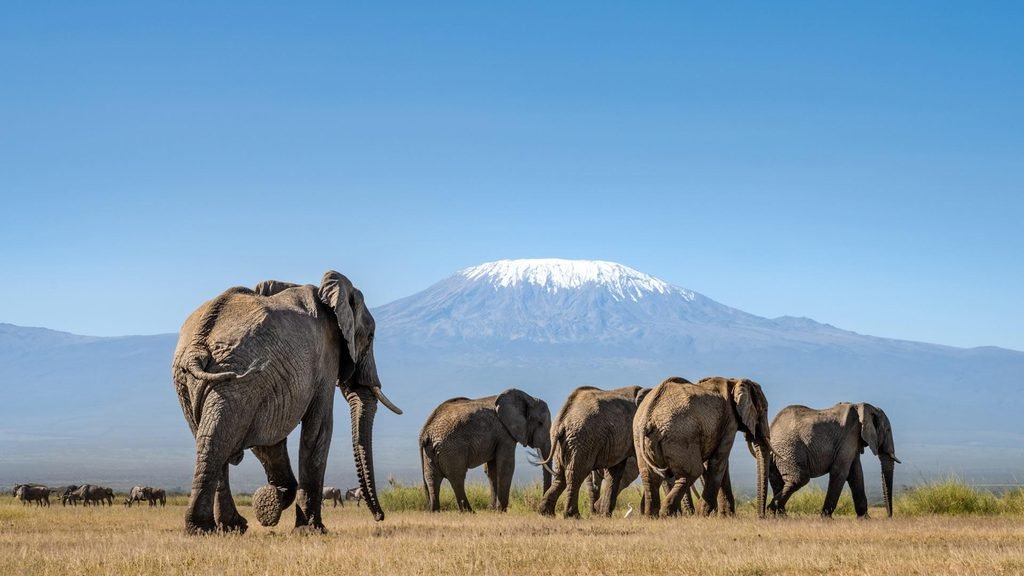
Unlike some larger national parks where animals can be difficult to locate, Amboseli has wide-open landscapes that make wildlife viewing relatively straightforward, particularly during the dry season. Visitors can watch elephants crossing dusty plains, buffaloes grazing near swamps, giraffes moving through acacia woodland, and numerous bird species gathering around wetland areas. The park is also an excellent addition to a longer East African journey that includes Tanzania’s northern safari circuit or a Mount Kilimanjaro climbing expedition.
This guide explains what to expect when visiting Amboseli National Park in 2027 or 2028, including the best months for wildlife viewing, animals you are likely to encounter, accommodation choices, travel arrangements, park fees, and practical advice for planning your safari. Travellers interested in combining Kenya and Tanzania can also explore the Tanzania safari experiences offered by Eddy Tours & Safaris and learn about mountain trekking through Kilimanjaro Climb Specialist.
Where Is Amboseli National Park Located?
Amboseli National Park is situated in Kajiado County in southern Kenya, near the border with Tanzania. The park covers approximately 392 square kilometres and forms part of the much larger Amboseli ecosystem, which includes surrounding community lands, wildlife corridors, and conservation areas. Its position at the northern foot of Mount Kilimanjaro gives visitors some of the most recognisable safari landscapes in East Africa, even though the mountain itself is located entirely within Tanzania.
The park is approximately 220 to 250 kilometres from Nairobi by commonly used road routes, depending on the entrance and starting point. Travelling by road generally takes around four to five hours, although traffic, weather, road conditions, and stops can affect the journey. Visitors can also reach the Amboseli area by scheduled or chartered light aircraft, making it possible to include the park in a shorter Kenya safari itinerary without spending too much time on the road.
Amboseli’s landscape is noticeably different from the rolling savannahs of the Maasai Mara or the extensive plains of the Serengeti. Much of the park consists of dry, flat terrain interrupted by seasonal wetlands, acacia trees, and freshwater swamps fed by underground water originating from Mount Kilimanjaro. These permanent water sources are especially important during the dry months, when large numbers of animals gather around them to drink, feed, and cool themselves.
What Makes Amboseli National Park Special?
Large Elephant Herds and Close Wildlife Encounters
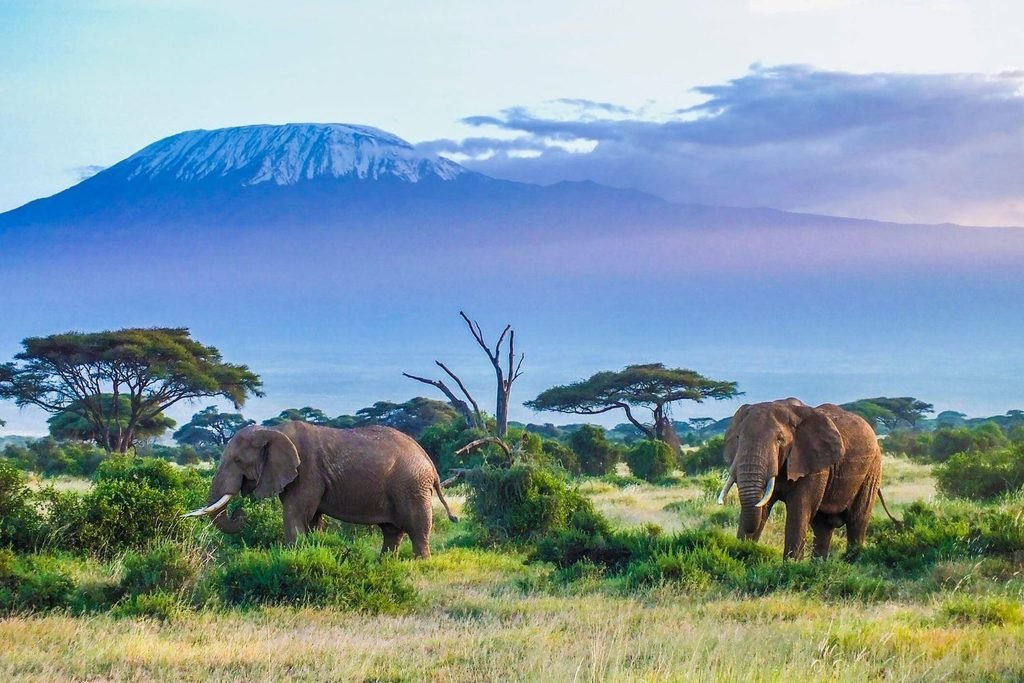
Amboseli is particularly famous for its elephants, and many visitors choose the park specifically to observe these animals. The surrounding ecosystem supports elephant families that have been studied for decades, providing researchers with valuable information about elephant behaviour, social relationships, reproduction, and conservation. Visitors may encounter groups of females with calves, young males travelling together, or mature bulls moving independently across the plains.
One of the most interesting aspects of an Amboseli safari is watching elephants interact naturally. Families often travel together under the leadership of experienced females, while younger elephants spend time playing, feeding, and learning from older members of the herd. During the hotter parts of the day, elephants frequently visit the swamps, where they feed on aquatic vegetation, drink water, and sometimes cover themselves with mud.
Although elephant sightings are generally very good, their movements are not completely predictable. Weather conditions, water availability, vegetation, and human activity outside the park can influence where the herds travel. A knowledgeable safari guide can help visitors locate elephants while maintaining a safe and respectful distance.
Views of Mount Kilimanjaro
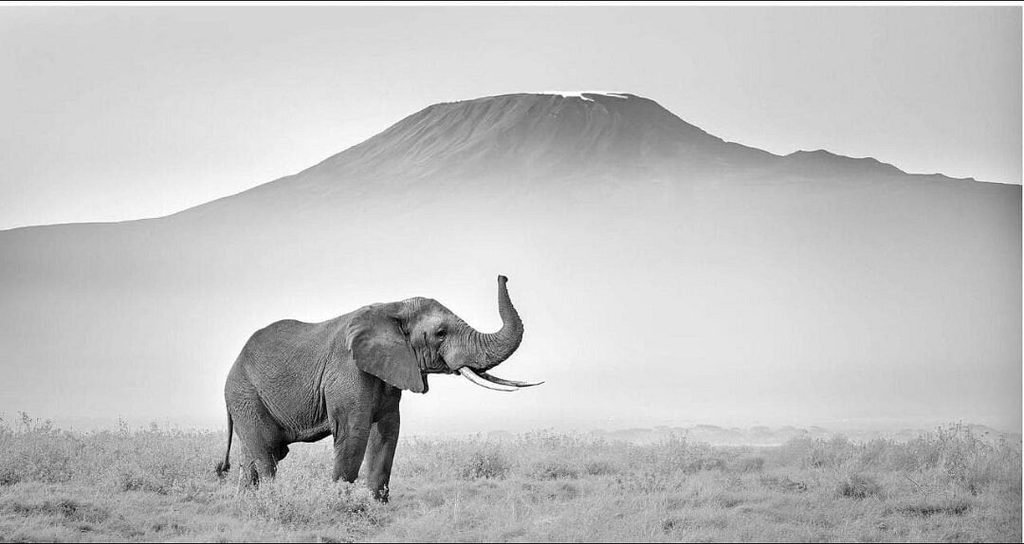
Mount Kilimanjaro is another major reason travellers visit Amboseli. At 5,895 metres above sea level, Kilimanjaro is Africa’s highest mountain, and its broad volcanic profile provides a dramatic backdrop to the park’s open plains. On clear mornings, visitors may see elephants, zebras, and other wildlife moving across the landscape with the mountain’s summit visible behind them.
The mountain is not visible throughout every day, and travellers should avoid expecting uninterrupted views during their entire safari. Clouds often develop around the summit as the day progresses, particularly during wetter periods. Early morning game drives generally provide better opportunities for photography, especially during the dry months when the skies are more likely to be clear.
For visitors who want to experience Kilimanjaro beyond photography, it is possible to combine an Amboseli safari with a trekking expedition in Tanzania. Routes such as Machame, Lemosho, Marangu, and Rongai offer different approaches to climbing the mountain. More information about route selection, preparation, and trekking arrangements is available through Kilimanjaro Climb Specialist.
What Animals Can You See in Amboseli National Park?
Elephants, Buffaloes, Lions and Other Large Mammals
Elephants are the main attraction in Amboseli, but the park supports many other large mammals. African buffaloes are frequently seen grazing near permanent water sources, while zebras and wildebeest occupy the open grasslands. Giraffes are often found in areas with suitable trees, and hippos spend much of their time in the park’s freshwater swamps.
Lions are present in the Amboseli ecosystem, although sightings depend on their movements, weather conditions, and the amount of time spent searching. Visitors may occasionally encounter lions resting in the shade or moving through the grasslands during cooler periods. Spotted hyenas and jackals also inhabit the area, while cheetahs can sometimes be observed hunting in open country. Leopards are considerably more difficult to find because of their secretive behaviour and preference for areas with suitable cover.
Amboseli is not generally considered a destination where visitors should expect to see all of the Big Five. Rhinoceros sightings are not a normal feature of a standard Amboseli game drive. Travellers whose main priority is seeing a wider variety of large predators and other iconic African mammals may prefer to combine Amboseli with additional parks in Kenya or Tanzania.
For a broader wildlife experience, Eddy Tours & Safaris can be contacted about Tanzania safari arrangements covering destinations such as Serengeti National Park, Ngorongoro Crater, Tarangire National Park, and Lake Manyara National Park.
Birdwatching in Amboseli
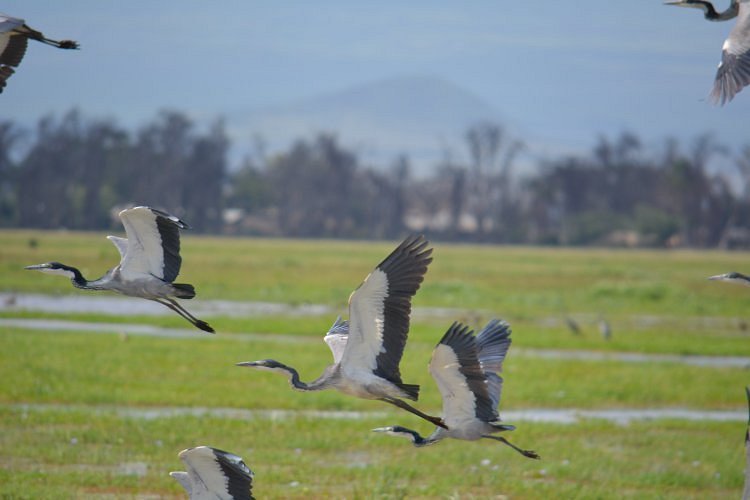
Amboseli is also a rewarding destination for birdwatchers, with more than 400 bird species recorded in the park and surrounding ecosystem. The combination of wetlands, open plains, acacia woodland, and seasonal lakes creates suitable habitats for many different species, including waterbirds, birds of prey, and smaller grassland birds.
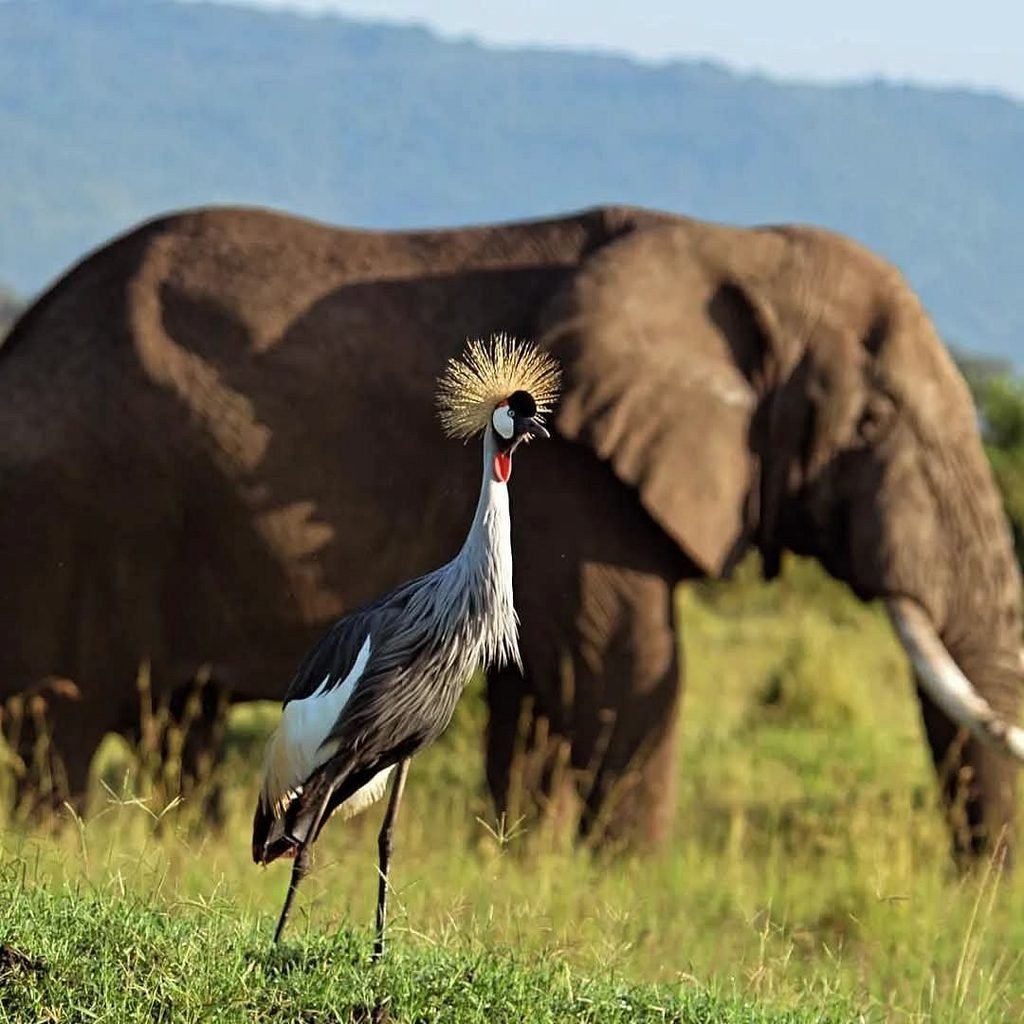
Visitors may encounter pelicans, herons, egrets, kingfishers, African fish eagles, crowned cranes, ostriches, and several species of storks. Flamingos may also appear around suitable seasonal lake habitats when water and feeding conditions allow. Bird activity changes throughout the year, and the wetter months can be particularly interesting because migratory species arrive and many resident birds become more active.
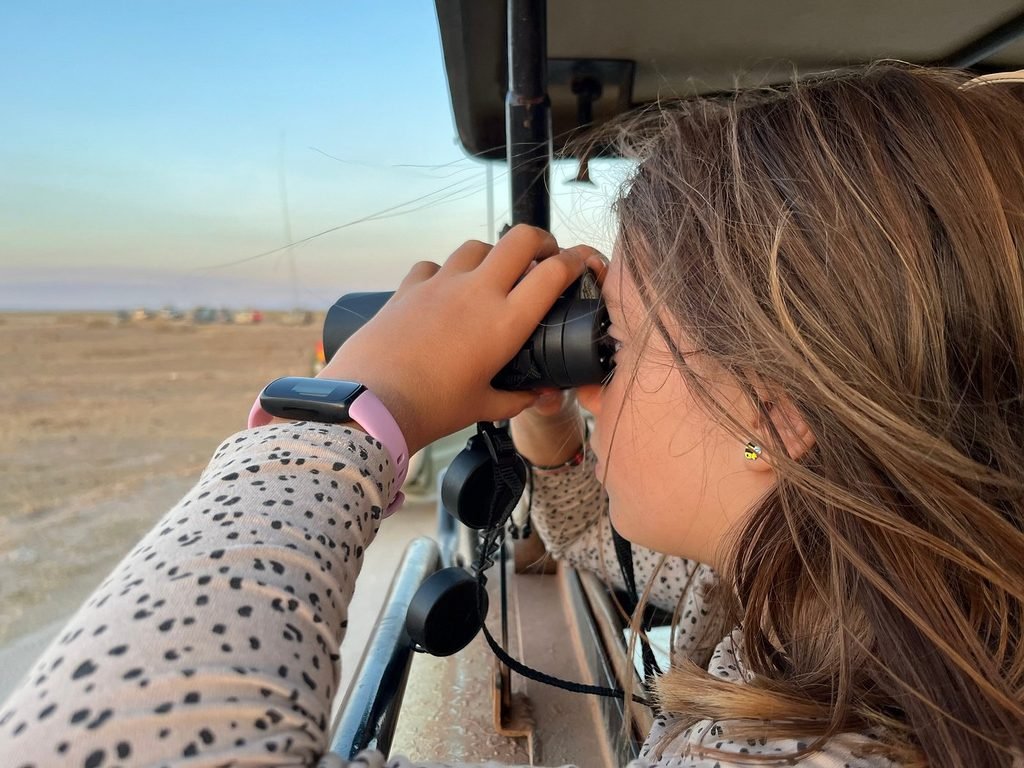
Travellers interested in bird photography should carry binoculars and a camera with a suitable zoom lens. A guide familiar with local bird species can make a significant difference, particularly when identifying birds that are difficult to distinguish without experience.
Best Time to Visit Amboseli National Park in 2027 and 2028
Amboseli can be visited throughout the year, but the season you choose will influence wildlife movements, landscape conditions, accommodation prices, and the overall safari experience. The park has two main rainy periods and two generally drier periods, although the timing and amount of rainfall can vary between years.
June to October: The Main Dry Season
June through October is generally the most popular period for wildlife viewing in Amboseli. Rainfall is usually limited, grass becomes shorter, and animals spend more time near the permanent swamps and water sources. These conditions make elephants, buffaloes, zebras, and other large mammals easier to observe across the open landscape.
July, August, and September are particularly attractive for travellers who want good wildlife viewing conditions and opportunities to photograph Mount Kilimanjaro. Early mornings can be cool, while daytime temperatures are generally comfortable for game drives. However, this is also a busy travel period, and popular accommodation properties may fill well in advance.
Visitors planning an Amboseli safari during July or August 2027 or 2028 should consider making accommodation arrangements several months before travelling, especially if they have specific lodge preferences or are visiting during school holiday periods.
January to February: Warm Weather and Good Game Viewing
January and February are another useful period for visiting Amboseli. Conditions are often relatively dry, with warm daytime temperatures and good opportunities to see animals around open grasslands and water sources. The landscape may retain some greenery from the preceding short rains, creating attractive photographic conditions.
This period can be suitable for travellers who want to combine wildlife viewing with other East African activities. Those interested in mountain trekking can also consider visiting Tanzania, where January and February are commonly chosen for Kilimanjaro climbing because of their relatively favourable weather conditions.
March to May: The Long Rainy Season
March through May generally brings the main rainy season to the Amboseli region, with April often among the wettest months. Rainfall transforms parts of the landscape, encouraging fresh grass growth and creating seasonal pools that attract wildlife. The park can look greener during this period, and birdwatching can be particularly rewarding.
However, heavy rain may make some roads muddy or difficult to use, and wildlife can become more widely distributed as water becomes available across the ecosystem. Visitors should also expect the possibility of cloud cover obscuring Mount Kilimanjaro. Some lodges may offer lower rates during this period, although accessibility and operating schedules should be confirmed before booking.
November to December: Short Rains and Green Landscapes
November and December usually experience shorter rainy periods, although the amount and timing of rainfall vary. These showers can refresh the grasslands and create attractive green scenery, particularly for photographers who prefer a landscape with more vegetation.
Wildlife viewing remains possible, and elephant encounters continue throughout the year. Birdwatching can improve as migratory species arrive, while visitor numbers may be lower than during the busiest dry-season months. Travellers visiting during the Christmas and New Year holidays should expect increased accommodation demand and potentially higher prices.
What to Expect on an Amboseli Game Drive
Game drives are the main activity in Amboseli National Park, allowing visitors to explore different habitats while searching for wildlife. Most organised safaris use specially equipped vehicles with large windows or pop-up roofs that improve visibility and provide suitable opportunities for photography. The experience usually includes early morning and afternoon drives, with the exact schedule depending on the lodge location, park regulations, and travel arrangements.
Morning game drives often begin around sunrise, when temperatures are cooler and many animals are more active. This is an excellent time to look for elephants moving across the plains, predators returning from nighttime activity, and birds feeding around wetland areas. Early departures also improve the possibility of seeing Mount Kilimanjaro before clouds begin forming around its summit.
Afternoon game drives provide another opportunity to explore the park, especially as temperatures begin to fall later in the day. Elephants may return to the swamps, grazing animals become more active, and the softer evening light creates attractive photographic conditions. Wildlife sightings cannot be guaranteed, but spending several game drives in the park increases the opportunity to observe a wider range of animal behaviour.
Visitors should remember that Amboseli is a protected wildlife area, and safari vehicles must follow designated roads and park regulations. Drivers should not approach animals too closely, block their movements, or leave established tracks simply to obtain photographs. Responsible wildlife viewing helps protect both visitors and animals while maintaining the quality of the safari experience.
Best Places to Visit Inside Amboseli National Park
Observation Hill
Observation Hill is one of the best-known attractions within Amboseli National Park. This elevated viewpoint provides broad views over the surrounding plains, wetlands, and wildlife habitats, allowing visitors to appreciate the park’s landscape from a different perspective.
Unlike most locations inside the park, Observation Hill has a designated area where visitors can leave their vehicles and walk to the viewpoint. From the top, it is possible to observe the surrounding swamps and sometimes spot elephants, buffaloes, and other wildlife in the distance. The viewpoint is particularly useful for photography and for understanding how the wetlands support animals during dry periods.
Enkongo Narok and Other Permanent Swamps
Amboseli’s freshwater swamps are among the most important wildlife habitats in the park. Fed by underground water associated with Mount Kilimanjaro, these wetlands provide a dependable source of water even when surrounding grasslands become dry.
Elephants regularly visit the swamps to feed on aquatic vegetation, while hippos, buffaloes, and numerous bird species also depend on these habitats. Visitors may observe elephants standing in shallow water, herons hunting along the edges, and buffaloes resting in wet grass. The swamps are particularly interesting during dry periods because they attract wildlife from across the surrounding ecosystem.
The Seasonal Lake Amboseli Basin
Lake Amboseli is a seasonal lake basin that changes considerably depending on rainfall. During extended dry periods, much of the basin can become an open, dusty landscape, while periods of significant rainfall may produce shallow water across parts of the area.
These changing conditions influence wildlife movements and bird activity. When suitable water levels develop, the lake basin can attract waterbirds, including flamingos under favourable conditions. During drier periods, visitors may experience the wide, open scenery that gives Amboseli much of its distinctive appearance.
Where to Stay in Amboseli National Park in 2027/2028
Accommodation in and around Amboseli ranges from relatively affordable safari camps to comfortable lodges and high-end properties offering more private experiences. The best choice depends on your budget, preferred level of comfort, travel dates, and whether you want to stay inside the national park or in surrounding conservation areas.
Budget Safari Accommodation
Budget-conscious travellers can choose from camps and simpler accommodation properties around the Amboseli ecosystem. These options may provide permanent tents, basic cottages, shared facilities, or modest private rooms, depending on the property. Some offer meals and organised game drives, while others require guests to arrange transport and park visits separately.
Staying outside the national park can sometimes reduce accommodation costs, although travellers should consider the additional driving time required to reach the park entrance. It is important to check whether the quoted price includes meals, transport, and park fees, as these expenses can significantly affect the final safari budget.
Mid-Range Safari Lodges
Mid-range lodges generally provide comfortable rooms or permanent safari tents, private bathrooms, restaurants, and shared relaxation areas. Some properties also have swimming pools and outdoor seating areas where guests can enjoy views of the surrounding landscape.
Properties such as Sentrim Amboseli and other established camps in the region may appeal to travellers who want comfortable accommodation without choosing the most expensive safari options. Availability, facilities, and rates should always be checked for the actual travel dates, particularly during the busy dry season.
Luxury Safari Camps and Lodges
Luxury accommodation around Amboseli is designed for travellers seeking greater privacy, personalised service, and comfortable facilities in a natural setting. Depending on the property, guests may have access to spacious safari suites, private terraces, high-quality dining, and additional activities in surrounding conservancies.
Properties such as Tawi Lodge and Elerai Camp are among the accommodation options associated with the wider Amboseli area. Travellers should compare their exact locations, facilities, conservation arrangements, and transfer requirements before booking, as not all properties are located inside the national park.
How Much Does an Amboseli Safari Cost in 2027/2028?
The cost of an Amboseli safari depends on the number of travel days, accommodation category, transport arrangements, group size, park fees, and the season. Travellers booking private safaris generally pay more per person than those sharing a vehicle with other guests, while luxury accommodation can increase the overall price substantially.
For preliminary planning, the following figures provide broad estimates rather than confirmed quotations for 2027 or 2028.
| Safari Category | Indicative Cost Per Person Per Day |
|---|---|
| Budget safari | USD 180–300 |
| Mid-range safari | USD 300–500 |
| Luxury safari | USD 500–900+ |
| Premium private safari | USD 900+ |
These are approximate planning ranges for organised safaris, not guaranteed market prices. The actual cost may be higher or lower depending on the itinerary, inclusions, occupancy, and seasonal accommodation rates. International flights, entry authorisations, optional activities, and personal expenses may also be charged separately.
Amboseli National Park Entry Fees
As of November 2026, the Kenya Wildlife Service lists the following Amboseli entry charges:
| Visitor Category | Adult Fee | Child Fee |
|---|---|---|
| East African citizen | KES 1,500 | KES 750 |
| Kenya resident | KES 2,025 | KES 1,050 |
| Other African citizen | USD 50 | USD 25 |
| Non-resident | USD 90 | USD 45 |
These rates are provided for reference only and should not be treated as confirmed fees for 2027 or 2028. Park fees, visitor classifications, exemptions, and payment rules may change. Travellers should verify the latest information through the official Kenya Wildlife Service before finalising their safari budget.
How Many Days Do You Need in Amboseli National Park?
A two-day Amboseli safari can provide a useful introduction to the park, particularly for travellers departing from Nairobi who have limited time. However, the first and last days will involve road transfers, leaving less time for wildlife viewing. Visitors who choose this option should plan their departure and arrival carefully to make the most of the available game drives.
A three-day safari is often a better choice for first-time visitors because it generally allows two nights in the Amboseli area and more opportunities to explore different parts of the park. Travellers can enjoy morning and afternoon game drives without feeling that the entire journey is dominated by transfers.
Four days or longer may be suitable for wildlife photographers, families who prefer a slower pace, and travellers interested in spending more time observing elephant behaviour. Additional days can also provide greater flexibility when weather conditions temporarily obscure Mount Kilimanjaro or when wildlife is moving between different areas of the ecosystem.
Can You Combine Amboseli with a Tanzania Safari?
Yes. Amboseli’s location near the Kenya–Tanzania border makes it possible to include the park in a longer East African safari, although cross-border travel requires careful planning. Travellers may enter Tanzania through an appropriate border crossing and continue towards Arusha, Moshi, or other destinations depending on their itinerary.
One possible combination is to begin with wildlife viewing in Amboseli before travelling to northern Tanzania to explore Tarangire National Park, Ngorongoro Crater, and Serengeti National Park. These destinations offer different landscapes and wildlife experiences, making a combined itinerary attractive for visitors who want to see more of East Africa.
Tarangire is particularly well known for elephants, baobab trees, and seasonal wildlife concentrations, while Ngorongoro Crater provides opportunities to observe a variety of large mammals within a relatively compact area. Serengeti National Park is famous for its extensive plains, predators, and the annual movements of wildebeest and zebras across the wider Serengeti–Mara ecosystem.
Travellers can explore Tanzania safari planning and tour arrangements through Eddy Tours & Safaris. When arranging a combined Kenya and Tanzania safari, it is important to confirm border procedures, vehicle arrangements, accommodation, and the time required to travel between destinations.
Combining Amboseli with Mount Kilimanjaro Climbing
Amboseli is also a suitable addition to a Mount Kilimanjaro climbing holiday. Many travellers visit the park before or after their trekking expedition because it offers opportunities to relax, enjoy wildlife, and see the mountain from a completely different perspective.
Kilimanjaro climbing normally begins from the Tanzanian side of the border, with Moshi and Arusha serving as important starting points for trekking arrangements. The Machame, Lemosho, Marangu, Rongai, Umbwe, and Northern Circuit routes differ in duration, terrain, accommodation style, and acclimatisation opportunities.
Travellers should allow sufficient time for mountain preparation and recovery rather than arranging a demanding safari transfer immediately before or after a long climb. Those interested in trekking can read more about Mount Kilimanjaro climbing routes and preparation before choosing the most suitable itinerary.
Combining Amboseli with a Kilimanjaro expedition is particularly attractive for photographers because it provides opportunities to capture the mountain from the Kenyan plains before experiencing its forests, moorlands, alpine desert, and summit landscapes during the climb.
What Should You Pack for an Amboseli Safari?
Packing for Amboseli is relatively straightforward, but travellers should prepare for warm afternoons, cooler early mornings, dusty conditions, and occasional rainfall. Lightweight, comfortable clothing in neutral colours is generally suitable for game drives, while a light jacket or fleece can be useful when departing before sunrise.
Recommended items include:
- Lightweight shirts, trousers, and comfortable safari clothing.
- A warm jacket or fleece for early morning game drives.
- Comfortable closed shoes and sandals for lodge use.
- A wide-brimmed hat, sunglasses, and sunscreen.
- Binoculars for observing distant animals and birds.
- A camera with a suitable zoom lens and spare batteries.
- Insect repellent and personal medication.
- A reusable water bottle and a small daypack.
- Travel documents, identification, and insurance details.
- A waterproof jacket during the rainy months.
Travellers planning to continue to Tanzania for a Kilimanjaro climb will require additional mountain equipment, including suitable trekking boots, thermal clothing, waterproof layers, and cold-weather gear. A complete trekking equipment list can be obtained through Kilimanjaro Climb Specialist.
Travel Requirements for Visiting Amboseli in 2027/2028
International visitors planning to enter Kenya should check the immigration requirements that apply to their nationality before travelling. Kenya operates an Electronic Travel Authorisation system for many foreign visitors, although exemptions apply to certain nationalities and categories of travellers, including eligible citizens of East African Community partner states.
Travellers who require an eTA should use the official Kenya eTA website and ensure that their passport, accommodation details, and travel itinerary meet the applicable requirements. Since entry regulations can change, visitors travelling in 2027 or 2028 should verify the latest requirements closer to departure rather than relying on information published in previous years.
Those planning a combined Kenya and Tanzania holiday should also check the entry requirements for Tanzania. Travellers may need separate entry authorisations depending on nationality, and health documentation requirements can vary according to the countries visited before arrival.
Travel insurance is strongly recommended for an East African safari, particularly for visitors who will be travelling between remote wildlife destinations. A suitable policy should provide adequate medical coverage and emergency evacuation protection, as well as relevant cancellation and baggage benefits.
Is Amboseli National Park Safe for Tourists?
Amboseli is an established safari destination that receives visitors throughout the year. Organised game drives with experienced guides are generally a practical way to explore the park, provided that travellers follow wildlife safety instructions and respect national park regulations.
Wild animals should never be approached on foot outside designated areas, and visitors must remain inside their safari vehicles during normal game drives. Elephants can be particularly dangerous when threatened or disturbed, especially females protecting young calves and bulls displaying aggressive behaviour. Guides should maintain appropriate distances and allow animals to move freely without blocking their paths.
Visitors should also take normal travel precautions, including keeping valuables secure, drinking sufficient water, using sun protection, and following lodge instructions when moving around accommodation areas after dark. Travellers staying in unfenced camps should never walk around independently at night without permission or an escort.
The Kenya Wildlife Service provides official park information and safety guidance that travellers should review before their visit.
Responsible Tourism and Wildlife Conservation in Amboseli
Amboseli’s wildlife depends not only on the protected national park but also on the surrounding ecosystem, including community lands and important wildlife movement corridors. Elephants and other animals regularly move between protected and unprotected areas in search of food, water, and suitable habitats.
Conservation efforts in the region therefore involve wildlife protection, habitat management, research, and cooperation with local communities. Maasai communities have a long history in the Amboseli ecosystem, and their relationship with the surrounding landscape remains an important part of the region’s cultural and conservation history.
Travellers can support responsible tourism by choosing accommodation and safari operators that respect wildlife regulations, contribute to conservation initiatives, and work fairly with local communities. Cultural visits should be arranged respectfully, with clear information about participation, fees, and the activities involved.
Visitors should avoid feeding animals, leaving litter, requesting off-road driving, or pressuring guides to approach wildlife too closely. Maintaining a respectful distance is particularly important around elephant families, predators, and animals with young offspring.
Frequently Asked Questions About Amboseli National Park 2027/2028
Is Amboseli Worth Visiting in 2027 or 2028?
Yes. Amboseli is an excellent choice for travellers interested in elephants, wildlife photography, birdwatching, and views of Mount Kilimanjaro. Its open landscapes and permanent wetlands make wildlife viewing rewarding throughout much of the year, although sightings and weather conditions will vary.
What Is the Best Month to Visit Amboseli?
July, August, and September are among the most popular months because conditions are usually dry and wildlife often concentrates around permanent water sources. January and February are also good options, while the wetter months may appeal to visitors interested in green scenery and birdwatching.
Can You See Mount Kilimanjaro from Amboseli?
Yes. Mount Kilimanjaro is one of the most prominent features of the Amboseli landscape, although visibility depends on cloud cover and weather conditions. Early morning game drives usually provide the best opportunities for clear mountain views, particularly during the dry season.
Can You See the Big Five in Amboseli?
Amboseli supports elephants, buffaloes, lions, and leopards, although some species are much harder to locate than others. Rhinoceroses are not normally encountered on standard Amboseli game drives, so travellers specifically interested in seeing all five species should consider visiting additional wildlife destinations.
Is Amboseli Better Than the Serengeti?
Both parks offer excellent safari experiences, but they are different in size, landscape, and wildlife viewing opportunities. Amboseli is particularly attractive for elephants and Kilimanjaro photography, while the Serengeti offers a much larger ecosystem with extensive plains, major predator populations, and seasonal wildebeest migration movements. The best choice depends on your interests, available travel time, and budget.
How Far Is Amboseli from Nairobi?
Amboseli is approximately 220 to 250 kilometres from Nairobi by commonly used road routes, depending on the starting point and park entrance. The journey often takes four to five hours, although road conditions and traffic may increase travel time.
Can You Visit Amboseli and Tanzania on the Same Trip?
Yes. Amboseli can be combined with destinations such as Arusha, Moshi, Tarangire, Ngorongoro Crater, Serengeti National Park, and Mount Kilimanjaro. However, the itinerary should allow enough time for border formalities, road transfers, and wildlife activities.
Is Two Days Enough for Amboseli?
Two days can provide an introduction to Amboseli, but three days are generally more comfortable because they allow additional game drives and reduce the pressure of travelling long distances in a short period. Wildlife photographers and travellers seeking a relaxed safari may prefer four days or more.
Are Amboseli Safari Prices for 2027 and 2028 Available?
Some accommodation providers and tour operators may offer advance quotations, but not all prices will be finalised far ahead of travel. Park fees, accommodation rates, transport costs, and seasonal supplements can change, so travellers should request a detailed quotation for their preferred dates.
Plan Your 2027/2028 East African Safari with Eddy Tours & Safaris
Amboseli National Park is an excellent destination for travellers who want to experience large elephant herds, open African landscapes, and the impressive backdrop of Mount Kilimanjaro. Whether you visit during the dry season for concentrated wildlife viewing or during the greener months for birdwatching and photography, the park offers a distinctive experience that can complement a wider East African holiday.
For visitors planning to explore more than one country, a combined Kenya and Tanzania itinerary can provide a varied safari experience. Travellers may begin with elephants in Amboseli before continuing to the wildlife-rich landscapes of Tarangire, Ngorongoro Crater, and Serengeti National Park, or combine their safari with a Mount Kilimanjaro trekking expedition.
Eddy Tours & Safaris is a locally based tour company in Arusha, Tanzania, offering safari planning and travel arrangements for visitors exploring Tanzania’s national parks and other destinations. Travellers interested in including Amboseli can contact the team to discuss suitable cross-border itinerary options and the arrangements required for their preferred travel dates.
For information about trekking routes and mountain preparation, visit Kilimanjaro Climb Specialist.
Contact Eddy Tours & Safaris
Website: Eddy Tours and Safaris
Email: sales@eddytours-safaris.com
Location: Arusha, Tanzania
Start planning your 2027 or 2028 East African safari with a clear itinerary, suitable accommodation, and enough time to enjoy each destination.