

Africa is home to some of the world’s most famous wildlife destinations, but choosing where to go can be difficult, especially when comparing Kruger National Park, the Masai Mara, and Serengeti National Park. These three safari destinations attract visitors from around the world because of their wildlife, beautiful landscapes, and opportunities to observe animals living in their natural habitats.
If you are planning an African safari in 2027 or 2028, you may be wondering which destination offers the best wildlife sightings, where you can see the Big Five, or which park provides the best opportunity to witness the Great Wildebeest Migration. You may also want to understand the differences in accommodation, safari costs, weather, and the overall travel experience before making a booking.
Kruger National Park is located in South Africa and is particularly popular for Big Five safaris, self-drive adventures, and its wide range of accommodation options. The Masai Mara is found in southwestern Kenya and is known for its open grasslands, large populations of predators, and seasonal wildebeest migration. The Serengeti, located in northern Tanzania, is famous for its extensive plains, year-round wildlife viewing, and the annual movement of wildebeest and zebras across the Serengeti–Mara ecosystem.
In this guide, we compare Kruger, Masai Mara, and Serengeti to help you choose the best African safari destination for 2027 or 2028. Whether you are interested in a budget-friendly wildlife holiday, a luxury safari, photography, or the Great Migration, understanding the differences between these destinations will help you plan a trip that matches your expectations.

Kruger vs Masai Mara vs Serengeti: Quick Comparison
| Safari feature | Kruger National Park | Masai Mara | Serengeti National Park |
|---|---|---|---|
| Country | South Africa | Kenya | Tanzania |
| Main attraction | Big Five and varied wildlife | Big cats and seasonal migration | Great Migration and extensive wildlife |
| Landscape | Woodland, savannah, rivers and bushveld | Open grasslands and rolling hills | Open plains, woodlands, rivers and rocky kopjes |
| Great Migration | No | Seasonal migration | Annual migration across different regions |
| Big Five | Yes | Yes, although rhinos are less commonly seen | Yes, although rhinos are difficult to find |
| Safari style | Guided and self-drive | Mainly guided game drives | Mainly guided game drives |
| Accommodation | Public rest camps to luxury lodges | Tented camps and luxury lodges | Budget camping to luxury safari camps |
| Budget flexibility | Particularly good for self-drive trips | Moderate to high | Budget, mid-range and luxury options |
| Recommended safari duration | 3–5 days or longer | 3–5 days | 4–7 days or longer |
| Best for | Independent travelers and Big Five safaris | Big cats and migration season | Classic African safaris and the Great Migration |
Each destination has its strengths, so the best choice depends on the experience you want rather than which park is considered the most famous.
1. Serengeti National Park, Tanzania: Best for the Great Migration and Classic African Safaris
Serengeti National Park is one of Africa’s most recognized wildlife destinations. Located in northern Tanzania, the park covers approximately 14,750 square kilometres and forms part of the larger Serengeti ecosystem. Its landscapes include open grasslands, river valleys, woodlands, and rocky outcrops known as kopjes, which provide important habitats for different wildlife species.
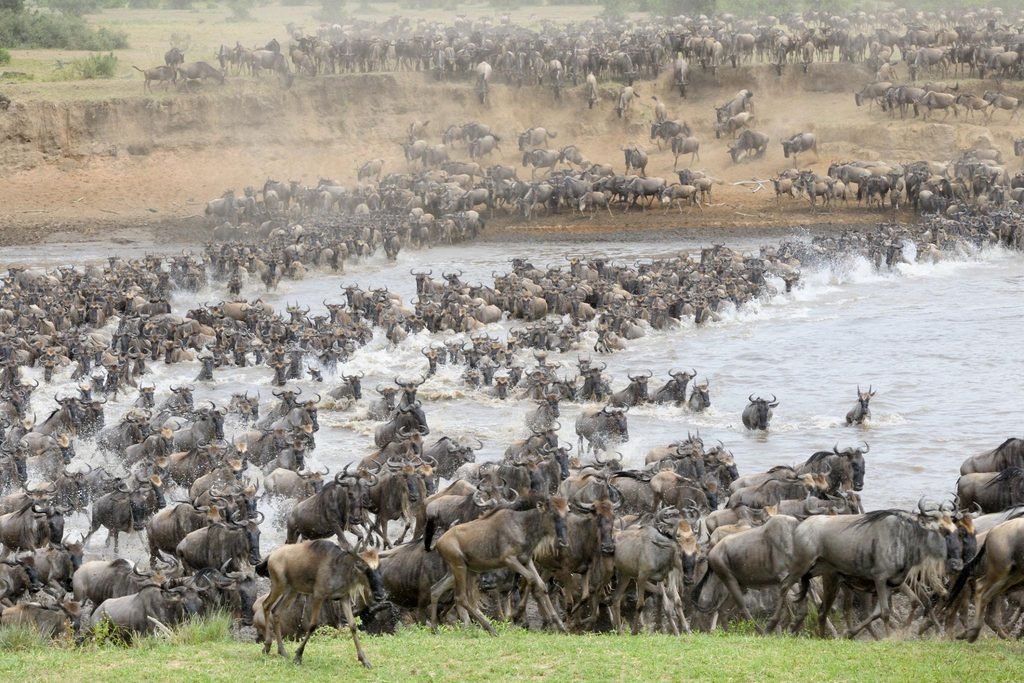
The Serengeti is particularly famous for the Great Wildebeest Migration, an annual movement involving enormous herds of wildebeest, zebras, and other grazing animals. The herds travel through different parts of the ecosystem in search of fresh grass and water, creating opportunities to observe large gatherings of wildlife and interactions between predators and their prey.
However, the Serengeti is not only about the migration. The central Serengeti, particularly the Seronera area, provides rewarding wildlife viewing throughout the year. Lions, elephants, giraffes, buffaloes, zebras, hyenas, and many antelope species can be seen in different habitats, while leopards and cheetahs are among the predators visitors hope to encounter.
For travelers planning a Tanzania safari in 2027 or 2028, the Serengeti is an excellent choice because it can be combined with other northern Tanzania destinations. A typical itinerary may include Tarangire National Park, Ngorongoro Crater, and Lake Manyara National Park, allowing visitors to experience several different ecosystems during one holiday.
You can explore available travel arrangements through Eddy Tours & Safaris, which organizes guided wildlife safaris in northern Tanzania.

What Makes the Serengeti Special?
One of the greatest attractions of the Serengeti is the size and variety of its landscapes. Unlike smaller reserves where game drives may concentrate around a limited number of roads, the Serengeti offers several regions with different wildlife experiences. Central Serengeti is known for resident animals and predators, while the southern plains become important during the wildebeest calving season.
The western corridor is associated with seasonal migration movements around the Grumeti River, while the northern Serengeti is famous for the Mara River and possible wildebeest crossings during the dry season. Because the migration follows changing rainfall and grazing conditions, the best area to visit depends on your travel month.
Travelers who want to spend several days exploring wildlife habitats may find the Serengeti particularly rewarding. Its extensive landscapes provide opportunities for game drives, photography, and staying in camps surrounded by the sounds of the African wilderness.
Best Time to Visit the Serengeti in 2027 and 2028
The Serengeti offers wildlife viewing throughout the year, but different months are associated with different stages of the migration.
From approximately January to March, the southern Serengeti and nearby Ndutu area are important for the calving season. Large numbers of wildebeest give birth during this period, attracting predators and creating excellent opportunities for wildlife observation.
Between April and June, the herds generally move northwest through the ecosystem as grazing conditions change. From July to October, northern Serengeti becomes particularly attractive for travelers hoping to observe migration herds near the Mara River. During November and December, the animals commonly begin moving south again, although their exact locations depend on rainfall.
These periods are general seasonal patterns rather than fixed schedules. River crossings, calving activity, and the location of large herds cannot be guaranteed for any specific date in 2027 or 2028.
2. Masai Mara, Kenya: Best for Big Cats and Seasonal Migration
The Masai Mara National Reserve is located in southwestern Kenya and forms part of the greater Serengeti–Mara ecosystem. It is one of the most popular safari destinations in East Africa, known for its rolling grasslands, excellent predator viewing, and the seasonal arrival of migrating wildebeest from Tanzania.
The reserve is particularly famous for lions, cheetahs, and leopards. Its relatively open landscapes can make wildlife easier to observe in suitable conditions, and the combination of grasslands, rivers, and grazing animals creates good opportunities for photography. Visitors may also encounter elephants, buffaloes, giraffes, zebras, hippos, crocodiles, and many bird species.
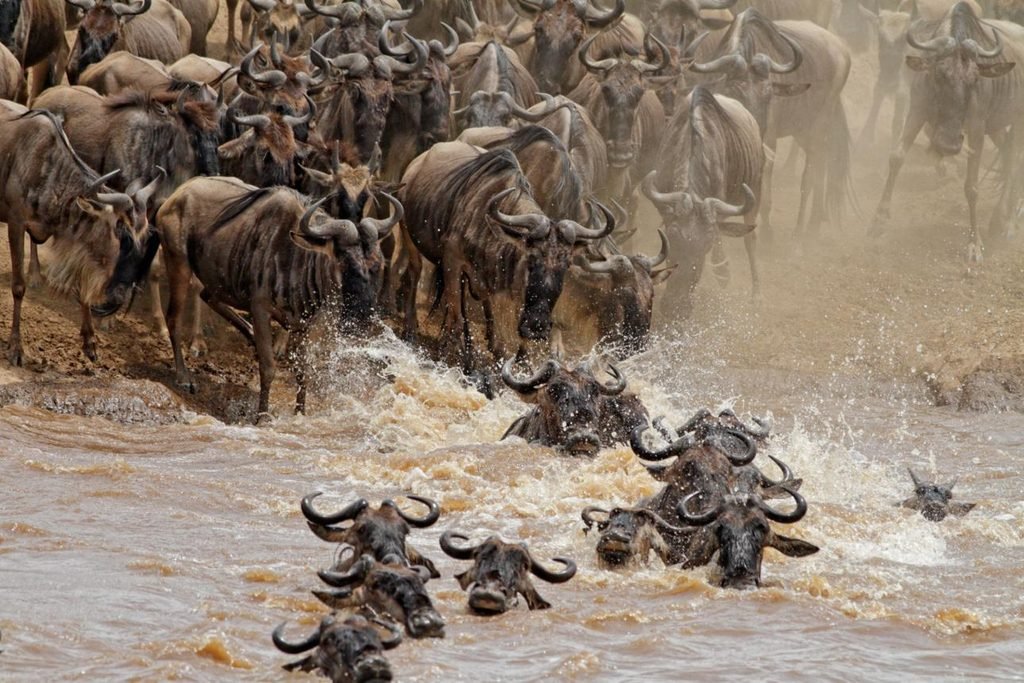
The Masai Mara is especially attractive between approximately July and October, when migration herds may move into Kenya. During this period, travelers sometimes witness dramatic river crossings as wildebeest and zebras attempt to cross rivers where crocodiles may be present.
However, it is important to understand that river crossings are unpredictable. Herds may gather near a river for hours or days without crossing, and some travelers may spend several days in the reserve without witnessing a crossing. Planning enough time and working with knowledgeable local guides can improve your opportunities, but wildlife behaviour cannot be guaranteed.
What Makes the Masai Mara Special?
The Masai Mara is particularly attractive to wildlife photographers because of its open grasslands and opportunities to observe predators. Lions are among the most sought-after animals, and the reserve’s ecosystem supports a variety of carnivores and grazing animals.
Another attraction is the opportunity to learn about Maasai culture through responsibly organized community visits. Travelers interested in local traditions may include cultural experiences alongside their wildlife safari, provided these activities are arranged respectfully and benefit the participating communities.
The Masai Mara also offers a wide selection of accommodation, ranging from tented camps to luxury safari lodges. Some properties are located inside the reserve, while others operate in surrounding conservancies, where permitted activities and conservation arrangements may differ.
Best Time to Visit the Masai Mara in 2027 and 2028
July to October is generally considered the main migration season in the Masai Mara, although the exact arrival and departure of the herds varies with rainfall and grazing conditions. This is also a popular travel period, meaning some wildlife-viewing areas may become busy.
January to March can also provide rewarding wildlife viewing, particularly for visitors interested in resident animals and predators. April and May are associated with the long rains, when the landscape becomes greener and some roads may be more difficult to use.
Travelers planning a migration safari in 2027 or 2028 should book accommodation early during popular travel periods while remembering that the migration does not follow an exact calendar.

3. Kruger National Park, South Africa: Best for Big Five and Self-Drive Safaris
Kruger National Park is one of South Africa’s most important wildlife conservation areas. Covering nearly two million hectares, the park protects a wide range of habitats, including savannah, woodland, river systems, and bushveld. It is famous for its wildlife diversity and offers visitors opportunities to observe the Big Five: lions, leopards, elephants, buffaloes, and rhinoceroses.
One of the main differences between Kruger and the East African safari destinations is the availability of self-drive safaris. Visitors can explore designated roads in their own vehicles, stay in public rest camps, and plan their activities according to park regulations. This makes Kruger particularly attractive to independent travelers who prefer flexibility and want to manage their own safari budgets.
Kruger also offers guided game drives and luxury safari accommodation. Travelers who prefer a more organized experience can stay in lodges and join professional guides for wildlife viewing, while those who enjoy independent travel may choose self-catering accommodation or camping facilities.
The park’s wildlife is spread across different habitats, so sightings depend on location, weather, season, and animal movements. Southern Kruger is often popular for wildlife viewing, while northern sections provide different landscapes and opportunities for visitors interested in birdlife and quieter areas.
What Makes Kruger National Park Special?
Kruger’s main advantage is the flexibility it offers visitors. Unlike many guided safari packages in East Africa, travelers can arrange self-drive holidays using the park’s established road network and public accommodation facilities.
This can make Kruger attractive to families, repeat safari visitors, and travelers who enjoy planning their own wildlife activities. However, self-drive safaris also require more independent decision-making, including route planning, accommodation reservations, and following park safety regulations.
Another important attraction is the opportunity to see rhinoceroses, although sightings are never guaranteed and their locations are often protected for conservation reasons. Kruger is also home to elephants, lions, leopards, buffaloes, wild dogs, giraffes, zebras, and many antelope and bird species.
Best Time to Visit Kruger in 2027 and 2028
May to September is generally a popular period for wildlife viewing because the cooler, drier conditions can make vegetation less dense and encourage animals to visit water sources. These conditions may improve visibility during game drives, although wildlife sightings remain unpredictable.
October to March is generally warmer and wetter, with greener landscapes and increased bird activity. This period can be particularly interesting for visitors who enjoy birdwatching and photography, although thicker vegetation may make some animals more difficult to observe.
Kruger can be visited throughout the year, and the best season depends on whether you prefer dry-season wildlife viewing, green landscapes, or particular bird species.
Kruger vs Masai Mara vs Serengeti: Which Is Best for Wildlife?
All three destinations offer excellent opportunities to observe African wildlife, but the experience is different in each park. Kruger is particularly attractive for travelers interested in the Big Five, including rhinoceroses, while the Masai Mara is well known for its predators and open grasslands. The Serengeti provides a combination of resident wildlife, extensive landscapes, and seasonal migration activity.
If your main interest is lions, cheetahs, and leopards, both the Masai Mara and Serengeti deserve consideration. Their open savannah environments provide opportunities to observe predators hunting, resting, and interacting with other wildlife. However, individual sightings depend on animal behaviour and cannot be promised.
For travelers hoping to see elephants, giraffes, buffaloes, zebras, and large numbers of grazing animals, the Serengeti offers a particularly rewarding experience. Kruger is also an excellent choice for wildlife diversity, especially for visitors who enjoy exploring different habitats over several days.
Wildlife Comparison
| Wildlife experience | Kruger | Masai Mara | Serengeti |
|---|---|---|---|
| Lions | Excellent opportunities | Excellent opportunities | Excellent opportunities |
| Leopards | Good opportunities | Good opportunities | Good opportunities |
| Cheetahs | Present, often harder to find | Strong opportunities | Strong opportunities |
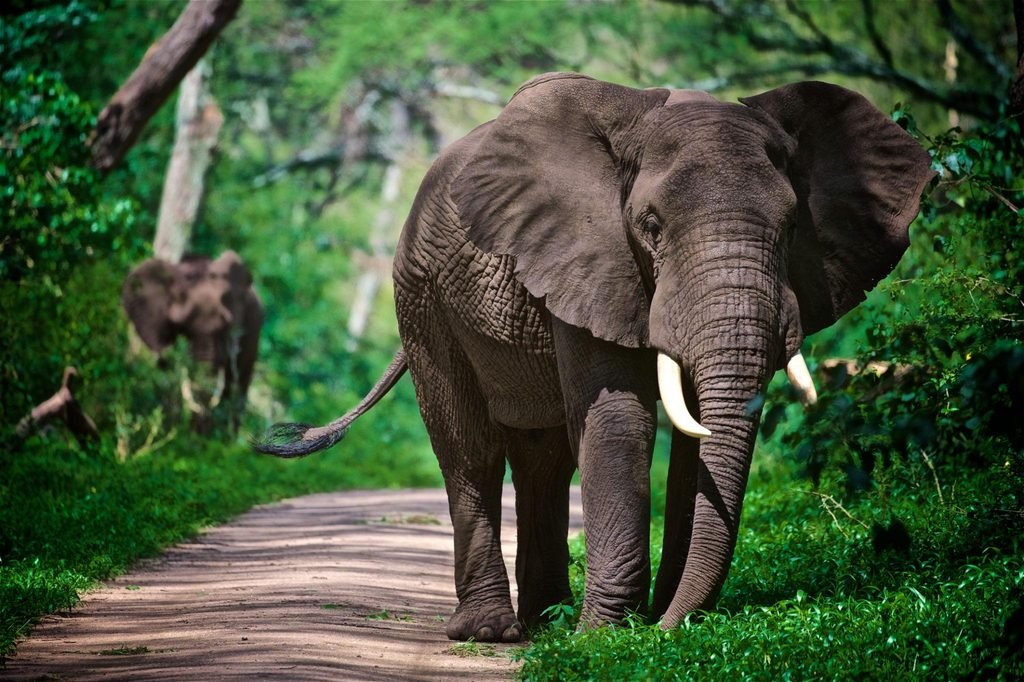
| Elephants | Excellent opportunities | Good opportunities | Excellent opportunities |
| Rhinos | Important rhino habitat | Present but uncommon | Present but difficult to see |
| Wildebeest migration | Not part of the Serengeti–Mara migration | Seasonal | Annual movement across the ecosystem |
| Wild dogs | Present | Uncommon | Uncommon |
| Birdwatching | Excellent | Excellent | Excellent |
Wildlife viewing varies by season and location, so these descriptions should be treated as general comparisons rather than guarantees.
Which Destination Is Best for the Great Wildebeest Migration?
For travelers whose main goal is witnessing the Great Wildebeest Migration, the Serengeti and Masai Mara are the relevant destinations. The migration takes place across the connected ecosystem of Tanzania and Kenya, with herds moving in response to rainfall, fresh grass, and water availability.
The Serengeti has an advantage for travelers visiting at different times of the year because major stages of the migration occur in different regions of Tanzania. Visitors traveling between January and March may focus on the southern plains and Ndutu, while those visiting from July to October may consider the northern Serengeti.
The Masai Mara is particularly attractive during the middle and later parts of the dry season, when herds may enter Kenya and gather around river systems. Travelers visiting outside the main migration period can still enjoy excellent resident wildlife, but should not expect the same large migration gatherings.
Kruger National Park does not form part of the Serengeti–Mara wildebeest migration. It offers a different wildlife experience focused on resident animals, varied habitats, and the Big Five.
Great Migration Planning Calendar
| Travel period | Recommended region | Main wildlife experience |
|---|---|---|
| January–March | Southern Serengeti and Ndutu | Calving season and predator activity |
| April–May | Southern and central Serengeti | Seasonal herd movement |
| June–July | Western and northern Serengeti | Moving herds and possible river crossings |
| August–September | Northern Serengeti and Masai Mara | Possible Mara River crossings |
| October | Northern Serengeti and Masai Mara | Late-season migration activity |
| November–December | Central and southern Serengeti ecosystem | Herds moving toward southern grazing areas |
The migration is a natural event, and the exact timing can change from year to year.
Kruger vs Masai Mara vs Serengeti: Which Is More Affordable?
Safari costs vary considerably depending on the destination, travel season, accommodation standard, group size, transportation, and number of days. It is therefore difficult to declare one park the cheapest without comparing actual packages.
Kruger is often attractive to budget-conscious travelers because of its self-drive options and public rest camps. Visitors can choose their own accommodation and organize much of the trip independently, although vehicle rental, fuel, conservation fees, and other travel costs still need to be considered.
The Masai Mara offers mid-range and luxury safari options, but prices can increase significantly during the main migration season. Accommodation location also matters because properties inside the reserve and those in surrounding conservancies may have different fees and activity arrangements.
The Serengeti offers budget camping, mid-range tented camps, and luxury lodges. A budget camping safari can reduce accommodation expenses, while a private luxury safari with internal flights and premium camps will cost considerably more. Because the park is large, transport and travel time also influence the final quotation.
For travelers considering Tanzania, Eddy Tours & Safaris can provide a customized quotation based on travel dates, group size, preferred accommodation, and safari duration.
Which Destination Is Best for Luxury Safaris?
All three destinations offer luxury accommodation, but their experiences are slightly different. The Serengeti is particularly attractive for travelers who want to stay in luxury tented camps surrounded by extensive wilderness landscapes. Some camps are located in areas associated with seasonal migration activity, allowing visitors to choose accommodation according to the time of year.
The Masai Mara is also known for luxury safari camps, particularly in the reserve and surrounding conservancies. These properties may offer smaller guest numbers, personalized guiding, and additional activities where regulations permit.
Kruger and its surrounding private reserves provide another style of luxury safari, often combining high-end accommodation with guided wildlife activities. The exact experience depends on the property and whether it is located inside the national park or in a neighbouring private reserve.
When comparing luxury safaris, travelers should consider the quality of guiding, location, travel time, privacy, and wildlife opportunities rather than judging accommodation only by room facilities.
Which Safari Destination Is Best for Families?
Kruger can be a practical choice for families who prefer flexible travel arrangements, self-catering accommodation, and the ability to explore at their own pace. Its established road network and public rest camps provide options for different travel styles, although families must follow park safety regulations carefully.
The Masai Mara is attractive for families interested in wildlife photography, predators, and relatively compact safari itineraries. Some camps offer family accommodation and activities designed for younger travelers, although minimum ages and activity restrictions vary.
The Serengeti is an excellent option for families who want a traditional guided African safari. A private safari vehicle allows the itinerary to be adjusted around the family’s interests and comfort, while combining the Serengeti with Ngorongoro Crater or Tarangire provides additional wildlife experiences.
For families traveling with young children, it is important to discuss driving distances, accommodation suitability, medical considerations, and the length of daily game drives before confirming the itinerary.
Serengeti vs Masai Mara: Which Is Better for First-Time Safari Travelers?
Both the Serengeti and Masai Mara are excellent destinations for a first African safari. The Masai Mara is attractive because of its relatively open landscapes and strong opportunities to observe predators, particularly lions. Its smaller size compared with the Serengeti can also make it easier to focus on selected wildlife-viewing areas during a shorter trip.
The Serengeti is particularly suitable for travelers who want a longer safari covering different habitats and regions. A five- to seven-day Tanzania safari can include the Serengeti alongside Ngorongoro Crater and Tarangire National Park, providing a wider variety of landscapes and wildlife experiences.
For visitors planning their first safari in 2027 or 2028, the Serengeti is a strong choice if they want a traditional guided wildlife holiday with several days in the bush. The Masai Mara may be preferable for travelers with a shorter itinerary or those whose travel dates coincide with the main migration season in Kenya.
How Many Days Should You Spend in Each Safari Destination?
The ideal safari duration depends on the size of the destination, your travel budget, and the number of wildlife experiences you want to include. Shorter safaris can be rewarding, but allowing more time generally provides additional opportunities to explore different areas and respond to changing wildlife conditions.
For Kruger National Park, three to five days can provide a good introduction, while a week or longer allows travelers to explore different sections of the park. The Masai Mara is commonly visited for three to five days, although longer stays can be useful during migration season when wildlife movements are unpredictable.
For the Serengeti, four to seven days is a practical range for many travelers. A longer stay is particularly useful when visiting distant regions or planning a migration-focused itinerary that includes the northern Serengeti.
Recommended Safari Duration
| Destination | Suggested duration | Ideal experience |
|---|---|---|
| Kruger National Park | 3–5 days | Big Five and general wildlife viewing |
| Masai Mara | 3–5 days | Predators and seasonal migration |
| Serengeti National Park | 4–7 days | Wildlife, photography and migration |
| Serengeti with Ngorongoro and Tarangire | 6–8 days | A broader northern Tanzania safari |
Best Tanzania Safari Itinerary for 2027 and 2028
For travelers choosing the Serengeti, a seven-day northern Tanzania safari is a good way to experience several major wildlife destinations without rushing through every location. The following is an example itinerary that can be adjusted according to your travel dates, accommodation preferences, and wildlife interests.
Day 1: Arrival in Tanzania
Arrive at Kilimanjaro International Airport, where your transfer can take you to your accommodation in Arusha. Depending on your arrival time, you may have an opportunity to rest, explore the hotel surroundings, and meet your safari guide for a briefing. The guide will explain the planned route, travel times, and practical arrangements for the following days.
Day 2: Arusha to Tarangire National Park
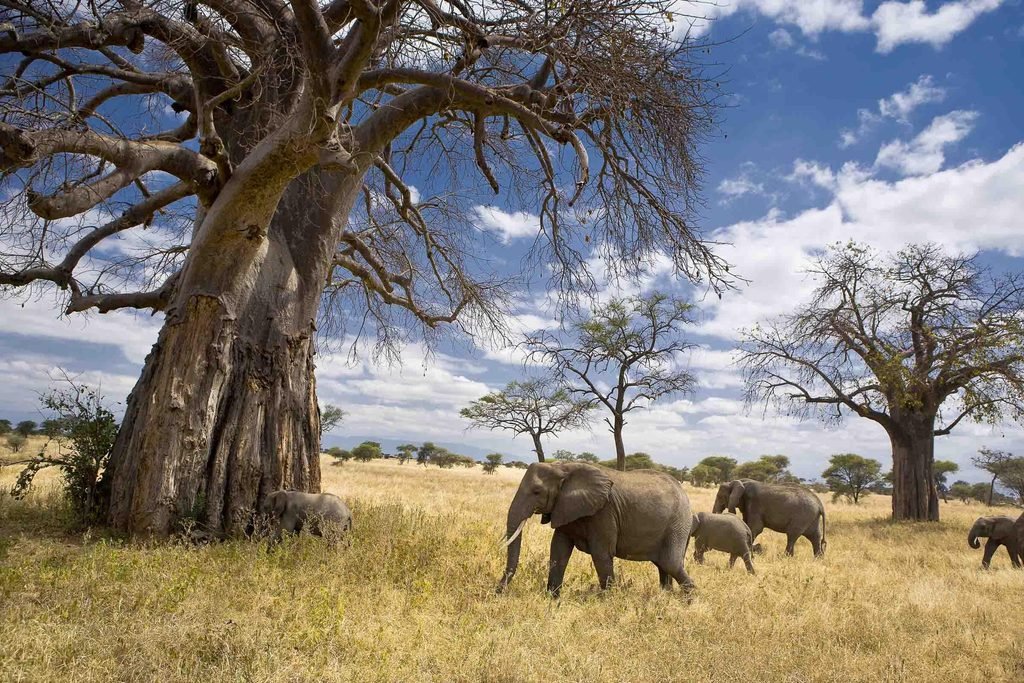
After breakfast, depart for Tarangire National Park, which is known for its elephant populations, baobab trees, and varied savannah landscapes. Spend the day exploring the park in a safari vehicle, looking for elephants, giraffes, zebras, buffaloes, antelopes, and predators when conditions allow. In the afternoon, continue to your accommodation for dinner and an overnight stay.
Day 3: Tarangire to Serengeti National Park
Travel toward Serengeti National Park through the northern Tanzania highlands and the Ngorongoro Conservation Area, following the route and transit arrangements confirmed for your safari. The journey provides opportunities to appreciate changing landscapes before reaching the Serengeti plains. Depending on arrival time, enjoy a game drive while traveling toward your camp or lodge.
Day 4: Full-Day Serengeti Safari
Spend the day exploring the Serengeti with your guide. The central region is known for resident wildlife, including lions, elephants, giraffes, buffaloes, and other animals. Your guide will select suitable game-drive areas according to recent wildlife activity, road conditions, and your interests, with time for photography and a picnic lunch.
Day 5: Another Day in the Serengeti
Continue exploring the Serengeti, focusing on different habitats or migration-related areas where practical. The itinerary can be adjusted according to the season, although reaching distant northern or southern regions may require additional travel time or a different accommodation plan. Spending a second full day in the park increases your opportunity to enjoy wildlife sightings without rushing.
Day 6: Serengeti to Ngorongoro Conservation Area
Enjoy a morning game drive before leaving the Serengeti and traveling toward the Ngorongoro Conservation Area. The journey offers views of the surrounding highlands and volcanic landscapes. Arrive at your accommodation in time to rest and prepare for the following day’s crater visit.
Day 7: Ngorongoro Crater Safari and Return to Arusha
After an early breakfast, descend into Ngorongoro Crater for a wildlife safari. The crater supports a variety of animals, including buffaloes, zebras, wildebeest, lions, and elephants, while black rhinoceroses may occasionally be seen. After the game drive and lunch, return to Arusha or continue to your onward travel arrangements.
This itinerary is an example rather than a confirmed departure. Accommodation, park fees, transfers, and travel times should be finalized through a personalized quotation.
Frequently Asked Questions About Kruger, Masai Mara and Serengeti
1. Which is better: Kruger, Masai Mara or Serengeti?
The Serengeti is excellent for the Great Migration and extensive landscapes, the Masai Mara is known for big cats and seasonal migration, and Kruger is particularly attractive for Big Five and self-drive safaris.
2. Is Serengeti better than Masai Mara?
Neither is automatically better. The Serengeti is larger and offers different migration stages throughout the year, while the Masai Mara is especially attractive during its main migration season.
3. Which safari destination is best for the Big Five?
Kruger is a strong choice for Big Five safaris, while the Serengeti and Masai Mara also support the Big Five. Rhino sightings can be particularly difficult in the East African destinations.
4. Which park is best for lions?
Both the Serengeti and Masai Mara are famous for lions, while Kruger also provides excellent opportunities.
5. Which destination is best for cheetahs?
The Serengeti and Masai Mara are particularly attractive because their open grassland habitats support cheetahs.
6. Can I see the Great Migration in Kruger?
No. The Great Wildebeest Migration takes place in the Serengeti–Mara ecosystem of Tanzania and Kenya.
7. Is the Great Migration better in Tanzania or Kenya?
Tanzania offers different migration stages during much of the year, while Kenya is particularly attractive during the main Masai Mara migration season.
8. When is the best time to see river crossings?
July to October is generally the main period to consider, although exact crossing dates and locations are unpredictable.
9. Can I see the Great Migration in January?
Yes. January is commonly associated with herds gathering in the southern Serengeti ecosystem ahead of or during the calving season.
10. Which safari destination is cheapest?
Kruger often offers greater budget flexibility through self-drive trips and public accommodation, but actual costs depend on travel arrangements.
11. Is the Serengeti expensive?
The Serengeti offers different accommodation standards, from camping to luxury lodges. Costs vary by season, group size, transport, and itinerary.
12. Is Masai Mara expensive during migration season?
Prices can increase during popular migration months because of higher demand for accommodation and safari services.
13. Which park is best for luxury safaris?
All three offer luxury options. The best choice depends on accommodation style, location, guiding, and the experience you want.
14. Can I drive myself in Kruger?
Yes. Kruger permits self-drive game viewing on designated roads under park regulations.
15. Can I self-drive in the Serengeti?
Self-driving is possible under applicable regulations, but most international visitors choose guided safari arrangements because of the distances and road conditions.
16. Which destination is best for wildlife photography?
The Serengeti and Masai Mara are excellent for open-plains wildlife photography, while Kruger offers varied habitats and different photographic opportunities.
17. Is Serengeti good throughout the year?
Yes. The Serengeti supports resident wildlife throughout the year, although migration locations change seasonally.
18. What is the best time to visit Kruger?
May to September is generally popular for dry-season wildlife viewing.
19. What is the best time to visit Masai Mara?
July to October is popular for migration possibilities, while other months can provide good resident wildlife viewing.
20. What is the best time to visit Serengeti?
The best time depends on your interests. January to March is associated with calving, while July to October is popular for northern migration activity.
21. How many days should I spend in Serengeti?
Four to seven days is a useful range for many travelers, depending on the areas they want to explore.
22. Can I combine Serengeti and Ngorongoro Crater?
Yes. This is one of the most popular combinations on northern Tanzania safari itineraries.
23. Can I combine Serengeti with Zanzibar?
Yes. Many travelers continue to Zanzibar for a beach holiday after completing their wildlife safari.
24. Can I visit Serengeti in 2027?
Yes. You can request a safari quotation for your preferred 2027 travel dates, subject to availability and confirmed arrangements.
25. Can I book a Serengeti safari for 2028?
Yes. Safari arrangements can be discussed for 2028, although accommodation, park fees, and prices must be confirmed.
Final Verdict: Kruger vs Masai Mara vs Serengeti – Which Should You Choose in 2027 or 2028?
Choosing between Kruger, Masai Mara, and Serengeti depends on the type of safari experience you want. Kruger is an excellent option for travelers interested in the Big Five, self-drive adventures, and flexible accommodation. The Masai Mara is particularly attractive for visitors who enjoy big-cat photography and want to travel during the seasonal wildebeest migration in Kenya.
For travelers looking for a classic East African safari with extensive landscapes, excellent wildlife viewing, and the opportunity to follow different stages of the Great Migration, the Serengeti is one of the strongest choices. Its location in northern Tanzania also makes it possible to combine several wildlife destinations in one trip, including Tarangire National Park and Ngorongoro Crater.
At Eddy Tours & Safaris, we help travelers plan Tanzania wildlife safaris for 2027 and 2028, including Serengeti migration safaris, family holidays, private wildlife tours, and customized itineraries. Whether you want a short Serengeti experience or a longer safari covering several national parks, our team can help you choose suitable dates and accommodation.
Plan Your Tanzania Safari with Eddy Tours & Safaris
Email: sales@eddytours-safaris.com
Explore Tanzania’s wildlife with a safari itinerary designed around your travel dates, interests, and budget.