
A Kenya and Tanzania safari in 2027 or 2028 offers travellers the chance to explore two of Africa’s most celebrated wildlife destinations in one journey. From the rolling grasslands of the Masai Mara to the vast plains of the Serengeti, these neighbouring East African countries provide exceptional opportunities to see lions, elephants, leopards, giraffes, zebras, wildebeest and many other animals in their natural habitats. Whether you are planning your first African safari, a family holiday, a honeymoon or a photography trip, combining Kenya and Tanzania allows you to experience different landscapes, wildlife populations and cultures without travelling across the entire continent.

Kenya is particularly well known for the Masai Mara National Reserve, Amboseli National Park and its scenic Rift Valley lakes, while Tanzania is home to Serengeti National Park, Ngorongoro Crater, Tarangire National Park and Mount Kilimanjaro. Both countries share the greater Serengeti–Mara ecosystem, where millions of grazing animals move throughout the year in search of fresh grass and water. With careful planning, a combined safari can include the Great Migration, the Big Five, traditional Maasai communities, beautiful lodges and some of the finest wildlife viewing in Africa.
This updated 2027/2028 Kenya and Tanzania safari guide explains the best destinations, travel seasons, suggested itineraries, estimated costs, accommodation choices, border crossing arrangements and practical information needed before booking. Travellers can also explore customised Tanzania safari tours with Eddy Tours & Safaris to begin planning their East African adventure.
Why Choose a Combined Kenya and Tanzania Safari in 2027/2028?
A combined safari provides a broader experience than visiting only one country, especially for travellers who have ten days or more available. Although Kenya and Tanzania share many wildlife species, their national parks have different landscapes, road networks, accommodation styles and wildlife concentrations. The Masai Mara offers excellent opportunities for observing lions, cheetahs and large herds of grazing animals, while the Serengeti provides enormous open plains, remote wilderness areas and access to different stages of the annual wildebeest migration.
Another important advantage is the opportunity to visit several major wildlife areas within one holiday. A well-planned itinerary might begin in Nairobi, continue to Amboseli National Park and the Masai Mara, cross into Tanzania for the Serengeti and Ngorongoro Crater, and finish in Arusha or Zanzibar. Each destination offers something different, making the overall journey more varied and rewarding.
Travellers interested in wildlife photography may appreciate the contrast between Kenya’s open savannahs and Tanzania’s volcanic highlands, acacia woodlands and extensive grasslands. Families can choose comfortable lodges with shorter game drives, while adventurous travellers may prefer mobile camping, tented camps and longer stays in remote areas.
The most important consideration is allowing enough time at each destination. Trying to visit too many national parks in a short period often results in long driving days and limited opportunities to enjoy the wildlife. For most visitors, a 10- to 14-day combined Kenya and Tanzania safari offers a practical balance between travel time, game viewing and relaxation.

Best Safari Destinations in Kenya for 2027/2028
1. Masai Mara National Reserve
The Masai Mara National Reserve is one of Kenya’s most famous wildlife destinations and an essential stop on many combined Kenya and Tanzania safaris. Located in southwestern Kenya along the Tanzanian border, the reserve forms part of the wider Serengeti–Mara ecosystem. Its rolling grasslands, scattered acacia trees and seasonal rivers provide excellent habitats for lions, cheetahs, leopards, elephants, buffaloes, giraffes, zebras and numerous antelope species.
Between approximately July and October, the Masai Mara often receives large numbers of migrating wildebeest and zebras moving north from Tanzania. The Mara River is particularly famous for dramatic crossings, where animals must navigate strong currents and crocodile-filled waters. However, river crossings are unpredictable natural events, and sightings cannot be guaranteed on specific dates.
Outside the migration season, the Masai Mara remains an excellent wildlife destination. Resident predators, elephants, buffaloes and many plains animals can be seen throughout the year. Travellers can choose accommodation inside the reserve, near its boundaries or in neighbouring conservancies, depending on their budget and preferred safari experience.
2. Amboseli National Park
Amboseli National Park is particularly famous for its large elephant herds and spectacular views of Mount Kilimanjaro, which rises across the border in Tanzania. The park contains open plains, seasonal wetlands, marshes and areas of acacia woodland, creating varied habitats for wildlife and birds. On clear mornings, visitors may photograph elephants walking across the savannah with Africa’s highest mountain in the background.
Amboseli is an excellent destination for travellers interested in elephants, landscape photography and a more relaxed safari experience. Visitors may also encounter lions, buffaloes, giraffes, zebras, wildebeest, hyenas and numerous bird species. The park’s relatively open terrain makes wildlife observation enjoyable, although sightings depend on seasonal conditions and animal movements.
For travellers planning to continue into northern Tanzania, Amboseli can be conveniently combined with a border crossing at Namanga before travelling toward Arusha, Tarangire or the Ngorongoro Highlands.

3. Lake Nakuru National Park
Lake Nakuru National Park lies within Kenya’s Great Rift Valley and is known for its lake scenery, birdlife and important rhinoceros conservation work. The park protects both black and white rhinoceroses and is often included in safari itineraries designed around seeing the Big Five.
In addition to rhinos, visitors may encounter buffaloes, giraffes, zebras, waterbucks, baboons and various predators. Flamingos are sometimes present around the lake, although their numbers vary considerably with water levels, food availability and environmental conditions.
Lake Nakuru is particularly suitable for travellers travelling by road between Nairobi and western Kenya. It offers a different landscape from the Masai Mara and provides valuable opportunities to observe wildlife associated with lakeshore and woodland habitats.
4. Lake Naivasha
Lake Naivasha is a freshwater lake in the Great Rift Valley, surrounded by attractive landscapes, flower farms, woodland and wildlife habitats. It is a popular stop for travellers travelling between Nairobi, Lake Nakuru and the Masai Mara. Unlike traditional savannah safari destinations, Lake Naivasha offers opportunities for boat excursions, birdwatching and visits to nearby natural attractions.
Hippos are commonly associated with the lake, while fish eagles, pelicans, herons and other waterbirds may be observed along its shores. Visitors can also explore nearby Crescent Island, subject to local arrangements, or enjoy a relaxing afternoon at one of the lakeside lodges.
Lake Naivasha works particularly well as a short stop between longer game-drive destinations and can provide families with a welcome change of pace.
Best Safari Destinations in Tanzania for 2027/2028
1. Serengeti National Park
Serengeti National Park is one of the most important wildlife destinations in Africa and a central attraction on almost every major northern Tanzania safari itinerary. The park is famous for its extensive grasslands, abundant predators and its role in the annual Great Migration. Its name is commonly associated with the Maasai expression describing endless plains, an appropriate description of the enormous landscapes visible across much of the park.
The Serengeti is divided into several important safari regions, including the central Serengeti, western corridor, northern Serengeti and southern plains. Each region offers different wildlife experiences throughout the year. The central Serengeti, particularly around Seronera, is known for year-round wildlife viewing, including lions, leopards, cheetahs, elephants, giraffes and many plains animals.
The northern Serengeti becomes especially popular during the migration period when large herds approach the Mara River, while the southern Serengeti and neighbouring Ndutu area are particularly important during the calving season. Travellers planning a 2027 or 2028 safari should choose their accommodation according to the season and the wildlife they most want to see.
For more information about safari planning and customised itineraries, visit Eddy Tours & Safaris, a Tanzania-based tour operator arranging wildlife safaris and other East African travel experiences.
2. Ngorongoro Crater
The Ngorongoro Crater is one of Tanzania’s most remarkable wildlife destinations and a UNESCO World Heritage Site within the Ngorongoro Conservation Area. Formed by the collapse of an ancient volcano, the crater contains grasslands, freshwater areas, swamps and woodland habitats that support an impressive concentration of wildlife.
Visitors descending into the crater may encounter lions, elephants, buffaloes, zebras, wildebeest, hyenas, hippos and numerous bird species. The crater is also an important habitat for the endangered black rhinoceros, making it one of the most attractive destinations for travellers hoping to see this increasingly rare animal.
Ngorongoro is particularly popular because visitors can observe a wide variety of animals within a relatively concentrated area. However, wildlife sightings are never guaranteed, and the number of vehicles can increase during busy travel periods.
Most safari itineraries include one crater game drive, usually beginning early in the morning. Travellers may stay at lodges along the crater rim or in nearby Karatu, where accommodation options range from comfortable mid-range properties to luxury lodges.
3. Tarangire National Park
Tarangire National Park is one of northern Tanzania’s most rewarding wildlife destinations, especially during the dry season when animals gather around the Tarangire River and other available water sources. The park is particularly famous for its elephant populations, impressive baobab trees and beautiful landscapes.
Between approximately June and October, Tarangire often provides excellent opportunities to observe large groups of elephants, buffaloes, zebras, wildebeest and other herbivores. Lions, leopards and various smaller predators also inhabit the park, although their visibility depends on vegetation and seasonal movements.
Tarangire is especially suitable for travellers beginning their safari in Arusha because it is relatively accessible by road. It can be included in short Tanzania safaris or longer combined Kenya and Tanzania itineraries.
4. Lake Manyara National Park
Lake Manyara National Park is located at the base of the Great Rift Valley escarpment and offers a distinctive combination of groundwater forest, open grassland, lakeshore habitats and scenic viewpoints. Although smaller than the Serengeti or Tarangire, the park supports a variety of wildlife and is well known for its birdlife.
Visitors may encounter elephants, buffaloes, giraffes, baboons, hippos and numerous species of birds. The park is also associated with tree-climbing lions, although these animals are not always easy to locate.
Lake Manyara is often included as part of a northern Tanzania safari circuit, particularly for travellers moving between Arusha, Tarangire, Karatu and Ngorongoro. Road conditions and access to some sections can change following heavy rainfall, so itineraries should remain flexible.
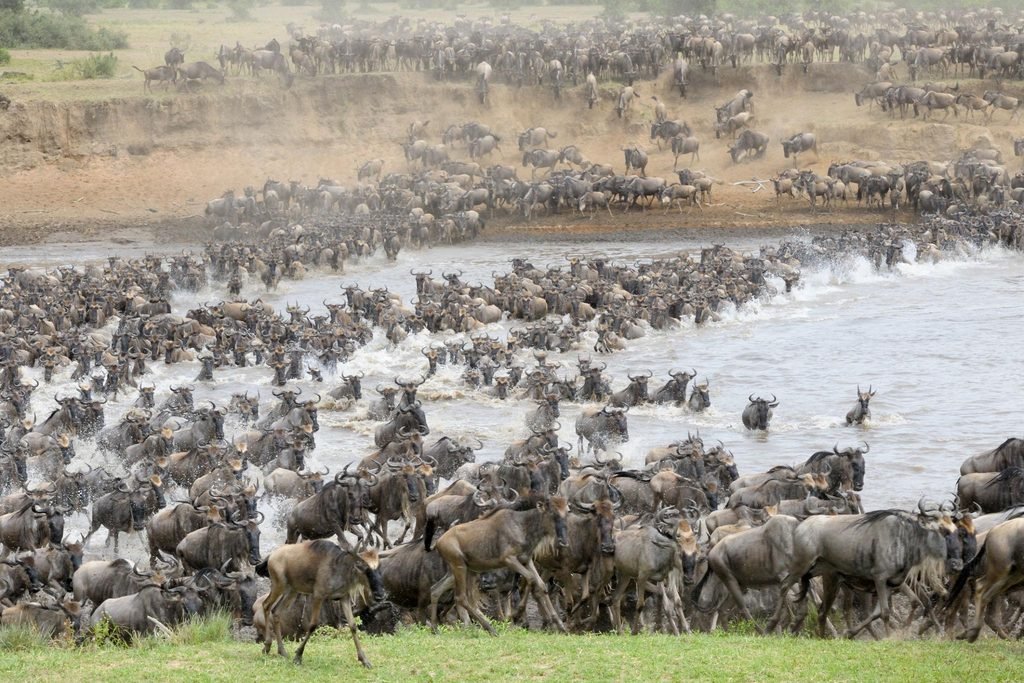
The Great Migration in Kenya and Tanzania: What to Expect in 2027/2028
The Great Migration is one of the main reasons travellers choose a combined Kenya and Tanzania safari. Every year, enormous numbers of wildebeest, accompanied by zebras and gazelles, move through the Serengeti–Mara ecosystem in search of fresh grazing and water. Their movement is influenced by rainfall, grass growth and environmental conditions rather than a fixed calendar.
The migration is a continuous natural cycle, not a single event that occurs only during the middle of the year. Different regions of Tanzania and Kenya become important at different stages, which means travellers can experience migration-related wildlife activity in several months.
January to March: Southern Serengeti and Ndutu Calving Season
During the early months of the year, large herds are often concentrated across the southern Serengeti and Ndutu plains, where nutrient-rich grasses provide favourable conditions for calving. Thousands of wildebeest calves may be born within a relatively short period, attracting predators such as lions, cheetahs and hyenas.
This season is particularly attractive for wildlife photographers and travellers interested in observing predator behaviour. February is commonly associated with peak calving activity, although rainfall patterns can affect the exact distribution of the herds.
April to June: Movement Toward the Western Serengeti
As seasonal conditions change, migrating herds generally begin moving toward the central and western parts of the Serengeti. The landscape becomes greener following the rains, and large groups of wildebeest and zebras may be observed travelling across open plains and woodland areas.
The western corridor and Grumeti River become important during this period, although river crossings and herd concentrations vary between years. Some roads may be muddy during the wetter months, and travellers should choose suitable vehicles and accommodation.
July to October: Northern Serengeti and Masai Mara
July through October is the most famous period for travellers hoping to witness the migration in northern Tanzania and Kenya. Large herds may gather near the Mara River, where crossings sometimes take place. These events can involve substantial numbers of animals entering the river while crocodiles wait in the water.
The northern Serengeti and Masai Mara are both important during this period, but the herds may move back and forth across the border depending on grazing conditions. Spending several nights in the relevant wildlife area improves the opportunity to observe migration activity, although no operator can guarantee a river crossing.
November to December: Return Toward the Southern Plains
With the arrival of seasonal rains, migrating animals generally begin moving southward through the Serengeti ecosystem. The exact timing varies, and some herds may remain in northern or central areas longer than expected.
This period can be attractive for travellers seeking greener landscapes, fewer visitors in some areas and excellent wildlife photography. The Serengeti continues to offer strong resident wildlife viewing even when the main migrating herds are elsewhere.
Best Time to Visit Kenya and Tanzania in 2027/2028
The best time for a combined Kenya and Tanzania safari depends on your wildlife interests, budget, preferred weather and tolerance for busy national parks. Both countries offer excellent safari opportunities throughout the year, but some seasons are better suited to particular experiences.
| Travel Period | Safari Conditions | Recommended Experiences |
|---|---|---|
| January–March | Generally warm, with variable rainfall | Ndutu calving season, predators, photography |
| April–May | Main rainy period in many safari areas | Green landscapes, birdwatching, quieter travel |
| June–July | Transition into the dry season | Tarangire elephants, western and northern migration |
| August–September | Generally dry and popular | Masai Mara, northern Serengeti, river-crossing opportunities |
| October | Late dry season in many areas | Wildlife near water sources, migration activity |
| November–December | Short rains in many regions | Green-season wildlife, birdwatching, fewer crowds in some areas |
For travellers primarily interested in the Great Migration and possible Mara River crossings, August and September are often attractive months. Those interested in the calving season should consider January through March, especially February. Travellers who prefer lower accommodation rates and greener scenery may find April, May or November worthwhile, provided they are comfortable with occasional rain and possible road delays.
Because 2027 and 2028 weather patterns cannot be predicted precisely so far in advance, migration itineraries should remain flexible and should not promise wildlife sightings on particular dates.
Suggested 12-Day Kenya and Tanzania Safari Itinerary for 2027/2028
A 12-day itinerary provides enough time to explore several major destinations while avoiding the pressure of attempting to visit every national park in East Africa. The following example begins in Nairobi and finishes in Arusha, combining some of Kenya’s best wildlife areas with Tanzania’s northern safari circuit.
Day 1: Arrival in Nairobi, Kenya
Arrive at Jomo Kenyatta International Airport, where your representative will meet you and arrange a transfer to your hotel in Nairobi. Depending on your arrival time, you may have an opportunity to rest, explore selected attractions or enjoy dinner at your accommodation. Your guide or tour representative will explain the safari programme, luggage arrangements, travel times and other practical details before departure.
Day 2: Nairobi to Lake Nakuru National Park
After breakfast, depart Nairobi and travel toward Lake Nakuru National Park through the scenic Great Rift Valley. Depending on road conditions and departure time, you may stop at selected viewpoints before continuing to the park. Enjoy an afternoon game drive looking for rhinoceroses, buffaloes, giraffes and other wildlife before proceeding to your lodge for dinner and overnight accommodation.
Day 3: Lake Nakuru to Masai Mara National Reserve
Leave Lake Nakuru after breakfast and continue toward the Masai Mara, travelling through rural landscapes and small towns. Arrive at your accommodation, enjoy lunch if time permits and prepare for an afternoon game drive. The Masai Mara’s open grasslands provide opportunities to see lions, elephants, giraffes, zebras and many other animals. Return to your lodge or tented camp for dinner and overnight.
Day 4: Full-Day Safari in Masai Mara
Spend the day exploring the Masai Mara with your safari guide. Depending on wildlife movements and your interests, you may visit different sections of the reserve in search of predators, elephants and large herbivore herds. During the migration season, your guide may focus on areas where wildebeest are gathering, although river crossings cannot be predicted. A picnic lunch can be arranged to allow more time for wildlife viewing before returning to camp.
Day 5: Second Full Day in Masai Mara
Enjoy another full day in the Masai Mara, providing additional opportunities for photography and wildlife observation. Your guide may explore different habitats or concentrate on areas where interesting animal activity has been reported. Travellers may also arrange optional activities such as a hot-air balloon safari or a cultural visit to a local Maasai community, subject to availability, additional costs and appropriate arrangements.
Day 6: Masai Mara to Serengeti National Park via Isebania/Sirari
After an early breakfast, depart the Masai Mara and travel toward the Isebania border crossing on the Kenyan side and Sirari on the Tanzanian side. Complete the required immigration procedures and meet your Tanzanian safari team before continuing toward Serengeti National Park. This is a long transfer day, and the amount of time available for wildlife viewing depends on border processing, road conditions and the location of your accommodation. Arrive at your camp or lodge for dinner and overnight.
Day 7: Full-Day Game Drive in Serengeti National Park
Spend a full day exploring the Serengeti, one of Africa’s most famous wildlife ecosystems. Depending on the season and the location of your camp, your guide may focus on the central plains, river systems or other productive wildlife areas. Look for lions, leopards, cheetahs, elephants, buffaloes, giraffes and large groups of grazing animals. The Serengeti’s extensive landscapes provide excellent opportunities for photography, especially during the early morning and late afternoon.
Day 8: Another Full Day in the Serengeti
Continue exploring the Serengeti with a full-day game drive or a combination of morning and afternoon drives, depending on your accommodation and travel arrangements. Spending two full days in the park allows more time to observe animal behaviour and visit different habitats without rushing. During migration periods, the itinerary may be adjusted to concentrate on the most suitable wildlife areas.
Day 9: Serengeti to Ngorongoro Conservation Area
Enjoy a morning game drive in the Serengeti before travelling toward the Ngorongoro Conservation Area. Along the way, observe changing landscapes as the open plains gradually give way to highlands and volcanic scenery. Depending on the route and available time, an optional visit to Olduvai Gorge may be arranged. Continue to your accommodation near the crater rim or in Karatu for dinner and overnight.
Day 10: Ngorongoro Crater Game Drive
After an early breakfast, travel to the Ngorongoro Crater for a game drive on the crater floor. The crater’s varied habitats support lions, buffaloes, elephants, zebras, wildebeest, hippos and numerous bird species. With luck, you may also encounter a black rhinoceros. Enjoy a picnic lunch at a designated area before ascending from the crater and returning to your accommodation.
Day 11: Tarangire National Park
Depart after breakfast and travel toward Tarangire National Park, known for its elephants, ancient baobab trees and attractive savannah landscapes. Enjoy a game drive along selected routes, searching for elephants, giraffes, buffaloes, zebras and predators. During the dry season, the Tarangire River attracts many animals, creating excellent opportunities for wildlife viewing. Continue to your lodge or camp for dinner and overnight.
Day 12: Tarangire to Arusha – Departure
After breakfast, depart your accommodation and travel toward Arusha, with a short morning game drive if time and park arrangements permit. Depending on your onward travel plans, you may be transferred to Kilimanjaro International Airport, Arusha Airport or a hotel in town. Travellers continuing to Zanzibar or Mount Kilimanjaro can arrange additional services separately.
This itinerary is an example rather than a confirmed departure programme. Accommodation locations, border arrangements, driving times and park combinations should be checked before booking.

Kenya and Tanzania Safari Cost in 2027/2028
The cost of a Kenya and Tanzania safari varies according to the number of travel days, accommodation category, season, group size, transport arrangements and activities included. Combined safaris are often more expensive than single-country itineraries because they involve additional transfers, separate park fees, border logistics and sometimes different safari vehicles and guides.
The following figures are broad planning estimates in US dollars per person, based on two travellers sharing accommodation. They are not confirmed quotations for 2027 or 2028.
| Safari Category | Estimated Cost Per Person Per Day | Estimated 12-Day Cost |
|---|---|---|
| Budget camping safari | $250–$400 | $3,000–$4,800 |
| Mid-range lodge safari | $400–$650 | $4,800–$7,800 |
| Luxury lodge safari | $650–$1,100 | $7,800–$13,200 |
| Premium luxury safari | $1,100+ | $13,200+ |
These estimates are intended to help travellers understand the possible budget range. Actual quotations may differ substantially, particularly during peak migration months, Christmas and New Year holidays. International flights, visas, optional activities and personal expenses may also increase the overall cost.
What Affects Kenya and Tanzania Safari Prices?
Accommodation is one of the largest factors influencing safari costs. Budget camping safaris use simpler facilities and shared or basic accommodation arrangements, while mid-range safaris generally include comfortable lodges or permanent tented camps. Luxury safaris may feature spacious suites, private decks, premium dining and camps located in remote wildlife areas.
Park entrance and conservation fees also contribute significantly to the total price, especially when visiting premium destinations such as the Masai Mara, Serengeti and Ngorongoro Crater. Fees can change, so travellers should request an updated quotation based on their actual travel dates.
Transport arrangements are another important consideration. Road safaris are generally more affordable than itineraries that include domestic flights, although they require longer travel times. Private safaris offer greater flexibility but may cost more per person than group departures.
Travellers seeking a personalised itinerary can request a quotation from Eddy Tours & Safaris based on their preferred travel dates, accommodation standard and number of participants.
Typical Safari Package Inclusions and Exclusions
Although this article is a general travel guide, many travellers prefer to understand what is normally included in a combined Kenya and Tanzania safari package before requesting a quotation.
Typical Safari Inclusions
- Airport pickup and drop-off as specified in the itinerary.
- Accommodation during the safari.
- Meals according to the selected accommodation plan.
- Safari transport in suitable vehicles.
- Professional English-speaking safari guides or driver-guides.
- National park entrance fees listed in the confirmed quotation.
- Scheduled game drives.
- Border transfer arrangements where specified.
- Drinking water during game drives where included.
- Applicable government taxes included in the quoted package.
Typical Safari Exclusions
- International flights to and from East Africa.
- Kenya and Tanzania visas or travel authorisations.
- Mandatory or optional travel insurance.
- Personal expenses and purchases.
- Tips for guides, drivers and lodge staff.
- Alcoholic beverages and additional drinks unless specified.
- Optional hot-air balloon safaris.
- Optional cultural activities not included in the itinerary.
- Additional accommodation before or after the safari.
- Costs resulting from personal itinerary changes or services not included in the booking.
Travellers should always request a detailed written quotation showing the accommodation names, meals, park fees, transport arrangements and cancellation conditions. Inclusions and exclusions differ between operators and should never be assumed without confirmation.
How to Cross the Border Between Kenya and Tanzania During a Safari
Crossing the Kenya–Tanzania border is a common part of combined safari itineraries, but the route must be planned carefully. Travellers cannot simply drive directly from the Masai Mara into the Serengeti through the shared wildlife boundary using ordinary tourist safari routes. Instead, organised road transfers generally use recognised immigration border crossings.
The Isebania–Sirari crossing is commonly used for itineraries connecting the Masai Mara and Serengeti, while Namanga is a practical option for journeys between Nairobi or Amboseli and northern Tanzania. The best crossing depends on the itinerary, road conditions and the location of the accommodation.
At the border, travellers must complete the necessary immigration procedures. Many combined safaris involve changing vehicles and guides because the Kenyan and Tanzanian portions are operated separately. Your tour operator should explain the transfer arrangements before departure, including who will meet you on the opposite side of the border.
Kenya and Tanzania Visa Requirements for 2027/2028
Kenya and Tanzania have separate immigration requirements, and travellers should check the rules applicable to their nationality before booking flights. Kenya operates an Electronic Travel Authorisation system for travellers who require it, while Tanzania offers an electronic visa application system for eligible visitors. Exemptions and visa categories vary according to citizenship and travel circumstances.
Travellers can consult the official Kenya Electronic Travel Authorisation website and the Tanzania Immigration eVisa Portal for current requirements. A passport with sufficient remaining validity is normally necessary, and additional documents may be requested depending on the journey.
Health documentation, including yellow fever vaccination certificates, may also be relevant depending on the countries visited, transit history and applicable entry requirements. Travellers should confirm these conditions with official authorities and qualified travel-health professionals before departure.
Because the trip is planned for 2027 or 2028, all entry requirements, health insurance rules and immigration fees should be checked again closer to travel.
Kenya vs Tanzania Safari: Which Country Is Better?
Choosing between Kenya and Tanzania depends largely on the type of safari experience you want. Both countries offer outstanding wildlife viewing, but they differ in landscape, park size, travel distances and the range of activities available.
Kenya is particularly attractive for travellers interested in the Masai Mara, Amboseli’s elephant populations and the scenery of the Great Rift Valley. Some of its main safari destinations can be combined in relatively compact itineraries, although road transfers can still take several hours.
Tanzania is especially appealing to travellers seeking extensive wilderness landscapes, the Serengeti’s different migration regions, Ngorongoro Crater and large national parks such as Tarangire. It also offers convenient opportunities to combine wildlife safaris with Mount Kilimanjaro trekking and Zanzibar beach holidays.
| Feature | Kenya | Tanzania |
|---|---|---|
| Famous wildlife destination | Masai Mara | Serengeti |
| Major elephant destination | Amboseli | Tarangire |
| Rhino-viewing opportunities | Lake Nakuru and selected conservancies | Ngorongoro Crater and other protected areas |
| Migration viewing | Masai Mara, mainly mid-year to October | Serengeti ecosystem throughout the year |
| Mountain experience | Mount Kenya | Mount Kilimanjaro |
| Beach extension | Kenyan coast | Zanzibar |
| Safari character | Diverse reserves and conservancies | Large national parks and extensive wilderness |
For travellers with enough time and budget, combining both countries offers a broader range of landscapes and wildlife experiences than choosing only one.
Kenya and Tanzania Safari Accommodation Options
Accommodation plays an important role in the overall safari experience. Both Kenya and Tanzania offer everything from basic campsites to exclusive luxury lodges, allowing travellers to choose according to their budget, comfort requirements and preferred level of privacy.
Budget Camping Accommodation
Budget camping is suitable for travellers who want to spend more time exploring wildlife areas while keeping accommodation expenses relatively low. Depending on the itinerary, camping arrangements may include public campsites, simple permanent tents or basic facilities near national parks. Travellers should check whether bathrooms are shared, whether bedding is provided and how meals are prepared.
Mid-Range Safari Lodges and Tented Camps
Mid-range accommodation offers a comfortable balance between price and facilities. Many lodges and tented camps provide private bathrooms, proper beds, dining areas and attractive views of surrounding landscapes. These properties are popular with couples, families and small groups who want comfortable accommodation without paying premium luxury prices.
Luxury Safari Lodges
Luxury lodges and camps provide higher levels of comfort, personalised service and carefully selected locations. Depending on the property, facilities may include spacious suites, private terraces, swimming pools, premium meals and guided activities. Some luxury camps are located in remote wildlife areas where guests can enjoy quieter surroundings.
Travellers should pay particular attention to accommodation locations rather than choosing a property based only on photographs. A camp situated far from the intended game-drive area may increase travel time, while accommodation closer to productive wildlife habitats can provide more time for exploration.
Can You Combine a Kenya and Tanzania Safari With Mount Kilimanjaro?
Yes. A combined Kenya and Tanzania safari can be extended to include a Mount Kilimanjaro climb, particularly for travellers who have at least two to three weeks available. Mount Kilimanjaro is located in northern Tanzania near Moshi and is Africa’s highest mountain, rising to approximately 5,895 metres above sea level.
The mountain offers several trekking routes, including Machame, Marangu, Lemosho, Rongai and the Northern Circuit. These routes differ in duration, accommodation arrangements, scenery and acclimatisation opportunities. Travellers should choose a suitable route based on their fitness, previous hiking experience and available time.
The Machame and Lemosho routes are popular choices for climbers who want scenic trekking experiences and sufficient time to adjust to altitude. However, reaching the summit requires preparation, appropriate equipment and an experienced mountain support team.
Travellers interested in adding a climb to their wildlife holiday can explore route information and trekking arrangements through Kilimanjaro Climb Specialist. Additional information about Tanzania safari planning is available from Eddy Tours & Safaris.
Combining a Kenya and Tanzania Safari With Zanzibar Beach Holidays
Zanzibar is a popular destination for travellers who want to relax after several days of wildlife viewing. Located off the Tanzanian coast in the Indian Ocean, the island offers white-sand beaches, warm tropical waters, historic Stone Town and a range of accommodation options.
After completing a safari in northern Tanzania, travellers can take a domestic flight from Arusha or Kilimanjaro, depending on schedules and availability, to Zanzibar. A three- to five-night beach extension is often suitable for couples and families who want to combine adventure with relaxation.
Popular Zanzibar beach areas include Nungwi, Kendwa, Paje, Jambiani and Matemwe. Each location has a different atmosphere, from lively beachfront restaurants and water activities to quieter coastal villages and boutique resorts.
Activities may include snorkelling, diving, spice farm visits, Stone Town tours and boat excursions. Travellers should consider seasonal weather, tides and local conditions when choosing their accommodation.
A Kenya and Tanzania safari followed by Zanzibar is particularly suitable for honeymooners and travellers planning a longer East African holiday.
What Wildlife Can You See on a Kenya and Tanzania Safari?
Kenya and Tanzania support some of Africa’s most impressive wildlife populations, and visitors have opportunities to observe a wide range of mammals, birds and reptiles across their protected areas.
The Big Five—lion, leopard, elephant, buffalo and rhinoceros—remain among the most sought-after animals on safari. However, seeing all five species on one trip is never guaranteed, especially because rhinos and leopards can be difficult to locate in some destinations.
Beyond the Big Five, travellers may encounter cheetahs, giraffes, zebras, wildebeest, hippos, crocodiles, spotted hyenas, jackals, warthogs, baboons, monkeys and numerous antelope species. Birdwatchers can look for eagles, vultures, hornbills, ostriches, secretary birds, storks, kingfishers and many other species.
Wildlife sightings depend on the time of year, habitat, weather conditions and animal behaviour. Experienced guides understand local ecosystems and can help travellers recognise animal tracks, bird calls and signs of predator activity, making the safari experience more informative.
Important Travel Tips for a Kenya and Tanzania Safari in 2027/2028
Book Early for the Migration Season
Accommodation in popular areas of the Masai Mara and northern Serengeti can become heavily booked during peak migration months. Travellers planning to visit between July and October should consider making arrangements several months in advance, especially when travelling as a family or requesting specific luxury camps.
Choose a Suitable Safari Vehicle
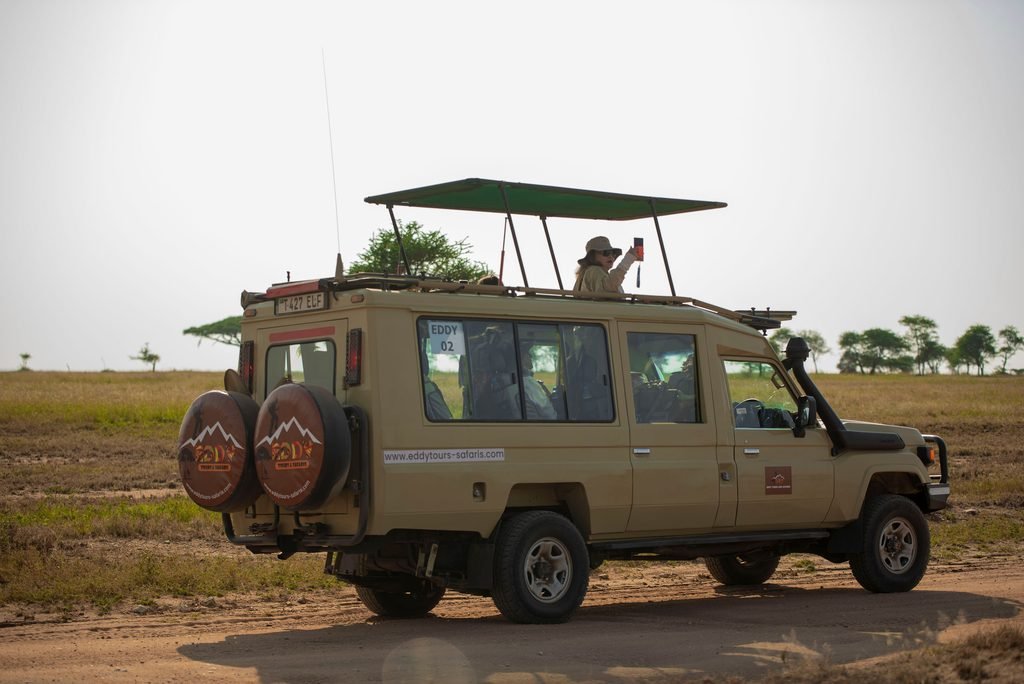
A reliable safari vehicle is essential for comfortable travel on rough and sometimes dusty roads. Many Tanzanian safaris use four-wheel-drive Land Cruisers with pop-up roofs, while vehicle types in Kenya may vary depending on the operator and package. Confirm the vehicle category, seating arrangements and whether window seats are guaranteed.
Pack Suitable Clothing and Equipment
Lightweight, comfortable clothing in neutral colours is generally suitable for game drives. Early mornings and evenings can be cool, particularly in the Ngorongoro Highlands, so a warm jacket is recommended. Travellers should also carry sunscreen, a hat, sunglasses, insect repellent, comfortable shoes, personal medication and suitable camera equipment.
Arrange Travel Insurance
Comprehensive travel insurance is strongly recommended for international safari travel, and specific mandatory insurance requirements may apply depending on the destination and entry arrangements. Travellers should check medical coverage, emergency evacuation, trip cancellation and any activities such as mountain climbing or balloon safaris.
Allow Enough Time for Transfers
Road journeys between national parks can be long, especially when crossing international borders. A good itinerary should provide realistic driving times, suitable rest stops and sufficient time for wildlife viewing. Travellers should avoid choosing a safari solely because it includes the largest number of destinations.
Respect Wildlife and Local Communities
Visitors should follow park regulations, remain inside vehicles where required and avoid feeding or disturbing wild animals. Cultural visits should be arranged respectfully through local communities, with clear information about the activities and any associated fees.
Frequently Asked Questions About Kenya and Tanzania Safaris 2027/2028
Is it possible to visit Kenya and Tanzania on the same safari?
Yes. Kenya and Tanzania can be combined in one safari itinerary using established border crossings and coordinated transport arrangements. Many travellers visit the Masai Mara in Kenya before continuing to Serengeti National Park and Ngorongoro Crater in Tanzania. The exact route depends on travel dates, available time and the destinations included.
How many days do you need for a Kenya and Tanzania safari?
A combined safari is generally more comfortable with at least 10 to 14 days, although shorter itineraries are possible with carefully selected destinations and domestic flights. Travellers who want to include several Kenyan parks, the Serengeti, Ngorongoro and Tarangire should allow enough time for border crossings and road transfers. Longer itineraries of 15 to 18 days can provide a more relaxed experience.
What is the best month for a Kenya and Tanzania safari?
August and September are popular for travellers interested in the Great Migration and possible Mara River crossings. January through March can be excellent for the southern Serengeti calving season, while June through October generally offers favourable dry-season wildlife viewing in many parks. The best month ultimately depends on the wildlife and destinations you want to prioritise.
How much does a 12-day Kenya and Tanzania safari cost?
A 12-day combined safari may cost approximately $3,000 to $7,800 per person for budget to mid-range arrangements, while luxury itineraries can cost considerably more. These are broad planning estimates rather than fixed 2027/2028 prices. Actual costs depend on accommodation, season, group size, park fees, transport and included services.
Can you see the Big Five in Kenya and Tanzania?
Yes. Both countries offer opportunities to see lions, leopards, elephants, buffaloes and rhinoceroses. Ngorongoro Crater and Lake Nakuru can be useful additions for travellers particularly interested in rhinos, while the Masai Mara and Serengeti provide excellent opportunities for observing large predators. However, no wildlife sighting can be guaranteed.
Is Kenya or Tanzania better for the Great Migration?
Both countries are important parts of the Great Migration ecosystem. Tanzania offers opportunities to observe different stages of the migration throughout the year, including calving in the southern Serengeti and river-crossing activity in the north. Kenya’s Masai Mara is particularly popular during the period when large herds move into the reserve, usually between July and October.
Can I start my safari in Kenya and finish in Tanzania?
Yes. Many combined itineraries begin in Nairobi and finish in Arusha, Kilimanjaro or Zanzibar. This arrangement can reduce unnecessary backtracking, although travellers should check international flight options, border arrangements and any additional costs associated with arriving and departing from different countries.
Is a Kenya and Tanzania safari suitable for families with children?
Yes. Both countries offer family-friendly lodges, private safari vehicles and wildlife experiences suitable for children. Families should select realistic driving distances, accommodation with appropriate facilities and game-drive schedules that allow time for rest. Age restrictions may apply to certain activities, including walking safaris and balloon excursions.
Can I combine Kenya, Tanzania and Zanzibar in one holiday?
Yes. A Kenya and Tanzania wildlife safari followed by a Zanzibar beach holiday is a popular East African travel combination. Travellers may begin in Nairobi, visit the Masai Mara and northern Tanzania parks, and then fly to Zanzibar for several days of relaxation before returning home.
Should I book a private or group safari?
Private safaris provide greater flexibility in game-drive schedules, accommodation choices and photography stops, making them suitable for couples, families and small groups. Group safaris may reduce the cost per person but usually follow fixed itineraries and departure dates. The best choice depends on budget, travel style and the level of flexibility required.
Plan Your Kenya and Tanzania Safari for 2027/2028 With Eddy Tours & Safaris
Planning a successful Kenya and Tanzania safari requires more than selecting famous national parks. The travel season, accommodation location, border arrangements, vehicle quality, guiding experience and time available for game drives all influence the overall experience. A carefully designed itinerary should allow travellers to enjoy each destination without unnecessary rushing while providing opportunities to observe wildlife in different habitats.
Whether you want to follow the Great Migration between the Serengeti and Masai Mara, photograph elephants near Mount Kilimanjaro, explore Ngorongoro Crater or finish your holiday on the beaches of Zanzibar, there are several ways to create a safari that matches your interests and budget.
Eddy Tours & Safaris is a local tour company based in Arusha, Tanzania, offering personalised safari planning, wildlife tours, Kilimanjaro adventures and Zanzibar holiday arrangements. Travellers interested in a combined Kenya and Tanzania itinerary can contact the team to discuss suitable routes, accommodation preferences and travel arrangements.
For 2027 and 2028 travel planning, early enquiries are especially useful for popular migration months and premium accommodation. Contact Eddy Tours & Safaris to request a customised itinerary and updated quotation based on your preferred dates, group size and travel style.
Email: sales@eddytours-safaris.com
Website: Eddy Tours and Safari