
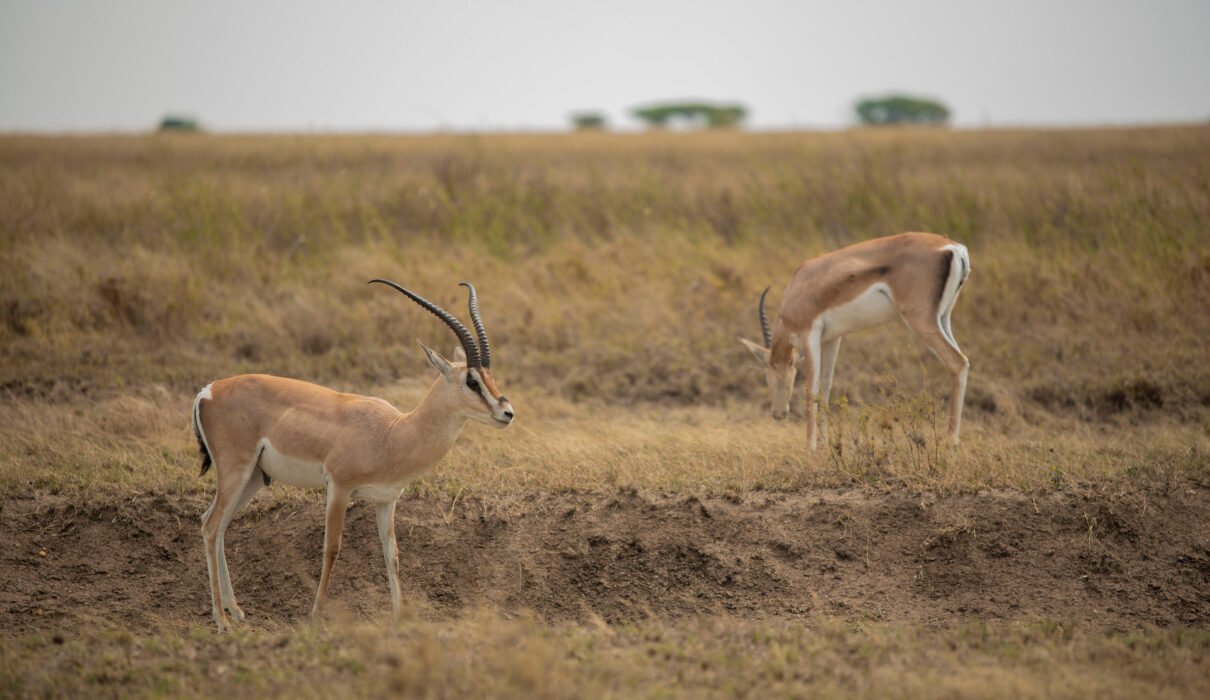
Antelopes and Gazelles of Africa Explained is the easiest way to understand the beautiful, fast and surprisingly intelligent animals that quietly shape African savannahs, woodlands and open plains, while also helping travellers appreciate how deeply these species are connected to conservation, community livelihoods and the future of wildlife tourism across the continent.
Many visitors arrive in Africa hoping to see lions, elephants and giraffes, yet it is the antelopes and gazelles that truly keep the ecosystem alive. They move nutrients through grasslands, feed predators, open space for new plants to grow and support rural communities that depend on healthy wildlife areas. Learning about them makes every safari richer, slower and far more meaningful.
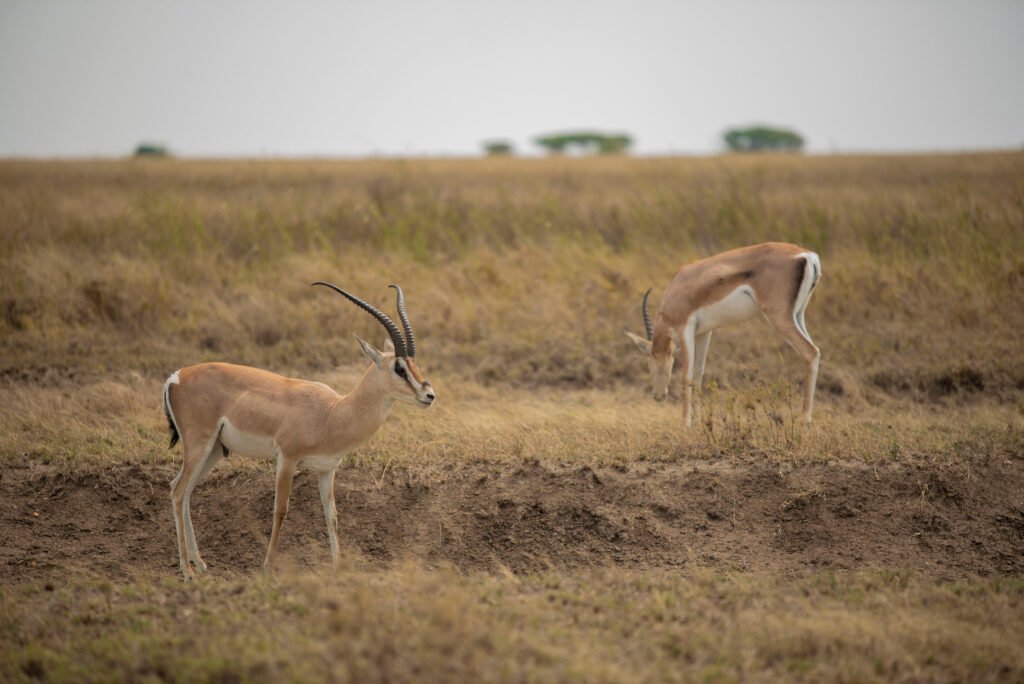
Antelopes and Gazelles of Africa Explained and why they matter to ecosystems
Antelopes and Gazelles of Africa Explained begins with one simple truth: these animals are the foundation of African food webs. Conservation science promoted by the International Union for Conservation of Nature, global environmental coordination by the United Nations Environment Programme, and wildlife protection strategies supported by the World Wide Fund for Nature all highlight that healthy populations of grazing and browsing species keep landscapes balanced and resilient.
Long-term wildlife monitoring led by the Wildlife Conservation Society and regional habitat protection programmes supported by the African Wildlife Foundation show that when antelope numbers drop, predator populations, plant diversity and even soil health begin to decline. These animals are not background wildlife – they are ecological engineers.
Antelopes and Gazelles of Africa Explained and how scientists classify them
Antelopes and Gazelles of Africa Explained also helps clear one of the biggest misunderstandings among visitors. Gazelles are a group within the wider antelope family, and both belong to the large and diverse group of bovids. Global species classification and distribution data published by the Global Biodiversity Information Facility allows researchers to track where each species lives, how populations change, and how land use affects their survival.
Bird and habitat monitoring programmes from BirdLife International also show how grazing patterns created by antelopes indirectly support bird diversity by shaping vegetation structure and water access. This simple connection explains why protecting grazing animals also protects entire ecosystems.
Antelopes and Gazelles of Africa Explained and predator relationships
Predators depend heavily on antelopes and gazelles, and conservation work focused on carnivores reveals how closely their survival is linked. Big cat research coordinated by Panthera demonstrates that healthy antelope populations reduce conflict between people and predators by keeping natural prey available inside protected areas, rather than pushing lions and leopards closer to livestock.
Habitat restoration projects supported by The Nature Conservancy further show how restoring grasslands and seasonal water access helps both grazers and predators recover together, creating more stable wildlife tourism areas.
Antelopes and Gazelles of Africa Explained and climate pressure on their survival
Antelopes and Gazelles of Africa Explained would not be complete without understanding how climate change is already affecting these animals. Scientific assessments by the Intergovernmental Panel on Climate Change confirm that rising temperatures and unpredictable rainfall directly influence grass growth, migration timing and calving success, especially in dry ecosystems such as East African savannahs.
Biodiversity risk evaluations coordinated by the Intergovernmental Science-Policy Platform on Biodiversity and Ecosystem Services also show that grazing species are among the first to suffer when habitat fragmentation and climate stress combine, making conservation planning more urgent than ever.
Antelopes and Gazelles of Africa Explained and the role of forests and rangelands
Not all antelopes live in open plains. Many species depend on woodlands, riverine forests and mixed habitats. Forest and rangeland research by the Center for International Forestry Research and ecosystem mapping by the UN Environment Programme World Conservation Monitoring Centre show how landscape connectivity allows antelopes to move safely between feeding and breeding areas.
Land and water management strategies supported by the Food and Agriculture Organization further demonstrate how sustainable grazing and community land planning can protect both wildlife and rural livelihoods.
Antelopes and Gazelles of Africa Explained and people living with wildlife
Antelopes and Gazelles of Africa Explained is also a story about people. Community-based conservation programmes and tourism development studies published by the World Bank show that wildlife tourism creates stable income for rural communities when wildlife populations remain healthy and accessible.
Fair employment frameworks promoted by the International Labour Organization support guides, rangers and lodge staff whose work depends directly on wildlife presence. Cultural heritage protection promoted by UNESCO further ensures that traditional land-use knowledge is respected and included in modern conservation planning.
Antelopes and Gazelles of Africa Explained and how visitors can experience them responsibly
For travellers, Antelopes and Gazelles of Africa Explained becomes real when watching herds moving quietly through open plains or forest edges. Visitors planning responsible wildlife experiences often explore carefully designed safari programmes through Eddy Tours and Safaris, where wildlife viewing is balanced with conservation awareness and community engagement.
Many guests also build personalised wildlife itineraries using custom safari planning services in Tanzania, allowing them to focus on antelope-rich ecosystems such as the Serengeti, Tarangire and Ngorongoro while supporting conservation partnerships on the ground.
Antelopes and Gazelles of Africa Explained and safety in wildlife areas
Responsible wildlife viewing also depends on visitor health and safety. Travel health guidance published by the World Health Organization supports safer travel in remote areas, while outdoor risk management frameworks promoted by the American Red Cross strengthen emergency preparedness for safari and conservation operations.
Antelopes and Gazelles of Africa Explained and protected area governance
Strong legal and planning systems protect the habitats that antelopes depend on. Biodiversity governance frameworks published by the Convention on Biological Diversity guide how countries design protected areas, manage tourism pressure and restore degraded habitats using scientific evidence.
Peer-reviewed ecological research published through ScienceDirect continues to support practical management solutions for grazing systems, migration corridors and water access for herbivore species.
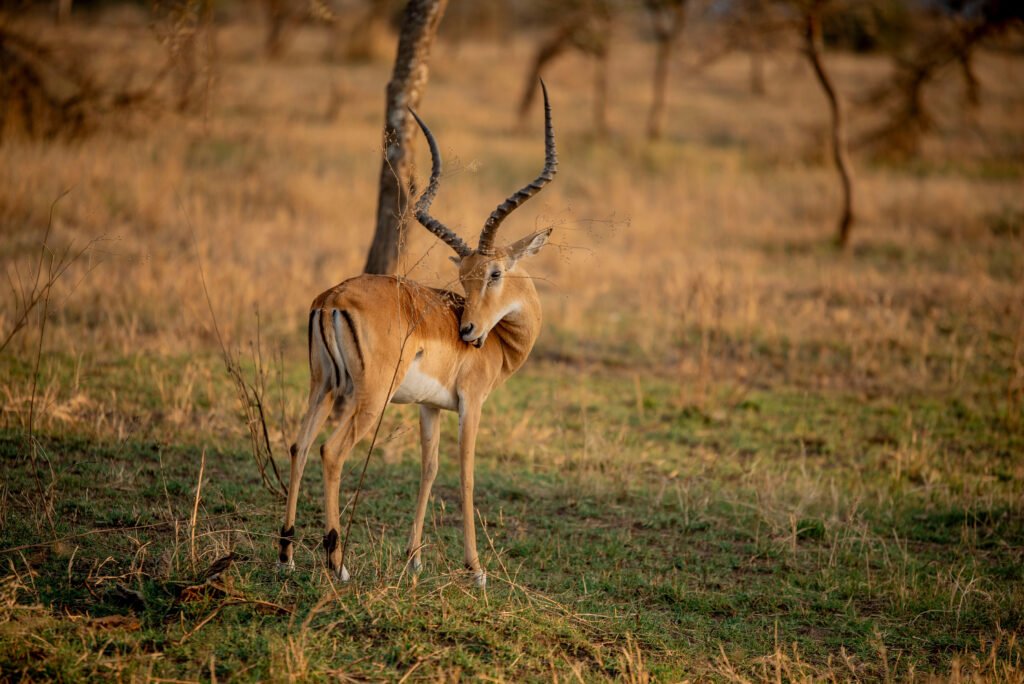
Antelopes and Gazelles of Africa Explained and why they transform your safari experience
Understanding Antelopes and Gazelles of Africa Explained changes how visitors see wildlife forever. Instead of only waiting for predators, travellers begin to notice body language, herd structure, alert behaviour and movement patterns that quietly reveal the health of the entire ecosystem.
Guests who combine wildlife education with ethical travel experiences through responsible Tanzania safari operators directly support conservation funding, community training and long-term wildlife protection programmes.
In simple words, Antelopes and Gazelles of Africa Explained is not just a guide to animals. It is a gentle reminder that Africa’s most famous wildlife stories begin with the quiet movement of hooves across grasslands, the survival of small calves in dry seasons, and the people who protect these landscapes every day. When you choose to travel responsibly and learn about these remarkable species, you help keep Africa’s wildlife future alive – and your safari becomes something deeply personal and unforgettable.