

Tanzania is one of Africa’s most rewarding travel destinations, offering a remarkable combination of wildlife, mountains, beaches, cultural experiences, and beautiful landscapes. From the wildlife-filled plains of Serengeti National Park to the towering slopes of Mount Kilimanjaro and the white sandy beaches of Zanzibar, the country has something for almost every type of traveller. Whether you are visiting Africa for the first time, planning a family holiday, or looking for a wildlife safari, choosing the right Tanzania itinerary will help you make the most of your time.
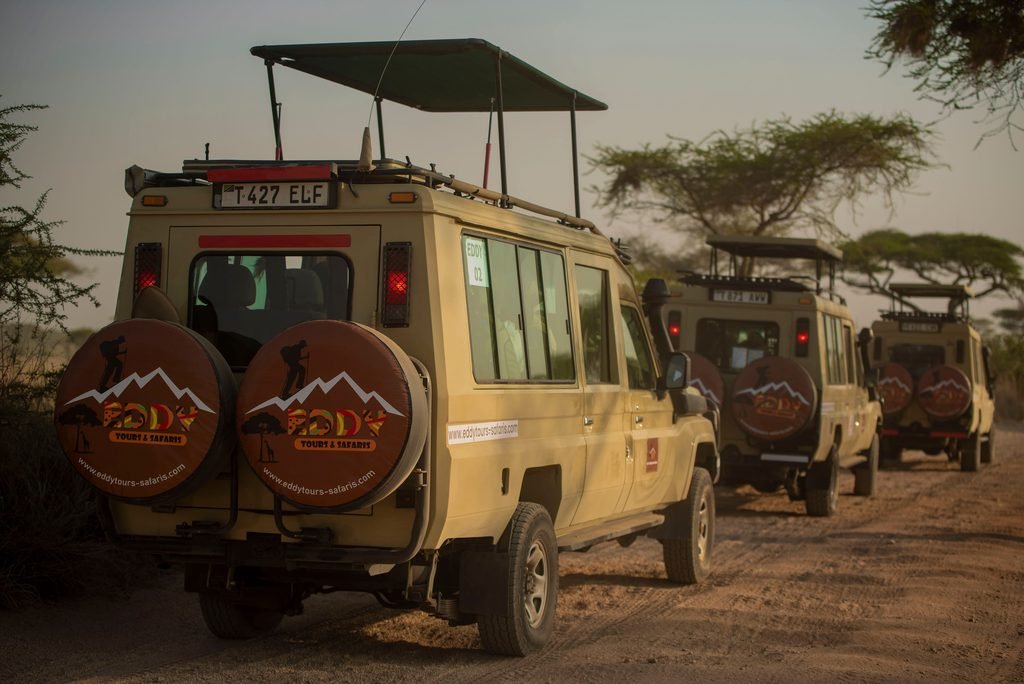
Planning a trip to Tanzania requires more than selecting famous destinations. The country is large, and travelling between national parks, mountain regions, and coastal attractions can take considerable time. A well-organised itinerary considers travel distances, seasonal wildlife movements, accommodation preferences, and the activities you want to experience. Working with a local company such as Eddy Tours & Safaris can make the planning process easier, particularly when combining a wildlife safari with a Kilimanjaro excursion or a Zanzibar beach holiday.
This Tanzania travel guide covers the country’s must-visit destinations, a suggested 10-day itinerary, alternative travel plans, the best months to visit, and practical advice for organising your journey.
Why Tanzania Should Be on Your Travel List
Tanzania offers an impressive variety of attractions within one country. Visitors can watch lions resting beneath acacia trees in the Serengeti, see elephants wandering between enormous baobab trees in Tarangire, explore the Ngorongoro Crater, and spend an afternoon relaxing beside the Indian Ocean. Few destinations offer such different experiences during a single holiday.
The country is particularly famous for its protected wildlife areas, including Serengeti National Park, Ngorongoro Conservation Area, Tarangire National Park, and Nyerere National Park. These destinations support numerous species of mammals, birds, and reptiles, while the surrounding communities preserve cultural traditions that visitors can learn about through respectfully organised local experiences.
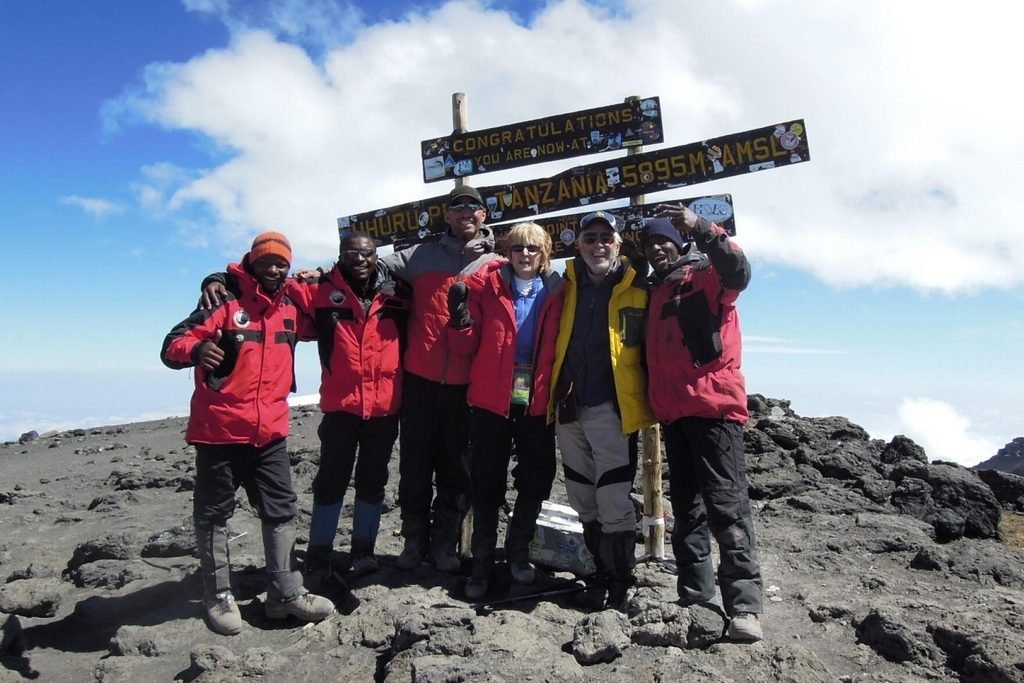
Tanzania is also home to Mount Kilimanjaro, Africa’s highest mountain, rising approximately 5,895 metres above sea level. Travellers interested in trekking can explore the mountain through established climbing routes, while those who prefer shorter excursions can visit the surrounding villages, coffee farms, and waterfalls.
For visitors who want a combination of adventure and relaxation, Tanzania provides an opportunity to enjoy several days on safari before travelling to Zanzibar for swimming, cultural sightseeing, and beach activities. This combination makes Tanzania especially attractive for couples, families, honeymooners, photographers, and small groups.
Best Places to Visit in Tanzania
1. Serengeti National Park – Tanzania’s Most Famous Safari Destination
Serengeti National Park is one of the most recognised wildlife destinations in Africa. Located in northern Tanzania, the park covers approximately 14,763 square kilometres and is known for its open grasslands, remarkable predator populations, and the annual Great Wildebeest Migration. Its landscapes range from broad savannah plains to rocky kopjes, river systems, and wooded areas, providing suitable habitats for many different wildlife species.
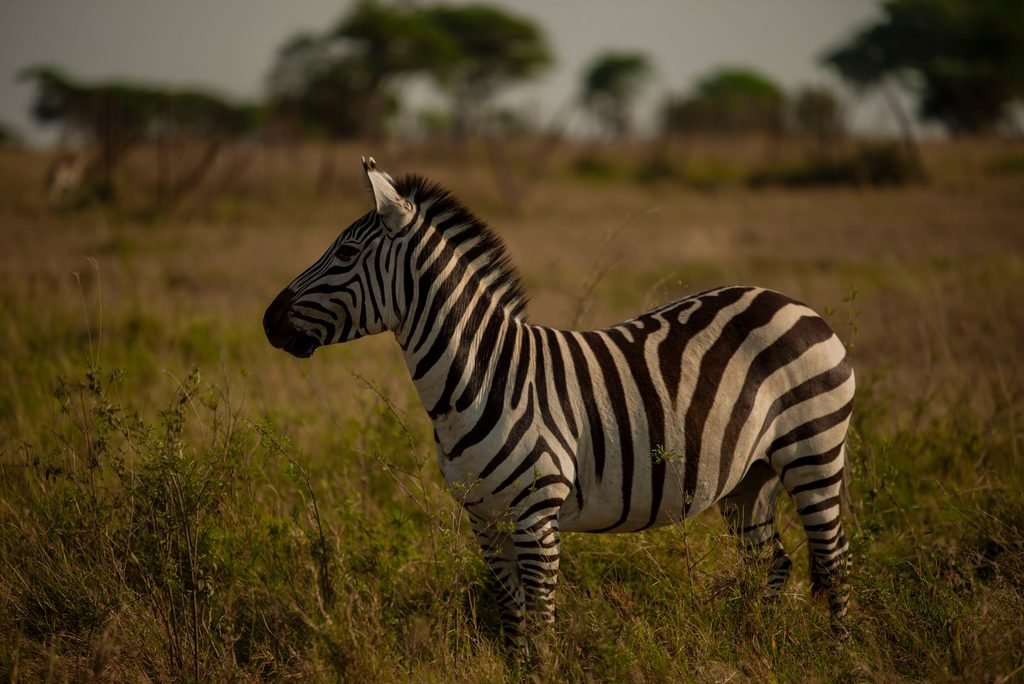
One of the main reasons travellers include the Serengeti in their Tanzania itinerary is the opportunity to observe wildlife in its natural environment. Lions, elephants, giraffes, buffaloes, cheetahs, leopards, hyenas, zebras, and numerous antelope species can be found throughout the park. Wildlife sightings depend on the season, location, and animal movements, but the Serengeti remains an excellent safari destination throughout the year.
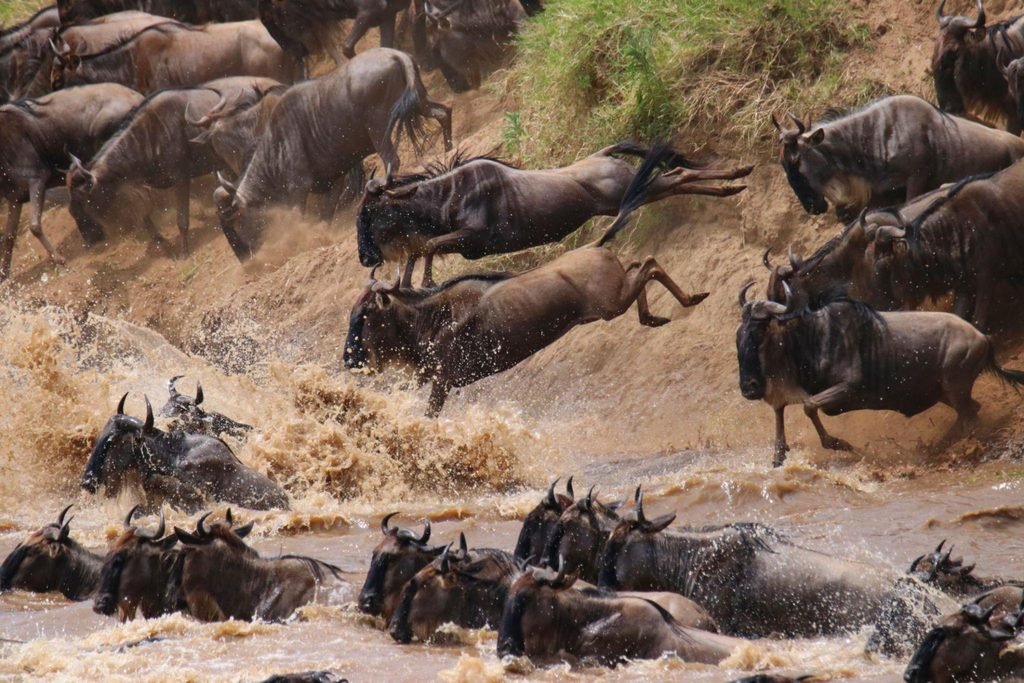
The Great Migration is another major attraction. Large herds of wildebeest and zebras move through the Serengeti ecosystem in search of grazing and water, with different regions offering different experiences during the year. Between approximately December and March, many herds occupy the southern Serengeti and Ndutu plains, where the calving season attracts predators. During parts of the dry season, migrating herds may reach the northern Serengeti, where river crossings can occur. These movements are influenced by rainfall, so exact dates cannot be guaranteed.
For a satisfying Serengeti experience, travellers should consider spending at least two or three nights in the park. This allows more time for morning and afternoon game drives rather than spending most of the visit travelling between destinations. Visitors can explore Tanzania safari experiences with Eddy Tours & Safaris when planning their journey.
2. Ngorongoro Crater – A Remarkable Wildlife Destination
The Ngorongoro Crater is among Tanzania’s most impressive natural attractions and an essential stop on many northern circuit safari itineraries. Formed by the collapse of an ancient volcano, the crater is approximately 20 kilometres across and contains grasslands, forests, wetlands, and a seasonal lake. These habitats support a substantial resident wildlife population, making the crater an excellent location for game viewing.
Visitors descend from the crater rim into the conservation area with an experienced safari guide, travelling through landscapes where animals can often be seen within relatively short distances. Lions, elephants, buffaloes, hippos, hyenas, zebras, and several antelope species are among the animals commonly associated with the crater. It is also one of the places in northern Tanzania where visitors may have an opportunity to see the endangered black rhinoceros, although sightings are never guaranteed.
The crater’s scenery is another reason to visit. From viewpoints along the rim, travellers can appreciate the enormous volcanic formation and the surrounding highlands. Early morning visits are particularly popular because temperatures are generally cooler and wildlife can be active before the heat increases.
Ngorongoro is commonly combined with Serengeti and Tarangire in a northern Tanzania safari. Depending on the chosen accommodation, visitors may stay around Karatu, near the conservation area entrance, or at lodges situated along the crater rim.
3. Tarangire National Park – Elephants and Ancient Baobab Trees
Tarangire National Park is located southwest of Arusha and is an excellent starting point for a northern Tanzania safari. The park is particularly famous for its elephant populations, enormous baobab trees, and seasonal concentrations of wildlife around the Tarangire River. Its varied scenery provides a different experience from the wide grasslands of the Serengeti.
During the dry season, particularly from June to October, many animals move towards the park’s remaining water sources. Visitors may encounter elephants, giraffes, zebras, wildebeest, buffaloes, and various antelope species. Predators such as lions and leopards also inhabit the park, although sightings depend on wildlife movements and the areas explored.
Tarangire is also a rewarding destination for birdwatchers, with hundreds of bird species recorded in its varied habitats. The park’s combination of riverine vegetation, grasslands, and wooded areas supports a wide range of birds throughout the year.
A full-day game drive is suitable for travellers with limited time, although an overnight stay allows more opportunities to explore. Tarangire works particularly well as the first major wildlife destination on a safari departing from Arusha.
4. Lake Manyara National Park – Forests, Wildlife and Scenic Landscapes
Lake Manyara National Park is situated at the base of the Great Rift Valley escarpment and is known for its beautiful scenery, groundwater forests, and varied wildlife habitats. Although smaller than the Serengeti or Tarangire, the park provides a distinctive safari experience because visitors travel through forests, open areas, wetlands, and lakeside environments within a relatively compact area.
The park is associated with elephants, baboons, monkeys, giraffes, hippos, and numerous bird species. Lake Manyara is also known for occasional sightings of tree-climbing lions, although visitors should understand that these animals are not always visible. Water levels and bird concentrations change seasonally, making each visit slightly different.
Many travellers include Lake Manyara as a half-day or full-day stop while travelling between Tarangire and the Ngorongoro highlands. The nearby town of Mto wa Mbu also provides opportunities for cultural tours, local food experiences, and guided visits to farms and communities.
5. Mount Kilimanjaro – Africa’s Highest Mountain
Mount Kilimanjaro is one of Tanzania’s best-known landmarks and attracts trekkers from around the world. Standing approximately 5,895 metres above sea level, the mountain is the highest peak in Africa and one of the world’s most famous trekking destinations. Its slopes pass through several ecological zones, including cultivated foothills, rainforest, heathland, alpine desert, and the high-altitude summit environment.
Several established routes lead towards Uhuru Peak, including Machame, Lemosho, Marangu, Rongai, Umbwe, and the Northern Circuit. These routes differ in length, scenery, accommodation arrangements, and acclimatisation opportunities. Choosing a suitable route is important because altitude, weather conditions, physical preparation, and the number of trekking days can affect the climbing experience.
The Machame Route is popular for its scenic landscapes, while the Lemosho Route provides a longer approach with opportunities for gradual acclimatisation. The Marangu Route is known for its mountain hut accommodation, making it different from the camping arrangements used on most other routes.
Travellers planning a climb can learn more about routes, preparation, and trekking arrangements through Kilimanjaro Climb Specialist. Visitors who do not want to attempt the summit can still enjoy Kilimanjaro’s surrounding attractions, including coffee plantations, waterfalls, and village experiences around Moshi.
6. Zanzibar Island – Beaches, History and Coastal Culture
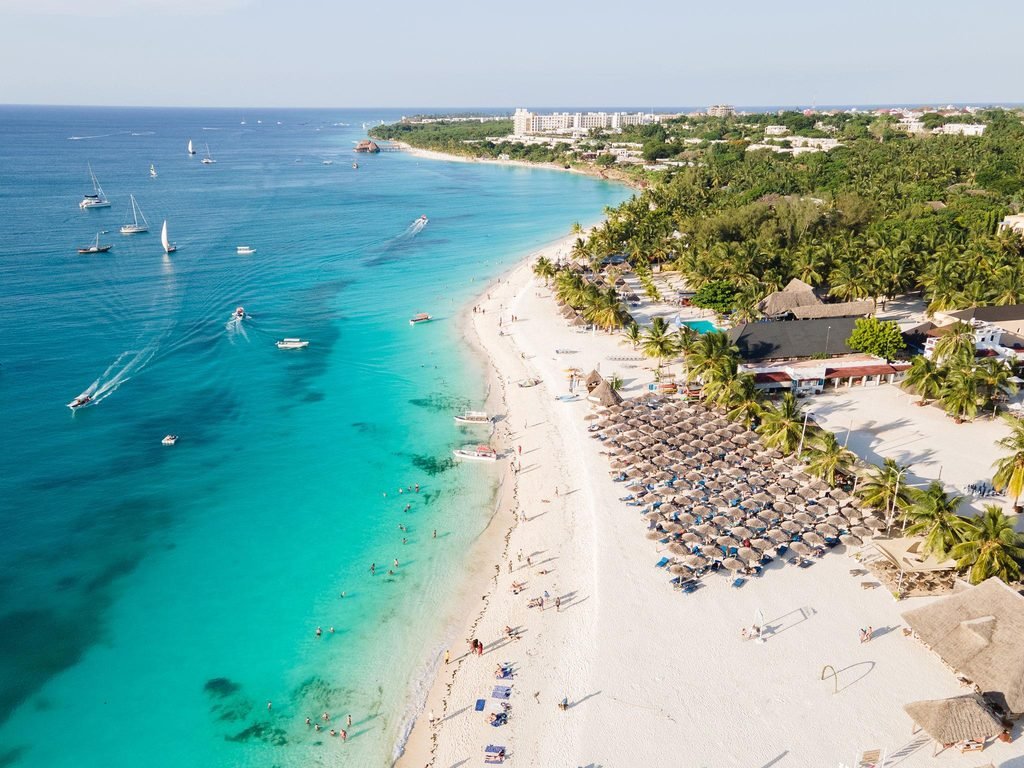
Zanzibar is one of Tanzania’s most popular beach destinations and provides an excellent way to relax after several days of wildlife viewing. Situated off the mainland coast in the Indian Ocean, the archipelago is known for its white sandy beaches, turquoise waters, historic towns, spice farms, and distinctive Swahili coastal culture.
Stone Town, the historic centre of Zanzibar City, is an important destination for visitors interested in architecture and history. Its narrow streets, carved wooden doors, markets, and old buildings reflect centuries of trade and cultural exchange involving East Africa, Arabia, India, and other regions. Guided walking tours help visitors understand the island’s complicated history and the importance of its cultural heritage.
Beach destinations such as Nungwi and Kendwa are popular for swimming and sunset views, while Paje and Jambiani are known for their coastal atmosphere and water activities. Travellers interested in snorkelling or diving can explore suitable marine areas through licensed local operators, depending on sea conditions and conservation rules.
Spending three or four nights in Zanzibar provides enough time for a combination of sightseeing and relaxation. Visitors can arrange a Tanzania safari and Zanzibar holiday that connects the mainland wildlife parks with the island.
7. Arusha – The Gateway to Northern Tanzania Safaris
Arusha is the main starting point for many northern Tanzania safari adventures. Located beneath Mount Meru, the city offers convenient access to Tarangire, Lake Manyara, Ngorongoro, and Serengeti. It is also an important centre for safari operators, accommodation providers, local markets, and tourism services.
Travellers arriving through Kilimanjaro International Airport often spend their first night in Arusha before beginning their safari. This gives visitors time to rest after international travel, meet their guide, review the itinerary, and prepare for the journey ahead.
For those with additional time, Arusha offers interesting excursions, including local markets, coffee experiences, cultural heritage attractions, and nearby Arusha National Park. The national park is known for Mount Meru, the Momella Lakes, forest habitats, and opportunities for guided walking safaris in designated areas.
Starting a safari in Arusha also makes it easier to organise transport and accommodation through an established local company such as Eddy Tours & Safaris.
8. Materuni Waterfalls – A Beautiful Day Trip Near Moshi
Materuni Waterfalls is a popular excursion located on the slopes of Mount Kilimanjaro near Moshi. The area is known for its green landscapes, village scenery, coffee farming, and walking trails leading towards an impressive waterfall. It is an excellent destination for travellers who want to experience the Kilimanjaro region without undertaking a multi-day mountain climb.
A typical visit includes a guided walk through the village and surrounding vegetation before reaching the waterfall. Depending on the selected tour, visitors may also participate in a traditional coffee-making demonstration, learning how locally grown coffee beans are processed, roasted, and prepared.
Materuni is particularly suitable for visitors staying in Moshi before or after a Kilimanjaro climb. The walking trails can become slippery during rainy weather, so comfortable footwear and guidance from local hosts are recommended.
9. Nyerere National Park – Wildlife Safaris in Southern Tanzania
Nyerere National Park is one of the leading wildlife destinations in southern Tanzania. The park offers extensive wilderness areas, river systems, woodlands, and grasslands that support elephants, lions, giraffes, buffaloes, hippos, crocodiles, and many other species.
Unlike the northern safari circuit, Nyerere is often chosen by travellers who prefer a more remote safari atmosphere. Depending on the location and operator, visitors may enjoy traditional vehicle game drives, boat excursions on suitable waterways, and guided walking experiences where permitted.
The park is generally accessed from Dar es Salaam by road or scheduled and chartered flights. It is particularly suitable for travellers planning a southern Tanzania itinerary or combining mainland wildlife viewing with a coastal holiday.
10. Ruaha National Park – A Less-Crowded Safari Experience
Ruaha National Park is another important destination for travellers interested in exploring Tanzania beyond the most frequently visited northern parks. Located in central-southern Tanzania, Ruaha is known for its rugged landscapes, baobab trees, river systems, and rich wildlife populations.
The park provides opportunities to observe elephants, lions, giraffes, buffaloes, antelopes, and numerous bird species. Its remote setting and extensive protected landscapes appeal to photographers, experienced safari travellers, and visitors looking for a quieter wildlife experience.
Ruaha is often combined with other southern circuit destinations, although travelling distances should be considered carefully. For visitors with limited holiday time, flying into the park may be more practical than undertaking long road transfers.
Recommended 10-Day Tanzania Itinerary: Safari, Culture and Zanzibar
For first-time visitors who want to experience Tanzania’s most famous wildlife destinations and spend a few days on the coast, a 10-day itinerary provides a good balance. The following suggested journey combines Arusha, Tarangire, Ngorongoro, Serengeti, and Zanzibar, allowing travellers to explore the northern safari circuit before enjoying the Indian Ocean.
Day 1: Arrival at Kilimanjaro International Airport – Transfer to Arusha
Your Tanzania journey begins upon arrival at Kilimanjaro International Airport, where your driver will meet you and transfer you to your accommodation in Arusha. Depending on your arrival time, you may have an opportunity to explore part of the city or simply relax after your international flight.
Arusha is a convenient starting point for the northern safari circuit, and spending the first night here helps avoid beginning a long journey immediately after arriving in Tanzania. Your guide can explain the upcoming travel schedule, discuss wildlife viewing expectations, and answer questions about the national parks you will visit.
Accommodation: Hotel or lodge in Arusha.
Meals: According to your selected accommodation plan.
Day 2: Arusha to Tarangire National Park
After breakfast, depart from Arusha and travel towards Tarangire National Park. The drive takes you through towns, villages, and rural landscapes before reaching the park entrance. Once inside, begin your game drive through areas known for elephants, baobab trees, and a variety of wildlife.
Spend the day exploring the park with your professional safari guide, stopping at suitable locations for wildlife photography and a picnic lunch. During the dry season, animals may gather around the Tarangire River, while the greener months offer attractive scenery and birdwatching opportunities.
In the late afternoon, leave the park and travel to your accommodation near Tarangire or in the Karatu area, depending on the selected route.
Accommodation: Safari lodge or tented camp.
Meals: Breakfast, lunch, and dinner.
Day 3: Ngorongoro Crater Game Drive
After an early breakfast, travel towards the Ngorongoro Conservation Area and continue to the crater entrance. From the crater rim, enjoy views of the enormous volcanic formation before descending to the crater floor for a game drive.
The Ngorongoro Crater offers opportunities to observe lions, buffaloes, elephants, hippos, zebras, hyenas, and other wildlife within a relatively compact area. Your guide will explore suitable sections of the crater according to wildlife movements, weather conditions, and conservation regulations.
Enjoy a picnic lunch at a designated location before continuing your game drive. Later, ascend from the crater and proceed to your accommodation in Karatu or the Ngorongoro highlands.
Accommodation: Lodge in Karatu or the Ngorongoro highlands.
Meals: Breakfast, lunch, and dinner.
Day 4: Ngorongoro Highlands to Serengeti National Park
Following breakfast, begin the journey towards Serengeti National Park, travelling through the Ngorongoro Conservation Area and across the changing landscapes of northern Tanzania. The route provides opportunities to appreciate the highlands, open plains, and traditional pastoral landscapes of the region.
The drive to the central Serengeti takes several hours, depending on road conditions, stops, and the location of your accommodation. After entering the park, continue with a game drive while travelling towards your lodge or tented camp. The Serengeti’s open landscapes offer opportunities to see giraffes, zebras, antelopes, elephants, and predators.
Arrive at your accommodation in the late afternoon or evening, where dinner will be served before your overnight stay.
Accommodation: Safari lodge or tented camp in Serengeti.
Meals: Breakfast, lunch, and dinner.
Day 5: Full-Day Serengeti National Park Safari
Spend the entire day exploring Serengeti National Park, beginning with an early morning game drive when wildlife is often active. Your guide will select suitable routes based on recent animal movements, road conditions, and the season of travel.
The Serengeti is particularly rewarding for visitors interested in predators, with opportunities to observe lions, cheetahs, leopards, and hyenas. Large herds of grazing animals are also common in many parts of the ecosystem. Depending on the month, your guide may focus on particular wildlife areas, although migration movements and specific sightings cannot be guaranteed.
Enjoy a picnic lunch during the day or return to your accommodation if the schedule allows. Continue exploring the park in the afternoon before returning to camp for dinner and relaxation.
Accommodation: Safari lodge or tented camp in Serengeti.
Meals: Breakfast, lunch, and dinner.
Day 6: Morning Serengeti Safari – Flight to Zanzibar
Wake up early for your final Serengeti game drive, taking advantage of the morning hours to look for wildlife before leaving the park. Depending on your flight schedule, you may have time to explore areas close to your accommodation or travel directly towards the designated airstrip.
Board a scheduled or arranged flight to Zanzibar, subject to airline routes and availability. Some itineraries may require a connection through another airport. Upon arrival, meet your transfer driver and continue to your beach hotel.
The remainder of the day is available for relaxation, allowing you to settle into your accommodation and enjoy the coastal surroundings after several days of safari travel.
Accommodation: Beach hotel or resort in Zanzibar.
Meals: According to your selected safari and beach accommodation plan.
Day 7: Stone Town and Zanzibar Cultural Experience
After breakfast, enjoy a guided visit to Stone Town, the historic centre of Zanzibar City. Walk through its narrow streets and learn about the island’s history, architecture, trading connections, and cultural influences. Your guide may introduce you to important landmarks, historic buildings, and local markets.
Depending on your interests and the agreed programme, the day can also include a visit to a spice farm, where you can learn about the cultivation and traditional uses of cloves, cinnamon, cardamom, and other spices associated with Zanzibar.
Return to your hotel later in the afternoon for relaxation and an evening by the coast.
Accommodation: Beach hotel or resort in Zanzibar.
Meals: According to your selected accommodation plan.
Day 8: Zanzibar Beach Relaxation and Optional Water Activities
Spend the day enjoying Zanzibar’s beaches and coastal environment. Depending on your hotel’s location, you can relax beside the ocean, swim when conditions are suitable, or explore the surrounding beach communities.
Travellers interested in additional activities can arrange snorkelling, diving, sailing, or other marine excursions through suitable local operators. These activities depend on weather conditions, tides, marine conservation rules, and availability.
For visitors who prefer a quieter day, the beaches provide an opportunity to rest after the earlier safari activities. Enjoy the evening at your hotel or explore nearby restaurants according to your preferences.
Accommodation: Beach hotel or resort in Zanzibar.
Meals: According to your selected accommodation plan.
Day 9: Explore More of Zanzibar
Your final full day in Zanzibar can be organised according to your interests. You may choose another beach excursion, visit a local village, explore additional cultural attractions, or spend the day relaxing at your hotel.
Travellers interested in marine activities can discuss available excursions with their tour organiser, while those who prefer cultural experiences may enjoy learning more about Zanzibar’s local food, fishing communities, and traditional crafts.
This flexible day is particularly valuable because it allows you to enjoy the island without following a demanding schedule.
Accommodation: Beach hotel or resort in Zanzibar.
Meals: According to your selected accommodation plan.
Day 10: Zanzibar Departure
After breakfast, enjoy your final hours in Zanzibar according to your international flight schedule. Your driver will transfer you to Abeid Amani Karume International Airport for your onward journey.
If your international flight departs from Dar es Salaam or another mainland airport, the necessary connecting transport should be arranged in advance. This marks the end of your 10-day Tanzania safari and Zanzibar holiday, covering some of the country’s most popular wildlife, cultural, and coastal attractions.
Meals: Breakfast, depending on the hotel arrangement.
Accommodation: Not included on the departure day unless separately requested.
Suggested Package Inclusions
For travellers booking the complete 10-day itinerary through a safari operator, the following services may be included in the package, depending on the confirmed quotation and selected accommodation category:
- Airport pickup and transfer to your hotel in Arusha.
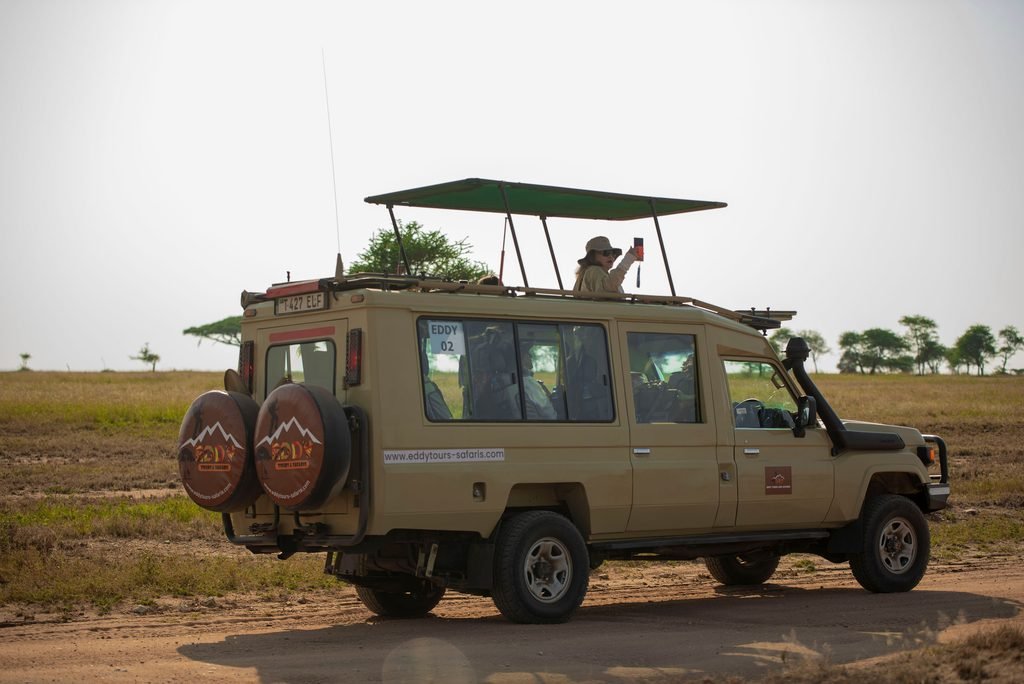
- Private 4×4 safari vehicle with a pop-up roof for wildlife viewing.
- Professional English-speaking safari driver-guide.
- National park entry fees for the safari destinations listed in the confirmed itinerary.
- Ngorongoro Crater service fees and applicable conservation charges.
- Safari accommodation in lodges or tented camps as specified.
- Meals during the mainland safari as indicated in the itinerary.
- Drinking water during scheduled safari game drives.
- Scheduled game drives in Tarangire, Ngorongoro, and Serengeti.
- Serengeti-to-Zanzibar flight where expressly included in the quotation.
- Zanzibar airport transfers and beach accommodation as specified.
- Stone Town or spice tour if included in the agreed programme.
- Applicable taxes and tourism charges identified in the confirmed package.
Suggested Package Exclusions
Unless specifically included in the confirmed quotation, travellers should budget separately for the following:
- International flights to and from Tanzania.
- Tanzania visa fees and passport-related expenses.
- Mandatory Zanzibar inbound travel insurance where applicable.
- Personal travel and medical insurance.
- Tips for safari guides, hotel staff, and other service providers.
- Alcoholic beverages, soft drinks, and personal purchases.
- Optional hot-air balloon safaris in Serengeti.
- Optional snorkelling, diving, boat trips, and additional Zanzibar excursions.
- Laundry services and personal expenses.
- Meals not listed in the confirmed itinerary.
- Additional accommodation or transport caused by personal changes to the programme.
- Activities, park fees, or services not expressly included in the final booking confirmation.
The final inclusions and exclusions should always be checked against the written quotation, as accommodation standards, flight arrangements, park fees, and individual travel requirements can vary.
Alternative Tanzania Itineraries Based on Your Travel Duration
5-Day Tanzania Safari Itinerary
A five-day safari is suitable for visitors who want to concentrate on wildlife rather than combining several different types of holiday. A practical itinerary can begin in Arusha, continue to Tarangire National Park, spend two nights in Serengeti, and include a Ngorongoro Crater game drive before returning to Arusha.
This arrangement provides an introduction to Tanzania’s northern wildlife circuit, although travel days can be long. Visitors should discuss driving distances and accommodation locations before confirming the trip, particularly when travelling with young children.
7-Day Tanzania Safari Itinerary
A seven-day itinerary provides additional time for wildlife viewing and can include Tarangire, Serengeti, Ngorongoro, and Lake Manyara. With more time available, visitors can spend two or three nights in Serengeti, allowing opportunities to explore different wildlife areas rather than rushing through the park.
This itinerary is suitable for photographers, families, and travellers who want to enjoy the northern circuit at a more comfortable pace. It can also be adapted according to seasonal migration patterns.
12-Day Tanzania Safari and Zanzibar Itinerary
Travellers with twelve days can spend approximately seven days exploring the northern safari circuit before continuing to Zanzibar for several nights. The additional time can be used for more Serengeti game drives, a visit to Lake Manyara, or a cultural experience around Mto wa Mbu or Karatu.
A longer itinerary also allows more time for relaxation on Zanzibar, which is particularly attractive for honeymooners and visitors who prefer not to move between hotels every day.
14-Day Tanzania Safari, Kilimanjaro and Zanzibar Itinerary
A two-week holiday can combine a Kilimanjaro-area excursion, a northern circuit safari, and Zanzibar. However, travellers intending to climb Mount Kilimanjaro to the summit should plan carefully because the climb itself commonly requires approximately six to nine trekking days, depending on the selected route.
A full summit climb, several days of safari, and a beach holiday may require more than fourteen days to avoid an overly demanding schedule. Visitors can explore route options and preparation guidance through Kilimanjaro Climb Specialist before deciding how to divide their holiday.
Best Time to Visit Tanzania
Tanzania can be visited throughout the year, but the best travel period depends on the destinations and experiences you want to include. Wildlife movements, rainfall, temperatures, accommodation availability, and visitor numbers vary between seasons, making it important to select travel dates according to your priorities.
June to October – Dry Season Safari
June to October is one of the most popular periods for wildlife safaris in Tanzania. Rainfall is generally lower across much of the northern circuit, vegetation becomes less dense in many areas, and animals frequently gather around permanent water sources. Tarangire is particularly rewarding during this period, while Serengeti and Ngorongoro continue to offer excellent wildlife viewing opportunities.
The northern Serengeti may provide opportunities to witness migration river crossings during parts of the dry season, although these events depend on rainfall and herd movements. Because this is a popular travel period, accommodation should ideally be reserved well in advance.
November to December – Short Rains and Green Landscapes
November and December often bring short seasonal rains to parts of northern Tanzania. The landscape becomes greener, and many areas offer attractive conditions for photography and birdwatching. Wildlife remains present throughout the parks, although animals may become more widely distributed as water becomes available in additional locations.
These months can be suitable for travellers who prefer greener scenery and are comfortable with occasional rain. Weather patterns vary, so visitors should allow some flexibility in their plans.
January to March – Calving Season and Warm Weather
January to March is an interesting period for visitors hoping to experience the southern Serengeti and Ndutu region. Large numbers of wildebeest may gather in the southern plains, where calving activity attracts predators and creates excellent opportunities for observing wildlife behaviour.
These months can also be suitable for Kilimanjaro trekking and Zanzibar holidays, although weather conditions differ between regions and should be checked before travel.
April to May – Long Rains and Quieter Travel
April and May are generally associated with Tanzania’s long rainy season. Some roads and safari tracks can become difficult to use, and certain camps may close temporarily, particularly in remote areas. However, many destinations remain accessible, and the countryside can be exceptionally green.
Travellers visiting during this period should choose accommodation and transport arrangements carefully. A local operator can advise on suitable parks, accessible routes, and seasonal changes that may affect the itinerary.
How Much Does a Tanzania Itinerary Cost?
The cost of travelling in Tanzania depends on the number of days, accommodation category, number of travellers, national parks visited, transport arrangements, and time of year. A private safari using comfortable lodges will generally cost more than a shared camping safari, while luxury accommodation and domestic flights can increase the total holiday budget considerably.
National park fees, conservation charges, accommodation, vehicle hire, fuel, and professional guiding services account for a substantial portion of safari costs. Travellers should therefore compare packages based on the services provided rather than selecting an itinerary solely because it has the lowest advertised price.
Budget-conscious visitors can reduce some costs by travelling in a group, choosing appropriate accommodation outside certain protected areas, or concentrating on fewer destinations. However, a cheaper itinerary should not compromise vehicle safety, suitable accommodation, professional guiding, or the time required to enjoy the parks.
Visitors can request a personalised quotation from Eddy Tours & Safaris based on their preferred destinations, travel dates, group size, and accommodation expectations.
How to Choose the Right Tanzania Itinerary
Consider Your Main Travel Interests
Before selecting an itinerary, decide which experiences matter most to you. Travellers primarily interested in wildlife may prefer spending most of their time in Serengeti, Ngorongoro, and Tarangire, while those seeking relaxation may want to combine a shorter safari with several nights in Zanzibar.
Visitors interested in trekking should allow sufficient time for Mount Kilimanjaro or Mount Meru, including preparation and recovery. Cultural experiences, village visits, coffee tours, and local food activities can also be included where they fit naturally into the travel route.
Avoid Including Too Many Destinations
One of the most common mistakes when planning a Tanzania holiday is attempting to visit too many places within a limited number of days. Although Tanzania offers many attractions, long road transfers can reduce the amount of time available for wildlife viewing and relaxation.
For example, a visitor with only five days may enjoy a more satisfying holiday by concentrating on the northern safari circuit rather than trying to include Serengeti, Kilimanjaro, Zanzibar, and southern Tanzania in the same journey.
Select Accommodation Carefully
Tanzania offers a wide range of accommodation, including public campsites, budget lodges, mid-range tented camps, luxury safari lodges, and beach resorts. The right option depends on your budget, comfort expectations, and the type of experience you want.
Accommodation location is particularly important in the Serengeti because the park is extensive and travel between different areas can take several hours. Staying close to the wildlife region you intend to explore can help reduce unnecessary driving.
Before confirming a booking, ask your tour operator to provide the names and locations of the proposed hotels, lodges, and camps. This helps ensure that the accommodation matches your expectations and that the itinerary is practical.
Travel With an Experienced Local Guide
A knowledgeable safari guide plays an important role in the quality of your Tanzania holiday. Experienced guides understand animal behaviour, park regulations, road conditions, and seasonal wildlife movements. They can also explain the landscapes, vegetation, and local conservation efforts encountered during the journey.
Booking through a local safari operator such as Eddy Tours & Safaris provides an opportunity to discuss your interests directly with people familiar with the destinations and travel arrangements.
Essential Travel Tips for Visiting Tanzania
Entry Requirements and Travel Documents
Visitors should ensure that their passports meet Tanzania’s entry requirements and check whether they need a visa before departure. Requirements vary according to nationality, and travellers should confirm current information through official immigration authorities.
Travellers should also review health recommendations, including any vaccination documentation required for their particular journey or transit route. It is advisable to arrange suitable travel insurance that covers medical emergencies, trip interruptions, and planned activities.
What to Pack for a Tanzania Safari
Packing suitable clothing and equipment can make your safari more comfortable. Lightweight, breathable clothes are useful during warm days, while a jacket or fleece is recommended for cooler mornings and evenings, particularly around Ngorongoro and other highland areas.
Comfortable walking shoes, sunscreen, a hat, sunglasses, insect repellent, and a reusable water bottle are useful items. Visitors interested in photography may also want binoculars, spare batteries, and sufficient memory cards.
For a Kilimanjaro climb, specialised clothing and equipment are required because conditions change considerably with altitude. Route-specific packing guidance can be obtained from Kilimanjaro Climb Specialist.
Respect Wildlife and National Park Regulations
Wildlife safaris take place in protected natural environments, and visitors should follow the instructions of their guides and park authorities. Animals should never be fed, approached on foot without authorisation, or disturbed for photographs.
Visitors should remain inside safari vehicles unless their guide confirms that stopping and exiting are permitted. Maintaining a respectful distance from wildlife helps protect both travellers and animals.
Respect Local Communities and Cultural Traditions
Tanzania is home to many communities with different languages, traditions, and cultural practices. Visitors should approach cultural experiences with respect, request permission before photographing people, and use local guides when visiting villages or community attractions.
Learning a few Swahili greetings can also make interactions more enjoyable. Simple expressions such as Jambo for hello, Asante for thank you, and Karibu for welcome are widely recognised and appreciated.
Why Book Your Tanzania Itinerary With Eddy Tours & Safaris?
Planning a holiday across several destinations requires careful coordination of accommodation, transport, park visits, and travel schedules. Working with a Tanzania-based safari operator allows travellers to discuss their plans with a team familiar with the local travel environment and the practical arrangements involved in visiting different destinations.
Eddy Tours & Safaris is based in Arusha, Tanzania, and offers travel planning for visitors interested in wildlife safaris, Kilimanjaro experiences, and Zanzibar holidays. Whether you are planning a short northern circuit safari, a family holiday, or a longer journey combining several attractions, the itinerary can be discussed according to your available time and travel preferences.
A personalised itinerary also allows you to choose the accommodation category, preferred activities, and travel pace that best suit your group. Rather than following a programme that includes unnecessary transfers, travellers can concentrate on destinations that match their interests.
For travellers interested in mountain trekking, additional information about climbing routes and preparation is available through Kilimanjaro Climb Specialist.
Frequently Asked Questions About Tanzania Travel Itineraries
How many days do you need for a Tanzania safari?
A Tanzania safari can last anywhere from two or three days to several weeks, depending on the destinations selected. For visitors who want to experience Tarangire, Serengeti, and Ngorongoro, approximately five to seven days is a practical starting point. Travellers with ten days or more can include additional destinations or combine their safari with Zanzibar.
What is the best Tanzania itinerary for first-time visitors?
For first-time visitors, a northern circuit safari covering Tarangire, Serengeti, and Ngorongoro is one of the most suitable choices. These destinations offer varied scenery, excellent wildlife viewing opportunities, and established tourism infrastructure. Adding Zanzibar provides a relaxing coastal experience after the safari.
Can I combine Serengeti, Kilimanjaro and Zanzibar in one trip?
Yes, these destinations can be combined, but the number of days required depends on whether you want to climb Kilimanjaro or simply visit the surrounding region. A full mountain climb takes several days, while a Serengeti safari and Zanzibar holiday require additional time. Travellers should allow enough days for transport, rest, and unexpected delays.
Is Tanzania suitable for a family safari?
Tanzania can be an excellent destination for families, particularly when the itinerary is designed around the ages and interests of the children. Private safari vehicles provide flexibility, while suitable lodges and shorter driving days can make the journey more comfortable. Families should confirm accommodation policies, activity age restrictions, and travel requirements before booking.
Is it better to visit Serengeti or Ngorongoro?
Both destinations are worth visiting because they offer different wildlife experiences. Serengeti is known for its vast landscapes, predator populations, and seasonal migration, while Ngorongoro provides concentrated wildlife viewing within a dramatic volcanic crater. If your schedule allows, combining both destinations offers a more varied safari.
Can I visit Tanzania on a budget?
Yes, Tanzania offers travel options for different budgets. Shared safaris, camping accommodation, and shorter itineraries can help reduce costs, while private luxury safaris and fly-in arrangements are generally more expensive. Visitors should request a detailed quotation showing accommodation, transport, park fees, meals, and any additional charges.
What is the best month to visit Tanzania?
There is no single best month for every traveller. June to October is popular for dry-season wildlife viewing, while January to March is attractive for the southern Serengeti calving season. Zanzibar and Kilimanjaro have their own seasonal considerations, so the ideal travel period depends on your planned activities.
Is Zanzibar worth visiting after a Tanzania safari?
Zanzibar is an excellent addition for travellers who want to relax after several days of wildlife viewing. Its beaches, historic Stone Town, spice farms, and marine activities provide a different experience from mainland Tanzania. Three or four nights are generally enough for a comfortable introduction to the island.
Plan Your Tanzania Holiday With Eddy Tours & Safaris
The best Tanzania itinerary is one that gives you enough time to enjoy the places you visit without rushing between destinations. Serengeti National Park, Ngorongoro Crater, Tarangire National Park, Mount Kilimanjaro, and Zanzibar are among the country’s most rewarding attractions, but the right combination depends on your travel interests, available days, and budget.
Whether you want to watch wildlife on the Serengeti plains, explore the Ngorongoro Crater, experience the landscapes around Kilimanjaro, or relax on Zanzibar’s beaches, thoughtful planning will help you get more from your holiday.
Contact Eddy Tours & Safaris to discuss a customised Tanzania itinerary, including safari destinations, accommodation options, travel arrangements, and activities suited to your preferences.
Email: sales@eddytours-safaris.com
Website: Eddy Tours and Safaris
Location: Arusha, Tanzania