
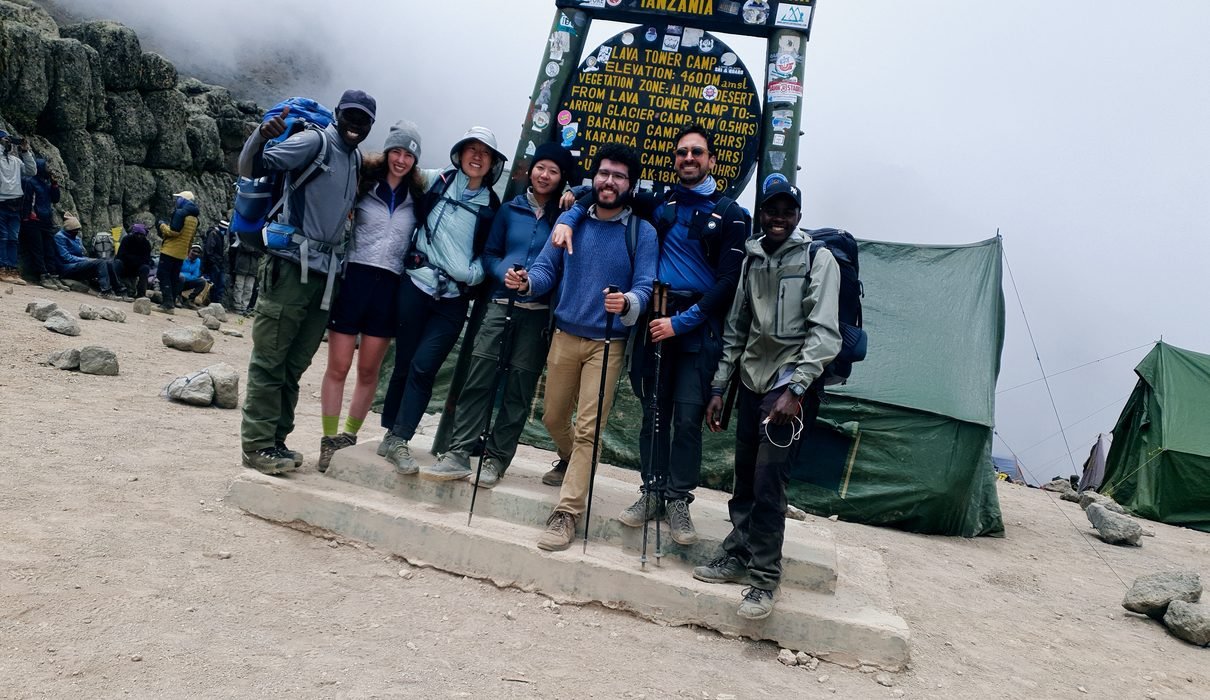
Planning to climb Mount Kilimanjaro in 2027 or 2028? Now is a good time to start organizing your trip, choosing a suitable climbing route, and preparing for the journey to Africa’s highest mountain. Standing at 5,895 metres (19,341 feet) above sea level, Mount Kilimanjaro is one of Tanzania’s most famous destinations, attracting travelers who want to challenge themselves, explore beautiful mountain landscapes, and experience the achievement of reaching Uhuru Peak.
Booking your Kilimanjaro climb early gives you more time to compare routes, arrange international flights, prepare physically, and organize the equipment needed for high-altitude trekking. Whether you are planning your first mountain expedition or have previous hiking experience, selecting the right itinerary is an important part of preparing for Kilimanjaro.
At Eddy Tours & Safaris, we help travelers plan Kilimanjaro climbing expeditions for 2027 and 2028. Our team can assist you with choosing a suitable route, understanding the climbing schedule, organizing accommodation and transport, and preparing for the conditions you may encounter on the mountain.
This guide explains how to book Kilimanjaro climbing packages for 2027 and 2028, the best routes to consider, when to travel, what to expect during your expedition, and how to prepare before arriving in Tanzania.
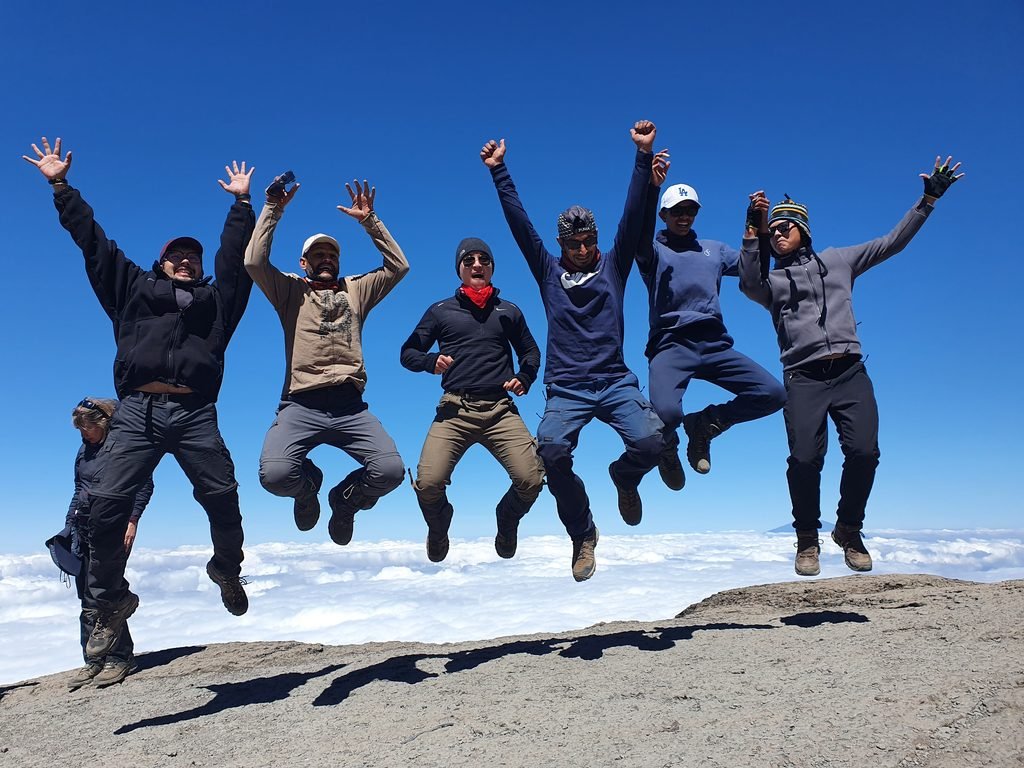
Why Book Your Kilimanjaro Climb for 2027 or 2028 Early?
Booking your Kilimanjaro expedition several months in advance can make the planning process easier, especially if you are traveling from another country. Although Kilimanjaro can be climbed throughout the year, some months are more popular than others, particularly January to March and June to October. Starting early gives you time to compare suitable travel dates and coordinate your climbing arrangements with flights, accommodation, and other activities in Tanzania.
Early planning is also useful because climbing Kilimanjaro requires physical preparation. Most travelers benefit from spending several months improving their hiking endurance, strengthening their legs, and becoming comfortable walking for long periods. If you wait until shortly before departure, you may have limited time to prepare properly or purchase suitable mountain equipment.
Another advantage of planning ahead is having enough time to compare the different Kilimanjaro climbing routes. Some routes provide longer acclimatization schedules, while others are shorter and more physically demanding. Choosing an itinerary based only on the lowest price or shortest duration can lead to unnecessary difficulties during the expedition.
When you contact Eddy Tours & Safaris, our team can discuss your preferred dates, climbing experience, group size, and route preferences before preparing a quotation. Prices, availability, and future park fees should always be confirmed in writing before making a payment.
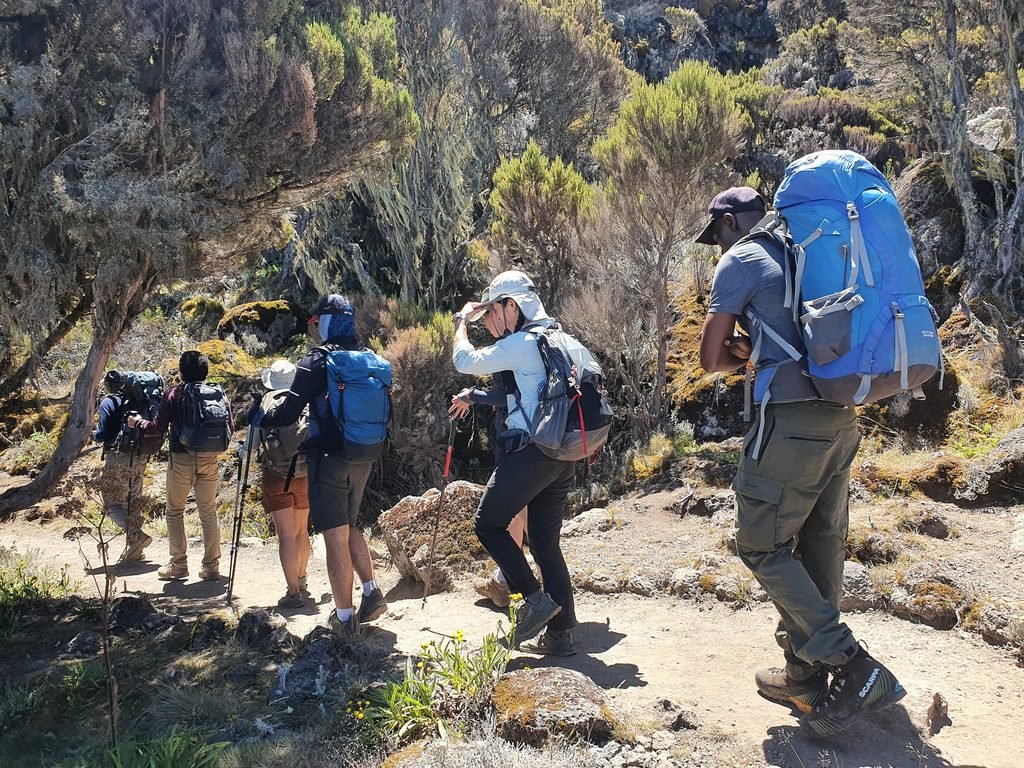
Best Kilimanjaro Climbing Routes for 2027 and 2028
Mount Kilimanjaro has several established climbing routes, each offering a different trekking experience. The best route depends on your fitness, previous hiking experience, available time, accommodation preferences, and the amount of time allowed for acclimatization.
1. Machame Route – A Popular Scenic Climb
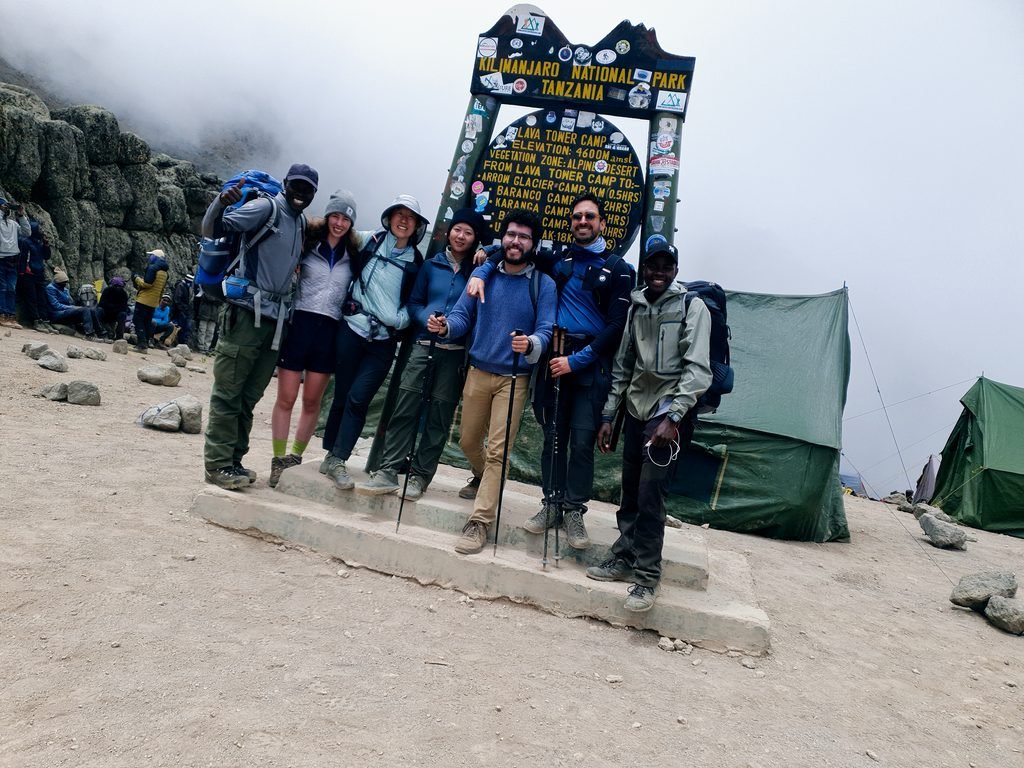
The Machame Route is one of Kilimanjaro’s best-known trekking routes. Often called the Whiskey Route, it approaches the mountain from the southwest and passes through rainforest, moorland, the Shira Plateau, Lava Tower, and Barranco Wall before continuing toward the summit.
The route is popular because of its changing landscapes and varied hiking terrain. Climbers experience steep ascents, rocky paths, and several mountain camps before making the final summit attempt from Barafu Camp. The seven-day Machame itinerary is generally preferable to the six-day version because it includes an additional night at Karanga Camp, allowing more time for acclimatization and recovery.
Travelers interested in this route can read our Machame Route Kilimanjaro climbing guide to learn more about the trekking experience.
Recommended duration: Seven days.
2. Lemosho Route – Excellent for a Longer Climbing Experience
The Lemosho Route begins on Kilimanjaro’s western slopes and offers a varied journey through rainforest, the Shira Plateau, and the southern circuit. Its landscapes are particularly attractive to travelers who enjoy photography, open mountain scenery, and a longer trekking experience.
An eight-day Lemosho itinerary is a strong option for many first-time climbers because it provides additional time on the mountain compared with shorter routes. The schedule normally includes several stages at intermediate elevations before reaching the summit base, giving climbers opportunities to adjust gradually to altitude.
Although Lemosho is often recommended for beginners, it remains a challenging high-altitude trek. Climbers should prepare for long walking days, cold temperatures, and the demanding final ascent toward Uhuru Peak.
Recommended duration: Eight days.
3. Marangu Route – Kilimanjaro’s Hut Accommodation Route
The Marangu Route is known for its established mountain huts, making it different from the camping arrangements used on most other Kilimanjaro routes. The trail begins at Marangu Gate and passes through Mandara Hut, Horombo Hut, and Kibo Hut before the summit attempt.
Marangu is sometimes described as an easier route because of its relatively straightforward trail and hut accommodation. However, the climb reaches the same high elevation as the other routes, and the shorter itineraries can create acclimatization challenges.
The six-day Marangu itinerary is generally preferable to the five-day version because it includes an additional day around Horombo. Travelers can explore more details in our Marangu Kilimanjaro climbing guide.
Recommended duration: Six days rather than five.
4. Rongai Route – A Northern Approach to Kilimanjaro
The Rongai Route approaches Kilimanjaro from the north, near the Tanzania–Kenya border. It passes through forest, moorland, and open high-altitude landscapes before reaching the area surrounding Mawenzi Peak and continuing toward Kibo.
Rongai is attractive to travelers who prefer a different mountain environment from the more commonly used southern approaches. Some of its early sections have relatively gradual gradients, although the upper stages remain physically demanding.
A seven- or eight-day Rongai itinerary is generally preferable to a compressed six-day climb. Longer schedules can include additional acclimatization opportunities, depending on the exact route plan.
Recommended duration: Seven or eight days.
5. Northern Circuit Route – A Longer Kilimanjaro Expedition
The Northern Circuit is one of Kilimanjaro’s longest commonly offered trekking routes. It begins on the western side of the mountain before continuing around the quieter northern slopes of Kibo.
The main attraction of this route is its extended itinerary. A nine-day schedule allows climbers to spend more time at intermediate elevations, which can support acclimatization. The route also provides a different perspective of Kilimanjaro, with remote landscapes and sections that generally receive fewer visitors than the main southern trails.
The Northern Circuit is suitable for travelers who have enough time and want to prioritize a longer climbing schedule. However, it still involves challenging high-altitude trekking and a demanding summit attempt.
Recommended duration: Nine days.
6. Umbwe Route – A Steep and Demanding Climb
Umbwe is one of Kilimanjaro’s steepest established trekking approaches. Beginning on the southern side of the mountain, the route climbs rapidly through rainforest and along a narrow ridge before joining the southern circuit near Barranco.
The route is particularly demanding because of its steep early ascent and relatively rapid elevation gain. Travelers considering Umbwe should have suitable hiking experience and understand the additional acclimatization concerns associated with shorter itineraries.
For most first-time climbers, longer routes such as Lemosho, Machame, or Northern Circuit are more suitable options. Umbwe should be considered carefully rather than chosen simply because it offers a shorter expedition.
Recommended approach: A longer, carefully planned itinerary rather than a compressed five-day climb.
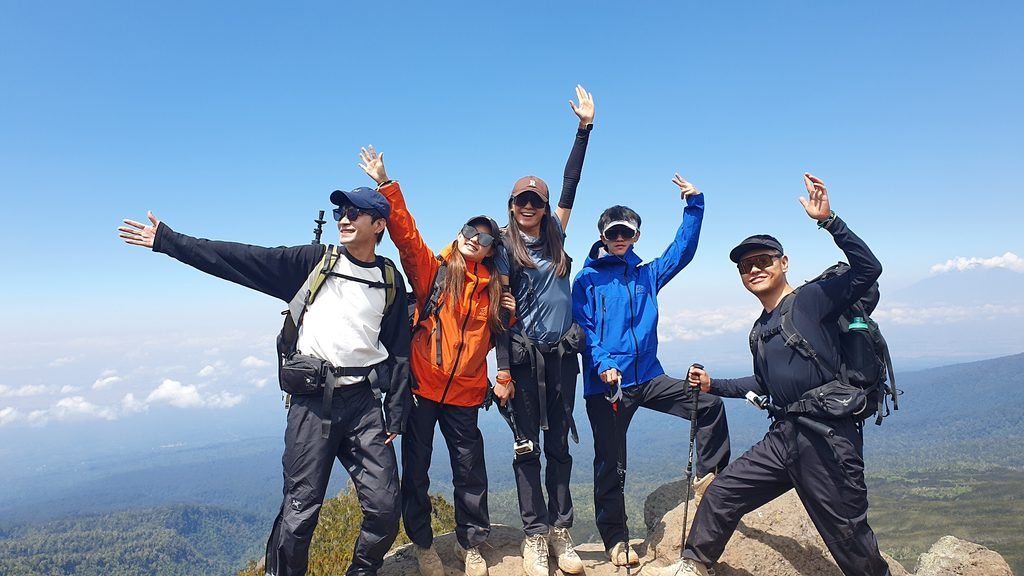
Kilimanjaro Climbing Route Comparison for 2027/2028
| Route | Recommended duration | Accommodation | Main attraction |
|---|---|---|---|
| Machame | 7 days | Camping | Scenic trails and Barranco Wall |
| Lemosho | 8 days | Camping | Varied landscapes and longer acclimatization |
| Marangu | 6 days | Mountain huts | Established hut accommodation |
| Rongai | 7–8 days | Camping | Northern mountain approach |
| Northern Circuit | 9 days | Camping | Extended itinerary and quieter slopes |
| Umbwe | Longer itinerary advised | Camping | Steep and challenging terrain |
The recommended durations are general planning guidance rather than guarantees of summit success. Your individual suitability should be discussed with a qualified healthcare professional and your mountain operator.
Best Time to Book Kilimanjaro Climbing for 2027 and 2028
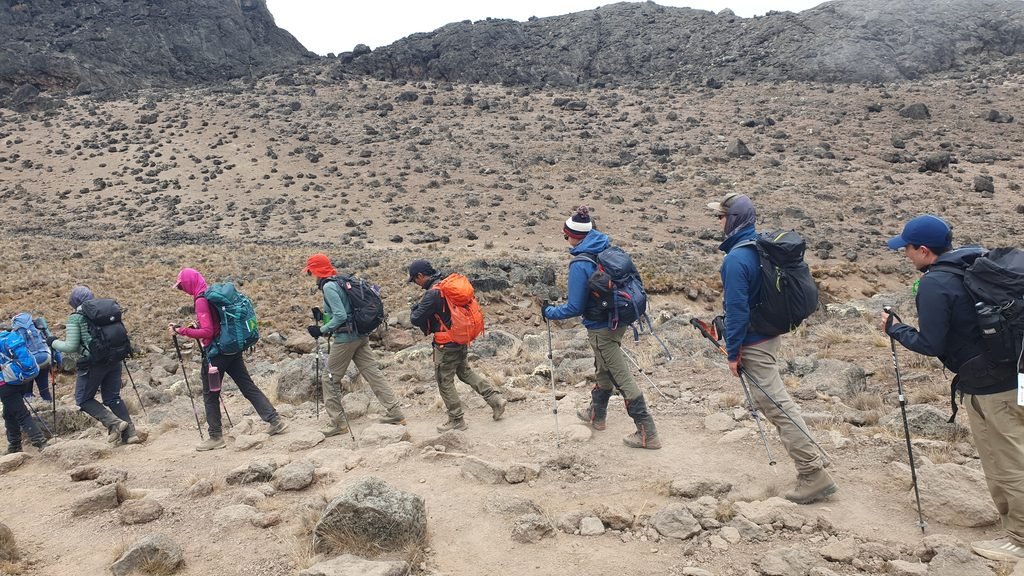
Mount Kilimanjaro can be climbed throughout the year, but some periods generally provide more favorable trekking conditions. January to March and June to October are commonly popular because they often experience relatively drier weather. However, weather can change quickly at high altitude, and even during popular climbing months, travelers may encounter rain, freezing temperatures, strong winds, or poor visibility.
January and February are often attractive to travelers who prefer climbing early in the year. June, July, August, September, and October are also popular because of generally drier conditions. These periods can be useful for combining Kilimanjaro with a northern Tanzania wildlife safari, although wildlife movements and weather conditions vary between years.
April and May are generally associated with heavier rainfall, which can make the lower rainforest trails muddy and slippery. November and December may also experience seasonal rain, although conditions vary from year to year.
For 2027 and 2028, the best travel dates depend on your available time, preferred route, and personal circumstances. Contact Eddy Tours & Safaris to discuss your preferred climbing period and request confirmation of the available arrangements.
How Much Does It Cost to Climb Kilimanjaro in 2027 and 2028?
The cost of climbing Kilimanjaro depends on several factors, including the route, number of trekking days, group size, park fees, accommodation arrangements, and services provided by the tour operator. Longer routes generally cost more because they require additional days of guiding, porter support, meals, camping arrangements, and park fees.
A professionally organized climbing package commonly includes authorized mountain guides, porters, a mountain cook, required park fees, meals during the trek, camping or hut accommodation, and transport between the departure town and park gates. The exact services vary by operator and package, so it is important to review the written inclusions before making a booking.
Additional expenses may include international flights, Tanzania visa fees, travel insurance, personal hiking equipment, equipment rental, tips for the mountain crew, and hotel accommodation before or after the climb.
Because prices and park fees may change before 2027 or 2028, travelers should request an updated quotation rather than relying on older published prices.
Request Your Kilimanjaro Climbing Price for 2027/2028
How to Book Your Kilimanjaro Climb with Eddy Tours & Safaris
Booking your Kilimanjaro expedition begins with choosing your preferred travel dates and climbing route. If you are unsure which route is suitable, our team can help you compare the available options based on your hiking experience, fitness, and available time.
Once you have selected a route, you can request a detailed quotation showing the proposed itinerary, accommodation arrangements, included services, and total price. It is important to review the daily trekking schedule and understand the acclimatization opportunities before confirming your booking.
After agreeing on the arrangements, follow the payment instructions and booking terms provided in your quotation. Your operator should confirm the services included, any applicable cancellation conditions, and the practical preparations required before departure.
Before traveling, arrange your international flights, verify Tanzania’s entry requirements, obtain suitable travel insurance, and begin preparing your mountain equipment. A pre-climb briefing in Moshi is normally arranged before the expedition begins.
What to Expect During Your Kilimanjaro Climbing Expedition
A typical Kilimanjaro climbing day begins with breakfast at the mountain camp before the group starts walking toward the next overnight location. Your guide sets the pace, while the mountain crew manages the main camping equipment and food supplies. Climbers generally carry personal daypacks containing water, snacks, waterproof clothing, and other essential items.
Walking times vary depending on the route and elevation. Some days involve relatively short distances, while others require several hours of continuous uphill trekking. As the mountain becomes higher, the landscape changes from rainforest to moorland, alpine desert, and eventually the exposed summit environment.
Summit day is usually the most demanding stage of the expedition. Many routes begin the final ascent during the night, allowing climbers to approach the crater rim around sunrise when conditions permit. The climb can be extremely tiring because of the altitude, cold temperatures, and steep terrain.
Throughout the expedition, your guide should monitor your condition and respond appropriately to symptoms of altitude illness. Reaching Uhuru Peak is an important goal, but your health and safety must always remain the priority.
How to Prepare for Kilimanjaro in 2027 and 2028
Physical preparation is an important part of planning your Kilimanjaro expedition. Many first-time climbers benefit from beginning a training program three to six months before departure, depending on their current fitness and hiking experience. Regular hill walking, cardiovascular exercise, and leg-strength training can help prepare your body for several consecutive days of trekking.
Equipment preparation is equally important because Kilimanjaro passes through different climatic zones. The lower rainforest may be warm and wet, while the higher camps can experience freezing temperatures and strong winds. Suitable hiking boots, waterproof clothing, insulated layers, gloves, trekking poles, and a reliable headlamp are among the essential items.
Travelers should also understand the risks of altitude illness. Symptoms may include headache, nausea, dizziness, unusual fatigue, and difficulty sleeping. More serious warning signs require urgent attention, and climbers should never continue ascending with worsening symptoms.
Before departure, consult a qualified healthcare professional about high-altitude trekking and arrange travel insurance appropriate for the elevation of Mount Kilimanjaro. Choosing a suitable route and allowing enough time for acclimatization are important parts of responsible preparation.
Combine Your Kilimanjaro Climb with a Tanzania Safari
Many travelers visiting Tanzania choose to combine their Kilimanjaro expedition with a wildlife safari. After completing the climb, you can explore northern Tanzania’s national parks, including Tarangire, Serengeti, Ngorongoro Crater, and Lake Manyara.
A three- to five-day safari can be a practical addition for travelers who have limited time, while longer itineraries provide opportunities to visit several parks at a more relaxed pace. Some visitors also continue to Zanzibar for a beach holiday after their mountain and safari experiences.
At Eddy Tours & Safaris, we can help you discuss suitable travel arrangements that combine Kilimanjaro with a Tanzania safari or Zanzibar extension. Allow appropriate recovery time after your climb before beginning another demanding activity.
Frequently Asked Questions About Booking Kilimanjaro for 2027/2028
1. Can I book Kilimanjaro climbing for 2027 now?
You can request a quotation and discuss suitable travel dates for 2027, subject to confirmation of availability and booking arrangements.
2. Can I book Kilimanjaro for 2028?
Yes. You can enquire about future climbing arrangements for 2028, although prices and availability must be confirmed.
3. How early should I book Kilimanjaro?
Booking several months in advance is often useful because it provides more time for physical training, equipment preparation, and travel arrangements.
4. Which Kilimanjaro route is best for beginners?
Eight-day Lemosho and nine-day Northern Circuit are strong options because they provide additional acclimatization time.
5. Is the Machame Route suitable for beginners?
Machame can be suitable for physically prepared beginners, particularly on the seven-day itinerary.
6. How many days should I spend climbing Kilimanjaro?
Seven to nine trekking days is often a sensible range to consider, depending on the route and acclimatization schedule.
7. What is the highest point of Kilimanjaro?
Uhuru Peak, at 5,895 metres above sea level.
8. Do I need technical climbing experience?
Technical mountaineering experience is not normally required on the standard trekking routes under suitable conditions.
9. Is Kilimanjaro difficult to climb?
Yes. The mountain involves high altitude, changing weather conditions, and several consecutive days of trekking.
10. What is the best month to climb Kilimanjaro?
January to March and June to October are generally popular climbing periods.
11. Can I climb Kilimanjaro during the rainy season?
Yes, but wet conditions may make trails slippery and the expedition less comfortable.
12. What is the summit success rate?
There is no single independently verified percentage that applies to every operator or route.
13. Does physical fitness prevent altitude sickness?
No. Physical fitness improves trekking endurance but does not guarantee successful acclimatization.
14. Do I need travel insurance?
Appropriate travel insurance covering high-altitude trekking and emergency assistance is strongly recommended.
15. Where do Kilimanjaro expeditions begin?
Many expeditions begin with transfers from Moshi or Arusha to the relevant park gate.
16. Do climbers sleep in tents?
Most Kilimanjaro routes use camping arrangements, while Marangu uses established mountain huts.
17. Can I rent hiking equipment in Moshi?
Some equipment may be available for rental, subject to local supplier availability.
18. Are park fees included in Kilimanjaro packages?
They are commonly included in professionally organized packages, but you should confirm the exact inclusions in your quotation.
19. Can I book a private Kilimanjaro climb?
Private climbing arrangements may be available, depending on your preferred dates and group size.
20. Can I join a group Kilimanjaro climb?
Group arrangements may be available, subject to confirmed departure schedules.
21. How long does summit day take?
Summit day can involve approximately 12–16 hours of trekking or longer, depending on the route and group conditions.
22. What should I pack for Kilimanjaro?
Essential items include suitable hiking boots, warm clothing, waterproof layers, gloves, a headlamp, and trekking poles.
23. Can I combine Kilimanjaro with a Serengeti safari?
Yes. Many travelers arrange a wildlife safari after completing their climb.
24. Can I visit Zanzibar after Kilimanjaro?
Yes. Zanzibar can be included as a beach holiday extension after the expedition.
25. How do I contact Eddy Tours & Safaris to book?
You can contact our team through the website, email, or WhatsApp to discuss your preferred climbing arrangements.
Book Your Kilimanjaro Climbing Adventure for 2027/2028 with Eddy Tours & Safaris
Climbing Mount Kilimanjaro is a major travel experience that requires careful planning, physical preparation, and a suitable mountain itinerary. Whether you choose Machame, Lemosho, Rongai, Marangu, Northern Circuit, or another established route, selecting a schedule with appropriate acclimatization opportunities is an important part of preparing for the climb.
Booking early gives you more time to compare routes, organize flights, arrange equipment, and prepare physically before arriving in Tanzania. It also allows you to discuss your preferences with your tour operator and request a detailed quotation for your intended travel dates.
At Eddy Tours & Safaris, we help travelers plan guided Kilimanjaro climbing expeditions for 2027 and 2028. Our team can discuss suitable routes, mountain accommodation, preparation requirements, and travel arrangements before providing a personalized quotation.
Book Your Kilimanjaro Climbing Adventure for 2027/2028
Chat with Eddy Tours & Safaris on WhatsApp
Email: sales@eddytours-safaris.com
Contact our team to begin planning your Kilimanjaro expedition with suitable preparation, realistic expectations, and mountain safety as the priority.