Kilimanjaro Climbing Cost is one of the first questions every serious adventurer asks before planning to summit Africa’s highest mountain. The price can look confusing at first. Some companies advertise very low rates, while others charge premium prices. So what is the truth behind these numbers?
The reality is that Kilimanjaro Climbing Cost depends on several key factors that directly influence your safety, comfort, and overall summit success. Understanding these factors helps you make a smart decision and avoid costly mistakes that could ruin your once-in-a-lifetime experience.
Understanding the Real Kilimanjaro Climbing Cost Structure
Climbing Mount Kilimanjaro is not like booking a simple hiking trip. It is a regulated expedition that requires permits, professional guides, trained porters, safety equipment, and environmental compliance. The Tanzanian government strictly controls park fees through Tanzania National Parks Authority, which already forms a large part of the overall expense.
In addition, ethical climbing operators follow porter welfare standards set by organizations like the Kilimanjaro Porters Assistance Project. These standards ensure fair wages, proper meals, and safe working conditions for the crew. Companies that ignore these standards may offer cheaper packages, but they compromise safety and ethics.
When planning your climb, it is wise to compare reputable operators such as Eddy Tours & Safaris, who clearly explain what is included in their pricing. Transparent pricing usually reflects better service, proper staff treatment, and higher summit success rates.
1. Route Selection and Its Impact on Kilimanjaro Climbing Cost
Different routes vary in length, difficulty, and scenery. Longer routes like Lemosho or Northern Circuit require more park fees because climbers spend more days inside the national park. These extra days increase accommodation, food, guide wages, and rescue coverage expenses.
Shorter routes may appear cheaper, but they have lower acclimatization time. Research from the Centers for Disease Control and Prevention shows that gradual altitude gain significantly reduces the risk of altitude sickness. More acclimatization days often mean better summit success and improved safety.
2. Number of Climbing Days
The number of days directly affects Kilimanjaro Climbing Cost because park fees are charged per day. A seven or eight-day itinerary is more expensive than a five-day itinerary, but it increases your body’s ability to adjust to high altitude. Studies from the World Health Organization emphasize the importance of gradual adaptation when exposed to high elevations.
Choosing fewer days to save money can reduce your chances of reaching Uhuru Peak. Paying slightly more for additional days often results in a safer and more enjoyable experience.
3. Group Size and Private vs Group Climbs
Your group size also plays a big role in determining Kilimanjaro Climbing Cost. Larger groups share expenses like guides and transport, which lowers individual prices. Private climbs, however, offer flexibility and personalized pacing but cost more.
Professional tour operators listed on International Union for Conservation of Nature guidelines often recommend small group sizes to reduce environmental impact and maintain quality service standards.
4. Park Fees and Government Charges
Park fees make up nearly half of the total Kilimanjaro Climbing Cost. These fees include conservation charges, camping fees, rescue fees, and value-added tax. The revenue supports wildlife conservation and ecosystem protection initiatives supported by organizations like the World Wildlife Fund and United Nations Environment Programme.
These mandatory charges are fixed and cannot be negotiated. Any company offering extremely low prices may be cutting corners elsewhere.
5. Quality of Guides, Porters, and Safety Standards
The expertise of your mountain crew significantly influences your success. Licensed guides receive wilderness first aid training and altitude emergency management education aligned with recommendations from the International Red Cross.
Responsible companies such as Eddy Tours & Safaris ensure proper porter-to-client ratios, quality camping gear, and oxygen support. Cutting costs in this area can put climbers at serious risk.
6. Equipment and Accommodation Standards
High-quality tents, sleeping mats, dining shelters, and hygienic food preparation all influence Kilimanjaro Climbing Cost. Reliable gear recommendations from institutions like the National Geographic Society highlight the importance of durable equipment in extreme environments.
Premium operators provide thicker mattresses, private toilet tents, and nutritious meals that meet international safety standards recommended by the Food and Agriculture Organization. These added comforts improve morale and performance during summit night.
7. Transfers, Accommodation Before and After the Climb
Many climbers forget that Kilimanjaro Climbing Cost also includes airport transfers, hotel stays, and meals before and after the expedition. Booking a complete package through trusted companies like Eddy Tours & Safaris simplifies logistics and avoids hidden fees.
If you are combining your climb with wildlife experiences, you may explore options like Tanzania safari packages or learn more about mountain logistics at Kilimanjaro Climb Specialist.
Environmental Responsibility and Ethical Pricing
Mount Kilimanjaro is part of a fragile ecosystem monitored by conservation researchers from institutions such as The Nature Conservancy and Conservation International. Sustainable tourism ensures that future generations can experience this iconic mountain.
Paying a fair Kilimanjaro Climbing Cost supports reforestation projects, waste management programs, and community development initiatives encouraged by USAID and World Bank.
How to Budget Smartly
Smart climbers plan carefully. Compare services, verify safety standards, and confirm that park fees are included. Consult educational resources such as National Park Foundation and health recommendations from Mayo Clinic when preparing physically.
Also, research weather patterns using tools like National Oceanic and Atmospheric Administration to choose the best climbing season.
Final Thoughts on Kilimanjaro Climbing Cost
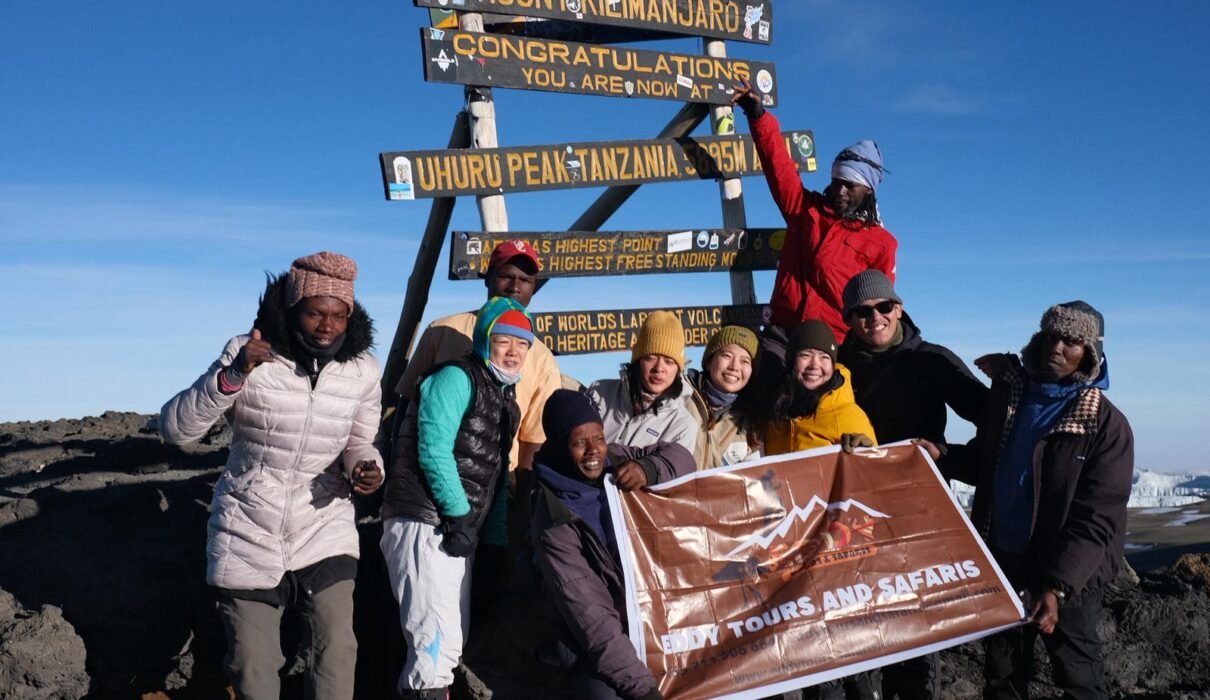
Understanding Kilimanjaro Climbing Cost empowers you to choose quality over cheap shortcuts. The price reflects safety, sustainability, fair wages, conservation, and your chance of standing proudly at Uhuru Peak.
When you invest wisely with trusted operators like Eddy Tours & Safaris, you are not just paying for a trek. You are investing in professional guidance, environmental protection, and a life-changing achievement that stays with you forever.