
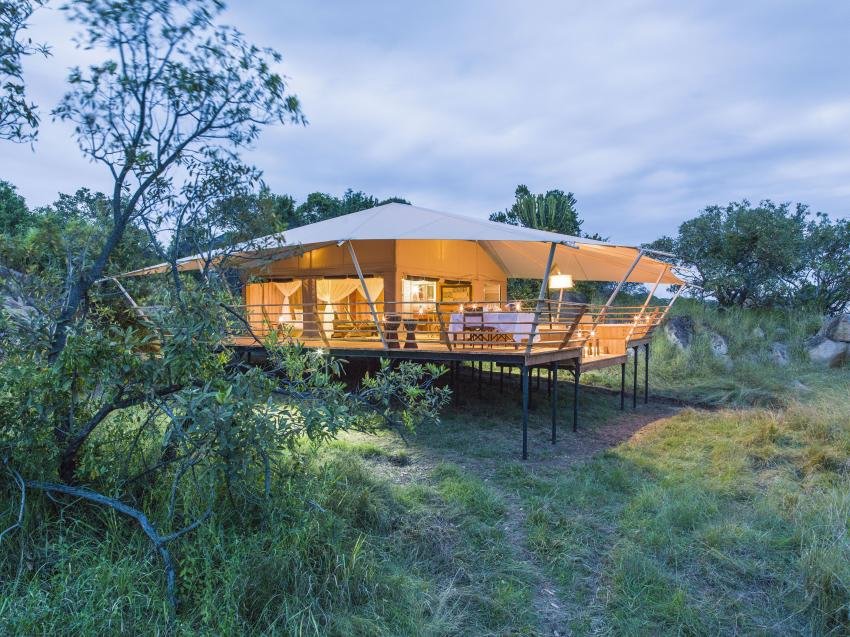
This 3-day Tanzania lodge safari is a practical, comfortable way to experience three very different wildlife areas in northern Tanzania: Tarangire National Park, the Ngorongoro Crater and Lake Manyara National Park. It is designed for travellers who want the proper safari experience but prefer a real lodge room, a warm shower and a comfortable bed at the end of the day rather than camping.
Starting from Arusha, you travel in a private 4×4 safari vehicle with a professional driver-guide. The route has been planned to avoid unnecessary backtracking: Tarangire comes first, an overnight in Karatu places you close to the Ngorongoro Conservation Area, and Lake Manyara completes the journey on the return to Arusha. It is a short itinerary, but it includes the places that give first-time visitors a good feel for the Northern Circuit.
Safari at a glance
- Duration: 3 days / 2 nights
- Start and finish: Arusha, Tanzania
- Destinations: Tarangire National Park, Ngorongoro Crater and Lake Manyara National Park
- Style: Private lodge safari
- Vehicle: 4×4 safari Land Cruiser with pop-up roof
- Accommodation: Lodge in Karatu or Ngorongoro Highlands, selected at budget, mid-range or luxury level
Why choose a lodge safari in Tanzania?
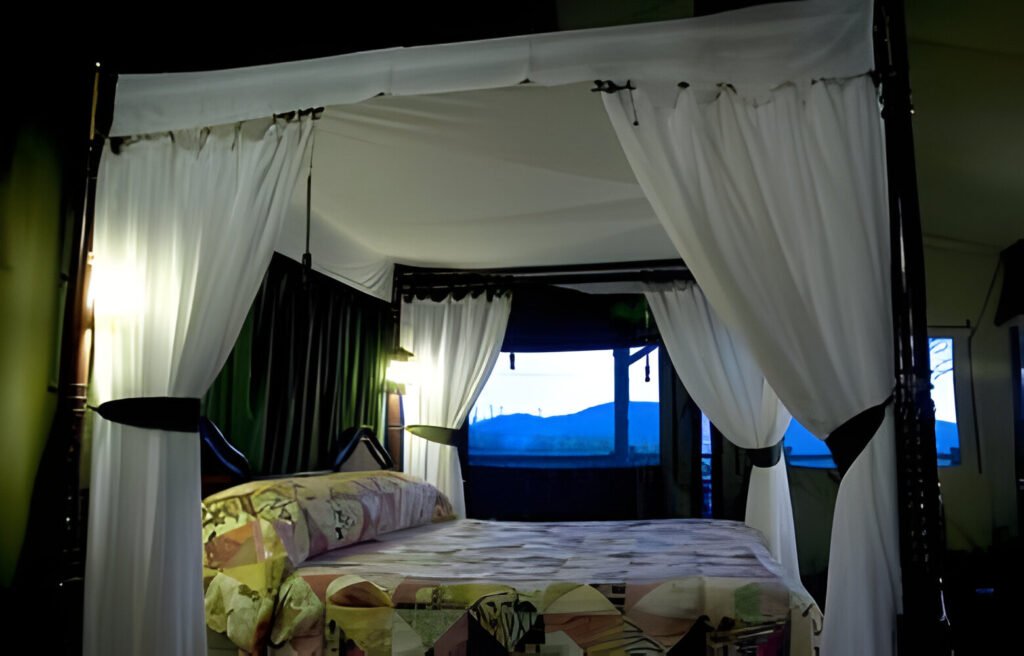
A lodge safari suits travellers who enjoy full days in the bush but do not want to compromise on overnight comfort. After an early game drive, dust on the road and a picnic lunch, it is good to return to a private room, shower, dinner and a quiet night’s rest. Karatu and the Ngorongoro Highlands have a good selection of properties, from simple clean lodges to high-comfort retreats with gardens, fireplaces and views.
Lodges are also a sensible choice for families with young children, couples on a short holiday, older travellers and anyone who values consistent facilities. The wildlife experience remains exactly where it should be: in the parks with your guide. The lodge gives you a calm base between drives.
Detailed itinerary
Day 1: Arusha to Tarangire National Park
Your driver-guide will collect you from your Arusha hotel after breakfast. After a short briefing on the route, vehicle and game-drive routine, travel southwest toward Tarangire National Park. The drive is normally around two to three hours, depending on your pick-up point and traffic.
Tarangire is one of northern Tanzania’s most distinctive parks. Giant baobab trees stand across the landscape, the Tarangire River draws wildlife in dry periods, and elephants are a regular highlight. Once inside the gate, begin a relaxed game drive toward the river systems and open savannah. Your guide will look for elephant families, zebra, buffalo, giraffe, wildebeest, impala, warthog and the smaller animals that are easy to miss on a fast drive.
Birdwatchers will find plenty to enjoy. Tarangire supports many species, and the scenery changes between woodland, grassland and river edge. Lions and leopards occur in the park, but they move freely and cannot be guaranteed. The point of the day is not to chase one animal; it is to let the park reveal itself slowly.
Enjoy a packed lunch at a designated picnic site, then continue your afternoon game drive. Later, exit the park and travel to your chosen lodge in the Karatu area. Check in, take time to freshen up and enjoy dinner. Karatu’s cooler highland evenings are a pleasant change after a warm day in Tarangire.
Meals: Lunch and dinner
Overnight: Lodge in Karatu / Ngorongoro Highlands
Day 2: Ngorongoro Crater game drive
Have an early breakfast, then drive into the Ngorongoro Conservation Area. The road climbs to the crater rim, where conditions are often cool and mist can hang over the forest. When visibility allows, stop briefly at the viewpoint to see across the vast volcanic caldera before descending to the floor.
The Ngorongoro Crater has one of the highest concentrations of large animals in Africa. Its grasslands, swamps, wooded patches and lake create a small but complete wildlife world. On a typical game drive, you may see buffalo, zebra, wildebeest, hippo, lion, spotted hyena, jackal and many birds. Elephants, generally older bulls, may be encountered near woodland. Black rhino is possible but remains rare and should never be promised.
The drive follows authorised roads and your guide will choose areas according to animal movement and reports from the morning. At the hippo-pool picnic site, stop for lunch and enjoy the setting while following safety instructions. The crater is not a zoo; animals can be close even at a designated rest area.
Continue with the afternoon game drive, then ascend to the rim and return to your lodge. You may arrive early enough to enjoy the property’s garden, pool or lounge before dinner. This night in the highlands lets you recover properly before the final day.
Meals: Breakfast, lunch and dinner
Overnight: Lodge in Karatu / Ngorongoro Highlands
Day 3: Lake Manyara National Park – return to Arusha
After breakfast and check-out, descend toward Lake Manyara National Park. This compact park is very different from the open crater floor. The entrance route passes through a lush groundwater forest of tall trees, where baboons are frequently seen and blue monkeys may appear in the canopy. Elephants use the forest too, so the guide will move carefully through shaded sections.
As the drive continues, the habitat opens toward grassland, acacia woodland and the lake. Look for giraffe, buffalo, zebra, impala, warthog, hippo and water birds. Lake Manyara is an excellent birding area, and seasonal water levels influence what can be seen along the shore. Flamingos may be present when conditions are right, along with storks, pelicans, herons and many smaller species.
The park is often associated with tree-climbing lions. While this behaviour is real, the lions may be anywhere in the park and may not be in a tree when you visit. Your guide will search suitable areas but will never make a false promise. A meaningful safari includes the forest, birds, lake scenery and animal behaviour, not just a single headline sighting.
Take a packed lunch in or near the park, then leave in the afternoon and drive back to Arusha. Drop-off can be at your hotel, Arusha Airport or Kilimanjaro International Airport if your flight time is suitable and confirmed in advance.
Meals: Breakfast and lunch
End of safari: Arusha hotel or agreed airport drop-off
Wildlife highlights across the three parks
This three-day lodge safari gives you a good chance of seeing a wide range of Tanzania’s wildlife, but every game drive is shaped by the season, weather and animal movement. Tarangire is especially strong for elephants, baobabs and river wildlife. Ngorongoro has very high wildlife density, including strong chances of lion and buffalo. Lake Manyara adds forest animals, lake birds and a completely different setting.
You may see elephant, buffalo, lion, leopard, zebra, wildebeest, giraffe, hippo, warthog, baboon, blue monkey, hyena, jackal, impala, gazelle and many bird species. Leopard and black rhino remain difficult to spot, so an ethical operator does not guarantee them. Your guide’s role is to give you the best possible opportunity while respecting park rules and wildlife space.
Accommodation options
The itinerary can be booked at different accommodation levels. All lodge choices should be clean, safe and suitable for early starts, but facilities change by category.
Budget lodge safari: a straightforward lodge with comfortable rooms, private or shared facilities according to the selected property, wholesome meals and good access to the parks.
Mid-range lodge safari: en-suite rooms, more space, attractive grounds or views, a bar or lounge, and a more refined dining experience. This is the preferred category for many couples and families.
Luxury lodge safari: high-comfort rooms or cottages, attentive service, excellent food and added facilities such as a pool, spa or fireplace. It is ideal for travellers celebrating a honeymoon, anniversary or special occasion.
When requesting your quote, say what matters most: a pool, interconnecting rooms, a private balcony, a romantic setting, vegetarian food, easy access or a strict budget. The right lodge is the one that matches your needs, not simply the most expensive option.
What is included?
- Private 4×4 safari Land Cruiser with pop-up roof
- Professional English-speaking driver-guide
- Two nights of lodge accommodation as stated in the confirmed quotation
- Meals as shown in the itinerary
- Drinking water in the safari vehicle
- All national park entry fees and Ngorongoro conservation / crater service fees for the stated itinerary
- Game drives in Tarangire, Ngorongoro Crater and Lake Manyara
- Arusha hotel pick-up and drop-off, unless another arrangement is confirmed
- Government taxes and VAT where applicable
What is excluded?
- International flights and Tanzania visa fees
- Travel and medical insurance
- Alcoholic beverages, soft drinks and personal snacks unless stated
- Tips for your driver-guide and lodge staff
- Optional activities and services not listed in the itinerary
- Personal purchases, laundry, telephone calls and souvenirs
- Accommodation before or after the safari unless specifically quoted
Best time to take this Tanzania lodge safari
Tarangire, Ngorongoro and Lake Manyara can be visited throughout the year. June to October is the main dry season. Roads are commonly easier, vegetation is less dense and animals may gather near water, particularly in Tarangire. These months are popular, so lodge availability should be checked early.
January and February can be warm and rewarding, while March to May brings green scenery and the long rains. During the wetter period, travel remains possible but requires a flexible attitude toward road conditions and daily rain. November and December usually bring shorter rains. The best choice depends on your travel dates and what you value most: dry weather, lower visitor numbers, greener photography or price.
What to bring
Bring comfortable neutral-coloured clothing, a warm layer for Ngorongoro mornings and evenings, closed shoes, sunhat, sunglasses, sunscreen and a light rain jacket when travelling in rainy months. A camera and binoculars are useful, but not essential. Keep medication, documents and a small power bank in your day bag. A reusable water bottle is a thoughtful addition, although drinking water is provided in the vehicle.
The Ngorongoro Highlands can feel surprisingly cold after sunset, even if the day was warm in Tarangire. Layers are much more useful than one heavy item. Avoid bright colours on game drives if possible, and bring modest clothes for village stops and town areas.
Responsible travel and safari etiquette
A good safari depends on respecting the parks. Keep noise low at wildlife sightings, do not feed animals, do not litter and follow your guide’s instructions at all times. Your guide will keep to authorised tracks and safe distances. A closer photograph is never worth disturbing an animal or breaking park rules.
At the lodges, water and power can be limited in some locations. Use them thoughtfully. If you meet local people during a cultural stop, ask before taking close portraits and listen respectfully. Responsible travel protects the landscapes that make the safari possible.
Getting the best value from a short lodge safari
The lowest headline price is not always the best value. Before comparing quotations, check the details: is the vehicle private, are all park and crater fees included, what category of lodge has been selected, and are drinks or transfers extra? Ngorongoro Crater fees are significant, so a very cheap offer may leave out something important or use accommodation much farther from the route. A clear quote should make every inclusion easy to understand.
For a three-day itinerary, location matters. Sleeping in Karatu or the Ngorongoro Highlands helps you enter the crater early on Day 2 and avoids exhausting travel at the end of the day. A professional guide and reliable four-wheel-drive vehicle also make more difference to the safari than an impressive-looking website alone. The parks are large, and a guide who understands animal behaviour, road conditions and timing will improve the experience considerably.
If you have a special occasion, mention it when you enquire. Lodges can sometimes arrange a private dinner table, a cake or a room preference, subject to availability. Equally, if you are travelling on a strict budget, say so from the start. We can keep the route and wildlife experience strong while choosing a straightforward, good-value lodge category.
Travel practicalities before you arrive
Most guests fly into Kilimanjaro International Airport, then transfer to Arusha before the safari. Arusha Airport is useful for domestic connections. Plan to arrive at least one night before the safari begins, especially after an international flight, so a delay does not affect the itinerary. We can arrange the extra Arusha night and airport transfer when requested.
Check passport validity, visa requirements and travel-health advice with the relevant official and medical sources well before departure. Requirements can change, so it is better not to rely on an old travel forum post. Travel insurance is strongly recommended, particularly one that covers medical assistance and delays. If you have dietary needs, limited mobility, a medical condition or a birthday during the trip, let us know during planning rather than on arrival.
Safari roads can be bumpy. Keep a soft bag, refillable water bottle, sunscreen and a light jacket in the vehicle. Guests who are prone to motion sickness should bring the medication recommended for them by a qualified professional. Seat belts should be worn whenever the vehicle is moving, and the roof should only be raised when the guide says conditions are safe.
Extend the itinerary if you have more time
Three days gives you a satisfying introduction, but a fourth or fifth day can add Serengeti National Park. That is the best extension for travellers who want wider plains, more time with big cats and the possibility of being near the Great Migration in the appropriate season. Tarangire, Ngorongoro and Lake Manyara pair naturally with a two- or three-night stay in Central Serengeti.
For a different finish, combine your safari with Zanzibar. A few days at the coast after early game-drive starts offers beach time, Stone Town culture and a slower rhythm. We can coordinate the domestic flight and the beach stay so the safari does not end with unnecessary return driving.
Frequently asked questions
Is this a private safari?
Yes. This itinerary is designed as a private Tanzania lodge safari, with your own vehicle and guide. This gives you flexibility over stops, time at sightings and daily pace.
Can children join?
Yes. Families are welcome. Tell us the children’s ages and room requirements so we can recommend the most suitable lodge and vehicle arrangement.
Will we see the Big Five?
Ngorongoro offers a chance to see all Big Five, but wildlife cannot be guaranteed. Black rhino and leopard are particularly elusive. You will have excellent potential for lion, buffalo, elephant and many other animals across the route.
Can the safari begin in Moshi?
It can, but starting in Moshi adds driving time. Arusha is the most practical beginning point for this three-day itinerary. We can arrange a Moshi pick-up or airport transfer if it suits your schedule.
Book your 3-day Tanzania lodge safari for 2027/2028
This route gives you three leading northern Tanzania wildlife areas in a short, comfortable journey. Eddy Tours & Safaris will arrange the lodge category, transport and pace around your dates and budget.
Request your personal quotation through our contact page, call or WhatsApp +255 711 906 664, or email eddytoursandsafaris@gmail.com or sales@eddytours-safaris.com. If you would also like a guided Kilimanjaro climb, see Kilimanjaro Climb Specialist for mountain options.