
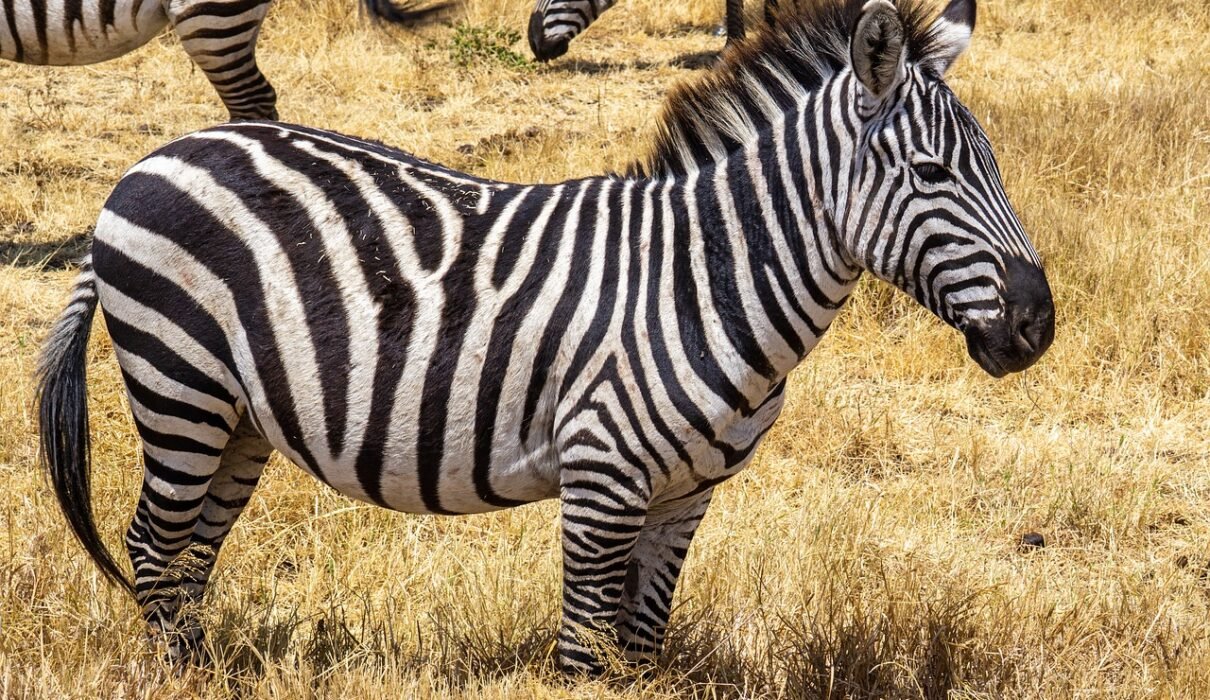
Plan Your Perfect Tanzania Safari in 2027/2028 : A Tanzania safari can be as simple as a short weekend in Tarangire and Ngorongoro or as detailed as a two-week journey through the Serengeti, the coast and Mount Kilimanjaro country. The best trip is not necessarily the longest or the most expensive one. It is the one that matches your travel month, available time, comfort level and the wildlife experiences you genuinely care about.
Many first-time visitors start by asking which park is “the best.” Tanzania does not have one answer. Serengeti is famous for its vast grasslands and the Great Migration. Ngorongoro Crater offers a remarkable concentration of wildlife in a compact area. Tarangire is loved for elephants, baobab trees and dry-season game viewing. Lake Manyara, Arusha National Park, Nyerere, Ruaha, Zanzibar and the Kilimanjaro foothills each add a different character to a holiday.
This guide will help you plan a Tanzania safari for 2027 or 2028 without being misled by generic promises. It explains where to go, what animals you may see, when to travel, how many days to allow and the small practical decisions that make a safari run smoothly. Wildlife follows rain, water and grazing; thoughtful planning gives you the strongest opportunity, but no honest company should guarantee a particular animal behaviour or migration position on an exact date.
Start with the safari you actually want
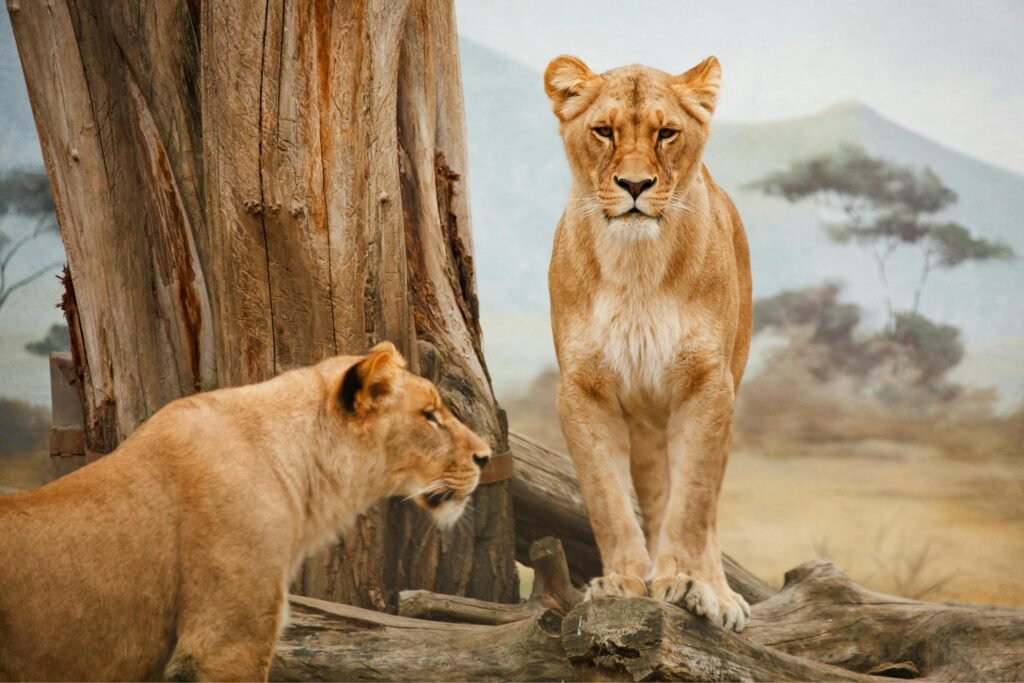
Before choosing hotels or comparing prices, decide what you want your Tanzania safari to feel like. Do you want several long game drives and as much wildlife as possible? Would you rather have a relaxed lodge holiday with short drives and good food? Are you travelling with children, celebrating a honeymoon, photographing birds, adding Zanzibar, or hoping to see the migration? These answers shape the route.
A first safari often works best with a balanced northern circuit: Tarangire, Ngorongoro Crater and Serengeti. This mix gives you different habitats and a realistic chance to see many animals. A repeat visitor might choose the quieter southern parks, focus on Ndutu in the green season, or stay longer in one part of the Serengeti rather than driving across the country.
Write down your three priorities before requesting a quote. For example: “big cats, good lodge comfort and no more than four hours driving on most days,” or “calving season, photography and a private vehicle.” Clear priorities help an operator make sensible choices instead of sending a standard itinerary that may not fit you.
Tanzania’s main safari parks and what makes each one special
Serengeti National Park
Serengeti is the park most people imagine when they think about an African safari: broad grasslands, granite kopjes, acacia woodland, lion prides and long horizons. It is also part of the wider migration ecosystem, with wildebeest and zebra moving through different regions during the year. Central Serengeti is a strong all-round option because it usually has resident wildlife and good big-cat viewing. The north, west and south become more important according to the season and rainfall.
Do not book Serengeti solely because you want one famous river-crossing image. Crossings are natural events, not a daily schedule. A good Serengeti trip is still rich in wildlife even when no crossing occurs. Lions, cheetahs, leopards, elephants, giraffes, hyenas, hippos, crocodiles and an enormous range of birds are all part of the experience.
Ngorongoro Crater
Ngorongoro Crater is a dramatic volcanic caldera with grassland, forest, a soda lake and permanent water. Because of the enclosed landscape and good grazing, wildlife sightings can be frequent. Visitors often see zebra, wildebeest, buffalo, lions, hyenas, elephants and many birds in one day. Black rhinos are present but remain wild animals in a large landscape; sightings cannot be promised.
The crater floor is lower and warmer than the rim, while the highlands can be cool and misty early in the morning. A crater visit works very well as part of a northern circuit safari, though entry rules and time limits should be respected. It is not a place for a rushed stop between long road transfers. Allow a proper morning or full game drive where the itinerary permits.
Tarangire National Park
Tarangire is often one of the pleasant surprises of a Tanzania safari. It is known for elephant herds, baobab trees, open woodland and the Tarangire River, which attracts animals in the dry season. You may see giraffe, buffalo, zebra, impala, warthog, wildebeest, lions and a wide variety of birds. The park is generally less vast than Serengeti, making it a good first or last safari stop from Arusha.
Tarangire is especially good for people who enjoy watching elephants without feeling rushed. Herds may feed, drink, cross tracks or gather in family groups. As always, wildlife movements vary, but the landscape alone is worth the visit.
Lake Manyara National Park
Lake Manyara is a compact park beneath the Rift Valley escarpment. Groundwater forest, lake shore, open areas and woodland support birds, baboons, giraffes, elephants and other animals. It is a useful addition when you want habitat variety or a shorter driving day. The park has long been associated with tree-climbing lions, but this behaviour is never guaranteed and should not be the only reason to visit.
Nyerere National Park and Ruaha National Park
For travellers looking beyond the northern circuit, southern Tanzania offers a different rhythm. Nyerere National Park, part of the Selous ecosystem, is known for the Rufiji River system, boat safaris and a more remote feel. Ruaha has rugged scenery, baobabs, large elephant populations and excellent predator potential. These parks require separate routing and often domestic flights, but they suit visitors who want fewer vehicles and more time in wild, less-developed landscapes.
Wildlife you can hope to see in Tanzania
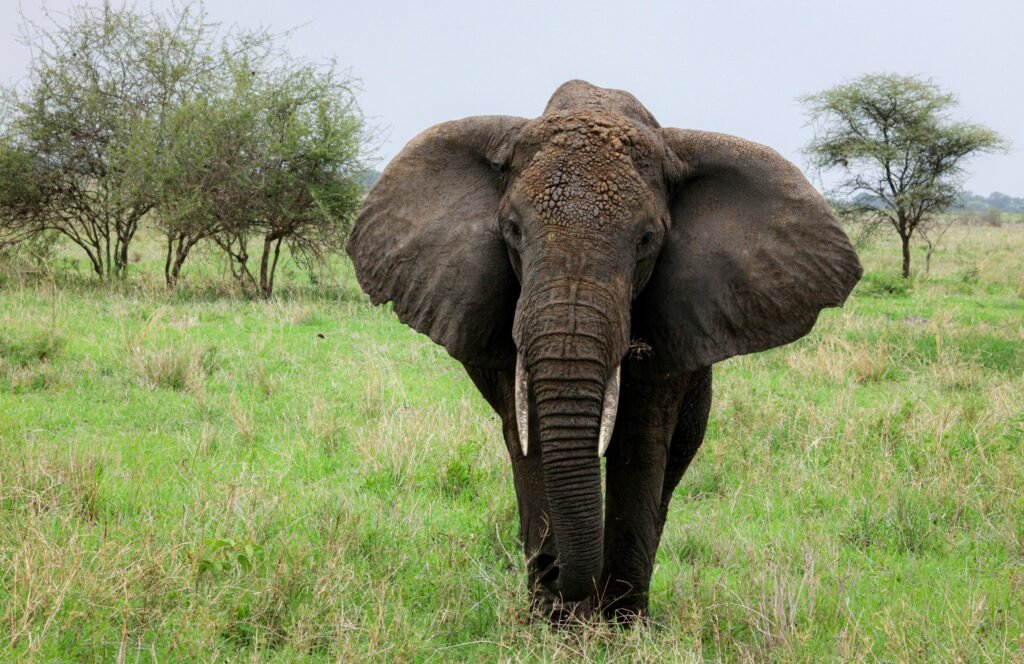
Tanzania is one of the best places in Africa for large-mammal diversity, but safari planning should be based on opportunity rather than a guarantee. The “Big Five” refers to lion, leopard, elephant, buffalo and rhino. Tarangire, Serengeti and Ngorongoro give good chances for several of these, while rhino and leopard are usually the most difficult to see because they are naturally less visible or occur in lower numbers.
There is far more to a safari than the Big Five. Look for cheetahs on open plains, servals in grassland, jackals, bat-eared foxes, spotted hyenas, hippos, crocodiles, giraffes, zebras, wildebeest, topi, hartebeest, gazelles, dik-dik and warthogs. Birders may find hornbills, rollers, storks, eagles, vultures, flamingos, secretary birds and colourful bee-eaters. Each guide has slightly different knowledge and local experience, so ask questions when you see something unfamiliar.
Good game viewing is not only about a close animal. Watch how animals behave. Elephants communicate quietly through movement and touch. Zebra use body position and calls to stay alert. Lions spend many daytime hours resting because hunting is energy-intensive. A guide who explains these details can make a quiet morning as interesting as a dramatic sighting.
Choose the right season for your priorities
January to March: green plains and calving season
The southern Serengeti and Ndutu area can be very rewarding in the early months of the year, particularly when the migration herds gather on the short-grass plains. Calving often occurs during this broader period, and predator activity can be strong. The green scenery and young animals appeal to photographers and travellers who want to see the renewal stage of the migration. Rainfall varies, and road conditions can change, so a capable vehicle and an experienced guide matter.
April to May: long rains and quieter travel
April and May often bring more rain. Some camps close temporarily, some roads become challenging and long drives may take more time. At the same time, the landscape can be beautifully green, visitor numbers can be lower and certain accommodation rates may be more favourable. This season suits flexible travellers who value atmosphere and do not mind occasional weather disruption. It is not the ideal period for people who want a completely dry, predictable road trip.
June to October: dry season and classic game viewing
Dry-season months are popular because vegetation is often lower, roads are generally easier and animals gather around reliable water sources in several parks. Tarangire is particularly attractive for elephants in this period. Mornings can be cold in an open vehicle, especially around Ngorongoro, while afternoons can be warm and dusty. Pack layers rather than one heavy jacket.
From around July onward, travellers often follow migration news toward the northern Serengeti. River crossings may happen during this wider season, but exact dates and locations depend on weather and herd movement. Build the itinerary around the season, but do not make a holiday dependent on a single event.
November to December: short rains and changing migration patterns
Short rains can refresh the landscape and encourage movement southward. This can be a pleasant period for people looking for greener scenery, birdlife and less pressure than the busiest dry-season weeks. It is also a good time to combine safari with Zanzibar, although coast weather should be considered separately from northern-park conditions.
How many days do you need?
A two- or three-day safari can introduce you to Tanzania, usually with Tarangire and Ngorongoro or Lake Manyara. It is suitable if time is limited, but it will feel active. Four to six days gives a more balanced northern circuit, including Serengeti. Seven to nine days creates space for two or three nights in Serengeti, a crater visit and a slower pace. Ten days or more is ideal if you want both safari and Zanzibar, or want to add a second region without exhausting road transfers.
Try not to include too many parks simply because their names sound impressive. A safari with three well-paced destinations is often better than one that changes camp every night. Long transfers reduce time in the parks and can leave everyone tired. Ask the company for approximate driving times, not only kilometres, because road conditions and wildlife viewing stops affect the day.
Private safari, group departure or fly-in safari?
A private safari gives you the most control. You travel with your own guide and vehicle, choose how long to stay at sightings and can shape the day around children, photography or personal energy levels. It costs more than a shared departure but can be excellent value for couples, families or friends travelling together.
A group safari is generally more economical and works well for sociable travellers who are happy to share the day’s decisions. Confirm group size, accommodation type, what is included and whether departure dates are guaranteed. A fly-in safari saves road time and offers views from the air, but small aircraft usually have soft-bag luggage rules and weight limits. It is particularly useful for travellers with limited time or for combining remote camps and Zanzibar.
Choose accommodation by location first
Safari accommodation ranges from simple public campsites and budget tented camps to comfortable lodges and high-end private camps. Price matters, but location often matters more. A camp close to the area you want to explore can save hours of driving each day. In Serengeti, seasonal camps may move according to the migration, while permanent camps offer consistent facilities and access to resident wildlife areas.
Ask what “luxury,” “mid-range” or “budget” means in the actual itinerary. Does the camp have an ensuite bathroom? Is it inside or outside the park? Is laundry available? Are drinks included? Is electricity available all day? Clear questions prevent disappointment. There is no shame in choosing a simpler camp if it allows you to spend more time in the right wildlife area.
Smart Tanzania safari planning tips
- Book early for peak months, popular migration camps and travel over major holidays.
- Use a soft duffel bag if your itinerary includes domestic bush flights.
- Pack neutral, breathable layers, closed shoes, sunscreen, sunglasses, a hat and a compact rain jacket.
- Keep passports, medication, insurance information and camera batteries in your hand luggage.
- Do not rely on one online post for visa, health or airline requirements; check current official sources before travel.
- Bring binoculars if you have them, especially for birds and distant wildlife.
- Tell your operator about dietary needs, mobility considerations, children’s ages and any special celebration before the itinerary is finalised.
If you are adding a climb to your safari, do not treat Kilimanjaro as a normal day hike. It needs separate fitness, clothing and altitude preparation. For route-focused mountain information, visit Kilimanjaro Climb Specialist.
Responsible safari travel matters
The quality of a safari is not measured by how closely a vehicle can approach an animal. Responsible guides give wildlife room, avoid crowding a sighting, follow park rules and never chase an animal for a photograph. Guests should stay in the vehicle unless the guide says otherwise, keep voices low near wildlife and take all rubbish away.
Choose an operator that communicates clearly about what is included, pays attention to safety and treats guides, camp staff and local communities with respect. You can also support responsible travel by carrying a refillable water bottle, using less single-use plastic and buying locally made crafts from legitimate sellers when appropriate.
How to set a realistic safari budget
Safari pricing is shaped by several things at once: park fees, accommodation, vehicle and guide costs, fuel, meals, domestic flights and the time of year. A lower quote is not automatically poor value, but it is worth checking what it leaves out. Compare like with like. One package may include park fees, airport transfers, all meals and accommodation inside the park; another may list a similar headline price but add important costs later.
Ask for clarity on accommodation names or standards, vehicle type, whether the tour is private or shared, number of travellers, meals, drinking water, airport transfers, flights, tips and personal expenses. Travel insurance, visas, some drinks and optional activities are often separate, but the quotation should state this plainly. The best decision is not simply the cheapest offer; it is the itinerary you understand and feel comfortable with.
Adding Zanzibar after your safari
A few nights in Zanzibar can be a sensible finish after days of early starts and dusty game drives. Choose the coast according to your interests. Nungwi and Kendwa are popular for swimming and beach hotels, while the east coast offers a quieter rhythm and tidal scenery. Stone Town is worthwhile for history, architecture and food, even if you only stay one night.
Pack lighter beach clothing, swimwear, sandals and a cover-up, but remember to dress modestly when you leave beach resorts and visit local communities or religious places. Domestic flight timings and baggage limits need to fit the safari route, so arrange the connection as part of the full itinerary rather than as an afterthought.
Plan your 2027/2028 Tanzania safari with Eddy Tours & Safaris
The right Tanzania safari starts with an honest conversation about your dates and expectations. Eddy Tours & Safaris can help you compare private, group and fly-in options; match your travel month to the right parks; and create a route that balances wildlife viewing with comfortable travel days. Whether you want a classic Serengeti and Ngorongoro safari, a migration-focused journey, a family holiday or a safari-and-Zanzibar combination, the itinerary should be built around you.
To start planning, visit the contact page, email eddytoursandsafaris@gmail.com or sales@eddytours-safaris.com, or call and WhatsApp +255 711 906 664. Send your preferred dates, number of travellers, desired accommodation level and the parks or animals you care most about, and the team can advise on a sensible Tanzania safari plan for 2027 or 2028.