
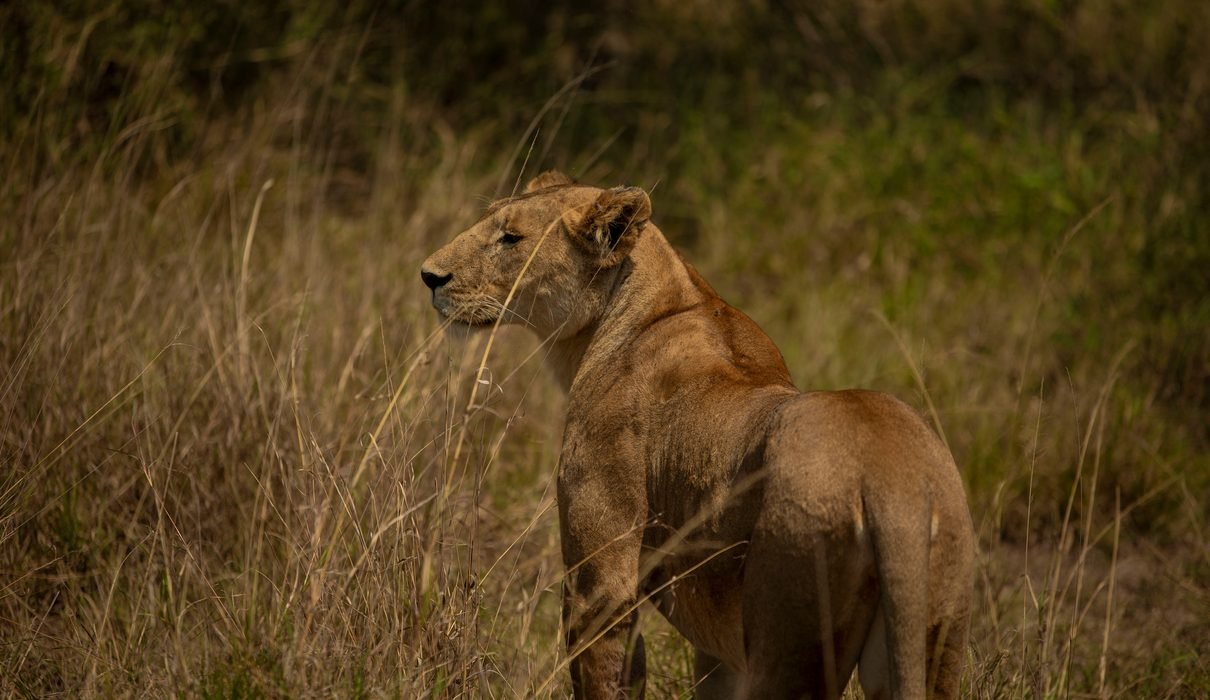
Serengeti National Park is one of Tanzania’s most famous wildlife destinations, attracting visitors from around the world who want to experience the Great Wildebeest Migration, see Africa’s Big Five, and explore the open plains of northern Tanzania. Covering approximately 14,750 square kilometres, the park is known for its large wildlife populations, beautiful landscapes, and opportunities to observe animals in their natural environment. Whether you are planning a short safari or a longer wildlife holiday, understanding the Serengeti National Park entrance requirements is an important part of preparing for your trip.
For travelers planning a Serengeti safari in 2027, park entrance fees are among the main costs to consider when organizing a wildlife holiday in Tanzania. These charges contribute to wildlife conservation, park management, visitor facilities, and the protection of the ecosystems that make Serengeti one of Africa’s most important protected areas. The amount paid depends on factors such as nationality or residency status, age, the applicable tariff period, and the additional services included in your safari.
Apart from entrance fees, travelers should understand how park permits work, which entrance gates are commonly used, and whether additional charges apply to safari vehicles, camping, or accommodation inside the national park. Visitors arriving through the Ngorongoro Conservation Area may also need to account for separate Ngorongoro fees, which are not included in the standard Serengeti entrance charge.
At Eddy Tours & Safaris, we help travelers plan Serengeti wildlife safaris, including private tours, family holidays, Great Migration experiences, and combined northern Tanzania itineraries. This guide explains the Serengeti National Park entrance fees, important access points, payment arrangements, park regulations, and practical travel advice for 2027. Because government tariffs may change, all future prices should be checked against the latest official Tanzania National Parks schedule before confirming a booking.
Understanding Serengeti National Park Entrance Fees
Serengeti National Park is managed by the Tanzania National Parks Authority, commonly known as TANAPA. Visitors are required to pay the applicable conservation fee to enter the park, and the amount varies according to their visitor category. International tourists generally pay a different rate from East African citizens and qualifying residents, while children may qualify for reduced charges or free admission depending on their age.
Entrance fees are normally calculated according to the applicable park entry period rather than as a single payment covering an unlimited stay. This is particularly important for travelers spending several nights in Serengeti because the number of chargeable periods can affect the total safari cost. Your tour operator should calculate the applicable park fees according to the itinerary and explain how those charges are included in your quotation.
Travelers should also distinguish between the park conservation fee and other costs associated with visiting Serengeti. The entrance fee does not automatically include accommodation, meals, a safari vehicle, a professional guide, balloon safari activities, or additional accommodation-related park charges. A complete safari quotation should clearly identify these services so that visitors understand the total cost before making a reservation.
Serengeti National Park Entrance Fees for 2027
The following figures are historical reference rates from TANAPA’s published 2023/2024 tariff, not confirmed prices for the whole of 2027. They are included to help travelers understand how the park fee structure has worked. The official 2027 tariff and any revised payment rules must be checked before travel.
Historical TANAPA Conservation Fee Reference
| Visitor category | Published peak-season rate | Published low-season rate |
|---|---|---|
| Non-East African adult, 16 years and above | US$70 | US$60 |
| Non-East African child, 5–15 years | US$20 | US$20 |
| Non-East African child under 5 | Free | Free |
| Qualifying expatriate/Tanzania resident adult | US$35 | US$30 |
| Qualifying expatriate/Tanzania resident child, 5–15 years | US$10 | US$10 |
| East African citizen adult | TZS 10,000 | TZS 10,000 |
| East African citizen child, 5–15 years | TZS 2,000 | TZS 2,000 |
| East African citizen child under 5 | Free | Free |
These figures come from the official TANAPA tariff published for July 2023 to June 2024. The published historical peak season covered 16 May to 14 March, while the low season covered 15 March to 15 May. They should not be presented as guaranteed 2027 charges. Applicable taxes, later tariff revisions, residency qualifications, and payment requirements must be verified against the current official schedule.
Travelers should also understand that TANAPA may revise its fees or tariff categories before their departure. For accurate quotations, use the current official tariff rather than relying on older travel articles or price lists.
Official reference: Tanzania National Parks – Park Fees and Tariffs
What Is Included in the Serengeti Entrance Fee?
The Serengeti National Park entrance fee provides permission to enter the protected area under the applicable park regulations and payment conditions. The revenue supports the management and conservation of the national park, including wildlife protection, habitat management, visitor infrastructure, and other activities necessary for maintaining the protected ecosystem.
However, paying the conservation fee does not mean that all safari services are included. Travelers still need transportation, accommodation, meals, and suitable arrangements for game drives. If you are booking a private safari, your operator may combine these services into one package price, while independent travelers may need to organize and pay for several components separately.
The most practical approach is to request a detailed quotation showing the conservation fees, accommodation charges, vehicle arrangements, guiding services, and any additional activities. This helps avoid confusion when comparing safari packages that appear similar but include different services.
Additional Serengeti Safari Fees You Should Know
Safari Vehicle Entry Fees
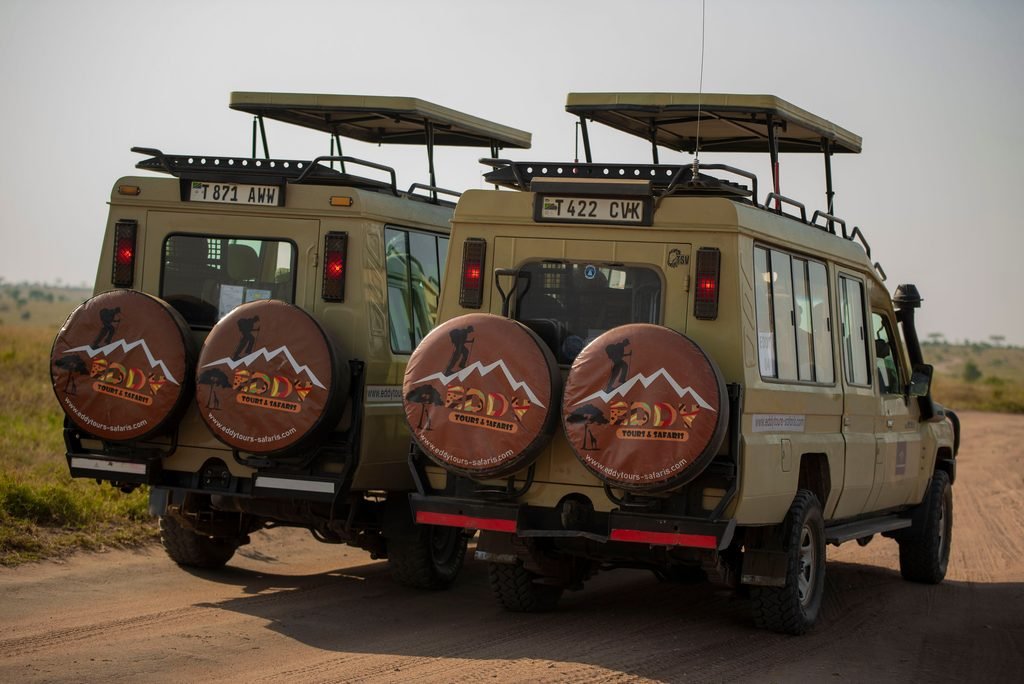
Vehicles entering Serengeti National Park may be subject to charges based on their registration, classification, weight, or other applicable tariff conditions. These fees are separate from the individual visitor conservation fees and are usually incorporated into the overall price of an organized safari.
For travelers booking a safari with Eddy Tours & Safaris, the vehicle arrangements can be included in the written quotation. However, it is important to confirm the exact vehicle-related charges applicable to the planned travel dates because government tariffs may change.
Camping and Accommodation-Related Fees
Serengeti offers different accommodation options, including public campsites, special campsites, permanent tented camps, safari lodges, and luxury properties. Depending on the accommodation category and the applicable park regulations, additional camping or concession fees may apply.
Travelers staying inside the park should ask whether these charges are included in their accommodation or safari package. A lower advertised accommodation rate does not always represent the full cost of staying inside a protected area, particularly when additional government charges apply.
Ngorongoro Conservation Area Fees
Many Serengeti safaris begin in Arusha or Moshi and travel through the Ngorongoro Conservation Area before entering Serengeti at Naabi Hill Gate. Because Ngorongoro is managed separately from Serengeti National Park, travelers using this route may be required to pay additional conservation and vehicle fees.
These charges should not be confused with the Serengeti entrance fee. If your itinerary includes a game drive inside Ngorongoro Crater, additional crater-related charges may also apply. Your safari operator should calculate the fees according to the exact route and activities included in your holiday.
Serengeti Hot Air Balloon Safari Fees
A hot air balloon safari is an optional experience that allows visitors to view the Serengeti landscape from above. Balloon flights are generally arranged separately from standard game drives and involve additional costs, subject to the location, season, operator, and availability.
If you are interested in including a balloon safari in your 2027 itinerary, request the current price and availability before booking. Balloon operations depend on suitable weather conditions, and the final arrangements should be confirmed by the licensed provider.
Main Serengeti National Park Entrance Gates
Serengeti National Park has several access points serving different regions of the protected area. The best entrance gate depends on where your safari begins, which part of Serengeti you want to explore, and the route selected by your guide. Travelers arriving from Arusha or the Ngorongoro Conservation Area commonly use a different gate from visitors approaching the western Serengeti from Mwanza.
1. Naabi Hill Gate – Main Entrance from Ngorongoro
Naabi Hill Gate is one of the most frequently used entrances for travelers arriving from Arusha, Karatu, or the Ngorongoro Conservation Area. It is located on the southeastern approach to Serengeti and serves as an important access point for visitors continuing toward the central Serengeti and the Seronera wildlife area.
Many northern Tanzania safari itineraries include Ngorongoro before entering Serengeti through Naabi Hill. The gate area provides an opportunity to complete the necessary entry procedures before continuing into the national park. Travelers should plan their journey carefully because the road from Ngorongoro can be long and may involve rough sections.
2. Ndabaka Gate – Western Entrance from Mwanza
Ndabaka Gate is an important entrance for travelers approaching Serengeti from Mwanza and the western side of Tanzania. It provides access to the western Serengeti and can be particularly useful for visitors who arrive through Mwanza rather than Arusha.
This entrance may be convenient for certain western corridor itineraries, depending on the season and wildlife movements. Travelers should discuss the route with their safari guide because the best wildlife viewing locations can change throughout the year.
3. Ikoma Gate – Access to the Northwestern Serengeti
Ikoma Gate is located in the northwestern part of Serengeti and is used by visitors traveling between the park and surrounding accommodation areas. It can be useful for itineraries involving lodges or camps outside the park boundary, depending on their location.
Travelers using this gate should pay particular attention to entry validity and the timing of their game drives. Staying outside the national park may affect how park fees are calculated when entering again on subsequent days.
4. Klein’s Gate – Northeastern Serengeti Access
Klein’s Gate provides access to the northeastern Serengeti from the Loliondo side. It may be useful for travelers following certain northern Tanzania itineraries or staying in accommodation located toward the northeastern side of the ecosystem.
Because road conditions and access arrangements can vary, this entrance should be planned with a knowledgeable safari operator. It is not necessarily the most convenient option for visitors traveling directly from Arusha toward the central Serengeti.
Which Serengeti Entrance Gate Should You Use?
Choosing the correct gate can make your safari more efficient and reduce unnecessary travel. Visitors beginning their journey in Arusha or Karatu commonly enter through Naabi Hill, while travelers arriving from Mwanza may find Ndabaka more practical. Ikoma and Klein’s Gate serve other parts of the park and may be appropriate for specific accommodation locations or regional itineraries.
However, the closest gate is not always the best choice. Your guide should consider the wildlife areas you intend to visit, accommodation location, road conditions, and the time available for game drives. During the Great Migration season, for example, the best route may depend on whether the herds are concentrated in the southern plains, western corridor, or northern Serengeti.
How to Pay Serengeti National Park Entrance Fees
Park fees should be paid through the official procedures accepted by Tanzania National Parks. Travelers booking an organized safari usually have the necessary park payments arranged by their tour operator as part of the confirmed itinerary. This reduces the need to manage individual payments at each entrance and helps ensure that the required permits are prepared correctly.
Independent travelers should confirm the accepted payment methods and documentation requirements before arriving at the park. It is sensible to carry a passport or other required identification, particularly when claiming a rate based on citizenship or residency status. Qualifying residents may need to provide valid supporting documents rather than simply stating that they live in Tanzania.
Keep your park payment confirmation and other travel documents accessible during your visit. Avoid making payments to unauthorized individuals, and always confirm that charges are consistent with the applicable official tariff.
How Long Is a Serengeti National Park Entry Permit Valid?
Serengeti entry permits operate according to the applicable TANAPA tariff and entry conditions. Many park conservation fees are calculated around a 24-hour charging period, but travelers should not assume that every entry, re-entry, accommodation, or transit arrangement follows exactly the same rule.
For example, a visitor entering the park in the afternoon and staying for several nights may have different fee calculations from someone entering for a short visit or staying outside the park boundary. Re-entry rules and additional charges can also affect the total cost.
The safest approach is to ask your tour operator to calculate the exact charges based on your planned arrival, departure, accommodation, and game-drive schedule. This is particularly important when comparing a two-day safari with a four- or five-day itinerary.
Best Time to Visit Serengeti National Park in 2027
Serengeti National Park offers wildlife viewing throughout the year, but the best time to visit depends on the experiences you want. Some travelers prioritize the Great Wildebeest Migration, while others are more interested in big cats, photography, birdwatching, or exploring quieter parts of the park.
From approximately January to March, the southern Serengeti ecosystem and neighboring Ndutu area are often associated with wildebeest calving. Large numbers of young animals attract predators, making this an interesting period for travelers who want to observe wildlife interactions. However, the exact timing of calving and herd movements depends on rainfall and grazing conditions.
Between approximately May and July, migrating herds may move through the western corridor and toward the northern Serengeti. During July to October, travelers often visit northern Serengeti hoping to observe river crossings, particularly around the Mara River. These movements are unpredictable, and no safari operator can guarantee a river crossing on a particular date.
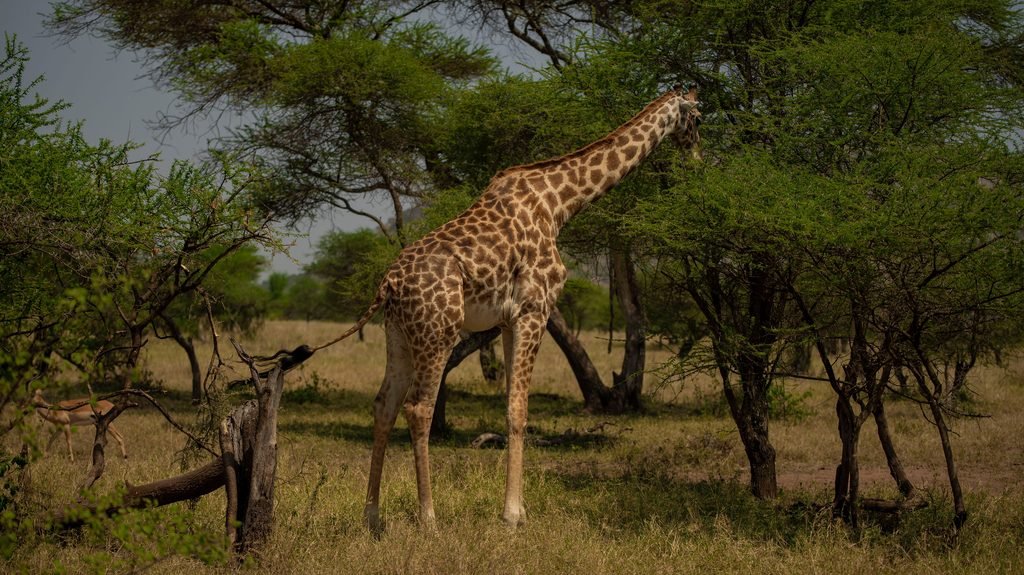
The central Serengeti, especially the Seronera area, provides year-round opportunities to observe resident wildlife, including lions, leopards, elephants, giraffes, zebras, and many other species. For first-time visitors, central Serengeti is often a valuable part of the itinerary because wildlife viewing does not depend entirely on the location of the migrating herds.
How Many Days Should You Spend in Serengeti?
The ideal number of days depends on your travel interests, budget, and the wider Tanzania safari itinerary. A short visit can provide an introduction to Serengeti’s wildlife, but longer stays allow more time to explore different areas and reduce the pressure of long travel days.
For travelers visiting Serengeti for the first time, spending at least two or three nights inside or near the park is often a practical starting point. This allows time for several game drives and provides more opportunities to observe wildlife at different times of day. Travelers planning a Great Migration safari may benefit from additional days, particularly when trying to locate herds across large areas.
A longer itinerary can also combine Serengeti with Tarangire National Park, Ngorongoro Crater, and Lake Manyara National Park. These destinations offer different landscapes and wildlife experiences, creating a more varied northern Tanzania safari.
What Should You Bring When Entering Serengeti National Park?
Preparing for a Serengeti safari involves choosing comfortable clothing and practical items for long hours in a safari vehicle. Lightweight, breathable clothing in neutral colors is generally suitable for daytime game drives, while a warm jacket or fleece can be useful during cooler mornings and evenings. Comfortable closed shoes, sunglasses, sunscreen, and a hat are also recommended.
A camera with a suitable zoom lens is useful for wildlife photography because animals may be observed at considerable distances. Binoculars can improve your viewing experience, particularly when looking for birds or animals in open grassland. Travelers should also carry personal medication, identification documents, and any items needed for their accommodation arrangements.
Because Serengeti is a protected wildlife area, visitors must follow park regulations and the instructions of their safari guide. Feeding animals, leaving designated roads without authorization, or approaching dangerous wildlife can create serious safety and conservation concerns.
Serengeti National Park Rules and Visitor Safety
Serengeti National Park is home to wild animals, including lions, elephants, buffaloes, leopards, and other species that can be dangerous when approached improperly. Visitors should remain inside their safari vehicles during game drives unless their guide confirms that stopping or exiting is permitted in a designated area.
Wildlife should never be fed or disturbed for photography. Maintaining a respectful distance helps protect both visitors and animals, particularly during sensitive periods such as breeding, calving, or predator activity. Visitors should also avoid littering and follow the park’s instructions regarding waste disposal and environmental protection.
Driving hours, speed limits, and access restrictions must be followed according to current park regulations. Travelers should not assume that they can drive through the park at night or enter every wildlife area without additional permission. A professional safari guide can help ensure that the itinerary follows the applicable rules.
How to Reduce the Cost of a Serengeti Safari in 2027
Serengeti is a premium wildlife destination, but travelers can manage their budgets by choosing the right accommodation, trip duration, and travel arrangements. Joining a small-group safari may reduce some shared transport and guiding costs compared with a private trip, although availability depends on the operator and departure dates.
Accommodation is another major factor. Public camping arrangements and selected budget camps may be less expensive than luxury lodges or exclusive tented camps, but travelers should compare the complete cost, including applicable park and camping fees. Staying outside the park can sometimes reduce accommodation expenses, although repeated park entry and additional driving may offset some of the savings.
Travelers should also consider the season and itinerary design. A well-planned safari that spends enough time in suitable wildlife areas can offer better value than a longer trip with unnecessary transfers. The objective should be to balance comfort, wildlife opportunities, and overall cost rather than selecting the cheapest advertised package without checking what it includes.
Frequently Asked Questions About Serengeti National Park Entrance Fees
1. How much is the Serengeti National Park entrance fee in 2027?
The final amount depends on the official TANAPA tariff applicable to your travel dates, visitor category, and any additional charges. Historical rates should not be treated as confirmed 2027 prices.
2. Is Serengeti entrance free for children?
Under the historical TANAPA tariff, children below five years qualified for free conservation entry. Confirm the applicable age rules for 2027.
3. Do Tanzanian citizens pay the same fees as international tourists?
No. TANAPA uses different visitor categories, and qualifying East African citizens have historically paid different rates from non-East African tourists.
4. Do residents of Tanzania receive discounted entrance fees?
Qualifying residents may be eligible for a separate tariff category, subject to current TANAPA rules and valid documentation.
5. Is the entrance fee charged per person?
Yes. Individual conservation fees are generally calculated per visitor according to the applicable entry period and visitor category.
6. Does the entrance fee include a safari vehicle?
No. Vehicle-related charges may apply separately.
7. Does the entrance fee include accommodation?
No. Accommodation and any applicable camping or concession fees are separate unless included in a safari package.
8. Is Ngorongoro included in the Serengeti entrance fee?
No. Ngorongoro Conservation Area has separate management and applicable fees.
9. Which is the main entrance to Serengeti?
Naabi Hill Gate is one of the principal entrances for travelers approaching from Ngorongoro and Arusha.
10. Which Serengeti gate is best from Mwanza?
Ndabaka Gate is a commonly used western entrance for travelers arriving from Mwanza.
11. Can I enter Serengeti through Ikoma Gate?
Yes, subject to the applicable entry arrangements and park regulations.
12. Can I enter Serengeti through Klein’s Gate?
Klein’s Gate serves the northeastern approach, subject to current access conditions.
13. Can I pay park fees in cash?
Payment procedures can change. Confirm accepted methods with TANAPA or your safari operator before arrival.
14. Do I need my passport at the gate?
You should carry valid identification, particularly when verifying nationality or residency status.
15. How long does a Serengeti entrance permit last?
Validity depends on the applicable TANAPA rules and the entry arrangement. Ask your operator to confirm the exact charging period.
16. Can I leave and re-enter Serengeti on the same permit?
Re-entry conditions depend on the applicable park rules and permit arrangements.
17. What is the best month to visit Serengeti?
The best month depends on whether you want to see resident wildlife, calving, migration herds, or possible river crossings.
18. Can I see the Great Migration in 2027?
The migration is a recurring natural movement, but herd locations and specific events cannot be guaranteed.
19. How many days should I spend in Serengeti?
Two or three nights is a useful starting point for many first-time visitors, while longer stays allow more exploration.
20. Can I visit Serengeti on a budget?
Yes. Group safaris, camping arrangements, and carefully planned itineraries can help manage costs.
21. Are hot air balloon safaris included in the entrance fee?
No. Balloon safaris are optional activities with separate charges and arrangements.
22. Can I drive my own vehicle into Serengeti?
Independent entry may be possible subject to vehicle requirements, park regulations, and payment arrangements.
23. Are night game drives allowed in Serengeti?
Standard game drives are subject to park driving hours and restrictions. Special activities require the appropriate authorization.
24. Can I combine Serengeti with Ngorongoro Crater?
Yes. Many northern Tanzania itineraries combine both destinations, with separate applicable fees.
25. How can I book a Serengeti safari for 2027?
Contact Eddy Tours & Safaris with your preferred dates, group size, accommodation preference, and desired number of safari days to request a detailed quotation.
Book Your Serengeti National Park Safari for 2027 with Eddy Tours & Safaris
Planning a Serengeti safari involves more than selecting accommodation and arranging game drives. Understanding the entrance fees, park permits, access gates, and additional charges helps travelers prepare a realistic budget and avoid unexpected expenses. It also makes it easier to compare safari packages and choose an itinerary that provides enough time to explore the wildlife areas you want to visit.
For travelers planning a Serengeti holiday in 2027, the best approach is to confirm the current TANAPA fees and arrange the itinerary according to the season, accommodation location, and wildlife experiences you prefer. Whether you want a private wildlife safari, a family holiday, a Great Migration experience, or a combined Serengeti and Ngorongoro itinerary, careful planning can make the journey more comfortable and rewarding.
At Eddy Tours & Safaris, we help travelers organize guided Tanzania wildlife safaris for 2027 and beyond. Our team can discuss Serengeti accommodation options, park entrance arrangements, private safari vehicles, and suitable itineraries before providing a detailed quotation.
Request Your Serengeti Safari Quotation
Chat with Eddy Tours & Safaris on WhatsApp
Email: sales@eddytours-safaris.com
Contact our team to plan your Serengeti safari with clear travel arrangements, realistic pricing, and enough time to enjoy Tanzania’s wildlife and landscapes.