
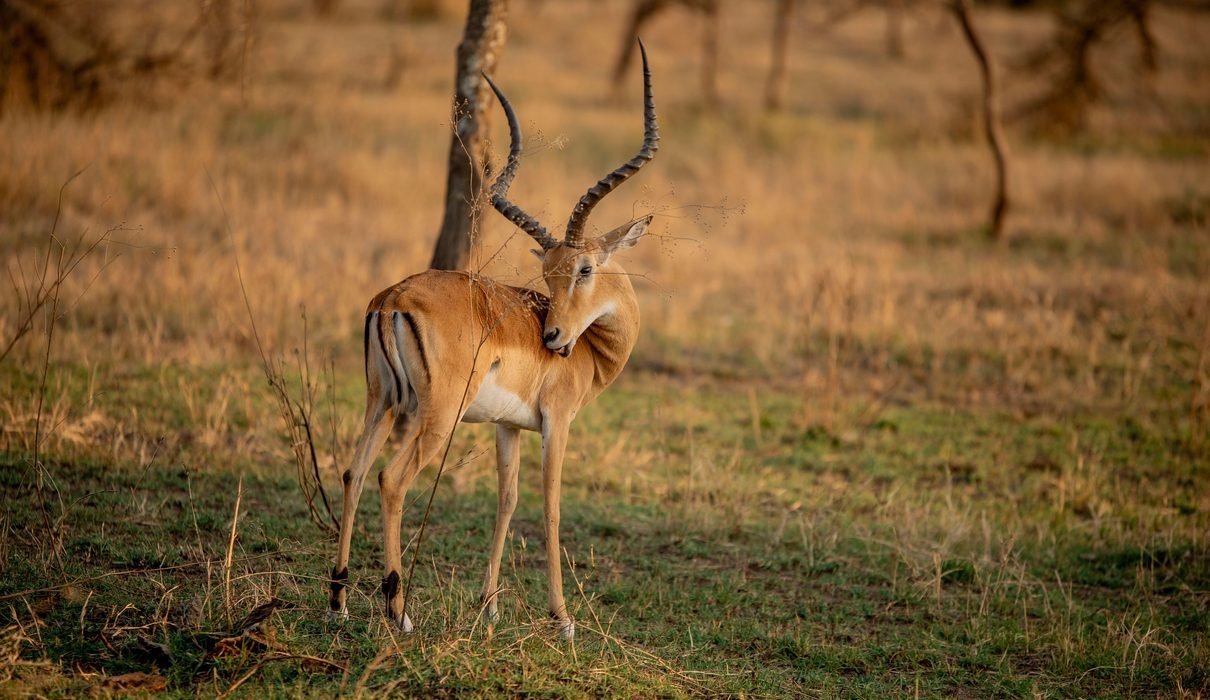
Tanzania Safari Packages in January, February, and March offer opportunities to explore the southern Serengeti ecosystem, follow the wildebeest herds and enjoy Tanzania’s green-season landscapes. For your 2027 or 2028 holiday, these months deserve consideration if migration viewing, photography and time around Ndutu are priorities.
The three months are not identical. January can suit an early-season journey, February is a key period to consider for calving-focused travel, and March requires particular attention to rainfall and changing herd locations. TANAPA highlights January and February for calving-season travel, while Tanzania’s tourism guidance describes the broader green season as a rewarding period for birdwatching.
A good package matches accommodation and daily game drives to your dates. This guide compares the months and provides sample itineraries. Wildlife movements, weather, accommodation and prices need confirmation when planning your actual trip.
Explore Tanzania safari packages or contact Eddy Tours & Safaris for a personalised proposal.
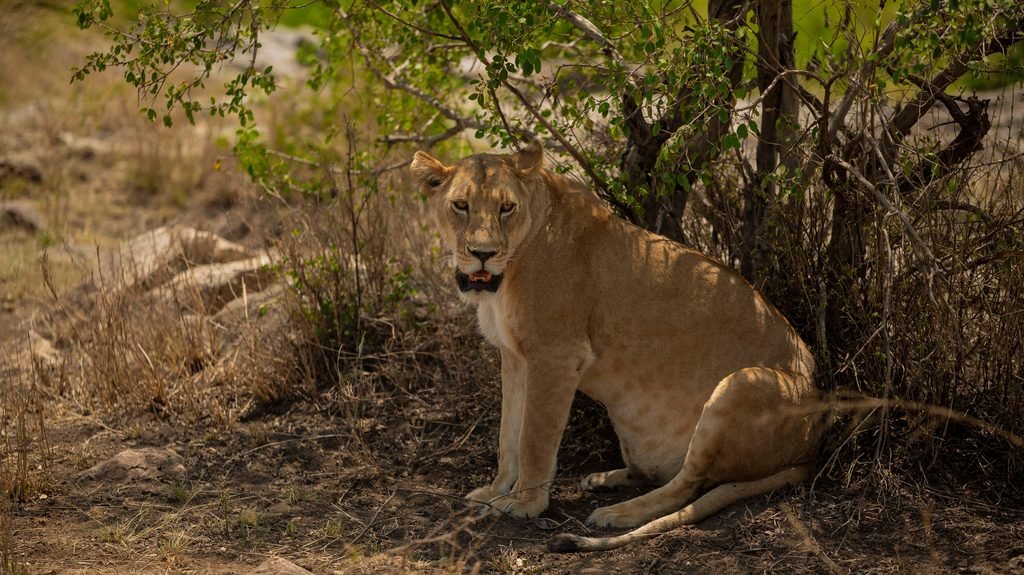
Tanzania Safari Packages in January, February, and March: Month Comparison
The table below provides planning guidance rather than a forecast for 2027 or 2028.
| Month | Suggested safari focus | Main planning consideration |
|---|---|---|
| January | Southern plains, Ndutu and broader wildlife viewing | Confirm herd location and your exact travel dates |
| February | A calving-focused southern ecosystem itinerary | Allow several days in the relevant viewing area |
| March | Flexible Ndutu and Serengeti exploration | Review rainfall, road conditions and camp operations |
Ask why a particular camp or lodge suits your month. The location of your accommodation can matter more than adding another destination.
January Tanzania Safari Packages 2027 & 2028
January is worth considering for travellers interested in a southern Serengeti journey with time to explore the wider landscape.
Rather than expecting the same conditions throughout the month, discuss your exact dates. Herd locations and local viewing opportunities respond to rainfall and grazing.
A January programme can combine Ndutu with central Serengeti or Ngorongoro, provided there is enough time for transfers.
Suggested January Priorities
- Spend more than one night in the principal viewing area.
- Choose accommodation around the planned game-drive region.
- Include a full day without changing properties.
- Keep expectations flexible about births and predator encounters.
- Confirm transfer requirements before booking flights.
If you have only a few safari days, a focused route can work better than trying to include every northern park.
February Tanzania Safari Packages 2027 & 2028
February is a strong month to discuss when planning a calving-focused safari.
TANAPA identifies January–February as a calving-season travel period, supporting an itinerary focused on the southern ecosystem. Individual births and exact herd locations remain wildlife events rather than scheduled attractions.
Allow time to observe behaviour. Watching adult wildebeest, young animals and the surrounding wildlife can be rewarding even without witnessing a birth.
Suggested February Priorities
Consider two or three nights around the selected southern viewing area, depending on your total programme.
Ask about accommodation availability early. A general description of the green season as quieter should not be treated as proof that a particular calving-season camp will have space.
Explore Serengeti migration safari tours and request a February-specific itinerary.
March Tanzania Safari Packages 2027 & 2028
March needs a flexible approach.
The transition towards wetter conditions can affect roads and the daily programme. The timing and amount of rain vary, so your operator should explain how the proposed route works under different conditions.
Herds may still be accessible in the southern ecosystem, but a March itinerary should respond to their location rather than assume it will match February.
Suggested March Priorities
Ask whether the proposed accommodation operates throughout your dates and whether the planned road journeys remain practical.
Allow the guide to adjust game-drive routes. Keep additional transfers manageable and confirm alternatives if conditions affect an activity.
March should not automatically be described as cheaper. Request actual rates for your selected properties and dates.
Understanding Ndutu and the Southern Serengeti
Ndutu forms part of the wider southern Serengeti ecosystem, but accommodation and activities may fall under different protected-area arrangements.
Ndutu Safari Lodge, for example, identifies its location within the Ngorongoro Conservation Area, on the edge of the southern Serengeti plains.
Ask your operator to identify where each property is located and which park or conservation charges apply.
This helps you understand the quotation and avoids confusing the wider ecosystem with Serengeti National Park alone.
Read the guide to understanding the Great Migration for broader context.
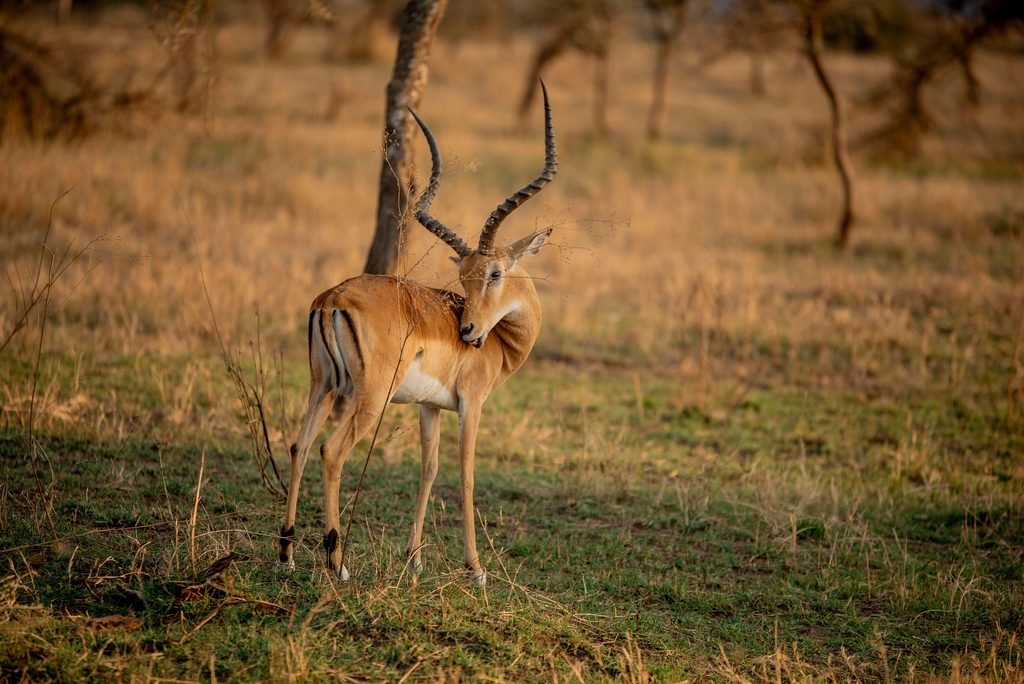
Five-Day Ndutu and Ngorongoro Safari
This compact itinerary focuses on the southern ecosystem rather than trying to cover too many destinations.
Sample Five-Day Programme
| Day | Suggested activity | Overnight |
|---|---|---|
| 1 | Travel from Arusha towards Ndutu | Selected Ndutu accommodation |
| 2 | Full day of wildlife viewing | Ndutu |
| 3 | Further exploration | Ndutu |
| 4 | Morning activity and transfer towards Ngorongoro | Selected accommodation |
| 5 | Crater excursion and final transfer | Hotel, if needed |
Why Consider This Package?
It provides consecutive nights in one principal viewing area.
The first day involves substantial travel, so its activities should reflect the available time. An arrival hotel night in Arusha is additional if required.
The final day also needs careful scheduling. Add another night if an international departure would make the programme too compressed.
Request a tailored five-day Ndutu safari for January, February or March.
Seven-Day Ndutu, Serengeti and Ngorongoro Safari
A seven-day programme can combine the southern plains with central Serengeti exploration.
Sample Seven-Day Programme
| Day | Suggested activity | Overnight |
|---|---|---|
| 1 | Travel from Arusha towards Ndutu | Ndutu |
| 2 | Ndutu wildlife viewing | Ndutu |
| 3 | Further southern ecosystem exploration | Ndutu |
| 4 | Transfer and exploration towards central Serengeti | Serengeti |
| 5 | Full day of Serengeti game drives | Serengeti |
| 6 | Morning activity and travel towards Ngorongoro | Selected accommodation |
| 7 | Crater excursion and final transfer | According to onward plans |
The overnight locations should follow the viewing priorities and road journeys.
This is an illustrative route, not a confirmed departure. Accommodation, activities and the final transfer need individual planning.
Eight-Day Northern Circuit and Calving-Season Safari
Travellers with more time can add Tarangire without reducing the southern ecosystem to a brief stop.
Sample Eight-Day Programme
| Day | Suggested programme |
|---|---|
| 1 | Tarangire wildlife viewing |
| 2 | Transfer towards Ndutu |
| 3 | Ndutu exploration |
| 4 | Further Ndutu game drives |
| 5 | Travel towards central Serengeti |
| 6 | Serengeti exploration |
| 7 | Transfer towards Ngorongoro |
| 8 | Crater excursion and final transfer |
Tarangire offers a different landscape, with elephants, baobabs and the river among its recognised attractions. Seasonal conditions affect animal distribution.
Compare the eight-day Tanzania lodge safari and ask how a seasonal Ndutu stay could be incorporated.
What Wildlife Experience Should You Expect?
Plan for observation rather than a guaranteed checklist.
A calving-season safari can involve time watching herds, young animals and interactions across the landscape. Predator sightings may occur, but hunts and other particular events cannot be promised.
The migration continues throughout the year. January–March packages should focus on the relevant seasonal region rather than being marketed around an assured Mara River crossing.
Tell your guide whether photography, birds, animal behaviour or broad exploration interests you most.
Accommodation for January–March Safaris
Choose accommodation around the planned viewing area.
A permanent lodge and a seasonal tented camp can offer different facilities, settings and daily routines. Confirm the exact property and room category.
Ask about:
- Operating dates.
- Travel time to the intended game-drive areas.
- En-suite or shared bathrooms.
- Electricity and charging arrangements.
- Meal plans.
- Family accommodation.
- Vehicle and guiding arrangements.
- Cancellation conditions.
A property’s name or photographs should not replace a clear description of what is included.
For a more personalised programme, explore private luxury safari options.
Private or Group Joining Safari?
Private travel can offer more scope to shape the daily programme around your party’s interests.
Confirm dedicated vehicle use, guiding and accommodation arrangements.
Joining departures usually follow a set schedule. Ask whether the itinerary genuinely includes Ndutu and enough time in the southern viewing area.
Do not assume a standard group safari becomes a calving-season programme simply because it operates in February.
Review Tanzania joining safari options and request the actual departure itinerary.
Tanzania Safari Prices for January, February and March
The total depends on accommodation, duration, group size, transport and travel dates.
Request an itemised quotation covering:
- Accommodation and stated meals.
- Safari vehicle and driver-guide.
- Applicable park and conservation charges.
- Airport and inter-destination transfers.
- Planned game drives.
- Optional activities.
- Room supplements.
- Excluded expenses.
Confirm prices for 2027 or 2028. Earlier rates and general seasonal descriptions should not be used as a substitute for your quotation.
Read the deposit, cancellation and amendment terms before paying.
Packing for a Green-Season Safari
Bring comfortable clothing, a light layer and rain protection.
Useful items include binoculars, camera batteries, sun protection and a bag that protects electronics from moisture and dust.
Keep essential medication and documents accessible. Confirm luggage limits if flights are included.
Ask about footwear for the planned activities. A vehicle-based safari and a permitted walking excursion have different requirements.
Share dietary, mobility and family needs before accommodation is booked.
Add Zanzibar or a Short Extension
A beach stay can provide a slower finish after the safari.
Arrange flights and transfers around the final safari location. Confirm the property, room category and meal plan before booking.
If you have less time, explore Tanzania day-trip packages or a Maasai cultural visit.
For travellers considering a mountain extension, review Kilimanjaro climbing programmes. Trekking requires separate preparation and enough time.
Frequently Asked Questions
Which month is best for a calving-focused safari?
February is a key month to discuss, with January also highlighted by TANAPA. Exact timing and wildlife events vary.
Is March suitable for safari?
It can be, with a route that accounts for rainfall, road conditions and accommodation operations.
Are wildebeest births guaranteed?
No. They cannot be scheduled for an individual game drive.
Is Ndutu entirely inside Serengeti National Park?
No. The wider area involves different protected-area arrangements. Confirm property locations and applicable charges.
Are green-season packages always cheaper?
No. Rates depend on the property, dates and demand. Compare actual quotations.
Can I customise the itinerary?
Yes. Share your available days, interests and accommodation preference.
Book Your January, February or March Safari
Share your preferred month, travel dates, group size and wildlife interests with Eddy Tours & Safaris.
The team can discuss suitable accommodation locations and prepare a proposal with confirmed services and booking conditions.
Request your Tanzania safari package for 2027 or 2028.
Email: sales@eddytours-safaris.com
Alternative email: eddytoursandsafaris@gmail.com
WhatsApp: +255 711 906 664