
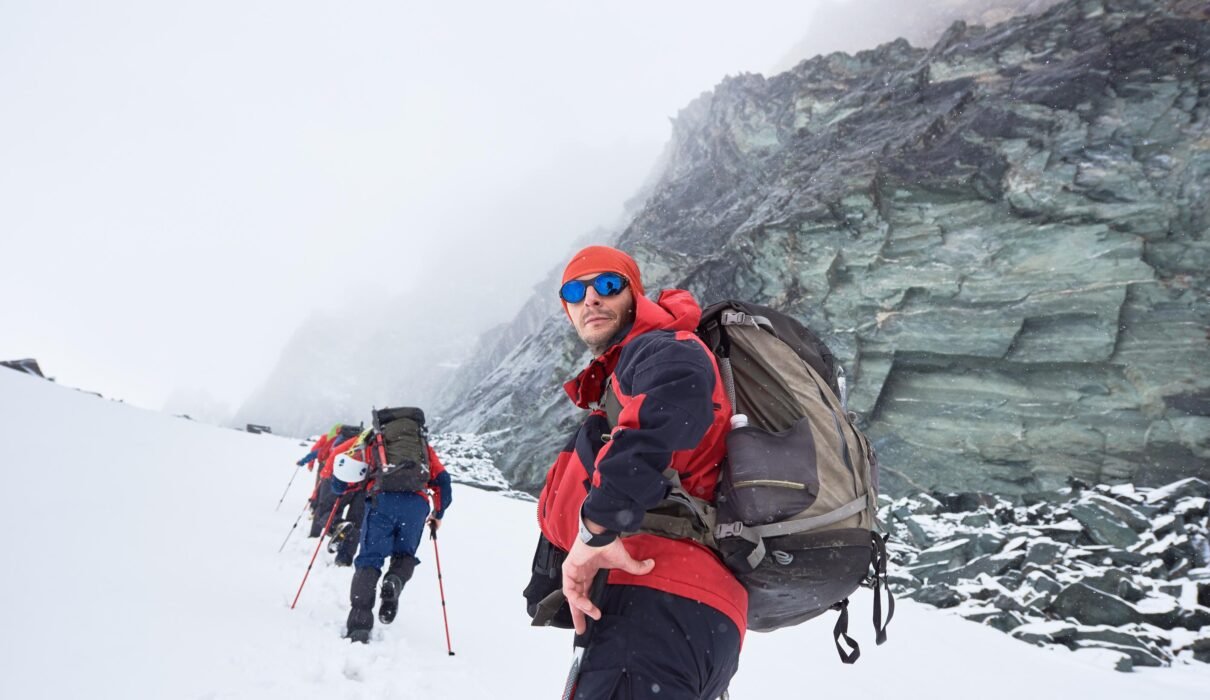
The Ultimate Kilimanjaro Packing List: Everything You Need for a Successful Climb in 2026, 2027 & 2028 ;.Climbing Mount Kilimanjaro is a once-in-a-lifetime adventure that attracts thousands of trekkers from around the world every year. Standing at 5,895 meters (19,341 feet) above sea level, Kilimanjaro is Africa’s highest mountain and one of the famous Seven Summits. Unlike many high-altitude peaks, Kilimanjaro does not require technical climbing skills, making it an achievable goal for first-time climbers with the right preparation.
While physical fitness and mental determination play an important role in reaching the summit, your packing list can make or break your experience. Packing too little may leave you cold, wet, or uncomfortable, while overpacking adds unnecessary weight that can slow you down. The secret is packing smart with gear designed for changing mountain conditions.
During a Kilimanjaro climb, you’ll pass through five distinct climate zones from warm tropical rainforest to freezing Arctic-like conditions near Uhuru Peak. Temperatures can range from 30°C (86°F) at the base to -20°C (-4°F) or lower during summit night. Your equipment must be versatile enough to handle every environment.
This comprehensive Kilimanjaro packing guide for 2026, 2027, and 2028 is designed specifically for first-time climbers. Whether you’re trekking via the Machame, Lemosho, Marangu, Rongai, Northern Circuit, or Umbwe Route, this checklist covers everything you need for a safe, comfortable, and successful adventure.
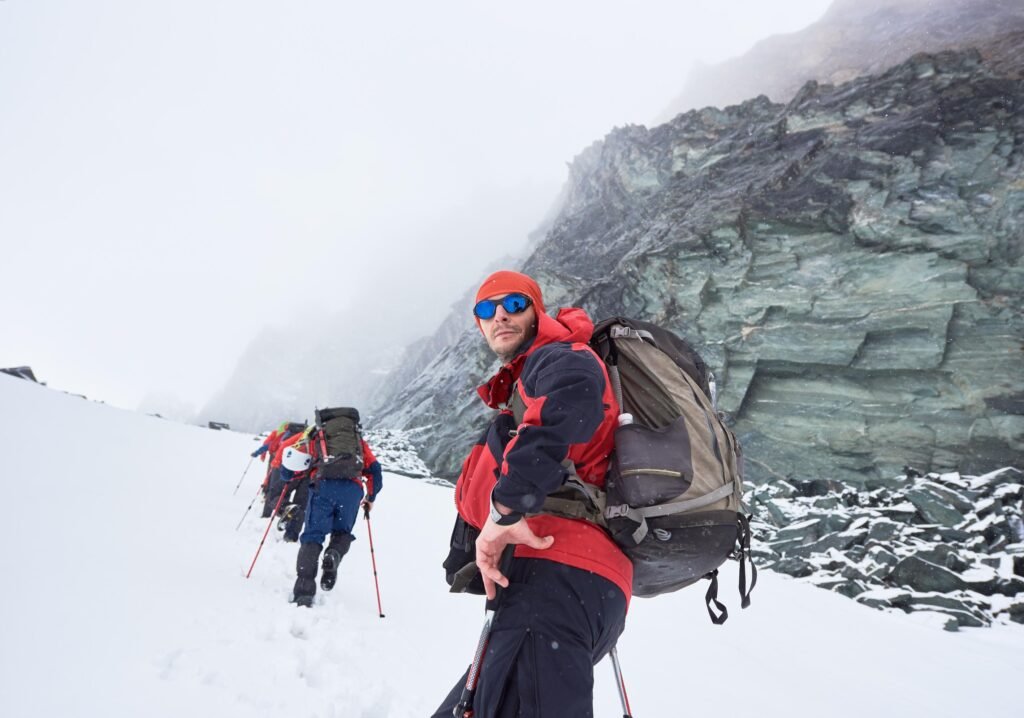
Complete Kilimanjaro Packing Checklist of The Ultimate Kilimanjaro Packing List: Everything You Need for a Successful Climb in 2026, 2027 & 2028
1. Essential Clothing
Layering is the golden rule on Kilimanjaro. Instead of relying on one heavy jacket, wear multiple layers that can easily be added or removed as temperatures change.
Base Layers
These sit directly against your skin and help regulate body temperature while wicking away sweat.
Pack:
- 2–3 moisture-wicking long-sleeve shirts
- 2 moisture-wicking thermal leggings
- 3–4 quick-dry hiking T-shirts
- Moisture-wicking underwear (5–7 pairs)
- Sports bras (if needed)
Avoid cotton clothing because it absorbs sweat and dries slowly.
Mid Layers
These provide insulation during colder sections of the trek.
Bring:
- Fleece jacket
- Lightweight insulated jacket
- Fleece pants (optional but recommended)
Merino wool and synthetic fleece offer excellent warmth without excessive weight.
Outer Layer
Your shell protects against rain, wind, and snow.
Choose:
- Waterproof breathable rain jacket
- Waterproof rain pants
- Windproof outer shell
Ensure your jacket has a hood and taped seams for maximum protection.
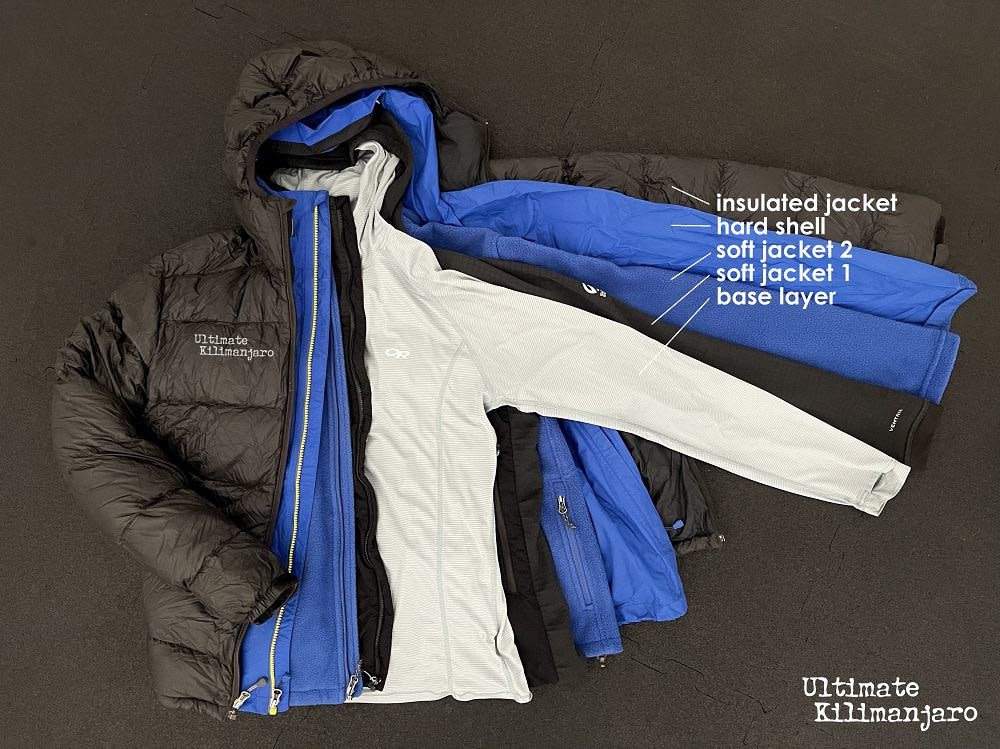
Insulated Jacket of The Ultimate Kilimanjaro Packing List: Everything You Need for a Successful Climb in 2026, 2027 & 2028
A quality down or synthetic insulated jacket is essential for summit night.
Look for:
- Lightweight design
- Compressible material
- Wind-resistant exterior
- Hood for extra warmth
2. Hiking Pants and Shorts
Pack:
- 2 hiking pants
- 1 pair of convertible zip-off pants
- 1 hiking shorts (optional for lower elevations)
Quick-drying materials perform much better than denim or cotton.
3. Gloves
Cold hands are one of the biggest challenges during summit night.
Pack:
- Thin liner gloves
- Waterproof insulated gloves
- Heavy mittens (optional during colder months)
4. Hats
You’ll need protection from both intense sunshine and freezing temperatures.
Bring:
- Wide-brim sun hat
- Warm fleece beanie
- Buff or neck gaiter
- Balaclava for summit night
5. Socks
Never underestimate quality hiking socks.
Recommended:
- 4–5 hiking socks
- 2 thermal wool socks
- 2 lightweight camp socks
Merino wool socks reduce blisters and regulate temperature.
Footwear
Hiking Boots
Your boots are arguably the most important item you’ll bring.
They should be:
- Waterproof
- Broken in before the trek
- High ankle support
- Excellent grip
- Comfortable for long-distance hiking
Never climb Kilimanjaro wearing brand-new boots.
Camp Shoes
After hiking all day, changing into comfortable footwear is a relief.
Good choices include:
- Sandals
- Lightweight sneakers
- Slip-on shoes
Backpack and Bags
Daypack
Carry a 30 to 40 liter backpack for items you’ll need during the day.
Include:
- Water
- Snacks
- Rain gear
- Camera
- Sunscreen
- Extra clothing
- Personal medications
Choose a pack with a rain cover.
Duffel Bag
Most trekking companies provide porters who carry your larger duffel bag.
Requirements:
- Waterproof
- Durable
- Around 80–100 liters
- Under the porter weight limit (usually 15 kg)
Sleeping Gear
Most operators provide tents, but your sleeping bag is crucial.
Pack:
- Four-season sleeping bag rated to at least -15°C
- Sleeping bag liner
- Inflatable pillow
- Sleeping mat (if not provided)
A warm night’s sleep helps your body recover for the next day’s hike.
Trekking Equipment
Essential gear includes:
- Trekking poles
- Headlamp
- Extra batteries
- Dry bags
- Compression sacks
- Waterproof backpack cover
- Multi-tool
- Lightweight towel
Trekking poles reduce stress on your knees during steep descents and improve balance.
Water and Hydration
Proper hydration helps reduce the risk of altitude sickness.
Carry:
- 2 up 3 liter hydration bladder
- 1 liter water bottle
- Electrolyte tablets
- Water purification tablets (optional)
Aim to drink 3 up 4 liters of water daily.
Personal Toiletries
Pack travel-sized toiletries such as:
- Toothbrush
- Toothpaste
- Biodegradable soap
- Wet wipes
- Hand sanitizer
- Lip balm
- Sunscreen (SPF 50+)
- Moisturizer
- Toilet paper
- Small mirror
- Nail clippers
Wet wipes become invaluable when shower facilities are unavailable.
First Aid Kit
Bring your own personal medical kit containing:
- Bandages
- Blister treatment
- Pain relievers
- Anti-inflammatory medication
- Antihistamines
- Antidiarrheal medication
- Motion sickness tablets
- Antiseptic cream
- Personal prescriptions
Consult your doctor before taking altitude medication such as acetazolamide.
Electronics
Don’t forget:
- Smartphone
- Camera
- Spare batteries
- Power bank (20,000 mAh recommended)
- Charging cables
- Universal travel adapter
- GPS watch (optional)
Cold temperatures drain batteries quickly, so keep electronics inside your sleeping bag overnight.
Travel Documents of The Ultimate Kilimanjaro Packing List: Everything You Need for a Successful Climb in 2026, 2027 & 2028
Keep these in a waterproof pouch.
You’ll need:
- Passport
- Tanzanian visa (if required)
- Travel insurance
- Flight tickets
- Vaccination records (if applicable)
- Emergency contacts
- Cash for tips and purchases
Carry both printed and digital copies.
Snacks
High-energy snacks help maintain your energy between meals.
Recommended:
- Trail mix
- Protein bars
- Chocolate
- Dried fruit
- Energy gels
- Nuts
- Electrolyte gummies
Optional Items
These aren’t mandatory but can improve comfort.
Consider bringing:
- Journal
- Playing cards
- Book or Kindle
- Small binoculars
- GoPro
- Earplugs
- Eye mask
- Camera tripod
- Lightweight camp pillow
What NOT to Pack
Avoid bringing:
- Heavy suitcases
- Cotton clothing
- Jeans
- Hair dryers
- Large bottles of toiletries
- Valuable jewelry
- Excess electronics
- Heavy books
- Unnecessary clothing
Remember that every extra kilogram matters.
Seasonal Packing Tips (2026–2028)
January to March
Expect cooler temperatures and occasional snow near the summit.
Bring:
- Extra thermal layers
- Warm gloves
- Heavy insulated jacket
June to October
This is the busiest climbing season.
Focus on:
- Sun protection
- Sunglasses
- Lightweight breathable clothing
- Warm summit gear
November to December
Rain is more likely.
Prioritize:
- Waterproof clothing
- Rain cover
- Waterproof gloves
- Dry bags
Printable Kilimanjaro Packing Checklist
✓ Waterproof hiking boots
✓ Down jacket
✓ Rain jacket
✓ Rain pants
✓ Base layers
✓ Fleece jacket
✓ Hiking pants
✓ Hiking socks
✓ Thermal socks
✓ Gloves
✓ Beanie
✓ Sun hat
✓ Buff
✓ Daypack
✓ Duffel bag
✓ Sleeping bag
✓ Trekking poles
✓ Headlamp
✓ Water bottles
✓ Power bank
✓ Passport
✓ Travel insurance
✓ First aid kit
✓ Sunscreen
✓ Lip balm
✓ Snacks
✓ Camera
✓ Wet wipes
✓ Toiletries
Frequently Asked Questions of The Ultimate Kilimanjaro Packing List: Everything You Need for a Successful Climb in 2026, 2027 & 2028
Can beginners climb Kilimanjaro?
Yes. Kilimanjaro is one of the most accessible high mountains in the world. No technical climbing skills are required, but good fitness and proper acclimatization significantly improve your chances of reaching the summit.
How many clothes should I pack?
Bring enough layers to stay warm and dry without overpacking. Most climbers need two to three base layers, a fleece, an insulated jacket, waterproof outerwear, and several pairs of hiking socks.
Do I need trekking poles?
They are not mandatory, but they are highly recommended. Trekking poles improve balance, reduce strain on your knees, and are especially useful during the long descent.
Can I rent gear in Tanzania?
Yes. Many trekking operators in Moshi and Arusha rent high-quality gear such as sleeping bags, insulated jackets, trekking poles, and gaiters. If you choose to rent, inspect the equipment carefully before your climb.
How much water should I drink?
Most guides recommend drinking between three and four liters of water each day. Staying hydrated is one of the simplest ways to support your body at high altitude.
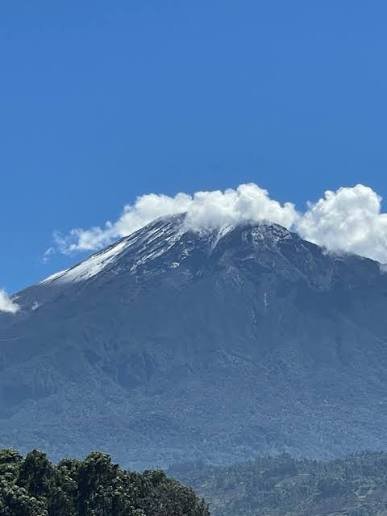
Final Thoughts of The Ultimate Kilimanjaro Packing List: Everything You Need for a Successful Climb in 2026, 2027 & 2028
The Ultimate Kilimanjaro Packing List: Everything You Need for a Successful Climb in 2026, 2027 & 2028 A successful Kilimanjaro climb starts long before you step onto the trail. Careful planning, realistic expectations, and the right equipment all contribute to a safer and more enjoyable adventure. By following this complete packing list, you’ll be prepared for the mountain’s rapidly changing weather, varying terrain, and high-altitude conditions.
Remember that expensive gear alone will not guarantee success. What matters most is choosing reliable, well-fitting equipment, breaking in your hiking boots before the trip, and packing only what you truly need. Every item in your bag should have a purpose.
As you prepare for your journey in 2026, 2027, or 2028, use this checklist as your trusted companion. With thoughtful preparation, a positive mindset, and guidance from an experienced trekking team, you’ll be ready to take on Africa’s highest peak with confidence.
The path to Uhuru Peak is challenging, but standing on the Roof of Africa at sunrise is an unforgettable reward. Pack wisely, trek steadily, and enjoy every step of this remarkable adventure.