
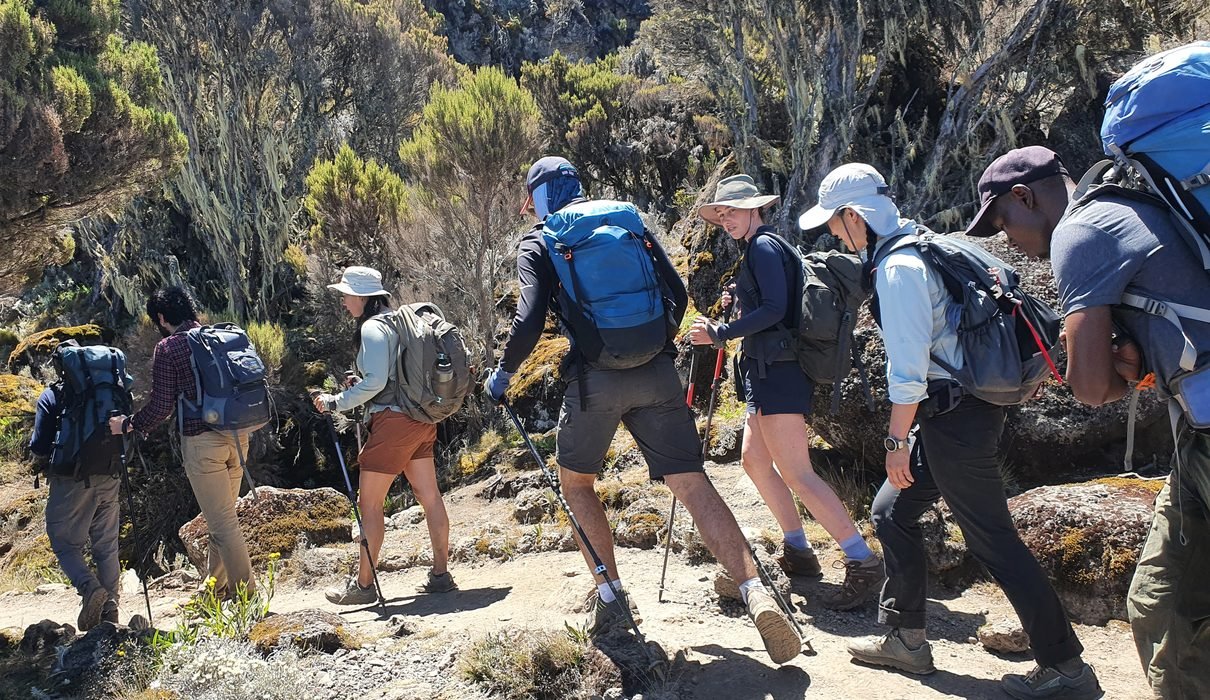
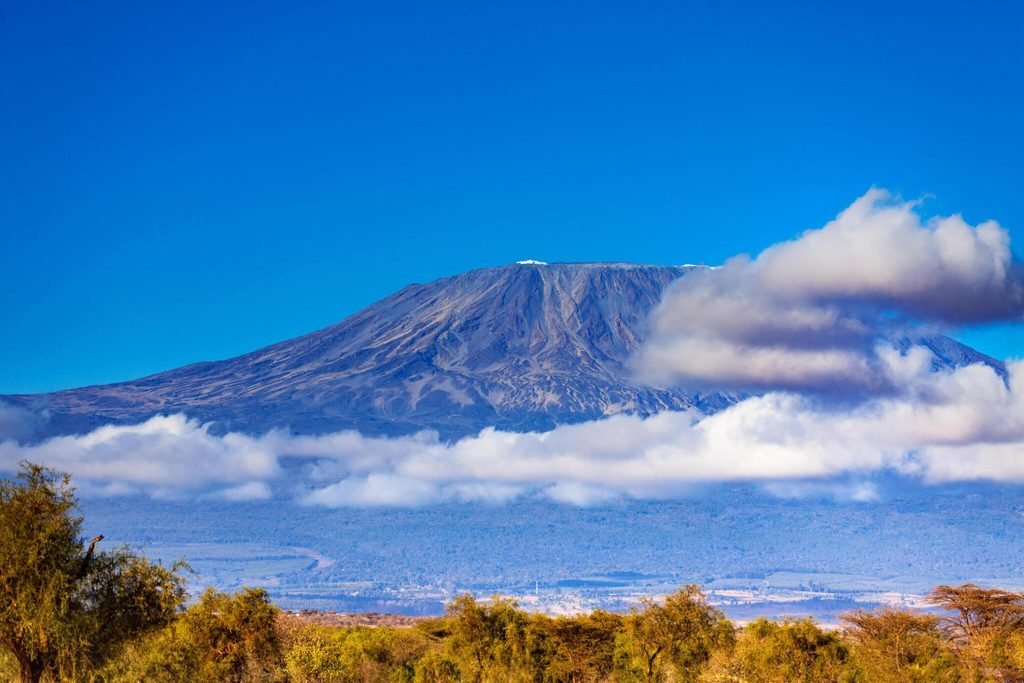
Mount Kilimanjaro is one of the most remarkable mountains in the world and a dream destination for travellers who want to experience the challenge of high-altitude trekking. Rising to 5,895 metres above sea level, Kilimanjaro is the highest mountain in Africa and one of Tanzania’s most famous natural attractions. Every year, climbers travel from different parts of the world to experience its changing landscapes, walk through mountain forests, cross alpine deserts, and attempt to reach Uhuru Peak, the highest point on the African continent.
If you are planning to climb Mount Kilimanjaro in 2027 or 2028, proper preparation is essential. Although the mountain’s standard trekking routes do not require technical mountaineering skills, reaching the summit is physically demanding because of the altitude, cold temperatures, and long walking days. Choosing the right climbing route, allowing enough time for acclimatisation, and travelling with experienced mountain guides can make a significant difference to your overall experience.
Kilimanjaro offers several established routes, each with different scenery, accommodation arrangements, and climbing durations. Some routes are suitable for travellers who prefer quieter trails, while others are popular because of their landscapes or established mountain facilities. This guide explains everything you should know before booking a Kilimanjaro climb, including the best routes for 2027 and 2028, climbing seasons, preparation, accommodation, equipment, safety considerations, and how to combine your mountain adventure with a Tanzania wildlife safari.
Where Is Mount Kilimanjaro Located?
Mount Kilimanjaro is located in northern Tanzania, near the town of Moshi and the border with Kenya. The mountain lies within Kilimanjaro National Park, a protected area managed by the Tanzania National Parks Authority. Travellers usually arrive through Kilimanjaro International Airport, which serves the towns of Moshi and Arusha. Both towns provide convenient starting points for climbing expeditions, with hotels, transport services, equipment rental shops, and experienced local mountain operators available to assist visitors before their trek.
Kilimanjaro is a volcanic mountain consisting of three main volcanic cones: Kibo, Mawenzi, and Shira. Kibo is the highest and contains Uhuru Peak, while Mawenzi is known for its rugged, dramatic appearance. Shira is an older volcanic formation that has been heavily eroded over time. The mountain’s extraordinary height creates several ecological zones, allowing trekkers to experience changing vegetation, temperatures, and landscapes as they climb towards the summit. According to the Tanzania National Parks Authority, Kilimanjaro reaches 5,895 metres and is Africa’s highest peak.
Why Climb Mount Kilimanjaro in 2027 or 2028?
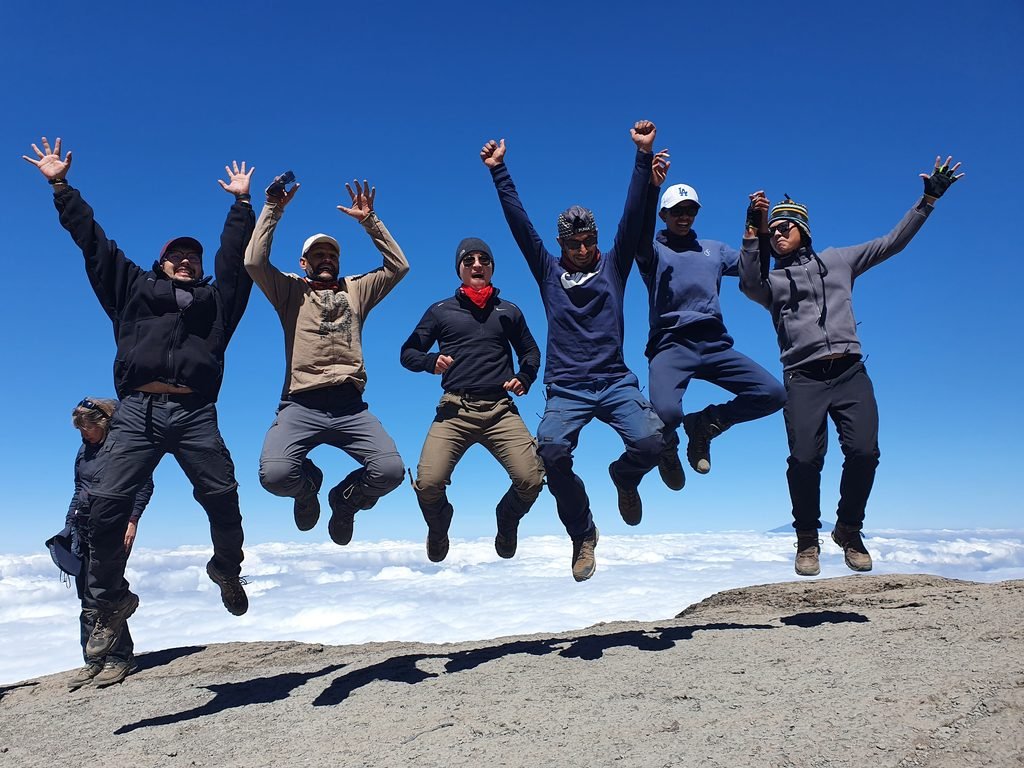
Climbing Kilimanjaro is about more than reaching the summit. The journey provides an opportunity to explore one of Africa’s most interesting mountain environments while challenging yourself physically and mentally. During the climb, trekkers pass through tropical forests, open heathland, rocky alpine landscapes, and high-altitude desert before reaching the cold summit region. The changing scenery makes the experience different from many other mountain treks, where the landscape may remain relatively similar throughout the journey.
Another attraction is that Kilimanjaro can be climbed through established trekking routes without the technical climbing skills required on many other high mountains. This makes it accessible to physically prepared beginners as well as experienced hikers. However, accessibility should not be confused with ease. The altitude remains a serious challenge, and even strong, experienced climbers may need to descend before reaching the summit. For travellers planning their first major mountain adventure in 2027 or 2028, Kilimanjaro provides a rewarding goal when approached with realistic expectations and careful preparation.
Tanzania also offers the opportunity to combine mountain climbing with other travel experiences. After completing Kilimanjaro, visitors can explore Serengeti National Park, Ngorongoro Crater, Tarangire National Park, or the beaches of Zanzibar. This makes the country particularly attractive to international travellers who want to enjoy both adventure and wildlife during the same holiday.
Best Kilimanjaro Climbing Routes for 2027 and 2028
Choosing the right Kilimanjaro route is one of the most important decisions when planning your climb. The routes differ in duration, scenery, accommodation, traffic levels, and opportunities for acclimatisation. Some approaches reach higher elevations relatively quickly, while longer itineraries allow additional time for the body to adjust. No route guarantees summit success, and the most suitable choice depends on your fitness, previous hiking experience, available travel days, and comfort with camping.
| Kilimanjaro Route | Typical Duration | Accommodation | Main Attraction |
|---|---|---|---|
| Machame Route | 6–7 days | Camping | Scenic and varied landscapes |
| Lemosho Route | 7–8 days | Camping | Beautiful western approach |
| Marangu Route | 5–6 days | Mountain huts | Hut accommodation |
| Rongai Route | 6–7 days | Camping | Northern approach |
| Northern Circuit | 8–9 days | Camping | Longer route with quieter sections |
| Umbwe Route | 6–7 days | Camping | Steep and demanding approach |
| Shira Route | 7–8 days | Camping | High-altitude western approach |
These are common itinerary lengths. Actual arrangements depend on the operator, permitted route, and number of acclimatisation days.
1. Machame Route – One of Kilimanjaro’s Most Popular Climbs
The Machame Route is one of the most popular ways to climb Mount Kilimanjaro because it combines beautiful scenery with a varied trekking experience. Commonly known as the Whiskey Route, it approaches the mountain from the southern side and passes through rainforest, heathland, and alpine terrain. Climbers encounter several famous landmarks along the way, including the Shira Plateau, Lava Tower area, Barranco Wall, and the southern slopes leading towards the summit.
Machame is normally completed over six or seven days, although the seven-day itinerary is often preferred because it provides more time for acclimatisation. The route involves some steep sections, particularly around Barranco Wall, where trekkers use their hands for balance while moving across rocky terrain. Despite its popularity, Machame remains a demanding climb that requires reasonable fitness, suitable equipment, and preparation for long walking days. For many travellers visiting Tanzania in 2027 or 2028, the seven-day Machame Route is a practical option worth considering.
2. Lemosho Route – A Scenic Kilimanjaro Climbing Experience
The Lemosho Route approaches Kilimanjaro from the western side and is widely appreciated for its beautiful scenery and varied landscapes. The trek begins through forested areas before reaching the Shira Plateau, where climbers enjoy broad views of the mountain and surrounding terrain. As the journey continues, the route generally joins the southern circuit, passing through important acclimatisation areas before approaching the summit.
Lemosho is commonly completed over seven or eight days, with the eight-day itinerary offering additional time for acclimatisation. The route is attractive to travellers who prefer a gradual introduction to the mountain and want to enjoy the scenery without rushing through each stage. Although Lemosho is sometimes described as suitable for beginners, the climb still involves considerable altitude and demanding trekking conditions. For physically prepared first-time climbers, an eight-day Lemosho itinerary is often a sensible option to discuss with a qualified mountain operator.
3. Marangu Route – Kilimanjaro’s Mountain Hut Experience
The Marangu Route is one of Kilimanjaro’s oldest established climbing routes and is commonly called the Coca-Cola Route. Unlike most other routes, Marangu provides accommodation in mountain huts rather than tents. Climbers usually stay at Mandara Hut, Horombo Hut, and Kibo Hut during the ascent, making this route attractive to travellers who prefer sleeping in permanent mountain shelters.
Marangu is commonly offered as a five- or six-day climb, but the shorter itinerary provides limited time for acclimatisation. The six-day option includes an additional day, usually around Horombo, which can be useful for adjusting to the altitude. Although the trail is sometimes described as less technically demanding than other routes, reaching Uhuru Peak remains difficult. The final ascent from Kibo Hut involves steep terrain, cold temperatures, and considerable physical effort. Travellers should therefore avoid choosing Marangu simply because it appears easier on paper.
4. Rongai Route – Climbing Kilimanjaro from the Northern Side
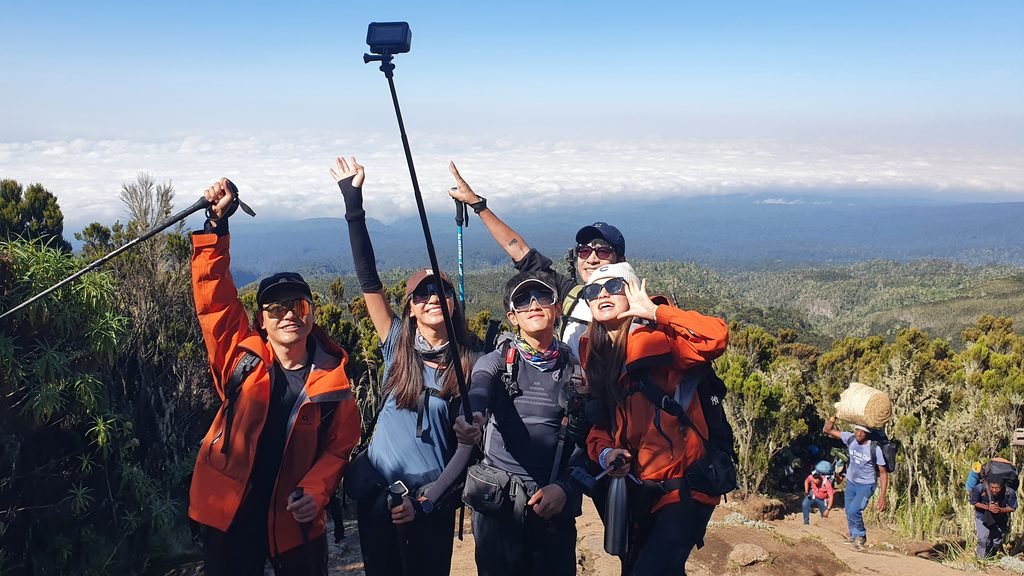
The Rongai Route approaches Kilimanjaro from the northern side, close to the Kenyan border. It offers a different perspective of the mountain and passes through landscapes that can feel quieter than some of the more frequently used southern approaches. The route is particularly interesting for travellers who want to explore a different side of Kilimanjaro while enjoying open views and varied vegetation.
Rongai itineraries commonly take six or seven days, depending on the climbing schedule. The route generally approaches the summit through the Kibo area before descending via the Marangu side. Although the early stages can feel relatively gradual, the high-altitude sections remain physically demanding. A longer Rongai itinerary is usually preferable when sufficient time is available because it allows more opportunity for acclimatisation. Travellers planning a Kilimanjaro climb during 2027 or 2028 may consider Rongai when comparing route scenery, seasonal conditions, and accommodation preferences.
5. Northern Circuit – A Longer Kilimanjaro Adventure
The Northern Circuit is one of the longest established trekking approaches on Kilimanjaro and is particularly attractive to travellers who have more time available. It begins from the western side of the mountain before continuing around the quieter northern slopes. This allows climbers to explore landscapes that are not included in many shorter itineraries, with views towards Kenya and the surrounding mountain environment.
Northern Circuit climbs generally take eight or nine days, depending on the itinerary. The additional days provide more time at altitude, which can support acclimatisation when the ascent is planned appropriately. However, a longer itinerary does not eliminate the risk of altitude sickness or guarantee reaching the summit. The Northern Circuit is suitable for travellers who enjoy extended trekking and prefer a less hurried mountain experience. It can be an excellent choice for visitors who want to spend more time exploring Kilimanjaro rather than focusing only on reaching the summit as quickly as possible.
6. Umbwe Route – A Steep and Challenging Approach
The Umbwe Route is known for its steep approach and demanding early stages. It climbs through forest and along ridges before connecting with higher mountain routes. Compared with some other Kilimanjaro approaches, Umbwe gains altitude relatively quickly, making careful acclimatisation particularly important. It is generally better suited to experienced trekkers who understand the physical demands of high-altitude hiking.
Although the route provides impressive scenery, its steep terrain and rapid elevation gain make it a less suitable choice for many first-time climbers. Travellers considering Umbwe should discuss their previous trekking experience, fitness, and altitude history with a qualified operator before booking. A well-planned itinerary with sufficient time for acclimatisation is essential, and climbers must be prepared to change their plans if altitude-related symptoms develop.
What Is the Best Time to Climb Kilimanjaro in 2027 and 2028?
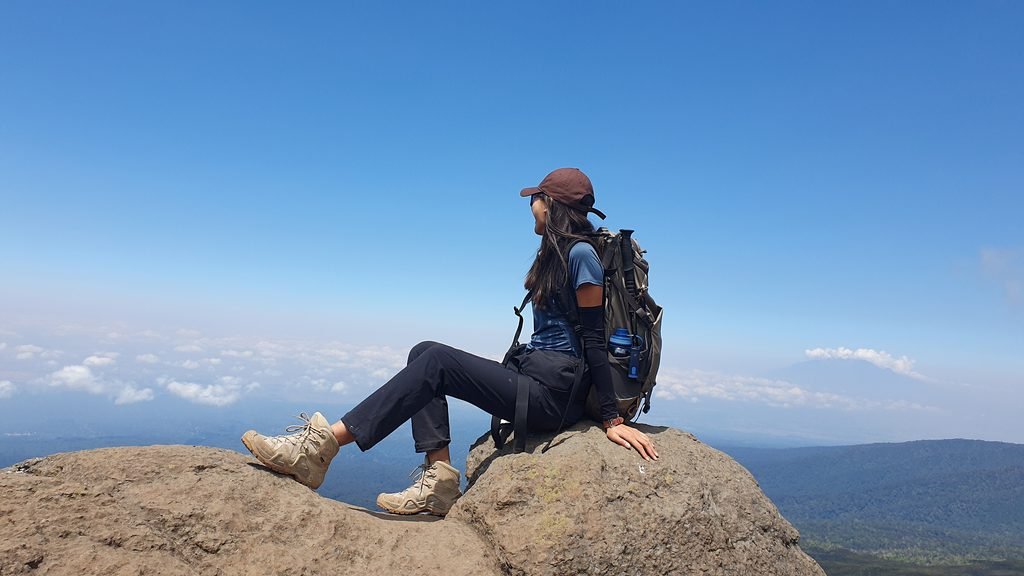
Mount Kilimanjaro can be climbed throughout the year, but weather conditions vary considerably between seasons. The most popular climbing periods are generally January to early March and June to October, when conditions are often relatively dry. These months usually provide better opportunities for clear views and more comfortable trekking conditions, although rain, snow, strong winds, and freezing temperatures can occur at any time of year.
January and February are attractive months for climbers who prefer relatively clear conditions and want to avoid some of the busier periods later in the year. June through October is another popular season, particularly among travellers visiting Tanzania during the northern hemisphere’s summer holidays. Because these months attract many international visitors, accommodation and climbing arrangements should be booked well in advance. April and May are generally wetter months, while November can also experience seasonal rainfall, making trail conditions more challenging in some areas.
For travellers planning a climb in 2027 or 2028, the best month should be selected according to personal preferences, available travel dates, and the chosen route. Weather patterns cannot be predicted accurately so far in advance, and a particular month cannot guarantee sunshine or a clear summit. It is also important to remember that temperatures near Uhuru Peak can fall well below freezing, even during the warmer months.
How Difficult Is Climbing Mount Kilimanjaro?
Kilimanjaro is a challenging high-altitude trek, even though its standard routes do not require technical climbing equipment. The main difficulty comes from the reduced oxygen available at high elevations, combined with long walking days, changing weather conditions, and the physical effort required to reach the summit. As climbers move higher, ordinary activities such as walking uphill or carrying a small backpack can become more tiring. The final summit attempt is particularly demanding because it often begins during the night and continues for several hours in cold conditions.
Physical fitness is important, but it does not guarantee successful acclimatisation. Some strong athletes experience altitude sickness, while other climbers with more modest fitness levels may adjust better. The body’s response to altitude varies from person to person, which is why climbing slowly and allowing sufficient time for acclimatisation are essential. Travellers should prepare for the mountain through regular walking, hiking, and endurance training while also understanding that the final decision to continue climbing must depend on their health and the assessment of their guides.
Understanding Altitude Sickness on Kilimanjaro
Altitude sickness is one of the most important safety considerations when climbing Kilimanjaro. As elevation increases, atmospheric pressure decreases, reducing the amount of oxygen available to the body. Climbers may develop symptoms such as headaches, nausea, dizziness, fatigue, and difficulty sleeping. These symptoms should never be ignored, particularly when they become more severe or continue to worsen. Serious altitude illness can affect the brain or lungs and may require urgent descent and medical treatment.
The CDC’s guidance on high-altitude travel recommends gradual acclimatisation and careful management of sleeping altitude. Climbers should report symptoms promptly, avoid continuing higher when altitude illness is worsening, and follow medical advice and their guide’s emergency procedures. Medication such as acetazolamide may be appropriate for some travellers, but it should be discussed with a qualified healthcare professional before departure. Serious warning signs, including confusion, difficulty walking normally, or breathlessness at rest, require urgent attention and descent.
Choosing a longer Kilimanjaro itinerary can provide more time for acclimatisation, but it does not remove the risks associated with high altitude. Responsible mountain operators should have clear procedures for monitoring climbers, communicating emergencies, and arranging evacuation when necessary. Reaching the summit is an important personal goal, but returning safely should always be the priority.
How to Prepare Physically for Kilimanjaro in 2027 or 2028
Preparing for Kilimanjaro should begin several months before your planned departure. Regular hiking is one of the most useful forms of training because it helps your body become familiar with long periods of walking over uneven terrain. Whenever possible, practise hiking on hills while carrying a small daypack similar to the one you will use on the mountain. Gradually increasing walking distance and elevation gain can help improve endurance and strengthen the muscles needed for climbing.
Cardiovascular exercise can also support your preparation. Activities such as cycling, swimming, jogging, and brisk walking can improve general fitness, while strength training can help prepare your legs and core for steep trails. However, training should be progressive rather than excessively intense, particularly for beginners. Rest and recovery are important parts of preparation because injuries before departure can affect your ability to complete the climb.
Travellers who have medical conditions or concerns about high-altitude exercise should seek advice from a healthcare professional before booking. It is also useful to practise using your hiking boots, waterproof clothing, and other equipment before travelling to Tanzania. Arriving with comfortable, familiar gear can prevent avoidable problems such as blisters and discomfort during the trek.
What Should You Pack for a Kilimanjaro Climb?
Packing correctly is essential because Kilimanjaro passes through several climate zones. Conditions at the lower elevations can be warm and humid, while the upper mountain may experience strong winds, snow, and freezing temperatures. Climbers should therefore use a layered clothing system that allows them to adjust as conditions change. Suitable base layers, insulating clothing, a waterproof jacket, warm gloves, and a good-quality summit jacket are particularly important for the higher sections.
Comfortable, well-fitted hiking boots are among the most important items to bring. Boots should be worn during training rather than used for the first time on the mountain. A warm sleeping bag suitable for freezing conditions is also essential on camping routes, while a headlamp is required for summit night. Other useful items include trekking poles, sunglasses, sunscreen, a reusable water bottle or hydration system, and a small daypack for carrying personal essentials.
Travellers should confirm the equipment requirements with their climbing operator before departure because some items may be available for rental in Tanzania. The operator should also explain luggage weight limits and which equipment will be carried by porters. Packing efficiently helps keep personal bags manageable and reduces unnecessary weight during the journey.
What Happens During a Typical Kilimanjaro Climb?
A Kilimanjaro expedition normally begins with arrival in Moshi or Arusha, where travellers meet their climbing team and receive a briefing about the route, equipment, and safety procedures. The operator may inspect personal gear to confirm that essential items are suitable for mountain conditions. On the first climbing day, visitors travel to the designated national park gate, complete registration procedures, and begin walking towards the first mountain camp or hut.
During the following days, climbers move gradually through different vegetation zones while gaining altitude. Most trekking days involve several hours of walking, with regular breaks for rest, meals, and hydration. Guides monitor the group’s progress and assess how climbers are responding to the increasing elevation. Evenings are usually spent at designated camps or mountain huts, where the climbing team prepares meals and helps organise the next day’s activities.
Summit night is often the most demanding part of the journey. Climbers commonly begin walking before midnight, moving slowly towards the crater rim and eventually Uhuru Peak if conditions and health allow. The ascent can be extremely cold and physically exhausting, but reaching the summit around sunrise is a memorable moment for many travellers. After spending a short time at the summit, climbers descend to a lower camp or hut before completing the journey down the mountain.
How Much Does It Cost to Climb Kilimanjaro in 2027 and 2028?
The cost of climbing Kilimanjaro depends on the route, number of days, group size, quality of services, and arrangements provided by the tour operator. Longer routes generally cost more because they involve additional park fees, meals, staff wages, and camping arrangements. Private climbs may also cost more per person than group departures, particularly when only one or two travellers are participating. Accommodation before and after the trek, airport transfers, equipment rental, and other services can further influence the final price.
A properly organised Kilimanjaro package usually includes national park fees, professional mountain guides, porters, cooks, meals during the climb, camping equipment or hut arrangements, and transport between the hotel and mountain gates. However, inclusions vary between operators, and travellers should request a clear breakdown before booking. International flights, travel insurance, personal equipment, tips, and some hotel services may be excluded from the quoted price.
Travellers should be cautious about selecting a climbing package solely because it has the lowest advertised price. A safe expedition requires experienced staff, appropriate equipment, reasonable working conditions for porters, and clear emergency procedures. For accurate 2027 and 2028 pricing, request an updated quotation based on your preferred route, travel dates, and number of climbers. Park fees and other operating costs may change before departure, so future prices should be confirmed rather than assumed.
Choosing a Reliable Kilimanjaro Tour Operator
Selecting the right tour operator is one of the most important parts of planning a Kilimanjaro climb. An experienced local company should provide clear information about the itinerary, route difficulty, accommodation, equipment requirements, and services included in the package. Travellers should also ask about the qualifications of mountain guides, the availability of first-aid equipment, and procedures for handling altitude-related emergencies. These details are more important than attractive photographs or promises of reaching the summit.
Porter welfare is another important consideration. Mountain porters play a major role in Kilimanjaro expeditions by transporting equipment, preparing camps, and supporting the climbing team. Responsible operators should follow applicable working standards, provide suitable equipment, respect porter load limits, and ensure fair treatment. Travellers can ask operators how they manage porter welfare and what measures are in place to support the staff throughout the expedition.
Kilimanjaro National Park requires climbs to be organised through licensed operators rather than independent solo trekking. Travellers should confirm that their chosen company can arrange the necessary permits and follow current park regulations. The official Kilimanjaro visitor guide provides useful information about access, accommodation, safety, and park requirements.
Can Beginners Climb Mount Kilimanjaro?
Yes, beginners can attempt Kilimanjaro when they are physically prepared, understand the challenges, and travel with qualified mountain guides. Many people who reach Uhuru Peak have never climbed a mountain of similar height before. However, this does not mean the trek is easy or suitable for everyone. Long walking days, steep terrain, cold temperatures, and altitude can make the experience difficult, particularly for travellers who have not prepared adequately.
For beginners, choosing a route with additional acclimatisation time is often more sensible than selecting the shortest available itinerary. Seven-day Machame, eight-day Lemosho, and longer Northern Circuit climbs are commonly considered by travellers who want more time on the mountain. Nevertheless, no route guarantees successful acclimatisation, and climbers must be prepared to turn back if necessary. A realistic training plan, suitable equipment, and a willingness to follow guide instructions are essential for a responsible first attempt.
Combining Kilimanjaro Climbing with a Tanzania Safari
Many travellers choose to combine a Kilimanjaro climb with a wildlife safari because northern Tanzania offers several outstanding national parks within travelling distance of Moshi and Arusha. After descending the mountain, visitors can spend a few days exploring Tarangire National Park, Ngorongoro Crater, or Serengeti National Park. This combination allows travellers to enjoy two very different experiences during the same holiday, from high-altitude mountain trekking to wildlife viewing across the African savannah.
A three-day safari may be suitable for visitors who want to explore Tarangire and Ngorongoro after their climb, while longer itineraries provide opportunities to visit the Serengeti. Travellers interested in the Great Wildebeest Migration should consider the season when planning their safari extension. January to March is particularly interesting for the calving season in the southern Serengeti, while July to October is popular for possible Mara River crossings in the north. Wildlife movements vary with rainfall, so specific sightings cannot be guaranteed.
Another option is to combine Kilimanjaro with Zanzibar, where visitors can relax on the beaches after completing their mountain adventure. Domestic flights connect mainland Tanzania with Zanzibar, making it possible to enjoy several days by the Indian Ocean before returning home. Whether you choose a safari, a beach holiday, or both, allowing some recovery time after the climb can help make the remainder of your trip more comfortable.
Frequently Asked Questions About Climbing Kilimanjaro in 2027 and 2028
What Is the Best Kilimanjaro Route for First-Time Climbers?
The seven-day Machame Route and eight-day Lemosho Route are popular options for physically prepared beginners because they provide varied scenery and more time for acclimatisation than shorter itineraries. The Northern Circuit is another option for travellers who have additional days available. However, the best route depends on your fitness, previous trekking experience, accommodation preferences, and personal health. Travellers should discuss these factors with an experienced mountain operator before making a final decision.
How Many Days Does It Take to Climb Mount Kilimanjaro?
Most Kilimanjaro climbing itineraries take between five and nine days, depending on the route and number of acclimatisation days. Shorter routes may appear attractive because they require less time and can cost less, but they also provide fewer opportunities for the body to adjust to high altitude. Longer itineraries generally allow a more gradual ascent, although altitude sickness remains possible. Travellers should choose their climbing duration based on safety and suitability rather than focusing only on reaching the summit quickly.
Is Climbing Kilimanjaro Dangerous?
Kilimanjaro involves real risks, particularly those associated with altitude sickness, severe weather, exhaustion, and difficult terrain. However, these risks can be managed more effectively through careful preparation, experienced guiding, suitable equipment, and responsible decision-making. Climbers should report symptoms promptly and never continue ascending when serious altitude-related problems develop. The most important principle is that reaching the summit should never take priority over personal safety.
What Is the Coldest Part of a Kilimanjaro Climb?
The summit region is generally the coldest part of the climb, particularly during the night and early morning. Temperatures can fall well below freezing, and strong winds can make conditions feel even colder. Climbers should bring suitable thermal layers, insulated gloves, warm headwear, and a protective outer jacket. Good preparation for summit night is essential because cold conditions can make an already demanding ascent more difficult.
Can I Climb Kilimanjaro Without a Guide?
No. Kilimanjaro National Park requires visitors undertaking summit climbs to use licensed guiding arrangements. Independent solo trekking is not permitted under the park’s standard climbing regulations. Professional guides help with navigation, route management, acclimatisation monitoring, and emergency procedures. Travellers should arrange their climb through an authorised operator and confirm the current park requirements before departure.
Is 2027 or 2028 a Better Year to Climb Kilimanjaro?
Neither year is automatically better for climbing Kilimanjaro. The mountain’s general climbing seasons remain similar, but actual weather conditions, accommodation availability, and operating costs can vary. Travellers should choose the year that best fits their personal schedule, preparation time, and budget. Those planning well in advance can use the additional time to improve their fitness, compare routes, and organise suitable equipment.
Plan Your Kilimanjaro Climb for 2027 or 2028 with Eddy Tours & Safaris
Climbing Mount Kilimanjaro is a remarkable journey through some of Tanzania’s most beautiful mountain landscapes. From the forested lower slopes to the rocky alpine terrain and the final ascent towards Uhuru Peak, every stage of the climb offers a different experience. However, a successful expedition requires more than enthusiasm. Choosing a suitable route, preparing physically, allowing time for acclimatisation, and travelling with experienced mountain guides are essential parts of planning a safe and enjoyable adventure.
Eddy Tours & Safaris is a local tour company in Arusha, Tanzania, highly recommended by travellers. We organise guided Kilimanjaro climbing expeditions, Mount Meru treks, private Tanzania wildlife safaris, and personalised holidays. Our team can help you compare climbing routes, choose suitable travel dates, and plan a mountain itinerary based on your experience, available days, and budget.
Whether you are interested in the seven-day Machame Route, eight-day Lemosho Route, six-day Marangu Route, or a longer Northern Circuit climb, we can help you prepare for your Kilimanjaro adventure in 2027 or 2028.
For more information, visit Eddy Tours & Safaris or send your climbing details through our contact page. You can also reach us by email at sales@eddytours-safaris.com or through WhatsApp at +255 711 906 664.
Start preparing for your Kilimanjaro climb today and discover Africa’s highest mountain with a local Tanzanian trekking team.