
A budget safari does not have to mean a poor safari. It means choosing the things that matter most: a reliable 4×4 vehicle, an experienced guide, adequate time in the parks, clean comfortable overnight stays and clear information about what you are paying for. This 10-day Tanzania budget safari adventure is built around those priorities. It gives you time in Tarangire, Lake Manyara, the Ngorongoro Conservation Area, Central Serengeti, Northern Serengeti and Lake Natron, without moving at a pace that turns every day into a transfer.
For travellers who want to see Tanzania beyond a quick Big Five trip, ten days makes a meaningful difference. You can watch elephant herds around Tarangire’s baobabs, look for lions in the Central Serengeti, spend time in the migration country of the north when the season is right, descend into Ngorongoro Crater and end near the dramatic landscapes of Lake Natron. Accommodation is selected in the budget category, using clean safari camps or lodges with the essential comforts you need after a long day outdoors.
Safari at a glance
- Duration: 10 days / 9 nights
- Start and finish: Arusha, Tanzania
- Safari style: Private budget safari; group option may be available on selected dates
- Destinations: Tarangire, Lake Manyara, Ngorongoro Crater, Central Serengeti, Northern Serengeti and Lake Natron
- Vehicle: 4×4 safari Land Cruiser with pop-up roof
- Accommodation: Budget lodge or safari camp, based on availability and your travel dates
Who this 10-day Tanzania budget safari is for
This itinerary suits travellers who value wildlife and landscape over elaborate hotel facilities. It is a strong choice for friends, couples, families with older children, solo travellers joining a departure where available, and first-time visitors who do not want to leave Tanzania feeling that they saw only one park.
There are longer drives on some days, especially when travelling between the central and northern Serengeti or toward Lake Natron. That is unavoidable because Tanzania is large. Rather than hiding that fact, this package spaces the route so you have several nights in the Serengeti and a practical overnight stop after the crater. The guide can adjust game-drive timing around the road conditions, weather and wildlife reports.
Detailed 10-day itinerary
Day 1: Arrival in Arusha
Arrive at Kilimanjaro International Airport or Arusha Airport, where an Eddy Tours & Safaris representative will meet you and transfer you to your budget hotel in Arusha. If you arrive early, use the afternoon to recover from your flight, organise your luggage and enjoy the garden setting of the hotel. Arusha sits below Mount Meru and is the practical gateway to Tanzania’s Northern Safari Circuit.
In the evening, meet your safari representative for a brief introduction to the journey. You can ask practical questions about the vehicle, food, weather and the route ahead. This is also the right time to mention dietary requirements, medication that must be kept cool, or any concern about long driving days.
Meals: Dinner where included in your selected arrangement
Overnight: Budget hotel in Arusha
Day 2: Arusha to Tarangire National Park
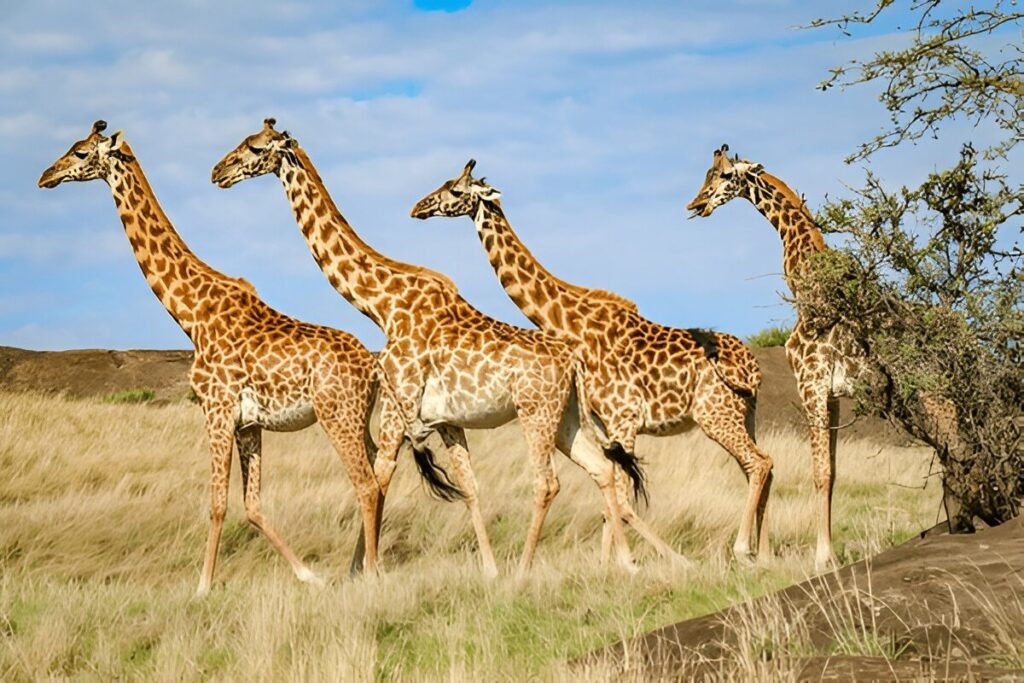
After breakfast, leave Arusha and travel toward Tarangire National Park. The drive is usually around two to three hours depending on traffic and the chosen entrance gate. Tarangire has a character of its own: broad dry riverbeds, old baobab trees, open savannah and woodland. During dry periods, the Tarangire River is an important water source, and elephant herds are a major highlight.
Enter the park for a full game drive with packed lunch. Besides elephants, look for zebra, wildebeest, buffalo, giraffe, impala, warthog and a wide range of birds. Tarangire is particularly enjoyable when you slow down and watch the smaller scenes: mongoose near a termite mound, birds around water, or a herd of elephants moving silently between trees. Predator sightings are possible, but no animal can be promised.
Late in the afternoon, leave the park and drive to your budget lodge or safari camp in the Mto wa Mbu / Karatu area. Dinner and rest.
Meals: Breakfast, lunch and dinner
Overnight: Budget lodge or camp near Mto wa Mbu / Karatu
Day 3: Lake Manyara National Park
Today visit Lake Manyara National Park, a compact but diverse park along the Great Rift Valley escarpment. The route passes through groundwater forest, where troops of baboons often move beside the road and blue monkeys may be visible in the trees. From there, the landscape opens to grassland, acacia woodland and lakeshore views.
Lake Manyara is known for birdlife, elephants and its occasional tree-climbing lions. The lions’ location and behaviour change, so they are never guaranteed. The variety of habitats is the real reward. Depending on season and conditions, look for flamingos or other water birds around the lake, and watch for hippos in suitable pools. Enjoy a picnic lunch inside the park and continue with an afternoon game drive.
Return to your overnight accommodation in the Karatu area. An early dinner is helpful because the next morning begins with the Ngorongoro Crater.
Meals: Breakfast, lunch and dinner
Overnight: Budget lodge or camp in Karatu
Day 4: Ngorongoro Crater game drive – transfer to Central Serengeti
After an early breakfast, enter the Ngorongoro Conservation Area and drive up to the crater rim. The air is often cooler at this altitude, and a brief viewpoint stop gives you the first sense of the crater’s scale. Descend the steep access road to the floor for a morning game drive.
The Ngorongoro Crater has grassland, forest patches, swamps and Lake Magadi, creating a remarkably rich habitat within one caldera. Buffalo, zebra, wildebeest, hippo, lion and hyena are regularly possible. The crater also provides a chance of seeing black rhino, though it remains one of the more difficult animals to find. Your guide will use their knowledge and park updates while maintaining respectful viewing distances.
Enjoy a packed lunch at the designated picnic site, then leave the crater in the afternoon and travel through the Ngorongoro highlands toward Central Serengeti. The route itself can bring wildlife sightings, as the conservation area and Serengeti ecosystem blend across a wide landscape. Arrive at your budget tented camp in the central Seronera area before or around sunset.
Meals: Breakfast, lunch and dinner
Overnight: Budget tented camp in Central Serengeti
Day 5: Full day in Central Serengeti
Central Serengeti is often one of the best areas for a full day of game viewing because its river valleys, kopjes and open plains support resident wildlife year-round. Leave camp after breakfast with a packed lunch, or return for lunch if your camp location allows. The day is planned around sightings rather than a fixed circuit.
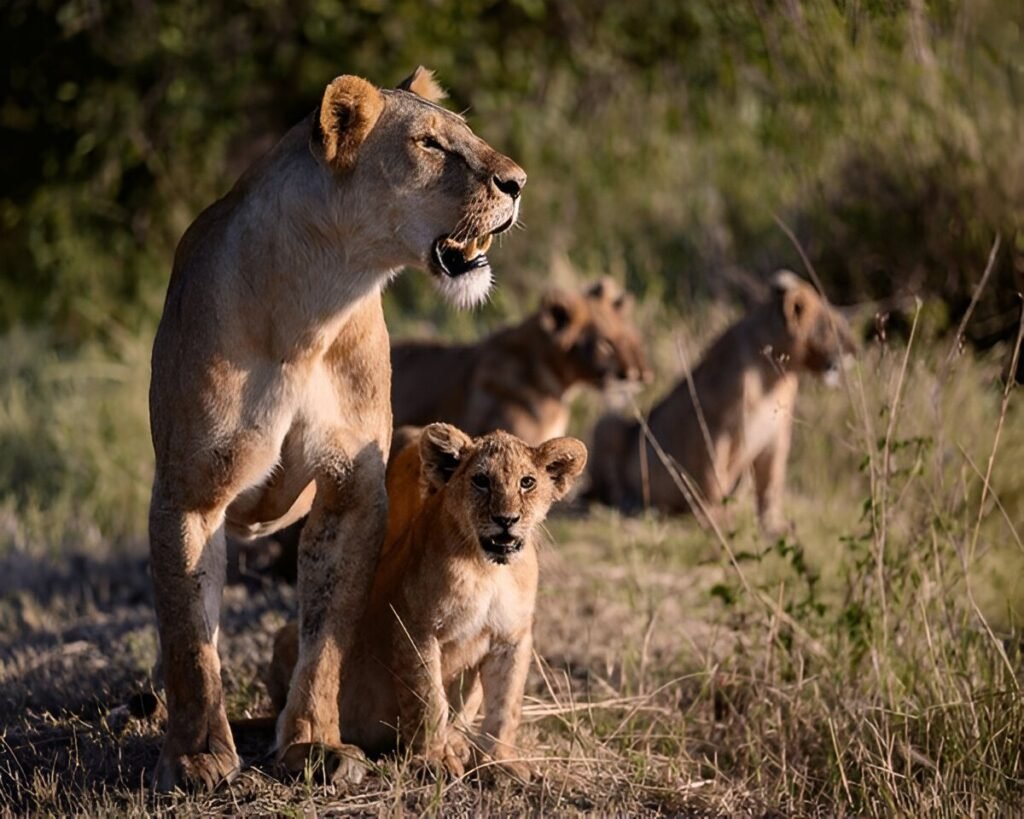
The Seronera Valley is well known for predators. Lions rest on kopjes and in long grass, while leopards may use the large trees near river lines. Cheetahs prefer open country and can sometimes be seen scanning from a termite mound. Spotted hyena, jackal, giraffe, topi, hartebeest, buffalo and many antelope species complete the day. It is also an excellent place to notice how a guide works: reading tracks, looking for vultures in the sky and listening to alarm calls from other animals.
As daylight softens, continue the game drive back toward camp. Dinner is served at camp, followed by a night under the sounds of the Serengeti. Camps have safety procedures, so follow staff instructions when moving between your tent and public areas after dark.
Meals: Breakfast, lunch and dinner
Overnight: Budget tented camp in Central Serengeti
Day 6: Central Serengeti to Northern Serengeti
After breakfast, begin the journey north through the Serengeti. This is a travel-and-game-drive day, not simply a road transfer. Your guide will look for wildlife along the way, with a packed lunch taken at a suitable picnic point. The land gradually changes as you move toward the Mara River region, with more rolling areas, riverine woodland and granite outcrops.
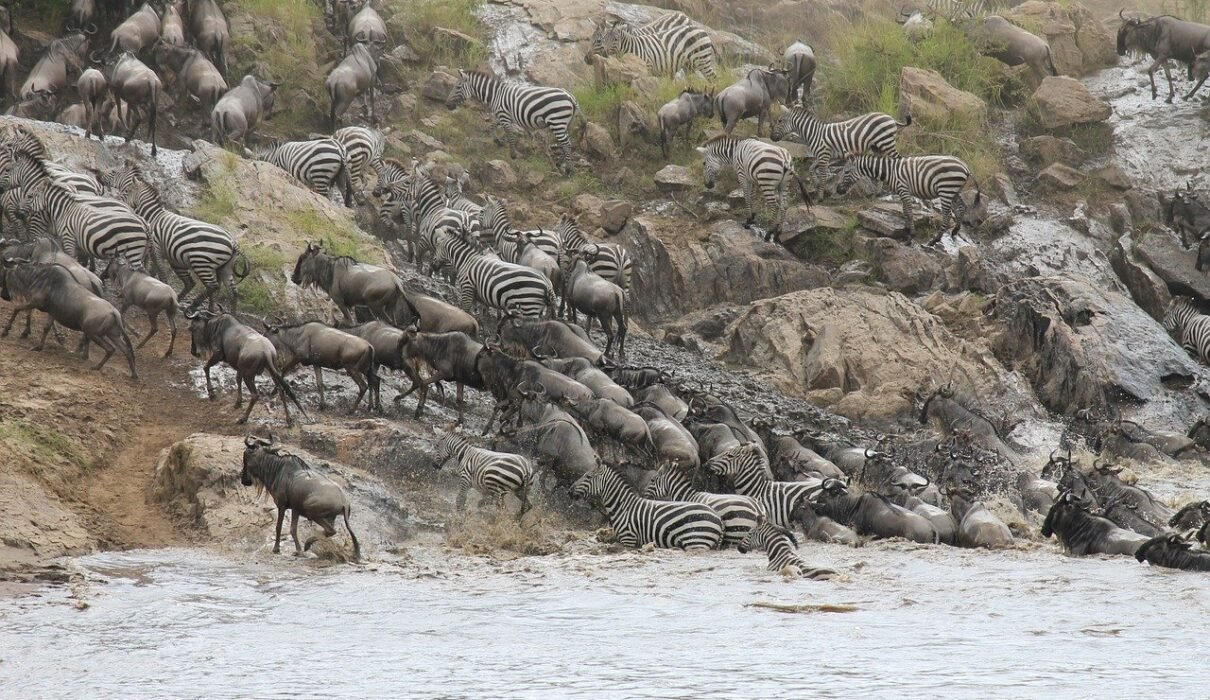
Northern Serengeti is especially important between roughly July and October, when parts of the Great Migration may be in the wider region. The exact movement of wildebeest and zebra depends on rainfall and grazing conditions. Some visitors see large herds or river-crossing activity; others see dispersed animals, resident wildlife and quieter landscapes. A responsible safari company will explain the seasonal possibility without guaranteeing a crossing on a particular day.
Arrive at your budget camp in Northern Serengeti, settle in and have dinner. Staying two nights makes the long drive worthwhile and gives you a genuine chance to explore the region rather than arriving and leaving immediately.
Meals: Breakfast, lunch and dinner
Overnight: Budget tented camp in Northern Serengeti
Day 7: Northern Serengeti and Mara River area
Spend a full day exploring the Northern Serengeti and the Mara River area. Start early, when predators may still be active and the light is good for photography. You may see elephants, giraffes, hippos, crocodiles, lion prides, hyena and many antelope species even outside migration months. The river itself is a powerful wildlife feature, but it must be treated with patience.
If migration herds are nearby, your guide may wait at a respectful distance, watching their movement and looking for signs of a possible crossing. Crossings are unpredictable. Herds may gather for hours and walk away, or move quickly with little warning. The value is in observing natural behaviour, not forcing a dramatic moment. Your guide will never drive off authorised tracks or crowd animals to improve the view.
Enjoy a picnic lunch, then continue the afternoon game drive. Return to camp for dinner and your second night in the north.
Meals: Breakfast, lunch and dinner
Overnight: Budget tented camp in Northern Serengeti
Day 8: Northern Serengeti to Lake Natron
Leave Northern Serengeti after breakfast and travel east toward Lake Natron. This is one of the longer journey days, and the road can be rough in sections, but the landscape becomes increasingly dramatic. Lake Natron lies below the active volcano Ol Doinyo Lengai and is known for its wide, stark setting, Maasai country and seasonal flamingo activity.
Arrive at your budget camp near Lake Natron. Depending on timing and conditions, take a gentle walk to a nearby waterfall or viewpoint with a local guide, or relax at camp after the drive. The exact activity should be decided with the guide based on weather, safety and how you feel after the journey.
Meals: Breakfast, lunch and dinner
Overnight: Budget camp near Lake Natron
Day 9: Lake Natron activities – return to Arusha
Wake to the open volcanic landscape of Lake Natron. After breakfast, explore selected areas with a local guide where conditions allow. Flamingo presence changes with season and water levels, so it cannot be promised. The morning may include a short walk, a visit to a waterfall or time to appreciate the lake’s unusual surroundings.
Later, begin the return drive to Arusha. The road journey is long, so pack water, keep your camera accessible and enjoy the passing views of rural Tanzania. Arrive in Arusha in the late afternoon or evening and check into your budget hotel. Enjoy your final safari dinner and reflect on the different environments you have travelled through.
Meals: Breakfast, lunch and dinner
Overnight: Budget hotel in Arusha
Day 10: Departure from Arusha
After breakfast, transfer to Kilimanjaro International Airport, Arusha Airport or your Arusha hotel connection according to your confirmed flight schedule. If you are continuing to Zanzibar or beginning a Kilimanjaro climb, the transfer can be coordinated with the wider itinerary.
Meals: Breakfast
What is included in this budget safari?
- Private 4×4 safari vehicle with pop-up roof
- Professional English-speaking driver-guide
- Nine nights’ accommodation in budget hotels, lodges or safari camps as specified
- All meals stated in the itinerary
- Drinking water in the safari vehicle
- National park entry fees and Ngorongoro conservation / crater fees for the stated itinerary
- Game drives and activities listed in the itinerary
- Arusha and airport transfers as stated
- Government taxes and VAT where applicable
What is excluded?
- International and domestic flights not shown in the quotation
- Tanzania visa fees
- Travel and medical insurance
- Alcoholic drinks, soft drinks and personal snacks unless stated
- Tips for guide, camp and lodge staff
- Optional activities such as balloon flights
- Personal expenses, laundry, telephone calls and souvenirs
- Additional accommodation before or after the itinerary unless quoted
Budget accommodation: what to expect
Budget accommodation on safari should be clean, secure and well located, but it will not have every facility found at a luxury lodge. Rooms or tents usually have beds, bedding and bathroom facilities, though exact arrangements differ by property. Meals are filling and freshly prepared, but menus may be simpler. In remote safari areas, power is commonly supplied by generator or solar systems at certain times, so charging schedules may apply.
What budget safari travellers still receive is the heart of the experience: a proper vehicle, a guide who knows the parks, game drives at the right times and time in areas that cannot be understood from a day trip. If you prefer a private bathroom in every camp, a pool, a larger room or a premium location, ask for a mid-range upgrade. It is always better to be clear about expectations before booking.
When is the best time for this Tanzania itinerary?
This route can operate year-round, though conditions vary. June to October is generally dry, popular and good for wildlife viewing, especially in the Northern Serengeti during the migration season. January and February can be warm and are often excellent for wildlife, while the migration may be in the southern Serengeti / Ndutu area rather than the north. In that season, we may recommend adapting the itinerary to give more time in the south.
March to May brings the long rains. The scenery can be green, visitor numbers may be lower and some travellers find better value, but roads and camp conditions require flexibility. November and December often bring shorter rains. The best dates depend on whether your priority is migration, fewer crowds, a specific budget or simply having a longer holiday window.
Responsible safari travel
Budget travel should never mean cutting corners on wildlife ethics. Your guide follows park rules, keeps authorised distances and does not drive off-road where it is prohibited. Do not ask to feed animals, leave litter or make noise for a closer photograph. Bring a reusable bottle where possible, listen to safety instructions at camps and respect local communities, including Maasai hosts in the Lake Natron region.
Useful packing advice
Pack neutral-coloured clothing, a warm fleece for early drives and highland evenings, light layers for warmer afternoons, a rain jacket in wet months, closed walking shoes, sunscreen, sunglasses, a hat and personal medication. A soft bag is more practical than a large hard suitcase, particularly if you later connect to a small aircraft. Keep a small day pack in the vehicle with camera, power bank, water and a jacket.
Book your 2027/2028 Tanzania budget safari
This 10-day route gives you genuine time in Tanzania’s wildlife areas while keeping the accommodation and travel style realistic for a budget-conscious traveller. Eddy Tours & Safaris can customise the itinerary for your dates, number of travellers and preferred accommodation level.
For a clear quotation, contact us through the Eddy Tours & Safaris contact page, call or WhatsApp +255 711 906 664, or email eddytoursandsafaris@gmail.com or sales@eddytours-safaris.com. If you plan to add Mount Kilimanjaro before or after your safari, you can also review guided climbs with Kilimanjaro Climb Specialist.