
Top 8 Largest Birds in the World captures the imagination of every wildlife lover who has ever wondered how big a bird can truly grow. From towering flightless runners of Africa to massive seabirds that glide for hours above the ocean, these giants prove that birds are among the most diverse creatures on Earth. In this guide, you will explore their sizes, habitats, behaviors, and conservation importance while discovering why protecting them matters for future generations.
Across continents and oceans, these impressive species dominate landscapes with their height, wingspan, and weight. Many are flightless, while others command the skies with wings stretching wider than most people are tall. Their survival depends on global conservation efforts led by respected organizations such as IUCN, World Wildlife Fund, and BirdLife International. Understanding these giants builds respect for nature and encourages responsible travel and exploration.
Top 8 Largest Birds in the World by Size and Weight
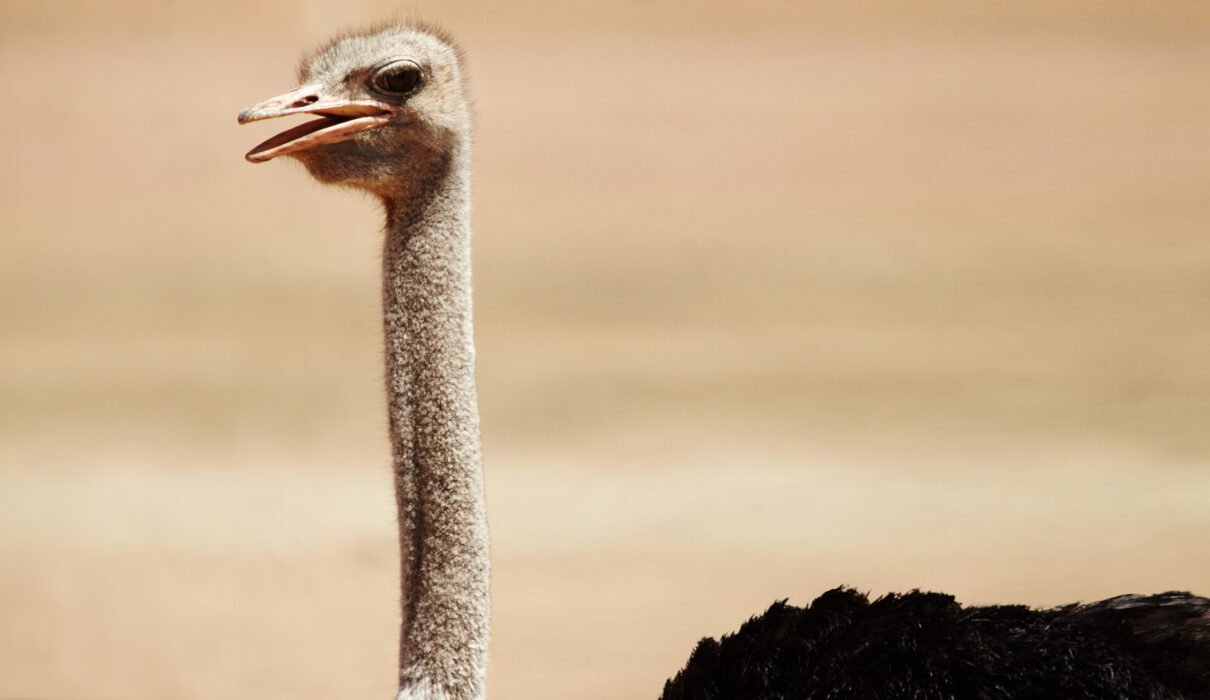
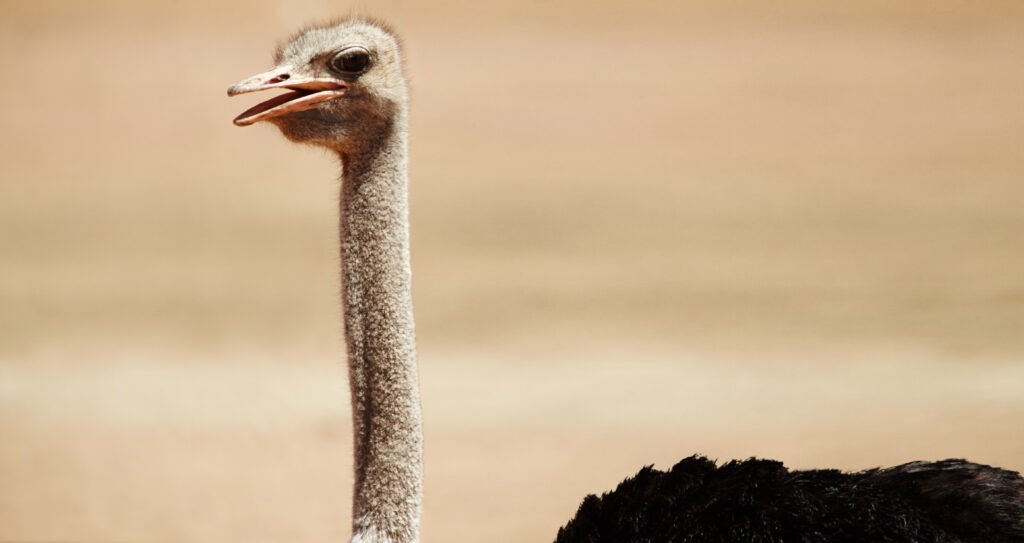
1. Ostrich
The ostrich is the undisputed heavyweight champion among birds. Native to Africa, it can grow over nine feet tall and weigh more than most adult humans. Despite being flightless, it runs at remarkable speeds, making it the fastest bird on land. Scientific studies from National Geographic and conservation insights from Africa Geographic highlight its powerful legs and defensive abilities.
2. Somali Ostrich
Closely related to the common ostrich, the Somali ostrich lives in the Horn of Africa. It is slightly smaller but equally impressive in stature. Research published by institutions like Smithsonian Institution shows that this species was only recently recognized as distinct, emphasizing how science continues to evolve in understanding wildlife diversity.
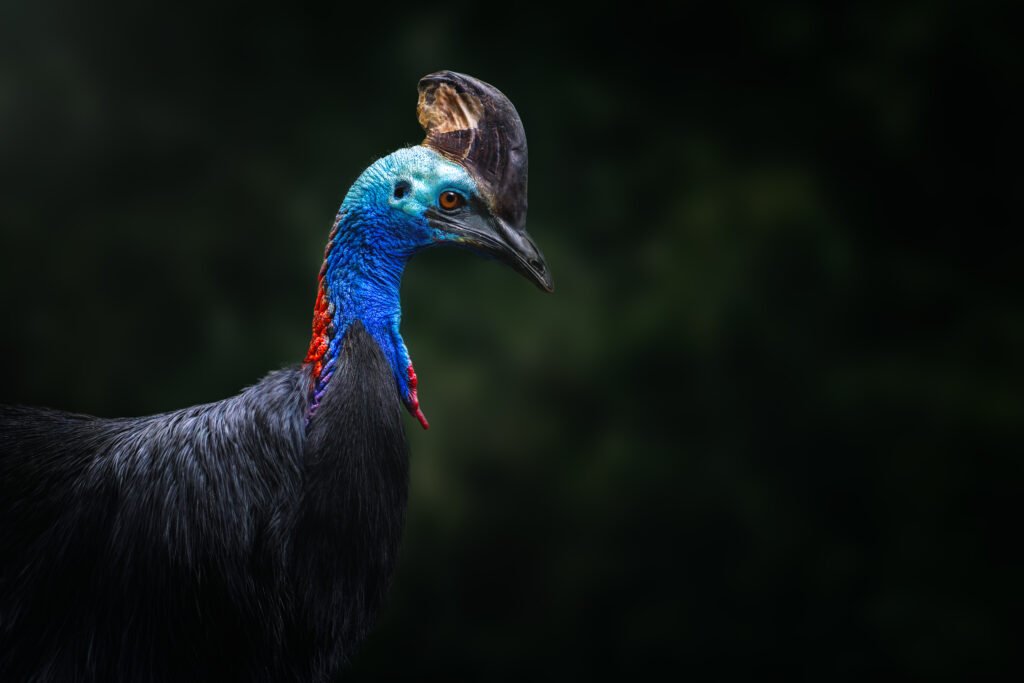
3. Southern Cassowary
Found in the rainforests of Australia and New Guinea, the southern cassowary is known for its bright blue neck and helmet-like casque. It can reach nearly six feet in height. According to Australian Museum, this bird plays a vital role in seed dispersal within tropical forests, making it a key ecological species.
4. Emu
The emu is Australia’s largest native bird and the second tallest bird in the world. It thrives in open grasslands and woodlands. Information from CSIRO confirms its adaptability to harsh climates, proving that size combined with resilience helps species survive in extreme environments.
5. Greater Rhea
South America is home to the greater rhea, a large flightless bird resembling the ostrich. It inhabits grasslands and savannas. Conservation groups such as Conservation International stress the importance of habitat protection for maintaining stable populations.
6. Kori Bustard
The kori bustard holds the title of the heaviest flying bird. Males can weigh over 40 pounds while still achieving flight. Research supported by Natural History Museum shows its impressive courtship displays, which involve puffing feathers to appear even larger.
7. Andean Condor
The Andean condor boasts one of the widest wingspans of any land bird, stretching over ten feet. It soars along South American mountain ranges, relying on thermal currents. Environmental programs from United Nations Environment Programme recognize the condor as a symbol of conservation in the Andes.
8. Wandering Albatross
The wandering albatross dominates the oceans with its extraordinary wingspan. It glides across vast distances with minimal effort. Marine research organizations like NOAA and British Antarctic Survey study its migration patterns to understand climate impacts on seabirds.
Why the Top 8 Largest Birds in the World Matter for Conservation
The survival of these massive birds reflects the health of ecosystems across Africa, Australia, South America, and the open ocean. Habitat loss, climate change, and human activities pose serious threats. Reports from IPBES confirm that biodiversity loss directly affects global stability. Protecting these birds safeguards entire ecosystems.
Wildlife conservation initiatives led by organizations such as African Wildlife Foundation and Fauna & Flora International focus on habitat restoration and community education. These programs ensure that future generations can witness these giants in their natural habitats.
Where to See the Largest Birds in Africa
African safaris offer unmatched opportunities to observe ostriches and kori bustards in the wild. Travelers planning an unforgettable adventure can explore curated safari experiences through Eddy Tours & Safaris, which provide ethical wildlife encounters across Tanzania and beyond. Their safari packages allow visitors to witness wildlife responsibly while supporting local communities.
If climbing Africa’s tallest mountain is part of your dream, combining bird watching with trekking can create a once-in-a-lifetime experience. Reliable trekking services are available through Kilimanjaro Climb Specialist, offering safe and professional expeditions.
For broader safari inspiration, you can also explore wildlife itineraries on Tanzania Safari Tours, learn about migration experiences at Serengeti Migration Safari, or discover conservation-focused travel ideas via About Eddy Tours. Planning your journey through Contact Eddy Tours ensures personalized guidance tailored to your wildlife interests.
Scientific Research and Global Awareness
Academic institutions including Harvard University, University of Cambridge, and Stanford University continue to publish studies on avian biology, migration, and adaptation. These findings guide conservation strategies worldwide. Public databases like Global Biodiversity Information Facility also provide open-access data supporting research and education.
Educational platforms such as Audubon Society, RSPB, and Cornell Lab of Ornithology help spread awareness about bird protection. Their resources empower communities to take action and support habitat conservation.
Final Thoughts on Top 8 Largest Birds in the World
Exploring the Top 8 Largest Birds in the World reminds us that nature still holds extraordinary wonders. These birds are more than record holders; they are vital parts of ecosystems that sustain life on Earth. By supporting conservation efforts, practicing responsible travel, and educating ourselves through credible organizations, we help ensure their survival. Whether you encounter them on a safari or learn about them through trusted research institutions, these magnificent giants will always inspire awe and respect.