
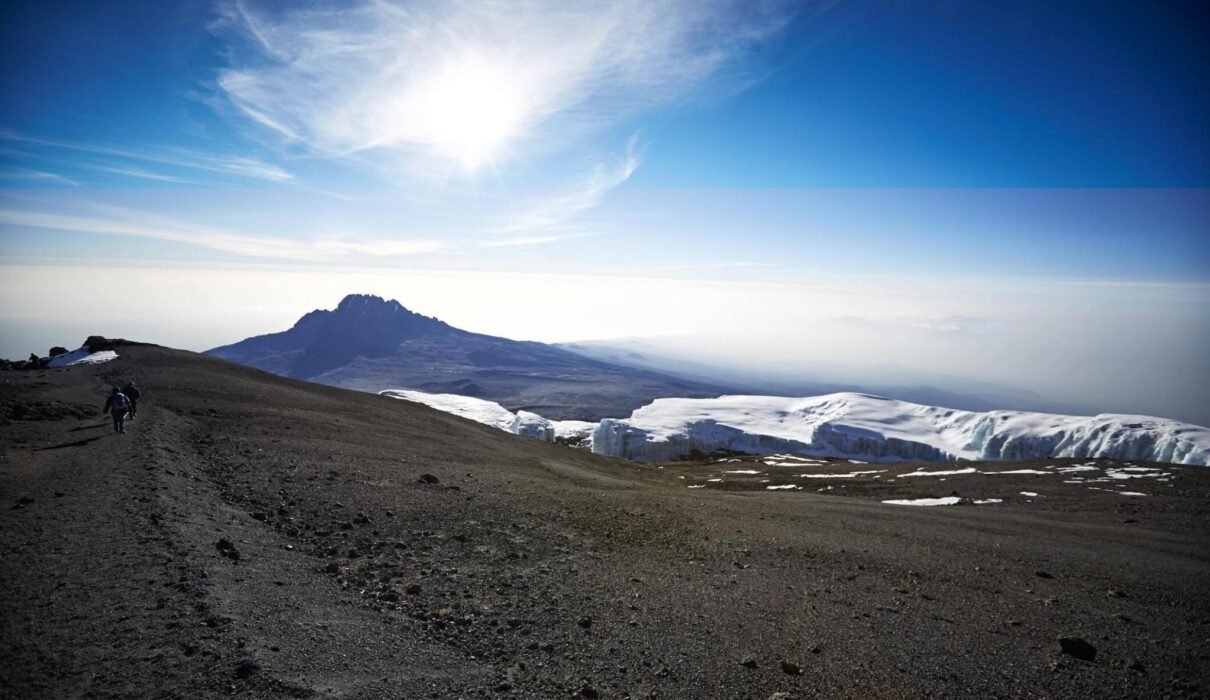
Climbing Kilimanjaro is a demanding journey that combines several days of walking with cold weather, disrupted sleep, and exposure to high altitude. Reaching Uhuru Peak requires more than determination: it requires an honest assessment of your health and a willingness to turn back when necessary.
So, who should not climb Kilimanjaro? People with unstable or serious medical conditions, pregnant travelers considering a summit expedition, and anyone who becomes significantly unwell before departure should postpone their climb and seek medical advice. Other travelers may be suitable candidates after an individual assessment.
This guide explains the main health concerns, what to discuss with your doctor, and how to prepare responsibly. It provides general information; a clinician familiar with your medical history should assess your personal suitability.
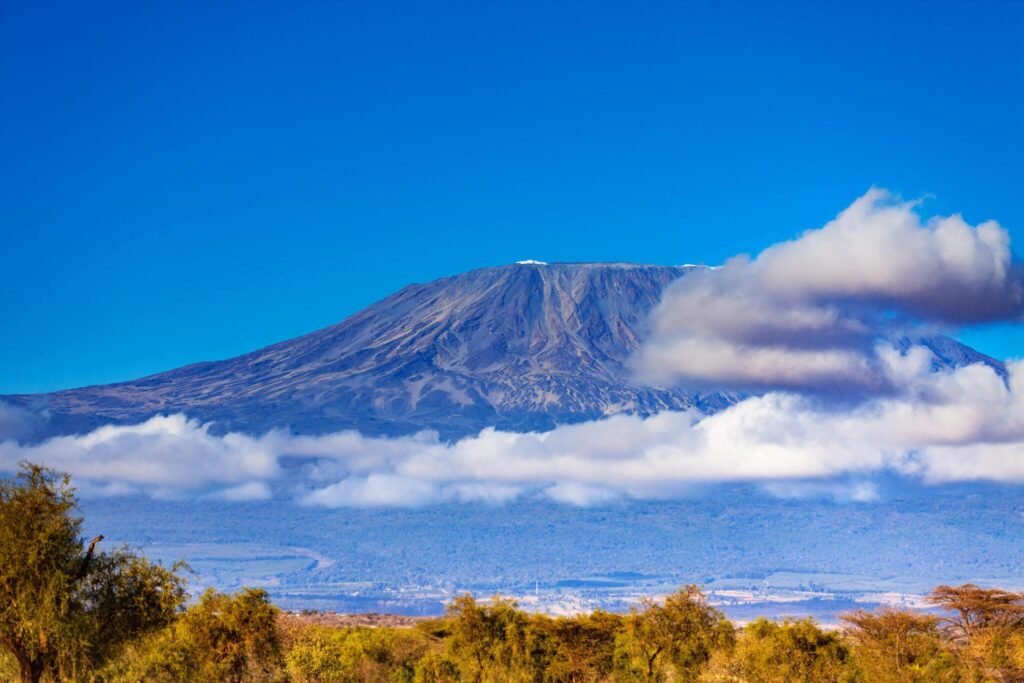
1. People With Unstable or Serious Medical Conditions
Some conditions make high-altitude travel particularly dangerous. The CDC lists unstable angina, decompensated heart failure, severe chronic obstructive pulmonary disease, poorly controlled asthma or seizures, and sickle cell anemia among contraindications. It also lists a heart attack or stroke within the previous 90 days.
If any of these apply, postpone your expedition and obtain specialist advice. Passing that 90-day point does not automatically make someone fit to climb.
A trekking company cannot determine whether your condition is medically safe at altitude. Booking availability, previous hiking experience, and enthusiasm do not replace a clinical assessment.
When speaking with your doctor, explain the actual expedition. A multiday climb involving remote camps and an overnight summit attempt is different from a gentle walk near home.
2. Pregnant Travelers Planning a Summit Climb
A Kilimanjaro summit expedition is best postponed during pregnancy.
The CDC advises that it may be prudent for pregnant travelers to avoid sleeping above 3,050 metres. Kilimanjaro summit itineraries involve camps above that elevation. High-risk pregnancy is a contraindication to high-altitude travel, and remoteness complicates access to obstetric care.
Feeling healthy at home does not establish that a high-altitude expedition is suitable during pregnancy. The UIAA also recommends medical advice before pregnant travelers go to altitude.
Discuss alternative holiday plans with your maternity clinician. A lower-altitude trip should still be assessed for its activities, travel time, and access to healthcare.
3. People Who Are Acutely Unwell Before Departure
A departure date should not pressure you into starting an expedition while ill.
If you develop fever, chest symptoms, persistent vomiting or diarrhea, or an injury that affects walking, contact a clinician and tell your operator before starting. Ask whether postponement is appropriate.
The practical concern is straightforward: you need to manage long walking days, eat and drink adequately, and descend safely if circumstances change.
Do not conceal an illness because you have already paid for the trip. Early disclosure gives your doctor and operator more time to consider the available options.
4. People With Previous Severe Altitude Illness Without a Medical Plan
A previous episode of high-altitude pulmonary edema, known as HAPE, or high-altitude cerebral edema, known as HACE, deserves specialist assessment before another expedition.
The CDC places a history of either condition in its high-risk category for altitude illness. Physical fitness does not protect against altitude sickness.
Previous illness does not necessarily mean a permanent ban on mountain travel. However, another attempt should involve an informed discussion about the proposed ascent, prevention, and emergency arrangements.
Bring details of the earlier incident where possible:
- The mountain and approximate elevation.
- How quickly you ascended.
- Your symptoms and diagnosis.
- Treatment and evacuation received.
- Any hospital or discharge records.
Avoid relying on the assumption that a different route will solve the problem.
5. People With Chronic Conditions That Have Not Been Assessed
A chronic condition is not automatically a reason to abandon Kilimanjaro. It is a reason to plan carefully.
The UIAA recommends assessing pre-existing illnesses in the context of mountain travel, including respiratory conditions, diabetes, hypertension, and blood disorders. Cardiovascular decisions depend on the disease, planned altitude, activity, and overall health.
For example, diabetes requires a practical plan for monitoring, medication, food intake, and managing problems during exercise. The UIAA publishes dedicated recommendations for climbers and trekkers with diabetes.
Your consultation should address the expedition you intend to undertake. Ask:
- Is my condition sufficiently stable for this itinerary?
- Could exertion or altitude worsen it?
- Do my medicines require any adjustments?
- What equipment or monitoring will I need?
- Which symptoms should trigger a stop or evacuation?
- Can the necessary care be provided in remote camps?
Never stop or change prescribed medication simply to make packing easier.
6. People Who Cannot Yet Manage the Physical Demands
Kilimanjaro requires repeated walking days and a demanding summit attempt. Someone who cannot currently manage sustained walking should allow more time to prepare and investigate any unexplained limitations.
Training should gradually build comfortable walking endurance. Practice hills, descents, consecutive walking days, and using the boots and daypack you intend to bring.
The UIAA advises matching mountain goals to your actual health and fitness, and learning to use personal medical equipment before departure.
You do not need to prove yourself through a punishing training session. Your aim is to arrive prepared and healthy.
If exercise causes chest pain, fainting, or unusual breathlessness, seek medical assessment before continuing your preparation.
7. Anyone Unwilling to Report Symptoms or Turn Back
A responsible climber must be willing to tell their guide when something feels wrong.
Hiding symptoms can delay decisions about rest, assessment, or descent. Agree before departure that health takes priority over reaching the summit.
This matters especially when traveling with friends or family. One person’s decision to descend should not become a source of pressure or embarrassment.
Choose an operator that can explain how it handles a climber who needs to leave the group. Ask who accompanies that person, how communication works, and what happens to the remaining climbers.
When You Must Stop Ascending
Altitude sickness can develop during an expedition even when preparation has been careful.
Common symptoms include headache, nausea, dizziness, tiredness, and loss of appetite after ascent. Report them promptly. Do not climb higher while symptomatic; worsening or persistent symptoms require descent and medical advice. Confusion, difficulty walking, or breathlessness at rest can indicate a serious emergency.
Emergency warning signs
Seek urgent help if a climber develops:
- Confusion or unusual behavior.
- Loss of coordination or difficulty walking.
- Severe breathlessness at rest.
- Rapid deterioration or reduced responsiveness.
Suspected HAPE or HACE requires urgent emergency management and descent. Do not wait for the next scheduled camp or attempt the summit first. Wilderness Medical Society guidance emphasizes descent in the management of severe altitude illness.
A climber who is seriously unwell should not descend alone.
Health Requirements Before Climbing Kilimanjaro
Medical suitability, operator booking requirements, and park entry rules are separate matters. Ask your operator which documents are required for your specific trip.
Arrange an appropriate medical consultation
Give your clinician the proposed itinerary, maximum elevation, camp schedule, and details of the walking involved. Include your previous altitude experience, medical conditions, allergies, and medications.
Ask whether further assessment is necessary. A generic fitness certificate provides less useful information than a consultation focused on the actual expedition.
Agree on a medication plan
Ask your clinician whether altitude medication is appropriate for you and how to use it. Discuss interactions and relevant allergies.
Medication should be part of an individual plan. It does not justify continuing upward when illness requires descent.
Check your insurance carefully
Confirm in writing that your policy covers:
- Trekking to Kilimanjaro’s summit elevation.
- Altitude-related illness.
- Emergency evacuation and associated transport.
- Your declared pre-existing conditions.
- Relevant cancellation or interruption circumstances.
Ask about exclusions, assistance procedures, and any requirement to contact the insurer before treatment or evacuation.
Do not assume that buying insurance guarantees helicopter availability.
Review the operator’s emergency arrangements
Before booking, request clear answers about:
- Guide training and emergency responsibilities.
- Communication equipment.
- Emergency oxygen and other equipment carried.
- Procedures for assessing an unwell climber.
- Assisted descent and evacuation arrangements.
- Additional costs if you leave the expedition early.
Assess the answers themselves. A claim of a high summit success rate does not explain how emergencies are managed.
Can Older Adults or Children Climb Kilimanjaro?
Age alone does not answer whether someone is suitable for the climb.
For older travelers, discuss existing conditions, medication, endurance, and recovery with a clinician. Plan around the individual rather than assuming that a particular birthday determines ability.
For children, obtain pediatric advice and verify current park age rules before booking. The UIAA’s children-at-altitude guidance stresses conservative planning and the difficulty of distinguishing altitude symptoms from other causes of illness.
A family expedition should respect each child’s willingness and ability to communicate discomfort. Reaching the summit should never become an obligation.
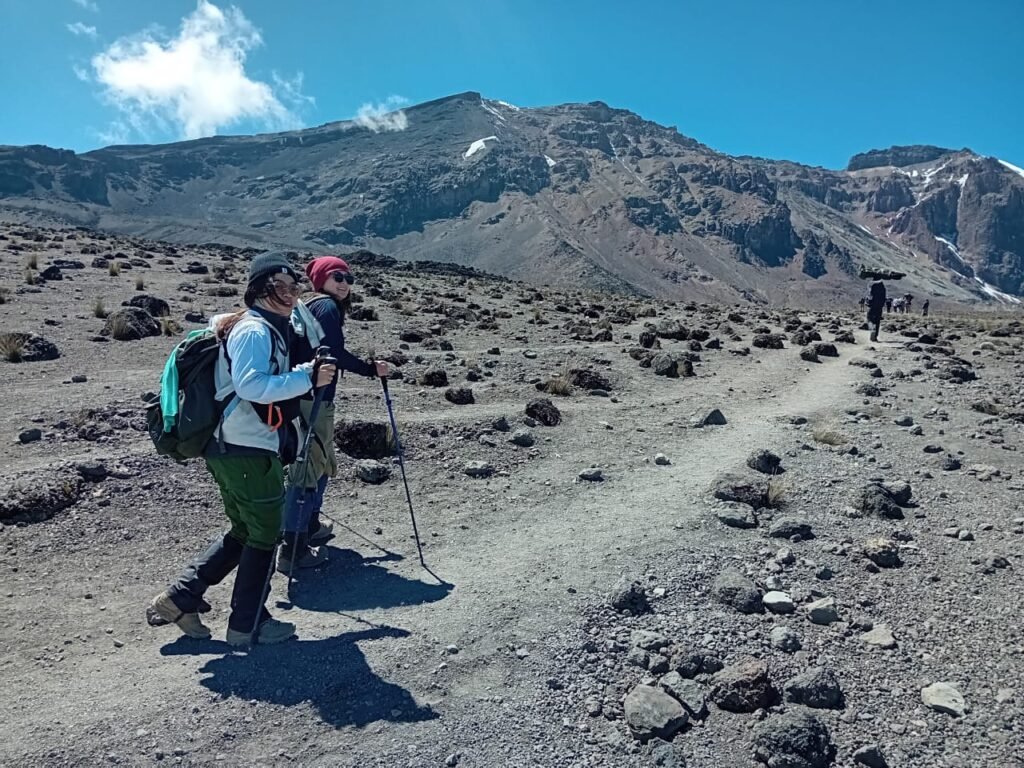
Frequently Asked Questions
Does a medical certificate guarantee I can reach the summit?
No. It records an assessment at a particular time. Your health and response to the expedition can change, so decisions must continue throughout the climb.
Can I climb with a pre-existing condition?
Possibly. Suitability depends on the condition, its stability, the planned expedition, and the care available. Obtain individual advice rather than relying on another climber’s experience.
Should I book before speaking with my doctor?
If you have a significant condition or a history of severe altitude illness, seek advice before making nonrefundable commitments. You can ask an operator for a proposed itinerary to take to your appointment.
What if I become ill shortly before departure?
Tell your doctor and operator promptly. Review your options before traveling or entering the park.
Is turning back a failed climb?
Turning back is a responsible decision when conditions or health require it. Your booking should allow for that possibility, and your group should support it.
Discuss Your Kilimanjaro Plans With Eddy Tours & Safaris
When contacting Eddy Tours & Safaris, explain your preferred dates, walking experience, and any requirements that affect itinerary planning. Obtain medical advice before committing if you have health concerns.
Use the contact page to request an itinerary and ask about equipment, emergency arrangements, and booking conditions.
Email: sales@eddytours-safaris.com
WhatsApp: +255 711 906 664
For independent information, consult the CDC’s high-altitude travel guidance, NHS altitude sickness advice, and UIAA mountain medicine resources.