
Wild Horses Can’t be Broken: Zebra Domestication Attempts 2026/2027/2028
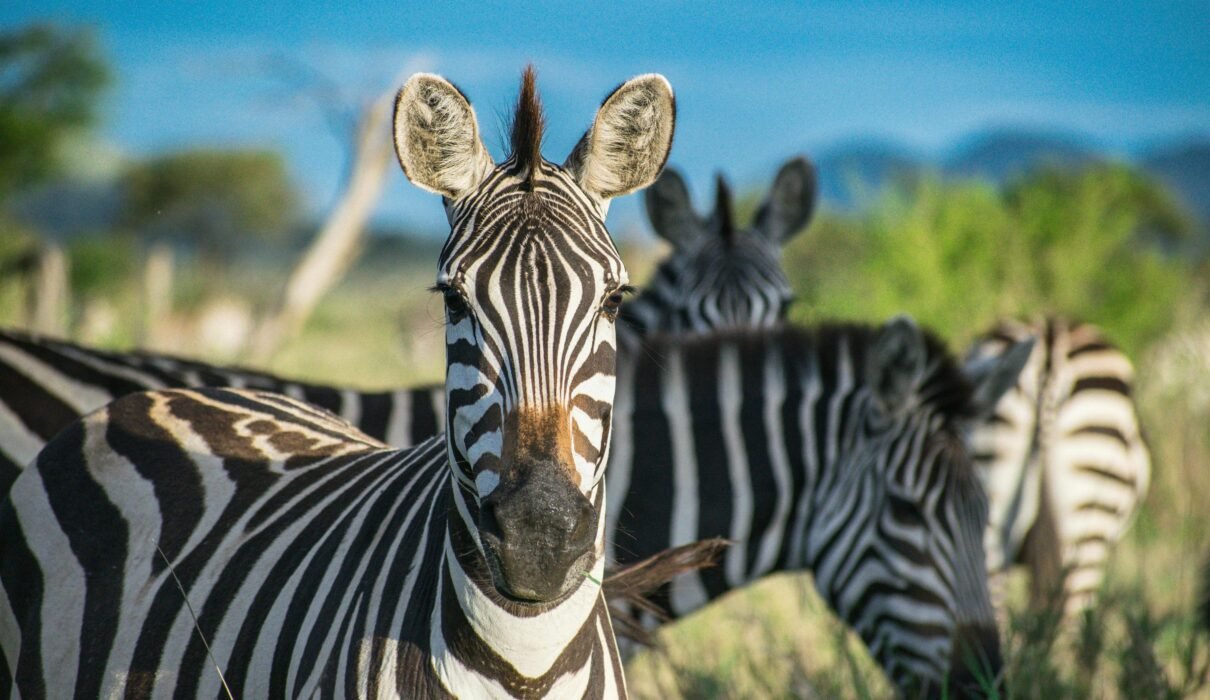
Wild Horses Can’t be Broken: Zebra Domestication Attempts 2026/2027/2028 is not just a bold statement—it reflects centuries of human curiosity, ambition, and repeated failure. Across Africa’s sweeping plains, zebras have always stood as symbols of untamed beauty. While their horse-like appearance tempts many to imagine them as rideable or trainable, the reality tells a very different story. Unlike domesticated horses, zebras resist control in ways that continue to challenge even modern science.
As we step into 2026, 2027, and 2028, researchers, conservationists, and wildlife experts are revisiting the idea of zebra domestication with new tools and ethical frameworks. Yet, despite technological progress, zebras remain one of the few large mammals that humans have not successfully domesticated. This article explores why.
Understanding the Nature of Zebras
Zebras belong to the equid family, just like horses and donkeys. However, their behavior is fundamentally different. Unlike horses that evolved in environments with fewer predators, zebras grew up in harsh ecosystems where survival depended on constant alertness and quick reactions.
This difference shaped their temperament. Zebras are highly defensive animals. They bite, kick, and resist restraint far more aggressively than horses. Their instincts are wired for survival, not cooperation. This makes them unpredictable and often dangerous to handle.
Scientists studying zebra behavior often link their resistance to domestication with their evolutionary history. Their social structure is less hierarchical than horses, meaning they don’t naturally accept a leader. This alone makes training extremely difficult.
Why Zebras Are Not Like Horses
At first glance, zebras look like striped horses. But looks can be misleading. Horses have been selectively bred for thousands of years to be calm, cooperative, and trainable. Zebras, on the other hand, have never undergone this process.
Their nervous systems are highly reactive. Even in captivity, zebras can panic easily. This panic response often leads to injury—for both the animal and the handler. Attempts to ride zebras have resulted in limited success, mostly in controlled environments and never on a large scale.
History of Zebra Domestication Attempts
Efforts to domesticate zebras are not new. In the 19th and early 20th centuries, European settlers in Africa attempted to train zebras for transport and farming. Some even succeeded in hitching zebras to carriages.
However, these successes were short-lived. Zebras proved unreliable, difficult to manage, and often aggressive. Unlike horses, they could not be depended on for consistent work.
One famous example involved Lord Rothschild, who trained zebras to pull a carriage in London. While impressive, it remained more of a spectacle than a practical solution.
Lessons from Early Experiments
Early domestication attempts taught us valuable lessons. First, zebra behavior cannot be easily altered through training alone. Second, selective breeding would require many generations, which is both time-consuming and ethically complex.
These lessons continue to shape modern approaches to zebra research and conservation.
Wild Horses Can’t be Broken: Zebra Domestication Attempts 2026/2027/2028 in Modern Science
Today, the phrase Wild Horses Can’t be Broken: Zebra Domestication Attempts 2026/2027/2028 has taken on new meaning. Instead of forcing domestication, scientists are focusing on understanding zebra genetics and behavior.
Modern research uses advanced tools such as DNA sequencing and behavioral analysis. These methods aim to uncover whether zebras could ever be selectively bred for domestication without compromising their well-being.
Some studies suggest that zebras lack certain genetic traits found in domesticated animals. These traits include reduced aggression and increased tolerance for human interaction.
Ethical Considerations in 2026–2028
Ethics play a major role in current discussions. Unlike the past, where human needs often came first, modern conservation emphasizes animal welfare. The question is no longer just “Can we domesticate zebras?” but “Should we?”
Many experts argue that domestication could harm zebra populations by altering their natural behaviors and ecosystems. Conservation efforts now focus more on protecting zebras in the wild rather than changing them.
The Role of African Safaris in Zebra Conservation
While domestication remains unlikely, zebras play a crucial role in Africa’s tourism and conservation sectors. Observing zebras in their natural habitat offers a far richer experience than any domesticated alternative could provide.
Travelers interested in witnessing zebras up close can explore authentic safari experiences through trusted platforms like Eddy Tours & Safaris, where wildlife is respected and preserved.
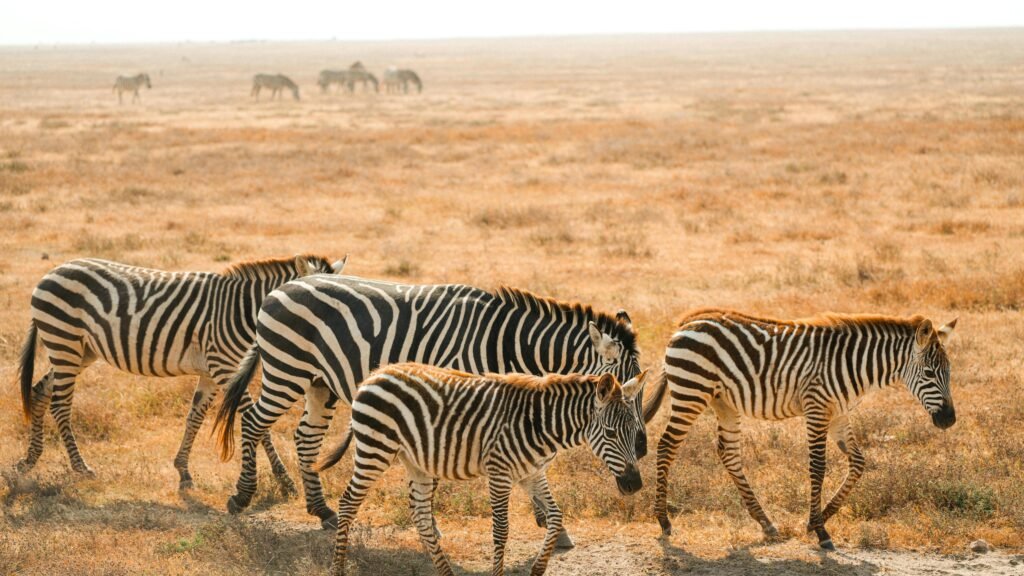
These safaris allow visitors to see zebras roaming freely across iconic landscapes such as the Serengeti. This natural interaction supports conservation efforts and local communities.
Responsible Wildlife Tourism
Responsible tourism ensures that zebras remain wild. By choosing ethical safari operators, visitors contribute to conservation rather than exploitation. Learn more about ethical safari planning through Eddy Tours & Safaris and discover how your journey can make a difference.
Scientific Barriers to Zebra Domestication
Several scientific factors make zebra domestication extremely difficult. One major challenge is their reproductive biology. Zebras have longer gestation periods and lower reproduction rates compared to animals typically domesticated.
Another issue is their stress response. Zebras experience high levels of stress in captivity, which affects their health and behavior. This makes breeding programs challenging.
Additionally, their strong flight instinct makes them unsuitable for controlled environments. Even in zoos, zebras require specialized care.
Behavioral Genetics Explained
Behavioral genetics studies how genes influence behavior. In zebras, certain genes linked to aggression and alertness are more pronounced. These traits, while beneficial in the wild, hinder domestication.
Understanding these genetic factors is key to explaining why zebras remain wild.
Future Outlook: 2026–2028 and Beyond
Looking ahead, the future of zebra domestication remains uncertain. While technology continues to evolve, the fundamental nature of zebras does not change easily.
Most experts agree that efforts should focus on conservation rather than domestication. Protecting zebra habitats, preventing poaching, and supporting local communities are far more impactful goals.
Travel experiences through platforms like Eddy Tours & Safaris continue to play a vital role in raising awareness and funding conservation projects.
FAQs About Zebra Domestication
Can zebras ever be domesticated?
It is highly unlikely. Their natural instincts and genetic traits make domestication extremely difficult.
Why are horses easier to domesticate than zebras?
Horses have a calmer temperament and evolved in environments that favored cooperation.
Have zebras ever been successfully trained?
There have been small-scale successes, but none have led to widespread domestication.
Is it ethical to try to domesticate zebras?
Many experts believe it is not ethical due to the stress and harm it could cause.
Where can I see zebras in the wild?
You can experience zebras in their natural habitat through Eddy Tours & Safaris.
What is the main reason zebras resist domestication?
Their strong survival instincts and aggressive defense mechanisms.
Conclusion
Wild Horses Can’t be Broken: Zebra Domestication Attempts 2026/2027/2028 ultimately reveals more about human ambition than animal capability. Zebras are not failed horses—they are perfectly adapted wild animals. Their resistance to domestication is not a weakness but a strength.
As we move forward, the focus must shift from control to coexistence. By appreciating zebras in their natural environment and supporting conservation efforts, we honor their true nature. Explore ethical wildlife experiences through Eddy Tours & Safaris and witness the beauty of untamed Africa for yourself.