
A six-day Tanzania lodge safari is an excellent choice for travellers who want to explore some of Africa’s most famous wildlife destinations while enjoying comfortable accommodation after each day of game viewing. This safari takes you through Tarangire National Park, Serengeti National Park, and the Ngorongoro Crater, bringing together different landscapes, large populations of wildlife, and the comfort of staying in carefully selected safari lodges and tented camps. Whether you are visiting Tanzania for the first time, travelling as a couple, or planning a family holiday, six days provides a good introduction to the northern safari circuit without requiring a long holiday.
The best 6-day Tanzania lodge safari for 2027 and 2028 begins in Arusha and follows a route through some of the country’s most important protected wildlife areas. Travellers can spend time watching elephants among Tarangire’s baobab trees, searching for lions and leopards across the Serengeti plains, and exploring the Ngorongoro Crater, where a wide variety of animals live within an ancient volcanic caldera. Unlike a camping safari, this package uses permanent lodges and comfortable tented camps, providing private accommodation, prepared meals, and facilities for relaxing after a day in the national parks.
At Eddy Tours & Safaris, we arrange Tanzania wildlife safaris for travellers who prefer comfortable lodges, experienced local guides, and well-planned itineraries. Our six-day lodge safari can be organised as a private tour for couples, families, friends, and small groups, with accommodation selected according to your preferred travel dates and budget. The route can also be adjusted for travellers interested in the Great Wildebeest Migration, wildlife photography, or spending additional time in the Serengeti.
Overview of the 6-Day Tanzania Lodge Safari Package
This six-day Tanzania safari combines three major wildlife destinations with five nights of lodge or tented camp accommodation. The itinerary focuses on Tarangire, Serengeti, and Ngorongoro, allowing travellers to spend two full nights in the Serengeti and avoid adding too many destinations to an already busy schedule. The journey is organised with a private four-wheel-drive safari vehicle, a professional English-speaking driver-guide, and game drives planned around the time available in each park.
The main advantage of a lodge safari is the balance between wildlife viewing and comfortable overnight accommodation. After spending several hours exploring national parks, travellers return to their lodges for a shower, dinner, and a proper night’s rest. Depending on the selected properties, accommodation may include private bathrooms, comfortable beds, dining areas, and views of the surrounding countryside or wildlife habitat. Facilities vary between lodges, and the actual properties are confirmed before booking.
| Safari details | Information |
|---|---|
| Package name | Best 6-Day Tanzania Lodge Safari |
| Travel years | 2027 and 2028 |
| Duration | 6 days and 5 nights |
| Starting location | Arusha, Tanzania |
| Ending location | Arusha, Tanzania |
| Destinations | Tarangire, Serengeti, Ngorongoro Crater |
| Safari category | Private lodge safari |
| Accommodation | Mid-range lodges and comfortable tented camps |
| Transport | Private 4×4 safari Land Cruiser |
| Safari guide | Professional English-speaking driver-guide |
| Meals | As specified in the itinerary |
| Main activities | Wildlife game drives, photography, and sightseeing |
| Suitable for | Couples, families, honeymooners, and small groups |
| Departure dates | Flexible, subject to availability |
| Price | Quotation based on travel dates and accommodation |
Travellers interested in comparing different accommodation categories can also read our 6-Day Tanzania Safari Package, which explains the northern circuit itinerary and available safari arrangements.
Detailed 6-Day Tanzania Lodge Safari Itinerary for 2027 and 2028
Day 1: Arusha to Tarangire National Park – Elephant Herds, Baobab Trees and First Game Drive
Your Tanzania lodge safari begins in Arusha, where your professional driver-guide meets you at your hotel after breakfast. Following a short introduction and briefing about the safari, you depart towards Tarangire National Park, travelling through local communities, farming areas, and open countryside. The journey normally takes approximately two to three hours, depending on road conditions, traffic, and your departure location. Along the way, your guide may explain some of the landscapes and local activities you see before arriving at the national park entrance.
Tarangire National Park is well known for its elephant populations, large baobab trees, and the Tarangire River, which becomes an important source of water during the dry season. After completing the park entrance procedures, you begin your first game drive through the park’s woodland, grasslands, and riverine habitats. Elephants are among the animals most commonly associated with Tarangire, but the park also supports giraffes, zebras, buffaloes, wildebeest, impalas, waterbucks, and several predators. Lions may be found resting beneath trees or moving through the grassland, while leopards are more difficult to locate because they often remain hidden in woodland or dense vegetation.
A packed lunch is arranged at a designated picnic area, giving you time to relax before continuing your afternoon wildlife viewing. Your guide will explore suitable game-drive routes based on the available time and wildlife activity, allowing opportunities for photography and observation. During the dry season, animals may gather near the Tarangire River, while the wetter months provide green scenery and good birdwatching opportunities. Towards the end of the day, you leave the park and travel to your selected lodge in the Tarangire, Mto wa Mbu, or Karatu area, depending on the confirmed accommodation arrangements.
After checking in, you can relax, enjoy dinner, and prepare for the following day’s journey towards the Serengeti. Staying in a lodge provides a comfortable start to the safari, particularly for travellers who have recently arrived in Tanzania.
Accommodation: Selected mid-range safari lodge near Tarangire, Mto wa Mbu, or Karatu
Meals: Lunch and dinner
Main activity: Tarangire National Park game drive
Day 2: Tarangire Area to Serengeti National Park – Scenic Journey Through the Ngorongoro Highlands
After breakfast at your lodge, you depart towards Serengeti National Park, travelling through the Ngorongoro Conservation Area and the surrounding highlands. This is one of the longer driving days of the safari, but the route passes through some of northern Tanzania’s most varied landscapes. The journey takes you from cultivated countryside and forested highlands towards the broad grasslands of the Serengeti ecosystem. Depending on your lodge location, road conditions, and stops along the way, the drive to central Serengeti may take approximately five to seven hours or longer.
As you travel through the Ngorongoro highlands, the scenery changes considerably. You may see local communities, livestock grazing in permitted areas, and distant views of the conservation landscape. The road eventually descends towards the Serengeti plains, where the vegetation becomes more open and the horizon stretches across wide areas of grassland. Your guide will complete the necessary park procedures before continuing towards the central Serengeti, commonly known as the Seronera region.
Serengeti National Park is famous for its large populations of wildlife and the seasonal movements of wildebeest and zebras across the wider ecosystem. During your afternoon game drive, you may encounter giraffes feeding from acacia trees, herds of zebras grazing in the grasslands, elephants moving between woodland areas, or lions resting near rocky outcrops. The central Serengeti is particularly important for resident wildlife, making it a rewarding destination even when the main migrating herds are located elsewhere.
In the late afternoon, you travel to your selected lodge or permanent tented camp within the Serengeti. After checking in, you can enjoy dinner and rest following the day’s journey. Accommodation inside or close to the main wildlife viewing areas is especially useful because it reduces unnecessary travel before the following morning’s game drive.
Accommodation: Selected Serengeti safari lodge or permanent tented camp
Meals: Breakfast, lunch, and dinner
Main activity: Scenic transfer and afternoon Serengeti game drive
Day 3: Full-Day Serengeti National Park Safari – Lions, Leopards, Cheetahs and the Great Migration
The third day is dedicated to exploring Serengeti National Park, allowing more time for wildlife viewing without travelling to another destination. After an early breakfast, you depart with your guide for a morning game drive, when temperatures are generally cooler and many animals are active. The Serengeti covers a vast area of grasslands, woodland, river valleys, and rocky formations, providing habitats for a wide variety of mammals and birds.
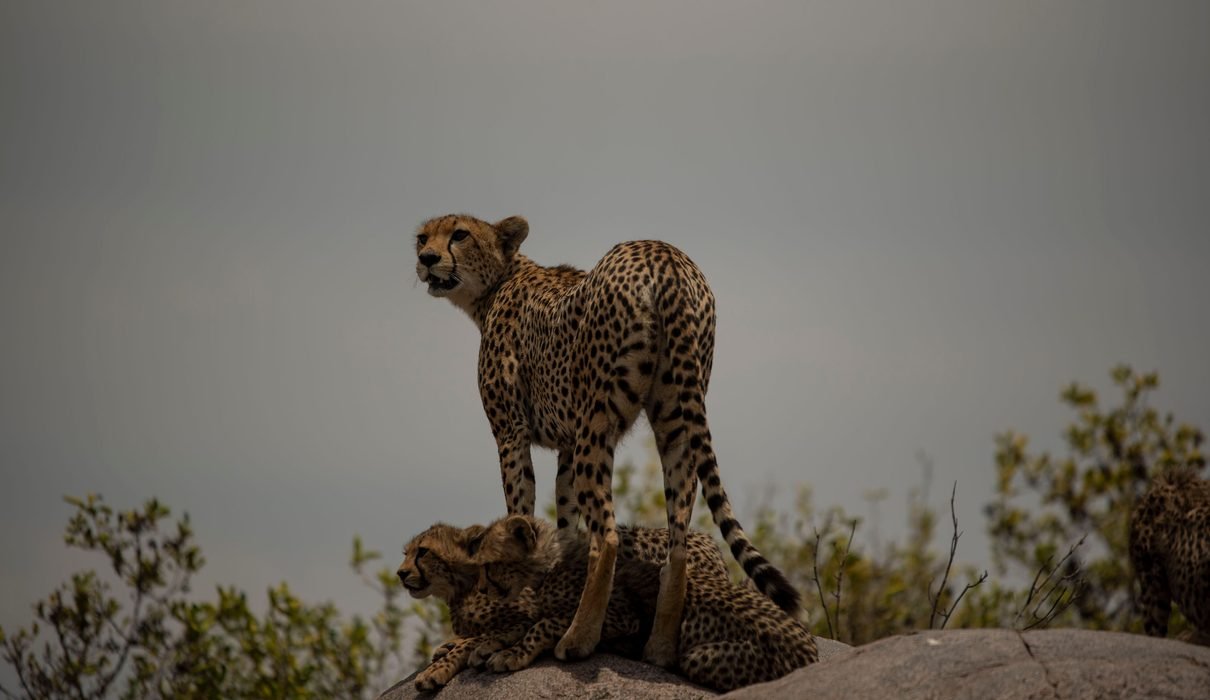
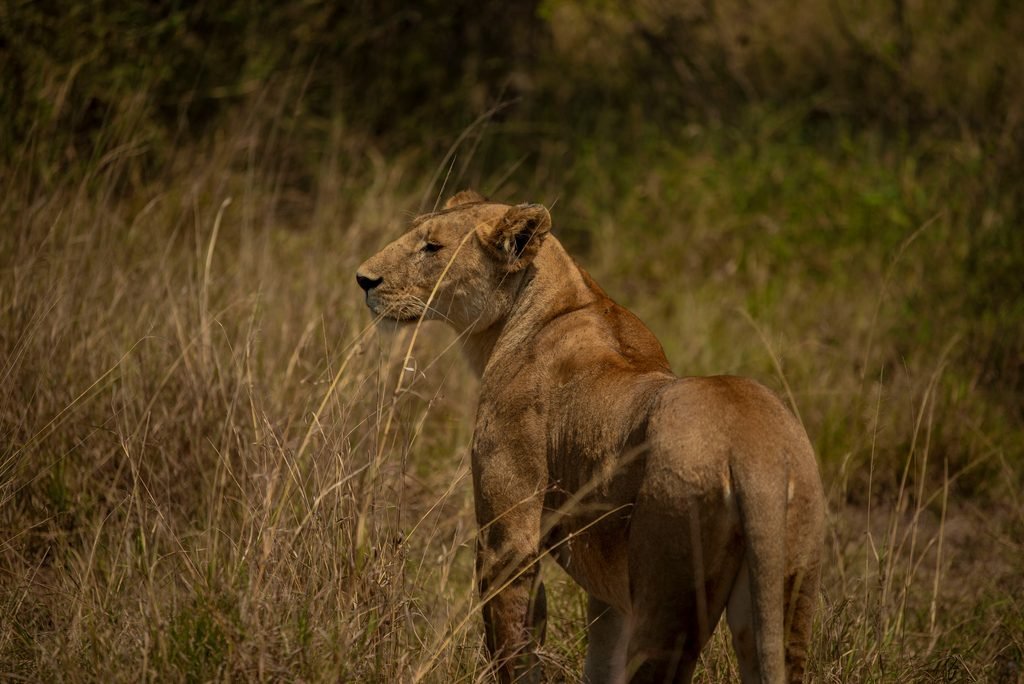
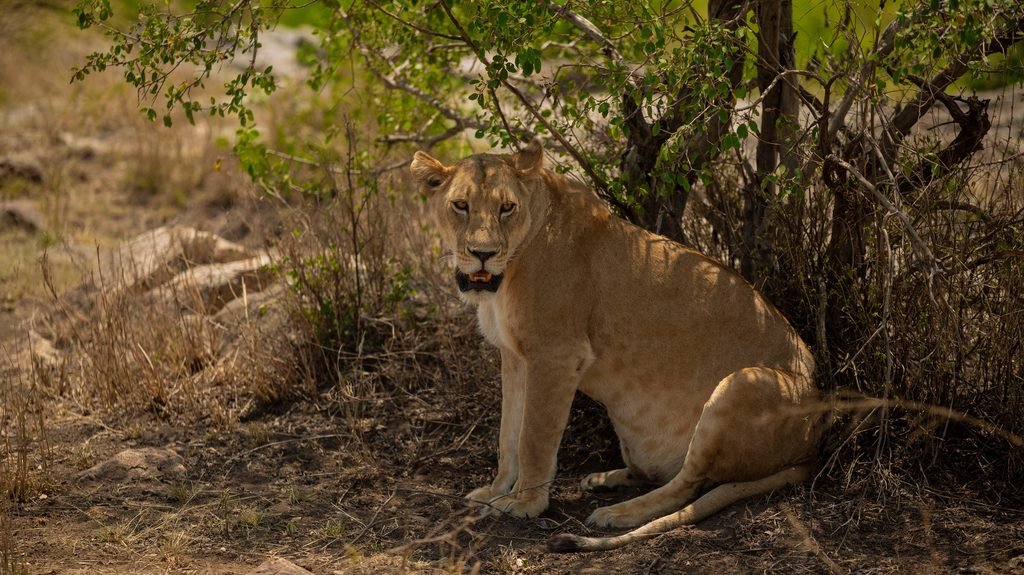
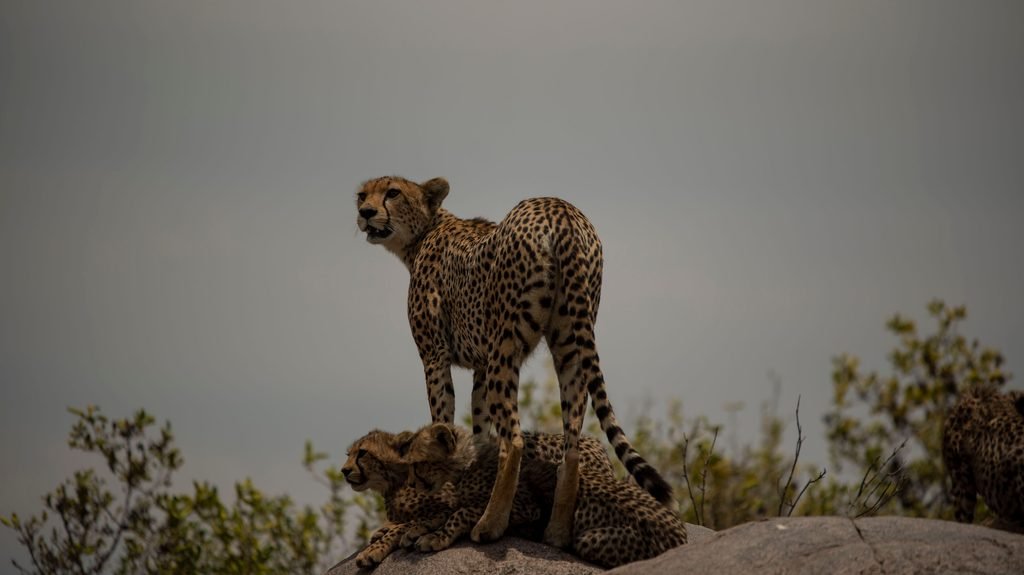
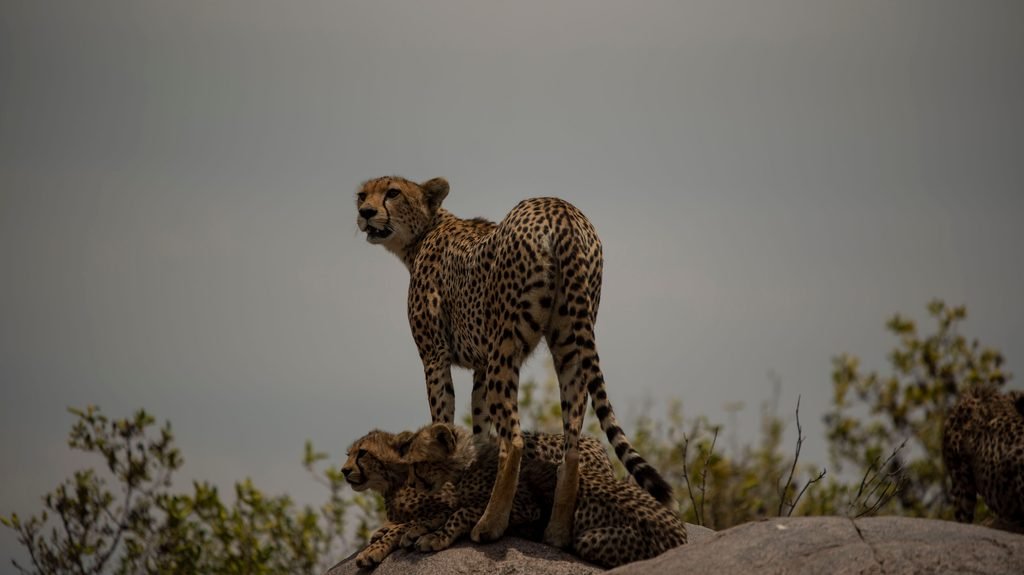
The central Serengeti is particularly well known for its predators, including lions, leopards, cheetahs, and spotted hyenas. Lions may be seen resting near kopjes or moving across the grasslands, while leopards are sometimes found in trees along riverine areas. Cheetahs are more closely associated with open landscapes where they can watch for prey, and hyenas are frequently encountered throughout the park. Other wildlife includes elephants, buffaloes, giraffes, hippos, crocodiles, antelopes, and numerous bird species.
One of the Serengeti’s most famous natural events is the Great Wildebeest Migration, during which large numbers of wildebeest and zebras move through the Serengeti-Mara ecosystem in response to seasonal rainfall and grazing conditions. The location of the main herds changes throughout the year, meaning that a standard central Serengeti safari does not guarantee sightings of the largest migration concentrations. Travellers whose main interest is the migration can consider our 6-Day Serengeti Great Migration and Ngorongoro Safari, which can be adjusted according to the expected location of the herds.
Lunch is enjoyed at a designated picnic location, or you may return to your lodge if the accommodation and game-drive schedule make this practical. The afternoon provides further opportunities to explore the park, photograph wildlife, and observe animal behaviour. Your guide will select appropriate routes according to wildlife activity and park regulations, allowing you to spend time at interesting sightings rather than rushing between locations.
You return to your lodge or tented camp in the evening for dinner and relaxation. Spending a second night in the Serengeti is an important part of this itinerary because it provides a full day of game viewing and gives travellers a better opportunity to appreciate the park’s landscapes and wildlife.
Accommodation: Selected Serengeti safari lodge or permanent tented camp
Meals: Breakfast, lunch, and dinner
Main activity: Full-day Serengeti game drive
Day 4: Serengeti to Ngorongoro Conservation Area – Morning Game Drive and Highland Landscapes
Your fourth day begins with breakfast before departing for a final morning game drive in Serengeti National Park. The drive provides another opportunity to search for wildlife while travelling towards the park’s eastern exit. Depending on the route, you may encounter grazing animals, elephants moving through woodland, or predators resting after their nighttime activities. Wildlife movements are unpredictable, so each game drive offers a different experience even when travelling through areas visited previously.
After leaving Serengeti National Park, you continue through the Ngorongoro Conservation Area towards the crater highlands. The journey passes through open plains and gradually climbs into cooler, greener landscapes. The Ngorongoro Conservation Area is different from a conventional national park because it includes important wildlife habitats alongside areas where Maasai pastoral communities live and graze livestock under the area’s management arrangements.
As you approach the crater highlands, you may enjoy views of the surrounding hills and conservation landscape. The Ngorongoro Crater itself is the remains of a large volcanic caldera, formed after the collapse of an ancient volcano. Its floor contains grasslands, woodland, wetlands, and lakes that support a substantial variety of resident wildlife. The crater is one of Tanzania’s best-known destinations for observing large mammals within a relatively compact area.
Depending on the selected accommodation, you may stay at a lodge near the crater rim or in the Karatu area. Crater-rim lodges can provide convenient access to the crater descent routes, while Karatu offers a wider selection of comfortable mid-range accommodation. The final property will be selected according to availability, travel dates, and the agreed safari budget.
After checking in, you have time to relax before dinner. The evening is generally cooler in the Ngorongoro highlands, so carrying a warm jacket is advisable.
Accommodation: Selected lodge near Ngorongoro Crater or in Karatu
Meals: Breakfast, lunch, and dinner
Main activity: Morning Serengeti game drive and transfer to Ngorongoro
Day 5: Ngorongoro Crater Game Drive – Exploring the Home of the Big Five
After an early breakfast, you depart for Ngorongoro Crater, one of Tanzania’s most important wildlife destinations. Your guide completes the necessary entrance procedures before descending into the crater for a game drive. The descent provides impressive views of the caldera floor, where grasslands, wetlands, woodland, and open water create habitats for many different animals.
Ngorongoro Crater is well known for its concentration of wildlife, including buffaloes, zebras, wildebeest, gazelles, lions, spotted hyenas, and elephants. The crater also supports a small population of endangered black rhinoceroses, making it an important destination for travellers interested in the African Big Five. However, black rhinoceroses can be difficult to locate, and sightings are never guaranteed. Leopards are also present in the wider Ngorongoro landscape, although they are not commonly seen during every crater visit.
Your guide follows the designated game-drive routes while searching for wildlife and explaining the habitats encountered. You may see large herds of grazing animals on the crater floor, hippos resting in suitable pools, or lions moving through the grasslands. Birdlife is another attraction, with species such as crowned cranes, flamingos, and various birds of prey found in the area depending on seasonal conditions.
Lunch is enjoyed at an authorised picnic area before continuing the game drive within the permitted crater visit period. The relatively compact landscape allows visitors to observe several habitats in one excursion, although wildlife sightings depend on the animals’ natural movements.
After completing the crater excursion, you ascend to the rim and return to your selected lodge in the Karatu or Ngorongoro area. The afternoon and evening provide time to rest, enjoy the accommodation facilities, and reflect on the wildlife experiences of the previous days.
Accommodation: Selected lodge in Karatu or the Ngorongoro area
Meals: Breakfast, lunch, and dinner
Main activity: Ngorongoro Crater game drive
Day 6: Ngorongoro Highlands to Arusha – Relaxed Breakfast and Return Journey
The final day of your six-day Tanzania lodge safari begins with breakfast at your accommodation. Unlike the previous days, which focus on national park game drives, this day provides a more relaxed journey back to Arusha. Depending on your lodge location and departure schedule, you may have time to enjoy the surrounding highland scenery before checking out and beginning the drive.
The journey from Karatu to Arusha normally takes approximately two to three hours, depending on road conditions and traffic. Along the way, you pass through small towns, farming areas, and local communities, providing another opportunity to observe the landscapes of northern Tanzania. Optional stops can be discussed with your guide, although any additional activities or entrance fees should be confirmed before departure.
Upon arrival in Arusha, your guide will drop you at your hotel or another agreed location, marking the end of your safari. Travellers continuing to Kilimanjaro International Airport should allow sufficient time for the airport transfer and flight check-in procedures. Depending on your departure schedule, an additional overnight stay in Arusha may be more practical than arranging an international flight immediately after the safari.
This final day completes a six-day journey through three major wildlife destinations, combining the elephant habitats of Tarangire, the open plains of Serengeti, and the wildlife-rich Ngorongoro Crater with comfortable lodge accommodation throughout the trip.
Accommodation: Not included after the safari unless arranged separately
Meals: Breakfast
Main activity: Return transfer to Arusha
What Is Included in the 6-Day Tanzania Lodge Safari Package?
The following services are included in the proposed standard private lodge safari arrangement. Exact inclusions will be confirmed in the final quotation before booking.
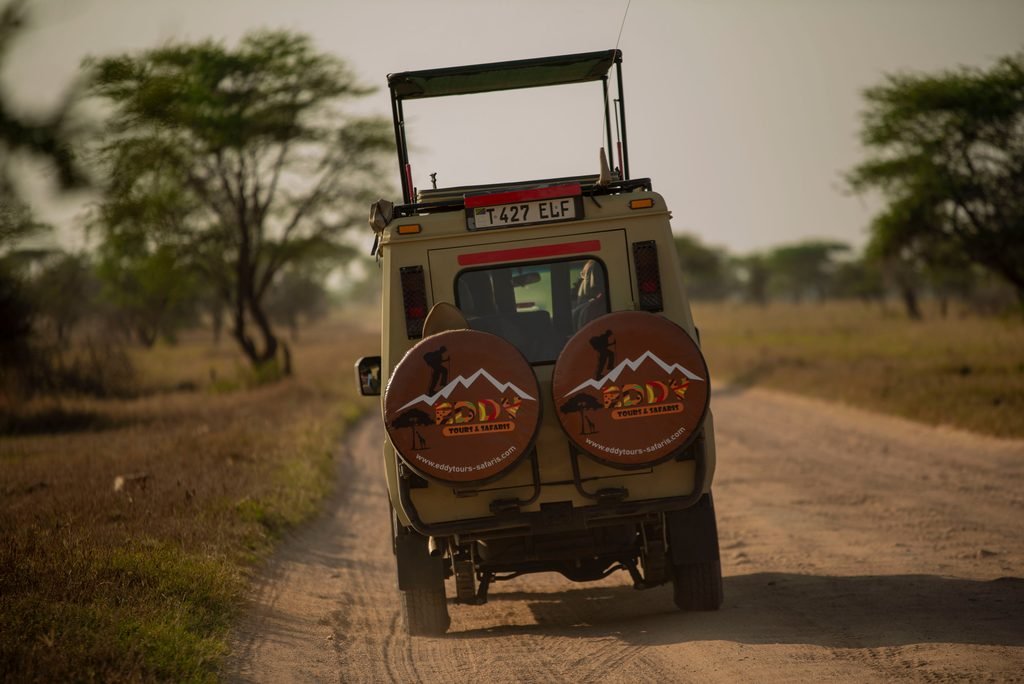
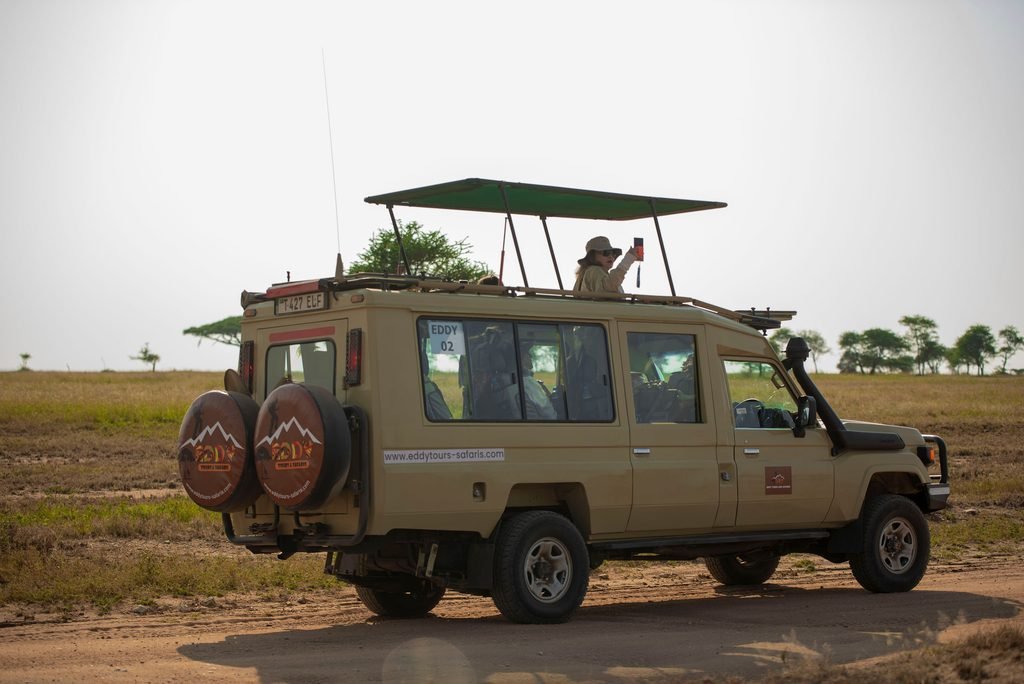
- Private 4×4 safari Land Cruiser with a pop-up roof for wildlife viewing.
- Professional English-speaking safari driver-guide.
- Five nights of accommodation in selected mid-range safari lodges or permanent tented camps.
- Meals as specified in the daily itinerary.
- National park entrance fees for Tarangire and Serengeti.
- Applicable Ngorongoro Conservation Area entrance and crater service fees.
- Scheduled game drives in Tarangire, Serengeti, and Ngorongoro Crater.
- Drinking water in the safari vehicle during scheduled activities.
- Pick-up and drop-off in Arusha as specified in the itinerary.
- Government taxes applicable to the quoted safari services.
- Safari planning and assistance from Eddy Tours & Safaris.
What Is Excluded From the 6-Day Tanzania Lodge Safari Package?
The following expenses are normally excluded unless specifically agreed in the confirmed quotation.
- International and domestic flights.
- Tanzania visa fees and related travel documentation.
- Travel insurance and personal medical expenses.
- Alcoholic beverages, soft drinks, and additional refreshments not included in the lodge meal plan.
- Tips for the safari driver-guide and lodge staff.
- Personal expenses, including souvenirs, laundry, and telephone calls.
- Optional activities such as Serengeti hot-air balloon safaris, cultural visits, or additional excursions.
- Accommodation before the safari begins or after it ends.
- Airport transfers not specifically included in the confirmed itinerary.
- Additional activities or services requested after the safari has been confirmed.
- Any services not expressly listed in the package inclusions.
Why Choose a Tanzania Lodge Safari Instead of Camping?
A lodge safari is suitable for travellers who want to enjoy Tanzania’s wildlife while having comfortable accommodation available at the end of each day. Unlike public camping arrangements, where guests normally use tents and shared facilities, lodges and permanent tented camps generally provide private rooms or furnished tents with beds, bathrooms, and dining facilities. This can make a considerable difference for travellers who prefer more comfort, especially after long game drives or road transfers.
Lodge accommodation also offers different options depending on the traveller’s budget. Mid-range properties may provide comfortable rooms, restaurant services, and pleasant surroundings, while luxury lodges may include additional facilities and more spacious accommodation. However, the standard of a lodge depends on the individual property, so travellers should review the actual accommodation rather than assuming that every lodge offers the same level of service.
Another advantage of a lodge safari is that accommodation can be selected according to the itinerary. Staying within Serengeti National Park or near important wildlife viewing areas can reduce travel time and allow more time for game drives. Similarly, choosing a lodge in Karatu or near the Ngorongoro Crater rim can influence the following day’s departure schedule and travel arrangements.
Travellers who prefer a lower-cost option can compare this itinerary with our 6-Day Tanzania Camping Safari, which visits similar wildlife destinations while using basic camping accommodation.
Best Time for a 6-Day Tanzania Lodge Safari in 2027 and 2028
A six-day Tanzania lodge safari can be arranged throughout the year, although the wildlife experience changes according to rainfall, vegetation, and seasonal animal movements. The dry season, generally from June to October, is particularly popular because animals often gather around permanent water sources and vegetation becomes less dense in many areas. Tarangire is especially interesting during this period, when elephants and other wildlife may concentrate around the Tarangire River.
The Serengeti offers wildlife viewing throughout the year, but the location of the Great Wildebeest Migration changes according to seasonal conditions. From approximately December to March, the southern Serengeti and Ndutu region are important for the calving season, while the western and northern areas become more significant during other parts of the year. Travellers hoping to see the migration should plan their itinerary around the expected location of the herds rather than assuming that all migration activity takes place in central Serengeti.
April and May are generally associated with heavier rainfall in parts of northern Tanzania. These months can provide green scenery and quieter safari experiences, although road conditions may become more challenging. November and December often bring seasonal changes as the short rains influence vegetation and wildlife movements.
For travellers planning a 2027 or 2028 safari, booking accommodation several months in advance is advisable, particularly during popular travel periods. Lodge availability, room categories, and seasonal prices can change, so early planning provides more options when selecting accommodation.
How Much Does a 6-Day Tanzania Lodge Safari Cost in 2027 and 2028?
The cost of a six-day Tanzania lodge safari depends on several factors, including the number of travellers, selected accommodation, travel season, park fees, and whether the safari is private or shared. A private safari for two travellers normally costs more per person than a larger group because the vehicle and guiding expenses are shared among fewer people.
For preliminary planning, a mid-range six-day private lodge safari may cost approximately USD 2,000–3,500 per person, based on two travellers sharing a room and safari vehicle. This is an illustrative planning estimate rather than a confirmed Eddy Tours & Safaris selling price. Actual quotations for 2027 and 2028 may be higher or lower depending on the accommodation selected, seasonal rates, and applicable park fees.
Luxury accommodation, premium tented camps, domestic flights, and additional activities can increase the total cost. Travellers who want to keep expenses manageable may choose comfortable mid-range lodges rather than high-end properties, while still enjoying private transport and guided game drives.
For a personalised quotation, contact Eddy Tours & Safaris with your travel dates, number of travellers, and preferred accommodation category.
Can You Combine a Tanzania Lodge Safari With Mount Kilimanjaro Climbing?
Many travellers visiting northern Tanzania are interested in combining a wildlife safari with a Mount Kilimanjaro climbing expedition. These two experiences can be arranged within the same holiday, allowing visitors to explore the national parks before or after their mountain trek. Arusha and Moshi provide convenient starting points for both activities, with transport arranged according to the confirmed itinerary.
Mount Kilimanjaro offers several climbing routes, including Machame, Marangu, Lemosho, Rongai, and the Northern Circuit. Each route has different characteristics, trekking durations, accommodation arrangements, and acclimatisation considerations. Travellers should choose a route based on their fitness, available time, and preparation rather than selecting the shortest itinerary without considering the physical demands of the climb.
Visitors interested in extending their Tanzania holiday can explore Kilimanjaro climbing packages and route information before arranging a combined safari and mountain adventure.
Why Book Your Tanzania Lodge Safari With Eddy Tours & Safaris?
Eddy Tours & Safaris is a locally based tour company in Arusha, Tanzania, offering wildlife safaris, Kilimanjaro climbing arrangements, and other travel experiences. Our location provides convenient access to Tanzania’s northern safari circuit, allowing us to help travellers plan visits to Tarangire, Serengeti, Ngorongoro, and other destinations according to their available time and interests.
We understand that accommodation is an important part of a lodge safari, particularly for travellers who want to enjoy wildlife viewing without sacrificing comfort. Our team can help guests compare mid-range lodges, permanent tented camps, and luxury properties according to their preferred travel dates and budget. We also assist with itinerary planning, safari transport, and the practical arrangements involved in travelling between the national parks.
For visitors who want to compare different safari durations and accommodation categories, our Best Tanzania Safari Itineraries and Packages for 2027–2028 provides additional options for planning a wildlife holiday.
Frequently Asked Questions About the 6-Day Tanzania Lodge Safari
Is Six Days Enough for a Tanzania Lodge Safari?
Yes, six days is enough to visit Tarangire, Serengeti, and Ngorongoro Crater while staying in comfortable lodges and tented camps. The itinerary includes two nights in Serengeti, providing a full day of game viewing in addition to wildlife drives during arrival and departure. Travellers who want a slower pace or more time in Serengeti may consider extending the safari to seven or eight days.
What Is the Difference Between a Lodge Safari and a Camping Safari?
The main difference is the accommodation. Lodge safaris use permanent buildings or furnished tented camps with beds and private facilities, while budget camping safaris generally use tents and shared campsite amenities. Both arrangements can visit the same national parks and offer guided wildlife viewing, but lodge safaris normally provide more comfort and cost more.
Can I See the Big Five During This Safari?
The itinerary visits areas where lions, leopards, elephants, buffaloes, and rhinoceroses occur naturally. Tarangire is particularly well known for elephants, Serengeti supports several large predator species, and Ngorongoro Crater offers opportunities to search for black rhinoceroses. However, wildlife sightings depend on natural animal movements and cannot be guaranteed.
Is This Safari Suitable for Families With Children?
Yes, a private lodge safari can be suitable for families because the daily schedule and accommodation can be selected according to the family’s needs. Parents travelling with young children should discuss suitable driving distances, meal arrangements, room configurations, and any lodge age restrictions before confirming the booking.
Can I Upgrade to Luxury Lodges?
Yes, the itinerary can be arranged with luxury lodges and premium tented camps where suitable accommodation is available. Upgrading may provide larger rooms, additional facilities, and different accommodation locations, although the exact services depend on the selected properties. The overall safari price will change according to the accommodation category.
Is the Great Wildebeest Migration Included in This Safari?
The safari visits Serengeti National Park, which forms part of the Great Migration ecosystem. However, the location of the main migrating herds changes throughout the year, and this standard itinerary focuses on central Serengeti. Travellers whose main priority is the migration should request a seasonal itinerary that considers the expected location of the herds during their travel dates.
How Early Should I Book My 2027 or 2028 Tanzania Lodge Safari?
Booking several months in advance is advisable, especially for travel during the popular June-to-October period and major holiday seasons. Early booking provides more accommodation choices and allows time to arrange flights, travel documents, and any additional activities. Final availability depends on the selected lodges and confirmed travel dates.
Book Your Best 6-Day Tanzania Lodge Safari for 2027 or 2028
A six-day Tanzania lodge safari offers a practical combination of wildlife viewing, comfortable accommodation, and travel through some of northern Tanzania’s most important conservation areas. From Tarangire’s elephant habitats to the Serengeti’s open plains and the wildlife-rich Ngorongoro Crater, the journey provides opportunities to observe a wide variety of animals while enjoying the convenience of organised transport and selected safari lodges.
At Eddy Tours & Safaris, we help travellers plan private Tanzania wildlife holidays based on their preferred travel dates, group size, and accommodation requirements. Whether you are travelling as a couple, with family, or with a small group of friends, our team can prepare a suitable itinerary and provide a clear quotation before booking.
Contact Eddy Tours & Safaris
Location: Arusha, Tanzania
Website: Eddy Tours and Safaris
Email: sales@eddytours-safaris.com
Alternative email: eddytoursandsafaris@gmail.com
Contact our team to request an updated quotation for your 2027 or 2028 Tanzania lodge safari, including available accommodation, scheduled game drives, park fees, and other services included in your package.